Explore 20 December

Explore 20 December: the United States takes over Louisiana, South Carolina leaves the Union, Lenin’s secret police is born and Portugal hands Macau to China. Meet Robert Menzies, Irene Dunne and Kylian Mbappé, born on this date.

This day through time →8 verified events across 2 eras

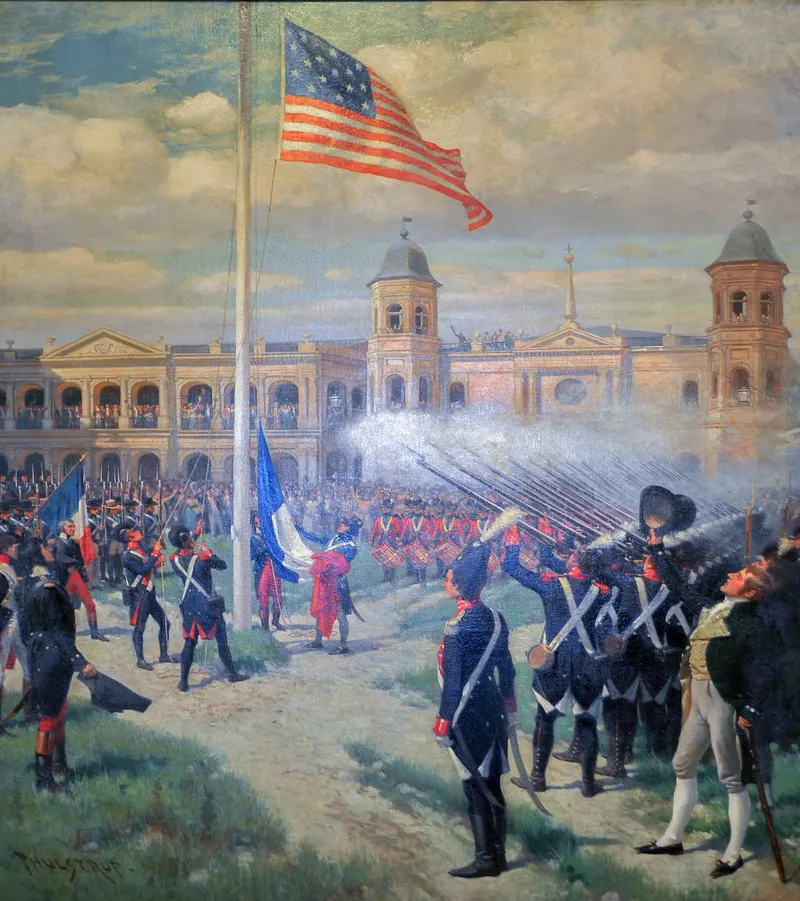
A painting of the handover of Louisiana in New Orleans, in the Louisiana State Museum.
Image creditMatysik · CC0Resized and cropped for display.

The United States takes possession of Louisiana

In the square in front of the Cabildo in New Orleans on 20 December 1803, the French flag came down and the Stars and Stripes went up. William Claiborne, the new governor, and General James Wilkinson signed the papers that transferred Lower Louisiana from France to the United States. Spain had handed the colony to France only three weeks earlier.

The Louisiana Purchase, agreed in Paris that spring for $15 million, roughly doubled the size of the United States. Claiborne’s proclamation, printed in English, French and Spanish, told the people of the city that they now owed allegiance to the United States and that their rights would be protected.

Read the full storyHistory & Timeline →Source: National Park Service: U.S. takes possession of Louisiana ↗
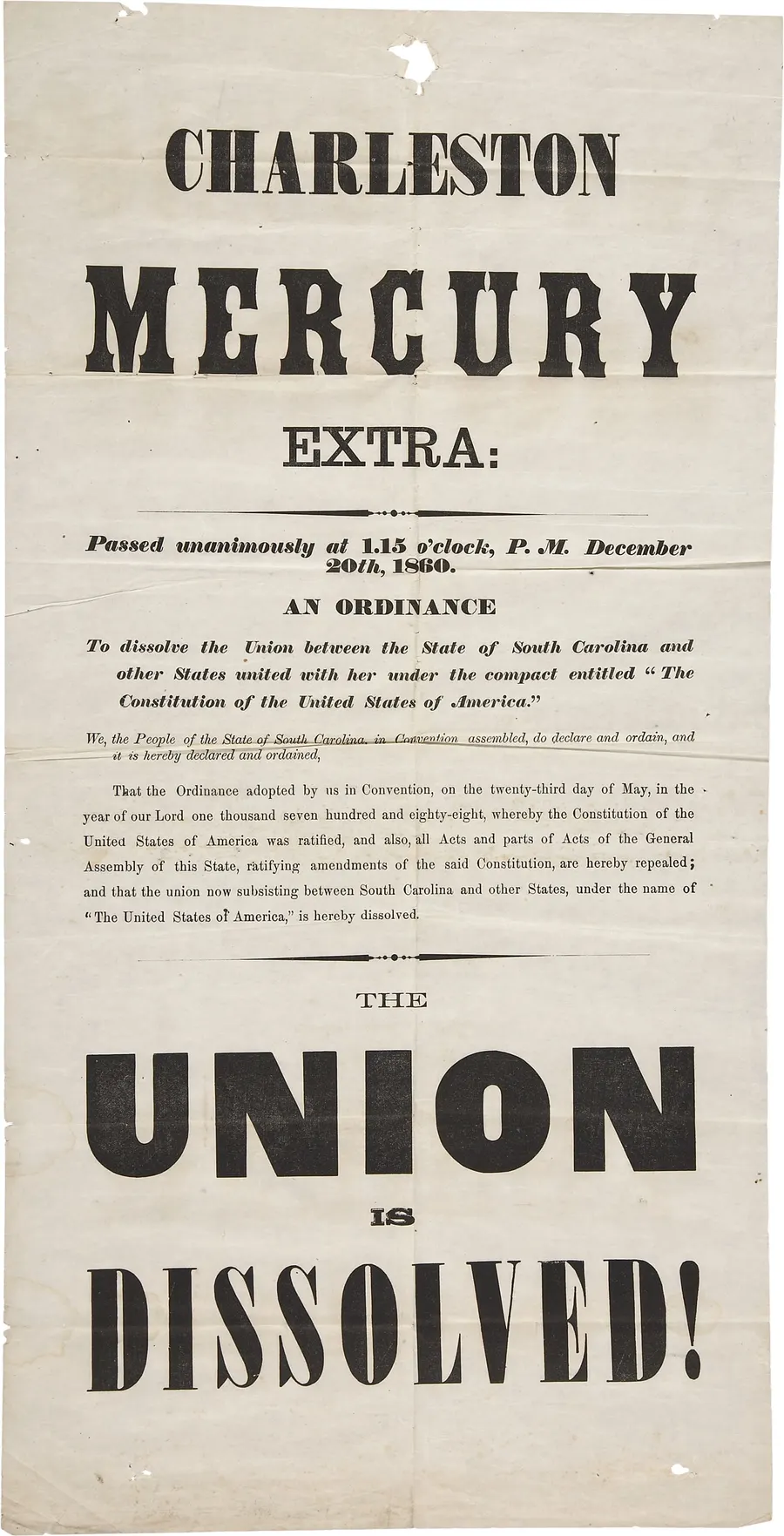
The Charleston Mercury's broadside of 20 December 1860: 'The Union is dissolved!'
The Charleston Mercury’s broadside of 20 December 1860: ‘The Union is dissolved!’
Image creditCharleston Mercury · Public domainResized and cropped for display.

South Carolina leaves the Union

Six weeks after Abraham Lincoln was elected president, a convention of 169 delegates met in Charleston and on 20 December 1860 voted unanimously to take South Carolina out of the United States. The signing began that afternoon at the South Carolina Institute Hall; within minutes the Charleston Mercury was selling a broadside headed ‘The Union is dissolved!’

Most of the delegates were slaveholders, and the declaration they issued four days later named the defence of slavery as their cause. Ten more states followed. In April 1861 Confederate guns fired on Fort Sumter in Charleston harbour, and the Civil War began.

Read the full storyHistory & Timeline →Source: National Park Service: South Carolina secession ↗
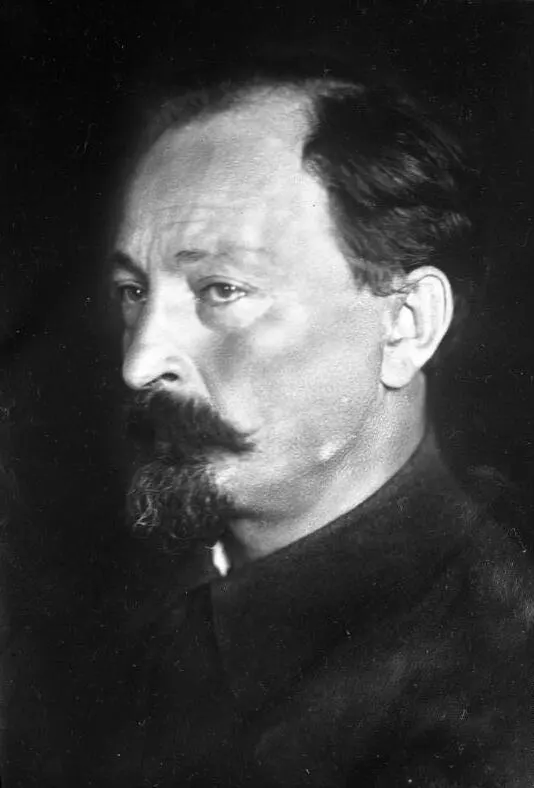
Felix Dzerzhinsky, founder of the Cheka, in 1923.
Image creditUnknown authorUnknown author · CC BY-SA 3.0 deResized and cropped for display.

Lenin’s secret police is founded

On 20 December 1917, six weeks after the Bolsheviks seized power, Lenin’s government set up the All-Russian Extraordinary Commission for Combating Counter-Revolution and Sabotage, known from its initials as the Cheka, and put Felix Dzerzhinsky, a Polish-born revolutionary, at its head.

In the civil war that followed, the Cheka arrested, imprisoned and shot real and suspected enemies of the new state in their thousands without trial, in what was openly called the Red Terror. It was the first of the Soviet security services; its successors included the NKVD and the KGB.

Read the full storyHistory & Timeline →Source: Encyclopaedia Britannica: Cheka ↗
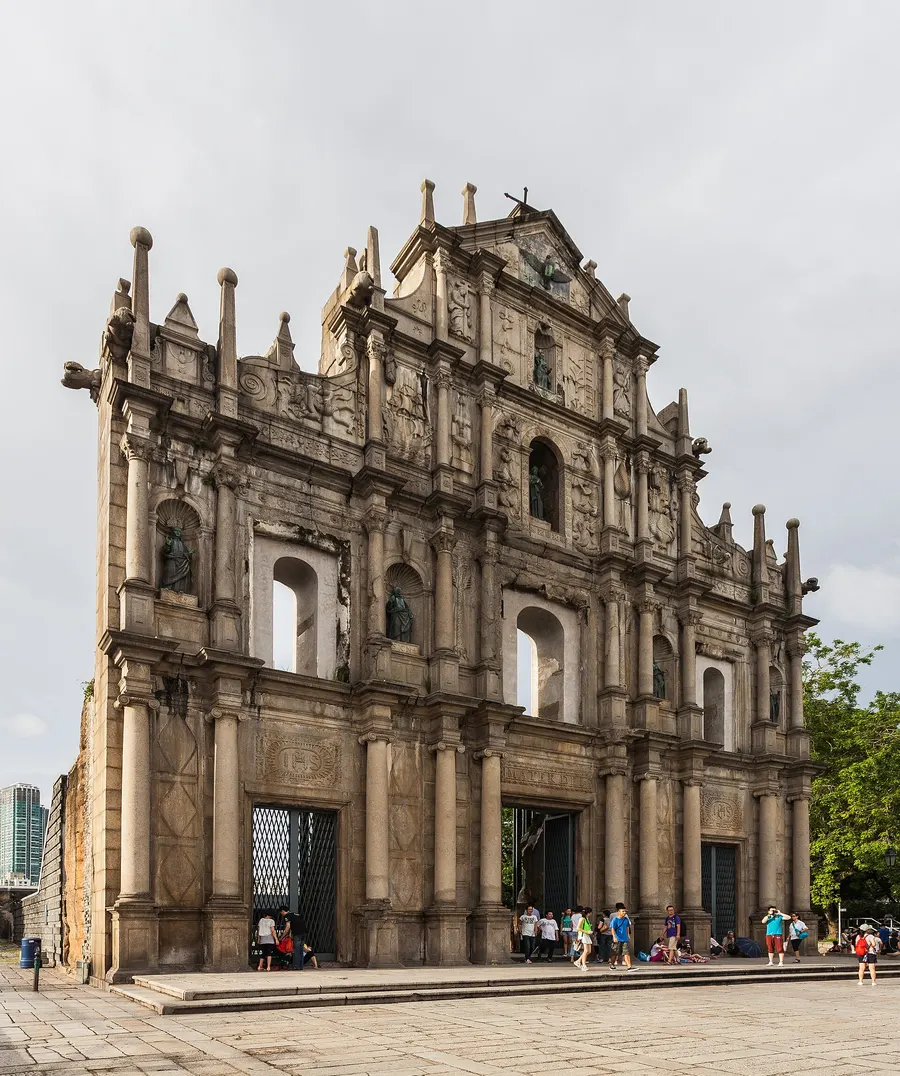
The ruins of St Paul's, the façade of a seventeenth-century church and Macau's best-known landmark.
The ruins of St Paul’s, the façade of a seventeenth-century church and Macau’s best-known landmark.
Image creditDiego Delso · CC BY-SA 3.0Resized and cropped for display.

Portugal hands Macau to China

At midnight on 19-20 December 1999 Portugal handed Macau to the People’s Republic of China, ending more than four centuries of Portuguese presence in the small territory on the Pearl River estuary. It is often called the last European colony in Asia.

Under the joint declaration signed in 1987, Macau became a special administrative region, keeping its own economy and a high degree of autonomy for fifty years. Edmund Ho became its first chief executive. The anniversary is a public holiday there.

Read the full storyHistory & Timeline →Source: Government of Macao SAR, Macao Yearbook: history ↗
♙
PEOPLE

Born Today

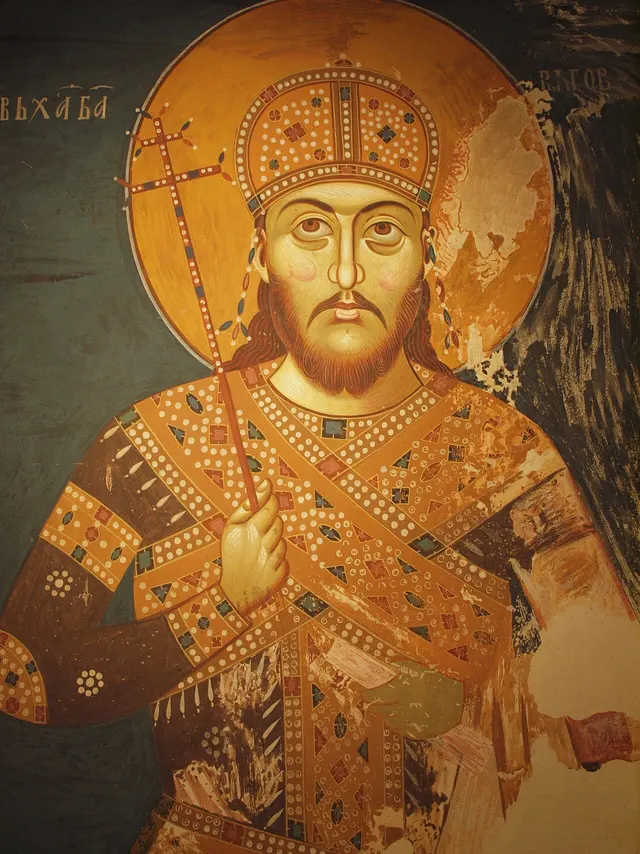
John III of Sweden
Image creditAfter Johan Baptista van Uther · Public domainResized and cropped for display.

John III of Sweden

Son of Gustav Vasa, king of Sweden from 1568, who imprisoned his half-brother Eric XIV to take the throne.

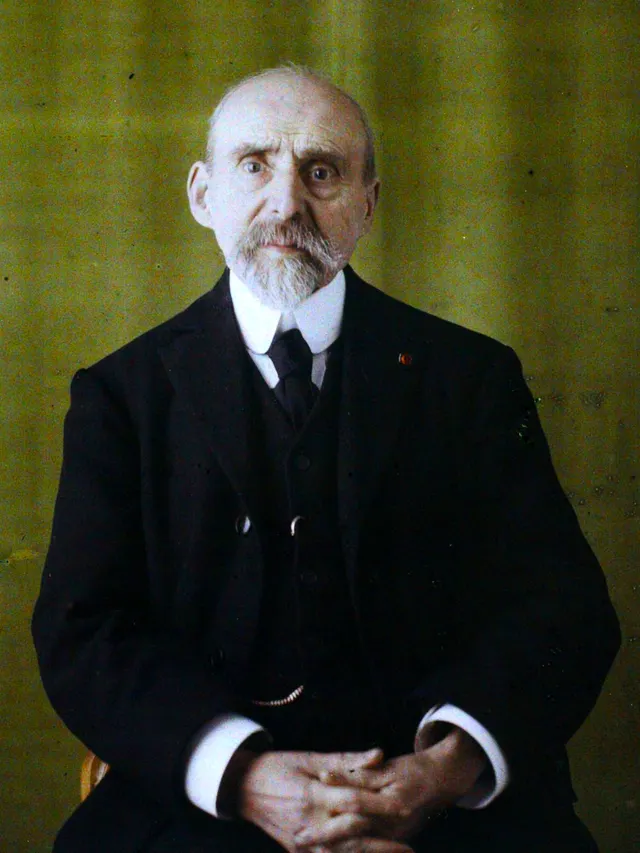
Ferdinand Buisson
Image creditGeorges Chevalier · CC BY 4.0Resized and cropped for display.

Ferdinand Buisson

French educator who helped build France’s free, secular state schools and shared the 1927 Nobel Peace Prize.

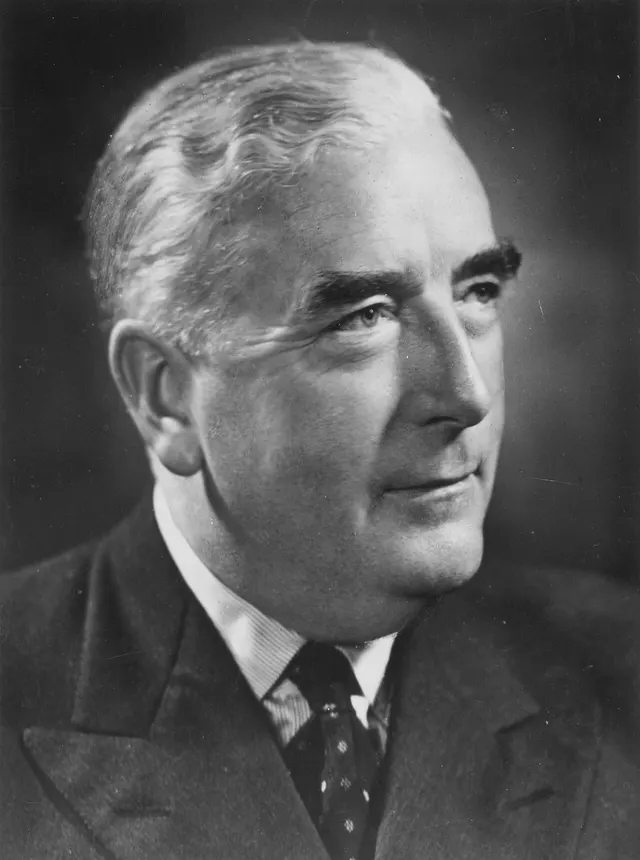
Robert Menzies
Image creditNational Library of Australia · Public domainResized and cropped for display.

Robert Menzies

Australia’s longest-serving prime minister and founder of the Liberal Party, in office from 1949 to 1966.

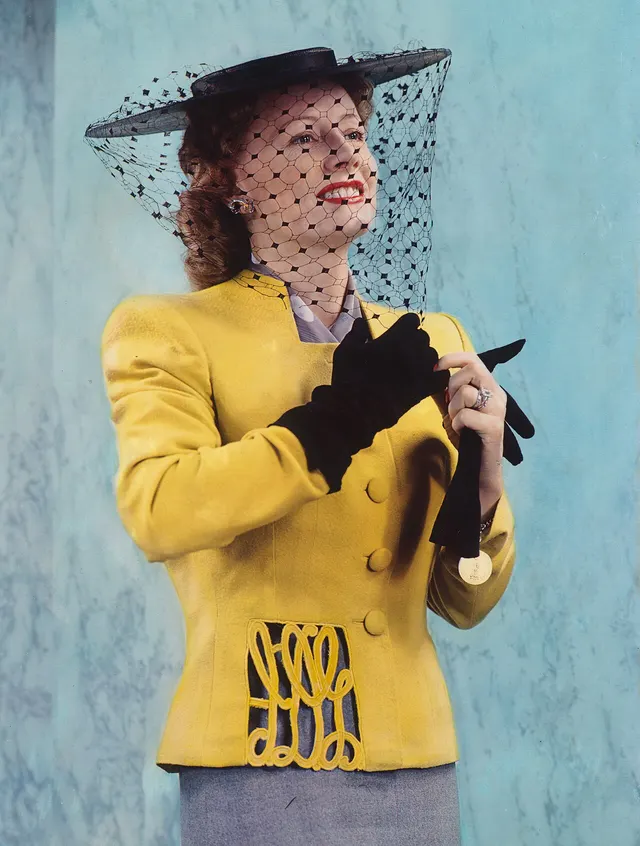
Irene Dunne
Image creditHarry Warnecke / Robert F. Cranston · CC0Resized and cropped for display.

Irene Dunne

American actress and singer of the screwball comedy The Awful Truth, five times nominated for the best actress Oscar.

Jonah Hill
Image creditHarald Krichel · CC BY-SA 4.0Resized and cropped for display.

Jonah Hill

American actor and director of Superbad and Moneyball.

Kylian Mbappé
Image creditBryan Berlin · CC BY-SA 4.0Resized and cropped for display.

Kylian Mbappé

French forward who won the World Cup at nineteen in 2018 and scored a hat-trick in the 2022 final.

◉
IDEAS THAT CHANGED THINGS

Firsts, Science & Discoveries

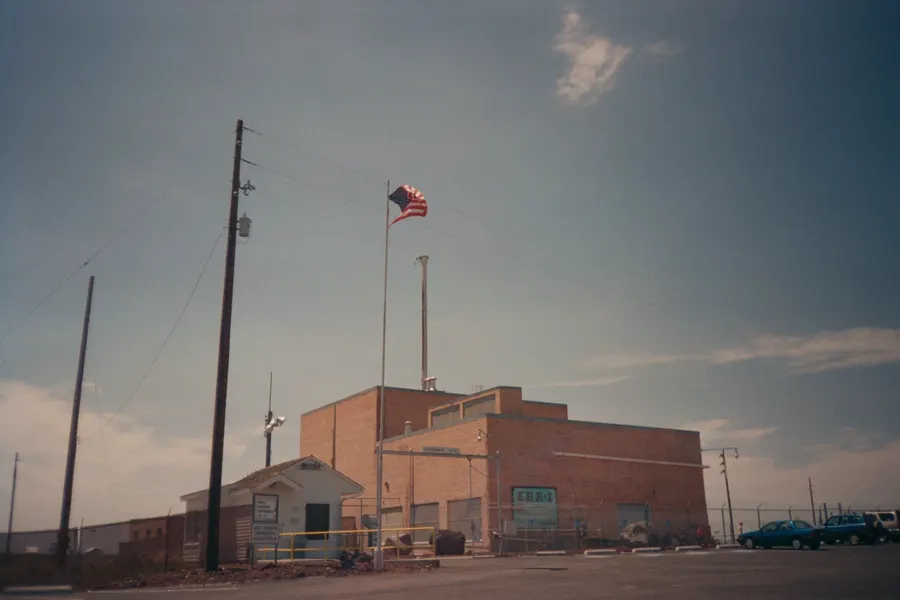
The Experimental Breeder Reactor I building in Idaho, now a museum.
Image creditVeedar · Public domainResized and cropped for display.

A reactor lights four light bulbs

On 20 December 1951, in the Idaho desert, the Experimental Breeder Reactor I built by Argonne National Laboratory produced the first usable electricity ever generated from nuclear fission. It lit a string of four 200-watt light bulbs. The next day it powered the whole building.

The reactor was built to prove that a reactor could ‘breed’ more nuclear fuel than it used, which it did in 1953. It closed in 1964 and is now a National Historic Landmark open to visitors.

Read the full storyHistory & Timeline →Source: US Department of Energy: 9 notable facts about the world’s first nuclear power plant, EBR-I ↗
✦
LIVES REMEMBERED

Remembered Today

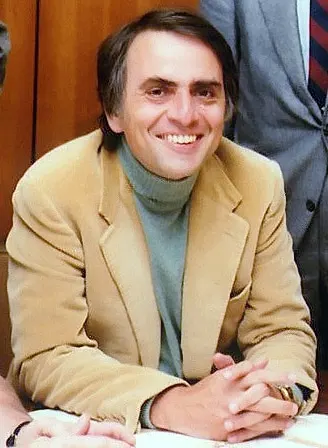
Carl Sagan
Image creditNASA/JPL · Public domainResized and cropped for display.

Carl Sagan

American astronomer who brought the universe to a vast audience with the television series Cosmos.

☉
AROUND THE WORLD

Observances & Anniversaries

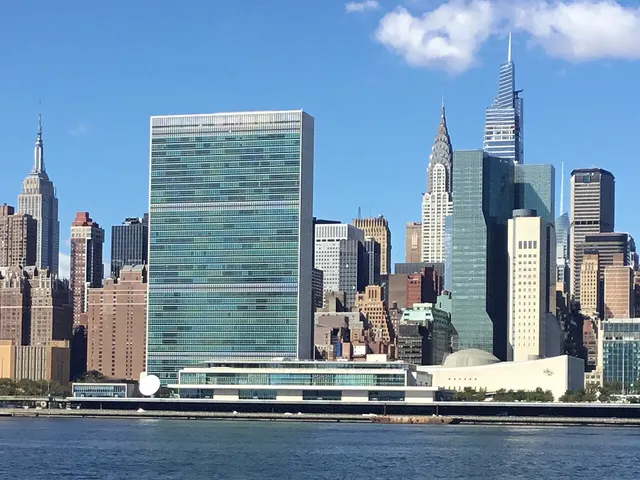
United Nations headquarters on the East River in New York.
Image creditKidfly182 · CC BY-SA 4.0Resized and cropped for display.

International Human Solidarity Day

The UN General Assembly proclaimed 20 December as International Human Solidarity Day in 2005, as a reminder of the shared responsibility of governments, institutions and individuals for peace, human rights and the fight against poverty.

Source: United Nations: International Human Solidarity Day ↗
HISTORY & TIMELINE

Finished the highlights?

Follow 20 December chronologically, from the Middle Ages to the modern day, with 8 verified events and the sources behind them.

This day through time →