
HISTORY & TIMELINE
20 December

A journey through
20 December in history

From the first electricity made by a nuclear reactor to the silent night the last Anzacs left Gallipoli, 20 December has seen empires change hands and new nations begin. This timeline follows the date across two centuries.

JUMP THROUGH TIME
IV
THE NINETEENTH CENTURY

The 1800s

Industry, empire, invention, reform and a century of enormous transformation.

1803
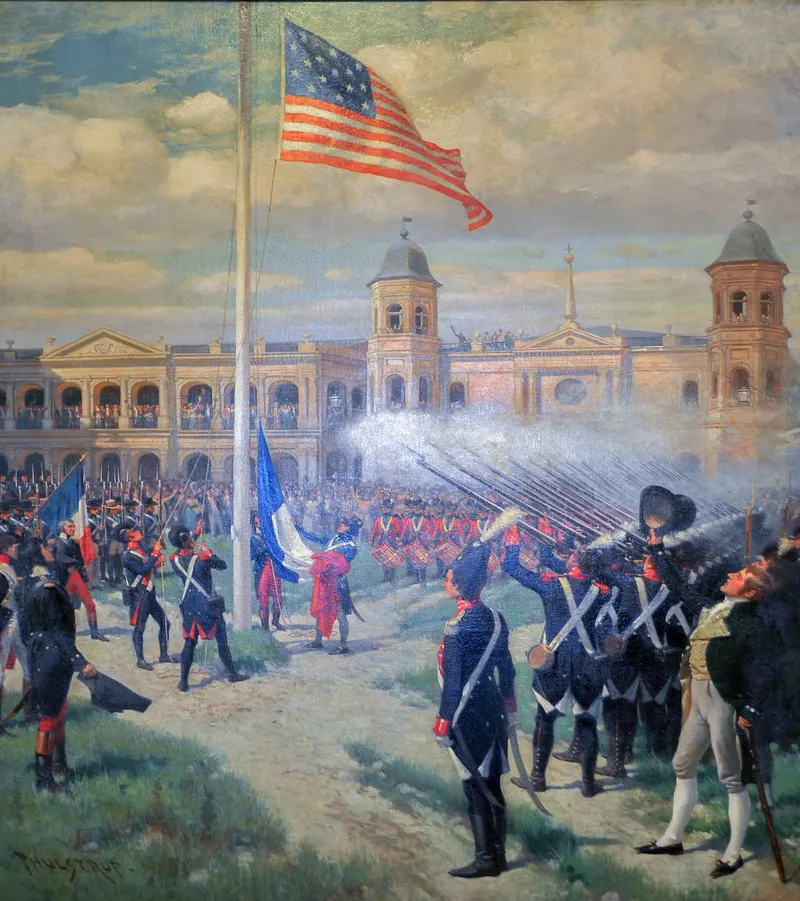
A painting of the handover of Louisiana in New Orleans, in the Louisiana State Museum.A painting of the handover of Louisiana in New Orleans, in the Louisiana State Museum.Image: Matysik · CC0
politics · Americas

The United States takes possession of Louisiana

In the square in front of the Cabildo in New Orleans on 20 December 1803, the French flag came down and the Stars and Stripes went up. William Claiborne, the new governor, and General James Wilkinson signed the papers that transferred Lower Louisiana from France to the United States. Spain had handed the colony to France only three weeks earlier. The Louisiana Purchase, agreed in Paris that spring for $15 million, roughly doubled the size of the United States. Claiborne’s proclamation, printed in English, French and Spanish, told the people of the city that they now owed allegiance to the United States and that their rights would be protected.

Source: National Park Service: U.S. takes possession of Louisiana ↗
1860
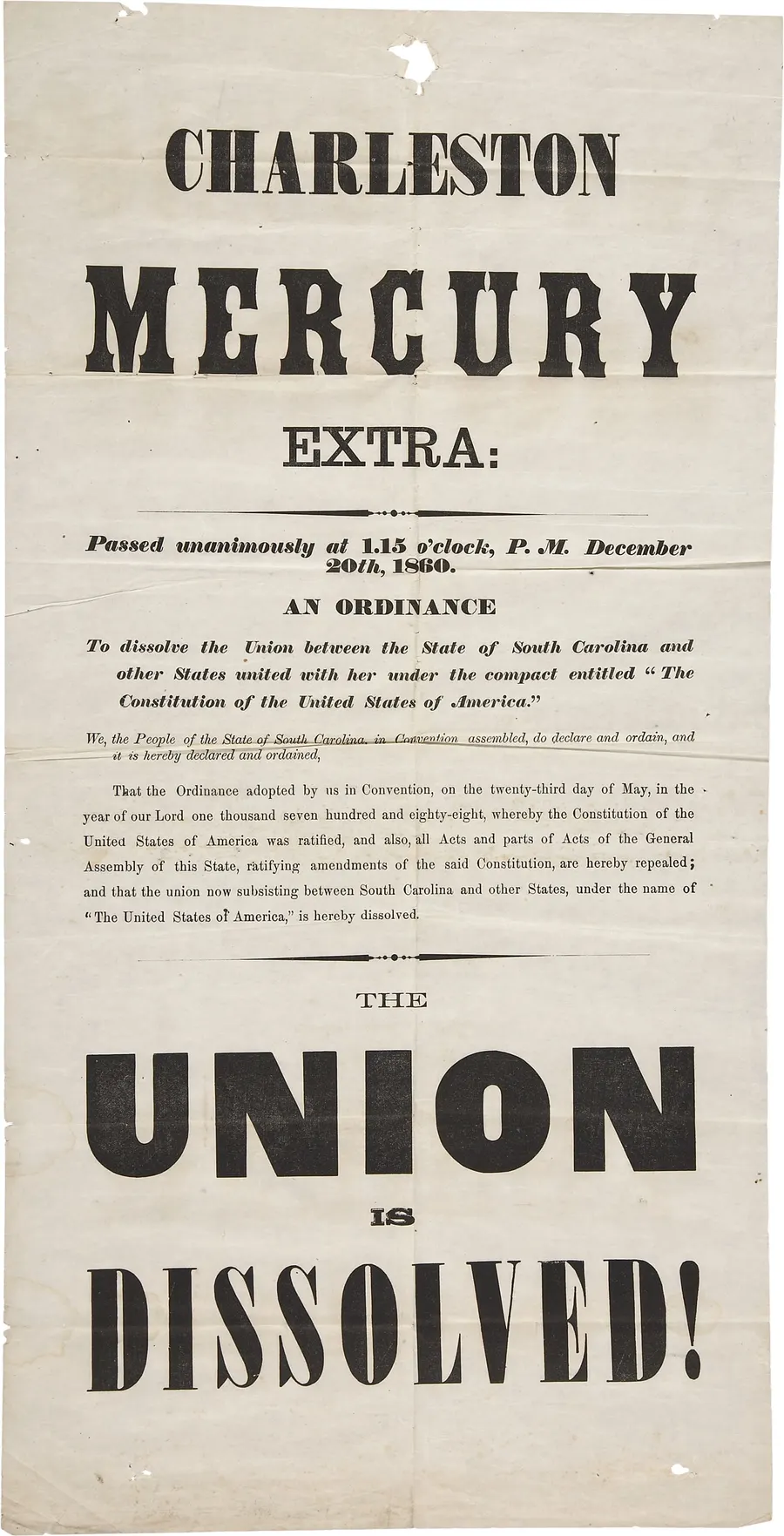
The Charleston Mercury's broadside of 20 December 1860: 'The Union is dissolved!'The Charleston Mercury’s broadside of 20 December 1860: ‘The Union is dissolved!’Image: Charleston Mercury · Public domain
politics · Americas

South Carolina leaves the Union

Six weeks after Abraham Lincoln was elected president, a convention of 169 delegates met in Charleston and on 20 December 1860 voted unanimously to take South Carolina out of the United States. The signing began that afternoon at the South Carolina Institute Hall; within minutes the Charleston Mercury was selling a broadside headed ‘The Union is dissolved!’ Most of the delegates were slaveholders, and the declaration they issued four days later named the defence of slavery as their cause. Ten more states followed. In April 1861 Confederate guns fired on Fort Sumter in Charleston harbour, and the Civil War began.

Source: National Park Service: South Carolina secession ↗
V
THE TWENTIETH CENTURY

The 1900s

War and peace, technological leaps, social change, politics, sport and popular culture.

1915
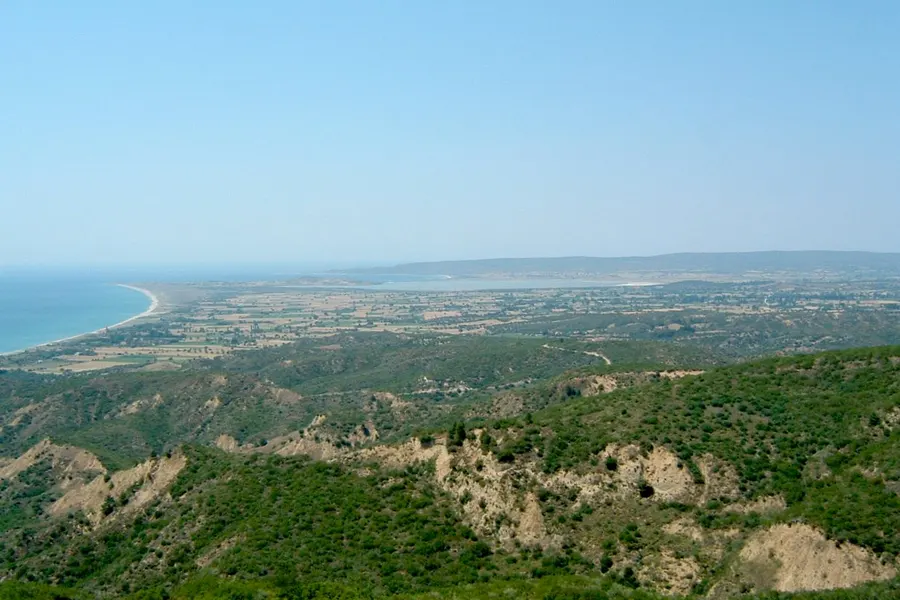
Suvla Bay seen from Battleship Hill on the Gallipoli peninsula.Suvla Bay seen from Battleship Hill on the Gallipoli peninsula.Image: Unknown · CC BY-SA 3.0
world · Oceania

The last Anzacs leave Gallipoli

Shortly after 4 a.m. on 20 December 1915 the last boat pulled away from North Beach at Anzac Cove, completing the evacuation of Anzac and Suvla. Over five nights some 36,000 men had been taken off without the Ottoman army noticing, helped by tricks such as rifles rigged to fire on their own. After eight months of fighting that had cost the lives of more than 8,000 Australians and 2,700 New Zealanders, it was the most successful operation of the campaign. British and French troops held on at Helles until 9 January 1916.

Source: Australian War Memorial: on this day, 20 December 1915 ↗
1917
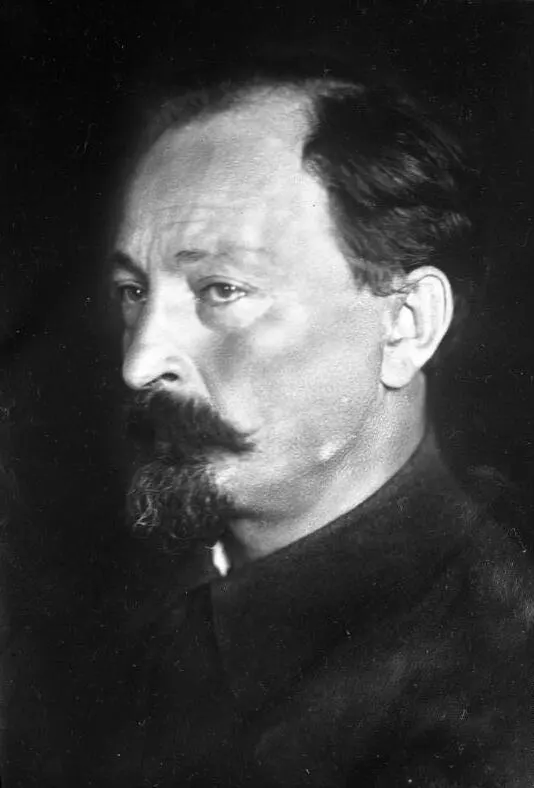
Felix Dzerzhinsky, founder of the Cheka, in 1923.Felix Dzerzhinsky, founder of the Cheka, in 1923.Image: Unknown authorUnknown author · CC BY-SA 3.0 de
politics · Europe

Lenin’s secret police is founded

On 20 December 1917, six weeks after the Bolsheviks seized power, Lenin’s government set up the All-Russian Extraordinary Commission for Combating Counter-Revolution and Sabotage, known from its initials as the Cheka, and put Felix Dzerzhinsky, a Polish-born revolutionary, at its head. In the civil war that followed, the Cheka arrested, imprisoned and shot real and suspected enemies of the new state in their thousands without trial, in what was openly called the Red Terror. It was the first of the Soviet security services; its successors included the NKVD and the KGB.

Source: Encyclopaedia Britannica: Cheka ↗
1951
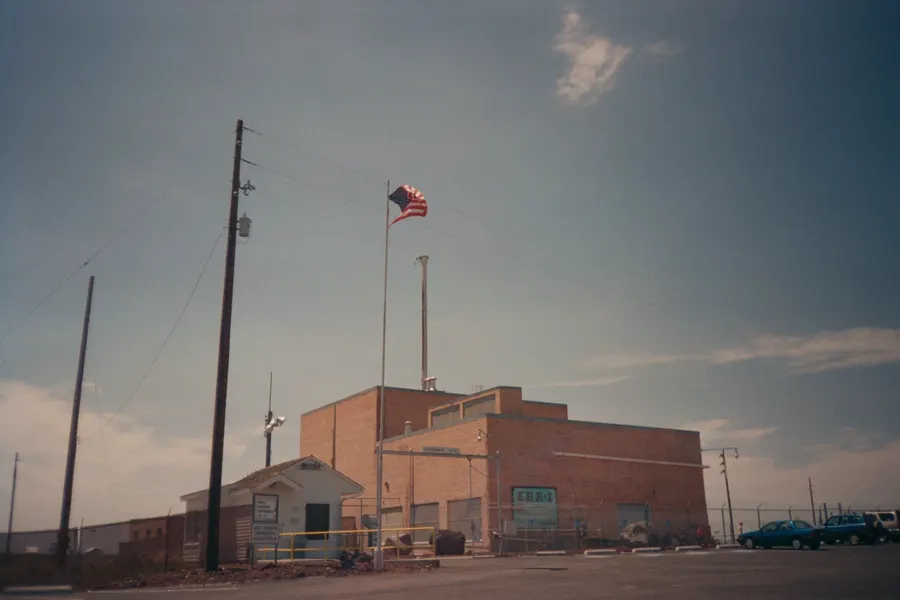
The Experimental Breeder Reactor I building in Idaho, now a museum.The Experimental Breeder Reactor I building in Idaho, now a museum.Image: Veedar · Public domain
science · Americas

A reactor lights four light bulbs

On 20 December 1951, in the Idaho desert, the Experimental Breeder Reactor I built by Argonne National Laboratory produced the first usable electricity ever generated from nuclear fission. It lit a string of four 200-watt light bulbs. The next day it powered the whole building. The reactor was built to prove that a reactor could ‘breed’ more nuclear fuel than it used, which it did in 1953. It closed in 1964 and is now a National Historic Landmark open to visitors.

Source: US Department of Energy: 9 notable facts about the world’s first nuclear power plant, EBR-I ↗
1955
politics · Europe

Cardiff becomes the capital of Wales

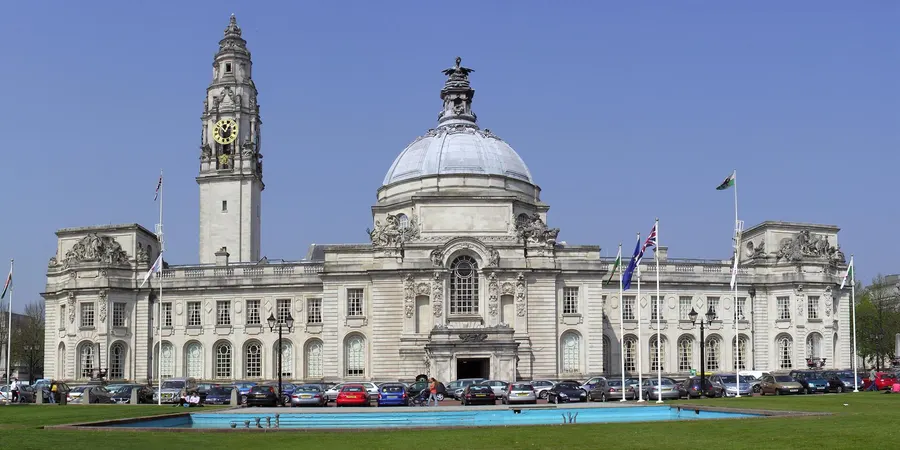
Wales had no official capital until 20 December 1955, when the Minister for Welsh Affairs, Gwilym Lloyd George, told the House of Commons that the government recognised Cardiff as the capital. It followed a ballot of Welsh local authorities in which Cardiff was backed by 134 of the 161 councils that voted. The city, which had grown on the coal trade, had been made a city only in 1905.

Source: National Library of Wales: a Christmas present for Cardiff ↗
1989
Manuel Noriega photographed by the US Marshals Service after his capture in January 1990.Manuel Noriega photographed by the US Marshals Service after his capture in January 1990.Image: U.S. Marshals Service, Miami, Florida · Public domain
world · Americas

The United States invades Panama

In the early hours of 20 December 1989 American forces attacked Panama to remove its military ruler, General Manuel Noriega, who had annulled an election he lost and was wanted in the United States on drug-trafficking charges. Resistance was quickly overcome, but more than 500 Panamanians, over half of them civilians, and 23 American soldiers were killed. Noriega took refuge in the Vatican’s embassy and surrendered on 3 January 1990; he was later convicted in Miami and imprisoned.

Source: Encyclopaedia Britannica: Operation Just Cause, the US invasion of Panama ↗
1999
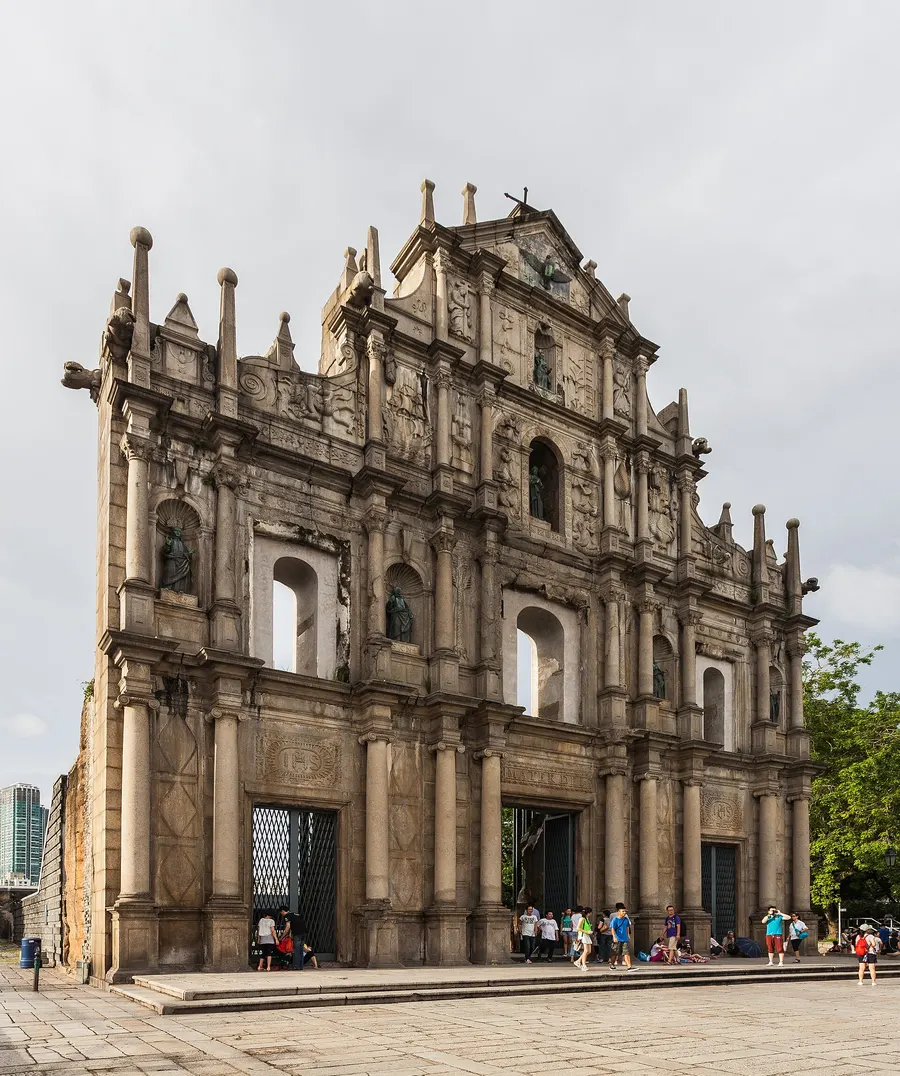
The ruins of St Paul's, the façade of a seventeenth-century church and Macau's best-known landmark.The ruins of St Paul’s, the façade of a seventeenth-century church and Macau’s best-known landmark.Image: Diego Delso · CC BY-SA 3.0
politics · Asia

Portugal hands Macau to China

At midnight on 19-20 December 1999 Portugal handed Macau to the People’s Republic of China, ending more than four centuries of Portuguese presence in the small territory on the Pearl River estuary. It is often called the last European colony in Asia. Under the joint declaration signed in 1987, Macau became a special administrative region, keeping its own economy and a high degree of autonomy for fifty years. Edmund Ho became its first chief executive. The anniversary is a public holiday there.

Source: Government of Macao SAR, Macao Yearbook: history ↗
WHY THESE MOMENTS?

Significance before volume

This page is not the longest possible list of events. It is a chronological journey through 20 December, where each entry is chosen for historical significance, human interest and reliability.

Facts are checked against authoritative museums, archives, universities and reference works. Where sources disagree, the page says so.

EXPLORED THE DEEPER STORY?

Return to the highlights of 20 December

Discover the lighter side of the date with famous birthdays, culture, firsts and lives remembered.

Explore This Day →