Explore 18 December

Explore 18 December: slavery is abolished in the United States, the Battle of Verdun ends, the UN adopts its convention on women’s rights and Argentina win the World Cup in Qatar. Meet Paul Klee, Willy Brandt and Steven Spielberg, born on this date.

This day through time →8 verified events across 4 eras

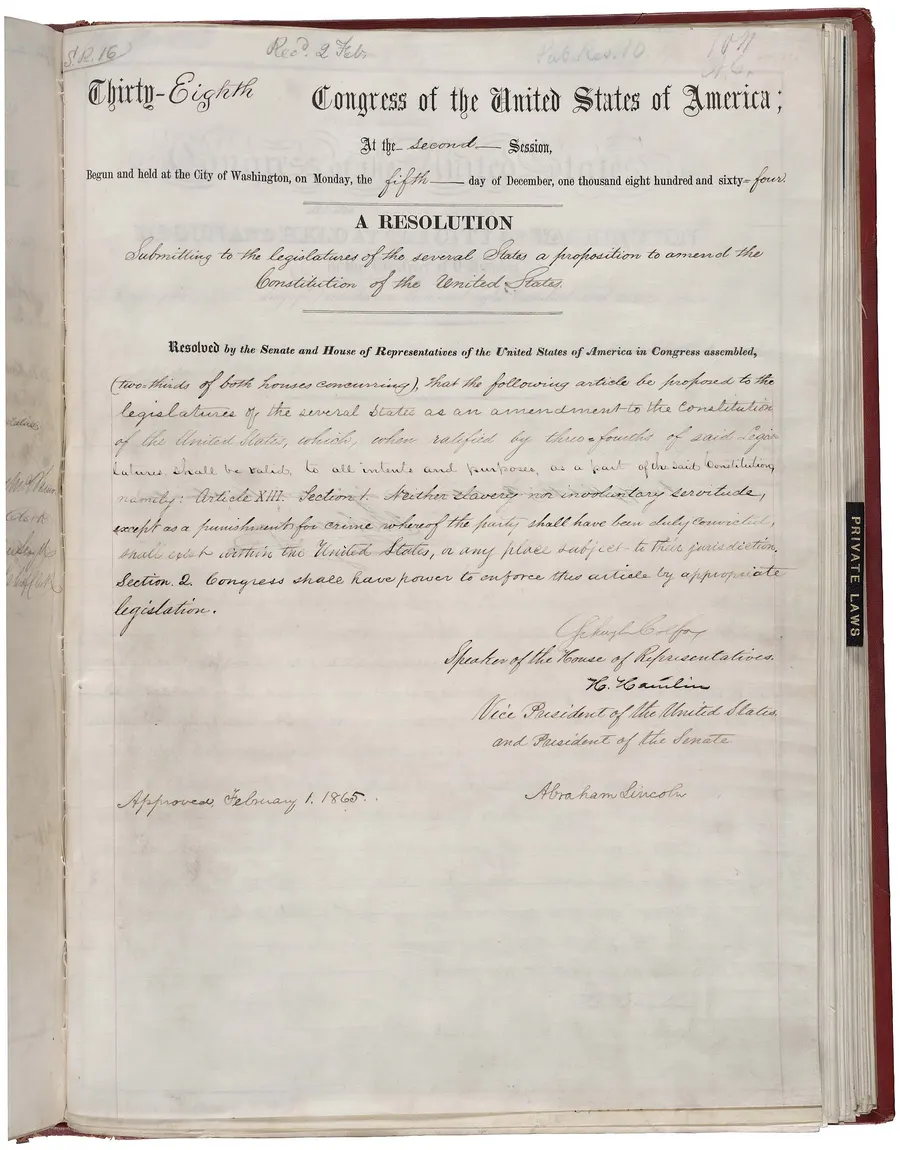
The joint resolution of Congress proposing the Thirteenth Amendment, held by the US National Archives.
Image creditNationalbdgf Archives of the Unites States · Public domainResized and cropped for display.

Slavery is abolished in the United States

On 18 December 1865 Secretary of State William Seward certified that the Thirteenth Amendment had been ratified by three-quarters of the states and was part of the Constitution. Its first section is one sentence: neither slavery nor involuntary servitude, except as a punishment for crime, shall exist within the United States.

Congress had passed the amendment on 31 January 1865, three months before the Civil War ended. Georgia’s vote on 6 December made the required twenty-seven; Seward’s proclamation twelve days later made it law. About four million people had been enslaved in the country in 1860.

Read the full storyHistory & Timeline →Source: US National Archives: 13th Amendment to the U.S. Constitution, abolition of slavery (1865) ↗
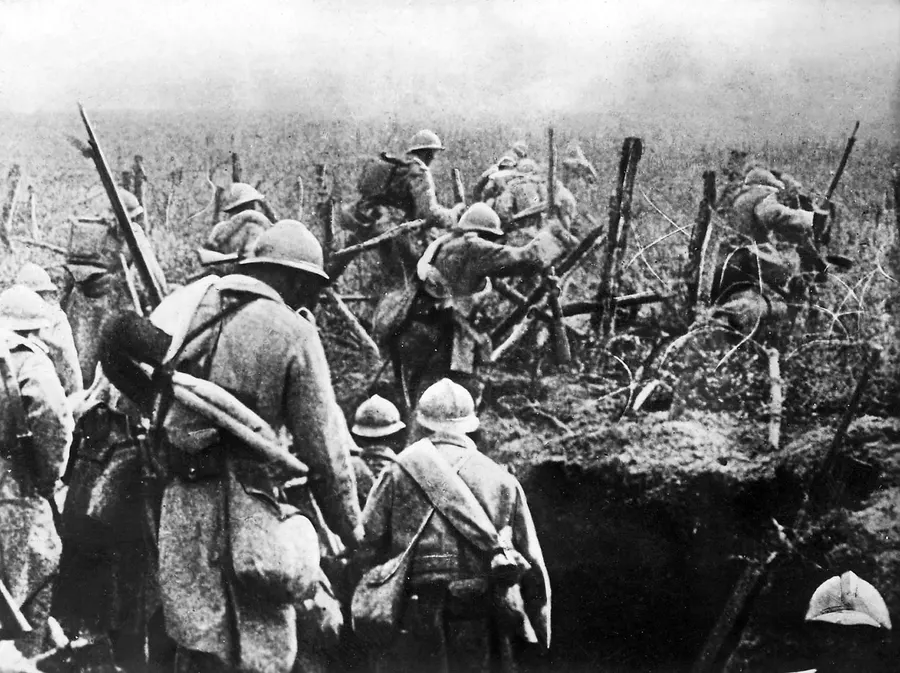
French soldiers leaving their trench to attack during the Battle of Verdun, 1916.
Image creditCollection DocAnciens/docpix.fr · Public domainResized and cropped for display.

The Battle of Verdun ends

The Battle of Verdun, which began with a German bombardment on 21 February 1916, ended on 18 December when a French counter-offensive took Chambrettes Farm and pushed the line back close to where it had started. The ten months of fighting on the hills north of the town made it one of the longest battles in history.

The French lost about 163,000 dead and the Germans about 143,000, with hundreds of thousands more wounded on both sides, for almost no change of ground. For France the defence of Verdun, under the slogan ‘they shall not pass’, became the symbol of the whole war.

Read the full storyHistory & Timeline →Source: Mémorial de Verdun: the Battle of Verdun ↗
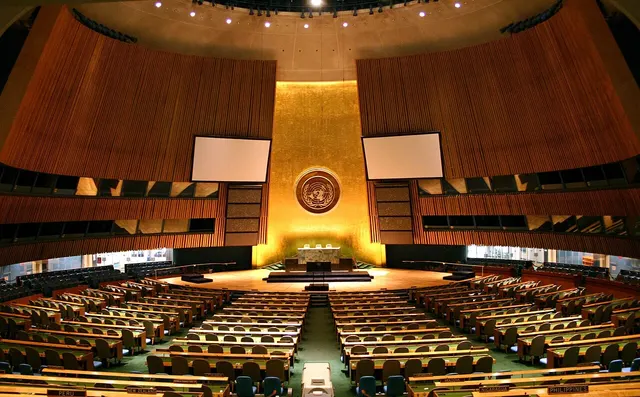
The United Nations General Assembly hall in New York.
Image creditPatrick Gruban, cropped and downsampled by Pine · CC BY-SA 2.0Resized and cropped for display.

The UN adopts its convention on women’s rights

On 18 December 1979 the United Nations General Assembly adopted the Convention on the Elimination of All Forms of Discrimination against Women, often called CEDAW, or an international bill of rights for women. It commits the states that join it to end discrimination against women in law, politics, work, education, health and family life.

It was the result of more than thirty years’ work by the UN Commission on the Status of Women, set up in 1946, and came into force on 3 September 1981 once twenty countries had ratified it. Almost every country in the world is now a party to it.

Read the full storyHistory & Timeline →Source: UN Human Rights Office (OHCHR): Convention on the Elimination of All Forms of Discrimination against Women ↗
John Cooke's 1915 painting of scientists examining the Piltdown skull; Charles Dawson and Arthur Smith Woodward stand at the back.
John Cooke’s 1915 painting of scientists examining the Piltdown skull; Charles Dawson and Arthur Smith Woodward stand at the back.
Image creditJohn Cooke · Public domainResized and cropped for display.

Piltdown Man is announced to the world

At a crowded meeting of the Geological Society of London on 18 December 1912, Charles Dawson, a Sussex solicitor and amateur collector, and Arthur Smith Woodward of the British Museum presented pieces of a skull and jaw from a gravel pit at Piltdown. They named the creature Eoanthropus dawsoni and presented it as an early human with an ape-like jaw — a missing link, found in England.

It took forty years to expose. In 1953 fluorine and other tests showed that the bones had been stained to look ancient and that the jaw came from an orangutan, with its teeth filed down. It remains the best-known fraud in the history of science.

Read the full storyHistory & Timeline →Source: Natural History Museum: Piltdown Man ↗
♙
PEOPLE

Born Today

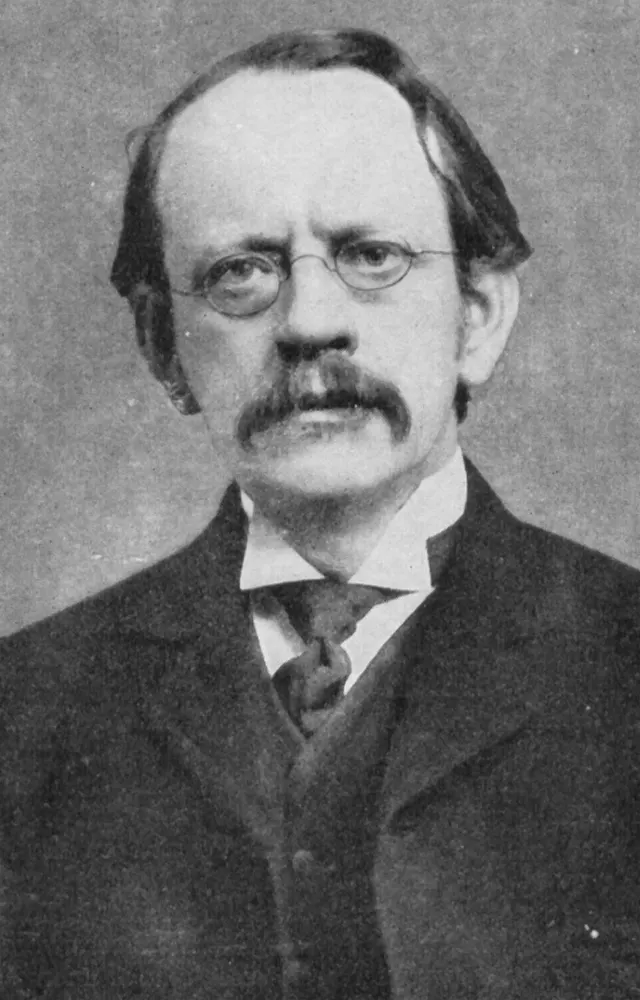
J. J. Thomson
Image creditNot Mentioned · Public domainResized and cropped for display.

J. J. Thomson

English physicist who discovered the electron in 1897 and won the Nobel Prize in Physics in 1906.

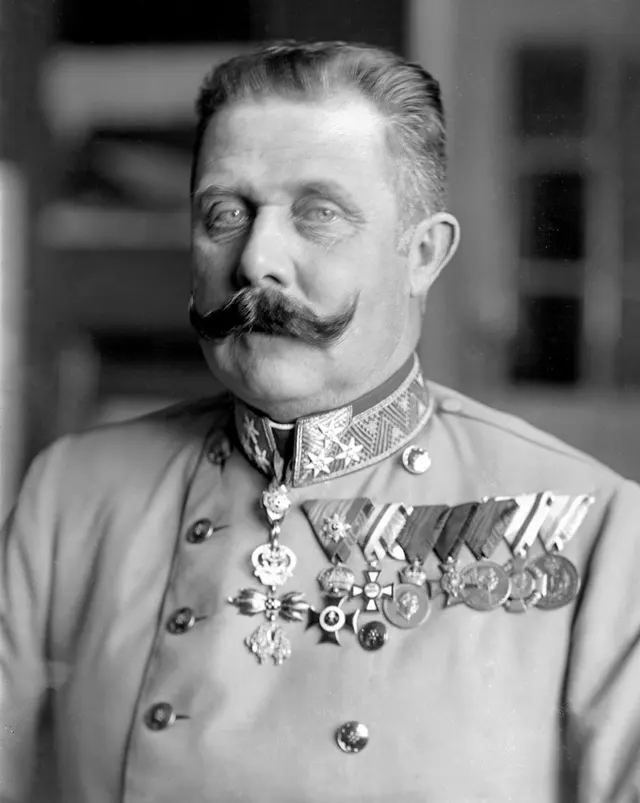
Archduke Franz Ferdinand
Image creditFerdinand Schmutzer · Public domainResized and cropped for display.

Archduke Franz Ferdinand

Heir to the Austro-Hungarian throne whose assassination at Sarajevo in June 1914 set off the First World War.

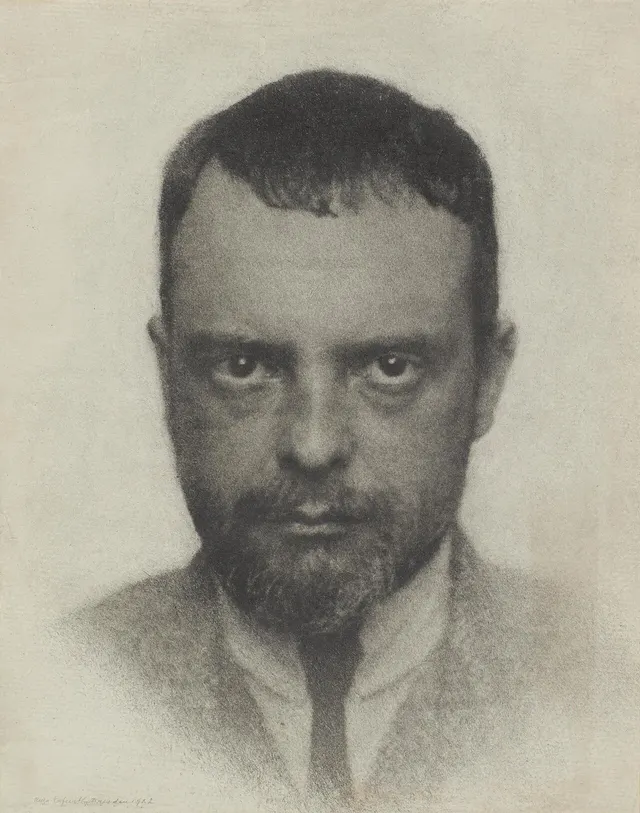
Paul Klee
Image creditHugo Erfurth · Public domainResized and cropped for display.

Paul Klee

Swiss-born painter and Bauhaus teacher whose small, witty works made colour and line into a language of their own.

Willy Brandt
Image creditEngelbert Reineke · CC BY-SA 3.0 deResized and cropped for display.

Willy Brandt

Mayor of West Berlin and then West German chancellor, awarded the 1971 Nobel Peace Prize for reaching out to the Eastern bloc.

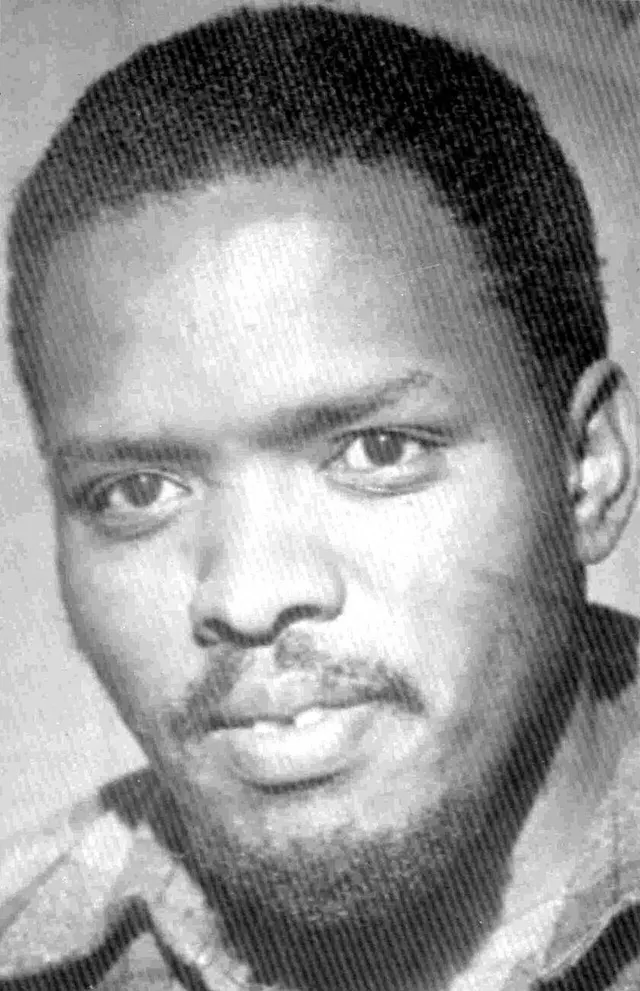
Steve Biko
Image creditCape Argus · Public domainResized and cropped for display.

Steve Biko

South African founder of the Black Consciousness Movement, who died of injuries suffered in police custody in 1977.

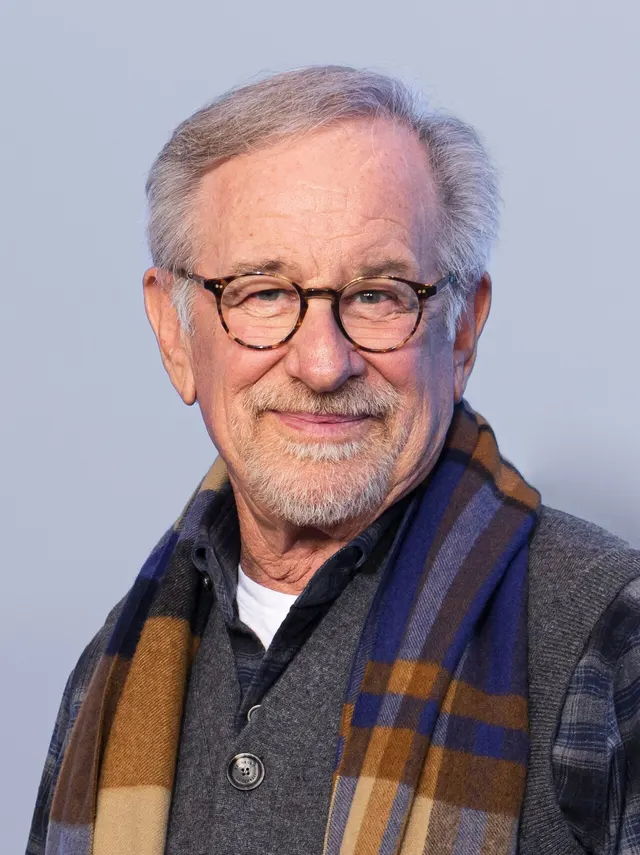
Steven Spielberg
Image creditMartin Kraft · CC BY-SA 4.0Resized and cropped for display.

Steven Spielberg

American film director of Jaws, E.T. and Schindler’s List, the most commercially successful director of his generation.

Brad Pitt
Image creditHarald Krichel · CC BY-SA 4.0Resized and cropped for display.

Brad Pitt

American actor and producer, star of Thelma and Louise and Fight Club, who won an Oscar for Once Upon a Time in Hollywood.

◉
IDEAS THAT CHANGED THINGS

Firsts, Science & Discoveries

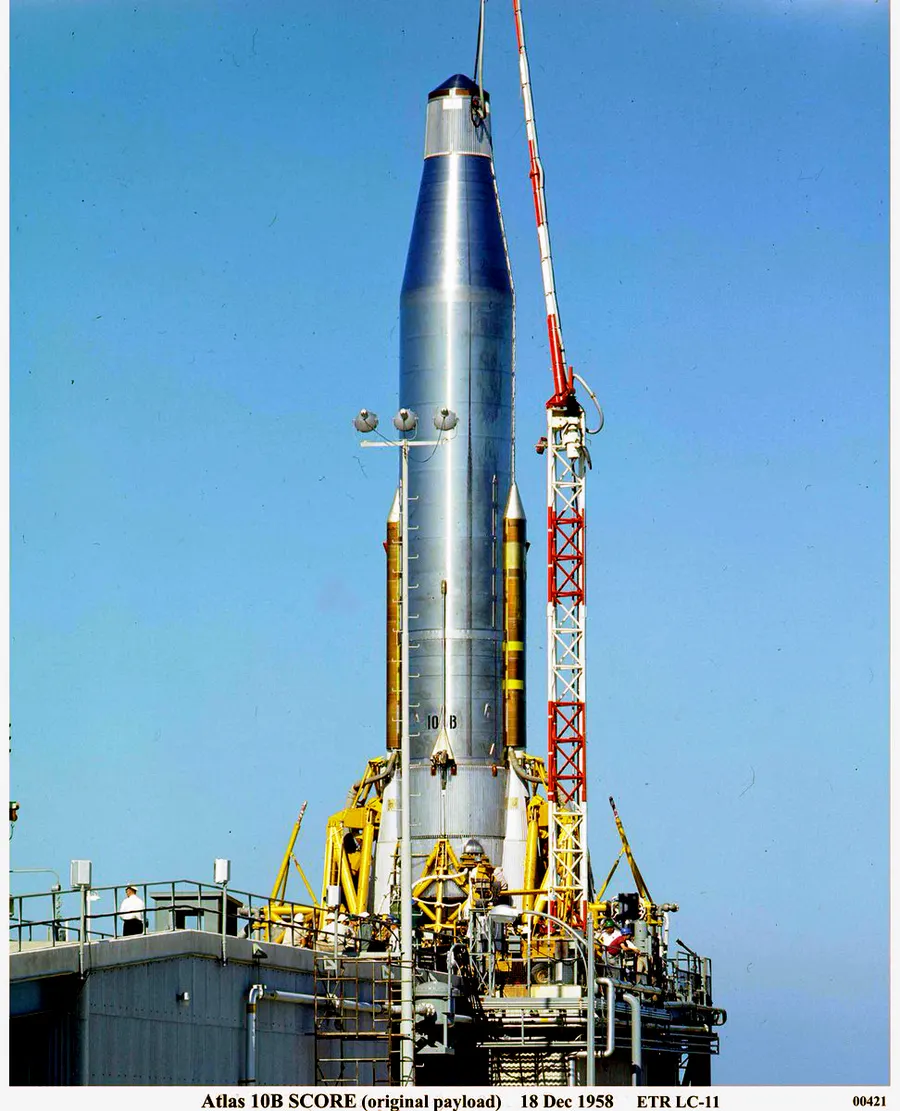
The Atlas 10B rocket carrying SCORE at Cape Canaveral, 18 December 1958.
Image creditNASA · Public domainResized and cropped for display.

The first communications satellite carries a Christmas message

Project SCORE was launched from Cape Canaveral on 18 December 1958: the whole Atlas missile went into orbit, with the US Army’s relay equipment on board. It was the first satellite built to pass messages from one place on Earth to another.

Its best-known task was to broadcast a recorded Christmas greeting from President Eisenhower, the first human voice sent from space, wishing ‘peace on Earth and goodwill toward men everywhere’. It fell back into the atmosphere in January 1959.

Read the full storyHistory & Timeline →Source: National Air and Space Museum: communications satellite, SCORE ↗
☆
SPORTING HISTORY

Sporting Moments

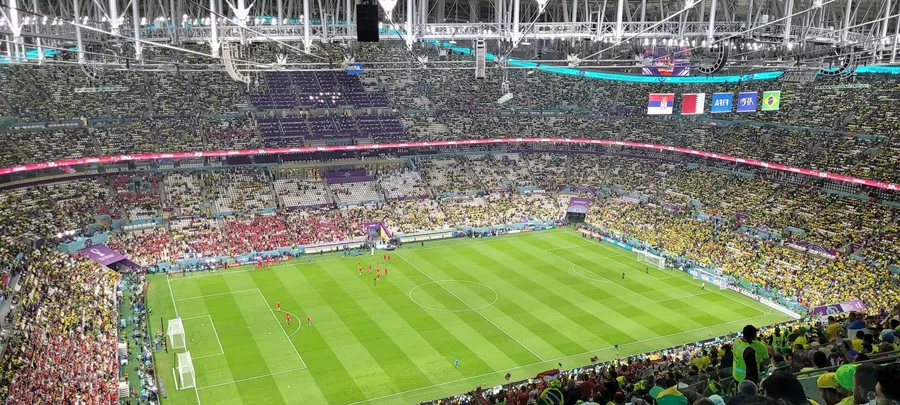
Lusail Stadium, north of Doha, during a group match at the 2022 World Cup.
Image creditAdnen1985 · CC BY-SA 4.0Resized and cropped for display.

Argentina win the World Cup in Qatar

The 2022 World Cup final, played at Lusail Stadium in Qatar on 18 December, finished 3-3 after extra time. Lionel Messi scored twice for Argentina and Kylian Mbappé three times for France, the first hat-trick in a final since Geoff Hurst’s in 1966. Argentina won the shoot-out 4-2.

It was Argentina’s third world title, after 1978 and 1986, and the one trophy Messi had never won. The tournament, the first held in the Middle East and the first played in November and December, was also criticised over the treatment of the migrant workers who built its stadiums.

Read the full storyHistory & Timeline →Source: FIFA: triumphant Argentina conclude unprecedented FIFA World Cup ↗
♫
MUSIC • FILM • BOOKS • CULTURE

Culture Stories

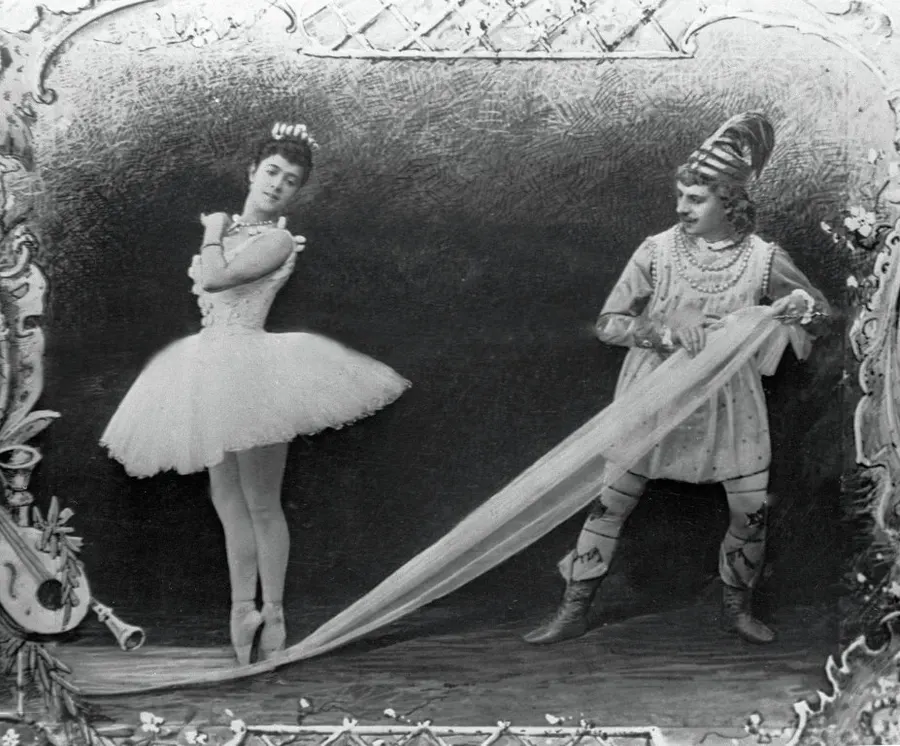
Dancers in the first production of The Nutcracker at the Mariinsky Theatre, 1892.
Image creditanonymous Russian 19th century photographer · Public domainResized and cropped for display.

The Nutcracker is first performed

Tchaikovsky’s ballet The Nutcracker was first performed at the Mariinsky Theatre in St Petersburg on 6 December 1892 by the Russian calendar of the day — 18 December in the modern calendar — on a double bill with his one-act opera Iolanta. Lev Ivanov choreographed it, from a plan by Marius Petipa, and the story came from a tale by E. T. A. Hoffmann.

The first reviews were cool, and Tchaikovsky himself thought the ballet came off as rather dull. He died less than a year later. The suite he drew from it was popular from the start, and in the second half of the twentieth century the full ballet became a Christmas fixture for companies around the world.

Read the full storyHistory & Timeline →Source: Encyclopaedia Britannica: The Nutcracker ↗
✦
LIVES REMEMBERED

Remembered Today

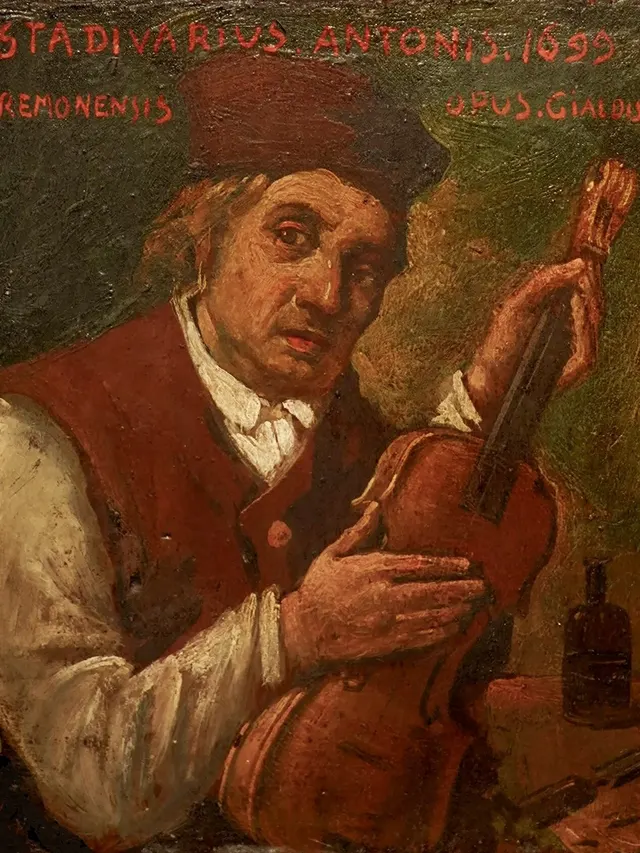
Antonio Stradivari
Image creditPossibly Francesco Gialdisi · Public domainResized and cropped for display.

Antonio Stradivari

Cremonese maker of violins, violas and cellos, whose instruments are still the most prized in the world.

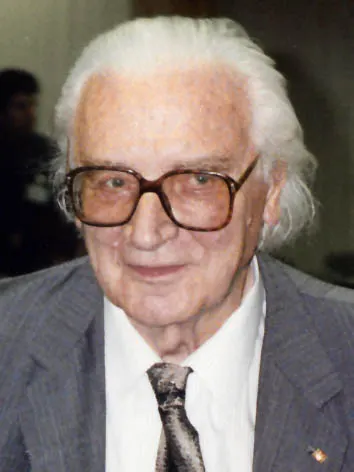
Konrad Zuse
Image creditWolfgang Hunscher, Dortmund · CC BY-SA 3.0Resized and cropped for display.

Konrad Zuse

German engineer whose Z3 of 1941 was the first working programmable, fully automatic digital computer.

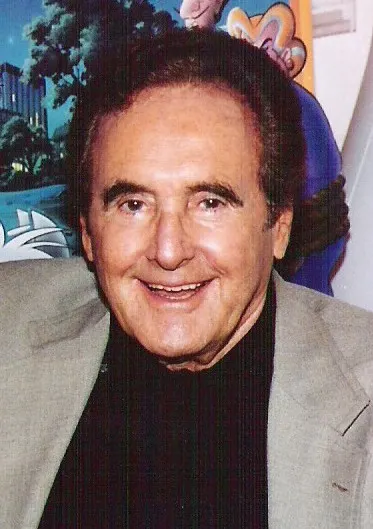
Joseph Barbera
Image creditKerry Cisneroz · CC BY 3.0Resized and cropped for display.

Joseph Barbera

American animator who, with William Hanna, created Tom and Jerry, The Flintstones and Scooby-Doo.

☉
AROUND THE WORLD

Observances & Anniversaries

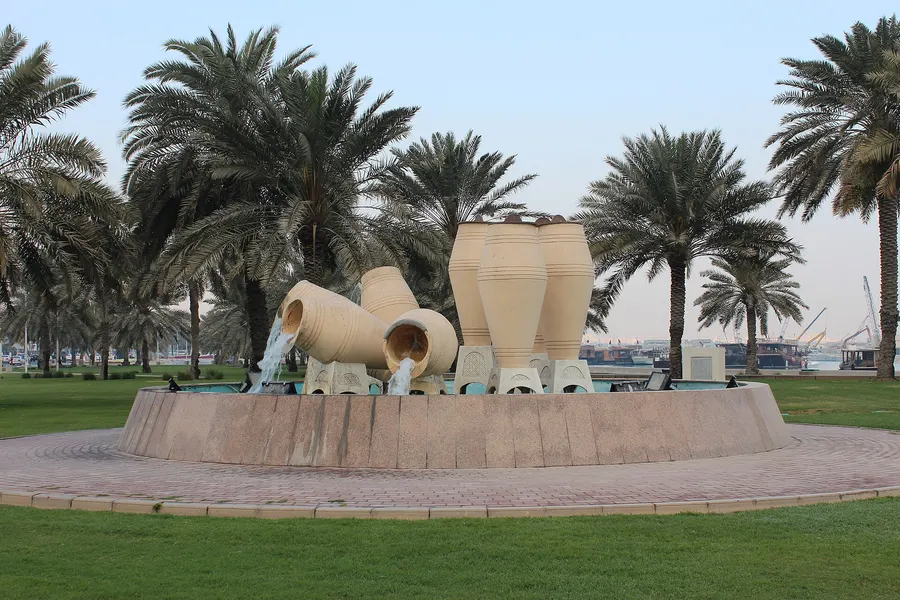
The water-jar fountain on the Corniche in Doha.
Image creditGrayswoodsurrey · CC BY-SA 3.0Resized and cropped for display.

Qatar National Day

Qatar keeps 18 December as its National Day, the anniversary of the day in 1878 when Sheikh Jassim bin Mohammed Al Thani succeeded his father as ruler. He is honoured as the founder of the modern state, which unified the peninsula’s tribes under his leadership. The day is marked with a parade on the Doha Corniche.

Source: Government Communications Office, State of Qatar: facts about Qatar ↗
The flag of the United Nations.
Image creditSee File history below for details. Denelson83, Zscout370 ve Madden · Public domainResized and cropped for display.

International Migrants Day

The UN General Assembly proclaimed 18 December as International Migrants Day in 2000. The date recalls 18 December 1990, when the Assembly adopted the International Convention on the Protection of the Rights of All Migrant Workers and Members of Their Families.

Source: United Nations: International Migrants Day, background ↗
HISTORY & TIMELINE

Finished the highlights?

Follow 18 December chronologically, from the Middle Ages to the modern day, with 8 verified events and the sources behind them.

This day through time →