Explore 12 December

Explore 12 December: Kenya raises its flag, a king-emperor moves India’s capital, Marconi hears three faint dots across the Atlantic and the world signs up to the Paris Agreement. Meet Gustave Flaubert, Edvard Munch and Frank Sinatra, born on this date.

This day through time →10 verified events across 5 eras

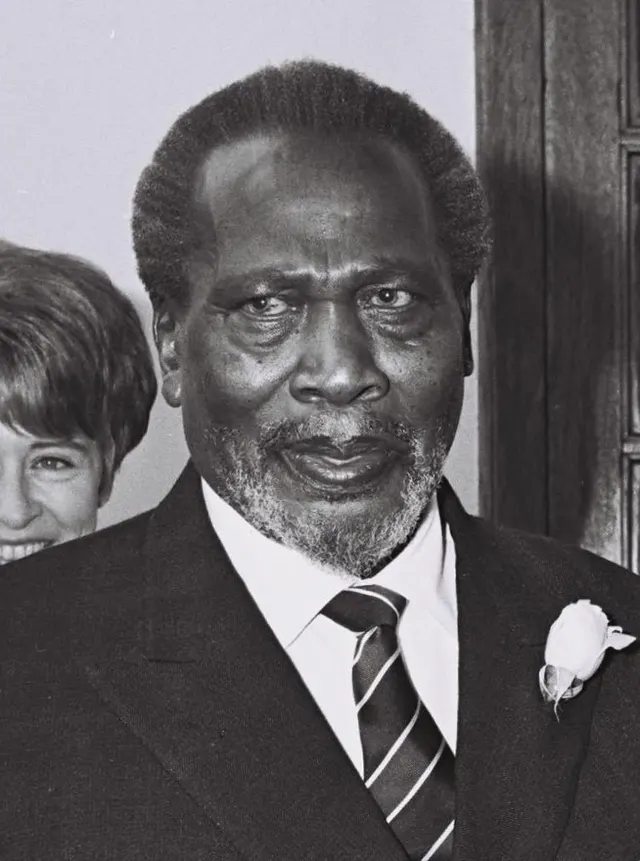
Jomo Kenyatta, Kenya's first prime minister and president.
Jomo Kenyatta, Kenya’s first prime minister and president.
Image creditPridan Moshe · Public domainResized and cropped for display.

Kenya becomes independent

Kenya became independent of Britain on 12 December 1963, with Jomo Kenyatta as prime minister. He had negotiated the terms at the Lancaster House conferences in London and had led the Kenya African National Union to victory in the elections of May that year — after seven years in detention for an alleged role in the Mau Mau rebellion, a charge he always denied.

A year later, to the day, Kenya became a republic and Kenyatta its first president. The anniversary is kept as Jamhuri Day, from the Swahili word for republic.

Read the full storyHistory & Timeline →Source: Encyclopaedia Britannica: Kenya — World War II to independence ↗
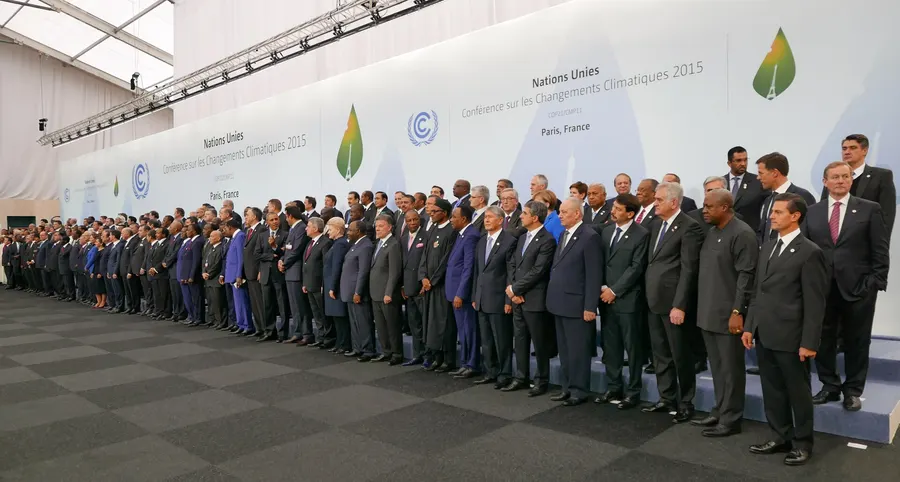
Delegates at the COP21 climate conference outside Paris in 2015.
Image creditPresidencia de la República Mexicana · CC BY 2.0Resized and cropped for display.

The Paris Agreement is adopted

On 12 December 2015, at the end of two weeks at Le Bourget outside Paris, 195 parties to the UN climate convention adopted the Paris Agreement. It set a common aim of holding the rise in average global temperature well below 2°C above pre-industrial levels, and of pursuing efforts to keep it to 1.5°C.

Unlike Kyoto, it asked every country, rich and poor, to set its own national contribution and report on it, with a stocktake every five years. It entered into force on 4 November 2016, faster than almost anyone expected.

Read the full storyHistory & Timeline →Source: UN Framework Convention on Climate Change: the Paris Agreement ↗
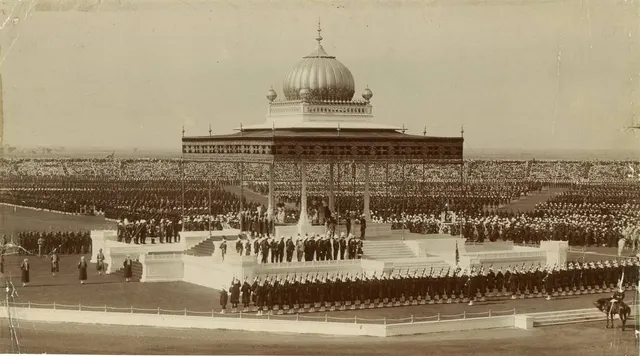
The amphitheatre built for the Delhi Durbar of 1911.
Image creditUnknown photographer · Public domainResized and cropped for display.

George V moves India’s capital to Delhi

At the Delhi Durbar on 12 December 1911, seated under a ceremonial canopy before the assembled princes of India, George V announced two surprises: the partition of Bengal, forced through by Lord Curzon in 1905 and bitterly resented, would be reversed, and the capital of British India would move from Calcutta to Delhi.

It was the only durbar attended by a reigning sovereign, and the first time in three centuries that a British monarch had set foot in India. Work began on a new imperial city south of old Delhi, designed by Edwin Lutyens and Herbert Baker; New Delhi was not inaugurated until 1931.

Read the full storyHistory & Timeline →Source: Royal Collection Trust: the South Asian collections of King George V — the Delhi Durbar ↗
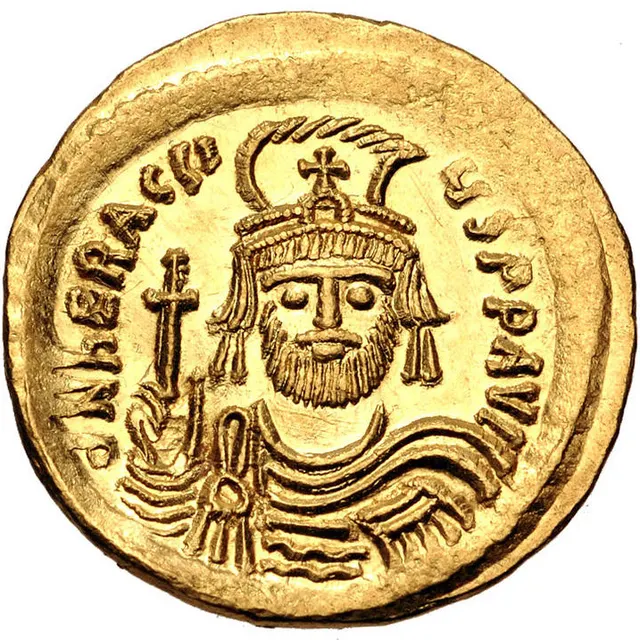
A gold solidus of the Byzantine emperor Heraclius.
Image creditClassical Numismatic Group · CC BY-SA 2.5Resized and cropped for display.

Heraclius breaks the Persian army at Nineveh

On 12 December 627 the Byzantine emperor Heraclius met a Persian army near the ruins of Nineveh, on the Tigris, at the end of a march across the Armenian highlands. The fighting was hard and the Persian commander Rahzadh was killed along with many of his officers; Heraclius, according to the accounts, fought in the front line himself.

The road south lay open. A month later Heraclius took the royal residence at Dastagird and its treasury; Khosrow II was overthrown by his own son, and the peace that followed returned the captured Roman provinces and the relic of the True Cross. Both empires were exhausted — and within a decade Arab armies had overrun much of what they had been fighting over.

Read the full storyHistory & Timeline →Source: Encyclopaedia Britannica: Heraclius ↗
♙
PEOPLE

Born Today

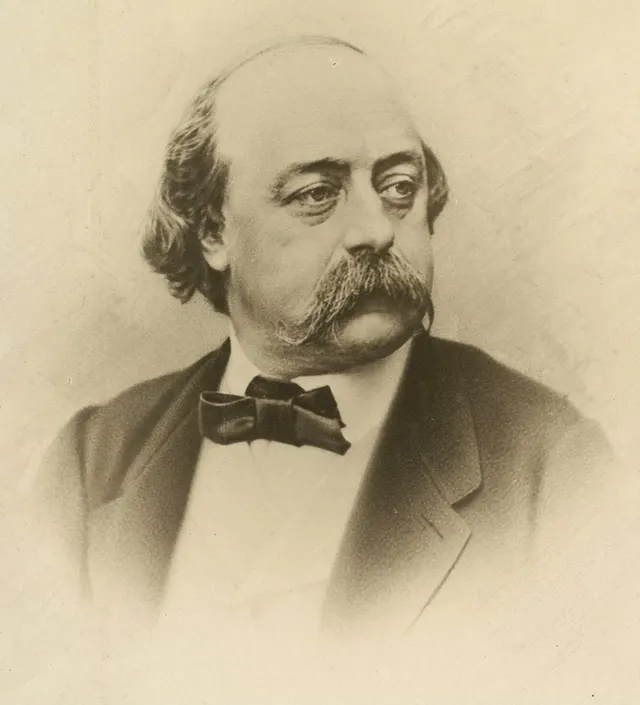
Gustave Flaubert
Image creditNadar · Public domainResized and cropped for display.

Gustave Flaubert

French novelist who spent five years on Madame Bovary and changed what prose fiction was expected to do.

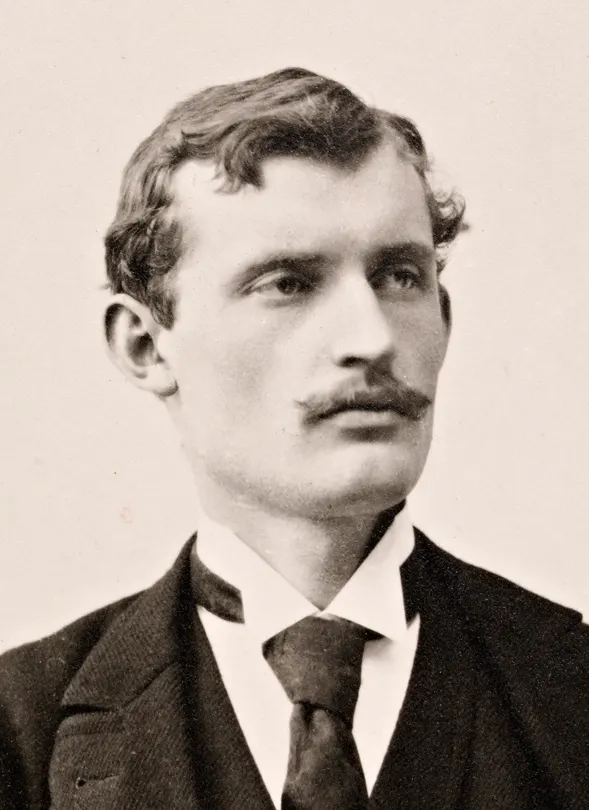
Edvard Munch
Image creditUnknown authorUnknown author · CC BY 2.0Resized and cropped for display.

Edvard Munch

Norwegian painter whose The Scream became one of the most reproduced images in art.

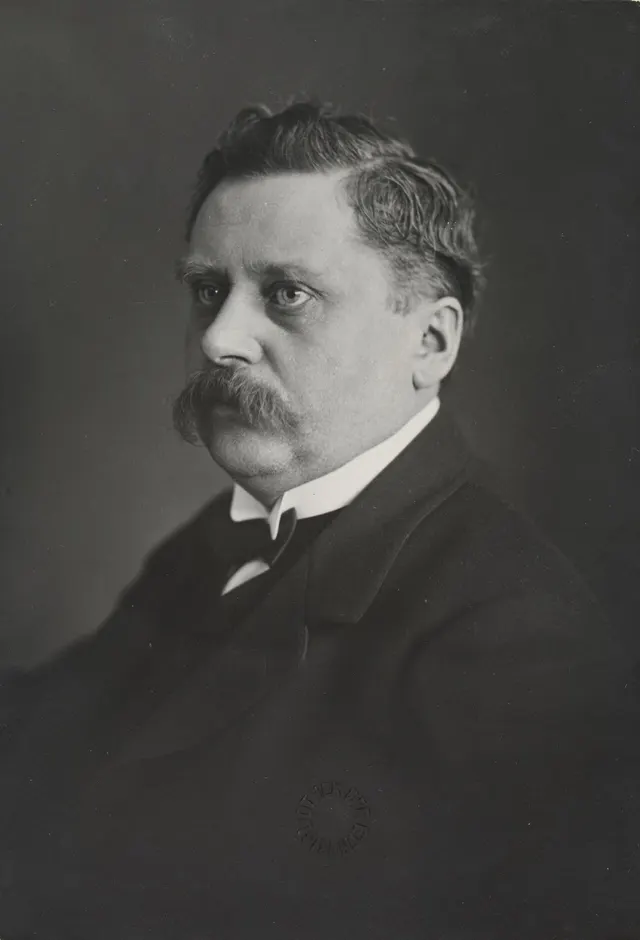
Alfred Werner
Image creditETH Zürich · CC BY-SA 3.0Resized and cropped for display.

Alfred Werner

Swiss chemist who worked out how atoms are arranged in complex compounds, and won the 1913 Nobel Prize in Chemistry.

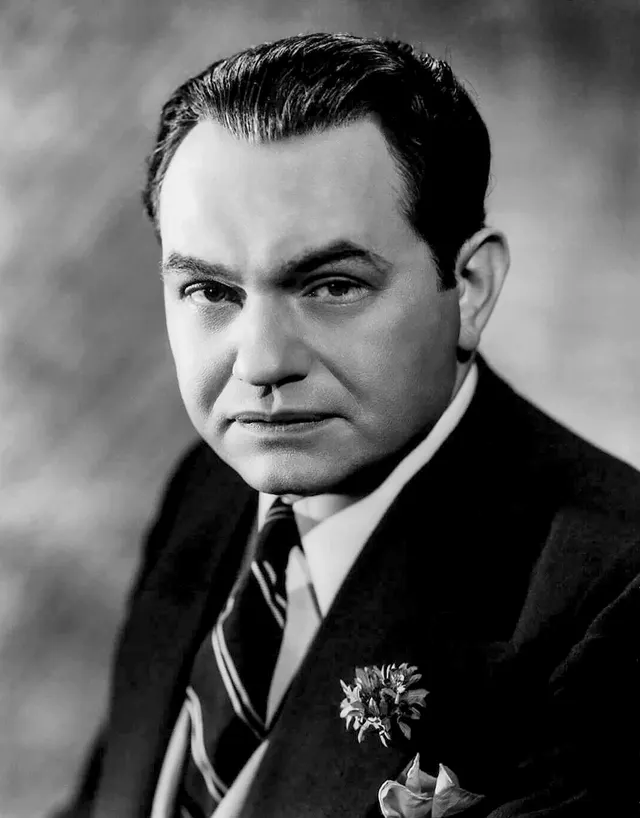
Edward G. Robinson
Image creditElmer Fryer · Public domainResized and cropped for display.

Edward G. Robinson

Romanian-born American actor who defined the screen gangster in Little Caesar.

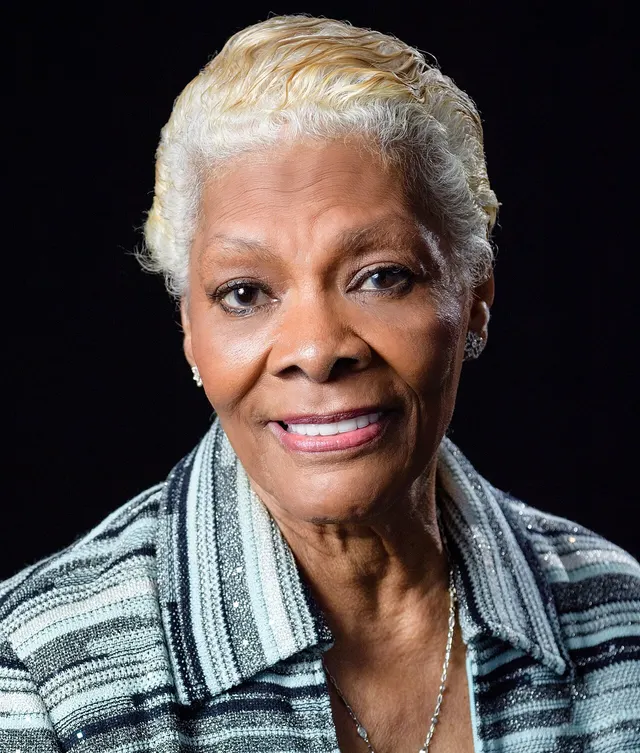
Dionne Warwick
Image creditMontclair Film · CC BY 2.0Resized and cropped for display.

Dionne Warwick

American singer whose partnership with Burt Bacharach and Hal David produced a run of 1960s standards.

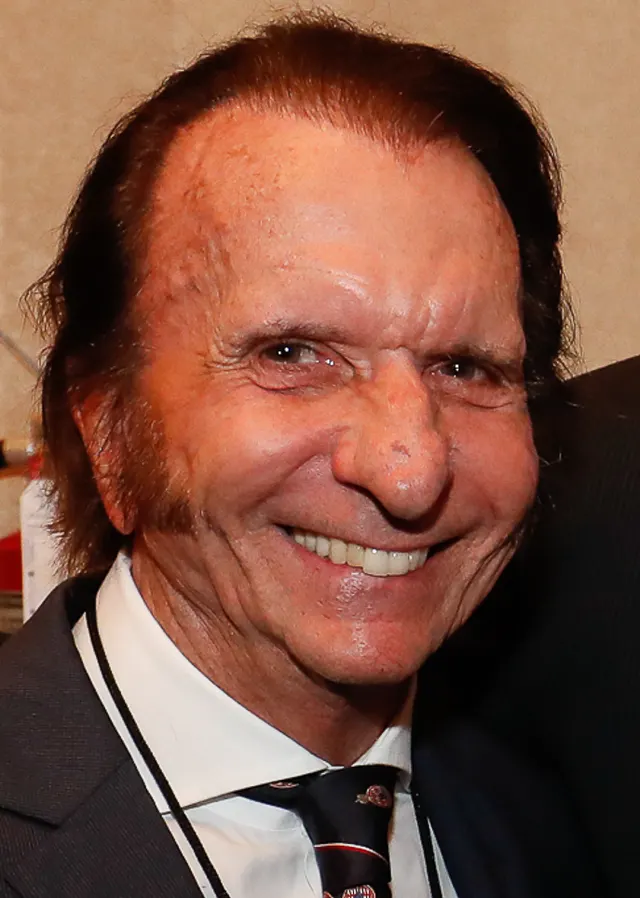
Emerson Fittipaldi
Image creditPalácio do Planalto · CC BY 2.0Resized and cropped for display.

Emerson Fittipaldi

Brazilian racing driver, twice Formula One world champion and twice winner at Indianapolis.

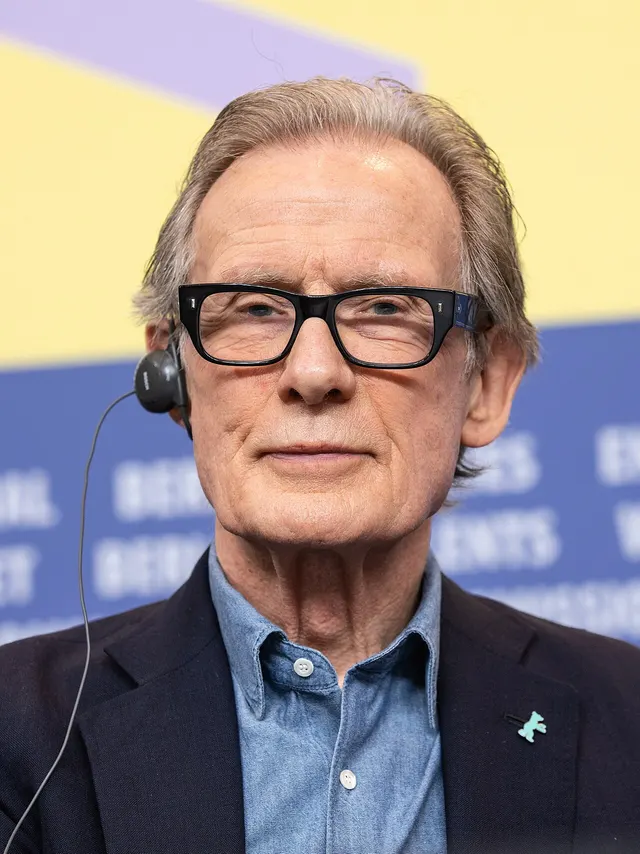
Bill Nighy
Image creditHarald Krichel · CC BY-SA 3.0Resized and cropped for display.

Bill Nighy

English actor of stage and screen, from Love Actually to Living.

◉
IDEAS THAT CHANGED THINGS

Firsts, Science & Discoveries

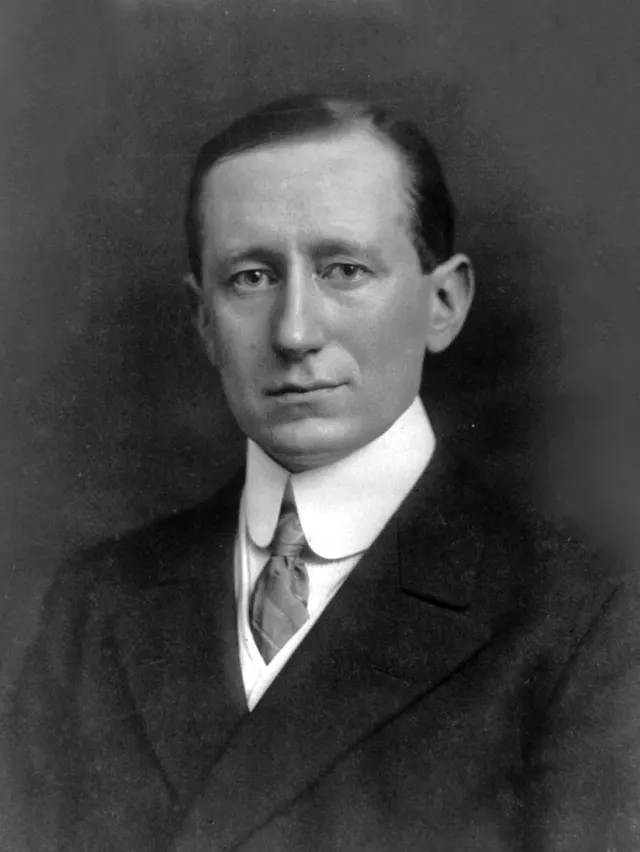
Guglielmo Marconi.
Guglielmo Marconi.
Image creditPach Brothers · Public domainResized and cropped for display.

Marconi hears a signal across the Atlantic

On 12 December 1901, in a disused fever hospital on Signal Hill above St John’s, Newfoundland, Guglielmo Marconi and his assistant George Kemp reported hearing the three dots of the Morse letter S, sent from a spark transmitter at Poldhu in Cornwall some 3,500 kilometres away. The aerial was a wire held up by a kite.

The receiver was untuned and there was no recording, and sceptics at the time and since have argued that what they heard was atmospheric noise. Marconi repeated the feat under better conditions within a year, and the idea that radio waves would be stopped by the curve of the Earth was finished.

Read the full storyHistory & Timeline →Source: Parks Canada: Signal Hill National Historic Site ↗
✦
LIVES REMEMBERED

Remembered Today

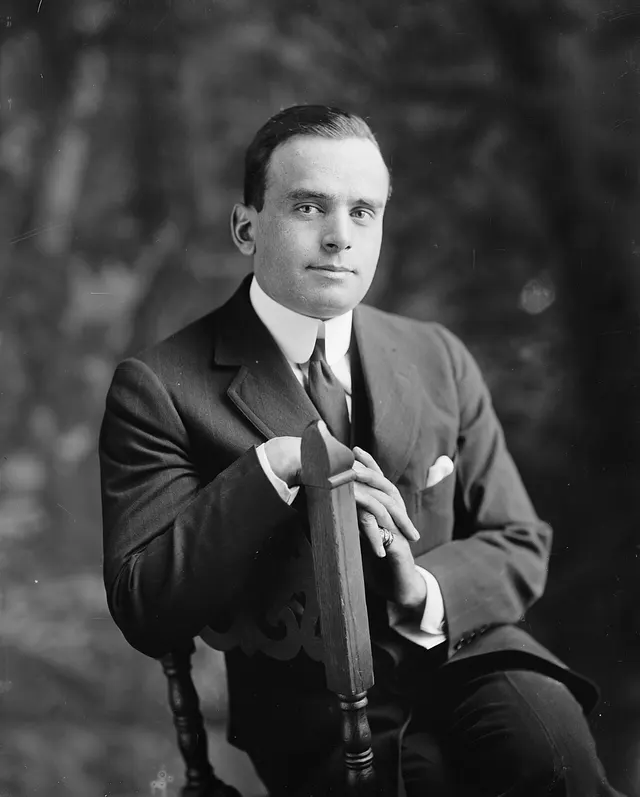
Douglas Fairbanks
Image creditHarris & Ewing · Public domainResized and cropped for display.

Douglas Fairbanks

American actor and producer, the swashbuckler of silent cinema and a founder of United Artists.

John le Carré
Image creditKrimidoedel · CC BY 3.0Resized and cropped for display.

John le Carré

British novelist and former intelligence officer, author of Tinker Tailor Soldier Spy.

☉
AROUND THE WORLD

Observances & Anniversaries

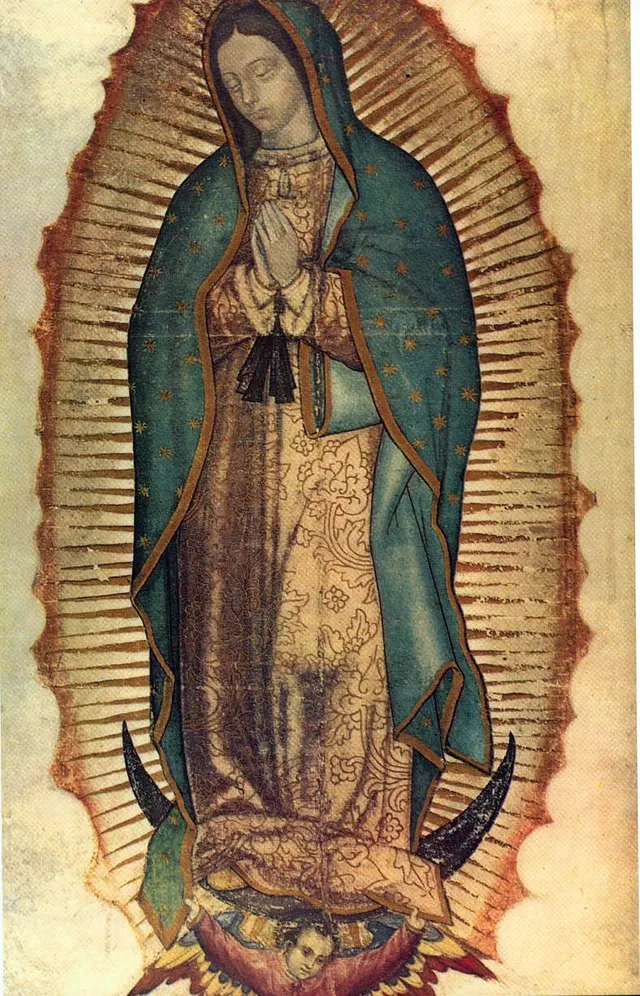
The image of Our Lady of Guadalupe venerated in Mexico City.
Image creditUnknown · Public domainResized and cropped for display.

Feast of Our Lady of Guadalupe

The feast of Our Lady of Guadalupe falls on 12 December. By tradition the Virgin appeared four times to Juan Diego, an indigenous convert, on and around Tepeyac hill near Mexico City between 9 and 12 December 1531, and on the last visit left her image on his cloak. Pope Benedict XIV approved her patronage and granted the feast in 1754. The basilica built on the site is among the most visited Catholic shrines in the world, and millions walk there each December.

Source: Encyclopaedia Britannica: Our Lady of Guadalupe ↗
HISTORY & TIMELINE

Finished the highlights?

Follow 12 December chronologically, from the Middle Ages to the modern day, with 10 verified events and the sources behind them.

This day through time →