HISTORY & TIMELINE
12 December

A journey through
12 December in history

From a Byzantine emperor’s last great victory in 627 to a climate treaty signed in a Paris suburb in 2015, 12 December has been a day of decisive turns. This timeline follows the date across fourteen centuries.

I
EARLIEST RECORDS

Ancient & Early History

The earliest worthwhile records and events connected with this date.

627
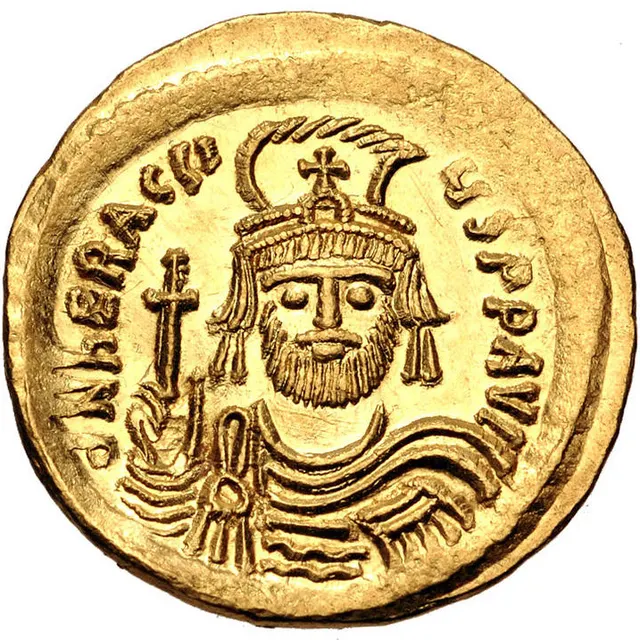
A gold solidus of the Byzantine emperor Heraclius.A gold solidus of the Byzantine emperor Heraclius.Image: Classical Numismatic Group · CC BY-SA 2.5
world · Asia

Heraclius breaks the Persian army at Nineveh

On 12 December 627 the Byzantine emperor Heraclius met a Persian army near the ruins of Nineveh, on the Tigris, at the end of a march across the Armenian highlands. The fighting was hard and the Persian commander Rahzadh was killed along with many of his officers; Heraclius, according to the accounts, fought in the front line himself. The road south lay open. A month later Heraclius took the royal residence at Dastagird and its treasury; Khosrow II was overthrown by his own son, and the peace that followed returned the captured Roman provinces and the relic of the True Cross. Both empires were exhausted — and within a decade Arab armies had overrun much of what they had been fighting over.

Source: Encyclopaedia Britannica: Heraclius ↗
III
A CHANGING WORLD

Early Modern Era

Exploration, political change, scientific development and expanding global connections.

1582
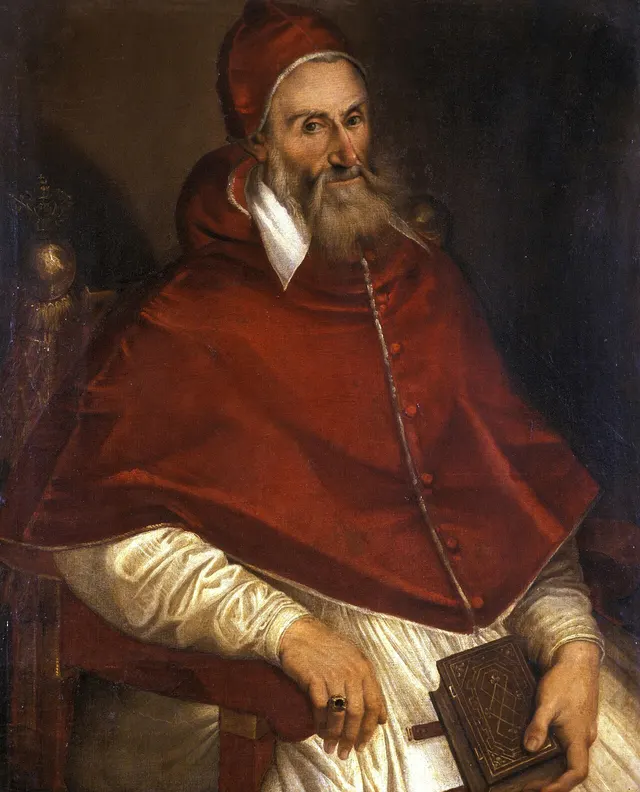
Pope Gregory XIII, who ordered the calendar reform of 1582.Pope Gregory XIII, who ordered the calendar reform of 1582.Image: Attributed to Bartolomeo Passarotti · Public domain
science · Europe

France skips the twelfth of December

There was no 12 December in France in 1582. Pope Gregory XIII’s reform of the calendar had cut ten days out of October in Spain, Portugal and the Papal States; France made the same jump two months later, so that Sunday 9 December was followed by Monday 20 December. The correction fixed a drift of the Julian calendar that had pushed the spring equinox ten days away from where the Church’s Easter calculations assumed it to be. Protestant and Orthodox countries took much longer to follow: Britain and its colonies waited until 1752.

Source: Encyclopaedia Britannica: ten days that vanished, the switch to the Gregorian calendar ↗
1787
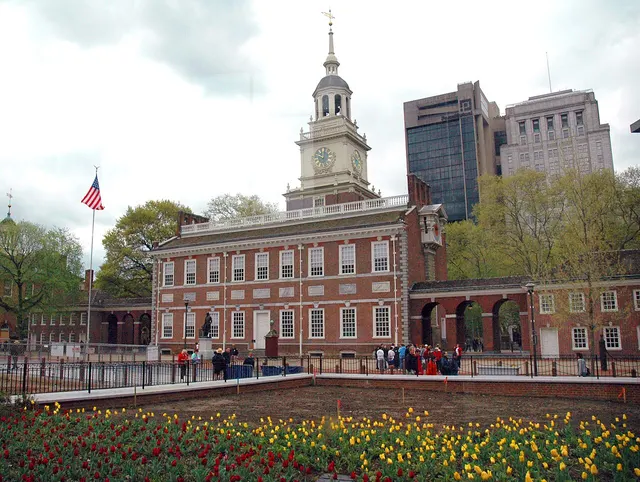
Independence Hall in Philadelphia, where the convention met.Independence Hall in Philadelphia, where the convention met.Image: Rdsmith4 · CC BY-SA 2.5
politics · Americas

Pennsylvania ratifies the US Constitution

The Pennsylvania convention, meeting in what is now Independence Hall, voted 46 to 23 to ratify the United States Constitution on 12 December 1787. Delaware had gone first five days earlier, but Pennsylvania was the first large state and the first to hold a real argument: James Wilson led the case for ratification against Anti-Federalists who feared a central government without a bill of rights. That objection was met four years later, when the first ten amendments were ratified.

Source: National Constitution Center: remembering the day Pennsylvania ratified the Constitution ↗
IV
THE NINETEENTH CENTURY

The 1800s

Industry, empire, invention, reform and a century of enormous transformation.

1870
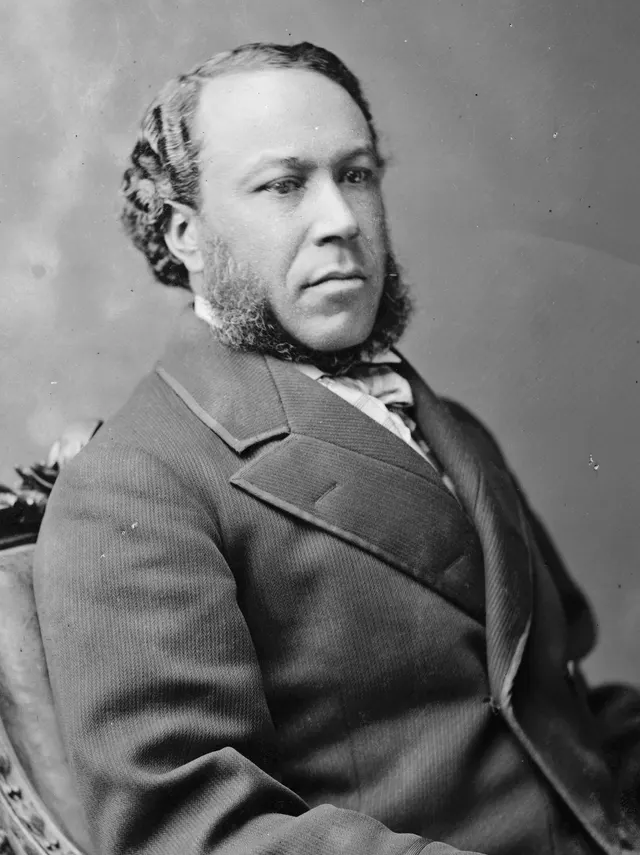
Joseph Hayne Rainey, photographed in the Brady studio.Joseph Hayne Rainey, photographed in the Brady studio.Image: Mathew Benjamin Brady · Public domain
politics · Americas

The first Black member of the US House is sworn in

Joseph Hayne Rainey of South Carolina took the oath of office in the United States House of Representatives on 12 December 1870, the first African American to sit in the chamber and the first directly elected to Congress by voters. Born into slavery in Georgetown, he had been freed when his father, a barber, bought the family’s liberty. Rainey served more than eight years, longer than any other Black member of Congress until the 1950s.

Source: US House of Representatives, History, Art and Archives: Rainey, Joseph Hayne ↗
V
THE TWENTIETH CENTURY

The 1900s

War and peace, technological leaps, social change, politics, sport and popular culture.

1901
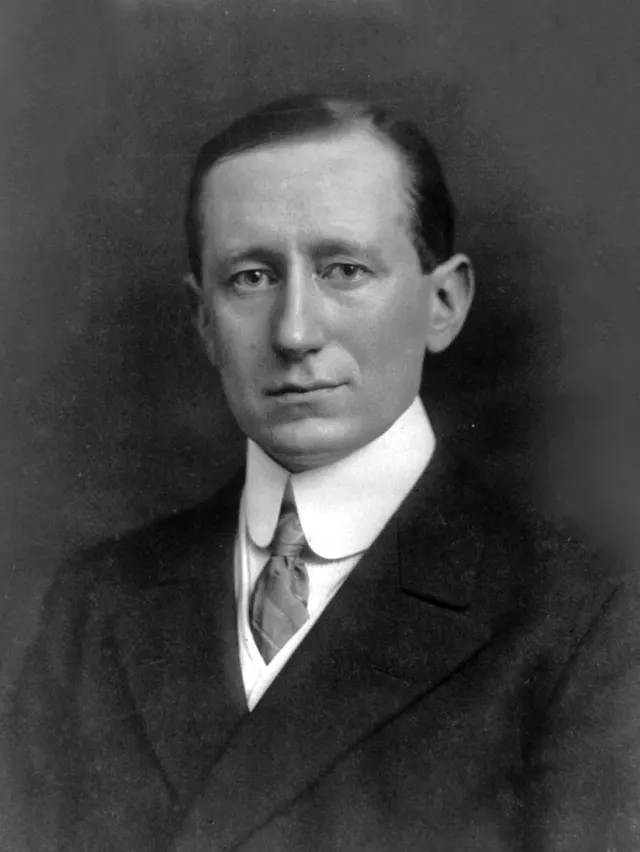
Guglielmo Marconi.Guglielmo Marconi.Image: Pach Brothers · Public domain
science · Global

Marconi hears a signal across the Atlantic

On 12 December 1901, in a disused fever hospital on Signal Hill above St John’s, Newfoundland, Guglielmo Marconi and his assistant George Kemp reported hearing the three dots of the Morse letter S, sent from a spark transmitter at Poldhu in Cornwall some 3,500 kilometres away. The aerial was a wire held up by a kite. The receiver was untuned and there was no recording, and sceptics at the time and since have argued that what they heard was atmospheric noise. Marconi repeated the feat under better conditions within a year, and the idea that radio waves would be stopped by the curve of the Earth was finished.

Source: Parks Canada: Signal Hill National Historic Site ↗
1911
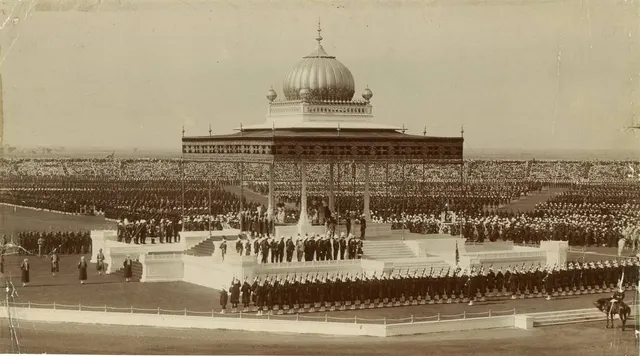
The amphitheatre built for the Delhi Durbar of 1911.The amphitheatre built for the Delhi Durbar of 1911.Image: Unknown photographer · Public domain
politics · Asia

George V moves India’s capital to Delhi

At the Delhi Durbar on 12 December 1911, seated under a ceremonial canopy before the assembled princes of India, George V announced two surprises: the partition of Bengal, forced through by Lord Curzon in 1905 and bitterly resented, would be reversed, and the capital of British India would move from Calcutta to Delhi. It was the only durbar attended by a reigning sovereign, and the first time in three centuries that a British monarch had set foot in India. Work began on a new imperial city south of old Delhi, designed by Edwin Lutyens and Herbert Baker; New Delhi was not inaugurated until 1931.

Source: Royal Collection Trust: the South Asian collections of King George V — the Delhi Durbar ↗
1936
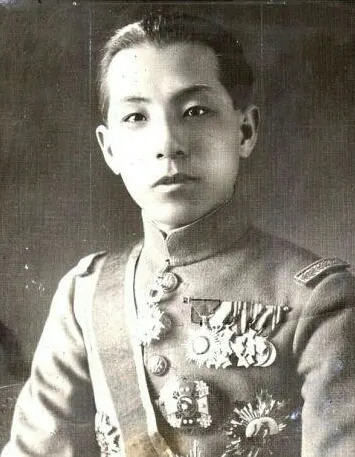
Zhang Xueliang, the general who seized Chiang Kai-shek.Zhang Xueliang, the general who seized Chiang Kai-shek.Image: Central Archive Press · Public domain
politics · Asia

The Xi’an Incident

On 12 December 1936 Chiang Kai-shek flew to Xi’an to push a fresh campaign against the Chinese communists, and was arrested by the troops of his own general Zhang Xueliang. Zhang, who had lost Manchuria to the Japanese, wanted the fighting turned against the invaders instead. Chiang was held for a fortnight and released on Christmas Day after agreeing in principle; the result was the second united front between the Nationalists and the communists against Japan. Zhang went back to Nanjing with him and spent the next half-century under arrest.

Source: Encyclopaedia Britannica: Xi’an Incident ↗
1963
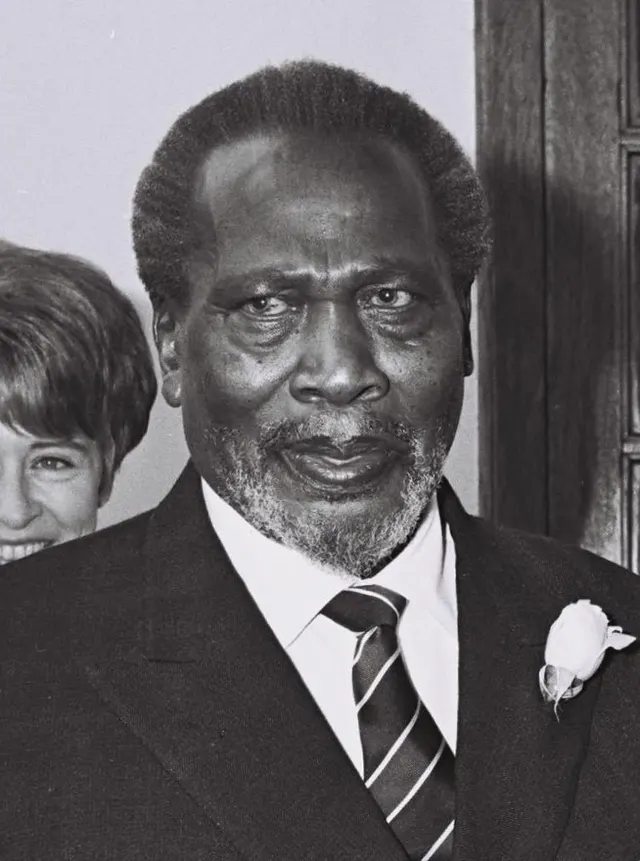
Jomo Kenyatta, Kenya's first prime minister and president.Jomo Kenyatta, Kenya’s first prime minister and president.Image: Pridan Moshe · Public domain
politics · Africa

Kenya becomes independent

Kenya became independent of Britain on 12 December 1963, with Jomo Kenyatta as prime minister. He had negotiated the terms at the Lancaster House conferences in London and had led the Kenya African National Union to victory in the elections of May that year — after seven years in detention for an alleged role in the Mau Mau rebellion, a charge he always denied. A year later, to the day, Kenya became a republic and Kenyatta its first president. The anniversary is kept as Jamhuri Day, from the Swahili word for republic.

Source: Encyclopaedia Britannica: Kenya — World War II to independence ↗
VI
2000 TO TODAY

Modern Day

The events of recent decades that have already become part of the historical record.

2000
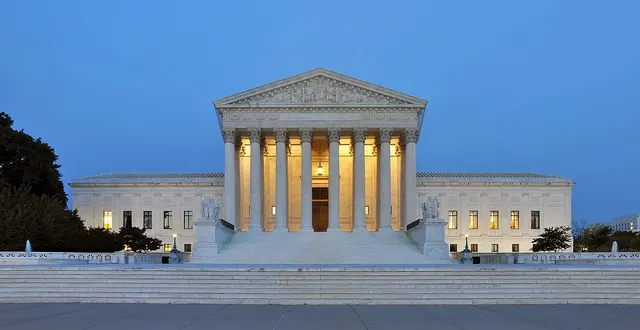
The United States Supreme Court building in Washington.The United States Supreme Court building in Washington.Image: Joe Ravi · CC BY-SA 3.0
politics · Americas

Bush v. Gore ends the Florida recount

The United States Supreme Court issued its decision in Bush v. Gore on 12 December 2000. Seven justices held that the manual recount ordered by the Florida Supreme Court, run to different standards in different counties, breached the equal protection clause; five went further and ruled that no new recount could be completed by the federal deadline that evening. Florida’s twenty-five electoral votes, and the presidency, went to George W. Bush by 537 votes.

Source: Legal Information Institute, Cornell Law School: Bush v. Gore ↗
2015
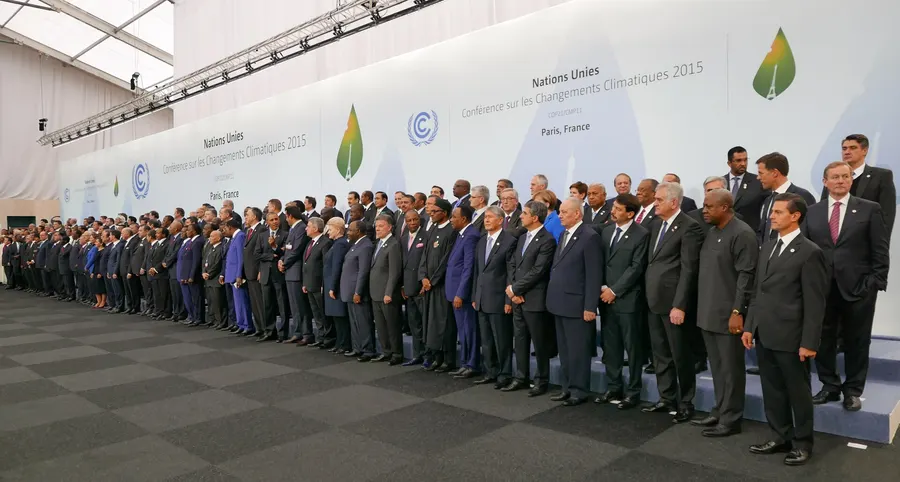
Delegates at the COP21 climate conference outside Paris in 2015.Delegates at the COP21 climate conference outside Paris in 2015.Image: Presidencia de la República Mexicana · CC BY 2.0
science · Global

The Paris Agreement is adopted

On 12 December 2015, at the end of two weeks at Le Bourget outside Paris, 195 parties to the UN climate convention adopted the Paris Agreement. It set a common aim of holding the rise in average global temperature well below 2°C above pre-industrial levels, and of pursuing efforts to keep it to 1.5°C. Unlike Kyoto, it asked every country, rich and poor, to set its own national contribution and report on it, with a stocktake every five years. It entered into force on 4 November 2016, faster than almost anyone expected.

Source: UN Framework Convention on Climate Change: the Paris Agreement ↗
WHY THESE MOMENTS?

Significance before volume

This page is not the longest possible list of events. It is a chronological journey through 12 December, where each entry is chosen for historical significance, human interest and reliability.

Facts are checked against authoritative museums, archives, universities and reference works. Where sources disagree, the page says so.

EXPLORED THE DEEPER STORY?

Return to the highlights of 12 December

Discover the lighter side of the date with famous birthdays, culture, firsts and lives remembered.

Explore This Day →