
HISTORY & TIMELINE
11 December

A journey through
11 December in history

From the death of the last native Prince of Wales in 1282 to a treaty on the world’s climate in 1997, 11 December has been a day of endings and of new institutions. This timeline follows the date across seven centuries.

JUMP THROUGH TIME
II
THE MIDDLE AGES

Medieval History

Kingdoms, conflict, faith, power and the changing medieval world.

1282
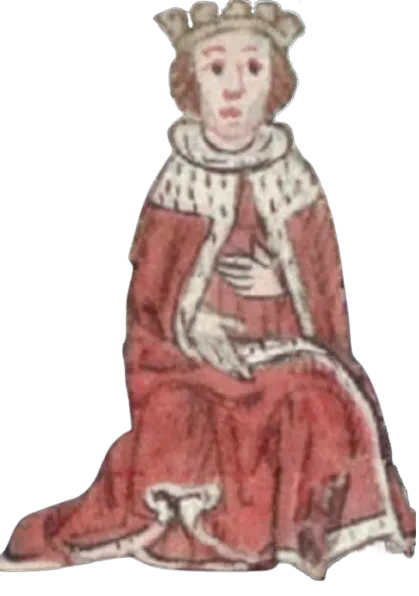
Llywelyn ap Gruffudd as drawn in a later manuscript.Llywelyn ap Gruffudd as drawn in a later manuscript.Image: Thomas Wriothesley · Public domain
world · Europe

The last native Prince of Wales is killed

Llywelyn ap Gruffudd was killed on 11 December 1282 in a skirmish near Builth, at the Orewin Bridge crossing of the river Irfon, after being drawn away from his army. He was the only Welsh ruler the English crown ever formally recognised as Prince of Wales. He and his brother Dafydd had risen against Edward I the previous spring; with Llywelyn dead the revolt collapsed, Dafydd was executed in 1283, and Wales passed under English rule.

Source: Encyclopaedia Britannica: Llywelyn ap Gruffudd ↗

IV
THE NINETEENTH CENTURY

The 1800s

Industry, empire, invention, reform and a century of enormous transformation.

1816
The Indiana Statehouse in Indianapolis.The Indiana Statehouse in Indianapolis.Image: Original: Daniel SchwenDerivative work: Massimo Catarinella · CC BY-SA 3.0
politics · Americas

Indiana joins the Union

President James Madison signed the resolution admitting Indiana to the Union on an equal footing with the original states on 11 December 1816, making it the nineteenth state. Congress had passed the Enabling Act the previous April; a convention meeting at Corydon through June had written a constitution that banned slavery in the new state. The date has been kept as Indiana’s birthday ever since.

Source: Indiana Historical Bureau: the final steps to statehood ↗
V
THE TWENTIETH CENTURY

The 1900s

War and peace, technological leaps, social change, politics, sport and popular culture.

1931
Delegates at an Imperial Conference, the meetings whose decisions the statute turned into law.Delegates at an Imperial Conference, the meetings whose decisions the statute turned into law.Image: Unknown authorUnknown author · Public domain
politics · Global

The Statute of Westminster

The Statute of Westminster received royal assent on 11 December 1931, putting into law what the imperial conferences of 1926 and 1930 had declared: that Britain and the dominions of Canada, Australia, New Zealand, South Africa, the Irish Free State and Newfoundland were equal in status and in no way subordinate to one another. From then on no law made at Westminster could extend to a dominion except at that dominion’s own request and with its consent. Canada still marks the anniversary each year.

Source: legislation.gov.uk: Statute of Westminster 1931 ↗
1936
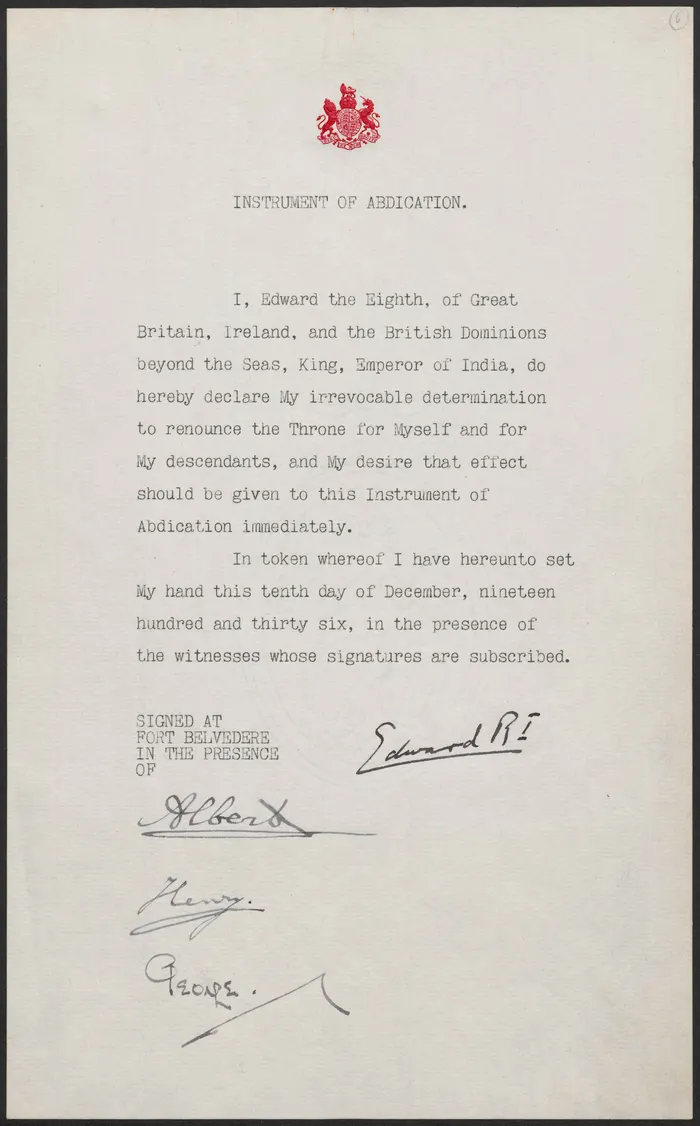
The Instrument of Abdication, signed by Edward VIII on 10 December 1936.The Instrument of Abdication, signed by Edward VIII on 10 December 1936.Image: Edward VIII · Public domain
politics · Europe

Edward VIII gives up the throne

Edward VIII’s abdication took legal effect on 11 December 1936, when he gave royal assent to His Majesty’s Declaration of Abdication Act. Parliament had endorsed the Instrument of Abdication he had signed the day before at Fort Belvedere, witnessed by his three brothers; the Act excluded him and any children he might have from the succession. His brother Albert became George VI. That evening the former king broadcast from Windsor Castle, telling listeners he had found it impossible to carry the burden of responsibility without the help of the woman he loved. He had reigned for 326 days and was never crowned. He married Wallis Simpson in France the following June.

Source: The Royal Family: Edward VIII (Jan-Dec 1936) ↗
1937
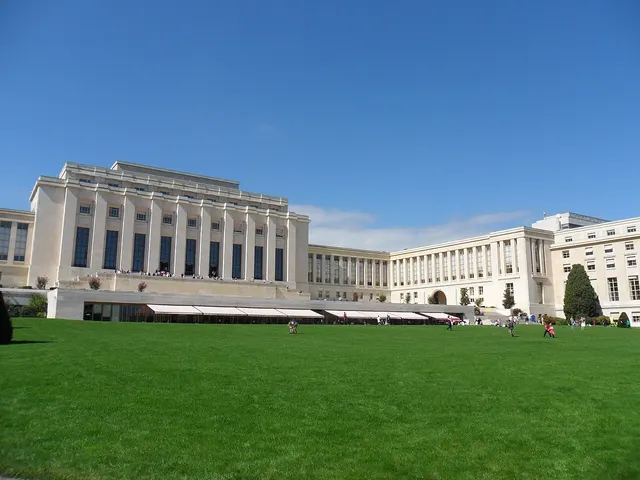
The Palais des Nations in Geneva, built for the League of Nations.The Palais des Nations in Geneva, built for the League of Nations.Image: Credits to Mourad Ben Abdallah / Wikimedia Commons · CC BY-SA 3.0
politics · Europe

Italy walks out of the League of Nations

The Italian government sent a telegram to Geneva on 11 December 1937 announcing its withdrawal from the League of Nations. The League had imposed sanctions after Mussolini invaded Ethiopia in October 1935, then watched him annex the country anyway; the episode had already shown how little the sanctions were worth. Japan and Germany had left in 1933. With Italy gone, the League’s claim to keep the peace was effectively finished.

Source: UN Archives Geneva: withdrawal of Italy from the League — telegram from the Italian Government, 11 December 1937 ↗
1941
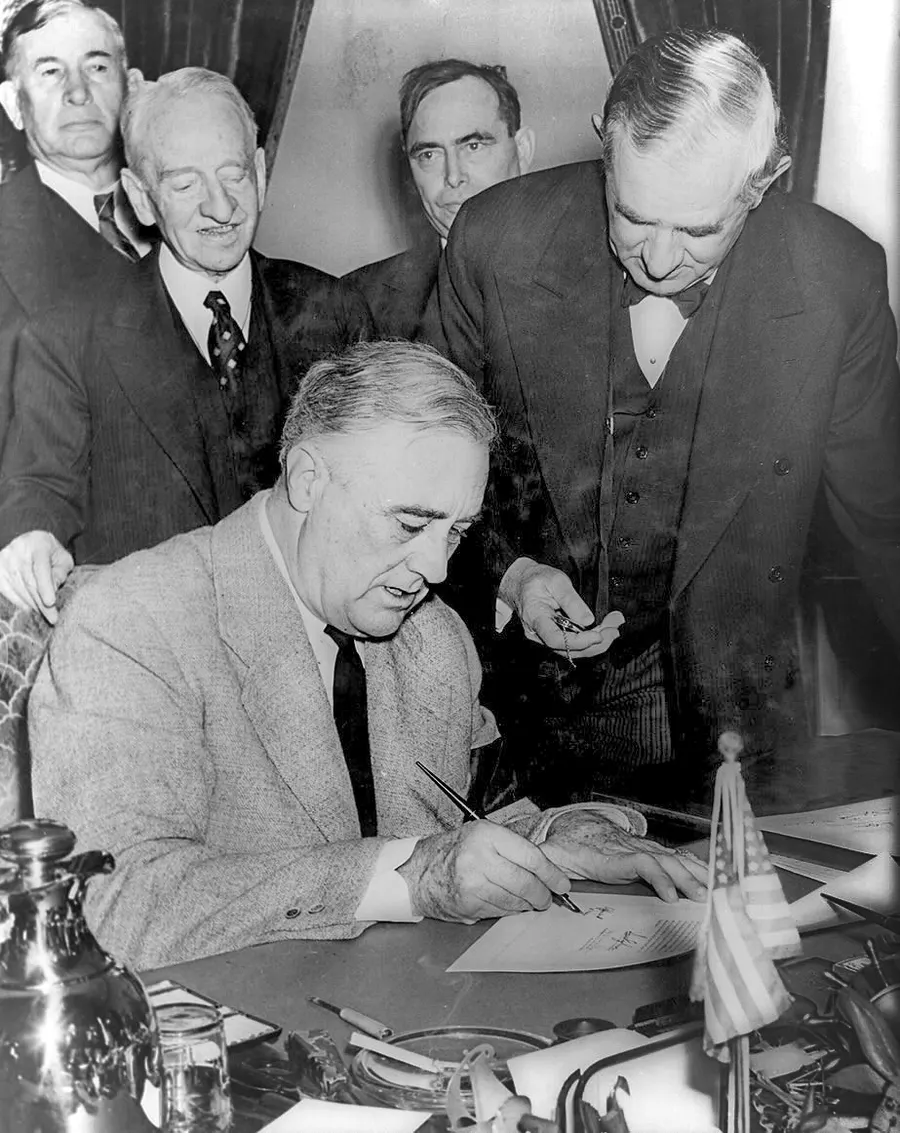
President Franklin Roosevelt signing the declaration of war against Germany on 11 December 1941.President Franklin Roosevelt signing the declaration of war against Germany on 11 December 1941.Image: Farm Security Administration/Office of War Information · Public domain

world · Global

Germany and Italy declare war on the United States

Four days after Pearl Harbor, on the morning of 11 December 1941, the German foreign minister Joachim von Ribbentrop handed a declaration of war to the American chargé d’affaires in Berlin. Hitler told the Reichstag, sitting in the Kroll Opera House, that he was acting under the Tripartite Pact signed with Japan and Italy in 1940. Mussolini declared war the same day. Until then the United States had been fighting only Japan, and Roosevelt had faced strong resistance to entering the European war. Congress voted almost unanimously the same day, and a regional Pacific conflict became a single global one.

Source: The National WWII Museum: Hitler’s declaration of war on the United States ↗
1946
A UNICEF School-in-a-Box kit, one of the standard supply packages sent to emergencies.A UNICEF School-in-a-Box kit, one of the standard supply packages sent to emergencies.Image: heb@Wikimedia Commons (mail) · CC BY-SA 3.0
politics · Global

The United Nations creates UNICEF

On 11 December 1946 the United Nations General Assembly created the United Nations International Children’s Emergency Fund, to feed and treat children and mothers in the countries wrecked by the Second World War. It was meant to be temporary. In 1950 its mandate was widened to the long-term needs of children and women in developing countries, and in 1953 it became a permanent part of the United Nations. The words ‘international’ and ‘emergency’ were dropped from the name, but nobody wanted to give up the acronym, so UNICEF it stayed.

Source: UNICEF: our history ↗
1972
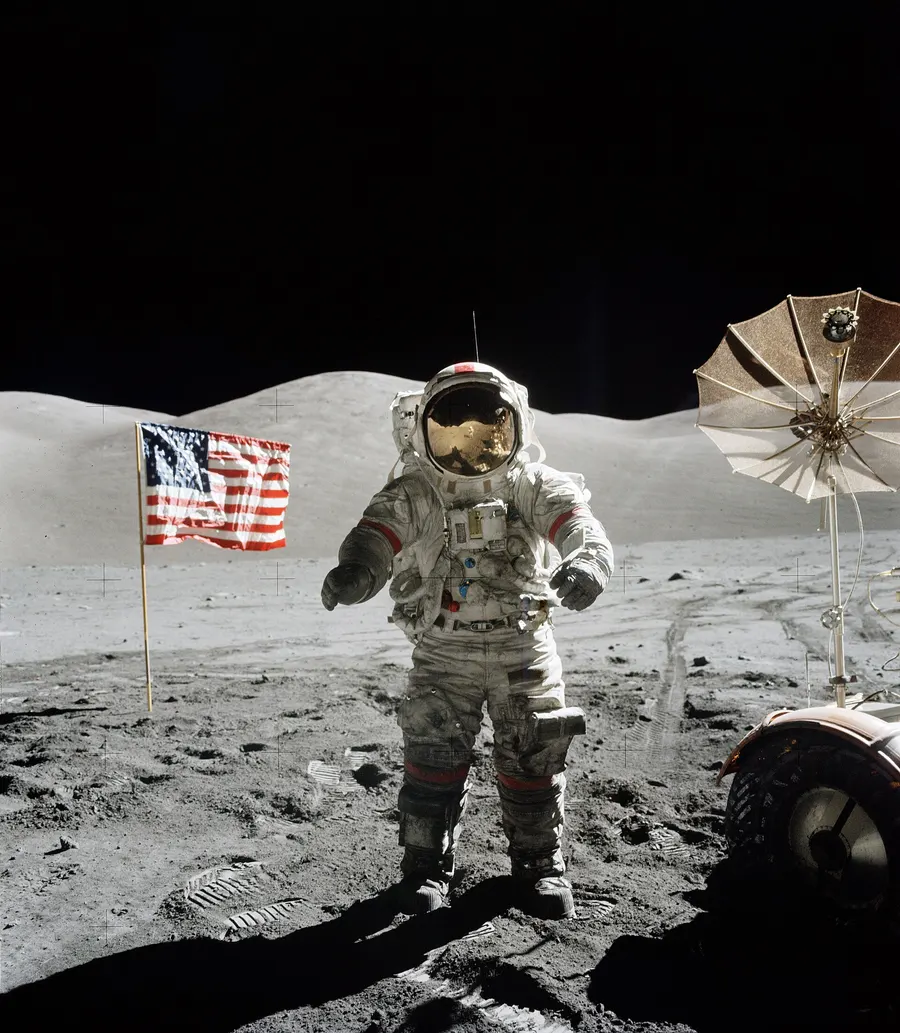
Eugene Cernan beside the flag at the Taurus-Littrow landing site, with the lunar rover behind him.Eugene Cernan beside the flag at the Taurus-Littrow landing site, with the lunar rover behind him.Image: Harrison Schmitt / Apollo 17 · Public domain
science · Americas

The last landing on the Moon

The lunar module Challenger touched down in the Taurus-Littrow valley on 11 December 1972, carrying Eugene Cernan and Harrison Schmitt — the only professional geologist ever to reach the Moon. Ronald Evans stayed in orbit aboard the command module America. Over three days the two men spent twenty-two hours outside, drove the rover some thirty-six kilometres and brought back 110 kilograms of rock and soil, including the orange volcanic glass Schmitt spotted at Shorty crater. They lifted off on 14 December. Nobody has walked on the Moon since.

Source: NASA: 50 years ago, Apollo 17 lands at Taurus-Littrow ↗
1981
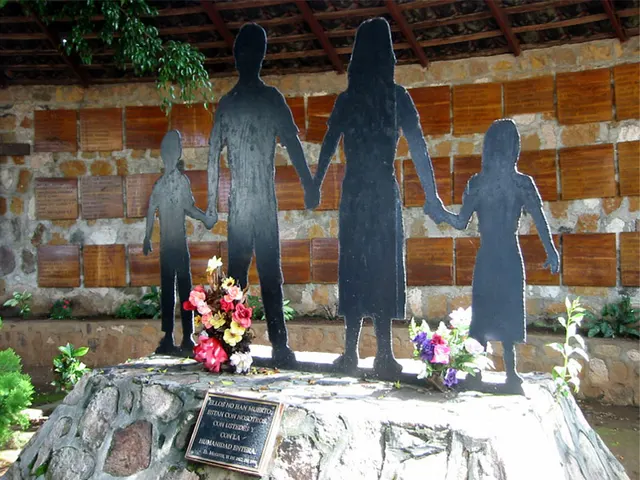
The memorial at El Mozote to the villagers killed in 1981.The memorial at El Mozote to the villagers killed in 1981.Image: Efrojas · Public domain

world · Americas

The El Mozote massacre

Between 11 and 13 December 1981 troops of the Salvadoran army’s Atlacatl Battalion killed close to a thousand villagers, most of them children, at El Mozote and the hamlets around it in Morazán department. The unit had been raised in March that year and trained with United States advisers. Both governments denied the reports for a decade; the United Nations truth commission confirmed them in 1993, and the Inter-American Court of Human Rights ruled against El Salvador in 2012.

Source: Inter-American Court of Human Rights: Case of the Massacres of El Mozote and nearby places v. El Salvador ↗
VI
2000 TO TODAY

Modern Day

The events of recent decades that have already become part of the historical record.

1997
The Kyoto International Conference Center, where the protocol was negotiated.The Kyoto International Conference Center, where the protocol was negotiated.Image: 663highland · CC BY-SA 4.0
science · Global

The Kyoto Protocol is adopted

Delegates at the third Conference of the Parties to the UN climate convention adopted the Kyoto Protocol in Kyoto on 11 December 1997. It was the first agreement to put binding emissions targets on industrialised countries: thirty-seven of them, together with the European Community, undertook to cut greenhouse gases by an average of five per cent against 1990 levels. Ratification proved slow and the treaty did not enter into force until 16 February 2005; the United States never joined.

Source: UN Framework Convention on Climate Change: the Kyoto Protocol ↗
2001
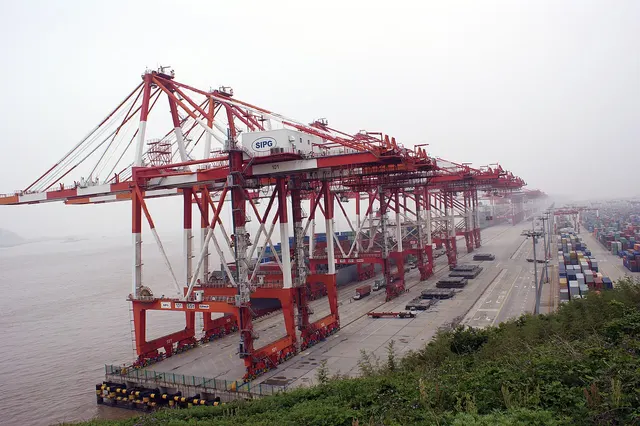
Container cranes at the port of Shanghai.Container cranes at the port of Shanghai.Image: Bruno Corpet (Quoique) · CC BY-SA 3.0
world · Asia

China joins the World Trade Organization

China became the 143rd member of the World Trade Organization on 11 December 2001, after fifteen years of negotiation — the longest accession talks in the history of the system. Average tariffs on manufactured goods came down from about 14.8 per cent, and large parts of the service economy were opened to foreign firms. The effects were hard to overstate. Over the following two decades China moved from the sixth to the second largest economy in the world, and the shape of global manufacturing changed with it.

Source: World Trade Organization: accessions — China ↗
WHY THESE MOMENTS?

Significance before volume

This page is not the longest possible list of events. It is a chronological journey through 11 December, where each entry is chosen for historical significance, human interest and reliability.

Facts are checked against authoritative museums, archives, universities and reference works. Where sources disagree, the page says so.

EXPLORED THE DEEPER STORY?

Return to the highlights of 11 December

Discover the lighter side of the date with famous birthdays, culture, firsts and lives remembered.

Explore This Day →