Explore 1 January

Explore New Year’s Day: Haiti becomes the first nation founded by people who freed themselves from slavery, Australia’s six colonies unite, Sun Yat-sen becomes the first president of the Republic of China and Sudan gains its independence. Meet Lorenzo de’ Medici, Paul Revere and J. D. Salinger, born on 1 January.

This day through time →12 verified events across 2 eras

A printed copy of the Haitian Declaration of Independence, 1804, held by the National Archives in London.
Image creditUnknown authorUnknown author · Public domainResized and cropped for display.

Haiti declares its independence

After thirteen years of revolution in the French colony of Saint-Domingue, and the defeat of the army Napoleon sent to restore slavery, the general Jean-Jacques Dessalines proclaimed independence at Gonaïves on 1 January 1804. He gave the country its old Taíno name, Haiti.

It was the first nation to be founded by people who had freed themselves from slavery, and the second independent republic in the Americas after the United States. France did not recognise it until 1825, and then only in return for a crushing payment of compensation.

Read the full storyHistory & Timeline →Source: Encyclopaedia Britannica: Haitian Revolution ↗
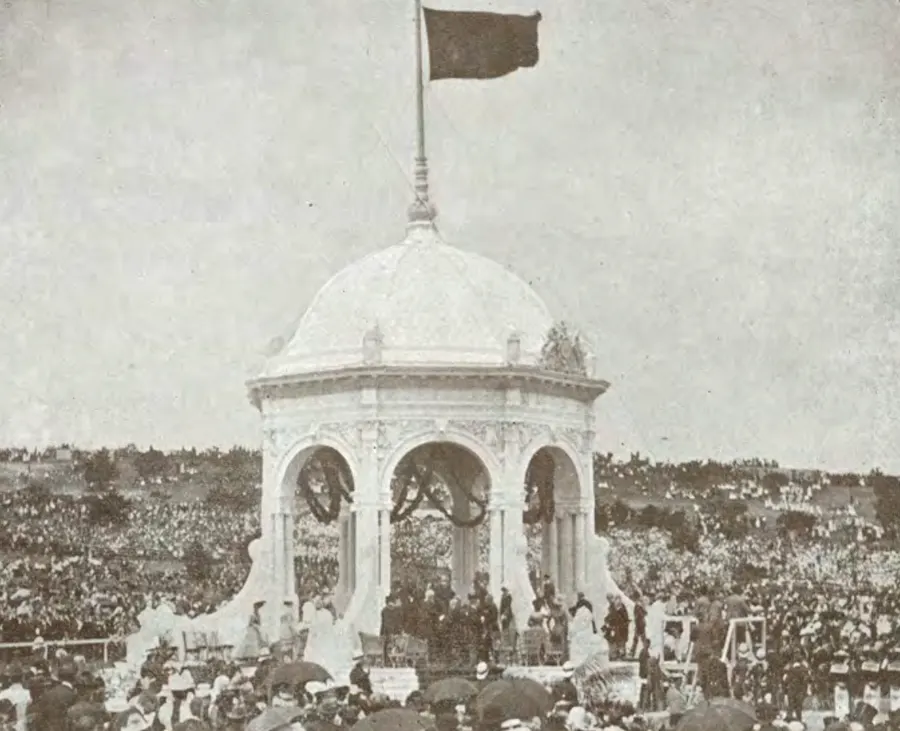
The pavilion in Centennial Park, Sydney, where the Commonwealth was inaugurated on 1 January 1901, from the film of the day.
Image creditJoseph Perry · CC BY-SA 4.0Resized and cropped for display.

Australia becomes a nation

On 1 January 1901 the six British colonies of New South Wales, Victoria, Queensland, South Australia, Western Australia and Tasmania joined to form the Commonwealth of Australia. In Centennial Park, Sydney, before a crowd of more than 100,000, Queen Victoria’s proclamation was read and the first Governor-General, Lord Hopetoun, took his oath.

Edmund Barton and his ministers were sworn in as the first federal government. About half a million people had lined the route of the procession, and there were parades, fireworks and dinners across the country.

Read the full storyHistory & Timeline →Source: Parliamentary Education Office: the creation of Australia ↗
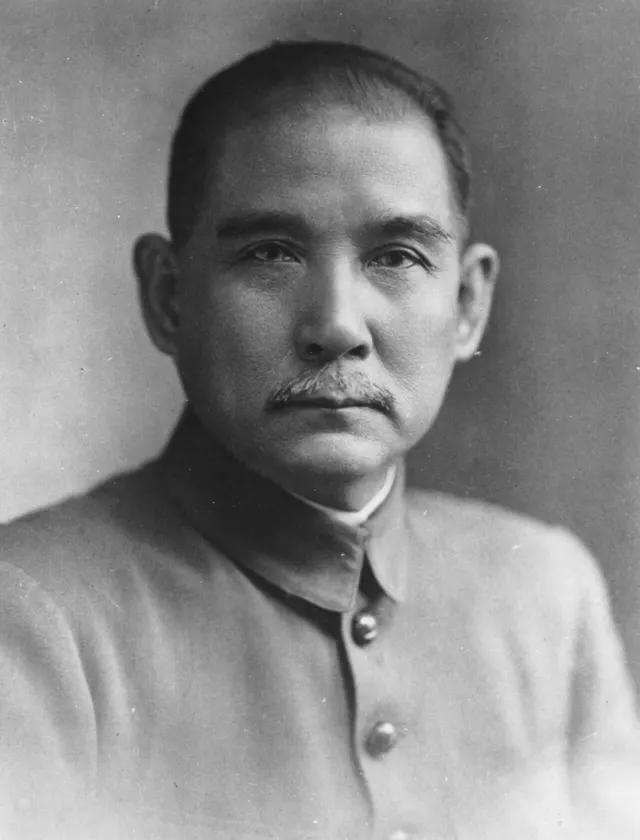
Sun Yat-sen, first provisional president of the Republic of China.
Image credit上海波尔照相馆 · Public domainResized and cropped for display.

Sun Yat-sen becomes president of the Republic of China

The uprising at Wuchang in October 1911 spread through China’s provinces, and delegates meeting at Nanjing elected the revolutionary leader Sun Yat-sen provisional president. He was sworn in on 1 January 1912, the first day of the Republic of China.

Six weeks later the last Qing emperor, the six-year-old Puyi, abdicated, ending more than 2,000 years of imperial rule. Sun stood aside so that the powerful general Yuan Shikai could become president.

Read the full storyHistory & Timeline →Source: Encyclopaedia Britannica: Sun Yat-sen, the revolution of 1911 ↗
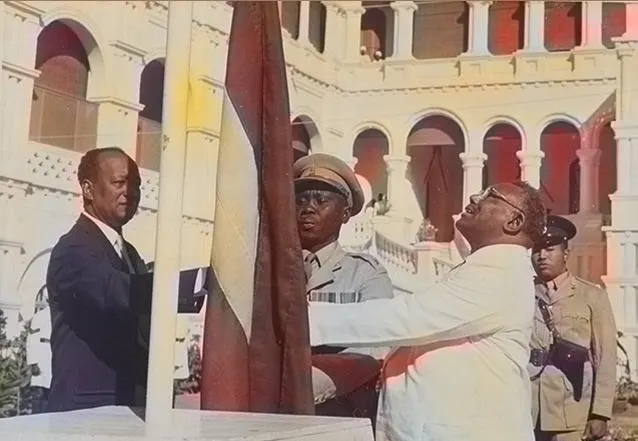
The prime minister, Ismail al-Azhari, and the opposition leader Mohamed Ahmed Mahgoub raise Sudan's flag at the independence ceremony, 1 January 1956.
The prime minister, Ismail al-Azhari, and the opposition leader Mohamed Ahmed Mahgoub raise Sudan’s flag at the independence ceremony, 1 January 1956.
Image creditSudan Films Unit (former unit during British colonization) · Public domainResized and cropped for display.

Sudan becomes independent

Since 1899 Sudan had been ruled jointly by Britain and Egypt, in practice by Britain. After the Egyptian revolution of 1952 both countries agreed that the Sudanese should decide their own future, and on 1 January 1956 the Republic of the Sudan became independent.

The prime minister, Ismail al-Azhari, had once campaigned for union with Egypt but chose full independence. A rebellion in the south had already begun, and civil war would shape the country for decades.

Read the full storyHistory & Timeline →Source: Encyclopaedia Britannica: Anglo-Egyptian Condominium ↗
♙
PEOPLE

Born Today

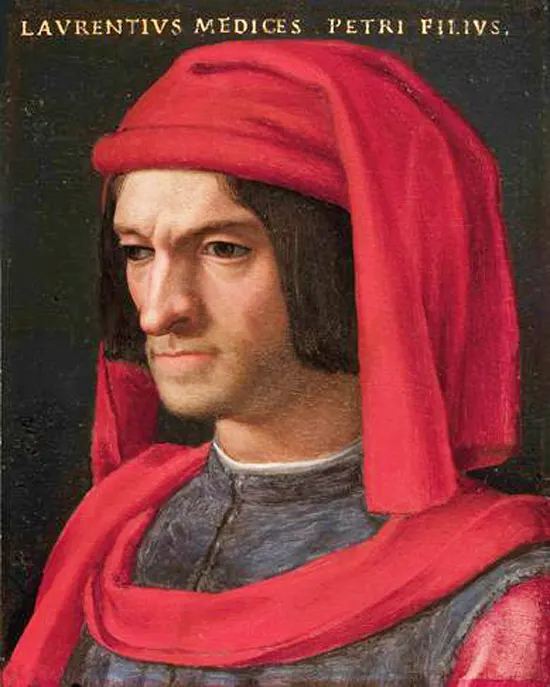
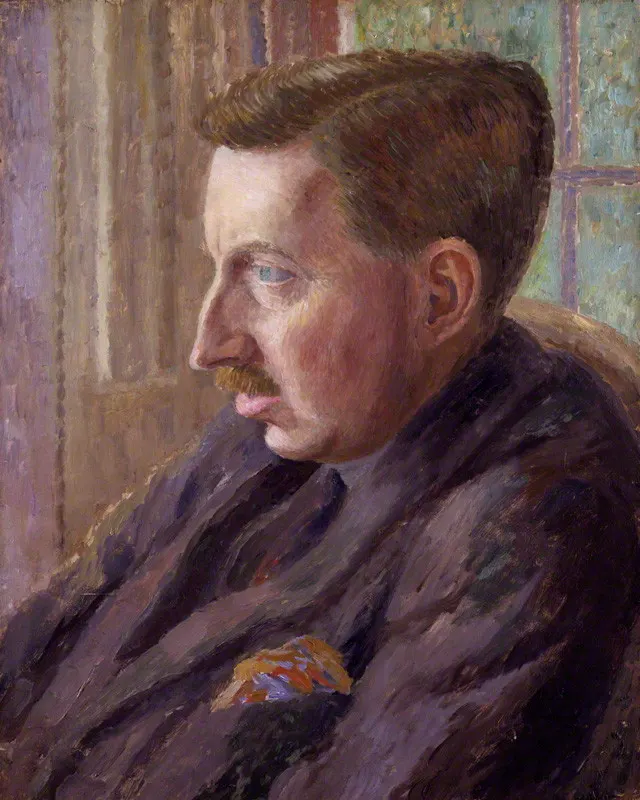
Lorenzo de' Medici
Image creditWorkshop of Bronzino · Public domainResized and cropped for display.

Lorenzo de’ Medici

Ruler of Florence, called the Magnificent, patron of Botticelli and the young Michelangelo.

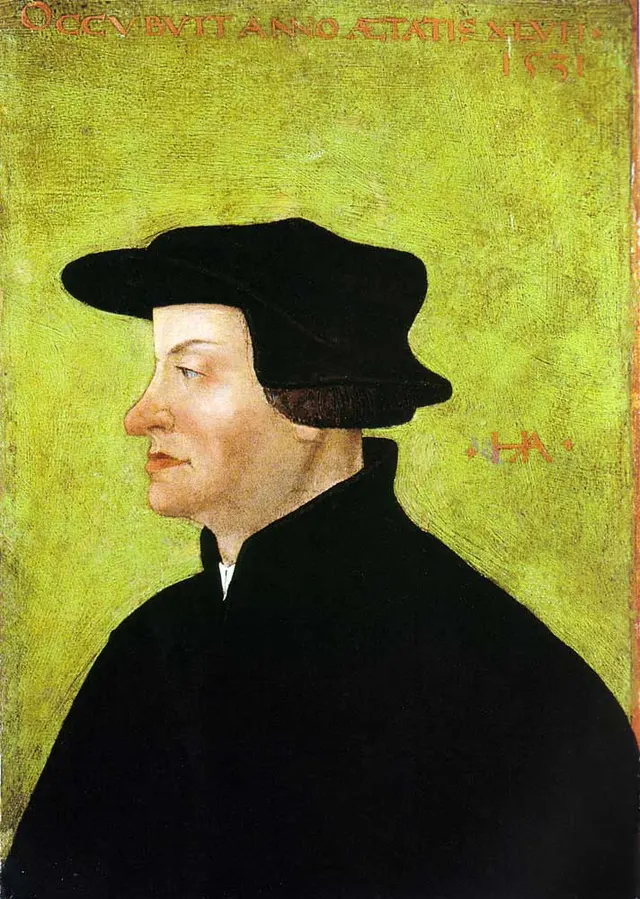
Huldrych Zwingli
Image creditHans Asper · Public domainResized and cropped for display.

Huldrych Zwingli

Swiss priest who led the Protestant Reformation in Zürich.

Paul Revere
Image creditJohn Singleton Copley · Public domainResized and cropped for display.

Paul Revere

Boston silversmith whose midnight ride in 1775 warned the patriots that British troops were coming.

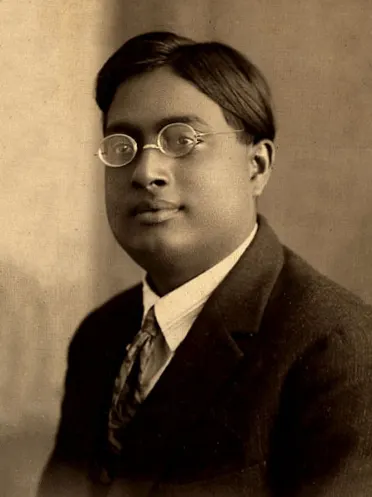
Satyendra Nath Bose
Image creditUnknown authorUnknown author · Public domainResized and cropped for display.

Satyendra Nath Bose

Indian physicist whose work with Einstein on light and particles gave the boson its name.

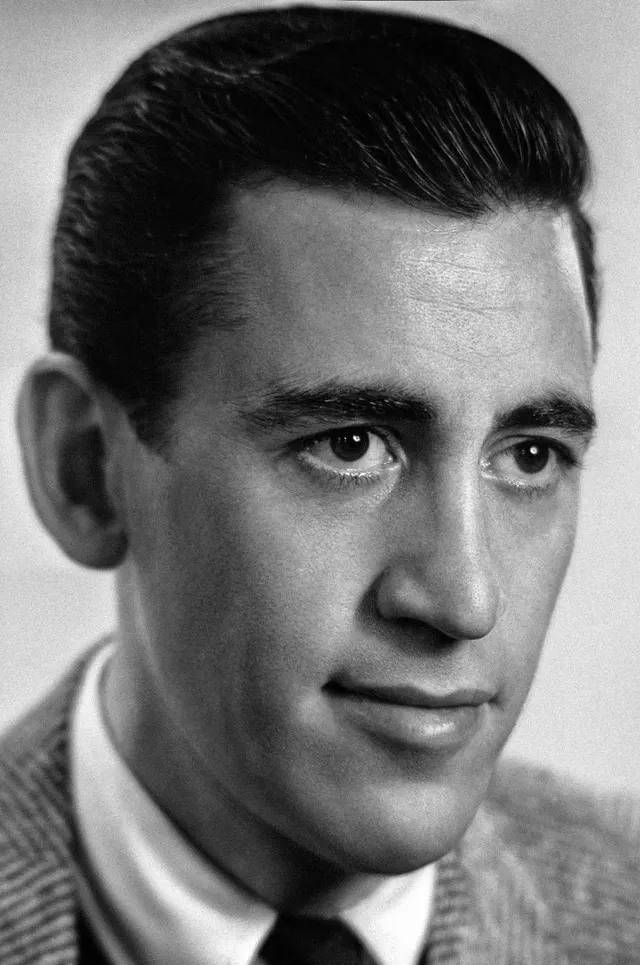
J. D. Salinger
Image creditLotte Jacobi · Public domainResized and cropped for display.

J. D. Salinger

American writer of The Catcher in the Rye, who lived for decades out of the public eye.

◉
IDEAS THAT CHANGED THINGS

Firsts, Science & Discoveries

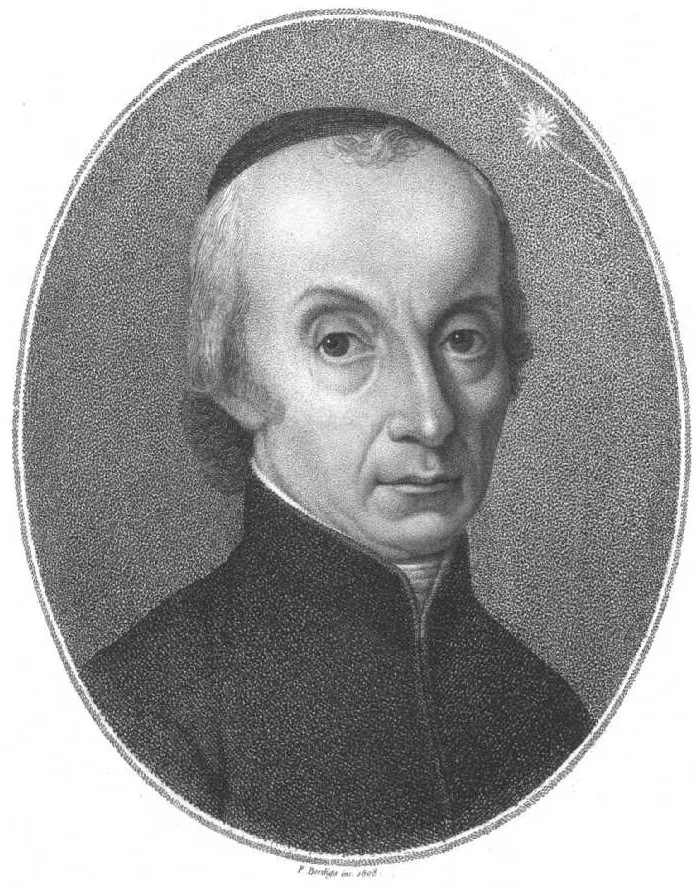
Giuseppe Piazzi, director of the Palermo Observatory, in an engraving of 1808.
Image creditF. Bordiga · Public domainResized and cropped for display.

Piazzi finds the first asteroid

On the first night of the nineteenth century, 1 January 1801, the astronomer Giuseppe Piazzi was mapping stars from the observatory in Palermo when he noticed a faint object that was not on any chart. Over the following nights it moved against the stars.

He first thought it might be a comet. It was Ceres, the largest body in the belt of asteroids between Mars and Jupiter and the first to be found. It is now classed as a dwarf planet, and NASA’s Dawn spacecraft orbited it from 2015.

Read the full storyHistory & Timeline →Source: NASA Science: Ceres ↗
A logical map of the ARPANET in March 1977.
Image creditARPANET · Public domainResized and cropped for display.

The ARPANET switches to TCP/IP

On 1 January 1983 every computer on the ARPANET, the US defence research network, had to switch over to a new set of rules for exchanging data, TCP/IP, designed by Vint Cerf and Bob Kahn. It was planned for years as a ‘flag day’: machines that had not converted could no longer talk to the others.

The change went more smoothly than many feared. Because TCP/IP let different networks link together, the date is often called the birthday of the internet, and the same protocols still carry most of the world’s internet traffic.

Read the full storyHistory & Timeline →Source: Internet Society: New Year’s Day marks 30th anniversary of major milestone for global internet ↗
☆
SPORTING HISTORY

Sporting Moments

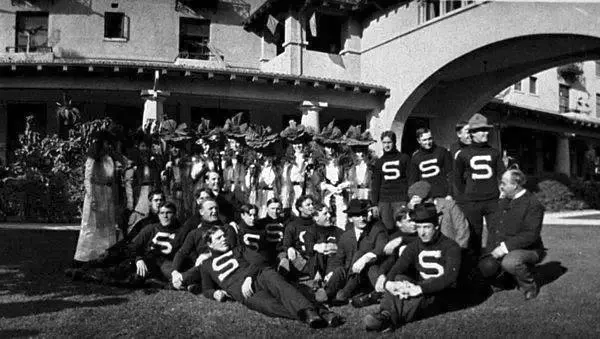
The Stanford team that played Michigan in the first Tournament East-West game, 1902.
Image creditUnknown authorUnknown author · Public domainResized and cropped for display.

The first Rose Bowl is played

As part of its Tournament of Roses festival, Pasadena in California staged a football game on 1 January 1902 between Stanford and the University of Michigan. It was the first post-season college bowl game.

Michigan won 49-0 before a crowd of more than 7,000. The rout was so one-sided that football was dropped from the festival until 1916; since then the game has been played every New Year’s Day.

Read the full storyHistory & Timeline →Source: Library of Congress, Headlines and Heroes: 1902 Rose Bowl, the first college bowl game ↗
✦
LIVES REMEMBERED

Remembered Today

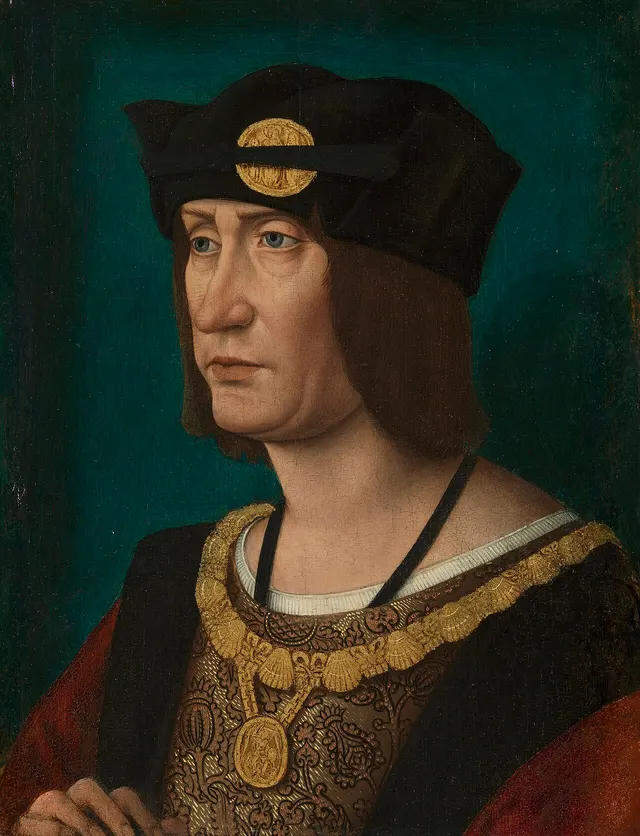
Louis XII of France
Image creditWorkshop of Jean Perréal · Public domainResized and cropped for display.

Louis XII of France

King of France from 1498, called the Father of the People, who fought long wars in Italy.

Hank Williams
Image creditWSM radio · Public domainResized and cropped for display.

Hank Williams

American country singer of Your Cheatin’ Heart, who died aged 29.

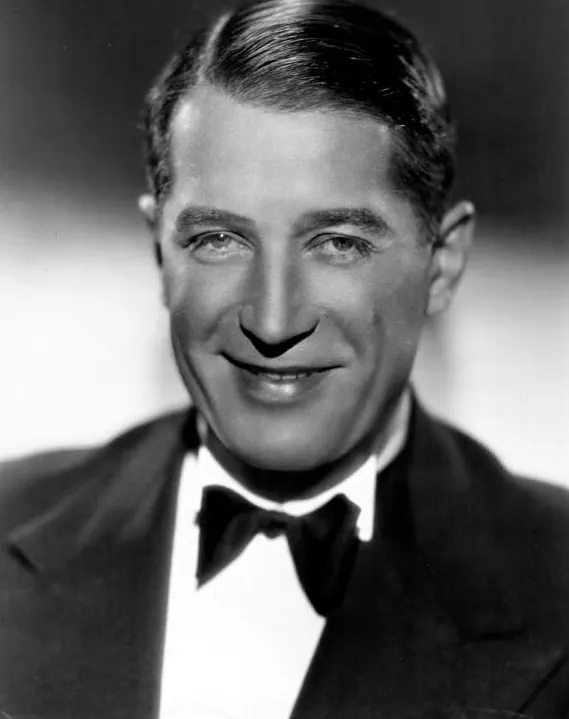
Maurice Chevalier
Image creditParamount Pictures · Public domainResized and cropped for display.

Maurice Chevalier

French singer and actor, star of the Paris music hall and of Gigi.

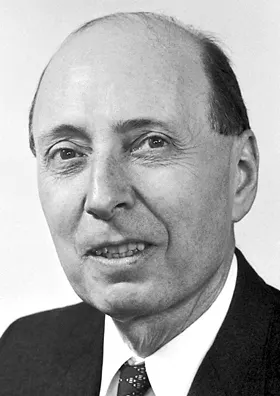
Eugene Wigner
Image creditNobel foundation · Public domainResized and cropped for display.

Eugene Wigner

Hungarian-born physicist who shared the 1963 Nobel Prize for his work on atomic nuclei.

☉
AROUND THE WORLD

Observances & Anniversaries

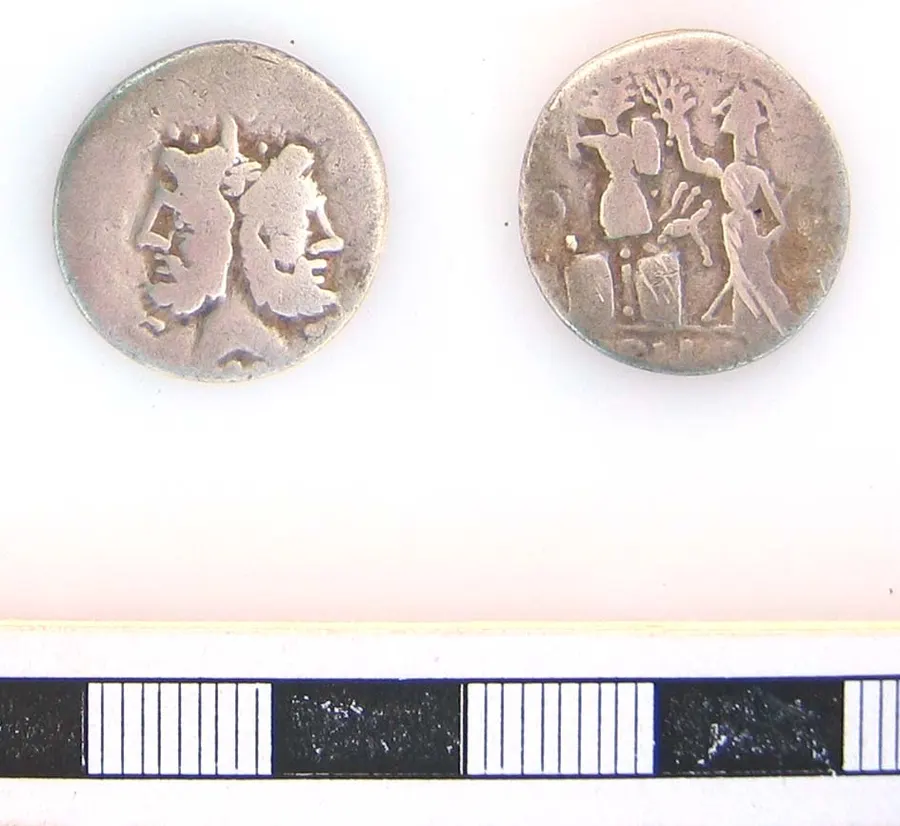
A Roman silver denarius of about 119 BC with the two-faced head of Janus, god of beginnings, who gave January its name.
Image creditWest Berkshire, Charlotte Burrill, 2007-08-28 16:12:49 · CC BY-SA 2.0Resized and cropped for display.

New Year’s Day

1 January became the official start of the Roman year in 153 BC, and Julius Caesar kept it when he reformed the calendar in 46 BC. The month is named after Janus, the two-faced god of beginnings. Since the Gregorian calendar spread, 1 January has become New Year’s Day in most of the world, a public holiday in many countries.

Source: Encyclopaedia Britannica: why does the new year start on January 1? ↗
HISTORY & TIMELINE

Finished the highlights?

Follow 1 January chronologically, from the Middle Ages to the modern day, with 12 verified events and the sources behind them.

This day through time →