
1801
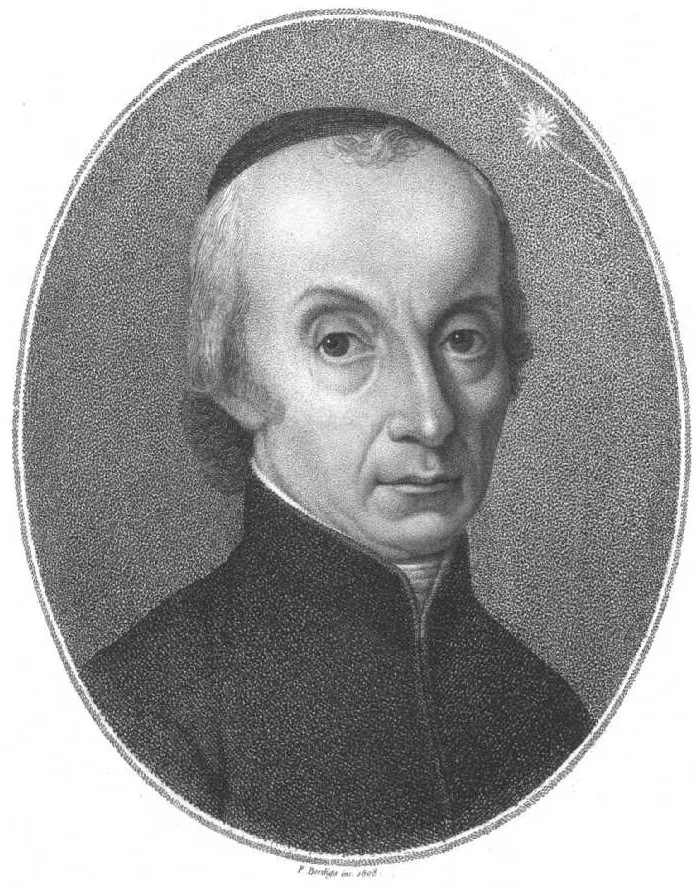 Giuseppe Piazzi, director of the Palermo Observatory, in an engraving of 1808.Image: F. Bordiga · Public domain
science · Europe
Piazzi finds the first asteroid
On the first night of the nineteenth century, 1 January 1801, the astronomer Giuseppe Piazzi was mapping stars from the observatory in Palermo when he noticed a faint object that was not on any chart. Over the following nights it moved against the stars. He first thought it might be a comet. It was Ceres, the largest body in the belt of asteroids between Mars and Jupiter and the first to be found. It is now classed as a dwarf planet, and NASA’s Dawn spacecraft orbited it from 2015.
Source: NASA Science: Ceres ↗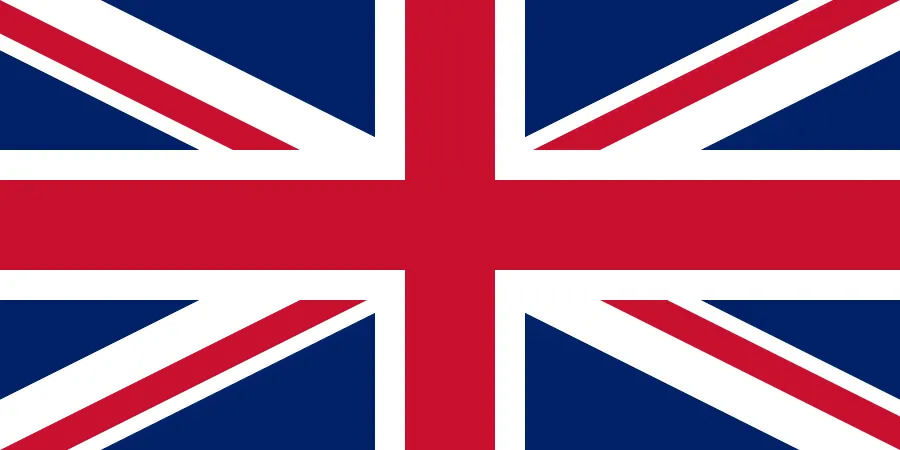 The Union Flag in the form adopted on 1 January 1801.Image:
 A printed copy of the Haitian Declaration of Independence, 1804, held by the National Archives in London.Image:
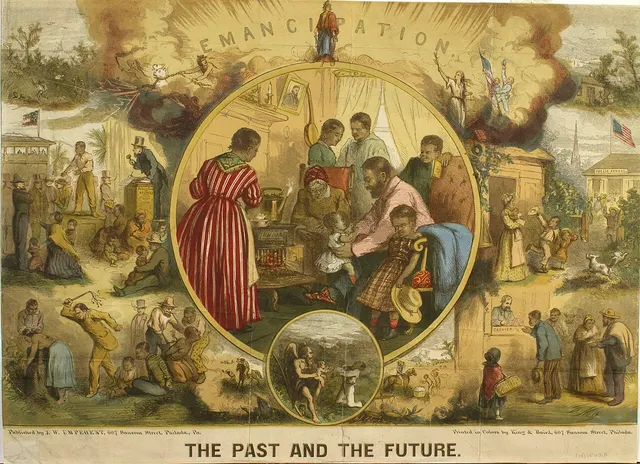 Emancipation, an illustration by Thomas Nast.Image:
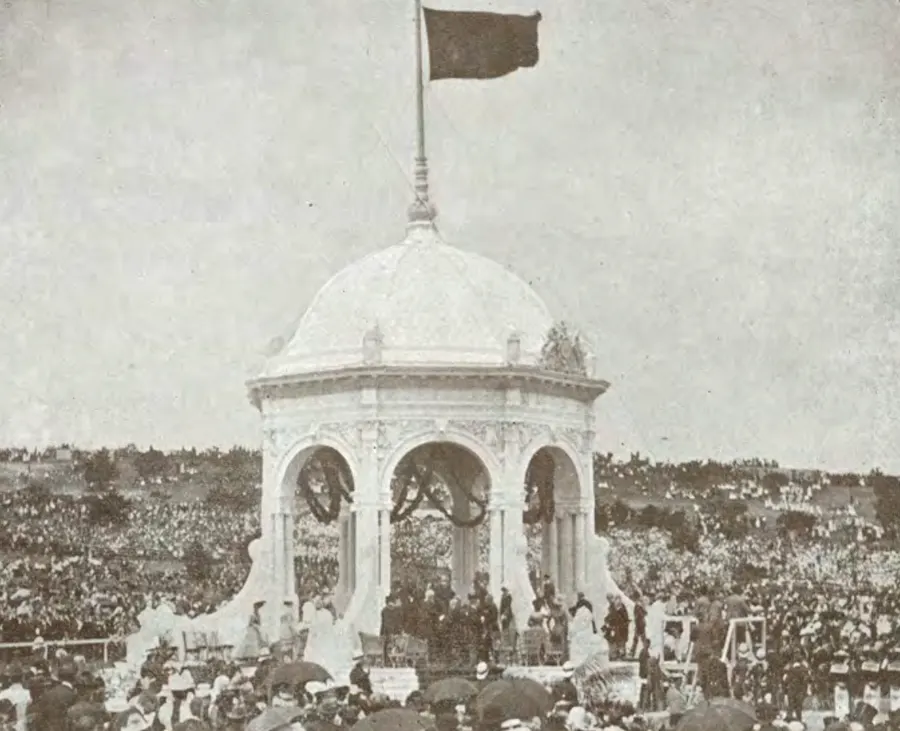 The pavilion in Centennial Park, Sydney, where the Commonwealth was inaugurated on 1 January 1901, from the film of the day.Image:
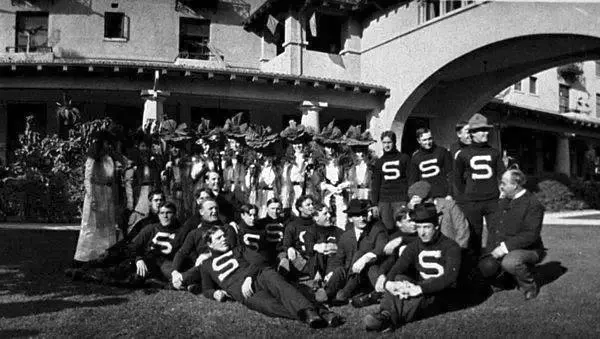 The Stanford team that played Michigan in the first Tournament East-West game, 1902.Image:
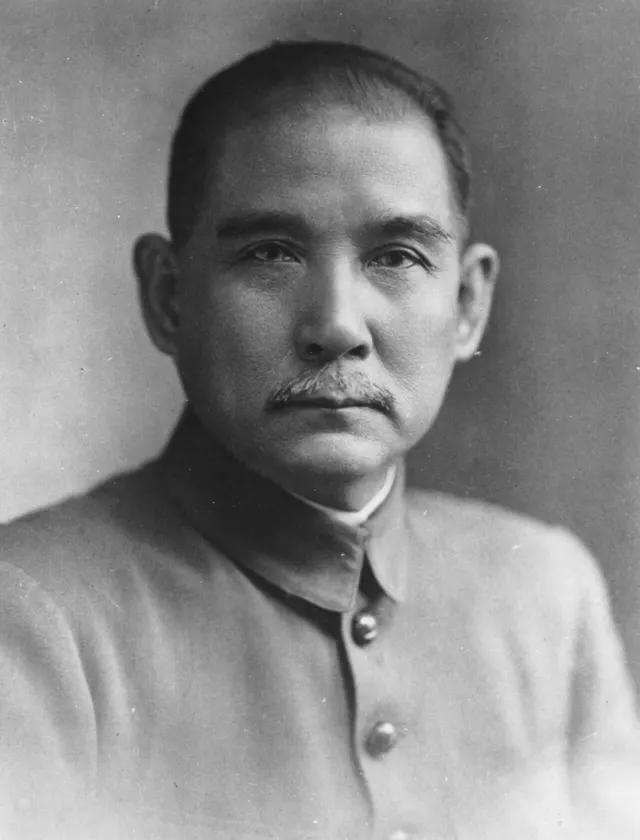 Sun Yat-sen, first provisional president of the Republic of China.Image:
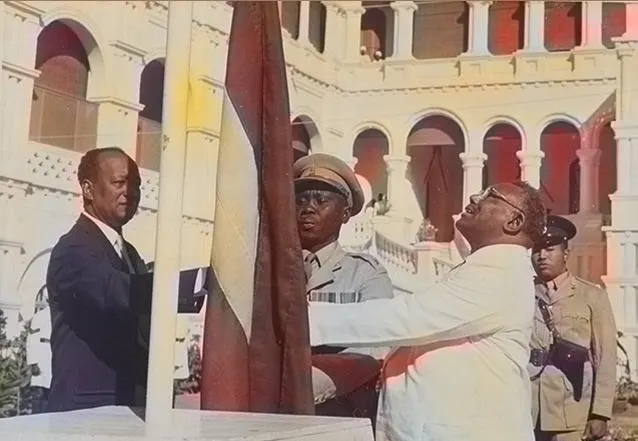 The prime minister, Ismail al-Azhari, and the opposition leader Mohamed Ahmed Mahgoub raise Sudan’s flag at the independence ceremony, 1 January 1956.Image:
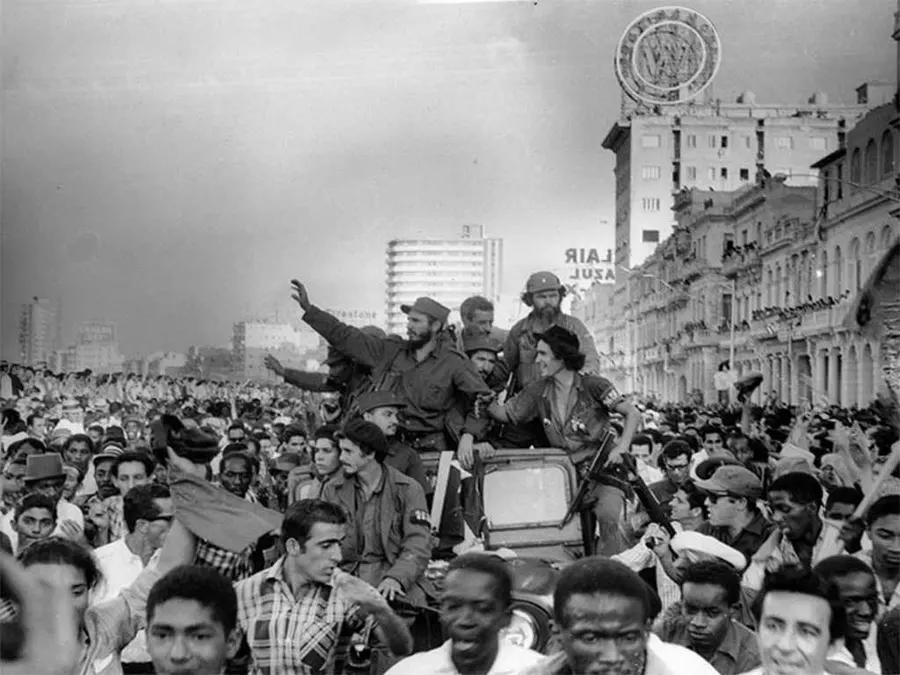 Fidel Castro enters Havana on 8 January 1959.Image:
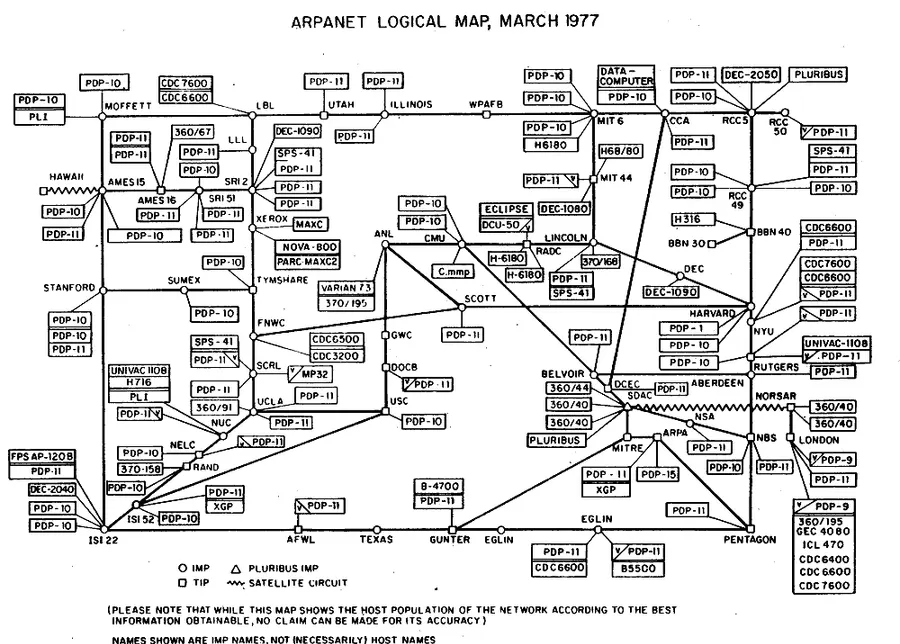 A logical map of the ARPANET in March 1977.Image:
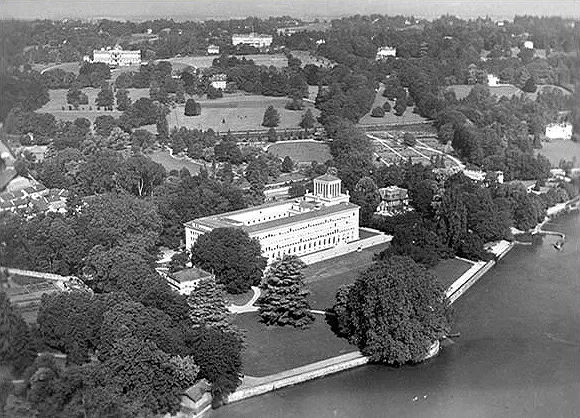 The Centre William Rappard in Geneva, now the WTO’s headquarters, soon after it opened in 1926.Image:
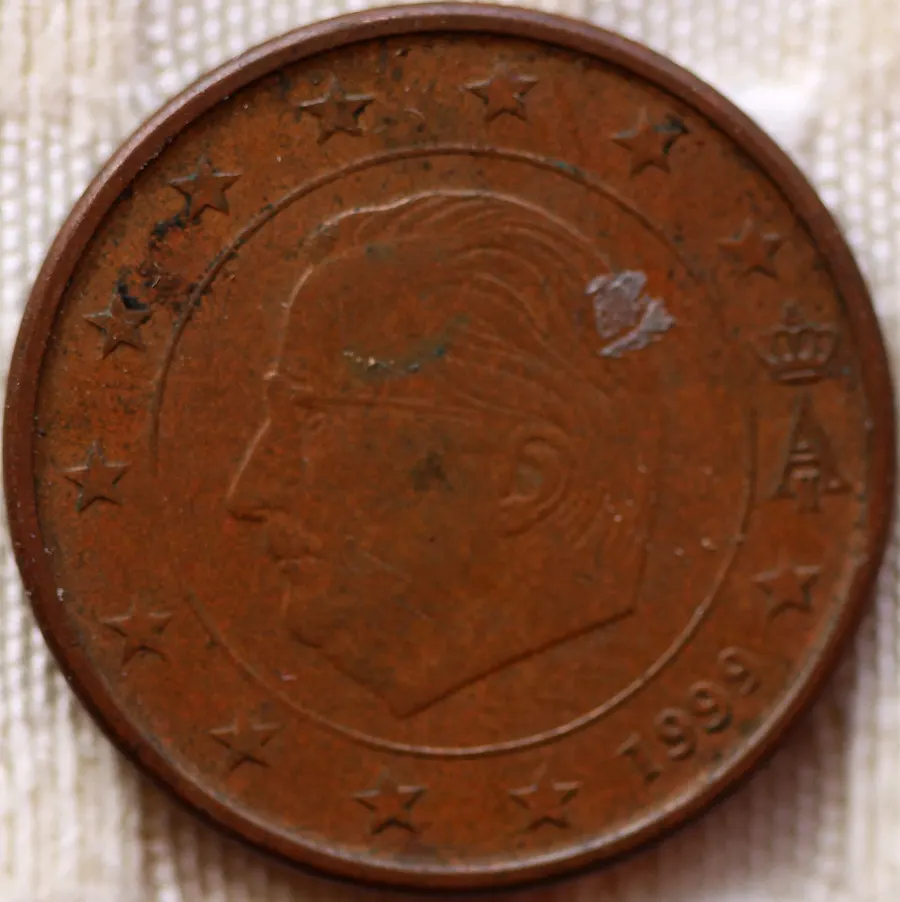 A Belgian one-cent euro coin dated 1999.Image: