HISTORY & TIMELINE
31 December

A journey through
31 December in history

The last day of the year has seen Edison light up Menlo Park, a Soviet airliner beat Concorde into the air, the world’s tallest building opened with fireworks and the first report of a new illness in Wuhan. This timeline follows 31 December from the American Revolution to the twenty-first century.

III
A CHANGING WORLD

Early Modern Era

Exploration, political change, scientific development and expanding global connections.

1775
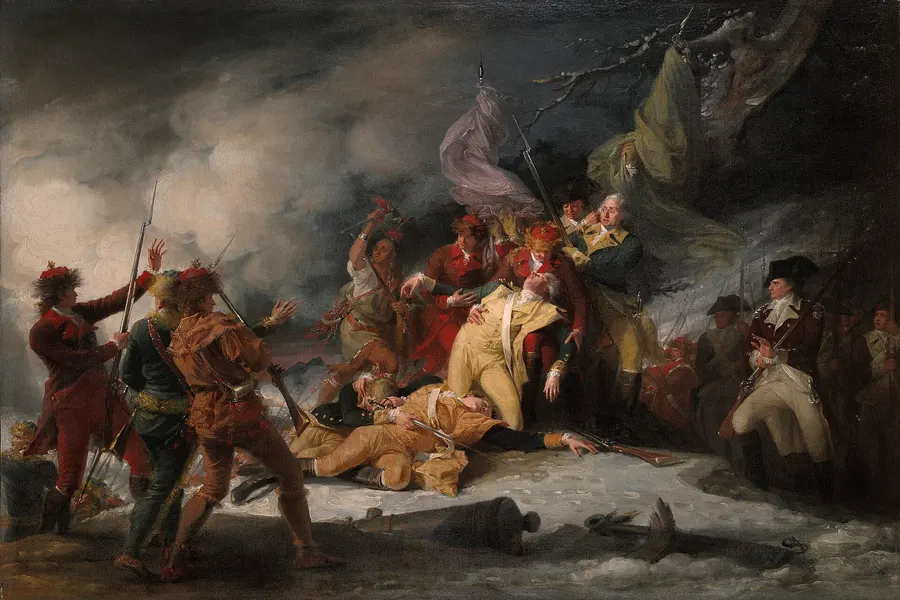
John Trumbull's painting The Death of General Montgomery in the Attack on Quebec, December 31, 1775, painted in 1786.John Trumbull’s painting The Death of General Montgomery in the Attack on Quebec, December 31, 1775, painted in 1786.Image: John Trumbull · Public domain
world · Americas

The Americans attack Quebec in a snowstorm

In the first months of the American Revolution, Congress sent two small armies north to take Canada from the British. On the night of 31 December 1775, in a blinding snowstorm, the Americans under Richard Montgomery and Benedict Arnold attacked the walled city of Quebec. The defenders, British troops and Canadian militia under Governor Guy Carleton, were ready. Montgomery was killed by a volley, Arnold was wounded and hundreds of Americans were taken prisoner. Quebec stayed British, and so in the end did Canada.

Source: Encyclopaedia Britannica: Battle of Quebec (1775) ↗
IV
THE NINETEENTH CENTURY

The 1800s

Industry, empire, invention, reform and a century of enormous transformation.

1857
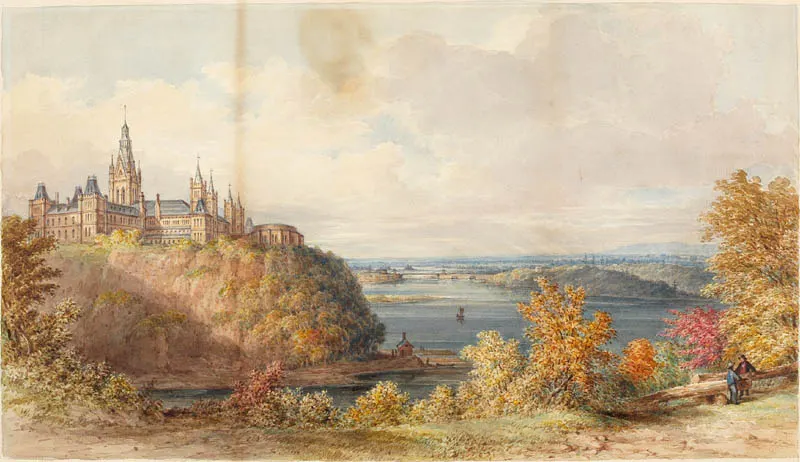
The new Parliament Buildings in Ottawa, painted in watercolour by James Duncan about 1866.The new Parliament Buildings in Ottawa, painted in watercolour by James Duncan about 1866.Image: James Duncan · Public domain
politics · Americas

Queen Victoria chooses Ottawa as Canada’s capital

For years the Province of Canada’s parliament had moved between Kingston, Montreal, Toronto and Quebec City, because the English- and French-speaking halves could not agree on a permanent capital. In the end the question was put to Queen Victoria, and on 31 December 1857 her choice was announced: Ottawa, a small lumber town once called Bytown. It stood on the border between the two language communities and further from the United States than its rivals. Parliament met there from 1866, and it became the capital of the new Dominion of Canada in 1867.

Source: City of Ottawa Archives: Ottawa becomes the capital ↗
1879
science · Americas

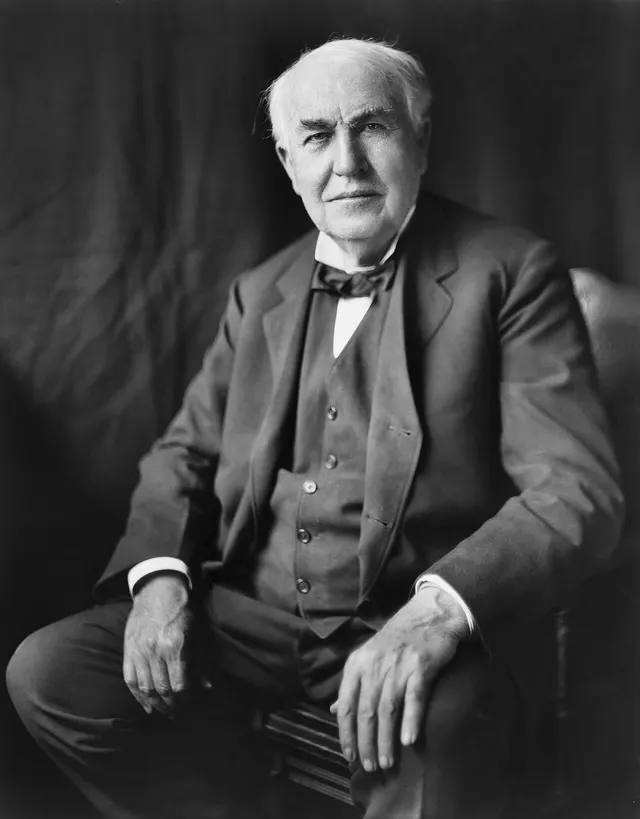
Edison lights up Menlo Park

After months of experiments with carbonised filaments, Thomas Edison showed off his electric lighting system at his laboratory at Menlo Park, New Jersey, over New Year’s Eve 1879. Dozens of lamps lit the laboratory, the office, nearby houses and a line of street lamps, all fed from a generator in the machine shop. Crowds of curious visitors came to see it. It was not the first electric light, but it was the first complete system of generator, wiring and long-lasting bulbs, and within three years Edison was lighting part of New York.

Source: The Henry Ford: first public demonstration of incandescent lighting by Thomas A. Edison, Menlo Park, 31 December 1879 ↗
V
THE TWENTIETH CENTURY

The 1900s

War and peace, technological leaps, social change, politics, sport and popular culture.

1963
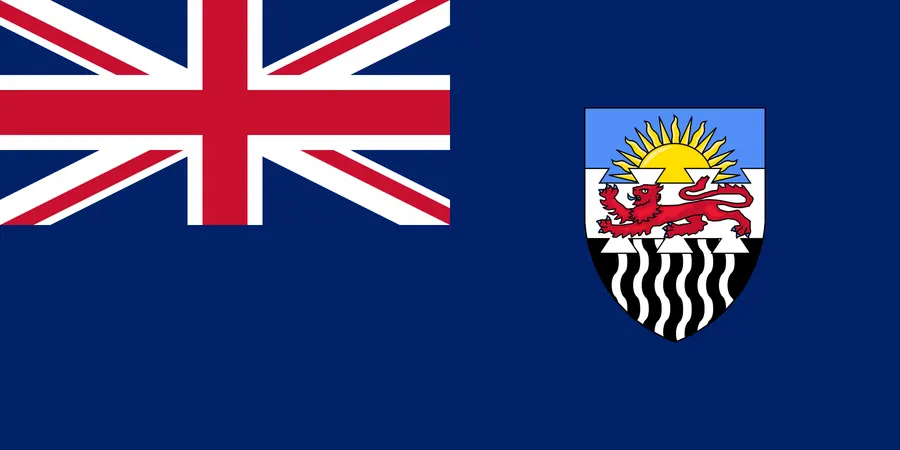
The flag of the Federation of Rhodesia and Nyasaland, 1953-1963.The flag of the Federation of Rhodesia and Nyasaland, 1953-1963.Image: UnknownUnknown , vector version by Lupin, Greentubing, Fenn-O-maniC and NikNaks · Public domain
politics · Africa

The Central African Federation is dissolved

In 1953 Britain had joined the self-governing, white-ruled colony of Southern Rhodesia with Northern Rhodesia and Nyasaland in a Federation of Rhodesia and Nyasaland. Most Africans in the three territories opposed it from the start, fearing rule by the white settlers of the south. After years of protest, Britain agreed to break it up, and the federation came to an end at midnight on 31 December 1963. Within a year Nyasaland became independent as Malawi and Northern Rhodesia as Zambia, while Southern Rhodesia’s white government declared independence on its own in 1965.

Source: Encyclopaedia Britannica: Federation of Rhodesia and Nyasaland ↗
1968
A Tupolev Tu-144 at the Central Air Force Museum, Monino, near Moscow.A Tupolev Tu-144 at the Central Air Force Museum, Monino, near Moscow.Image: Maarten from Netherlands · CC BY 2.0
science · Europe

The first supersonic airliner takes off

On 31 December 1968 the prototype of the Soviet Tupolev Tu-144 made its first flight near Moscow, two months before the Anglo-French Concorde. It was the first supersonic passenger aircraft to fly. It broke the sound barrier in June 1969, but its career was short and troubled: a Tu-144 crashed at the Paris Air Show in 1973, and passenger flights, begun in 1977, ended after only a few months. In the 1990s one was used by NASA for supersonic research.

Source: Encyclopaedia Britannica: Tupolev Tu-144 ↗
1999
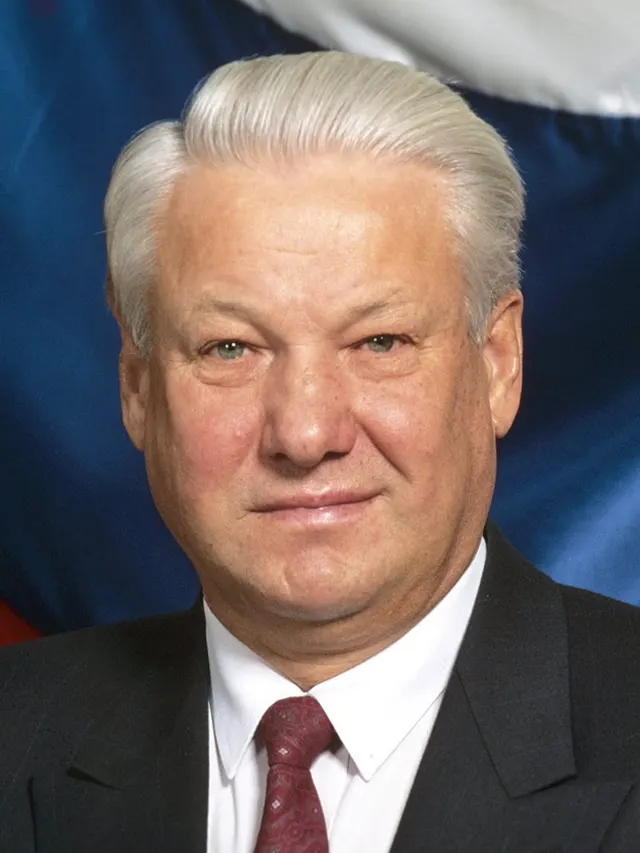
Boris Yeltsin, the first president of Russia.Boris Yeltsin, the first president of Russia.Image: Presidential Press and Information Office · CC BY 4.0
politics · Europe

Yeltsin resigns and hands power to Putin

Shortly after midday on 31 December 1999 Boris Yeltsin, Russia’s first elected president, announced on television that he was stepping down. Russia, he said, should enter the new millennium with new politicians and new faces, and he asked forgiveness for the hopes that had not come true. Under the constitution his powers passed to the prime minister, Vladimir Putin, a former KGB officer he had appointed only that August. Putin won the presidential election held in March 2000.

Source: President of Russia: President Boris Yeltsin announced his resignation and appointed Prime Minister Vladimir Putin acting president ↗
VI
2000 TO TODAY

Modern Day

The events of recent decades that have already become part of the historical record.

2004
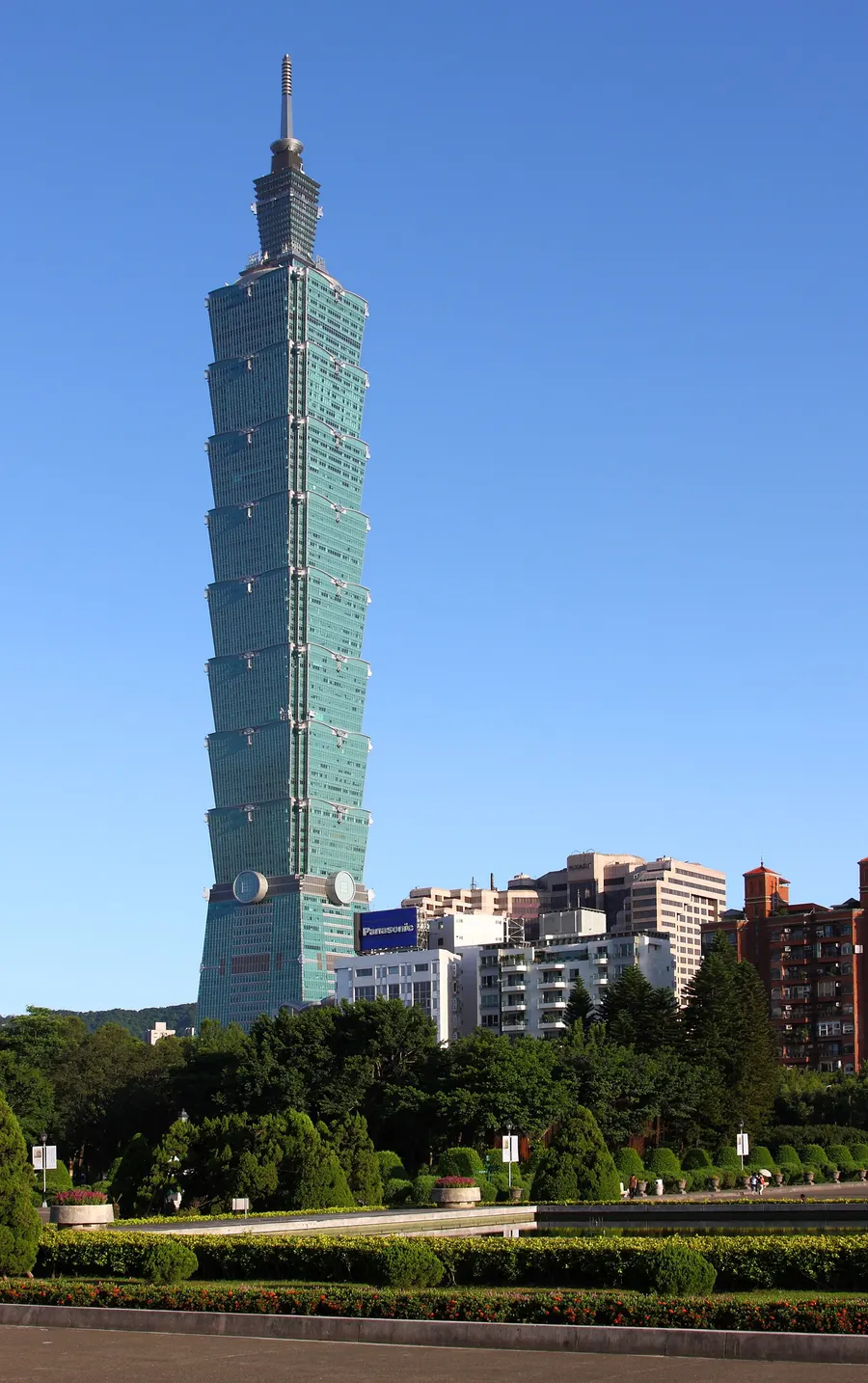
Taipei 101 seen from the Sun Yat-sen Memorial Hall, 2009.Taipei 101 seen from the Sun Yat-sen Memorial Hall, 2009.Image: AngMoKio · CC BY-SA 3.0
culture · Asia

Taipei 101 opens as the world’s tallest building

Taipei 101 was officially opened on New Year’s Eve 2004. Rising 508 metres over 101 floors, and shaped like a stack of bamboo sections, it took the title of the world’s tallest building from the Petronas Towers in Kuala Lumpur. A giant steel ball hung near the top steadies it against typhoon winds. It remained the tallest until Dubai’s Burj Khalifa opened in 2010, and its fireworks are now a regular part of New Year’s Eve in Taipei.

Source: Encyclopaedia Britannica: Taipei 101 ↗
2019
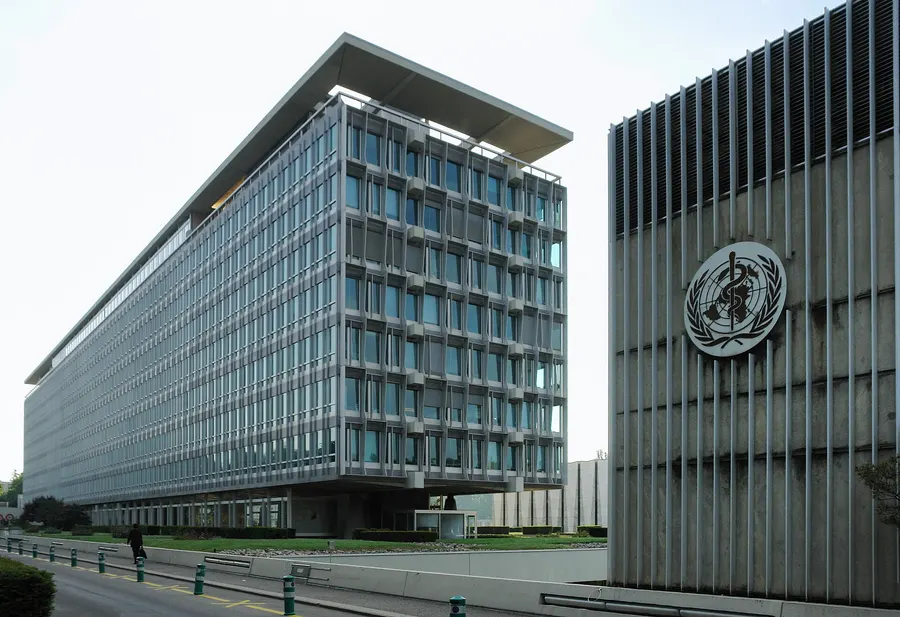
The World Health Organization's headquarters in Geneva.The World Health Organization’s headquarters in Geneva.Image: Yann Forget · CC BY-SA 3.0
science · Asia

The WHO learns of a pneumonia cluster in Wuhan

On 31 December 2019 the World Health Organization’s office in China was informed of cases of pneumonia of unknown cause in the city of Wuhan. By 3 January 44 patients had been reported. Chinese scientists identified a new coronavirus on 7 January 2020. The disease it caused, COVID-19, became a pandemic that killed millions of people around the world.

Source: World Health Organization: pneumonia of unknown cause, China (disease outbreak news, 5 January 2020) ↗
WHY THESE MOMENTS?

Significance before volume

This page is not the longest possible list of events. It is a chronological journey through 31 December, where each entry is chosen for historical significance, human interest and reliability.

Facts are checked against authoritative museums, archives, universities and reference works. Where sources disagree, the page says so.

EXPLORED THE DEEPER STORY?

Return to the highlights of 31 December

Discover the lighter side of the date with famous birthdays, culture, firsts and lives remembered.

Explore This Day →
← PREVIOUS DAY30 December
HISTORY & TIMELINE31 December
NEXT DAY →1 January