HISTORY & TIMELINE
30 December

A journey through
30 December in history

30 December brought Asia’s first underground railway, a theatre fire that changed safety laws around the world, and a day that Samoa simply skipped. This timeline follows the date from the Gadsden Purchase to Samoa’s leap across the date line in 2011.

JUMP THROUGH TIME
IV
THE NINETEENTH CENTURY

The 1800s

Industry, empire, invention, reform and a century of enormous transformation.

1853
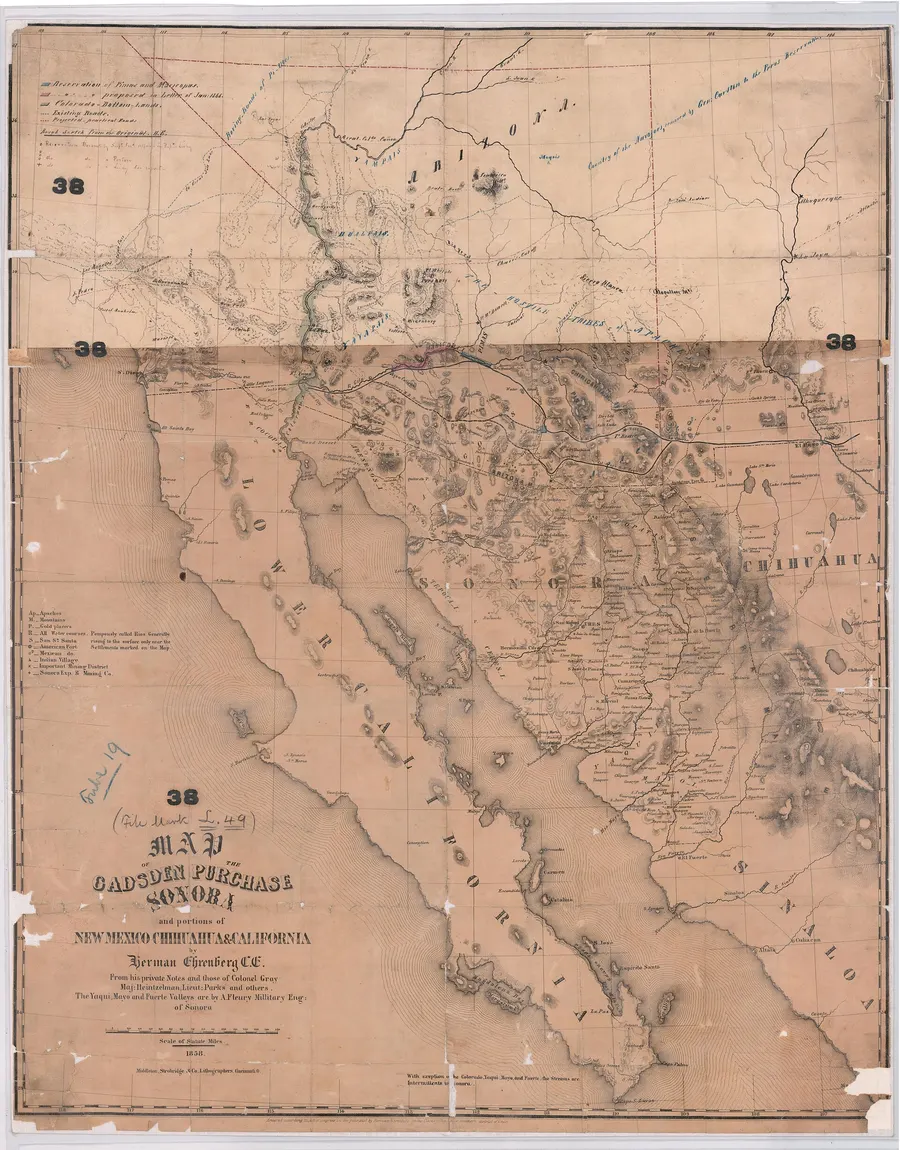
Herman Ehrenberg's 1858 map of the Gadsden Purchase and neighbouring lands, from the US National Archives.Herman Ehrenberg’s 1858 map of the Gadsden Purchase and neighbouring lands, from the US National Archives.Image: Department of the Interior. Bureau of Indian Affairs. 9/17/1947 · Public domain
politics · Americas

The United States buys the Gadsden Purchase

In Mexico City on 30 December 1853 the American minister James Gadsden and envoys of President Antonio López de Santa Anna signed a treaty selling the United States about 30,000 square miles of land south of the Gila River, in what is now southern Arizona and New Mexico. The United States wanted a flat route for a southern railway to California; Santa Anna needed money. After the Senate trimmed the treaty, the price was $10 million. It was the last large piece of land added to the mainland United States.

Source: US Department of State, Office of the Historian: Gadsden Purchase, 1853-1854 ↗
1896
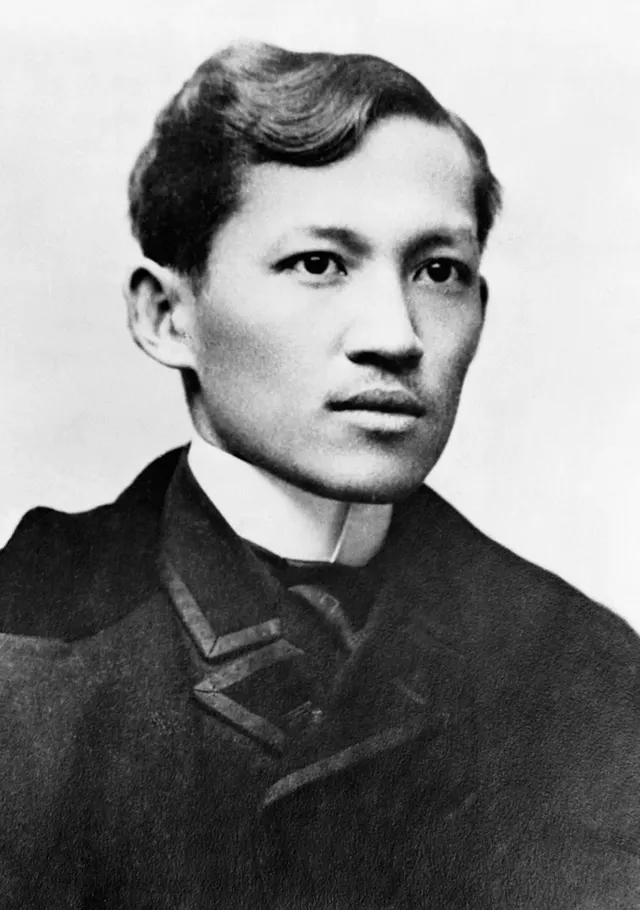
José Rizal, writer, doctor and national hero of the Philippines.José Rizal, writer, doctor and national hero of the Philippines.Image: unknown author · Public domain
politics · Asia

José Rizal is executed in Manila

José Rizal, a doctor and writer whose novels Noli Me Tángere and El Filibusterismo exposed the abuses of Spanish rule in the Philippines, was put on trial for sedition after the Philippine Revolution broke out in 1896, although he had not taken part in it. At about seven in the morning of 30 December 1896 he was shot by a firing squad at Bagumbayan field in Manila. His death strengthened the revolution, and he is honoured as the Philippines’ national hero; the field is now Rizal Park.

Source: National Historical Commission of the Philippines: why we celebrate Rizal Day every 30th of December ↗
V
THE TWENTIETH CENTURY

The 1900s

War and peace, technological leaps, social change, politics, sport and popular culture.

1903
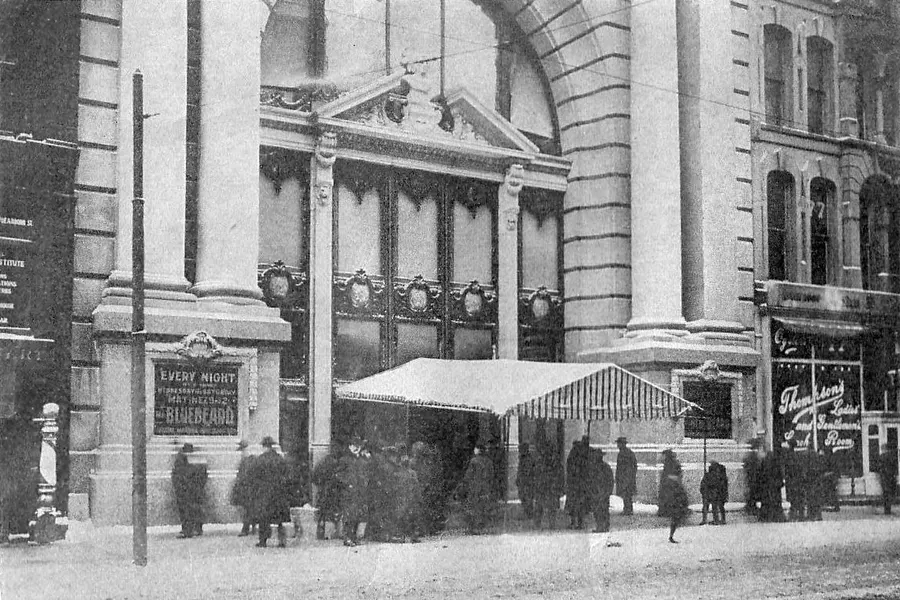
The entrance of the Iroquois Theatre in Chicago, 1903.The entrance of the Iroquois Theatre in Chicago, 1903.Image: Unknown authorUnknown author · Public domain
world · Americas

The Iroquois Theatre fire in Chicago

During a packed afternoon performance of the musical Mr Blue Beard on 30 December 1903, a stage light set fire to a curtain at Chicago’s new Iroquois Theatre, advertised as ‘absolutely fireproof’. More than 600 people died, most of them women and children, many crushed at locked or blocked exits. It is still one of the deadliest building fires in American history, and it led cities across the country to bring in stricter fire safety rules for theatres.

Source: Library of Congress: Iroquois Theater fire, topics in Chronicling America ↗
1922
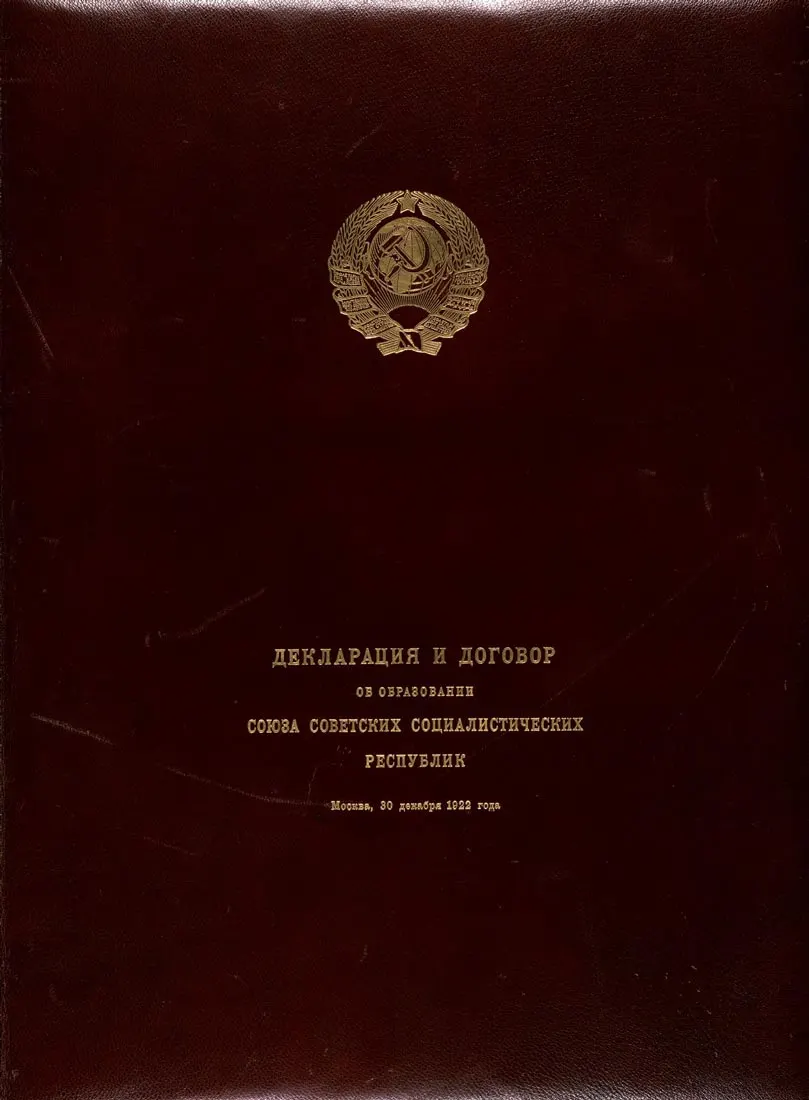
The cover of the 1922 Declaration and Treaty on the Formation of the USSR, now in the Russian state archives.The cover of the 1922 Declaration and Treaty on the Formation of the USSR, now in the Russian state archives.Image: State Register of Unique Documents of the Archival Fund of the Russian Federation · Public domain
politics · Europe

The Soviet Union is formed

Five years after the Bolshevik revolution, delegates from the Russian, Ukrainian and Belorussian Soviet republics and the Transcaucasian Federation met in Moscow at the First All-Union Congress of Soviets. On 30 December 1922 the congress approved the Declaration and Treaty on the Formation of the Union of Soviet Socialist Republics. On paper the republics were equal and free to leave; in practice power lay in Moscow and with the Communist Party. The union’s first constitution followed in January 1924. At its height the USSR had fifteen republics and covered a sixth of the world’s land, until it broke apart in 1991.

Source: Presidential Library (Russia): Declaration and Treaty on the Formation of the USSR were signed ↗
1927
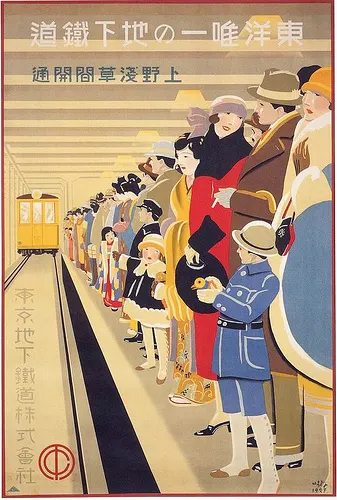
Hisui Sugiura's poster for the opening of Tokyo's first underground railway, 1927.Hisui Sugiura’s poster for the opening of Tokyo’s first underground railway, 1927.Image: Hisui Sugiura · Public domain
science · Asia

Asia’s first underground railway opens in Tokyo

On 30 December 1927 the Tokyo Underground Railway opened a 2.2-kilometre line between Ueno and Asakusa, the first underground railway in Asia. Its founder, Noritsugu Hayakawa, had been inspired by the London Underground on a visit to Britain. The line was later extended through Ginza, and it is still in daily use as Tokyo Metro’s Ginza Line.

Source: Tokyo Metro: corporate history ↗
1947
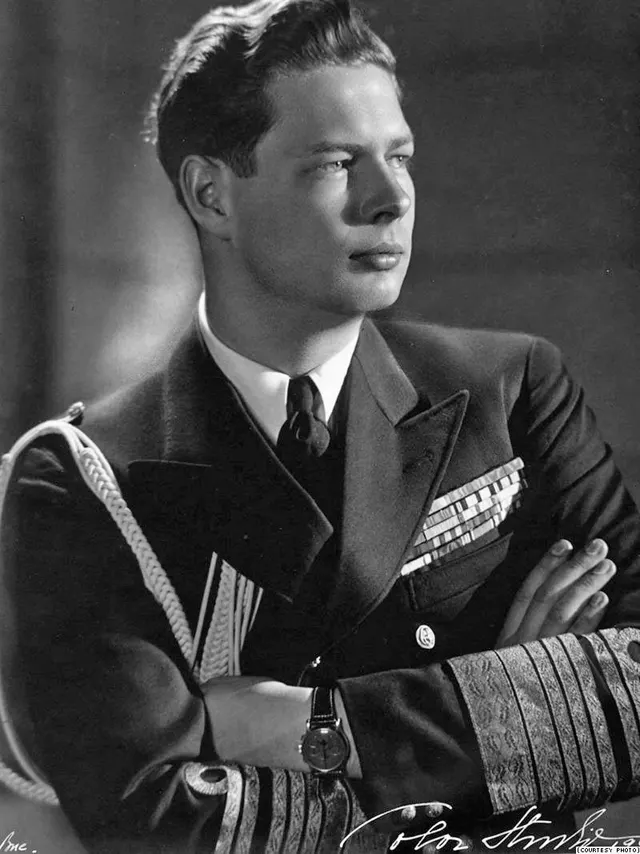
King Michael I of Romania.King Michael I of Romania.Image: Jozef Trylinski · Public domain
politics · Europe

King Michael is forced to give up Romania’s throne

King Michael of Romania had led the coup that took his country out of alliance with Nazi Germany in 1944, but after the war the Soviet Union steadily installed a communist government around him. On 30 December 1947 the prime minister, Petru Groza, and the communist leader Gheorghe Gheorghiu-Dej forced him to sign his abdication. The same day Romania was declared a People’s Republic, and within days Michael left for exile. He was not allowed back until the 1990s, after the fall of communism, and died in 2017.

Source: Encyclopaedia Britannica: Michael, King of Romania ↗
1993
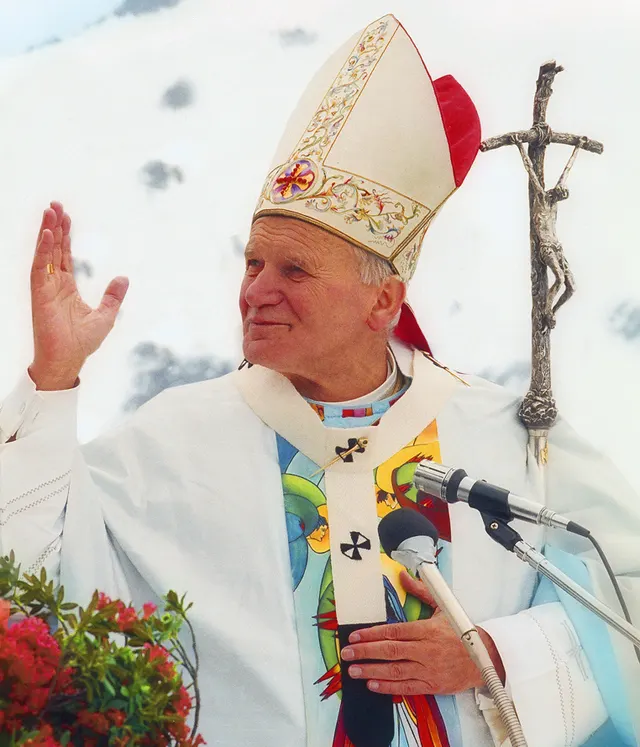
Pope John Paul II, in whose pontificate the agreement was signed.Pope John Paul II, in whose pontificate the agreement was signed.Image: Gregorini Demetrio · CC BY-SA 3.0
culture · Asia

The Holy See and Israel sign their Fundamental Agreement

In Jerusalem on 30 December 1993 representatives of the Holy See and the State of Israel signed a Fundamental Agreement that opened the way to full diplomatic relations. It committed both sides to fight antisemitism and recognised the special relationship between the Catholic Church and the Jewish people. Ambassadors were exchanged in 1994.

Source: Holy See, Secretariat of State: Fundamental Agreement between the Holy See and the State of Israel ↗
VI
2000 TO TODAY

Modern Day

The events of recent decades that have already become part of the historical record.

2011
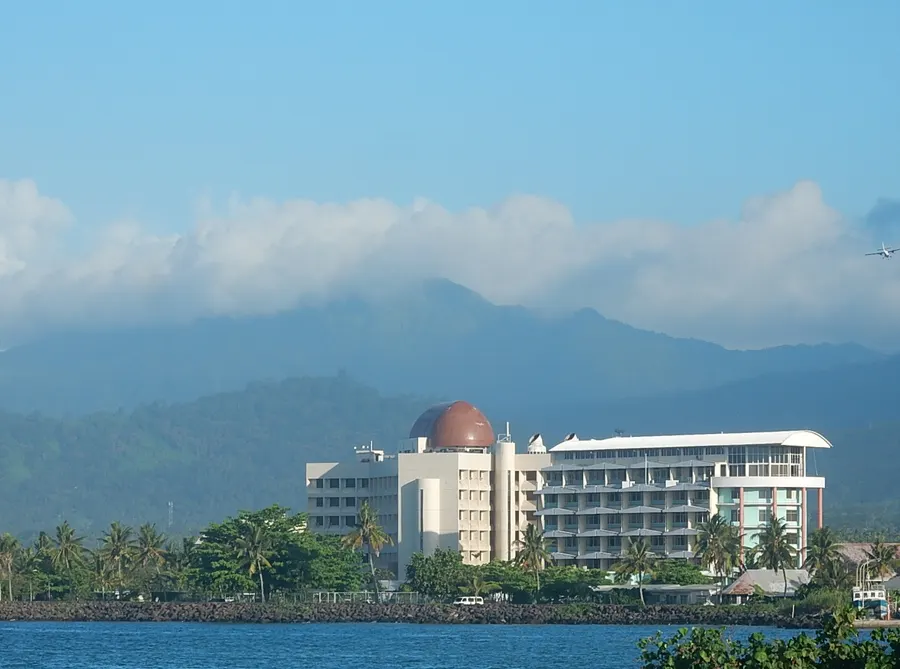
The waterfront at Apia, the capital of Samoa.The waterfront at Apia, the capital of Samoa.Image: Michael Coghlan from Adelaide, Australia · CC BY-SA 2.0
science · Oceania

Samoa skips 30 December

At midnight at the end of Thursday 29 December 2011, Samoa moved from the east side of the International Date Line to the west, going straight to Saturday 31 December. For Samoans, Friday 30 December 2011 never happened. The neighbouring territory of Tokelau made the same jump. The prime minister, Tuilaepa Sailele Malielegaoi, said the old time zone cost the country two working days a week with its main trading partners, Australia and New Zealand. Samoa went from being one of the last places on Earth to see the new year to one of the first.

Source: Encyclopaedia Britannica: why did Samoa move the International Date Line? ↗
WHY THESE MOMENTS?

Significance before volume

This page is not the longest possible list of events. It is a chronological journey through 30 December, where each entry is chosen for historical significance, human interest and reliability.

Facts are checked against authoritative museums, archives, universities and reference works. Where sources disagree, the page says so.

EXPLORED THE DEEPER STORY?

Return to the highlights of 30 December

Discover the lighter side of the date with famous birthdays, culture, firsts and lives remembered.

Explore This Day →