
1170
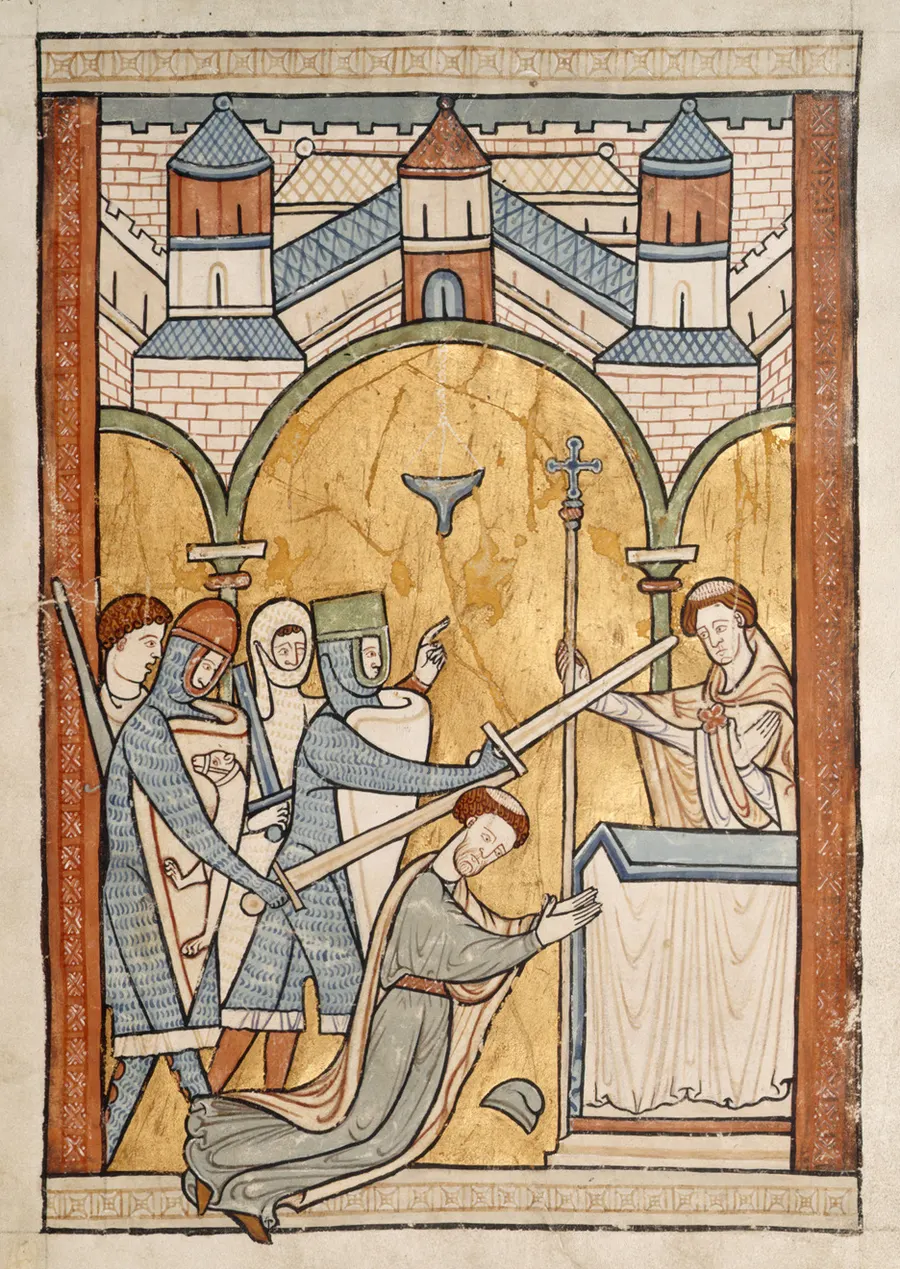 The murder of Thomas Becket, from an English manuscript of about 1200, the earliest known picture of the scene.Image: Unknown authorUnknown author · Public domain
culture · Europe
Thomas Becket is murdered in Canterbury Cathedral
Thomas Becket had been Henry II’s chancellor and friend before the king made him Archbishop of Canterbury, but the two men fell out bitterly over the rights of the Church. In late 1170 Becket excommunicated the bishops who had crowned Henry’s eldest son in his place. On 29 December four knights of the king’s household, Reginald FitzUrse, Hugh de Morville, William de Tracy and Richard Brito, followed Becket into his cathedral at dusk and cut him down with their swords. The murder horrified Europe. Becket was made a saint within three years, Henry did public penance at his tomb, and Canterbury became one of the great pilgrim shrines of the Middle Ages.
Source: British Museum: Thomas Becket, the murder that shook the Middle Ages ↗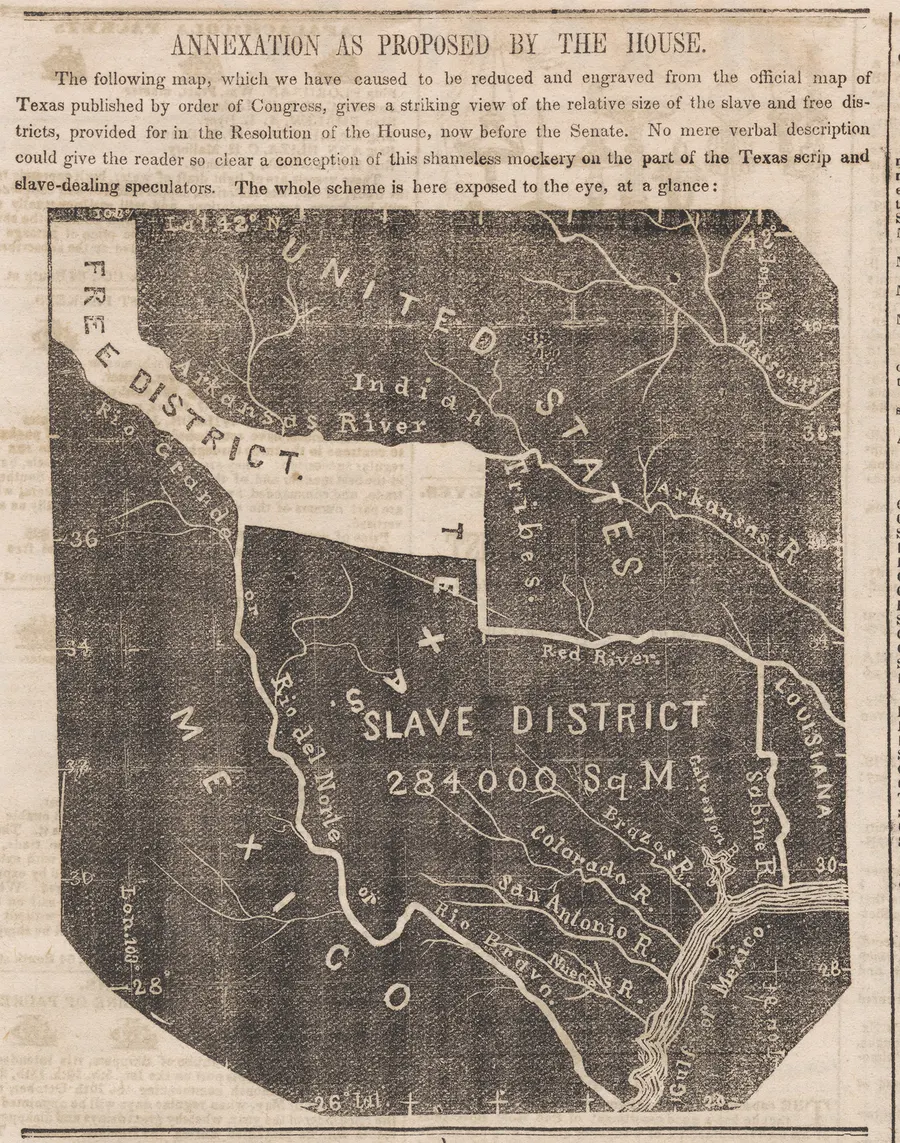 An 1845 newspaper map opposing annexation, which labels Texas a ‘slave district’.Image:
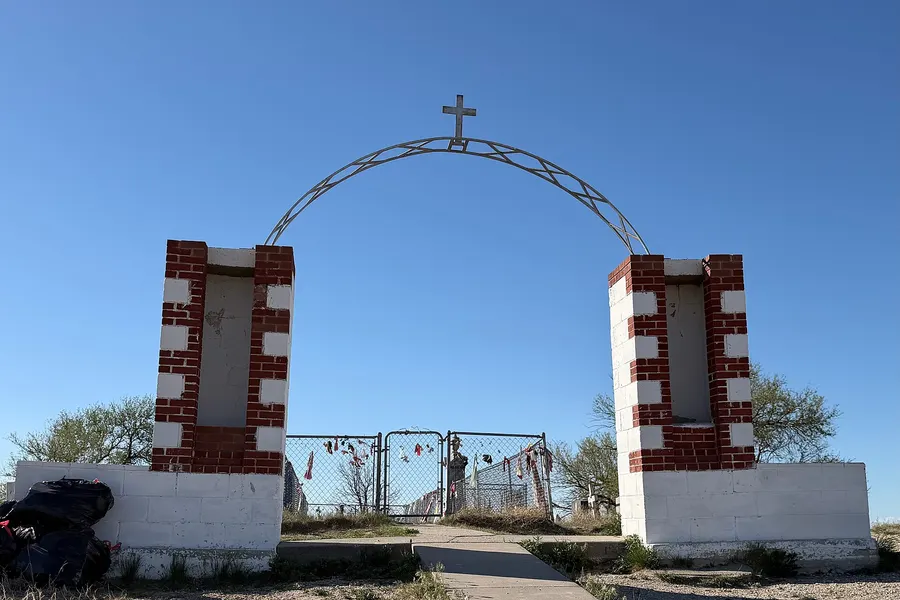 The entrance to the cemetery at Wounded Knee, South Dakota, where the victims were buried; the monument stands at the centre.Image:
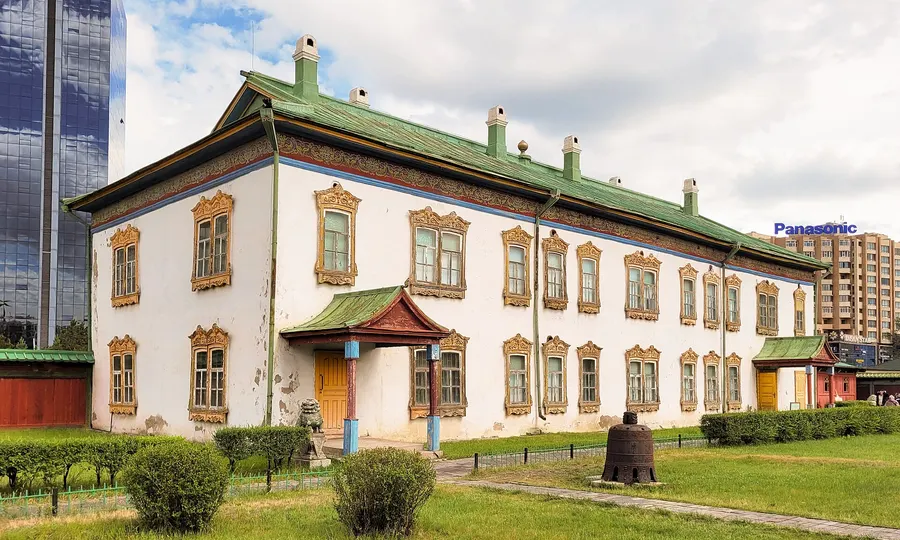 The Winter Palace of the Bogd Khan in Ulaanbaatar, now a museum.Image:
 Éamon de Valera, who drafted the 1937 constitution.Image:
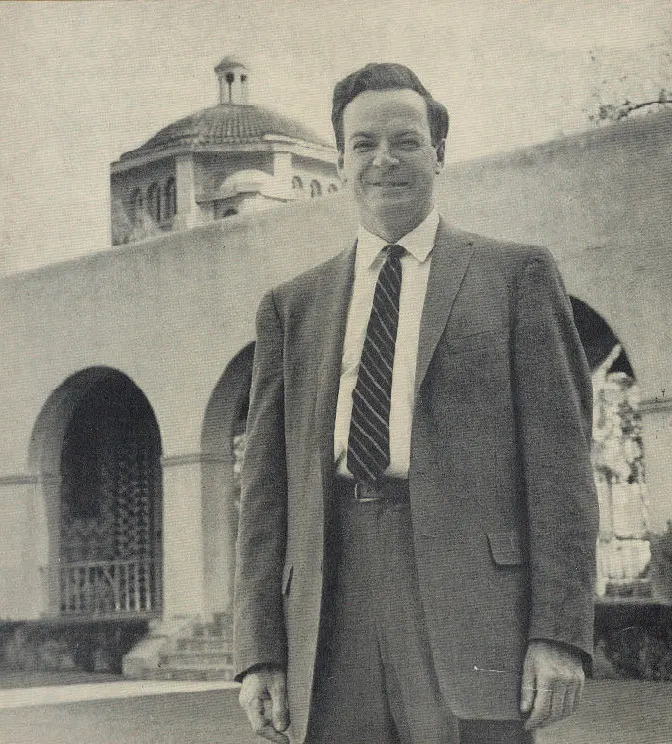 Richard Feynman at Caltech, from the February 1960 issue of Engineering and Science, which published his talk.Image:
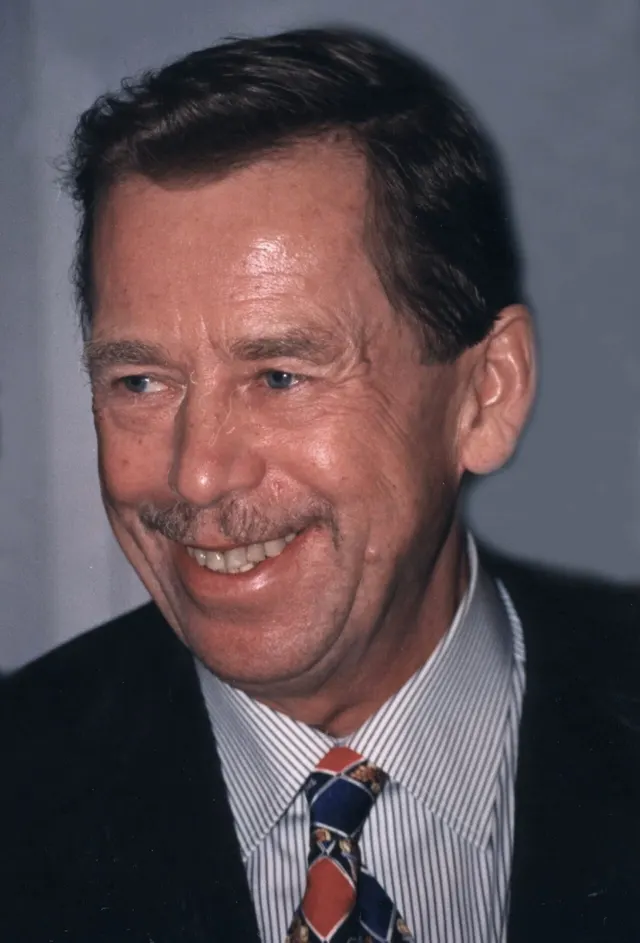 Václav Havel, playwright and president.Image:
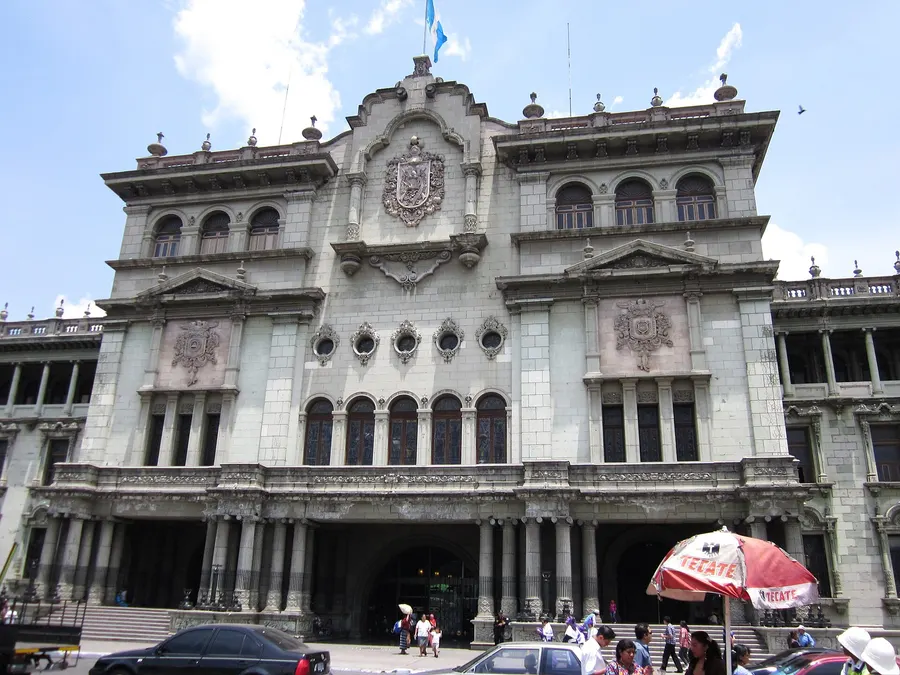 The National Palace of Culture in Guatemala City, where the peace agreement was signed.Image: