Explore 5 January

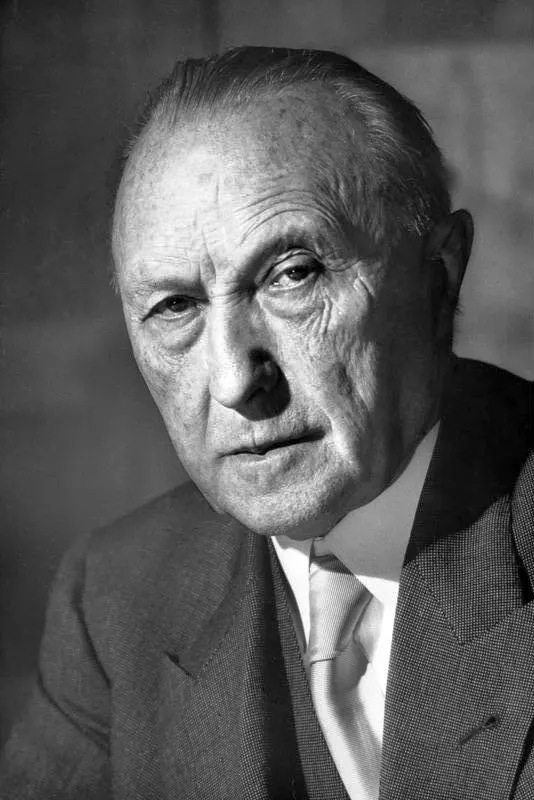
Explore 5 January: Alexander Dubček takes charge in Prague and the Prague Spring begins, Captain Dreyfus is publicly stripped of his rank in Paris, work starts on the Golden Gate Bridge and the last Valois Duke of Burgundy dies in battle at Nancy. Meet Konrad Adenauer, Umberto Eco and Hayao Miyazaki, born on 5 January.

This day through time →8 verified events across 4 eras

Alexander Dubček, leader of the Czechoslovak Communist Party in 1968.
Image creditCTK · CC0Resized and cropped for display.

Dubček takes charge and the Prague Spring begins

By the end of 1967 Antonín Novotný, the hard-line leader of Communist Czechoslovakia, had lost the confidence of his own party. On 5 January 1968 the Central Committee replaced him as first secretary with Alexander Dubček, the Slovak party leader, a quiet compromise candidate from whom little was expected.

Within weeks Dubček had eased censorship and promised ‘socialism with a human face’. A flood of free debate followed, the Prague Spring. It alarmed Moscow, and on the night of 20 August 1968 armies of the Warsaw Pact invaded and brought it to an end.

Read the full storyHistory & Timeline →Source: Encyclopaedia Britannica: Alexander Dubček ↗
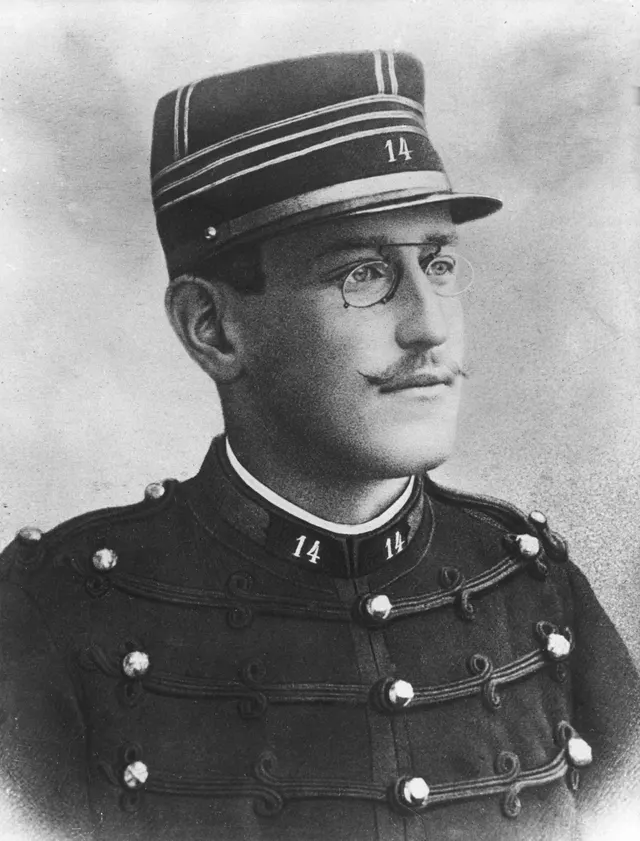
Captain Alfred Dreyfus in uniform.
Image creditAron Gerschel · Public domainResized and cropped for display.

Captain Dreyfus is stripped of his rank

Alfred Dreyfus, a Jewish artillery captain on the French general staff, was convicted in secret by a court martial in December 1894 of selling military secrets to Germany, on evidence that was flimsy and partly forged.

On 5 January 1895, in the courtyard of the École Militaire in Paris, his badges were torn off and his sword was broken before the assembled troops while a crowd outside shouted against the Jews, and Dreyfus cried out that an innocent man was being degraded. He was sent to Devil’s Island. The fight to clear him split France for a decade, until he was fully cleared in 1906.

Read the full storyHistory & Timeline →Source: Musée d’art et d’histoire du Judaïsme: the Dreyfus Affair, key dates ↗
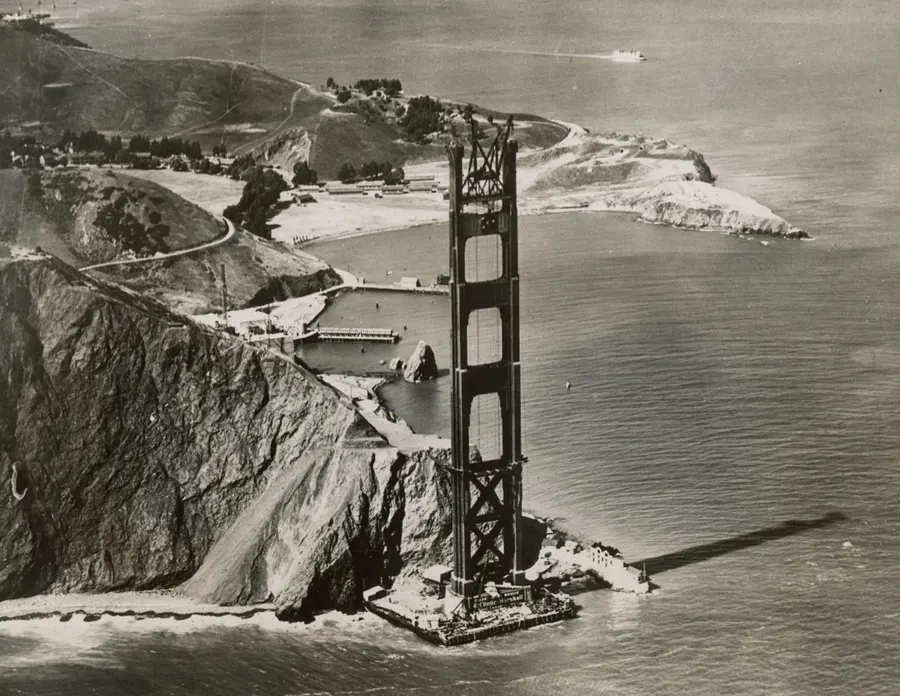
The north tower of the Golden Gate Bridge rising on the Marin shore, in a press photograph of August 1934.
Image creditACME Newspictures · Public domainResized and cropped for display.

Work begins on the Golden Gate Bridge

For decades engineers had said the Golden Gate, the windy, fog-bound strait at the mouth of San Francisco Bay, was too deep and too rough to bridge. Joseph Strauss spent years winning over sceptics and raising money, and construction finally began on 5 January 1933, in the depths of the Depression.

Its two towers rose 746 feet above the water, and when it opened in May 1937 it was the longest suspension span in the world. A safety net slung beneath the deck saved the lives of 19 men, but 11 workers died building it.

Read the full storyHistory & Timeline →Source: Golden Gate Bridge, Highway and Transportation District: construction ↗
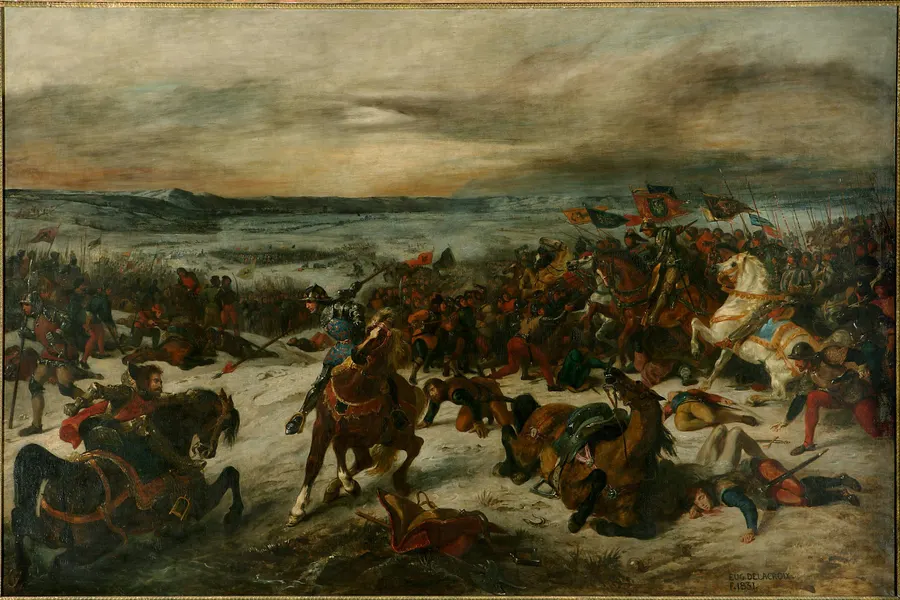
The Battle of Nancy and the death of Charles the Bold, painted by Eugène Delacroix in 1831.
Image creditEugène Delacroix · Public domainResized and cropped for display.

Charles the Bold dies at Nancy

Charles the Bold, Duke of Burgundy, ruled a rich patchwork of lands from the Low Countries to the Alps and dreamed of joining them into a kingdom. Beaten twice by the Swiss in 1476, he laid siege in winter to Nancy, the capital of Lorraine.

On 5 January 1477 René II of Lorraine and his Swiss allies routed the Burgundian army outside the town. Charles was killed in the fighting, and his body was found days later on the frozen battlefield. His lands were divided between France and the Habsburgs, who gained the Netherlands through his daughter’s marriage.

Read the full storyHistory & Timeline →Source: Encyclopaedia Britannica: Battle of Nancy ↗
♙
PEOPLE

Born Today

Robert Duvall
Image creditBernard Gotfryd · Public domainResized and cropped for display.

Robert Duvall

American actor of The Godfather and Apocalypse Now, Oscar winner for Tender Mercies.

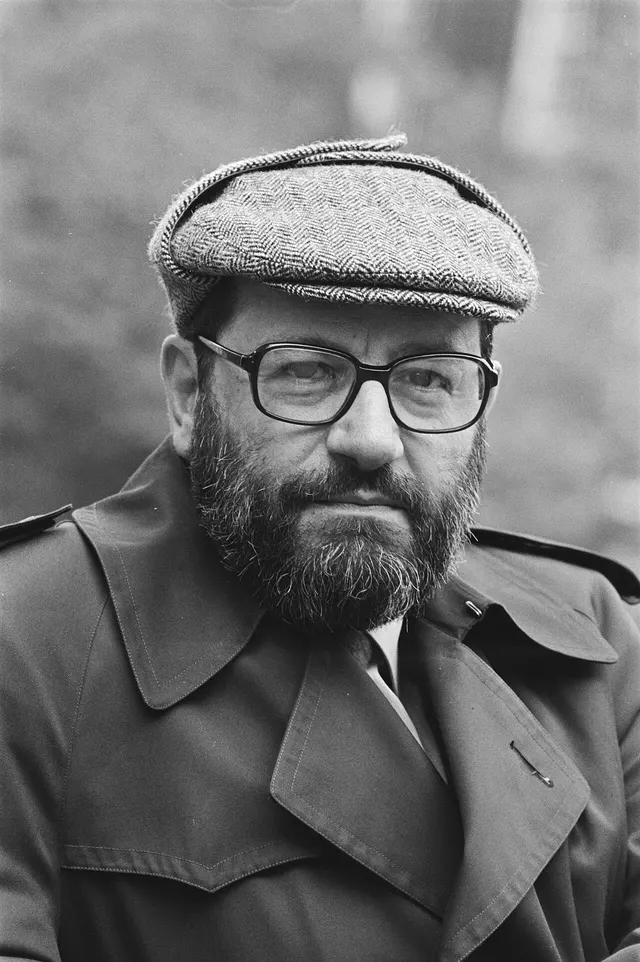
Umberto Eco
Image creditRob Bogaerts for Anefo · CC0Resized and cropped for display.

Umberto Eco

Italian scholar of signs and novelist, author of The Name of the Rose.

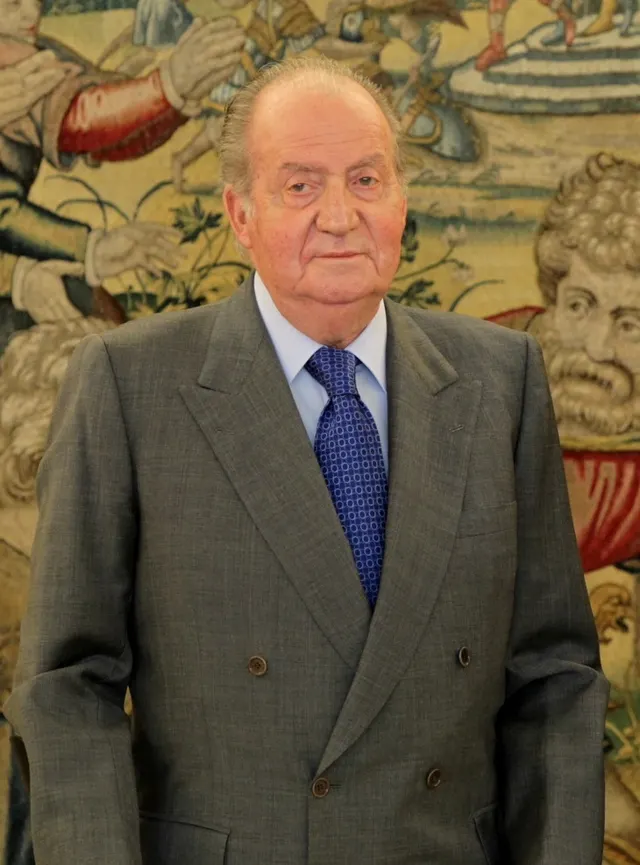
Juan Carlos I
Image creditIrekia · CC BY 2.0Resized and cropped for display.

Juan Carlos I

King of Spain from 1975 to 2014, who helped steer the country from dictatorship to democracy.

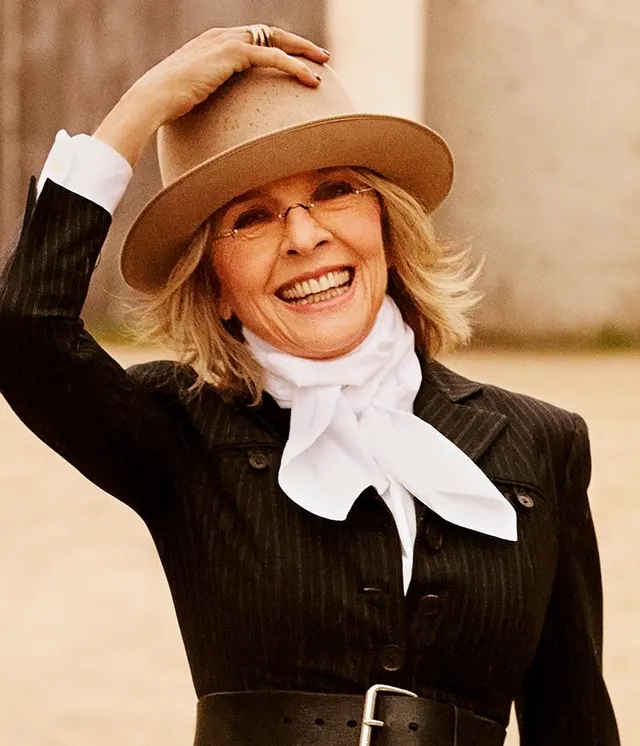
Diane Keaton
Image credites:Ruven Afanador · CC BY-SA 3.0Resized and cropped for display.

Diane Keaton

American actress who won an Oscar for Annie Hall.

Bradley Cooper
Image creditBryan Berlin · CC BY-SA 4.0Resized and cropped for display.

Bradley Cooper

American actor and director of A Star Is Born and Maestro.

◉
IDEAS THAT CHANGED THINGS

Firsts, Science & Discoveries

The dwarf planet Eris (centre) and its moon Dysnomia (left), photographed by the Hubble Space Telescope in 2006.
Image creditNASA, ESA, and M. Brown (California Institute of Technology) · Public domainResized and cropped for display.

Astronomers find Eris, a rival to Pluto

In October 2003 a telescope at the Palomar Observatory in California photographed a faint dot far beyond Neptune. It moved so slowly that the astronomers Mike Brown, Chad Trujillo and David Rabinowitz missed it, until they went back over the images on 5 January 2005 and found it.

The new world, later named Eris, seemed at first larger than Pluto and turned out to be more massive. If Pluto was a planet, so was Eris, and the argument that followed led the International Astronomical Union to define ‘dwarf planets’ in 2006, taking Pluto off the list of planets.

Read the full storyHistory & Timeline →Source: NASA Science: Eris ↗
A 1969 Soviet stamp marking the arrival of Venera 5 and Venera 6 at Venus in May 1969.
Image creditUSSR Post · Public domainResized and cropped for display.

Venera 5 sets off for Venus

The Soviet probe Venera 5 was launched on 5 January 1969, followed five days later by its twin, Venera 6. After four months in space, Venera 5 plunged into the night side of Venus on 16 May, releasing a capsule on a parachute.

It sent back readings for 53 minutes before the heat and pressure crushed it. The twin probes confirmed that the air of Venus is almost all carbon dioxide, with almost no water, and far hotter and denser than Earth’s.

Read the full storyHistory & Timeline →Source: NASA Space Science Data Coordinated Archive: Venera 5 ↗
♫
MUSIC • FILM • BOOKS • CULTURE

Culture Stories

Waiting for Godot at the Avignon Festival in 1978, directed by Otomar Krejča.
Image creditFernand Michaud · CC0Resized and cropped for display.

Waiting for Godot opens in Paris

Samuel Beckett’s play En attendant Godot was first performed on 5 January 1953 at the tiny Théâtre de Babylone on the Boulevard Raspail in Paris, directed by Roger Blin, who also played Pozzo.

Two tramps wait by a bare tree for a Mr Godot, who never comes. Some of the audience walked out, but critics and writers took it up, and within a few years it was being staged around the world. It became one of the most influential plays of the twentieth century.

Read the full storyHistory & Timeline →Source: University of Reading, Staging Beckett: case study, Waiting for Godot ↗
✦
LIVES REMEMBERED

Remembered Today

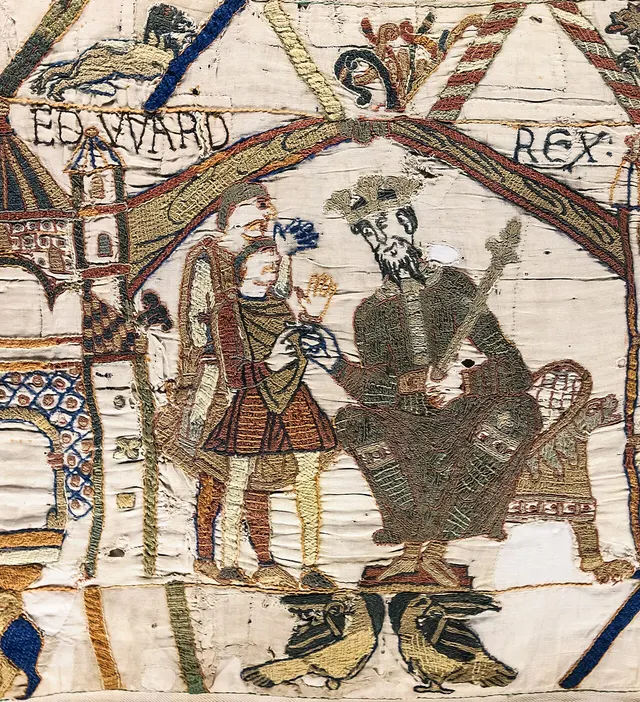
Edward the Confessor
Image creditMyrabella · Public domainResized and cropped for display.

Edward the Confessor

King of England who rebuilt Westminster Abbey; his death without an heir led to the Norman Conquest.

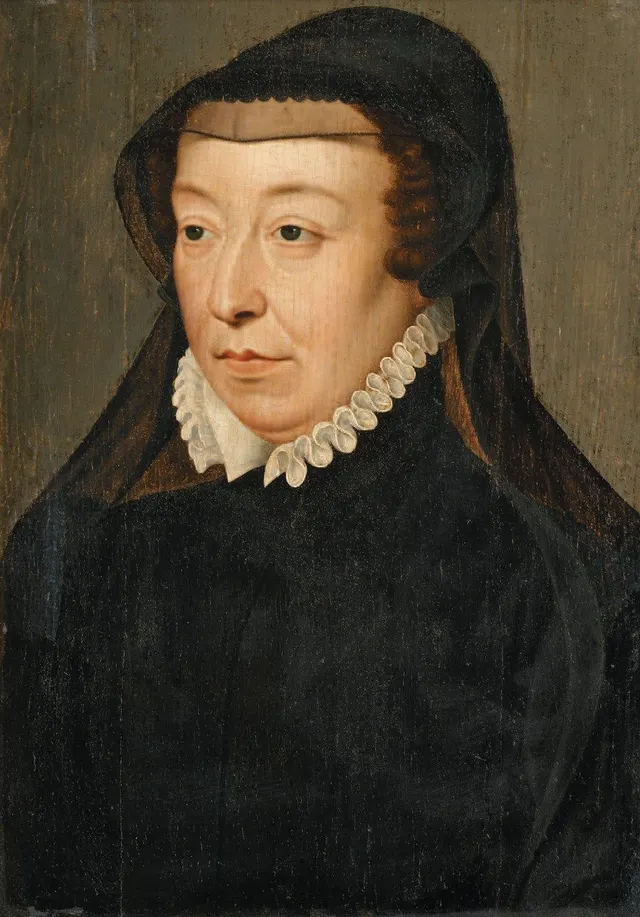
Catherine de' Medici
Image creditWorkshop of François Clouet · Public domainResized and cropped for display.

Catherine de’ Medici

Italian-born queen of France, mother of three kings, who dominated French politics through the Wars of Religion.

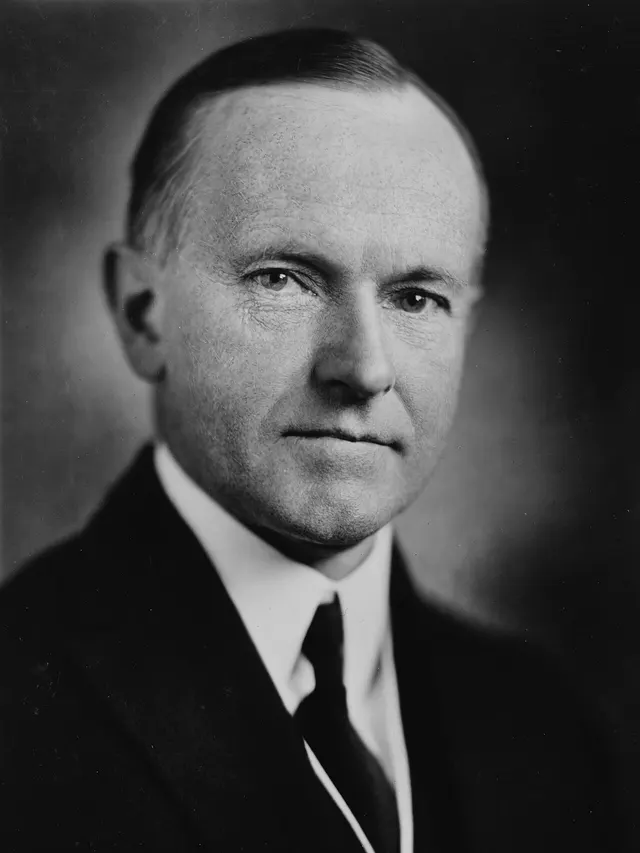
Calvin Coolidge
Image creditHarris & Ewing · Public domainResized and cropped for display.

Calvin Coolidge

President of the United States from 1923 to 1929.

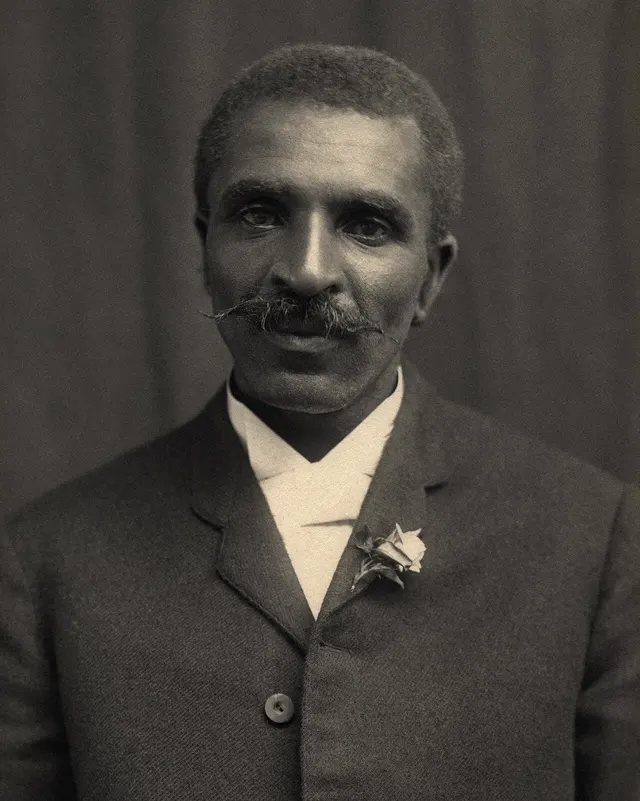
George Washington Carver
Image creditAdam Cuerden · Public domainResized and cropped for display.

George Washington Carver

Agricultural scientist, born into slavery, who taught Southern farmers to grow peanuts and restore their soil.

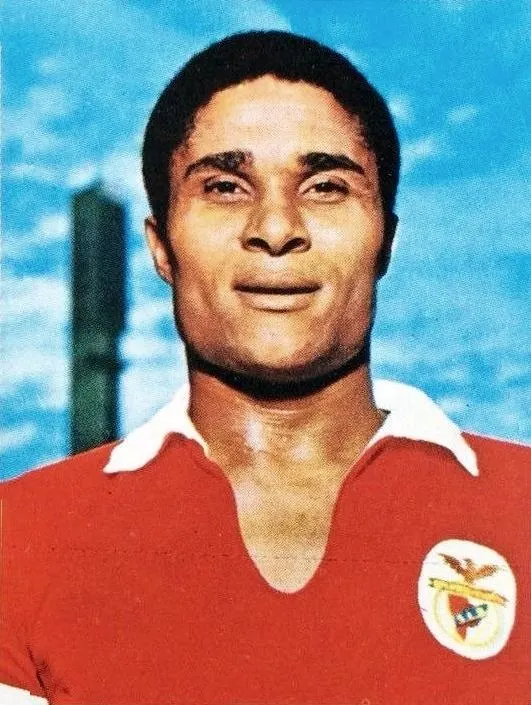
Eusébio
Image creditPanini · Public domainResized and cropped for display.

Eusébio

Mozambique-born Portuguese footballer, Benfica’s great goalscorer and top scorer at the 1966 World Cup.

☉
AROUND THE WORLD

Observances & Anniversaries

Illuminated ice buildings at Harbin Ice and Snow World in 2010.
Image creditDayou_X · CC BY-SA 2.0Resized and cropped for display.

Harbin International Ice and Snow Festival opens

Around 5 January each year the city of Harbin in north-east China formally opens its International Ice and Snow Festival, one of the largest winter festivals in the world. Blocks of ice cut from the frozen Songhua River are carved into palaces, towers and giant sculptures lit from within, and the festival runs into February, when temperatures often fall below minus 20 degrees.

Source: China Daily (government edition): 42nd China-Harbin International Ice and Snow Festival opens ↗
HISTORY & TIMELINE

Finished the highlights?

Follow 5 January chronologically, from the Middle Ages to the modern day, with 8 verified events and the sources behind them.

This day through time →