Explore 9 January

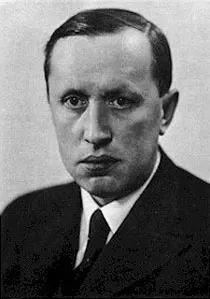
Explore 9 January: Nasser lays the foundation of the Aswan High Dam, the last Allied soldiers slip away from Gallipoli, Panamanian students try to raise their flag in the Canal Zone and Sudan signs the peace that ends more than twenty years of civil war. Meet Simone de Beauvoir, Karel Čapek and Rigoberta Menchú, born on 9 January.

This day through time →8 verified events across 4 eras

The Aswan High Dam and Lake Nasser seen from space in 2001, in a NASA image.
Image creditNASA · Public domainResized and cropped for display.

Nasser lays the foundation of the Aswan High Dam

For thousands of years Egypt had lived by the yearly Nile flood, which brought water and fertile silt but also drought in poor years and disaster in high ones. President Gamal Abdel Nasser planned a vast dam at Aswan to control it, and when the United States and Britain withdrew their offer of money in 1956, he nationalised the Suez Canal to pay for it, with the Soviet Union’s help.

On 9 January 1960 Nasser laid the foundation stone. Finished in 1970, the dam tamed the flood, supplied a large share of Egypt’s electricity and opened new land to farming. Its reservoir, Lake Nasser, drowned much of Nubia; its people were resettled, and the temples of Abu Simbel were cut up and moved to higher ground.

Read the full storyHistory & Timeline →Source: Egypt State Information Service: Egypt celebrates the anniversary of laying the foundation stone of the High Dam ↗
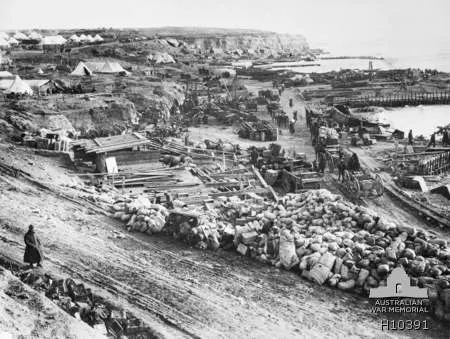
British troops preparing to leave W Beach at Helles, Gallipoli, in January 1916.
Image creditnot stated · Public domainResized and cropped for display.

The last Allied soldiers leave Gallipoli

In April 1915 British, French, Australian and New Zealand troops landed on the Gallipoli peninsula, hoping to force the Dardanelles and knock the Ottoman Empire out of the war. Eight months of fighting in the heat and then the cold left them pinned to their beachheads, and the campaign cost well over 100,000 lives on both sides.

In the end the Allies decided to leave. After Anzac and Suvla were emptied in December, the last troops were taken off the beaches at Helles in the night of 8 to 9 January 1916. The evacuation, carried out in secret, lost almost no one. It was the most successful part of a failed campaign, and an Ottoman victory.

Read the full storyHistory & Timeline →Source: National Army Museum: the evacuation of Gallipoli ↗
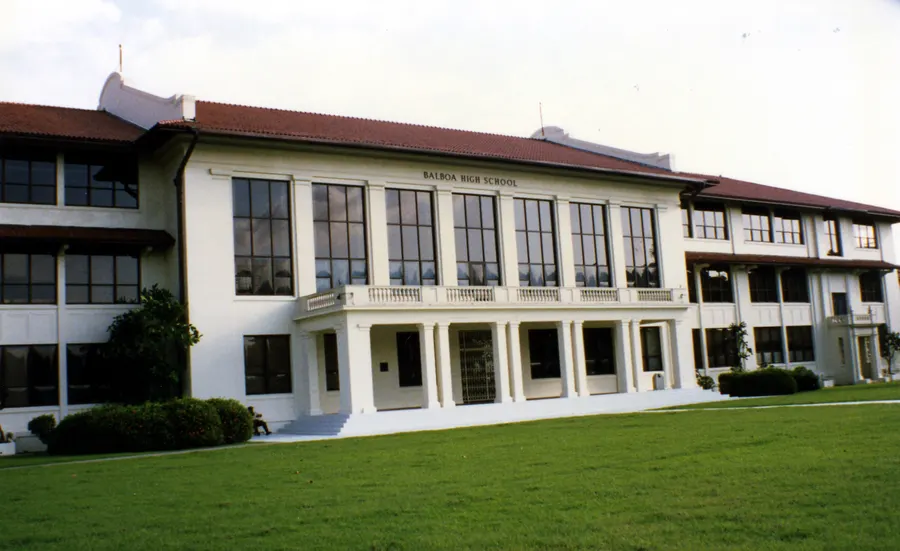
Balboa High School in the former Panama Canal Zone, photographed in 1997.
Image creditCz ferenc at English Wikipedia · CC BY-SA 3.0Resized and cropped for display.

Panama’s flag protest in the Canal Zone

Since 1903 the United States had governed the Panama Canal Zone, a strip of land cutting Panama in two. An agreement of 1962 said the flags of both countries should fly together there, but at Balboa High School American students raised the US flag alone.

On 9 January 1964 Panamanian students marched into the Zone to raise their own flag at the school. In a scuffle the flag was torn, and the protest turned into days of riots in which more than twenty people died, most of them Panamanians. Panama broke off relations for a time. The day is remembered as Martyrs’ Day, and it set in motion the treaties of 1977 that handed the canal to Panama in 1999.

Read the full storyHistory & Timeline →Source: Panama Canal Authority: 9 January in the history of the Panama Canal ↗
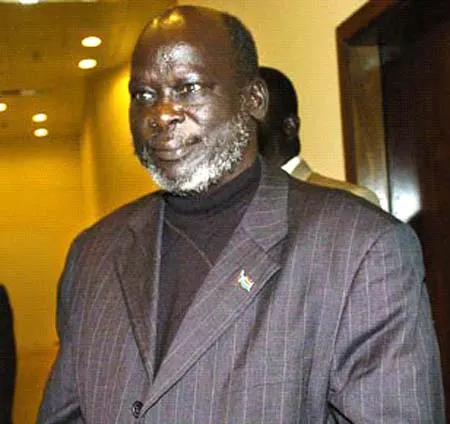
John Garang, leader of the Sudan People's Liberation Movement, in 2004.
John Garang, leader of the Sudan People’s Liberation Movement, in 2004.
Image creditUnknown authorUnknown author · Public domainResized and cropped for display.

Sudan signs the peace that ends a long civil war

From 1983 the government in Khartoum fought the Sudan People’s Liberation Movement of the south, led by John Garang. The war killed at least two million people, most of them from famine and disease, and drove about four million from their homes.

On 9 January 2005, in Nairobi, the two sides signed the Comprehensive Peace Agreement. It gave the south self-rule, shared the oil revenues and promised a vote on independence. Garang became vice-president of Sudan but was killed in a helicopter crash that July. In 2011 the south voted to secede and became South Sudan.

Read the full storyHistory & Timeline →Source: UN Peacemaker: 2005 Sudanese Comprehensive Peace Agreement ↗
♙
PEOPLE

Born Today

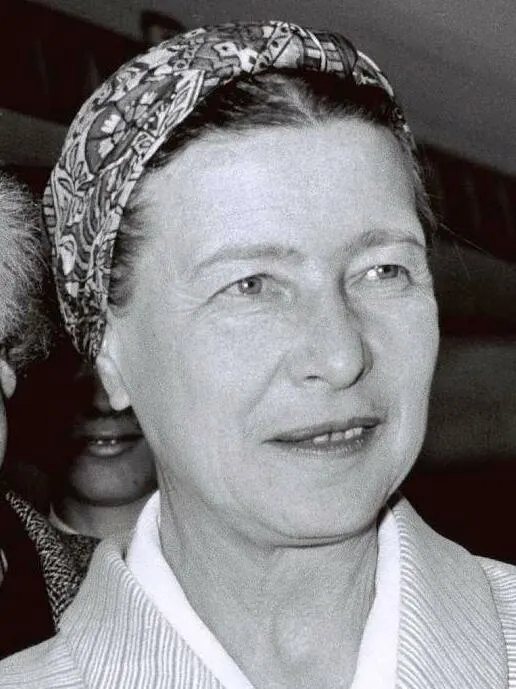
Simone de Beauvoir
Image creditMoshe Milner · CC BY-SA 3.0Resized and cropped for display.

Simone de Beauvoir

French philosopher and novelist, author of The Second Sex.

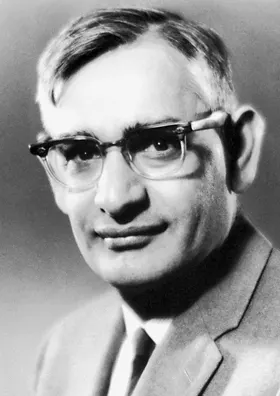
Har Gobind Khorana
Image creditUnknown authorUnknown author · Public domainResized and cropped for display.

Har Gobind Khorana

Indian-born American biochemist who shared the 1968 Nobel Prize for helping to crack the genetic code.

Joan Baez
Image creditJtgphoto · CC BY-SA 4.0Resized and cropped for display.

Joan Baez

American folk singer and civil rights campaigner.

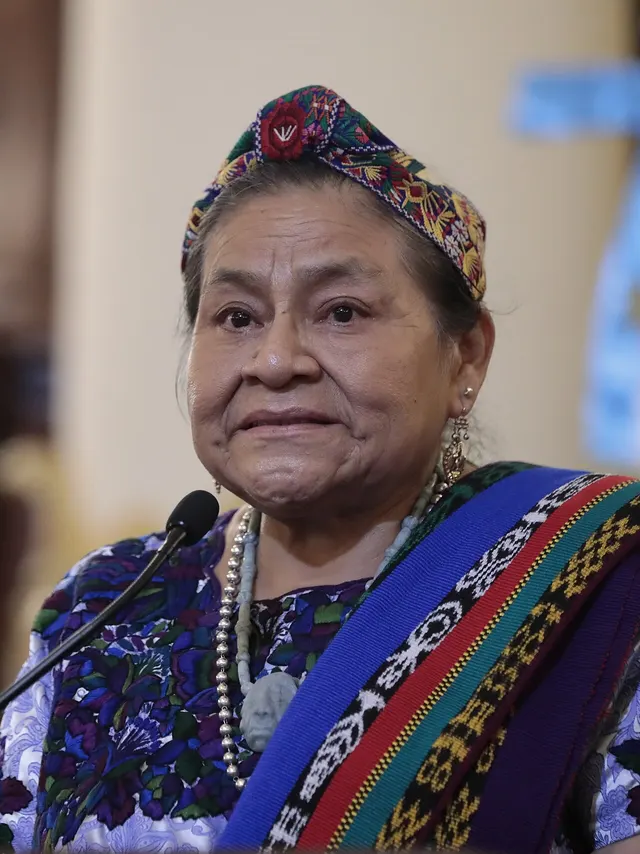
Rigoberta Menchú
Image creditGobierno de Guatemala · Public domainResized and cropped for display.

Rigoberta Menchú

Guatemalan K’iche’ Maya campaigner for Indigenous rights, Nobel Peace Prize 1992.

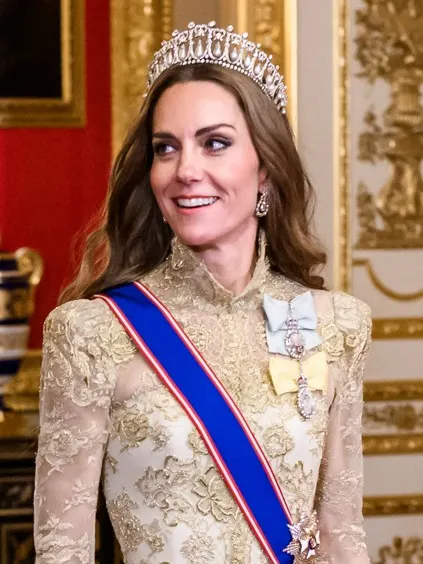
Catherine, Princess of Wales
Image creditDaniel Torok/White House · Public domainResized and cropped for display.

Catherine, Princess of Wales

Wife of William, Prince of Wales, the heir to the British throne.

◉
IDEAS THAT CHANGED THINGS

Firsts, Science & Discoveries

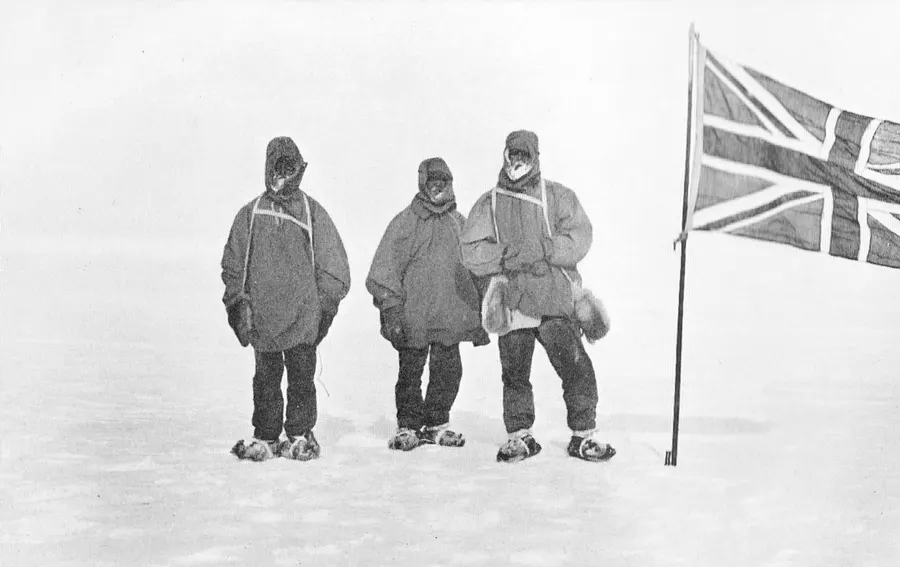
Eric Marshall, Frank Wild and Ernest Shackleton at their farthest south, 88°23'S, on 9 January 1909; photographed by Jameson Adams.
Eric Marshall, Frank Wild and Ernest Shackleton at their farthest south, 88°23’S, on 9 January 1909; photographed by Jameson Adams.
Image creditJ. B. Adams · Public domainResized and cropped for display.

Shackleton turns back 97 miles from the Pole

Ernest Shackleton’s Nimrod expedition set out in 1908 to be first to the South Pole. He, Frank Wild, Eric Marshall and Jameson Adams hauled their sledges up the Beardmore Glacier onto the polar plateau, the first people to cross it, but their food was running out.

On 9 January 1909 they reached 88°23’ south, just 97 geographical miles from the Pole, planted the Union Jack and turned back. Shackleton later wrote to his wife that he thought she would rather have him home alive than dead and famous. All four got home, and their farthest south stood as a record until Amundsen reached the Pole three years later.

Read the full storyHistory & Timeline →Source: Scott Polar Research Institute, University of Cambridge: the Nimrod expedition ↗
The first iPhone on show under a glass dome at Macworld in San Francisco on the day it was unveiled, 9 January 2007.
Image creditArnoldReinhold · CC BY-SA 4.0Resized and cropped for display.

Steve Jobs unveils the iPhone

At the Macworld conference in San Francisco on 9 January 2007, Apple’s chief executive, Steve Jobs, announced ‘an iPod, a phone and an internet communicator’ in a single device: the iPhone. It had almost no buttons, and was worked by touching a large screen with the fingers.

It went on sale in the United States that June. A year later Apple opened the App Store, and phones built on the same idea of a touchscreen and downloadable apps soon replaced older mobiles around the world, changing how billions of people communicate, navigate and take photographs.

Read the full storyHistory & Timeline →Source: Apple Newsroom: Apple reinvents the phone with iPhone (9 January 2007) ↗
✦
LIVES REMEMBERED

Remembered Today

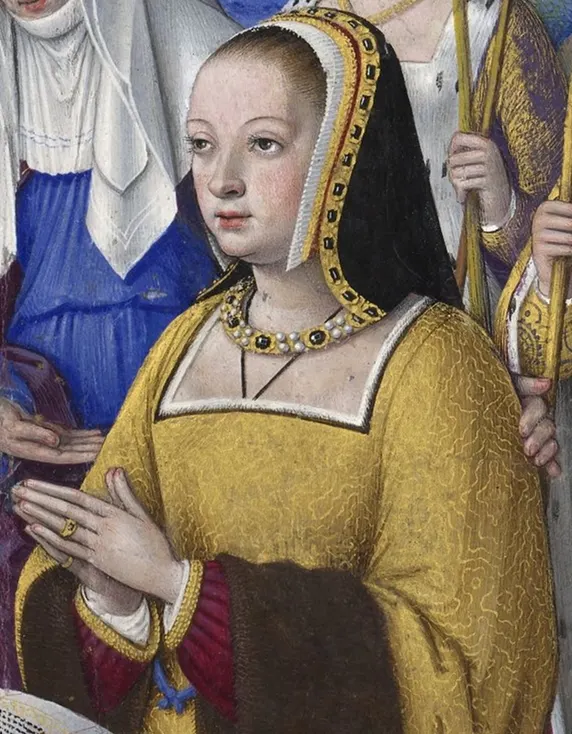
Anne of Brittany
Image creditJean Bourdichon · Public domainResized and cropped for display.

Anne of Brittany

Duchess of Brittany and twice queen of France, whose marriages bound Brittany to the French crown.

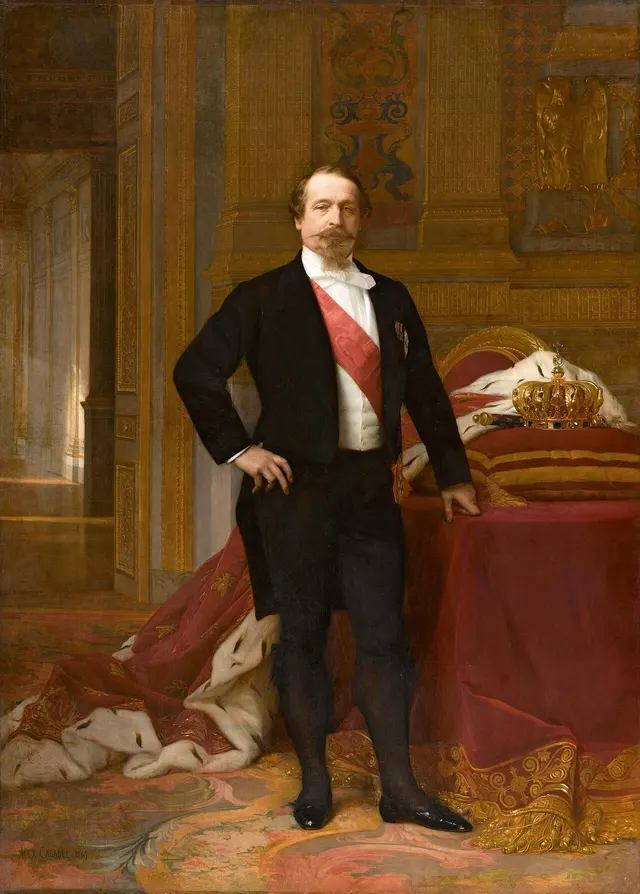
Napoleon III
Image creditAlexandre Cabanel · Public domainResized and cropped for display.

Napoleon III

Nephew of Napoleon, president and then emperor of France until his defeat by Prussia in 1870.

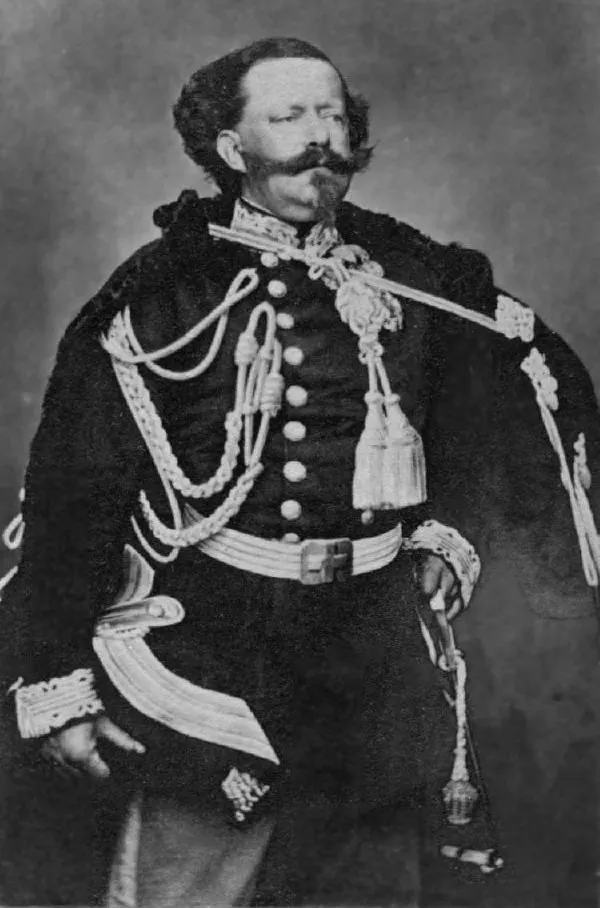
Victor Emmanuel II
Image creditEugène Disdéri · Public domainResized and cropped for display.

Victor Emmanuel II

King of Sardinia who became the first king of a united Italy in 1861.

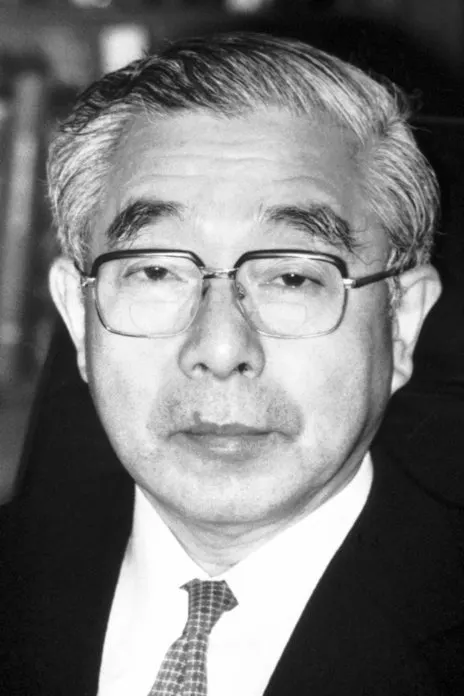
Kenichi Fukui
Image creditNobel Foundation · Public domainResized and cropped for display.

Kenichi Fukui

Japanese chemist, the first Asian winner of the Nobel Prize in Chemistry, in 1981.

HISTORY & TIMELINE

Finished the highlights?

Follow 9 January chronologically, from the Middle Ages to the modern day, with 8 verified events and the sources behind them.

This day through time →