
HISTORY & TIMELINE
9 January

A journey through
9 January in history

The ninth day of the year has seen Nelson buried in St Paul’s Cathedral, Russia and Turkey make peace at Jassy, Shackleton turn back less than a hundred miles from the South Pole and Steve Jobs show the world the iPhone. This timeline follows 9 January from the eighteenth century to the twenty-first.

III
A CHANGING WORLD

Early Modern Era

Exploration, political change, scientific development and expanding global connections.

1792
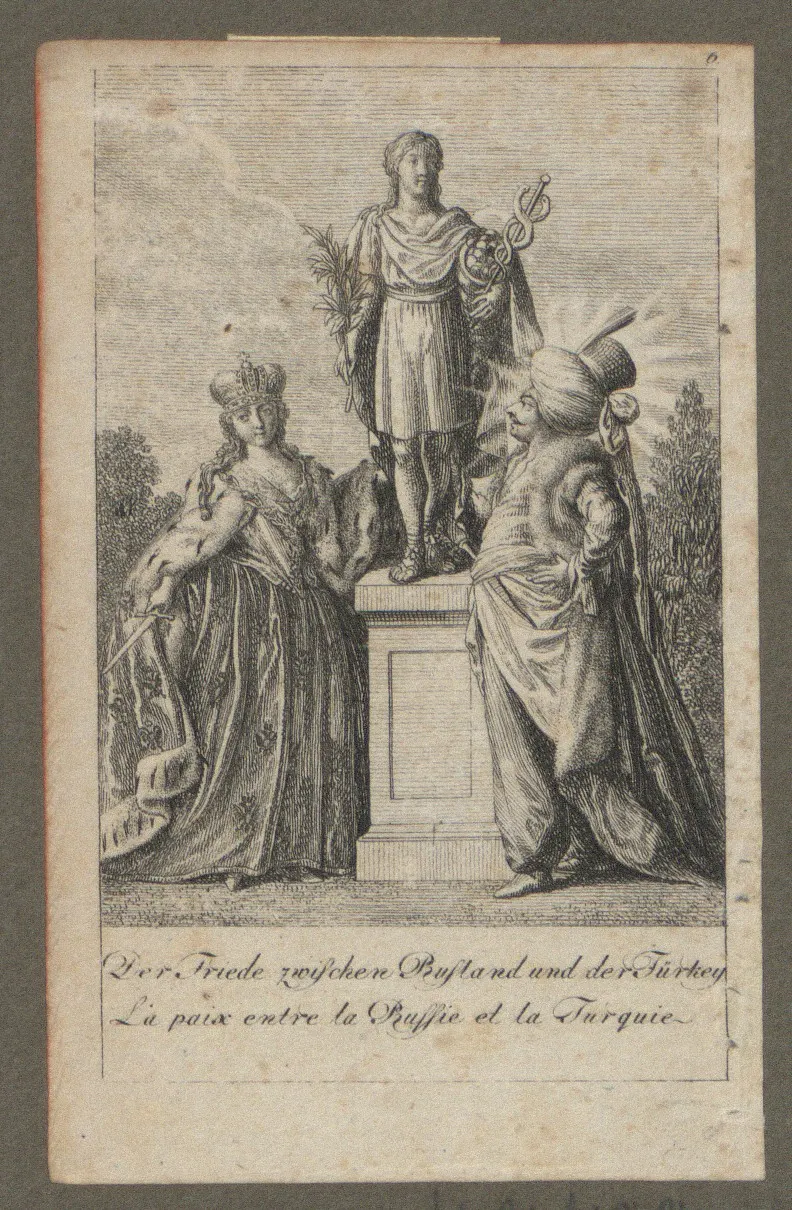
An allegory of the Treaty of Jassy, engraved by Daniel Chodowiecki in 1792.An allegory of the Treaty of Jassy, engraved by Daniel Chodowiecki in 1792.Image: Daniel Nikolaus Chodowiecki · Public domain
politics · Europe

Russia and Turkey make peace at Jassy

The Treaty of Jassy, signed on 9 January 1792 at Iași in Moldavia, ended the Russo-Turkish war of 1787-92. The Ottoman Empire accepted Russia’s annexation of the Crimea and gave up the coast between the Bug and the Dniester, including the fortress of Ochakiv, while Russia handed back Moldavia and Wallachia. It left Catherine the Great’s Russia the dominant power on the Black Sea.

Source: Encyclopaedia Britannica: Treaty of Jassy ↗
IV
THE NINETEENTH CENTURY

The 1800s

Industry, empire, invention, reform and a century of enormous transformation.

1806
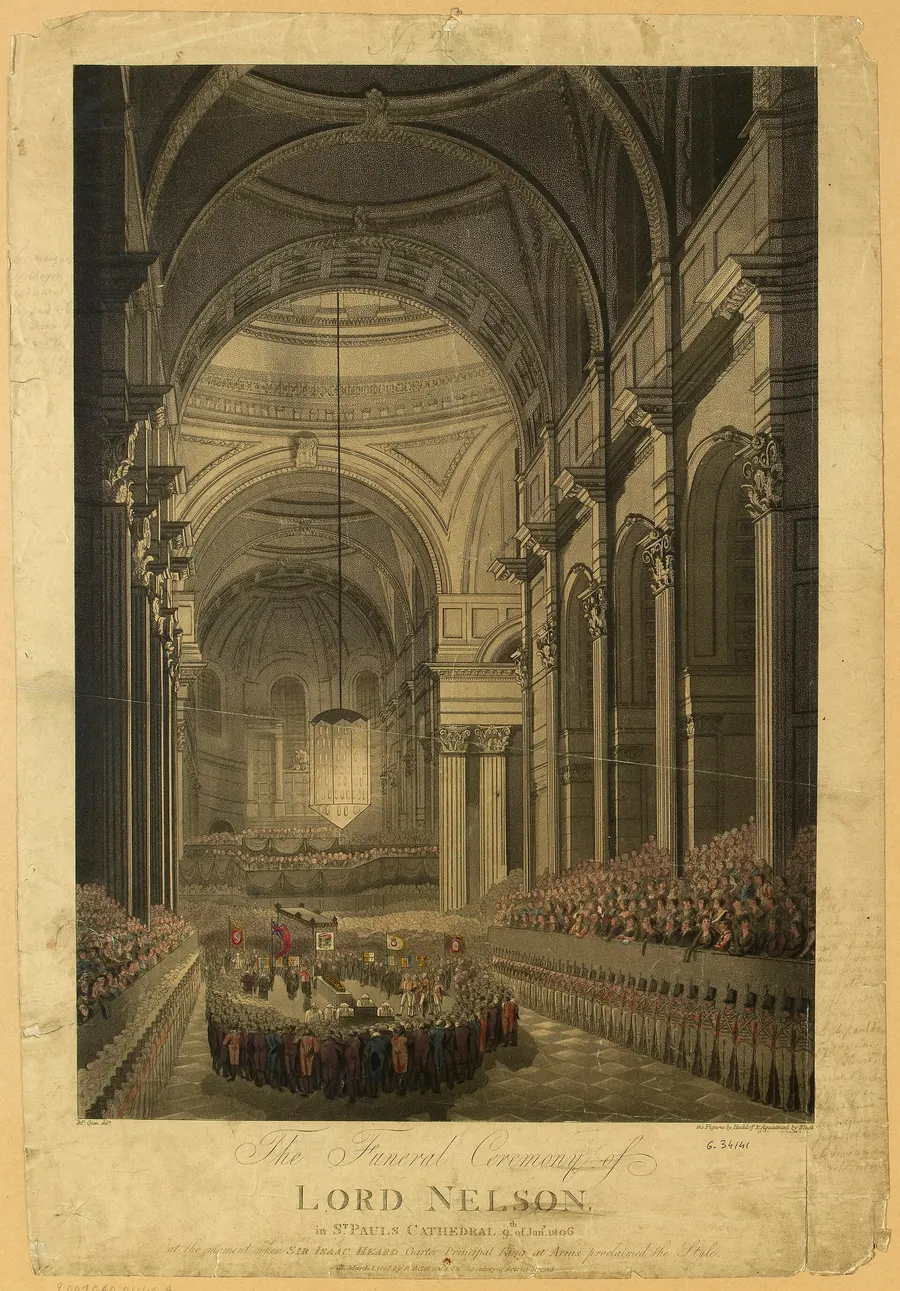
The funeral ceremony of Lord Nelson in St Paul's Cathedral, 9 January 1806, in an engraving by Nikolaus von Heideloff.The funeral ceremony of Lord Nelson in St Paul’s Cathedral, 9 January 1806, in an engraving by Nikolaus von Heideloff.Image: Heideloff, Nikolaus Wilhelm von (en 1761 - vers 1839), graveur · CC0
politics · Europe

Nelson is buried in St Paul’s Cathedral

Admiral Lord Nelson was killed at the Battle of Trafalgar in October 1805. After lying in state at Greenwich, his body was carried up the Thames, and on 9 January 1806 he was given the grandest state funeral of the age at St Paul’s Cathedral. The service lasted four hours, and he was buried in the crypt in a coffin made from the mast of a French flagship he had destroyed at the Battle of the Nile.

Source: Royal Museums Greenwich: Nelson’s funeral ↗
V
THE TWENTIETH CENTURY

The 1900s

War and peace, technological leaps, social change, politics, sport and popular culture.

1909
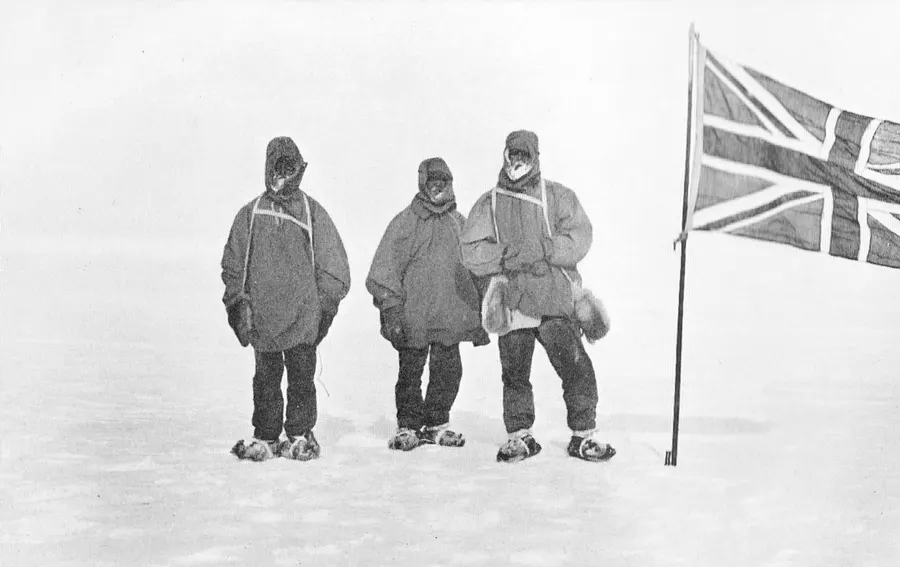
Eric Marshall, Frank Wild and Ernest Shackleton at their farthest south, 88°23'S, on 9 January 1909; photographed by Jameson Adams.Eric Marshall, Frank Wild and Ernest Shackleton at their farthest south, 88°23’S, on 9 January 1909; photographed by Jameson Adams.Image: J. B. Adams · Public domain
science · Global

Shackleton turns back 97 miles from the Pole

Ernest Shackleton’s Nimrod expedition set out in 1908 to be first to the South Pole. He, Frank Wild, Eric Marshall and Jameson Adams hauled their sledges up the Beardmore Glacier onto the polar plateau, the first people to cross it, but their food was running out. On 9 January 1909 they reached 88°23’ south, just 97 geographical miles from the Pole, planted the Union Jack and turned back. Shackleton later wrote to his wife that he thought she would rather have him home alive than dead and famous. All four got home, and their farthest south stood as a record until Amundsen reached the Pole three years later.

Source: Scott Polar Research Institute, University of Cambridge: the Nimrod expedition ↗
1916
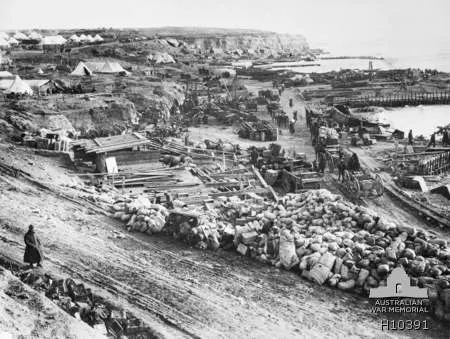
British troops preparing to leave W Beach at Helles, Gallipoli, in January 1916.British troops preparing to leave W Beach at Helles, Gallipoli, in January 1916.Image: not stated · Public domain
world · Europe

The last Allied soldiers leave Gallipoli

In April 1915 British, French, Australian and New Zealand troops landed on the Gallipoli peninsula, hoping to force the Dardanelles and knock the Ottoman Empire out of the war. Eight months of fighting in the heat and then the cold left them pinned to their beachheads, and the campaign cost well over 100,000 lives on both sides. In the end the Allies decided to leave. After Anzac and Suvla were emptied in December, the last troops were taken off the beaches at Helles in the night of 8 to 9 January 1916. The evacuation, carried out in secret, lost almost no one. It was the most successful part of a failed campaign, and an Ottoman victory.

Source: National Army Museum: the evacuation of Gallipoli ↗
1960
The Aswan High Dam and Lake Nasser seen from space in 2001, in a NASA image.The Aswan High Dam and Lake Nasser seen from space in 2001, in a NASA image.Image: NASA · Public domain
science · Africa

Nasser lays the foundation of the Aswan High Dam

For thousands of years Egypt had lived by the yearly Nile flood, which brought water and fertile silt but also drought in poor years and disaster in high ones. President Gamal Abdel Nasser planned a vast dam at Aswan to control it, and when the United States and Britain withdrew their offer of money in 1956, he nationalised the Suez Canal to pay for it, with the Soviet Union’s help. On 9 January 1960 Nasser laid the foundation stone. Finished in 1970, the dam tamed the flood, supplied a large share of Egypt’s electricity and opened new land to farming. Its reservoir, Lake Nasser, drowned much of Nubia; its people were resettled, and the temples of Abu Simbel were cut up and moved to higher ground.

Source: Egypt State Information Service: Egypt celebrates the anniversary of laying the foundation stone of the High Dam ↗
1964
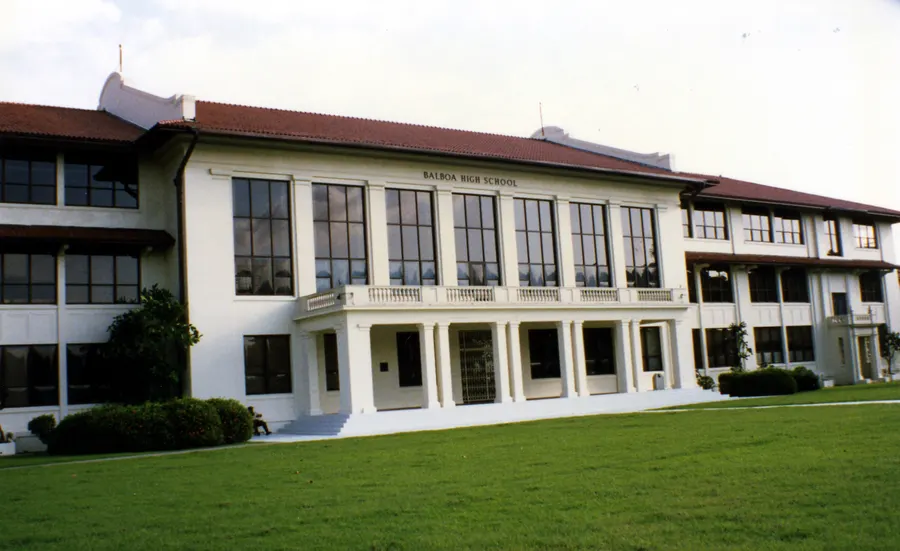
Balboa High School in the former Panama Canal Zone, photographed in 1997.Balboa High School in the former Panama Canal Zone, photographed in 1997.Image: Cz ferenc at English Wikipedia · CC BY-SA 3.0
politics · Americas

Panama’s flag protest in the Canal Zone

Since 1903 the United States had governed the Panama Canal Zone, a strip of land cutting Panama in two. An agreement of 1962 said the flags of both countries should fly together there, but at Balboa High School American students raised the US flag alone. On 9 January 1964 Panamanian students marched into the Zone to raise their own flag at the school. In a scuffle the flag was torn, and the protest turned into days of riots in which more than twenty people died, most of them Panamanians. Panama broke off relations for a time. The day is remembered as Martyrs’ Day, and it set in motion the treaties of 1977 that handed the canal to Panama in 1999.

Source: Panama Canal Authority: 9 January in the history of the Panama Canal ↗
VI
2000 TO TODAY

Modern Day

The events of recent decades that have already become part of the historical record.

2005
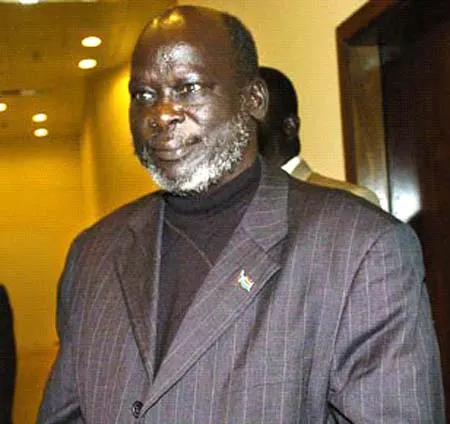
John Garang, leader of the Sudan People's Liberation Movement, in 2004.John Garang, leader of the Sudan People’s Liberation Movement, in 2004.Image: Unknown authorUnknown author · Public domain

politics · Africa

Sudan signs the peace that ends a long civil war

From 1983 the government in Khartoum fought the Sudan People’s Liberation Movement of the south, led by John Garang. The war killed at least two million people, most of them from famine and disease, and drove about four million from their homes. On 9 January 2005, in Nairobi, the two sides signed the Comprehensive Peace Agreement. It gave the south self-rule, shared the oil revenues and promised a vote on independence. Garang became vice-president of Sudan but was killed in a helicopter crash that July. In 2011 the south voted to secede and became South Sudan.

Source: UN Peacemaker: 2005 Sudanese Comprehensive Peace Agreement ↗
2007
The first iPhone on show under a glass dome at Macworld in San Francisco on the day it was unveiled, 9 January 2007.The first iPhone on show under a glass dome at Macworld in San Francisco on the day it was unveiled, 9 January 2007.Image: ArnoldReinhold · CC BY-SA 4.0
science · Americas

Steve Jobs unveils the iPhone

At the Macworld conference in San Francisco on 9 January 2007, Apple’s chief executive, Steve Jobs, announced ‘an iPod, a phone and an internet communicator’ in a single device: the iPhone. It had almost no buttons, and was worked by touching a large screen with the fingers. It went on sale in the United States that June. A year later Apple opened the App Store, and phones built on the same idea of a touchscreen and downloadable apps soon replaced older mobiles around the world, changing how billions of people communicate, navigate and take photographs.

Source: Apple Newsroom: Apple reinvents the phone with iPhone (9 January 2007) ↗
WHY THESE MOMENTS?

Significance before volume

This page is not the longest possible list of events. It is a chronological journey through 9 January, where each entry is chosen for historical significance, human interest and reliability.

Facts are checked against authoritative museums, archives, universities and reference works. Where sources disagree, the page says so.

EXPLORED THE DEEPER STORY?

Return to the highlights of 9 January

Discover the lighter side of the date with famous birthdays, culture, firsts and lives remembered.

Explore This Day →