
HISTORY & TIMELINE
10 January

A journey through
10 January in history

The tenth day of the year has seen a Burgundian duke found the Order of the Golden Fleece, Stephen the Great rout an Ottoman army in the fog at Vaslui, Thomas Paine argue America out of the British Empire and a radar pulse come back from the Moon. This timeline follows 10 January from the fifteenth century to the twentieth.

JUMP THROUGH TIME
II
THE MIDDLE AGES

Medieval History

Kingdoms, conflict, faith, power and the changing medieval world.

1430
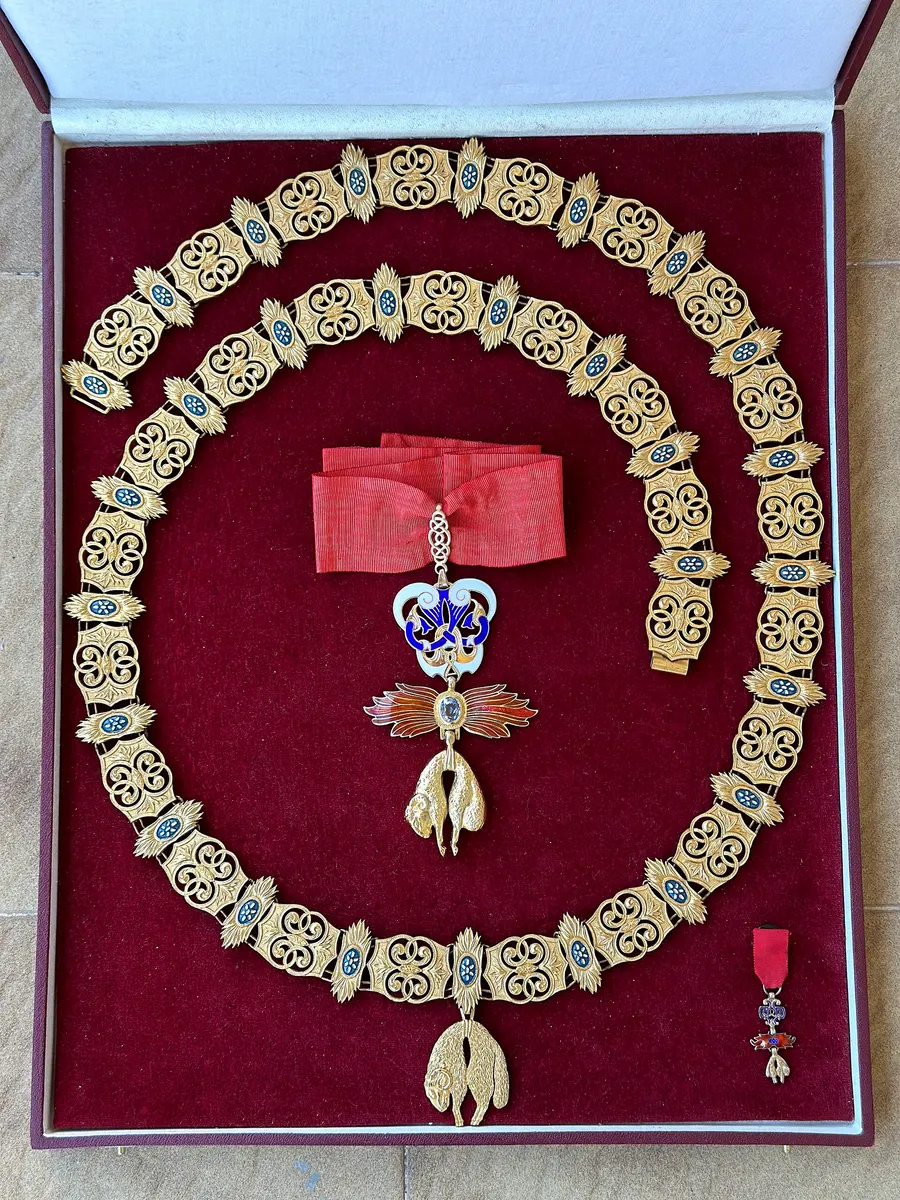
A complete set of the insignia of the Spanish Order of the Golden Fleece: collar, neck badge and miniature.A complete set of the insignia of the Spanish Order of the Golden Fleece: collar, neck badge and miniature.Image: Alexeinikolayevichromanov · CC BY-SA 4.0
culture · Europe

Philip the Good founds the Order of the Golden Fleece

At Bruges on 10 January 1430, during the celebrations for his marriage to Isabella of Portugal, Philip the Good, Duke of Burgundy, founded the Order of the Golden Fleece, a small brotherhood of knights under his leadership. It passed to the Habsburgs with the Burgundian lands and still survives in two branches, in Spain and Austria.

Source: Encyclopaedia Britannica: the Order of the Golden Fleece ↗
1475
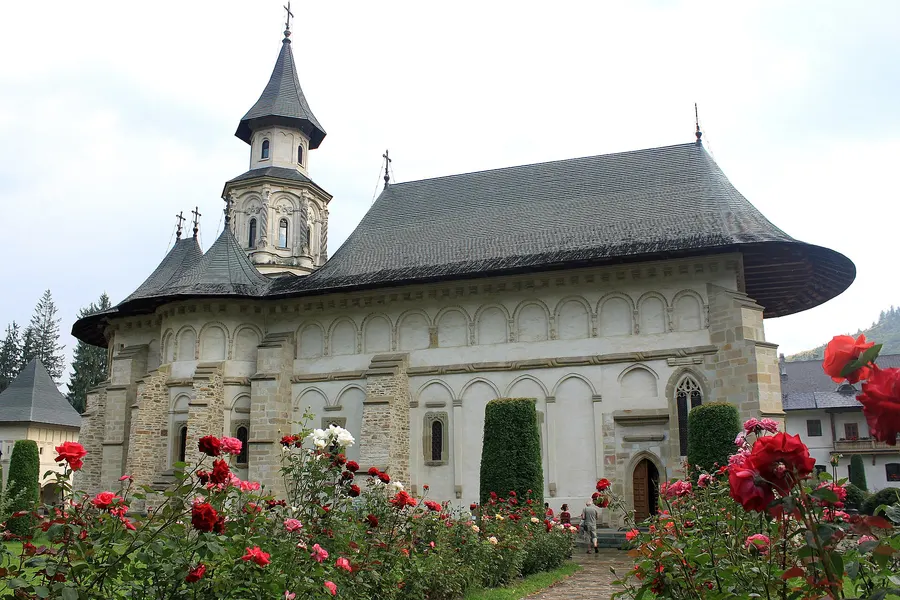
Putna Monastery in northern Romania, founded by Stephen the Great and his burial place.Putna Monastery in northern Romania, founded by Stephen the Great and his burial place.Image: VeronicaDumitrescu · CC BY-SA 3.0 ro
world · Europe

Stephen the Great defeats the Ottomans at Vaslui

On 10 January 1475, near Vaslui in Moldavia, Prince Stephen III lured a much larger Ottoman army into a foggy marshy valley and routed it. The victory made him famous across Christian Europe, and the Pope called him a champion of Christ, though the Ottomans returned in strength the next year.

Source: Encyclopaedia Britannica: Stephen, prince of Moldavia ↗
III
A CHANGING WORLD

Early Modern Era

Exploration, political change, scientific development and expanding global connections.

1776
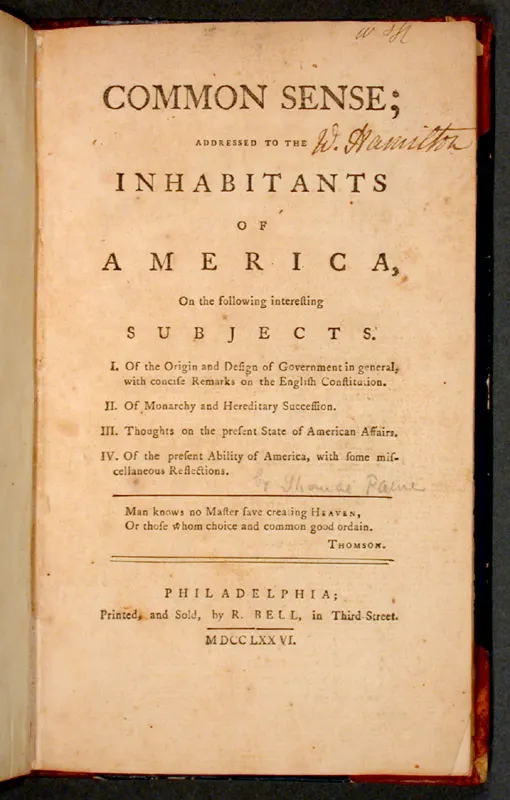
The title page of Common Sense, printed in Philadelphia in 1776.The title page of Common Sense, printed in Philadelphia in 1776.Image: Scanned by uploader, originally by Thomas Paine. · Public domain
politics · Americas

Thomas Paine publishes Common Sense

On 10 January 1776 a Philadelphia printer, Robert Bell, brought out an anonymous pamphlet, Common Sense, arguing in plain words that the American colonies should break away from Britain altogether. Written by Thomas Paine, a recent immigrant from England, it sold in huge numbers and helped turn opinion towards the Declaration of Independence that July.

Source: National Constitution Center: Common Sense (1776) ↗
IV
THE NINETEENTH CENTURY

The 1800s

Industry, empire, invention, reform and a century of enormous transformation.

1840
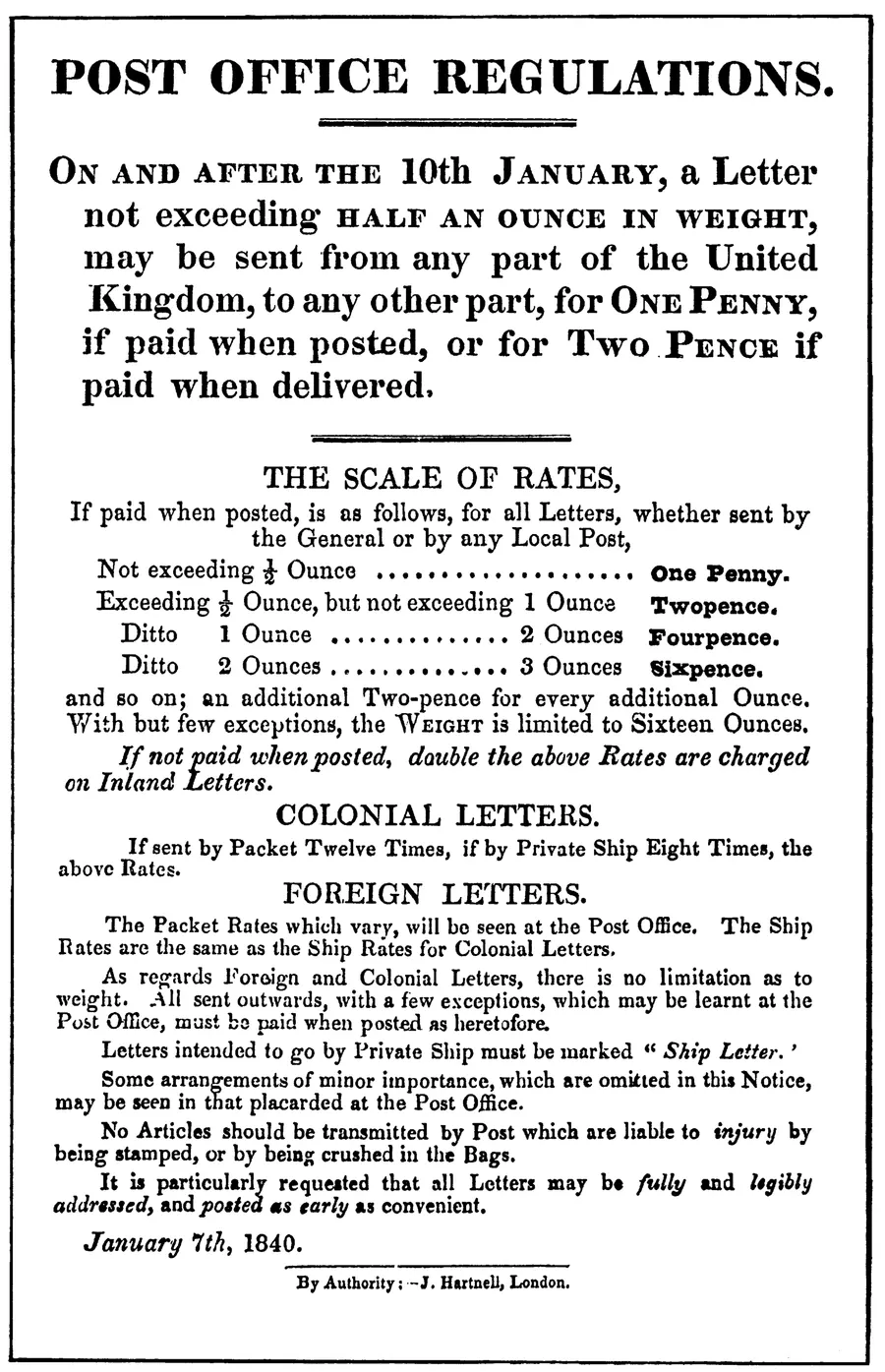
A Post Office handbill of 7 January 1840 setting out the rates of the Uniform Penny Post, which began on 10 January.A Post Office handbill of 7 January 1840 setting out the rates of the Uniform Penny Post, which began on 10 January.Image: General Post Office · Public domain
politics · Europe

Britain introduces the Uniform Penny Post

From 10 January 1840 a letter weighing up to half an ounce could be sent anywhere in the United Kingdom for one penny, whatever the distance. The reform, proposed by Rowland Hill, replaced complicated charges usually paid by the person receiving the letter; that May the Penny Black, the first adhesive postage stamp, followed. The number of letters soared.

Source: The Postal Museum: uniform penny postage ↗
1863
Building the Metropolitan Railway near King's Cross: the open trench and part-finished cut-and-cover tunnel, in an 1861 illustration by Percy William Justyne.Building the Metropolitan Railway near King’s Cross: the open trench and part-finished cut-and-cover tunnel, in an 1861 illustration by Percy William Justyne.Image: Percy William Justyne · Public domain
science · Europe

The world’s first underground railway opens in London

By the 1850s London’s streets were jammed with horses, carts and people walking in from the main-line stations on the city’s edge. The answer of the Metropolitan Railway was to go underneath: workers dug a deep trench along the roads, laid the track and roofed it over again, a method called cut and cover. On 10 January 1863 the line opened between Paddington and Farringdon, with seven stations. The trains were pulled by steam engines, which filled the tunnels with smoke, yet the public loved it: about 9.5 million passengers rode it in the first year. The line is now part of the London Underground, and cities around the world followed its example.

Source: London Transport Museum: the world’s first Underground ↗
V
THE TWENTIETH CENTURY

The 1900s

War and peace, technological leaps, social change, politics, sport and popular culture.

1920
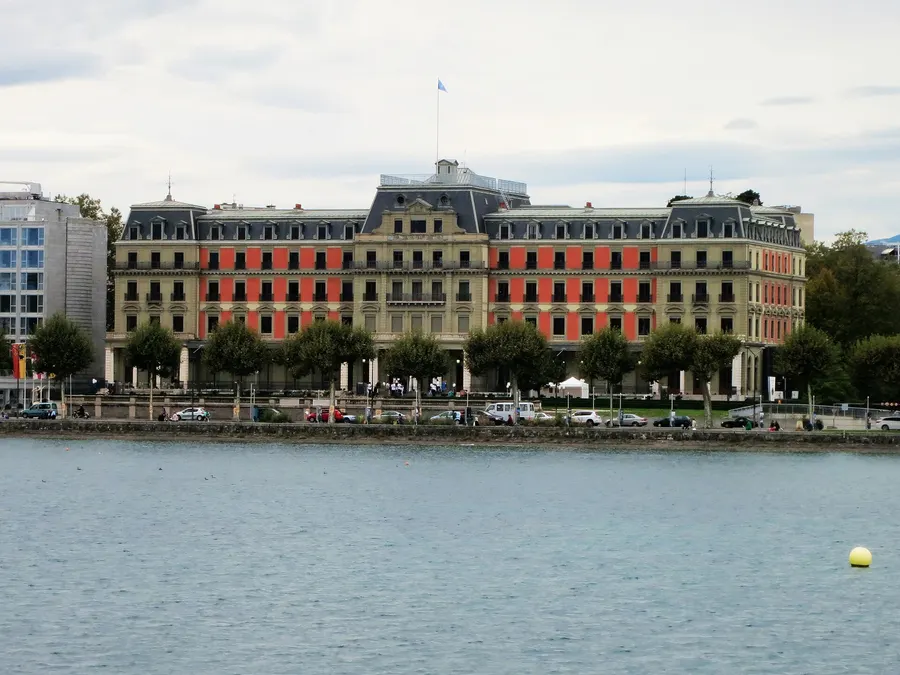
The Palais Wilson on the shore of Lake Geneva, the League of Nations' first home, photographed in 2013.The Palais Wilson on the shore of Lake Geneva, the League of Nations’ first home, photographed in 2013.Image: Likasia · CC BY-SA 3.0
politics · Global

The League of Nations comes into being

The First World War killed millions and left its survivors determined that nothing like it should happen again. At the peace conference in Paris, President Woodrow Wilson of the United States pressed for a permanent body where nations would settle their quarrels by talking, and its founding rules, the Covenant, were written into the Treaty of Versailles. When the treaty came into force on 10 January 1920, the League of Nations came into being with it. Based in Geneva, it settled some disputes, helped refugees and fought disease and the drug trade, but the United States never joined, and in the 1930s it could not stop Japan, Italy or Germany. It was replaced by the United Nations in 1946, which inherited much of its work.

Source: United Nations Office at Geneva: the League of Nations, historical background ↗
1927
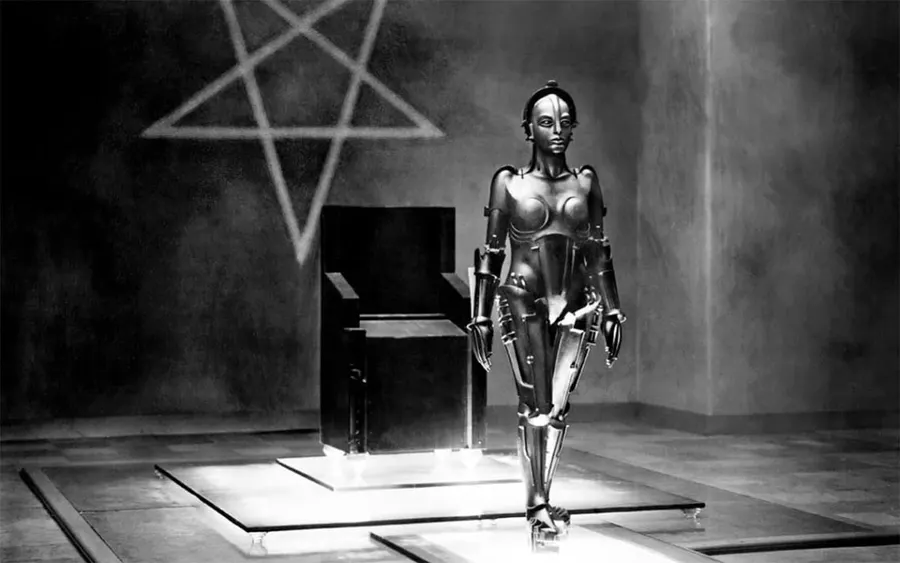
The robot Maschinenmensch in a scene from Metropolis, photographed on set by Horst von Harbou.The robot Maschinenmensch in a scene from Metropolis, photographed on set by Horst von Harbou.Image: Horst von Harbou · Public domain
culture · Europe

Fritz Lang’s Metropolis has its premiere

Fritz Lang’s Metropolis, made at the Ufa studios near Berlin, imagined a vast city of the future in which wealthy owners live in towers while workers toil underground. It was one of the most expensive silent films ever made, with huge sets, thousands of extras and a gleaming female robot. It had its premiere at the Ufa-Palast am Zoo in Berlin on 10 January 1927. Soon afterwards it was cut by about a quarter, and for decades much of it seemed lost, until a nearly complete print was found in Buenos Aires in 2008. Its images of the city and the robot still shape how films picture the future.

Source: filmportal.de: Fritz Lang’s Metropolis over time ↗
1946
The Project Diana antenna at Fort Monmouth, New Jersey: 64 aerials in a grid in front of a flat reflecting screen.The Project Diana antenna at Fort Monmouth, New Jersey: 64 aerials in a grid in front of a flat reflecting screen.Image: Unknown · Public domain
science · Americas

A radar signal is bounced off the Moon

After the Second World War, a team of US Army Signal Corps scientists and engineers at Camp Evans, Fort Monmouth, New Jersey, led by Lieutenant Colonel John DeWitt, wondered whether a radio signal could pass through the Earth’s upper atmosphere and come back. They adapted a wartime radar set and aimed it at the rising Moon. On 10 January 1946 the echo appeared on their screen about two and a half seconds after each pulse was sent, the time a signal takes to travel to the Moon and back. Project Diana, named after the Roman goddess of the Moon, was the beginning of radar astronomy and showed that radio could be used to talk to spacecraft.

Source: IEEE Milestones (Engineering and Technology History Wiki): detection of radar signals reflected from the Moon, 1946 ↗
1946
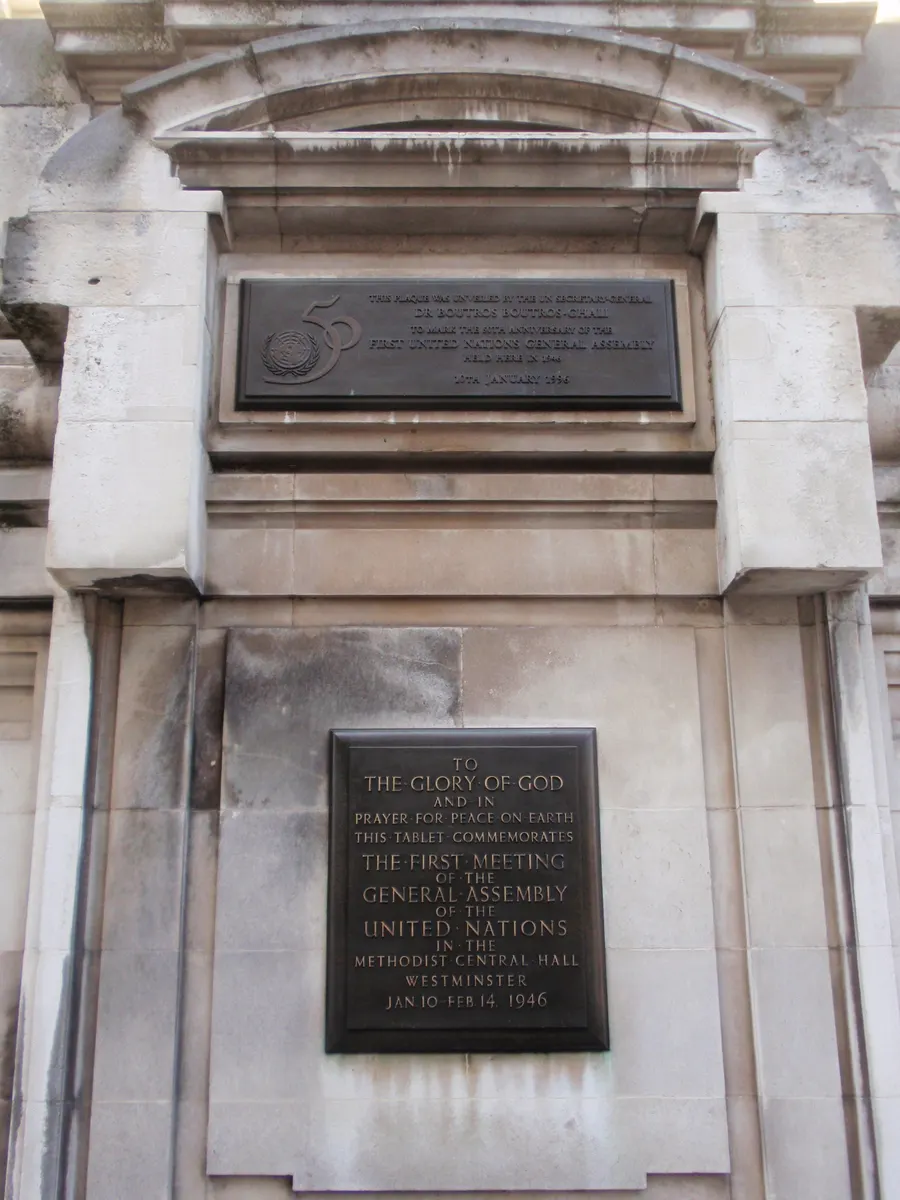
The plaques at Methodist Central Hall, Westminster, marking the first meeting of the UN General Assembly.The plaques at Methodist Central Hall, Westminster, marking the first meeting of the UN General Assembly.Image: Ollios · CC BY-SA 3.0
politics · Global

The UN General Assembly meets for the first time

Delegates of 51 nations gathered at Methodist Central Hall in Westminster, London, on 10 January 1946 for the first meeting of the United Nations General Assembly, where every member state has a vote. The session later moved to New York, which became the UN’s permanent home.

Source: United Nations: first session of the UN General Assembly, 10 January 1946 ↗
1966
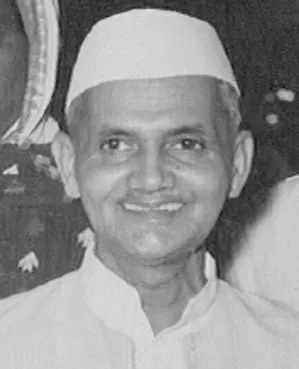
Lal Bahadur Shastri, Prime Minister of India, who signed the Tashkent Declaration.Lal Bahadur Shastri, Prime Minister of India, who signed the Tashkent Declaration.Image: Viksb · CC BY-SA 3.0
politics · Asia

India and Pakistan make peace at Tashkent

In 1965 India and Pakistan fought a short, bitter war, mainly over Kashmir, which ended in a ceasefire arranged by the United Nations. The Soviet prime minister, Alexei Kosygin, then invited India’s prime minister, Lal Bahadur Shastri, and Pakistan’s president, Ayub Khan, to talks in Tashkent, in Soviet Uzbekistan. On 10 January 1966 they signed the Tashkent Declaration, agreeing to pull their forces back to where they had been before the war and to restore normal relations. Hours later, in the early morning of 11 January, Shastri died of a heart attack in Tashkent. The agreement ended the war but settled none of the questions behind it.

Source: Encyclopaedia Britannica: Tashkent Declaration (1966) ↗
1972
An official portrait of Sheikh Mujibur Rahman, issued by Bangladesh's Press Information Department.An official portrait of Sheikh Mujibur Rahman, issued by Bangladesh’s Press Information Department.Image: Press Information Department · Public domain
politics · Asia

Sheikh Mujibur Rahman comes home to a free Bangladesh

Sheikh Mujibur Rahman led the Awami League, the party of East Pakistan’s Bengalis. When Pakistan’s army cracked down in March 1971 he was arrested and flown to West Pakistan, and spent the war of independence in prison while Bangladesh fought for its freedom in his name. Pakistan released him after its defeat in December. He flew to London, then to Delhi, and on 10 January 1972 landed in Dhaka, where a huge crowd welcomed him. Known as Bangabandhu, ‘friend of Bengal’, he led the new country until he was killed in a coup in 1975. Bangladesh marks the day as his Homecoming Day.

Source: The Daily Star: Bangabandhu comes home, completes victory ↗
WHY THESE MOMENTS?

Significance before volume

This page is not the longest possible list of events. It is a chronological journey through 10 January, where each entry is chosen for historical significance, human interest and reliability.

Facts are checked against authoritative museums, archives, universities and reference works. Where sources disagree, the page says so.

EXPLORED THE DEEPER STORY?

Return to the highlights of 10 January

Discover the lighter side of the date with famous birthdays, culture, firsts and lives remembered.

Explore This Day →
← PREVIOUS DAY9 January
HISTORY & TIMELINE10 January
NEXT DAY →11 January