HISTORY & TIMELINE
22 December

A journey through
22 December in history

From the four-hour concert at which Beethoven’s Fifth Symphony was first heard to the day a shipyard electrician became president of Poland, 22 December has seen injustice, reunion and new beginnings. This timeline follows the date across two centuries.

JUMP THROUGH TIME
IV
THE NINETEENTH CENTURY

The 1800s

Industry, empire, invention, reform and a century of enormous transformation.

1808
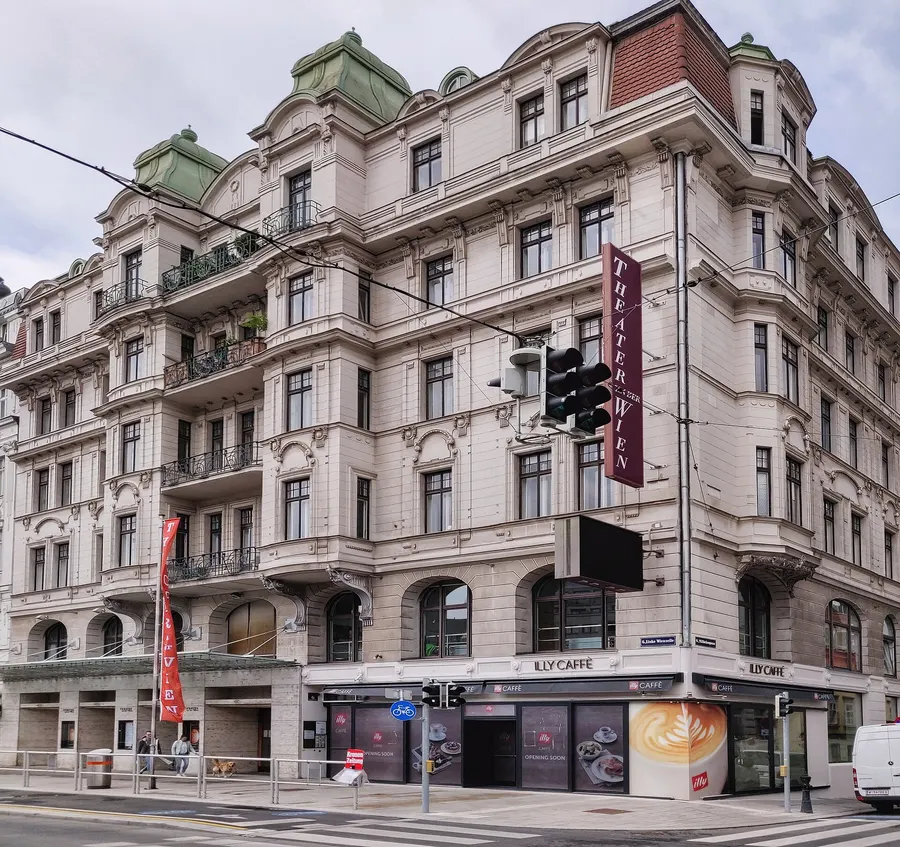
The Theater an der Wien in Vienna, 2020.The Theater an der Wien in Vienna, 2020.Image: Rosso Robot · CC BY-SA 4.0
culture · Europe

Beethoven’s Fifth and Sixth Symphonies are first heard

On 22 December 1808 Beethoven put on a concert of his own music at the Theater an der Wien in Vienna. It lasted about four hours, in an unheated hall, and included the first public performances of the Fifth and Sixth Symphonies, the Fourth Piano Concerto, with Beethoven as soloist, and the Choral Fantasy. The under-rehearsed orchestra struggled and the Choral Fantasy broke down and had to be restarted. At that first performance the numbers of the two symphonies were the other way round; Beethoven swapped them before publication.

Source: Beethoven-Haus Bonn: chronology, Beethoven in Vienna ↗
1885
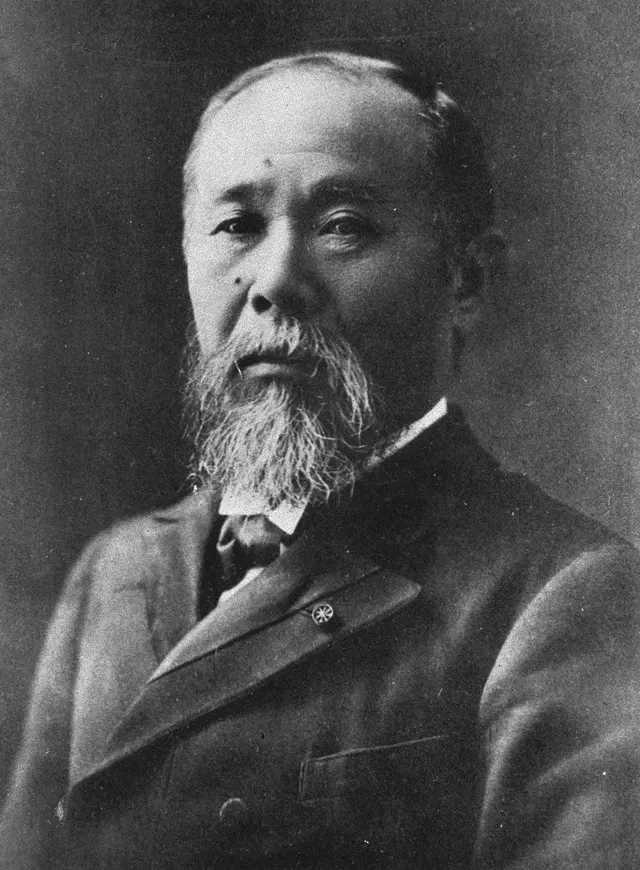
Itō Hirobumi in 1900.Itō Hirobumi in 1900.Image: Unknown authorUnknown author · Public domain
politics · Asia

Japan gets its first prime minister

On 22 December 1885 Japan replaced its old council of state with a European-style cabinet, and Itō Hirobumi, a former samurai from Chōshū who had studied in Britain as a young man, became the country’s first prime minister. He was forty-four. Itō went on to lead the drafting of the Meiji Constitution of 1889, which gave Japan a parliament, and served as prime minister four times. He was assassinated in 1909 at Harbin by a Korean nationalist, An Jung-geun, after serving as Japan’s first resident-general in Korea.

Source: Prime Minister of Japan and His Cabinet: establishment of the cabinet system ↗
1894
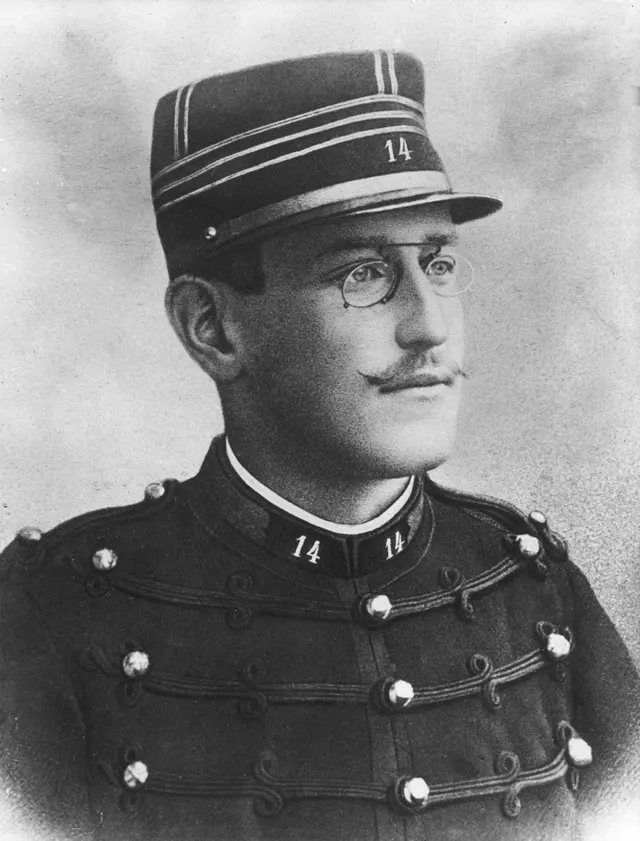
Captain Alfred Dreyfus, about 1894.Captain Alfred Dreyfus, about 1894.Image: Aron Gerschel · Public domain
politics · Europe

Alfred Dreyfus is wrongly convicted of treason

On 22 December 1894 a court-martial in Paris found Captain Alfred Dreyfus, a Jewish artillery officer on the French general staff, guilty of passing military secrets to Germany, and sentenced him to deportation for life. The evidence was a single handwritten note; the judges were also shown a secret file, some of it forged, that his lawyer was never allowed to see. Dreyfus was publicly stripped of his rank and shipped to Devil’s Island off French Guiana. The real traitor was another officer, Ferdinand Esterhazy. The fight to free Dreyfus, taken up by Émile Zola in ‘J’accuse’ in 1898, split France for a decade and exposed the antisemitism in its army; he was fully cleared only in 1906.

Source: Encyclopaedia Britannica: Dreyfus affair ↗
V
THE TWENTIETH CENTURY

The 1900s

War and peace, technological leaps, social change, politics, sport and popular culture.

1944
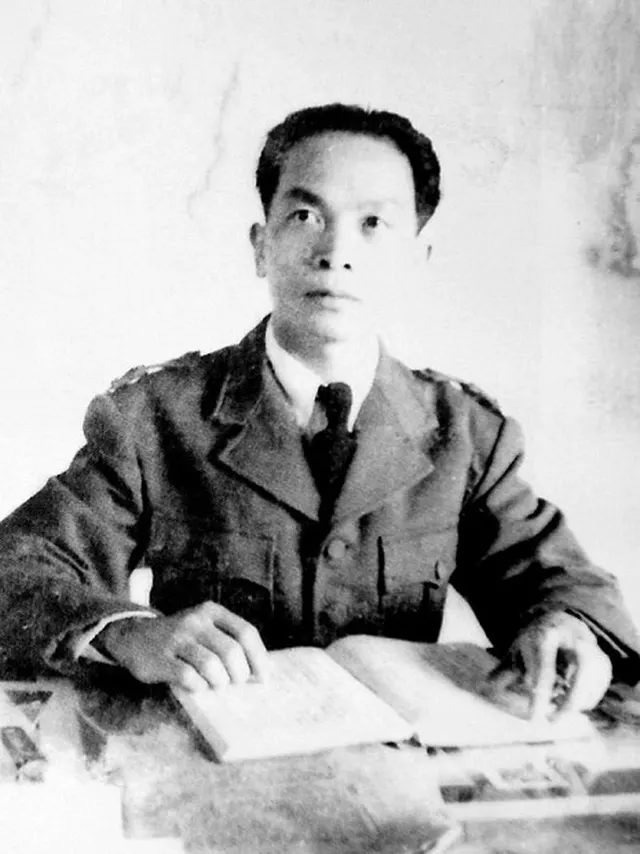
Võ Nguyên Giáp around the time of the war with France.Võ Nguyên Giáp around the time of the war with France.Image: Unknown authorUnknown author · Public domain
world · Asia

The forerunner of Vietnam’s army is formed

On 22 December 1944, in the forests of northern Vietnam, Võ Nguyên Giáp formed a platoon of 34 men, the Armed Propaganda Unit for the Liberation of Vietnam, on the orders of Ho Chi Minh. Vietnam counts it as the founding of the Vietnam People’s Army and keeps the date as the army’s day. Under Giáp’s command that army went on to defeat France at Dien Bien Phu in 1954.

Source: Ministry of National Defence of Vietnam: Vietnam People’s Army ↗
1971
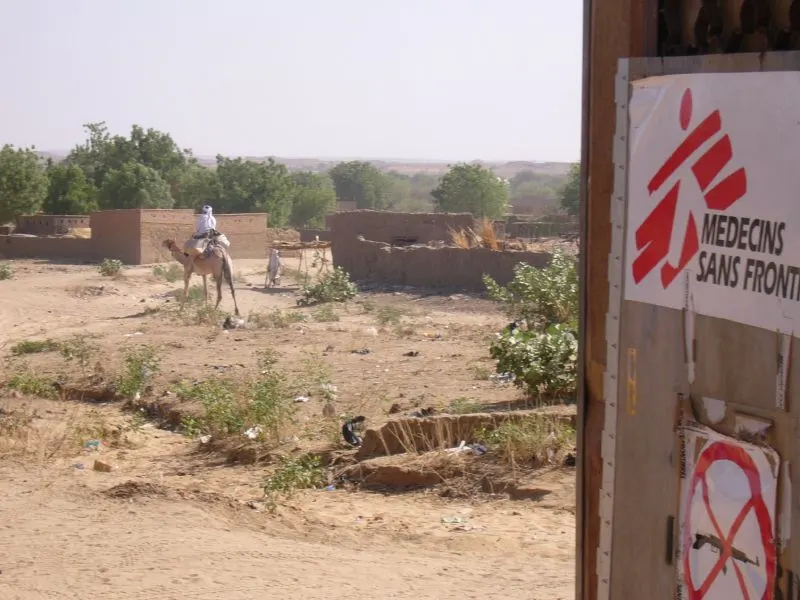
The entrance to a Médecins Sans Frontières post at a camp for refugees from Darfur, Chad, 2005.The entrance to a Médecins Sans Frontières post at a camp for refugees from Darfur, Chad, 2005.Image: Mark Knobil from Pittsburgh, usa · CC BY 2.0
world · Global

Médecins Sans Frontières is founded

Médecins Sans Frontières — Doctors Without Borders — was founded in Paris on 22 December 1971 by a group of doctors and journalists. Several of the doctors had worked for the Red Cross in the Nigerian civil war in Biafra and had been frustrated by the rule that aid workers must keep silent about what they saw. The new organisation set out to send medical teams quickly wherever they were needed, independent of governments, and to speak out when it saw abuses. It now works in some seventy countries and was awarded the Nobel Peace Prize in 1999.

Source: Doctors Without Borders: our history ↗
1974
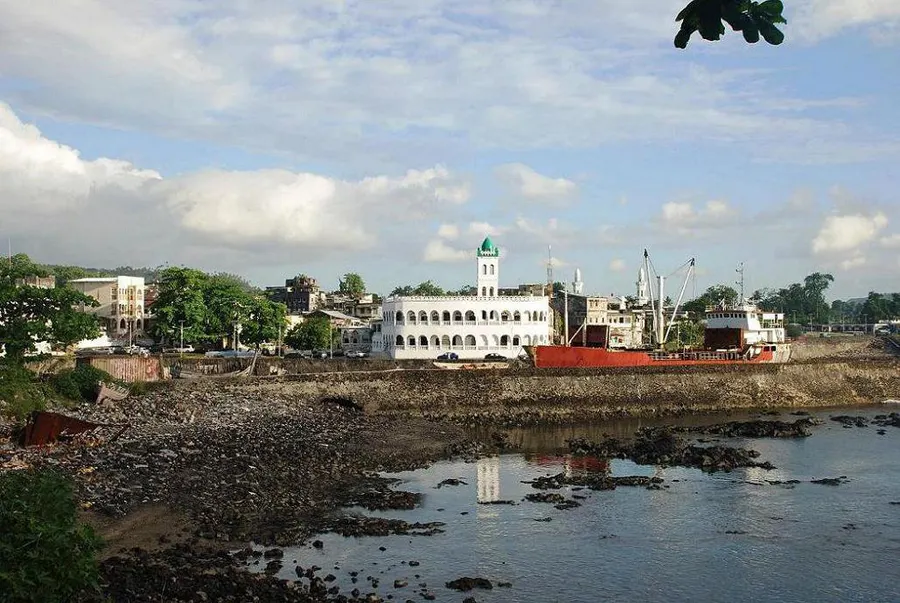
Moroni, capital of the Comoros, with its harbour and central mosque.Moroni, capital of the Comoros, with its harbour and central mosque.Image: Sascha Grabow www.saschagrabow.com · CC BY-SA 3.0
politics · Africa

The Comoros vote for independence

In a referendum held by France on 22 December 1974, the people of the Comoro Islands in the Indian Ocean voted for independence by 154,184 votes to 8,853. But the result was counted island by island, and on Mayotte a majority wanted to stay French. The Comoros declared independence in July 1975; Mayotte stayed with France, which the Comoros and the UN General Assembly have disputed ever since.

Source: Encyclopaedia Britannica: history of Comoros ↗
1989
East and West German politicians under the Brandenburg Gate at its opening, 22 December 1989.East and West German politicians under the Brandenburg Gate at its opening, 22 December 1989.Image: SSgt. F. Lee Corkran · Public domain
politics · Europe

The Brandenburg Gate opens again

Six weeks after the Berlin Wall was opened, the Brandenburg Gate itself — shut in the no-man’s-land between East and West since 1961 — was opened for pedestrians on 22 December 1989. In the rain that afternoon the West German chancellor, Helmut Kohl, walked through to shake hands with the East German prime minister, Hans Modrow, as a crowd of more than 100,000 cheered. Built in the 1790s as a triumphal gateway to Berlin, the gate had become the most familiar symbol of the city’s division. Germany was reunified less than a year later, on 3 October 1990.

Source: Berlin.de: Brandenburg Gate ↗
1990
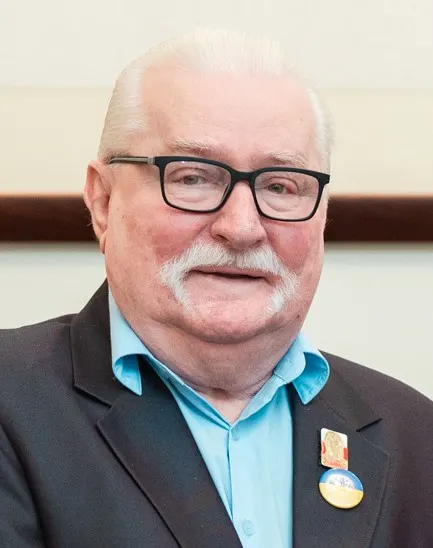
Lech Wałęsa in 2026.Lech Wałęsa in 2026.Image: Taiwan Presidential Office · CC BY 4.0
politics · Europe

Lech Wałęsa becomes President of Poland

On 22 December 1990 Lech Wałęsa, the Gdańsk shipyard electrician who had led the Solidarity trade union, took the oath before the National Assembly as the first President of Poland chosen by a free popular vote. The same day, at the Royal Castle in Warsaw, the last president of the Polish government-in-exile in London, Ryszard Kaczorowski, handed him the pre-war insignia of the presidency, ending the exile government’s fifty-one years.

Source: President of the Republic of Poland: Lech Wałęsa ↗
WHY THESE MOMENTS?

Significance before volume

This page is not the longest possible list of events. It is a chronological journey through 22 December, where each entry is chosen for historical significance, human interest and reliability.

Facts are checked against authoritative museums, archives, universities and reference works. Where sources disagree, the page says so.

EXPLORED THE DEEPER STORY?

Return to the highlights of 22 December

Discover the lighter side of the date with famous birthdays, culture, firsts and lives remembered.

Explore This Day →