HISTORY & TIMELINE
15 December

A journey through
15 December in history

From the death of a Byzantine emperor in 1025 to the closing of the last reactor at Chernobyl in 2000, 15 December carries some of the heaviest decisions in this calendar. This timeline follows the date across a thousand years.

II
THE MIDDLE AGES

Medieval History

Kingdoms, conflict, faith, power and the changing medieval world.

1025
Basil II in a manuscript portrait, crowned by Christ and flanked by angels.Basil II in a manuscript portrait, crowned by Christ and flanked by angels.Image: from the Middle Ages, unknown · Public domain
politics · Europe

Basil II dies and the Byzantine high tide passes

Basil II died on 15 December 1025 after a reign of almost fifty years, the longest of any Byzantine emperor. He had broken the Bulgarian state, secured the Balkans and the eastern frontier, curbed the great landowning families and left a full treasury. His brother Constantine VIII, co-emperor in name for sixty-three years and never in charge of anything, became sole ruler and died three years later, leaving the throne to his daughters Zoe and Theodora. The empire was at its greatest extent since the Arab conquests; within fifty years it had lost Anatolia.

Source: Encyclopaedia Britannica: Constantine VIII ↗
III
A CHANGING WORLD

Early Modern Era

Exploration, political change, scientific development and expanding global connections.

1791
politics · Americas

The Bill of Rights becomes law

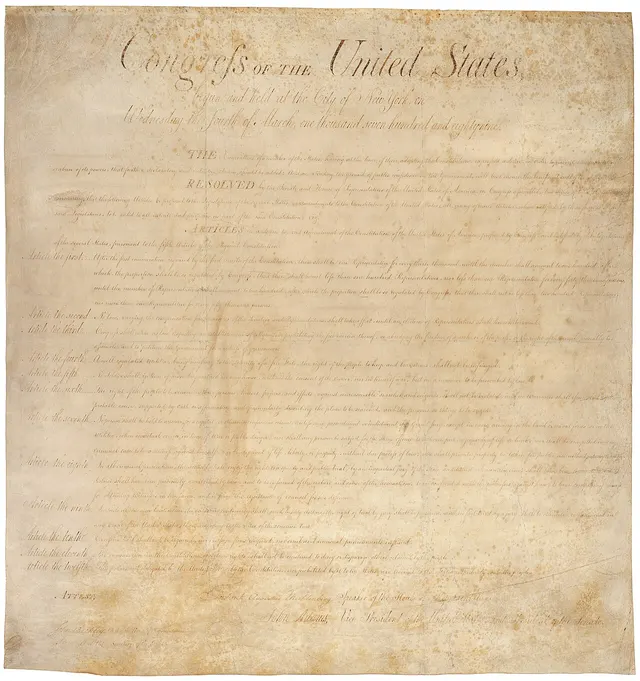
When Virginia ratified on 15 December 1791 it became the eleventh state to do so, and ten of the twelve amendments Congress had sent out two years earlier reached the three-quarters needed to enter the United States Constitution. They are the Bill of Rights: free speech, religion, assembly and the press; the right to bear arms; protection against unreasonable search, self-incrimination and cruel punishment; trial by jury. The two that failed concerned the size of congressional districts and the pay of members of Congress. The second of them was finally ratified in 1992, 203 years after it was proposed, as the Twenty-seventh Amendment.

Source: US National Archives: Bill of Rights (1791) ↗
IV
THE NINETEENTH CENTURY

The 1800s

Industry, empire, invention, reform and a century of enormous transformation.

1840
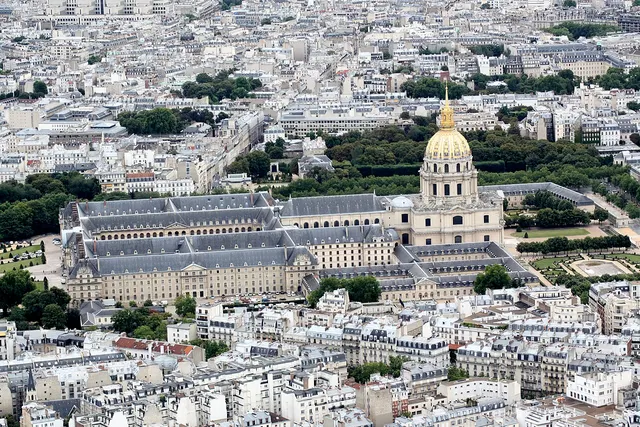
Les Invalides in Paris, its gilded dome over Napoleon's tomb.Les Invalides in Paris, its gilded dome over Napoleon’s tomb.Image: CaBLe27 · CC BY 2.0
world · Europe

Napoleon comes home to Les Invalides

Napoleon’s coffin was carried through Paris to Les Invalides on 15 December 1840, nineteen years after his death on St Helena and 7,200 kilometres from where he was buried. Louis-Philippe had sent his son, the Prince de Joinville, to fetch the body in an expedition known as the retour des cendres — the return of the ashes. Enormous crowds lined the route in bitter cold. The tomb under the dome was not finished for another twenty years; the remains were finally placed in it in April 1861.

Source: Fondation Napoléon: the Retour des Cendres ↗
1890
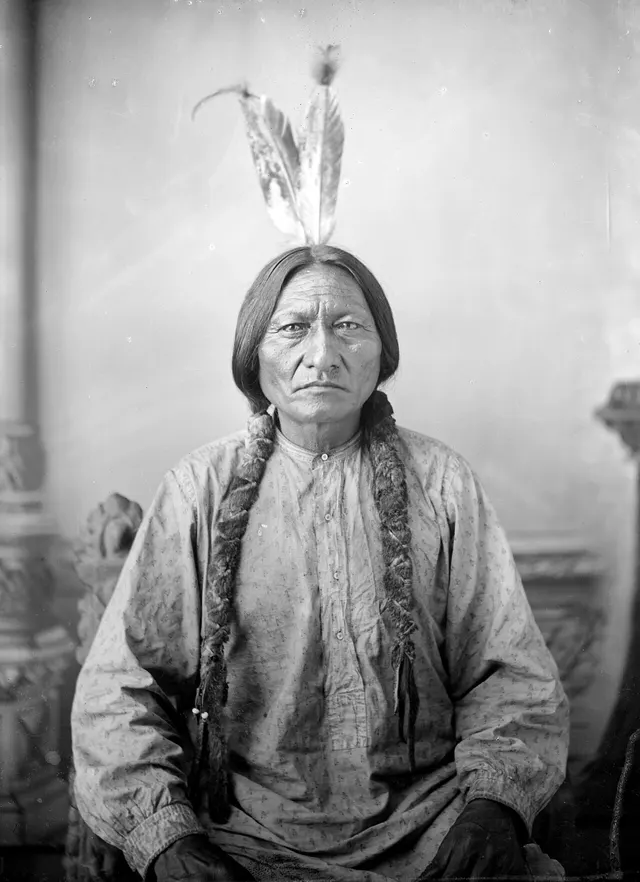
Sitting Bull, photographed by David F. Barry.Sitting Bull, photographed by David F. Barry.Image: David F. Barry, Photographer, Bismarck, Dakota Territory · Public domain
world · Americas

Sitting Bull is killed at Standing Rock

Before dawn on 15 December 1890, reservation police sent by the agent James McLaughlin came to arrest Sitting Bull at his cabin on the Grand River, on the Standing Rock reservation. McLaughlin wanted him held for allowing the Ghost Dance movement to spread. His supporters gathered, shooting began, and Sitting Bull and his son Crow Foot were killed along with six others and six policemen. He was the Hunkpapa Lakota leader who had held the coalition together at the Little Bighorn in 1876. Two weeks after his death the Seventh Cavalry killed some 250 Lakota at Wounded Knee.

Source: Encyclopaedia Britannica: Sitting Bull ↗
V
THE TWENTIETH CENTURY

The 1900s

War and peace, technological leaps, social change, politics, sport and popular culture.

1925
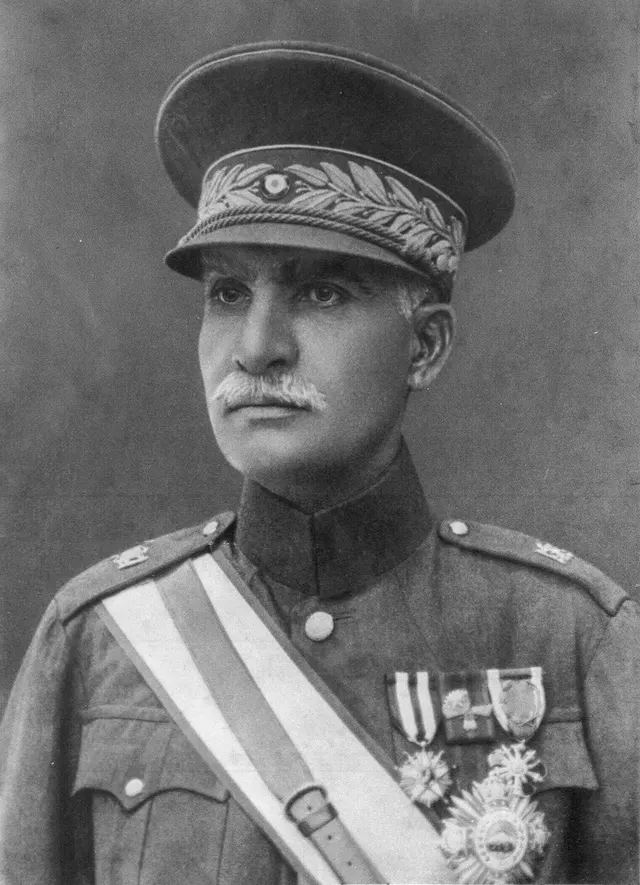
Reza Shah Pahlavi.Reza Shah Pahlavi.Image: Unknown authorUnknown author · Public domain
politics · Asia

Reza Khan founds the Pahlavi dynasty

Reza Khan, the Cossack officer who had seized power in a coup in 1921 and become prime minister in 1923, took the oath of office as Shah of Iran on 15 December 1925. The Majlis had voted on 31 October to depose the last Qajar ruler, and a constituent assembly amended the constitution in December to give the throne to Reza and his heirs. He was crowned the following April. As Reza Shah he pushed through railways, schools, a modern army and a legal code, banned the veil and required Western dress. In 1941 British and Soviet forces occupied the country and made him abdicate in favour of his son.

Source: Encyclopaedia Britannica: Reza Shah Pahlavi ↗
1939
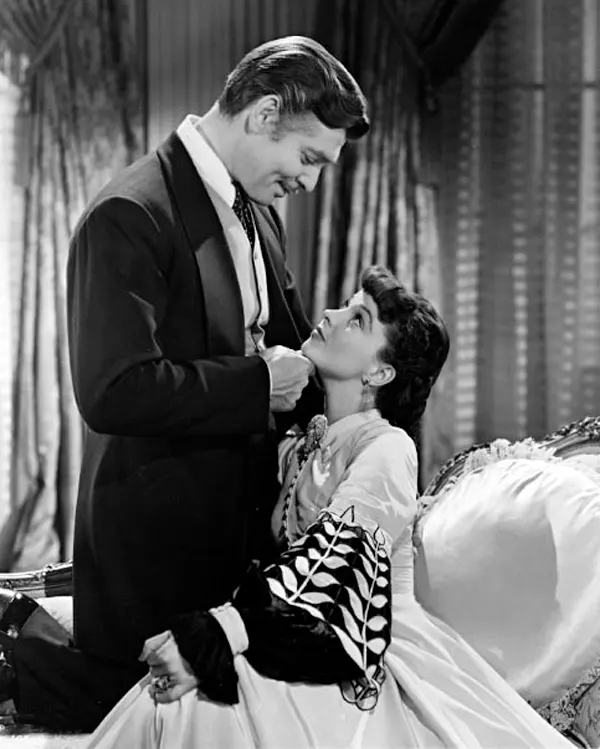
Clark Gable and Vivien Leigh in a publicity still for Gone with the Wind.Clark Gable and Vivien Leigh in a publicity still for Gone with the Wind.Image: Selznick International Pictures; Fred Parrish, photographer · Public domain
culture · Americas

Gone with the Wind opens in Atlanta

Gone with the Wind had its premiere at Loew’s Grand Theatre in Atlanta on 15 December 1939. The mayor declared a public holiday, the front of the cinema was dressed as a plantation house and 18,000 people filled the street outside. Clark Gable and Vivien Leigh were there, and walked Margaret Mitchell onto the stage. Hattie McDaniel, who two months later became the first African American to win an Academy Award, was not invited: Georgia’s segregation laws kept the Black members of the cast away from their own premiere. Adjusted for inflation, the film has still made more money than any other.

Source: New Georgia Encyclopedia: Gone With the Wind premiere ↗
1945
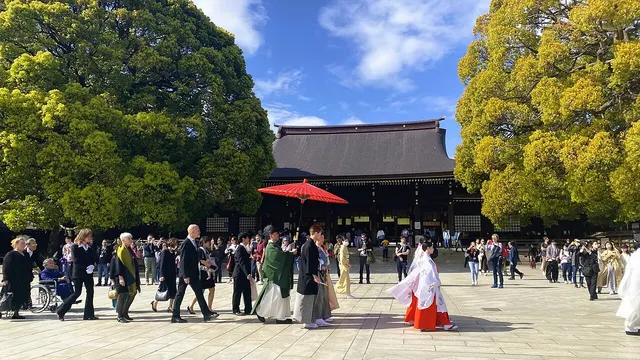
Meiji Shrine in Tokyo.Meiji Shrine in Tokyo.Image: Akonnchiroll · CC BY-SA 4.0
politics · Asia

The Shinto Directive

On 15 December 1945 the Supreme Commander for the Allied Powers ordered the Japanese government to separate Shinto from the state. Public money and official sponsorship for shrines ended, Shinto teaching was removed from state schools, and the use of the religion to spread militarist and ultra-nationalist doctrine was forbidden. A week later the emperor publicly renounced his divinity. The principle was written into the postwar constitution, and shrines have been private religious bodies ever since.

Source: National Diet Library of Japan: the Shinto Directive (text) ↗
1961
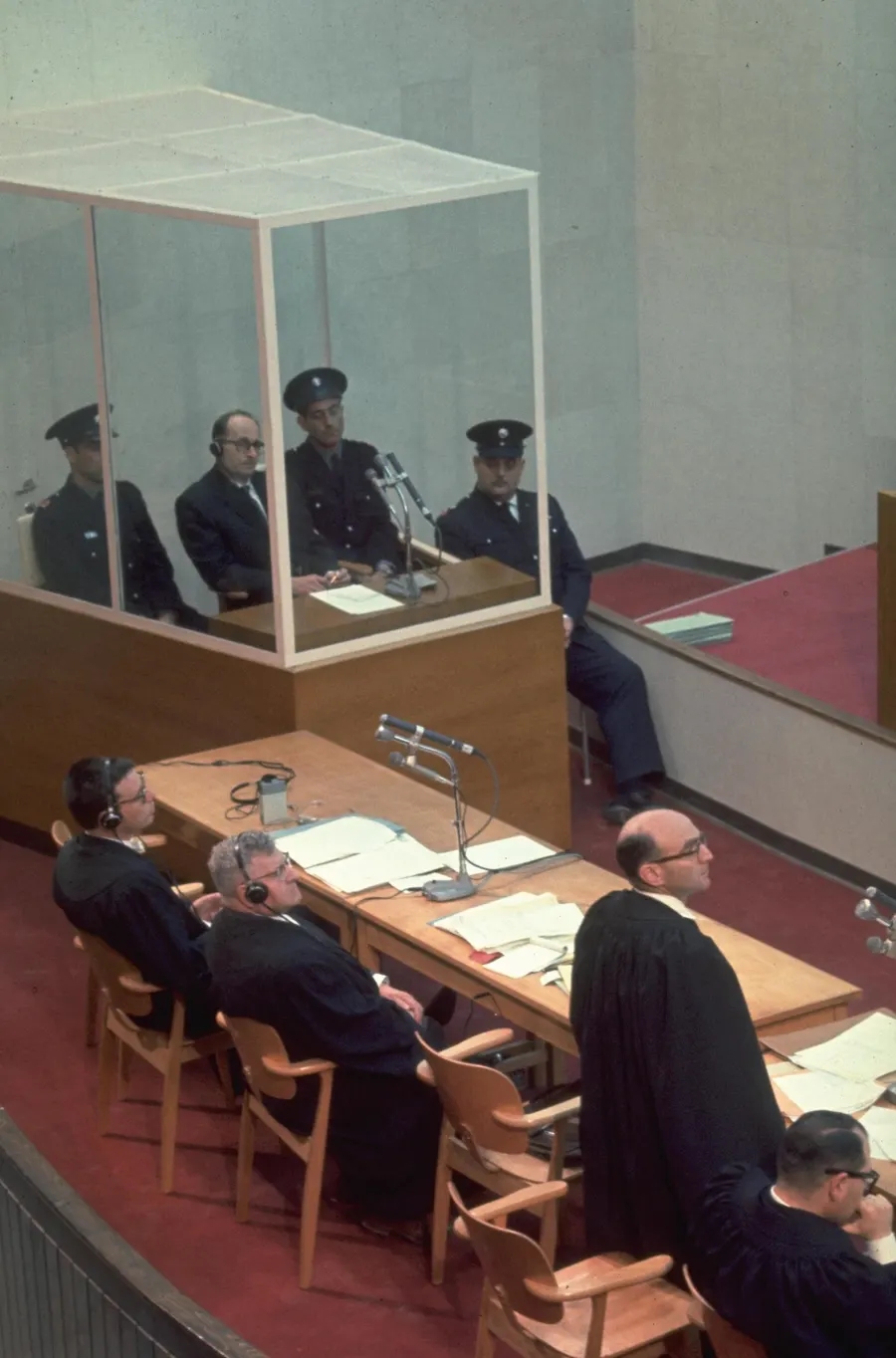
The courtroom in Jerusalem, with the bullet-proof glass booth built for the defendant.The courtroom in Jerusalem, with the bullet-proof glass booth built for the defendant.Image: Milli John · Public domain

politics · Asia

Eichmann is sentenced to death in Jerusalem

A special tribunal of the Jerusalem District Court sentenced Adolf Eichmann to death on 15 December 1961. He had been found guilty three days earlier of crimes against the Jewish people, crimes against humanity and war crimes for his part in organising the deportation of Jews to the extermination camps. Israeli agents had seized him in Argentina in 1960. More than a hundred survivors gave evidence over four months, much of it broadcast; for many people it was the first sustained public account of the Holocaust. Eichmann was hanged on 1 June 1962 — the only judicial execution Israel has ever carried out.

Source: United States Holocaust Memorial Museum: the Eichmann trial ↗
1970
A Venera descent capsule on display.A Venera descent capsule on display.Image: Emerezhko · CC BY-SA 4.0
science · Global

Venera 7 lands on Venus

The Soviet probe Venera 7 entered the atmosphere of Venus on 15 December 1970 and reached the surface — the first spacecraft to land on another planet and send data home. Its parachute had partly failed and it hit hard, and for a while the mission was thought to have ended there. Re-analysis of the tape showed a faint signal continuing for another twenty-three minutes. It reported a surface temperature around 475°C and a pressure ninety times that on Earth: conditions that killed every lander sent after it within hours.

Source: NASA Space Science Data Coordinated Archive: Venera 7 ↗
1973
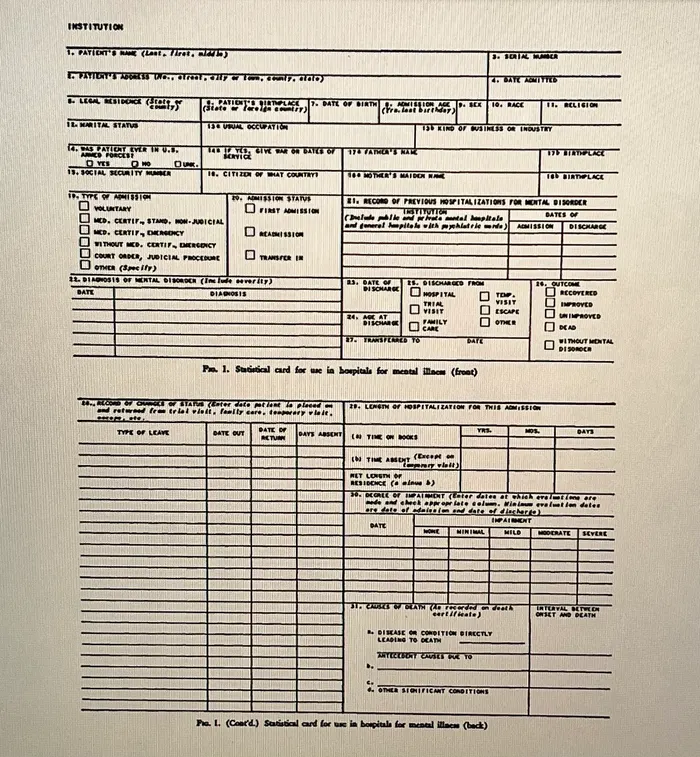
A statistical card of the kind once used to record diagnoses in mental hospitals.A statistical card of the kind once used to record diagnoses in mental hospitals.Image: BobAllen1357 · CC BY-SA 4.0

science · Americas

Homosexuality is removed from the American psychiatric manual

On 15 December 1973 the board of the American Psychiatric Association voted to strike homosexuality from the Diagnostic and Statistical Manual of Mental Disorders. There had been no evidence for the illness model, and years of pressure from gay activists and from psychiatrists inside the association, led by Robert Spitzer, had made the argument impossible to avoid. Members who objected forced a referendum; the decision was upheld in April 1974. The American Psychological Association endorsed it in 1975, and the World Health Organization followed only in 1990.

Source: National Institutes of Health, PMC: Out of DSM — depathologizing homosexuality ↗
VI
2000 TO TODAY

Modern Day

The events of recent decades that have already become part of the historical record.

2000
The Chernobyl nuclear power plant, with the containment arch over reactor four.The Chernobyl nuclear power plant, with the containment arch over reactor four.Image: Ingmar Runge · CC BY-SA 3.0
science · Europe

The last reactor at Chernobyl is switched off

Chernobyl’s third reactor was shut down on 15 December 2000, ending fourteen years in which the plant had gone on generating electricity beside the ruins of reactor four. Unit two had closed after a turbine hall fire in 1991 and unit one at the end of 1997; Ukraine kept unit three running because it needed the power, and closed it under international pressure and with international money. Decommissioning began the following year and will take decades.

Source: World Nuclear Association: Chernobyl accident 1986 ↗
WHY THESE MOMENTS?

Significance before volume

This page is not the longest possible list of events. It is a chronological journey through 15 December, where each entry is chosen for historical significance, human interest and reliability.

Facts are checked against authoritative museums, archives, universities and reference works. Where sources disagree, the page says so.

EXPLORED THE DEEPER STORY?

Return to the highlights of 15 December

Discover the lighter side of the date with famous birthdays, culture, firsts and lives remembered.

Explore This Day →