
1640
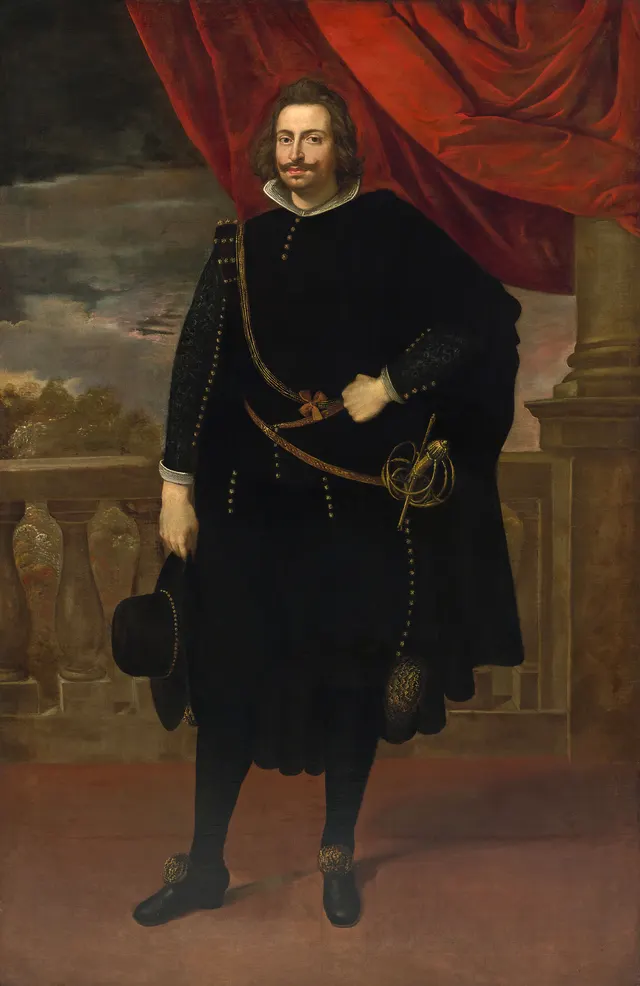 John, Duke of Braganza, about 1630, from the workshop of Peter Paul Rubens. Ten years later he became King John IV.Image: Workshop of Peter Paul Rubens · Public domain
politics · Europe
Portugal breaks free of Spain
On 1 December 1640 a group of Portuguese nobles rose in Lisbon, overthrew the government that ruled in the name of Philip IV of Spain and offered the crown to the Duke of Braganza. Portugal had shared its king with Spain since 1580, and resentment had grown as Madrid drew on Portuguese men and money for its wars. The moment was well chosen: Spain was fighting France and facing a revolt in Catalonia. The duke was proclaimed King John IV and enthroned on 15 December, founding the House of Braganza. Spain did not accept the loss until 1668. Portugal still keeps 1 December as Restoration of Independence Day.
Source: Encyclopaedia Britannica: John IV, king of Portugal ↗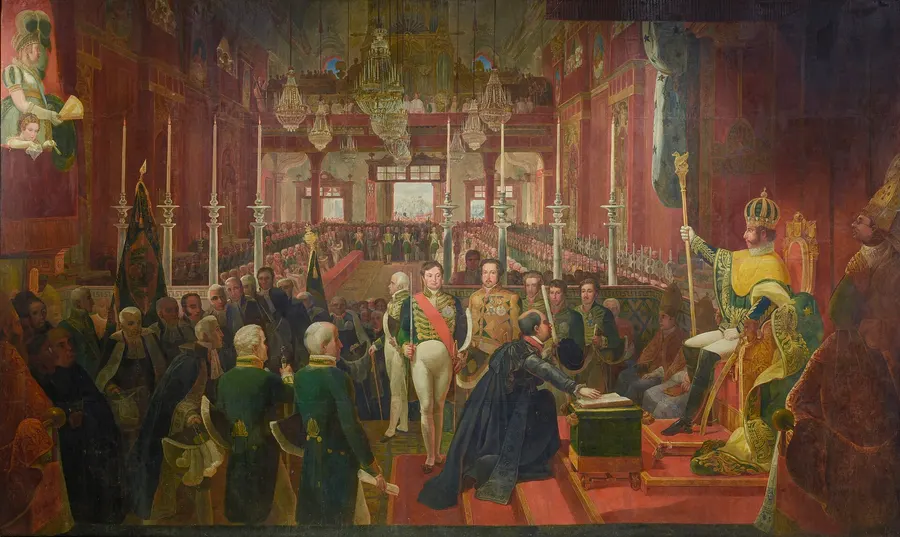 The coronation of Pedro I, painted by Jean-Baptiste Debret in 1828.Image:
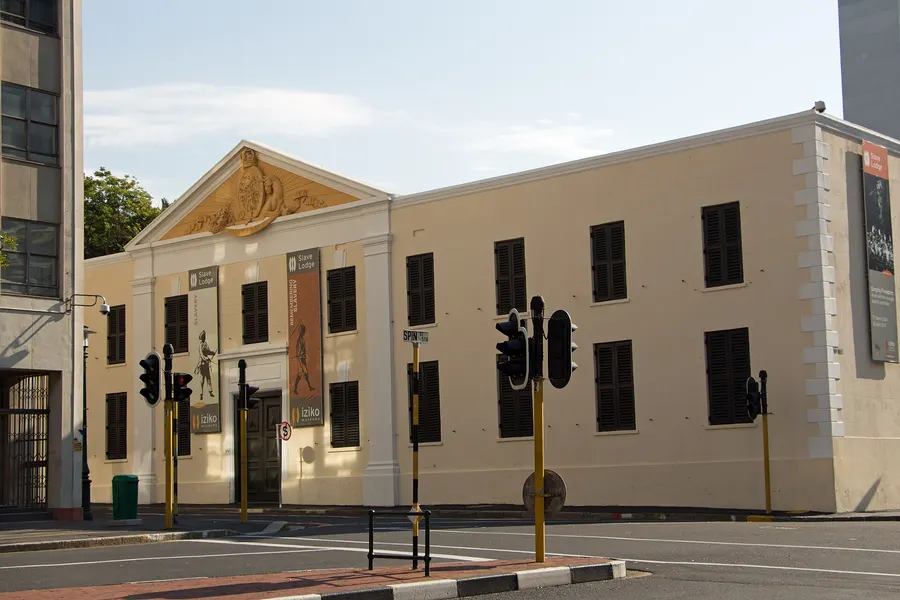 The Slave Lodge in Cape Town, where enslaved people were once held, now a museum.Image:
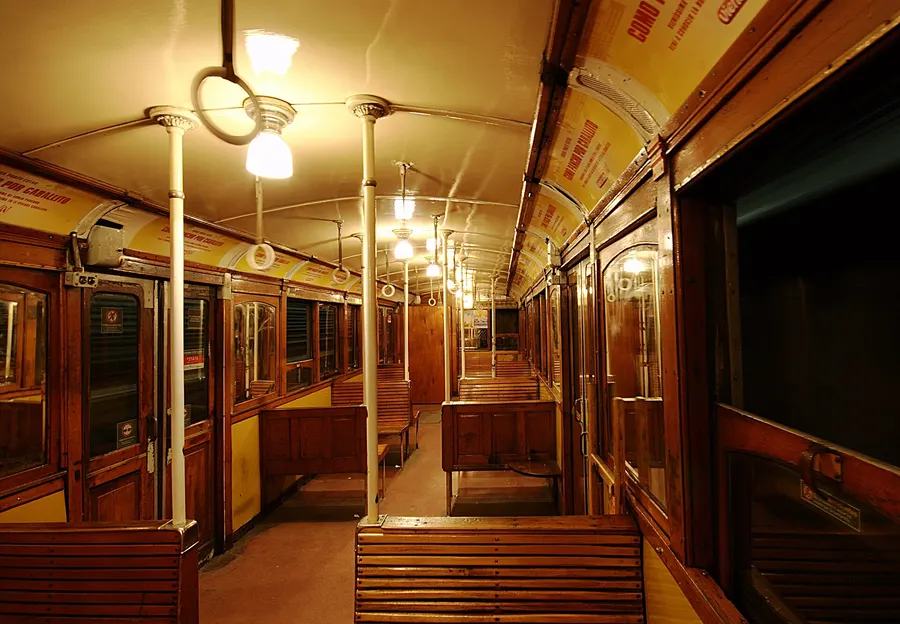 Inside one of the Belgian-built La Brugeoise carriages of Line A, photographed in 2008.Image:
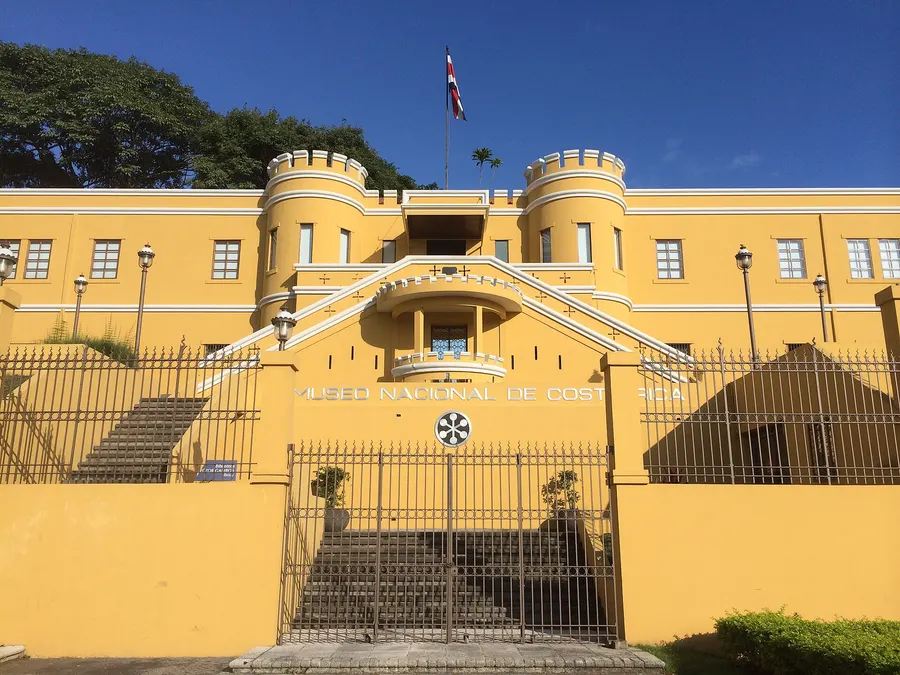 The former Bellavista barracks in San José, now the entrance to the National Museum of Costa Rica.Image:
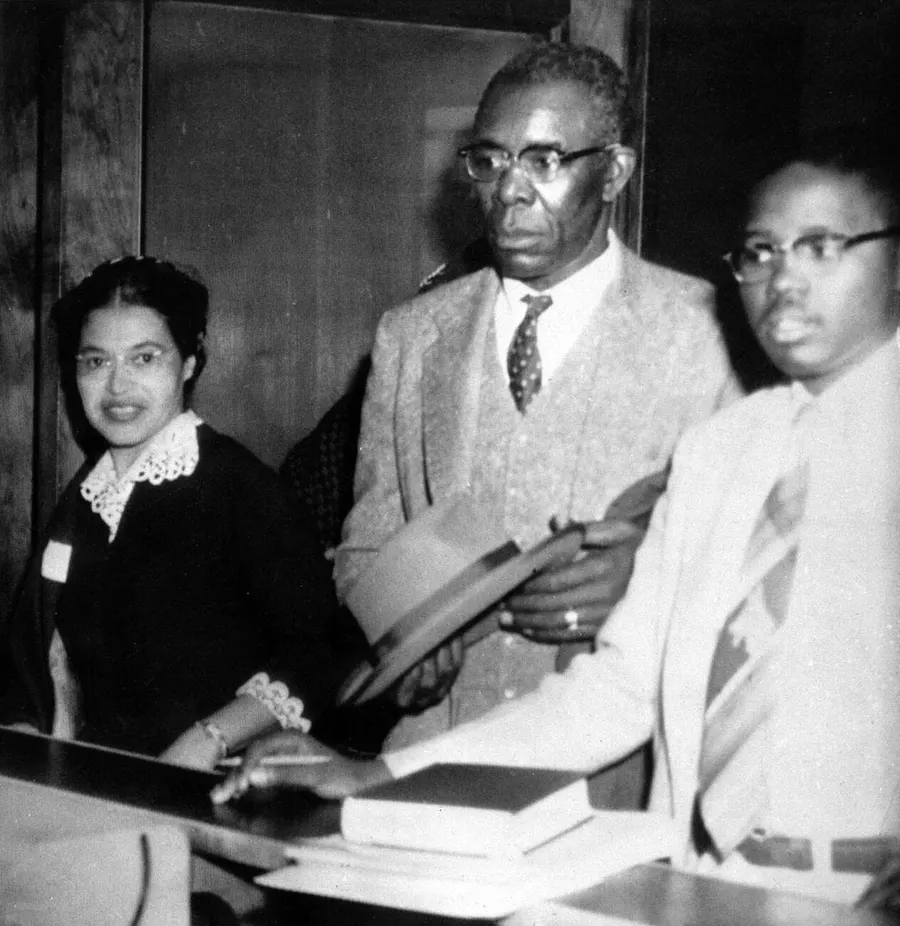 Rosa Parks with the civil rights leader E. D. Nixon, dated 5 December 1955.Image:
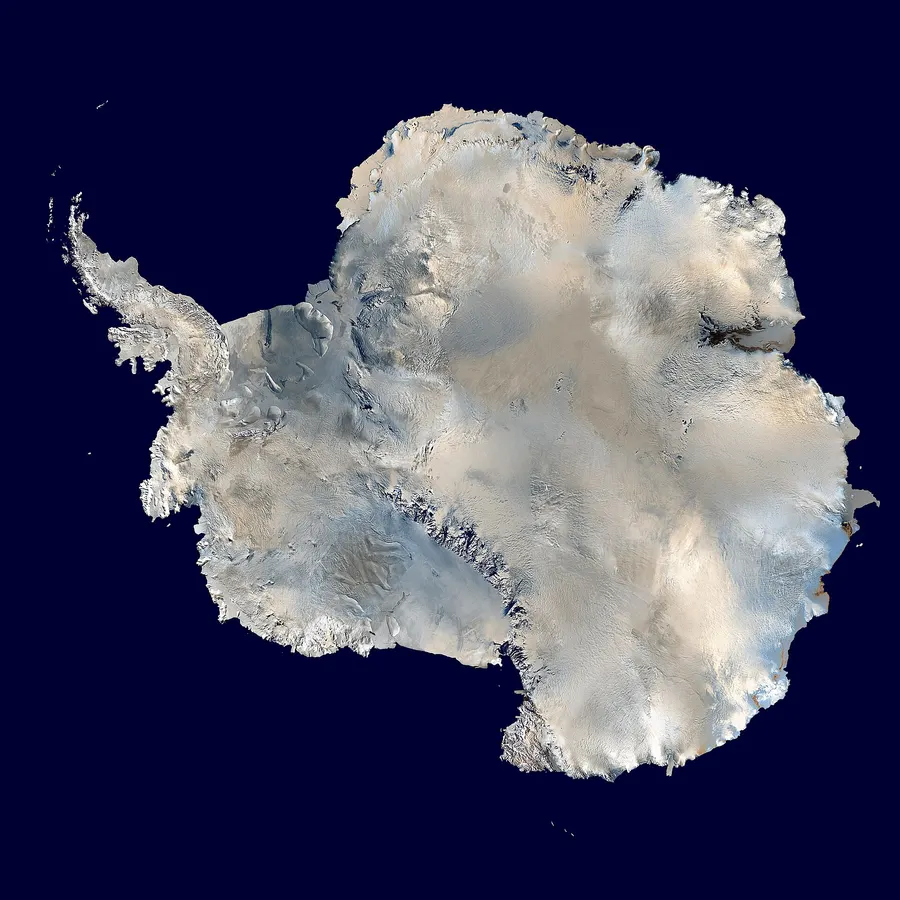 Antarctica, assembled from NASA’s Blue Marble satellite imagery.Image:
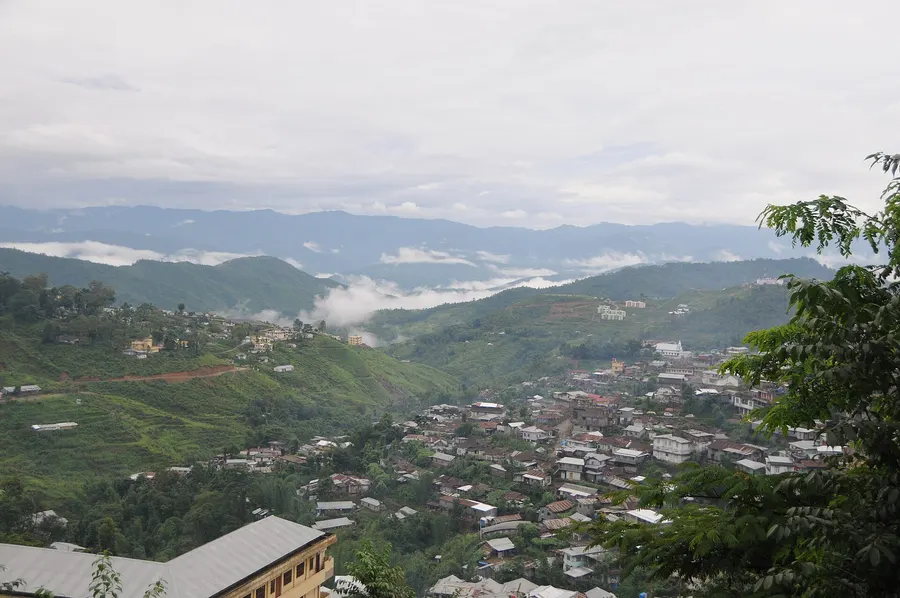 Kohima, the capital of Nagaland, in 2008.Image:
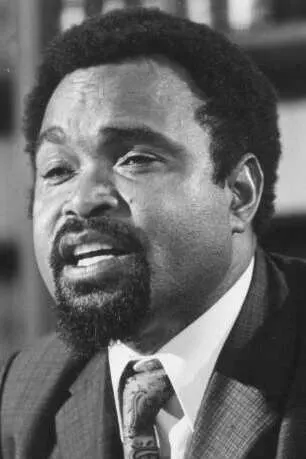 Michael Somare in 1973, the year Papua New Guinea became self-governing.Image:
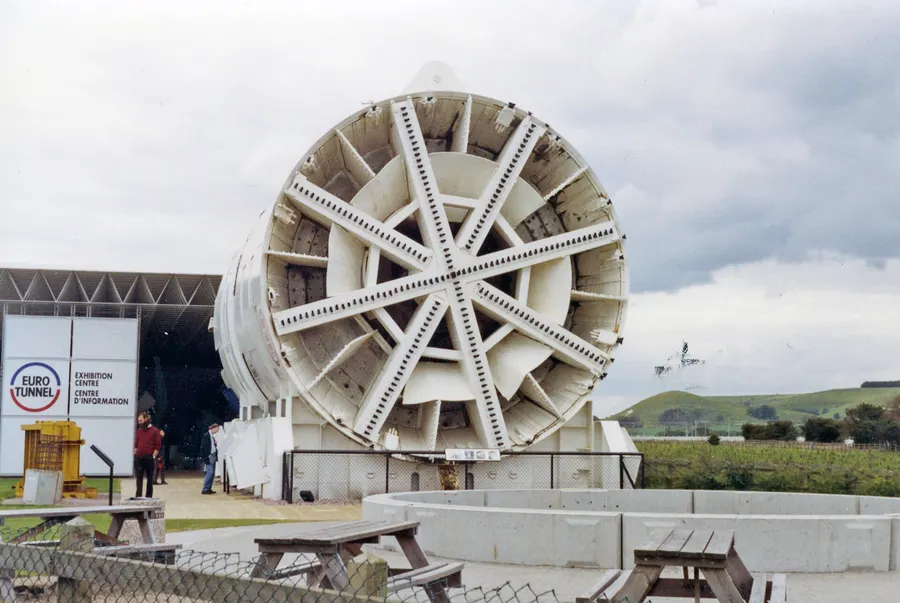 One of the tunnel boring machines on show at the Channel Tunnel Exhibition Centre, Folkestone, in 1992.Image:
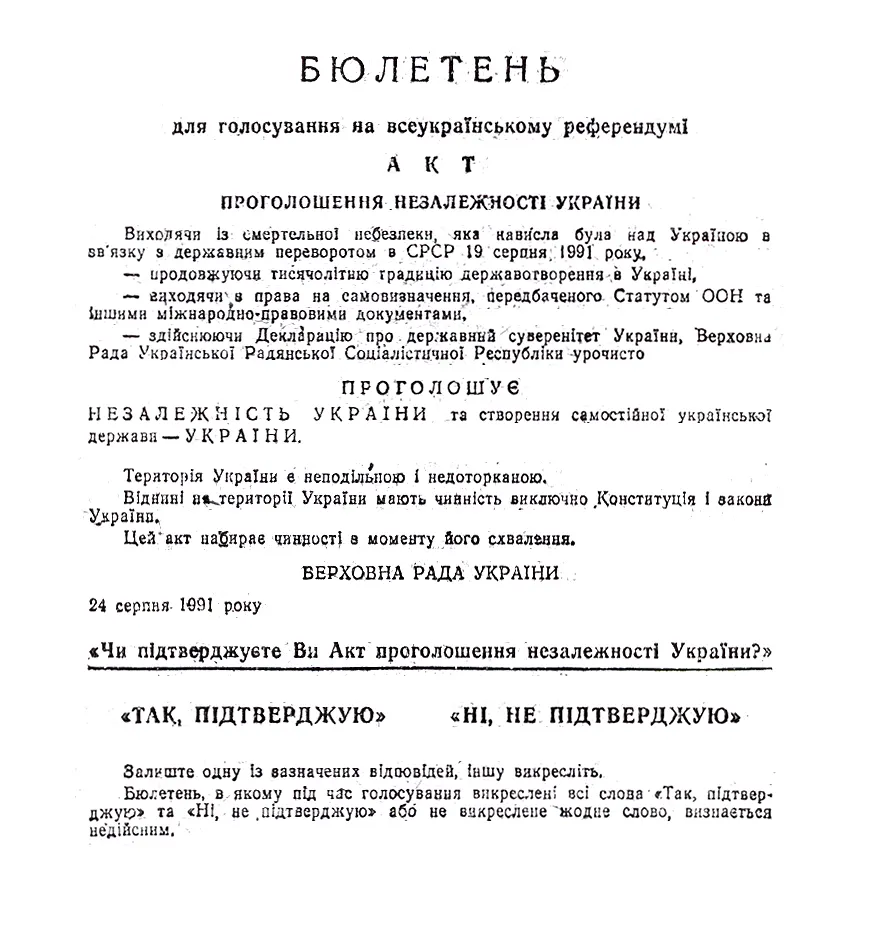 The ballot paper for the all-Ukrainian referendum, asking voters to confirm the Act of Declaration of Independence.Image: