
HISTORY & TIMELINE
30 November

A journey through
30 November in history

From a reforming grand duke in Florence in 1786 to Barbados becoming a republic in 2021, 30 November has seen peace treaties, the end of empire in Aden, the world’s first international football match and a meteorite that hit a woman in her own home. This timeline follows the date across more than two centuries.

JUMP THROUGH TIME
III
A CHANGING WORLD

Early Modern Era

Exploration, political change, scientific development and expanding global connections.

1782
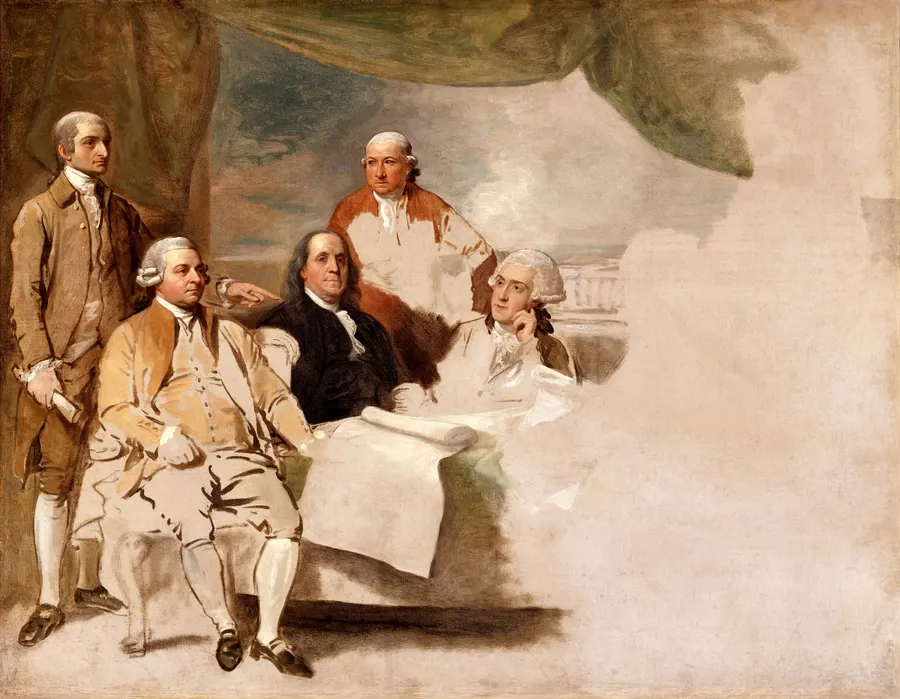
Benjamin West's unfinished painting of the American peace commissioners, 1783-84: John Jay, John Adams, Benjamin Franklin, Henry Laurens and William Temple Franklin.Benjamin West’s unfinished painting of the American peace commissioners, 1783-84: John Jay, John Adams, Benjamin Franklin, Henry Laurens and William Temple Franklin.Image: Benjamin West · Public domain
politics · Americas

Britain and the United States sign a preliminary peace

A year after the British surrender at Yorktown, the American commissioners John Adams, Benjamin Franklin, John Jay and Henry Laurens met Britain’s negotiator Richard Oswald in Paris. On 30 November 1782 they signed preliminary articles of peace. Britain recognised the thirteen United States as free, sovereign and independent, and agreed generous boundaries reaching west to the Mississippi, fishing rights off Newfoundland and the withdrawal of its troops. The articles became the core of the final Treaty of Paris, signed on 3 September 1783.

Source: The Avalon Project (Yale Law School): Preliminary articles of peace, 30 November 1782 ↗
1786
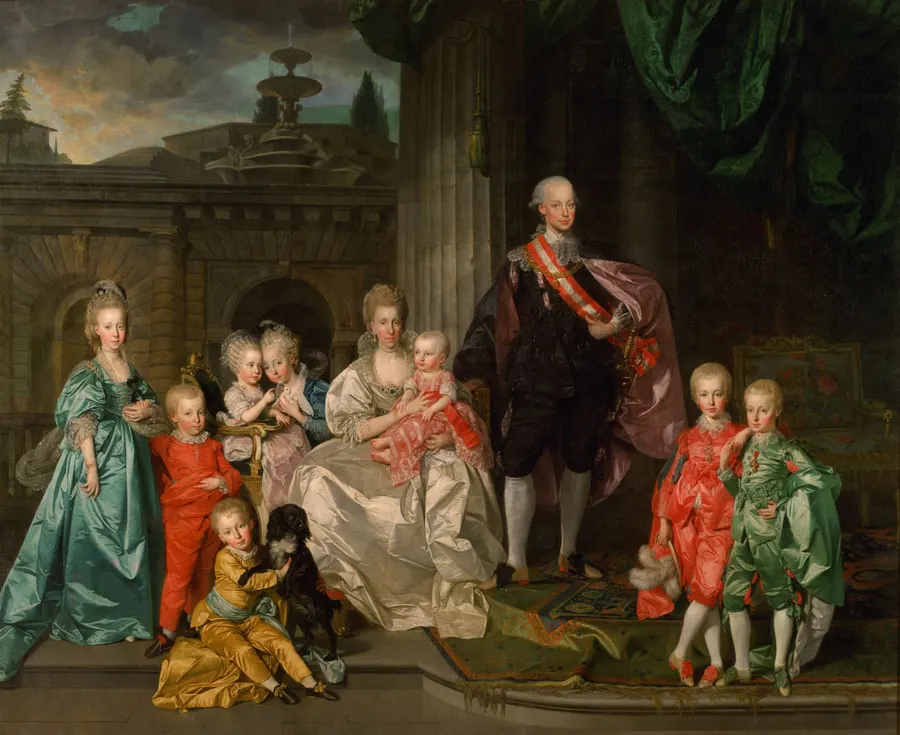
Grand Duke Pietro Leopoldo of Tuscany with his wife and eight of their children in the Palazzo Pitti, Florence, painted by Johann Zoffany in 1776.Grand Duke Pietro Leopoldo of Tuscany with his wife and eight of their children in the Palazzo Pitti, Florence, painted by Johann Zoffany in 1776.Image: Johann Zoffany · Public domain
politics · Europe

Tuscany abolishes the death penalty

Inspired by the Italian writer Cesare Beccaria, who argued that executions were neither just nor useful, Grand Duke Pietro Leopoldo of Tuscany had already stopped putting anyone to death after 1769. On 30 November 1786 his new penal code abolished capital punishment altogether, making the Grand Duchy of Tuscany the first modern state to do so. The code stayed in force until Tuscany became part of a united Italy in 1860.

Source: Italian Ministry of Foreign Affairs, submission to the UN Human Rights Council on the death penalty ↗
IV
THE NINETEENTH CENTURY

The 1800s

Industry, empire, invention, reform and a century of enormous transformation.

1853
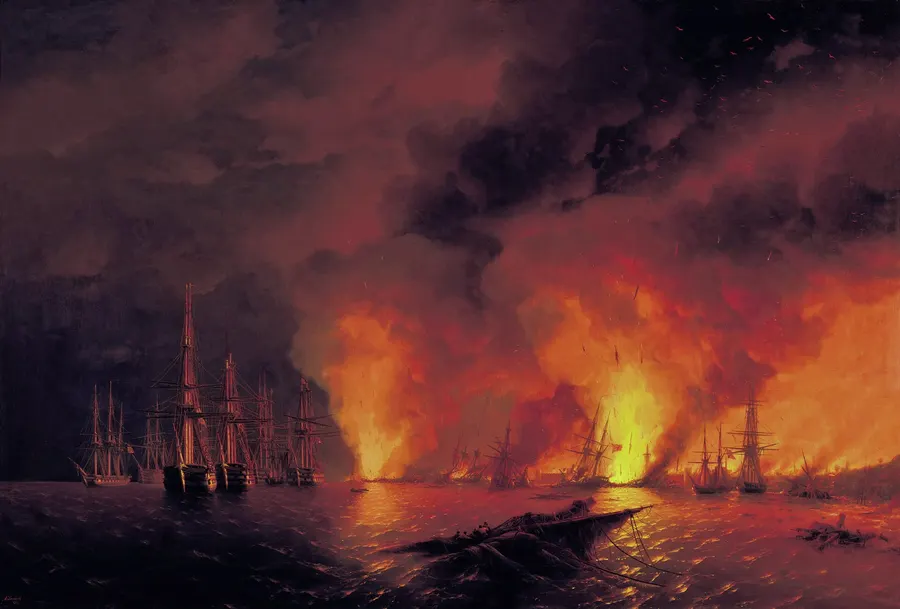
The night after the battle of Sinop, painted by Ivan Aivazovsky in 1853.The night after the battle of Sinop, painted by Ivan Aivazovsky in 1853.Image: Ivan Aivazovsky · Public domain
world · Asia

The Russian navy destroys the Ottoman fleet at Sinop

Weeks after war broke out between Russia and the Ottoman Empire, a Russian squadron under Admiral Pavel Nakhimov attacked the Ottoman ships anchored at Sinop on the Black Sea coast of Anatolia on 30 November 1853 and destroyed almost all of them with explosive shells. The one-sided victory alarmed Britain and France, which entered the Crimean War against Russia the following spring.

Source: Encyclopaedia Britannica: Battle of Sinope ↗
1872
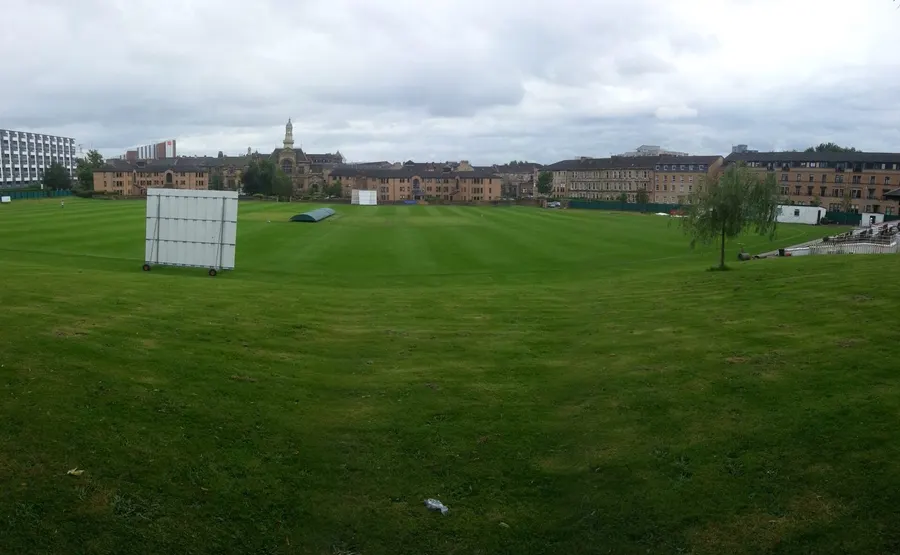
The cricket ground at Hamilton Crescent in Partick, Glasgow, where the match was played, in 2017.The cricket ground at Hamilton Crescent in Partick, Glasgow, where the match was played, in 2017.Image: Famous2005 · CC BY-SA 4.0
sport · Europe

Scotland and England play the first football international

On St Andrew’s Day, 30 November 1872, Scotland played England at the West of Scotland Cricket Club’s ground at Hamilton Crescent in Partick, Glasgow. FIFA recognises it as the first official international football match. All eleven Scottish players came from the Queen’s Park club, while England’s were drawn from eight clubs. Between 2,500 and 4,000 people watched a goalless draw.

Source: Scottish Football Museum: Scotland v England, the world’s first football international fixture ↗
V
THE TWENTIETH CENTURY

The 1900s

War and peace, technological leaps, social change, politics, sport and popular culture.

1936
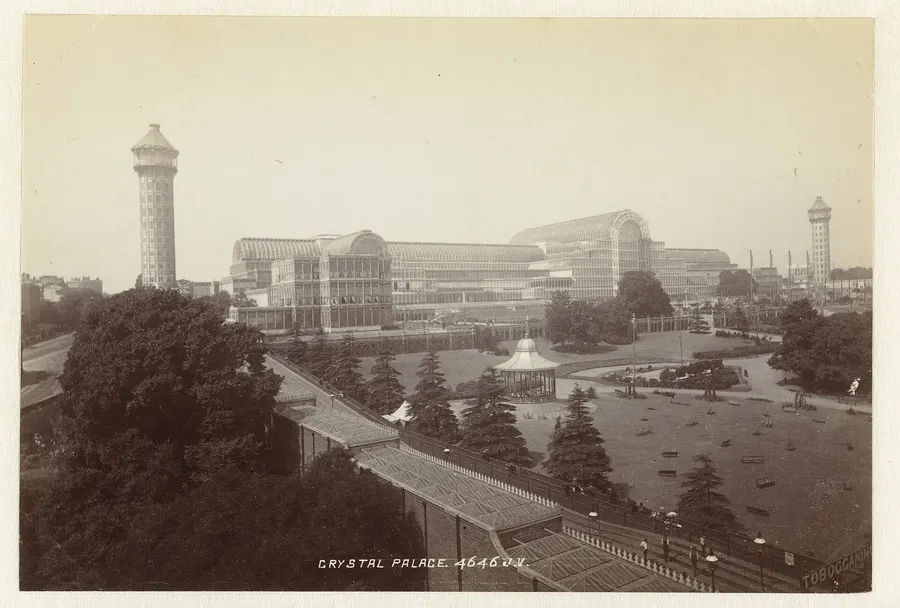
The Crystal Palace at Sydenham, photographed by James Valentine between 1870 and 1900.The Crystal Palace at Sydenham, photographed by James Valentine between 1870 and 1900.Image: Rijksmuseum · CC0
culture · Europe

The Crystal Palace burns down

Built of iron and glass for the Great Exhibition of 1851 in Hyde Park, the Crystal Palace was moved to Sydenham in south London, where for eighty years it housed concerts, exhibitions and shows. On the evening of 30 November 1936 a small fire broke out inside. Fanned by wind, it spread so fast that 88 fire engines could not save the building, and the glow was seen across London. By morning only the two water towers were standing; the cause was never established.

Source: London Fire Brigade Museum: The Crystal Palace fire ↗
1939
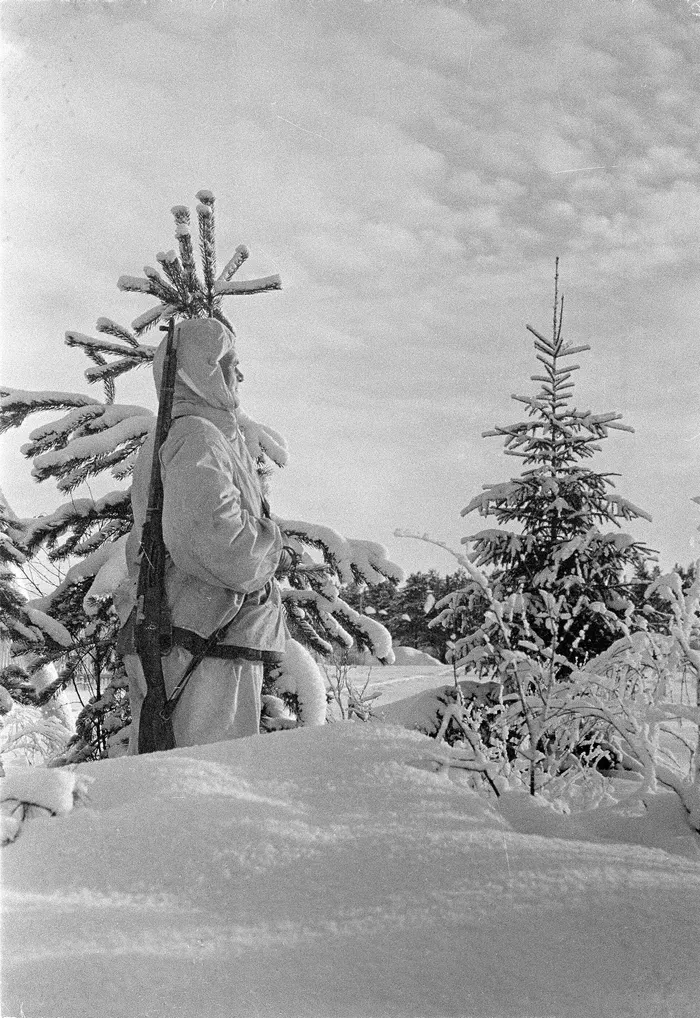
A Finnish soldier on guard in the snow near Kemijärvi, February 1940.A Finnish soldier on guard in the snow near Kemijärvi, February 1940.Image: Finnish Wartime Photograph Archive (sa-kuva.fi) · CC0
world · Europe

The Soviet Union invades Finland

After Finland refused Soviet demands to move its border away from Leningrad and hand over bases, the Red Army crossed the frontier at several points on 30 November 1939, and Soviet aircraft bombed Helsinki. The Winter War had begun. Heavily outnumbered, the Finns fought on skis through a bitter winter and held back far larger forces for three months. Under the Treaty of Moscow of March 1940 Finland kept its independence but gave up about a tenth of its territory.

Source: Imperial War Museums: A short history of the Winter War ↗
1954
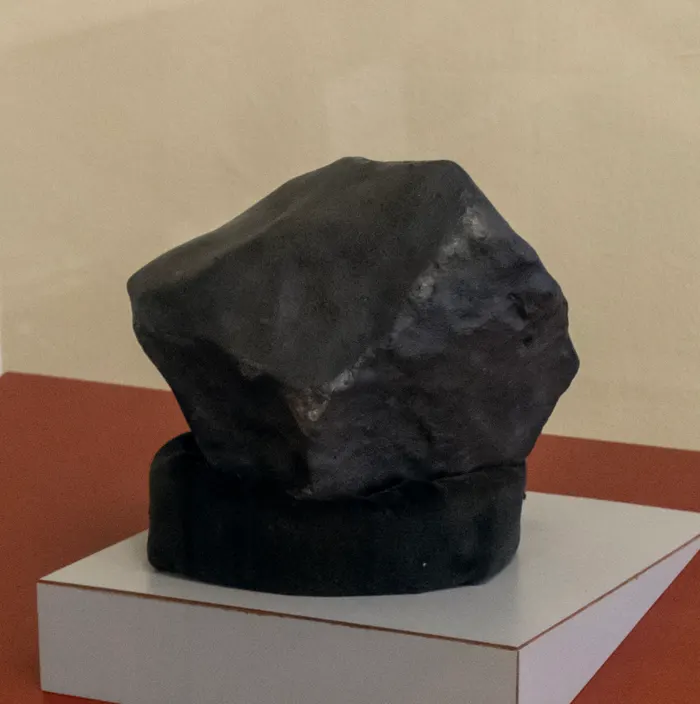
The Hodges meteorite on display at the Alabama Museum of Natural History, 2024.The Hodges meteorite on display at the Alabama Museum of Natural History, 2024.Image: Kai NeSmith · CC BY 4.0
science · Americas

A meteorite hits a woman in her home in Alabama

Early in the afternoon of 30 November 1954, Ann Hodges was resting on her sofa near Sylacauga, Alabama, when a meteorite of about four kilograms crashed through the roof, bounced off a radio and struck her on the hip. She was badly bruised but not seriously hurt, and she is the first person known for certain to have been injured by a meteorite. The stone is now in the Alabama Museum of Natural History in Tuscaloosa.

Source: Encyclopedia of Alabama: Hodges meteorite strike (Sylacauga aerolite) ↗
1966
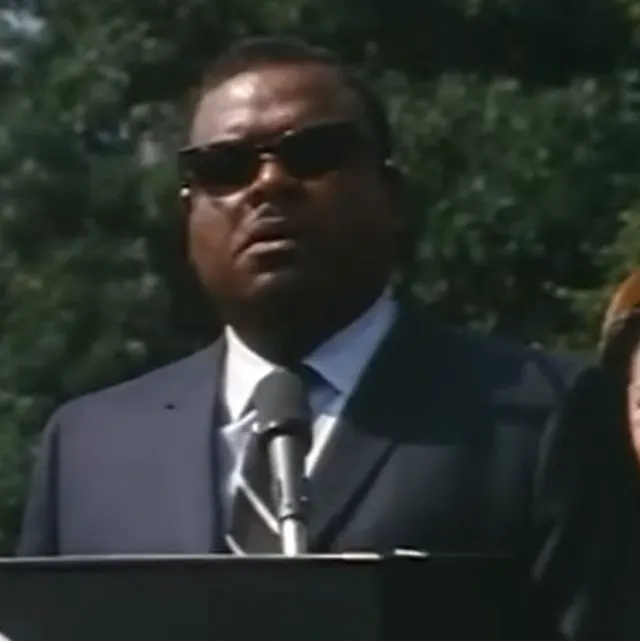
Errol Barrow, Barbados's first prime minister, in 1968.Errol Barrow, Barbados’s first prime minister, in 1968.Image: White House Naval Photographic Unit. · CC BY 3.0
politics · Americas

Barbados becomes independent

Barbados, a Caribbean island settled by the English in 1627 and long worked by enslaved Africans on sugar plantations, became an independent country within the Commonwealth on 30 November 1966, led by Prime Minister Errol Barrow. Exactly 55 years later, on 30 November 2021, it became a republic, replacing the British monarch as head of state with its own president, Dame Sandra Mason.

Source: Encyclopaedia Britannica: Barbados since independence ↗
1967
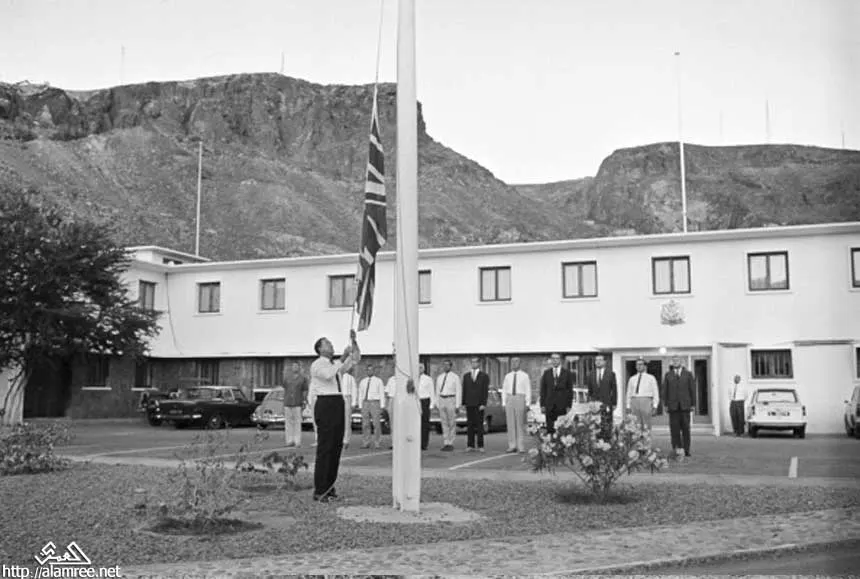
The British flag is lowered in Aden at the end of 128 years of British rule, November 1967.The British flag is lowered in Aden at the end of 128 years of British rule, November 1967.Image: Unknown authorUnknown author · Public domain
politics · Asia

South Yemen becomes independent

Britain had held the port of Aden since 1839. After four years of armed rebellion, the last British troops left on 29 November 1967, and the next day, 30 November, the National Liberation Front took power in the independent People’s Republic of South Yemen. It became a Marxist state, was renamed the People’s Democratic Republic of Yemen in 1970, and united with North Yemen in 1990.

Source: National Army Museum: Aden Emergency ↗
WHY THESE MOMENTS?

Significance before volume

This page is not the longest possible list of events. It is a chronological journey through 30 November, where each entry is chosen for historical significance, human interest and reliability.

Facts are checked against authoritative museums, archives, universities and reference works. Where sources disagree, the page says so.

EXPLORED THE DEEPER STORY?

Return to the highlights of 30 November

Discover the lighter side of the date with famous birthdays, culture, firsts and lives remembered.

Explore This Day →
← PREVIOUS DAY29 November
HISTORY & TIMELINE30 November
NEXT DAY →1 December