
1521
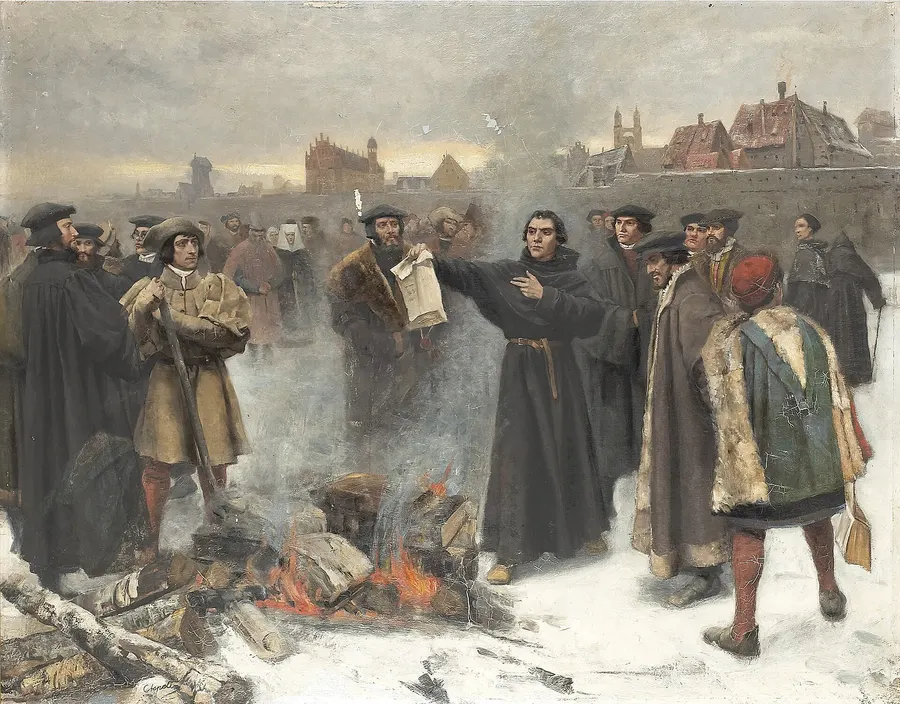 Luther burns the papal bull that threatened him with excommunication, in a painting by Karl Aspelin, 1885.Image: Karl Aspelin · Public domain
culture · Europe
The Pope excommunicates Martin Luther
In 1520 Pope Leo X gave Martin Luther sixty days to take back forty-one of his teachings or be cast out of the Church. Luther’s answer, in December, was to burn the papal bull in public at Wittenberg, together with books of Church law. On 3 January 1521 the Pope issued a new bull, Decet Romanum Pontificem, declaring Luther and his followers excommunicated. Months later, at the Diet of Worms, Luther again refused to recant and was declared an outlaw of the Empire. The break could no longer be mended, and the Protestant Reformation went its own way.
Source: Encyclopaedia Britannica: Decet Romanum Pontificem ↗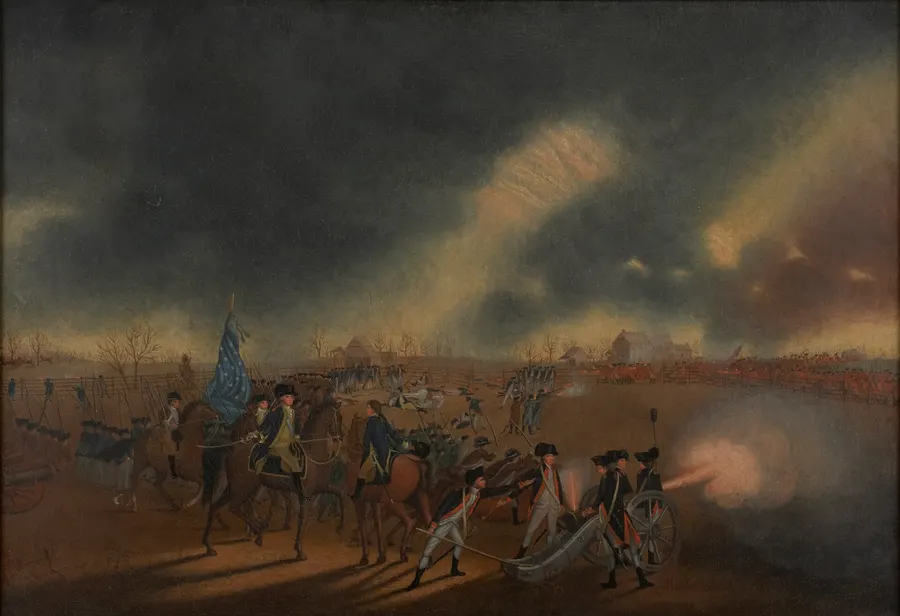 The Battle of Princeton, painted by James Peale about 1782.Image:
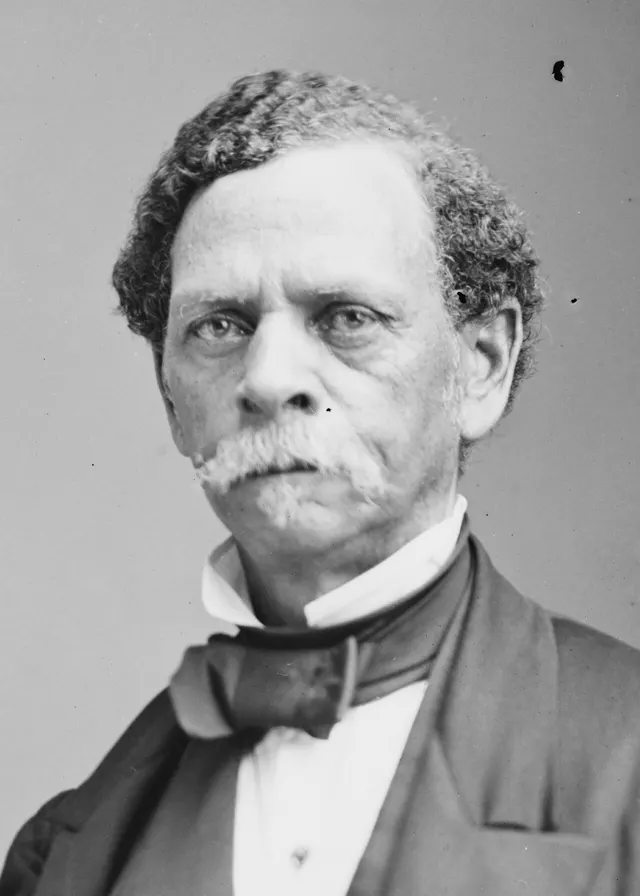 Joseph Jenkins Roberts, first president of Liberia, about 1851.Image:
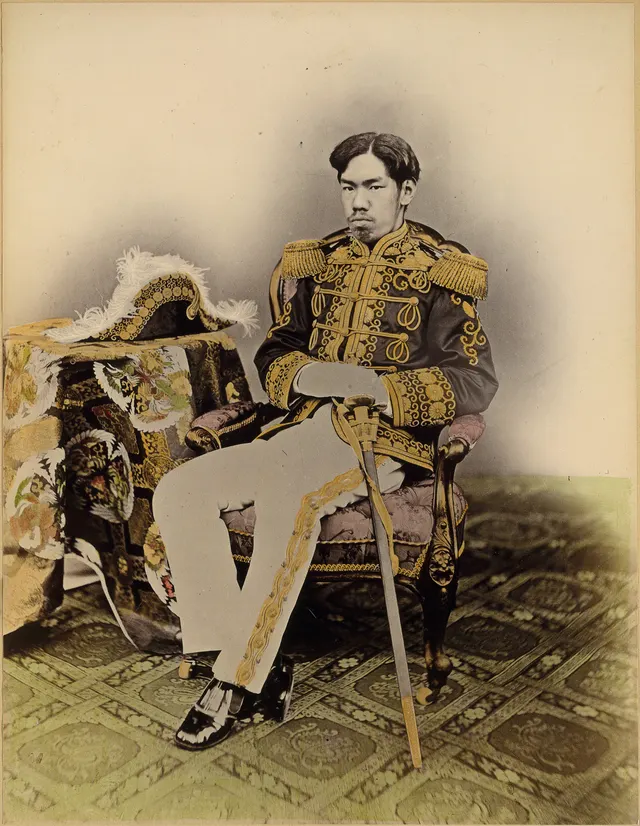 The young Emperor Meiji, photographed by Uchida Kuichi in 1873.Image:
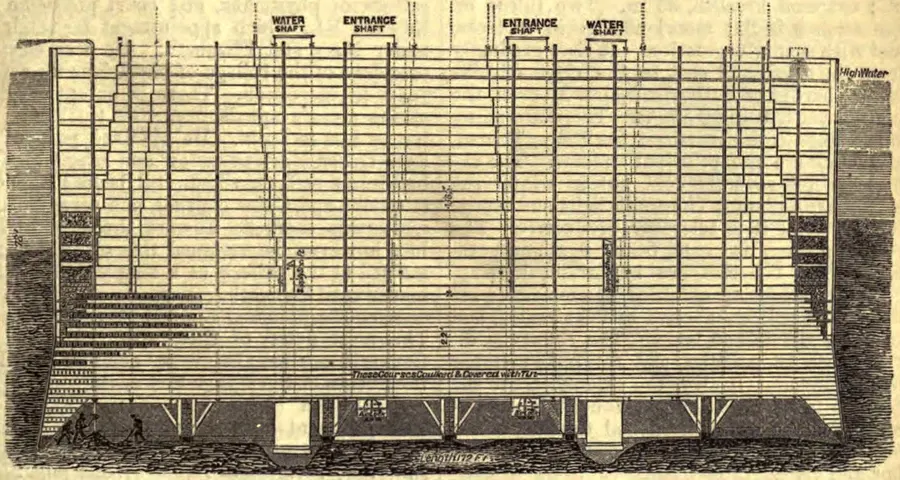 A drawing of one of the great timber caissons used by Washington Roebling to build the Brooklyn Bridge, published in 1879.Image:
 Friedrich Nietzsche, photographed in the 1870s.Image:
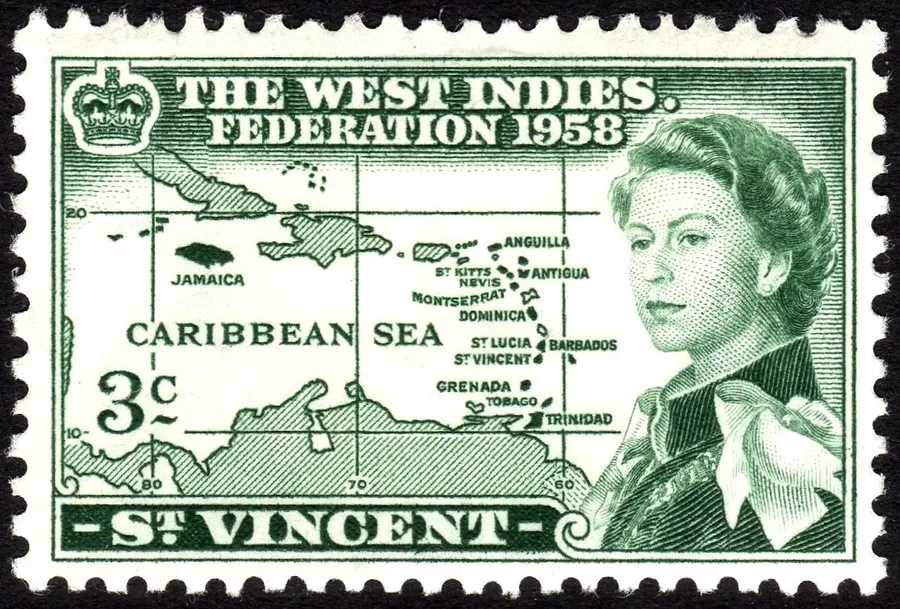 A 1958 St Vincent stamp marking the West Indies Federation, with a map of its islands.Image:
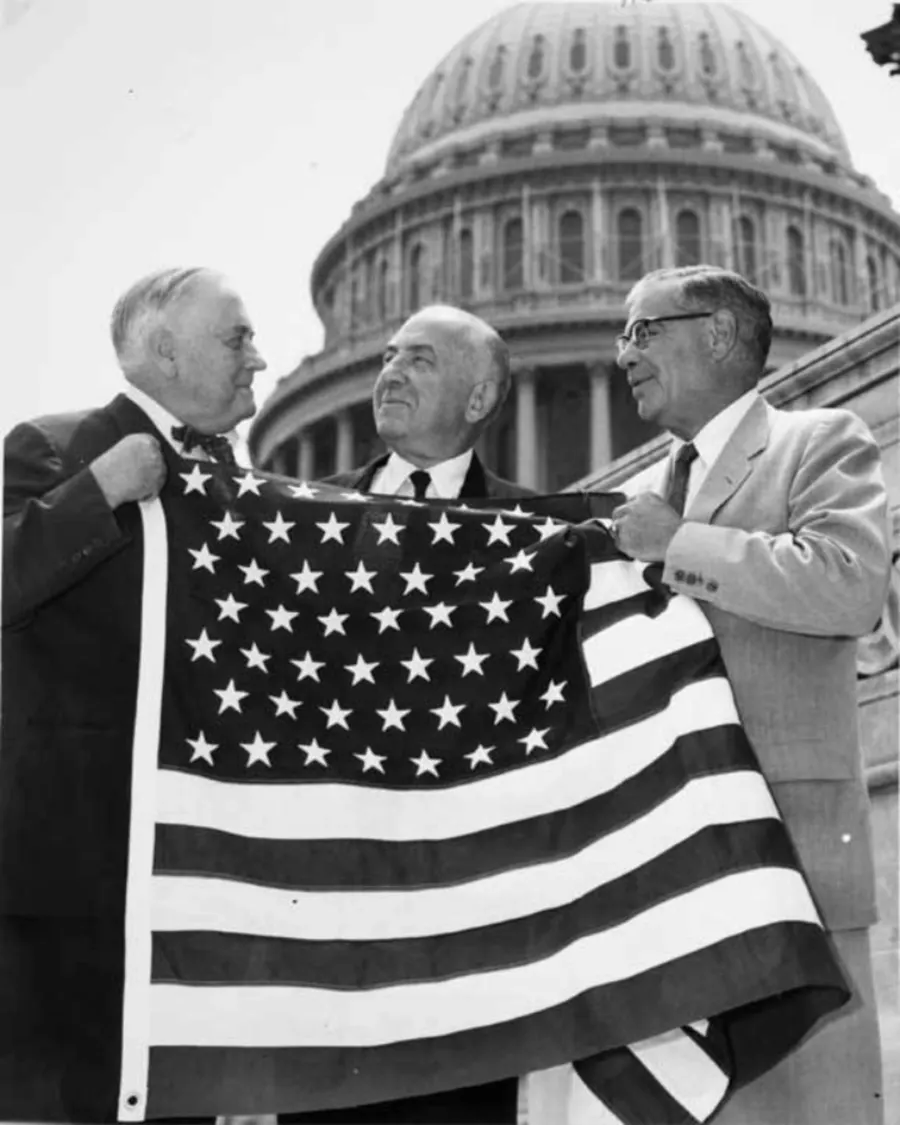 Alaska’s senators hold up a 49-star flag in front of the US Capitol, late 1958 or early 1959.Image:
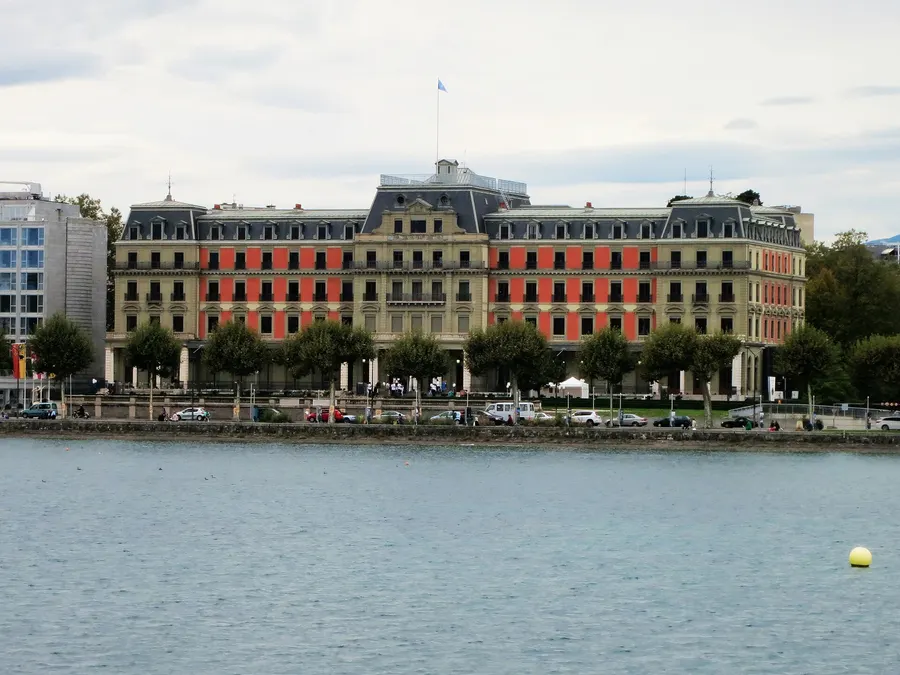 The Palais Wilson in Geneva, home of the UN human rights office.Image:
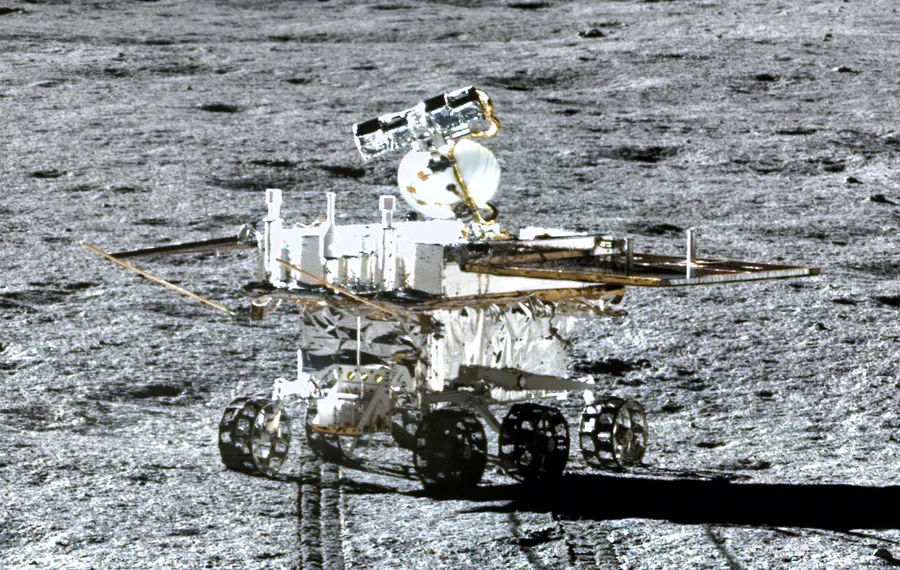 China’s Yutu-2 rover on the far side of the Moon, in an image processed from Chang’e 4 mission data.Image: