
1849
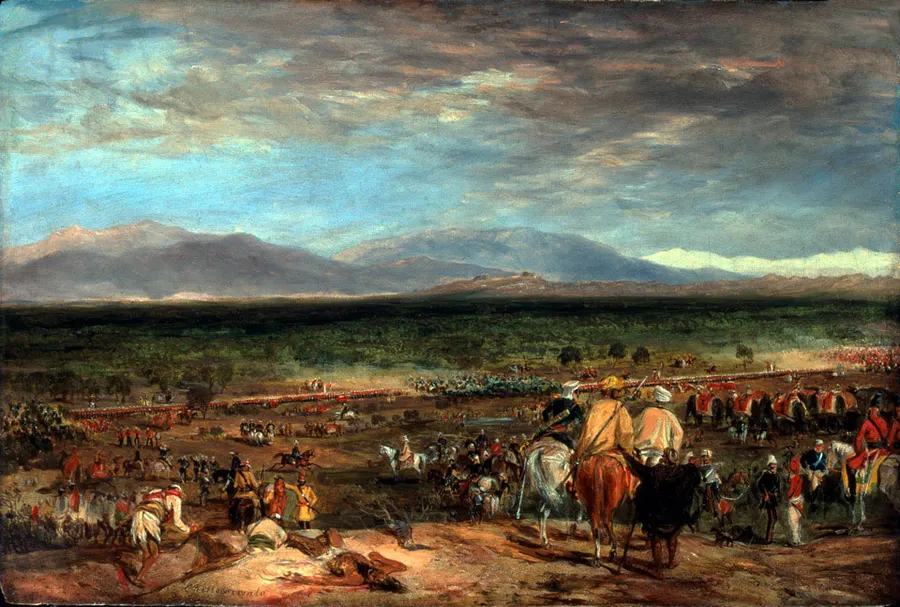 The Battle of Chillianwala, painted in 1849 by Lieutenant Charles Becher Young of the Bengal Engineers (National Army Museum).Image: Lieutenant (later Colonel) Charles Becher Young (1816-1892) · Public domain
world · Asia
British and Sikh armies clash at Chillianwala
After the death of Maharaja Ranjit Singh in 1839 his Sikh empire in the Punjab weakened, and the British East India Company fought two wars against it. In the second, which began in 1848, the Company’s commander, Lord Gough, marched against the Sikh army of Sher Singh on the River Jhelum. On 13 January 1849, near the village of Chillianwala, Gough launched a frontal attack through thick scrub that hid the Sikh guns. The fighting was fierce and costly: the British lost about 2,300 men killed and wounded, and at nightfall the Sikhs withdrew with captured colours and many of the guns. Both sides claimed victory. Five weeks later the British won at Gujrat, and the Punjab was annexed.
Source: National Army Museum: Second Sikh War ↗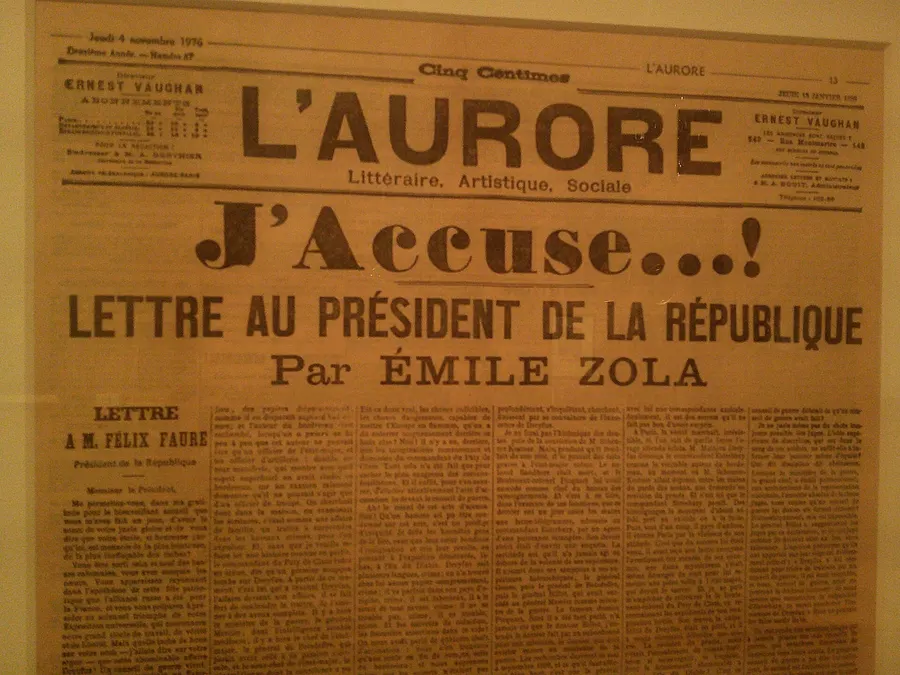 The front page of L’Aurore carrying Émile Zola’s open letter J’accuse…!, 1898.Image:
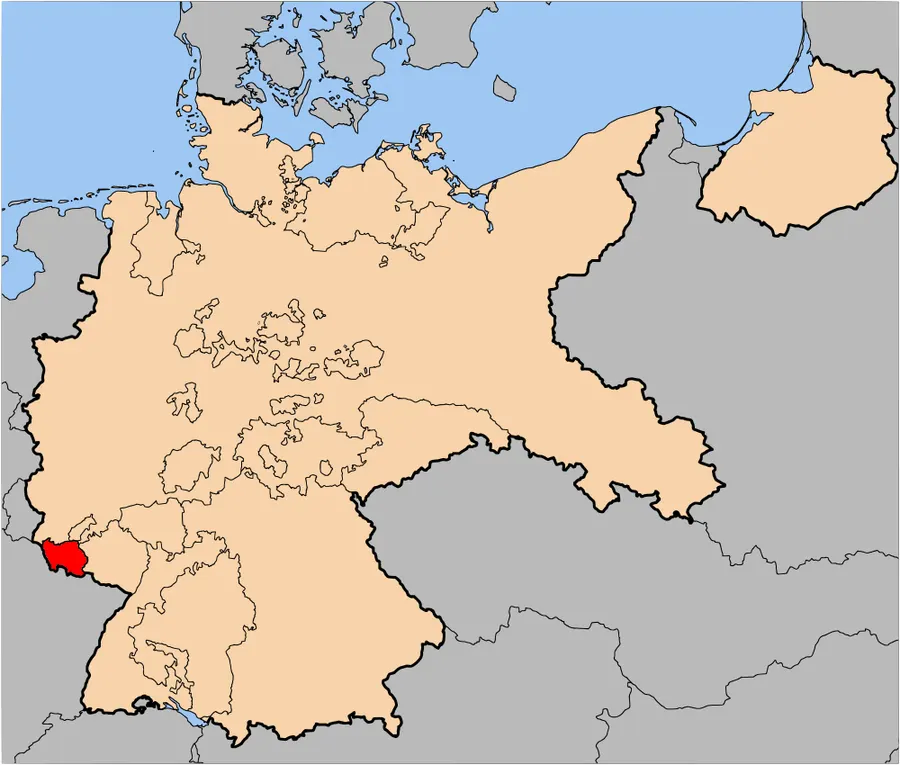 A map showing the Saar territory (red) on Germany’s western border.Image:
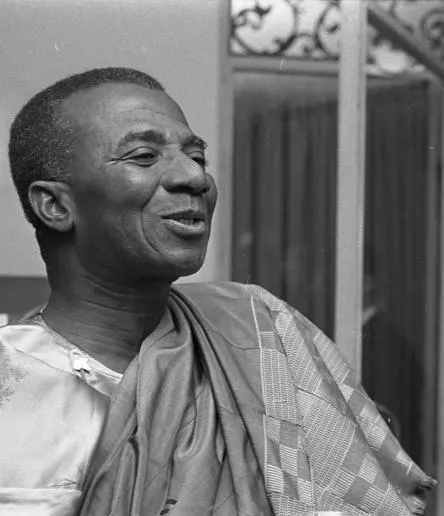 Sylvanus Olympio, President of Togo, on a visit to Munich.Image:
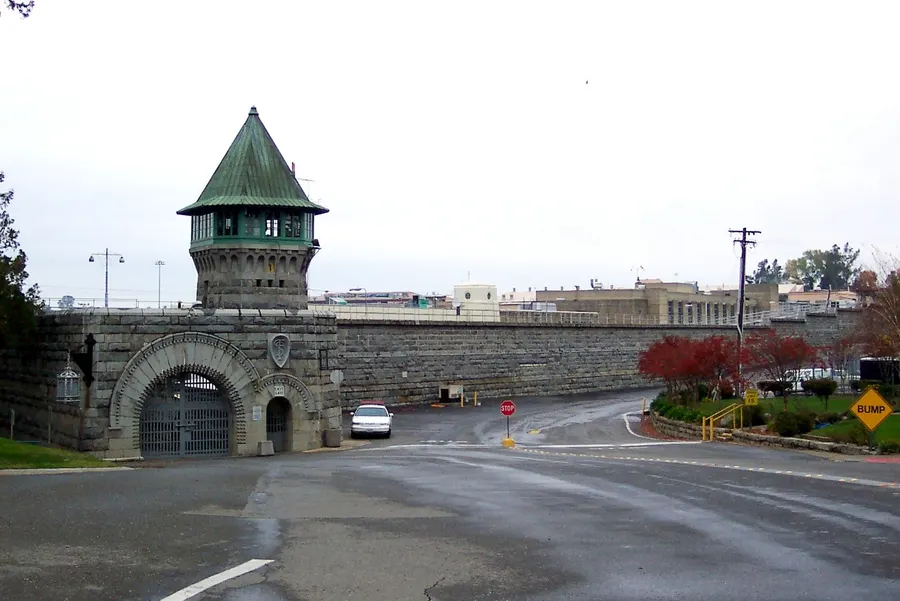 The entrance to Folsom State Prison, California.Image:
 The Virginia State Capitol in Richmond, where Wilder took the oath of office.Image:
 The memorial to the victims of 13 January 1991 beside the Vilnius television tower.Image:
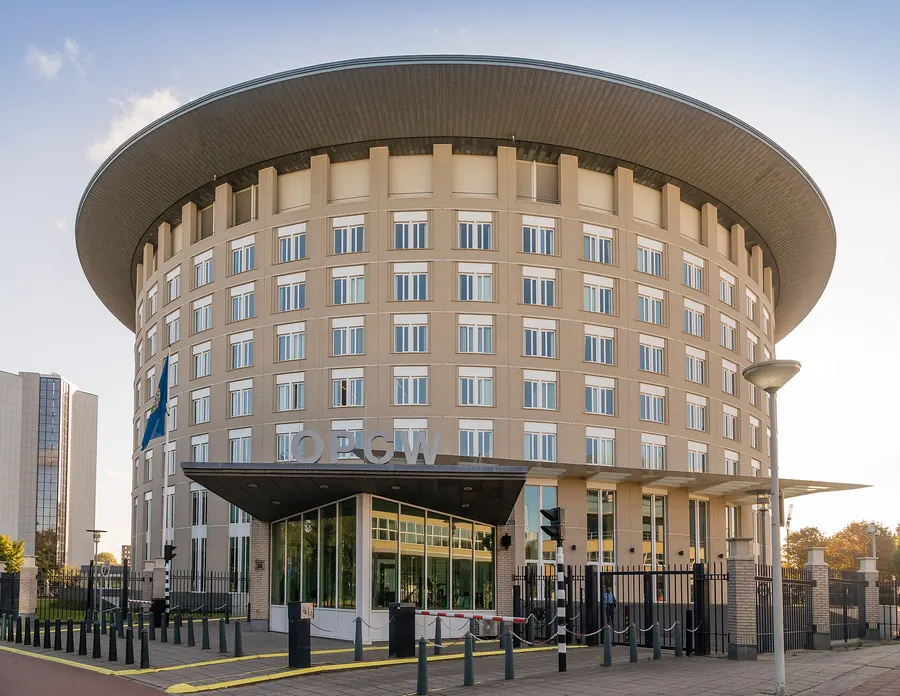 The headquarters of the Organisation for the Prohibition of Chemical Weapons in The Hague, photographed in 2017.Image: