
1848
 A satirical print of about 1850: Sicily, shown as a woman, turns away the Neapolitan government at the start of the 1848 revolt.Image: Michelangelo Pinto · Public domain
politics · Europe
Palermo rises and Europe’s year of revolutions begins
In the 1840s Sicily was ruled from Naples by the Bourbon king Ferdinand II, and many Sicilians resented both his absolute rule and the loss of their island’s old independence. Across Europe, bad harvests and hard times were feeding demands for constitutions and national freedom. On 12 January 1848 the people of Palermo rose against the royal garrison and, after days of fighting, drove it out. Within weeks Ferdinand had granted a constitution, and in February revolution broke out in Paris, then in Vienna, Berlin, Milan and beyond. Sicily declared its independence that April but was reconquered in 1849; most of the year’s revolutions were crushed, yet they changed European politics for good.
Source: Encyclopaedia Britannica: Italy, the revolutions of 1848 ↗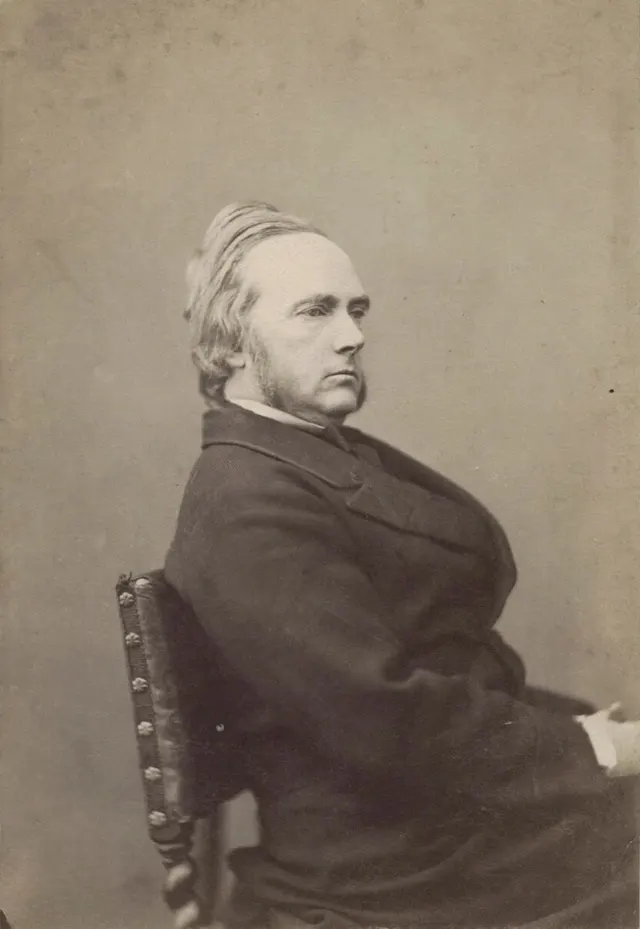 George Campbell, 8th Duke of Argyll, in a photograph by Herbert Rose Barraud from the early 1870s.Image:
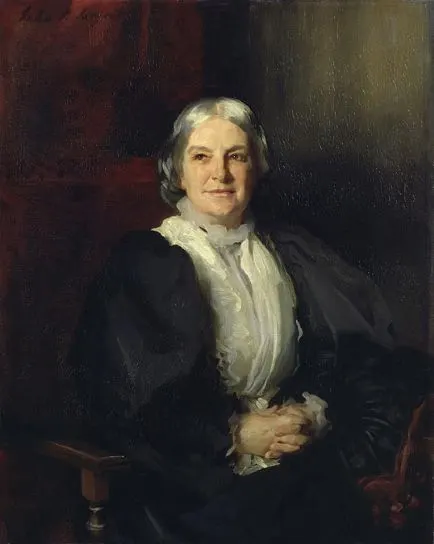 Octavia Hill, painted by John Singer Sargent in 1898.Image:
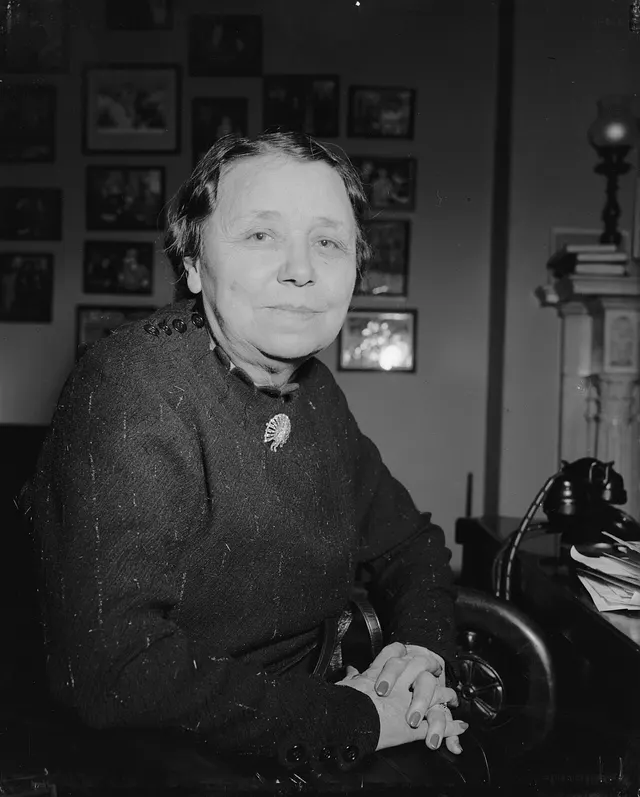 Senator Hattie Caraway in her office at the Capitol, 11 March 1940.Image:
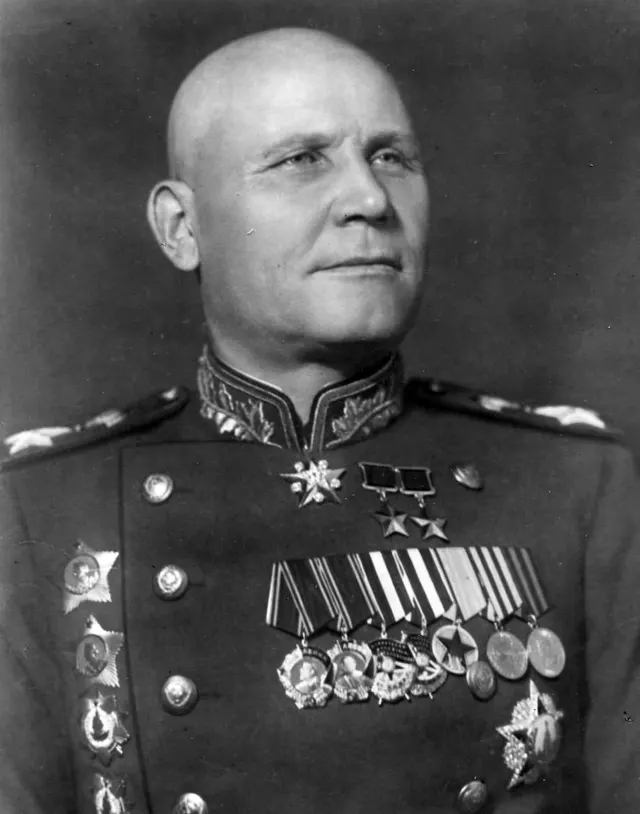 Marshal Ivan Konev, whose armies opened the offensive, photographed in 1945.Image:
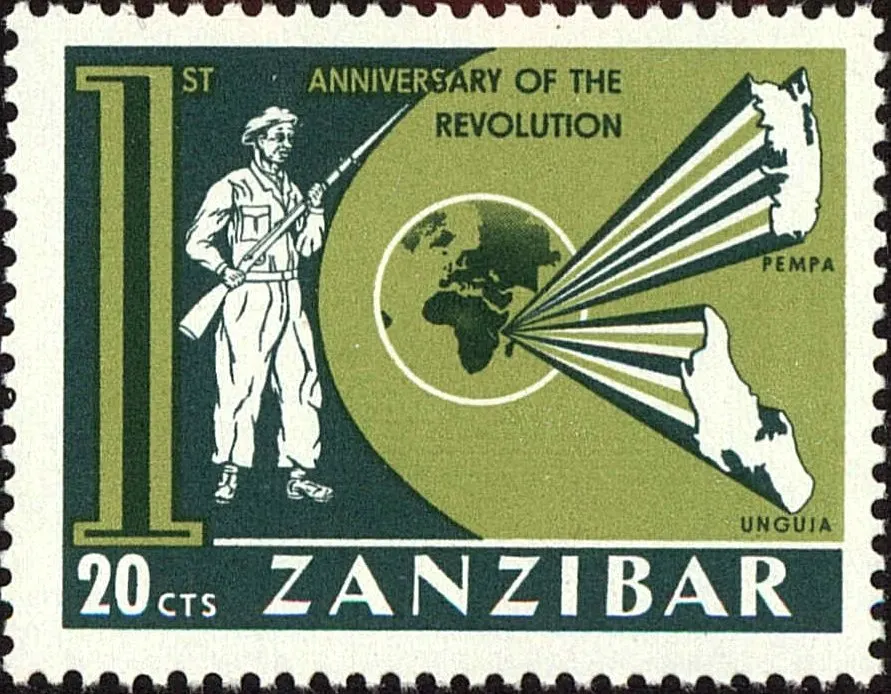 A Zanzibar stamp of 1965 marking the first anniversary of the revolution, with a soldier and a map of Unguja and Pemba.Image:
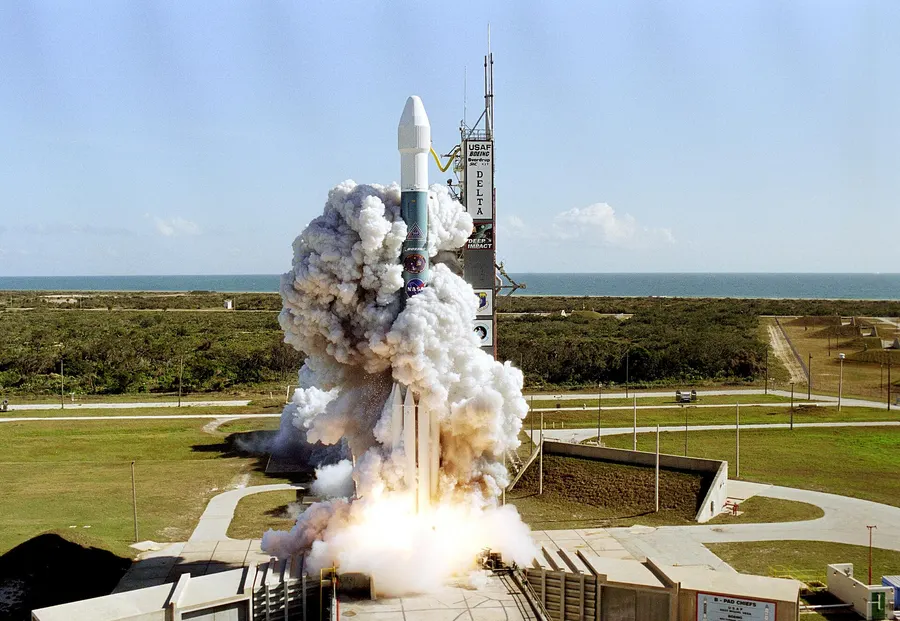 The Delta II rocket carrying NASA’s Deep Impact spacecraft lifts off from Cape Canaveral on 12 January 2005.Image:
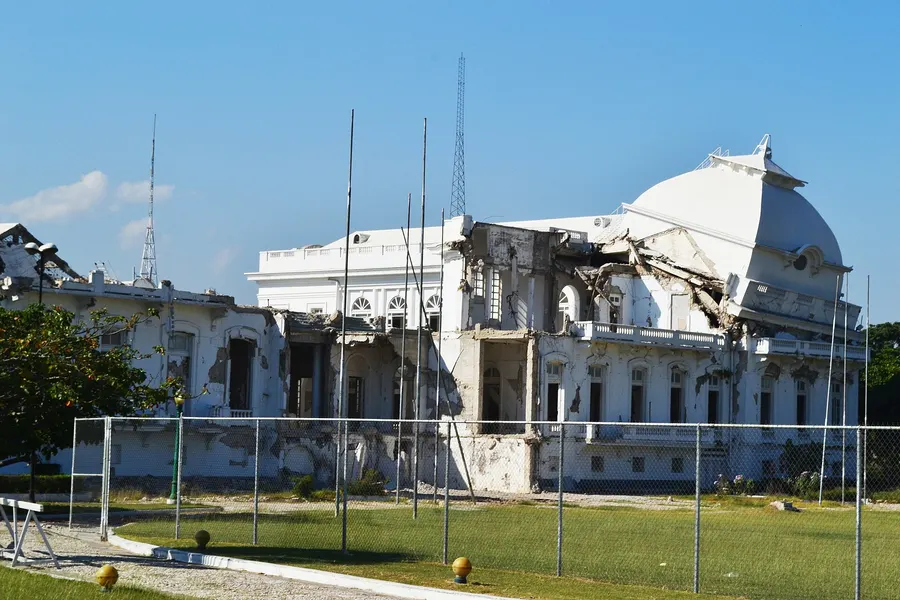 The ruins of Haiti’s National Palace in Port-au-Prince, photographed in January 2012, two years after the earthquake.Image: