
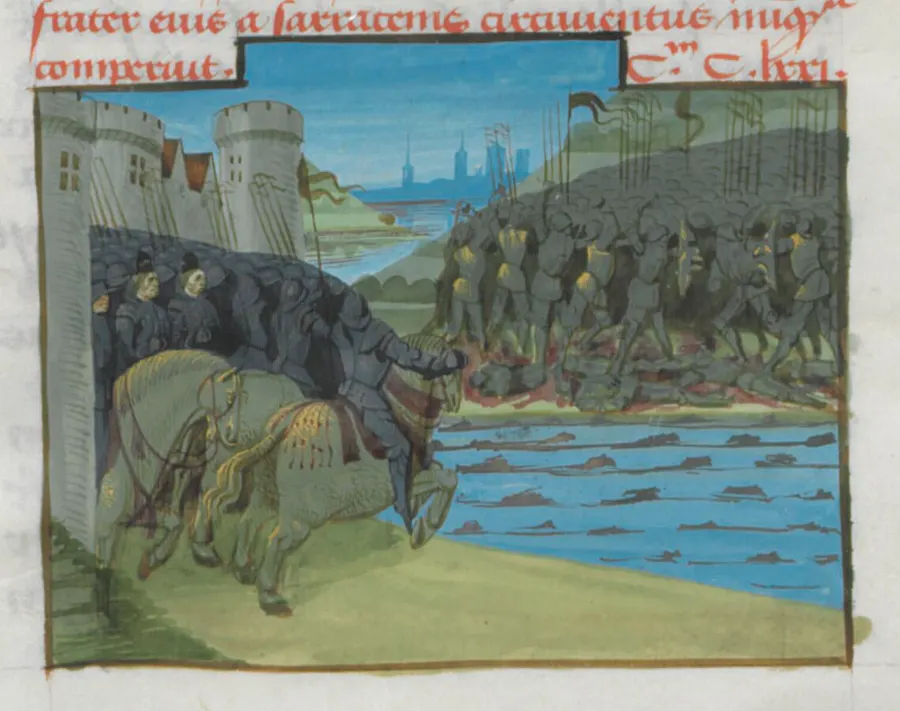
 The Battle of Mansurah in a fifteenth-century French manuscript (Bibliothèque nationale de France, Latin 4915).Image: Master of Jouvenel des Ursins · Public domain
Crusaders are trapped in the Egyptian town of Mansurah
In 1249 King Louis IX of France led the Seventh Crusade to Egypt, reasoning that Jerusalem could be won by first conquering the richest Muslim state. He took the port of Damietta and marched up the Nile towards Cairo, but his army was held up for weeks at a canal in front of the town of Mansurah. On 8 February 1250 the crusaders found a ford. The king’s brother Robert of Artois, leading the vanguard, overran the Egyptian camp and then, against advice, charged into the town, where he and most of his knights were cut down in the narrow streets. Louis held the field that day, but his army was worn down by attack and disease. In April he was captured and had to pay a huge ransom. In the same weeks the Mamluk soldiers who had won the fight seized power in Egypt.
Source: Encyclopaedia Britannica: Al-Mansurah ↗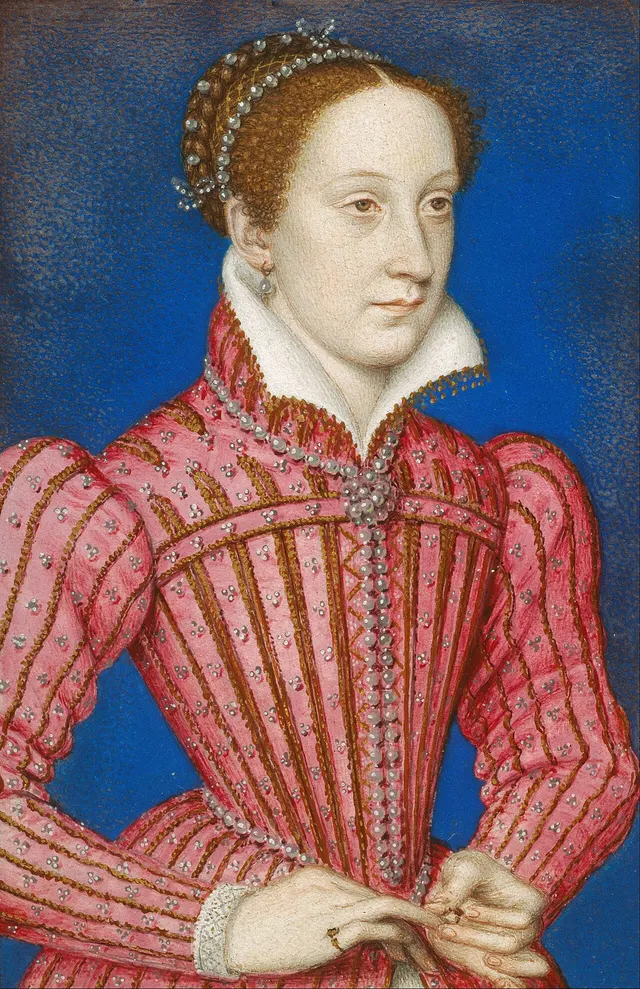 Mary, Queen of Scots, painted by François Clouet around 1558-60, when she was a young queen in France.Image:
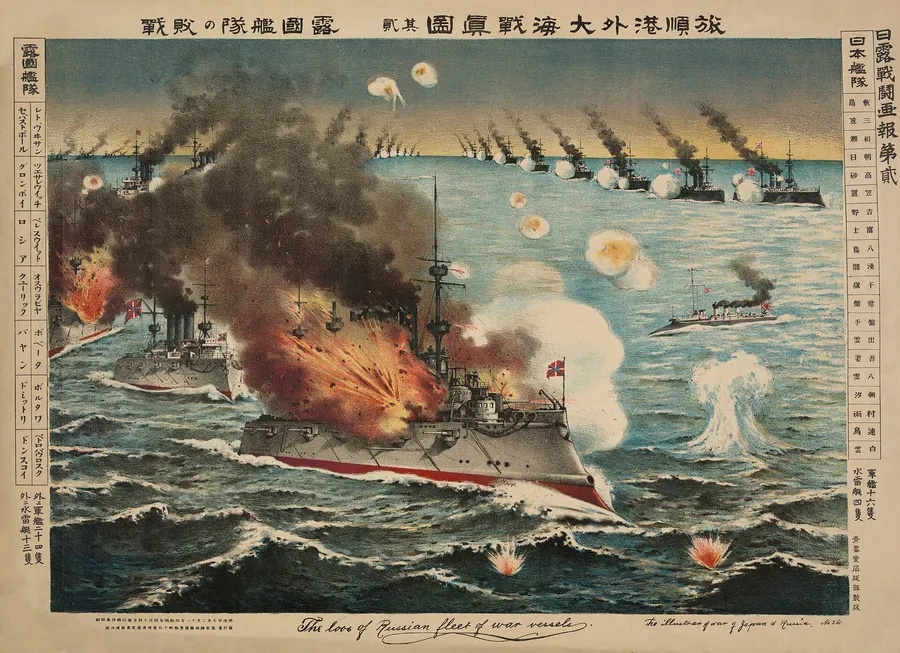 A Japanese print of 1904 by Kasai Torajirō showing Japanese battleships firing on the Russian fleet at Port Arthur.Image:
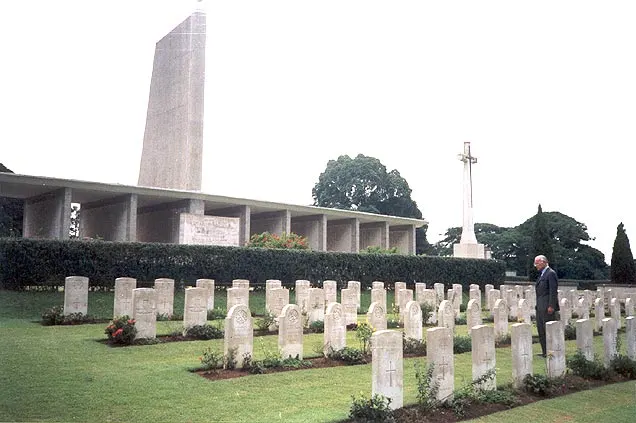 The war cemetery and memorial at Kranji, in the north of Singapore island.Image:
 The former Stasi headquarters in Berlin-Lichtenberg, which housed the office of the minister, Erich Mielke, now a museum and memorial.Image:
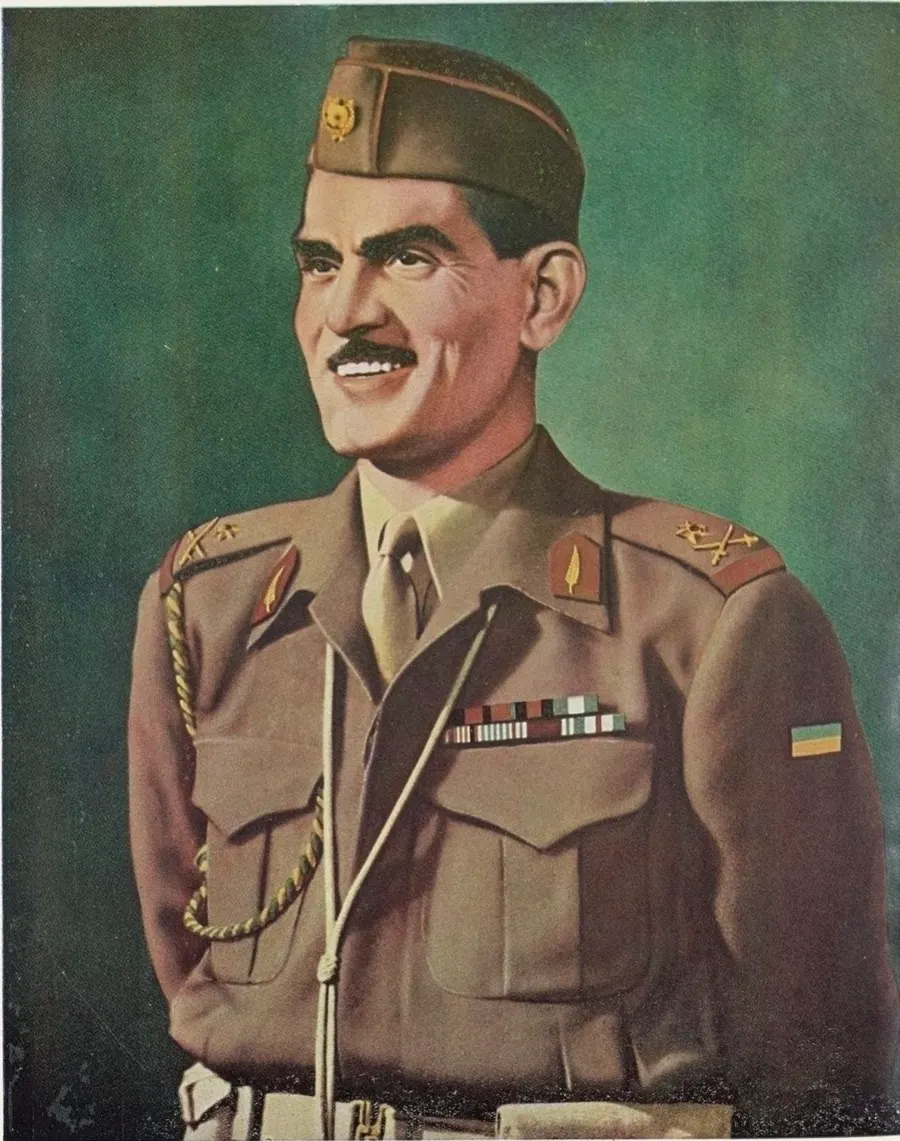 Abd al-Karim Qasim in a 1960 portrait issued by the Iraqi Ministry of Education.Image:
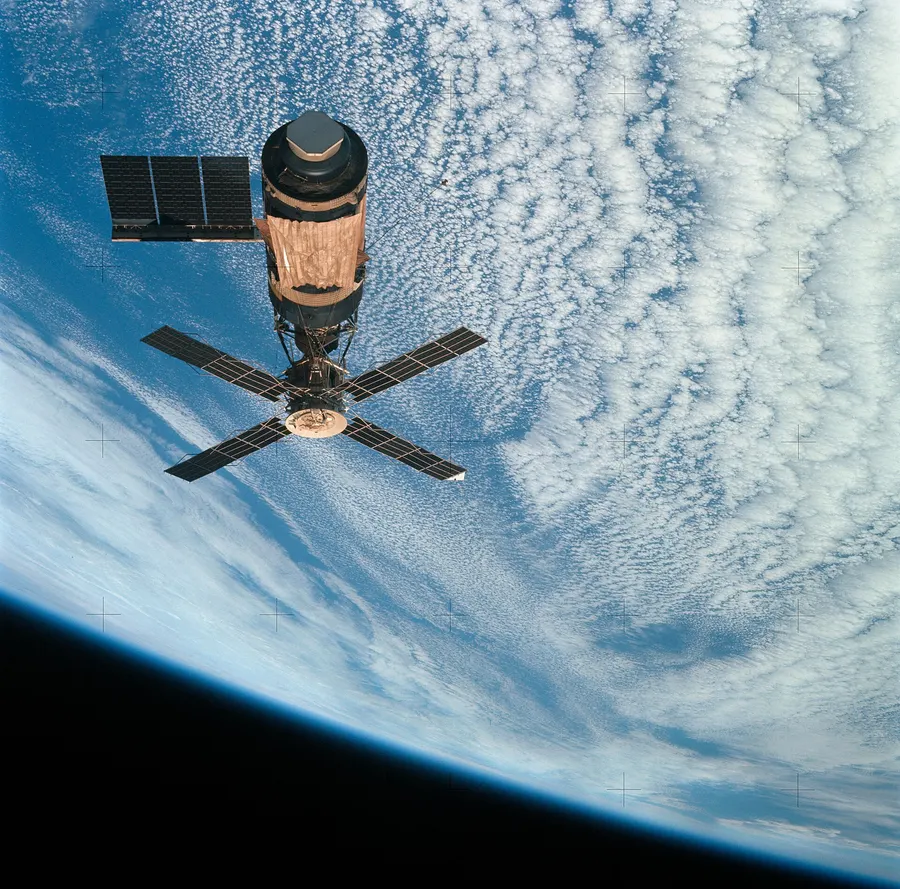 Skylab above a cloud-covered Earth, photographed by the departing Skylab 4 crew on 8 February 1974.Image:
 The Olympic cauldron of the 1992 Winter Games, preserved in Albertville, Savoie.Image: