
HISTORY & TIMELINE
14 February

A journey through
14 February in history

The fourteenth day of February has seen two Frankish kings swear an oath in two languages, Alexander Graham Bell file his telephone patent and Voyager 1 look back at Earth from six billion kilometres away. This timeline follows 14 February from the ninth century to the twenty-first.

II
THE MIDDLE AGES

Medieval History

Kingdoms, conflict, faith, power and the changing medieval world.

842
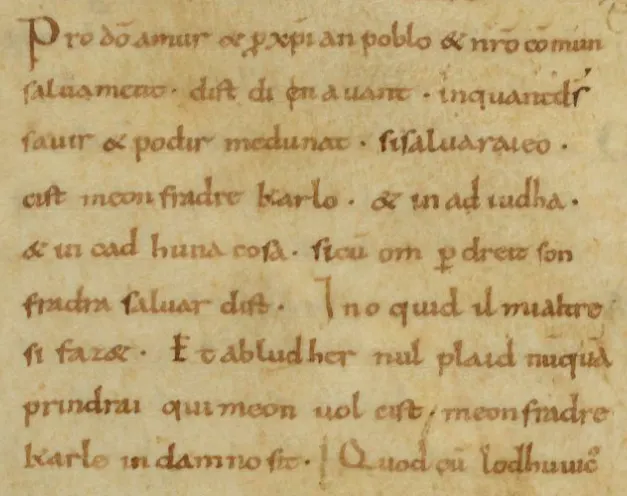
Louis the German's oath in early Romance, from a copy of Nithard's history (Bibliothèque nationale de France).Louis the German’s oath in early Romance, from a copy of Nithard’s history (Bibliothèque nationale de France).Image: Bibliothèque Nationale de France · CC0
politics · Europe

Two Frankish kings swear the Oaths of Strasbourg

After the death of Charlemagne’s son Louis the Pious, his sons fought over the empire. On 14 February 842 at Strasbourg, two of them, Charles the Bald and Louis the German, swore to stand together against their elder brother, Lothar. So that each other’s armies would understand, Louis swore in an early form of French and Charles in an early form of German, and their soldiers then swore in their own tongues. Recorded by the chronicler Nithard, the oaths are the oldest surviving text in a language recognisably French. A year later the Treaty of Verdun divided the empire.

Source: Encyclopaedia Britannica: Oath of Strasbourg ↗
III
A CHANGING WORLD

Early Modern Era

Exploration, political change, scientific development and expanding global connections.

1779
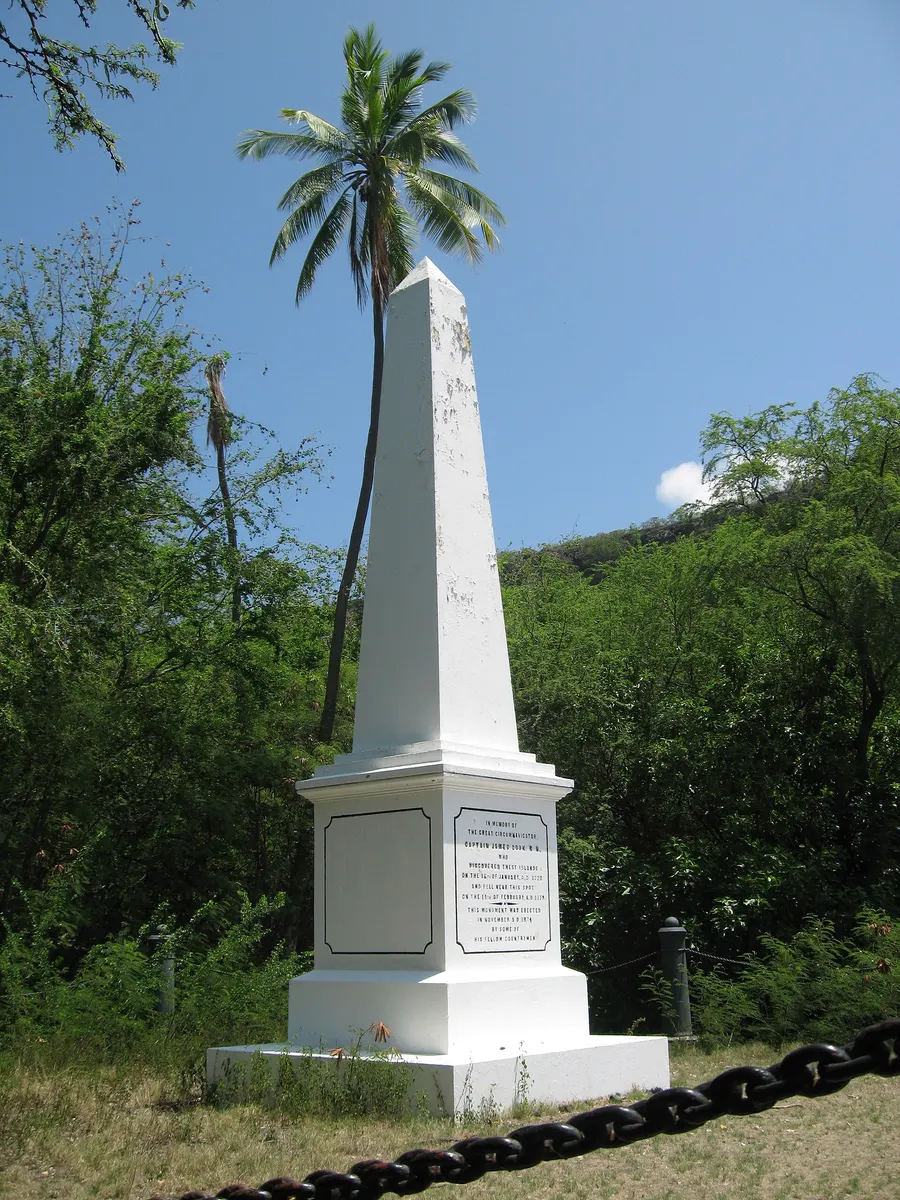
The monument to Captain Cook near the spot where he was killed at Kealakekua Bay, Hawaii.The monument to Captain Cook near the spot where he was killed at Kealakekua Bay, Hawaii.Image: Surfsupusa at en.wikipedia · Public domain
world · Oceania

Captain Cook is killed at Kealakekua Bay

On his third Pacific voyage, James Cook became the first European known to reach the Hawaiian Islands, in 1778. In January 1779 his ships Resolution and Discovery anchored at Kealakekua Bay on the island of Hawaiʻi, where they were received with great ceremony, and after a stay of some weeks they sailed away. A damaged mast forced them back, and relations with the islanders soured. When a boat was stolen from the Discovery on the night of 13 February, Cook went ashore the next morning to take the high chief Kalaniʻōpuʻu on board as a hostage until it was returned. A large crowd gathered, news came that a chief had been shot elsewhere in the bay, and in the fighting at the water’s edge on 14 February 1779 Cook and four marines were killed.

Source: Royal Museums Greenwich: Captain James Cook’s fatal third voyage ↗
IV
THE NINETEENTH CENTURY

The 1800s

Industry, empire, invention, reform and a century of enormous transformation.

1876
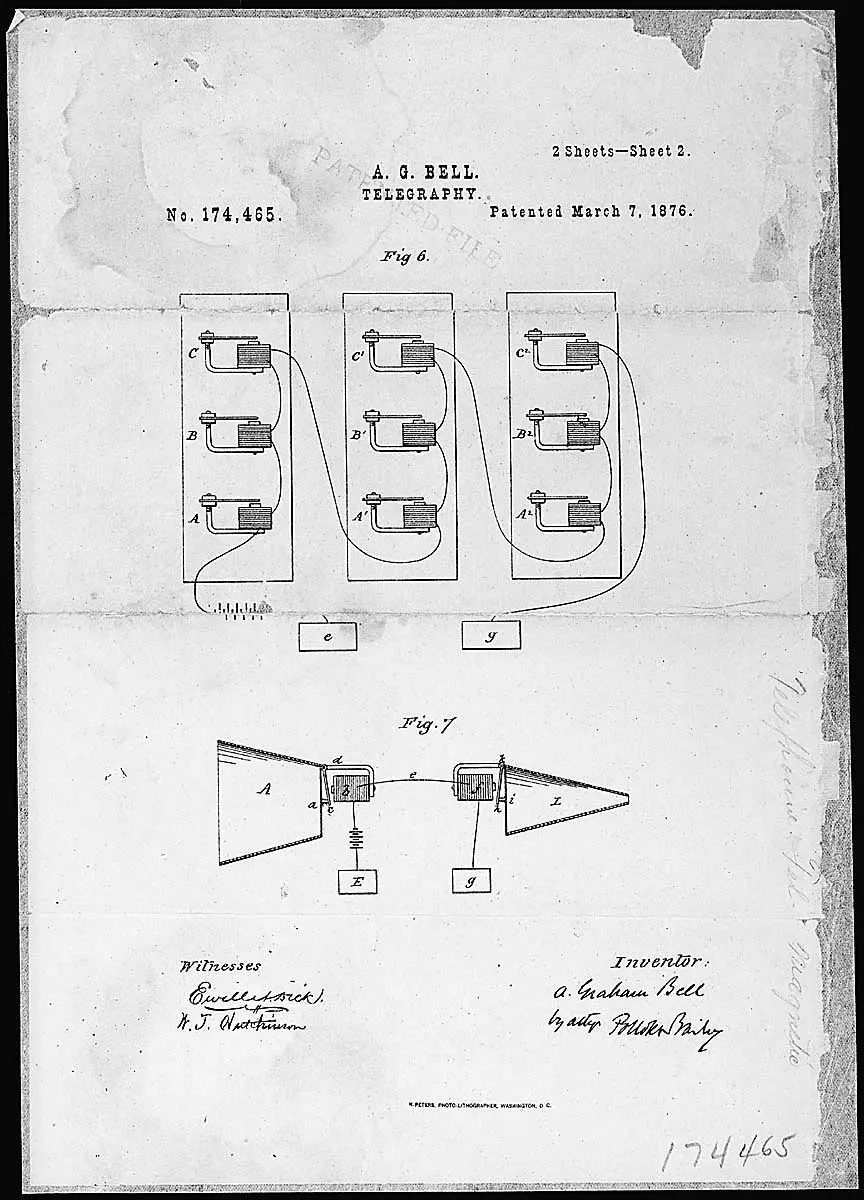
A drawing from Alexander Graham Bell's telephone patent of 1876 (US National Archives).A drawing from Alexander Graham Bell’s telephone patent of 1876 (US National Archives).Image: Alexander Graham Bell · Public domain
science · Americas

Alexander Graham Bell files his telephone patent

Alexander Graham Bell, a Scottish-born teacher of the deaf working in Boston, had spent years experimenting with sending several telegraph messages along one wire, and with sending the human voice. On 14 February 1876 his lawyer filed his application for a patent on ‘improvements in telegraphy’ at the US Patent Office in Washington. The same day, a few hours later, the inventor Elisha Gray filed a notice that he was working on a similar device. Bell’s patent was granted on 7 March, and three days later he spoke the first words over his telephone to his assistant, Thomas Watson. The rival claims led to years of court battles, which Bell won.

Source: Library of Congress: who is credited with inventing the telephone? ↗
1879
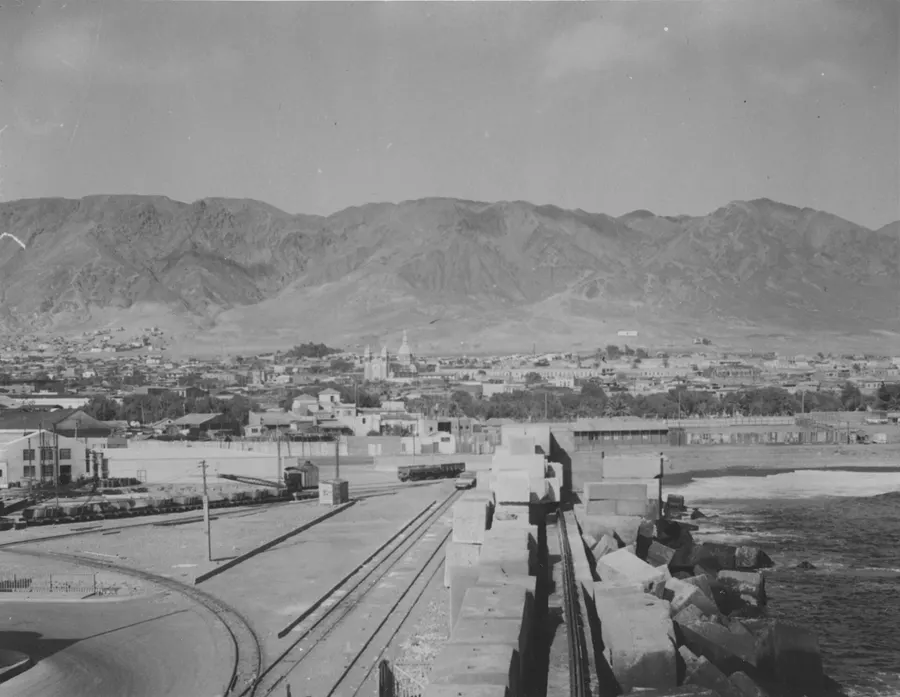
The docks at Antofagasta, Chile, in June 1941.The docks at Antofagasta, Chile, in June 1941.Image: Bureau of Public Roads · Public domain
world · Americas

Chile occupies Antofagasta and the War of the Pacific begins

The Atacama Desert, rich in nitrates prized for fertiliser and explosives, was divided between Bolivia and Peru, but much of its mining was run by Chilean capital and worked by Chileans. In 1878 Bolivia raised a tax on the Chilean-owned Antofagasta Nitrate Company, breaking a treaty of 1874, and when the company refused to pay, moved to seize its property. On 14 February 1879 Chilean troops landed and occupied the Bolivian port of Antofagasta. Bolivia declared war, Peru was drawn in under a secret alliance, and the War of the Pacific lasted until 1884. Chile won and took the whole coastal province from Bolivia, which has been landlocked ever since and still claims access to the sea.

Source: Encyclopaedia Britannica: War of the Pacific ↗
V
THE TWENTIETH CENTURY

The 1900s

War and peace, technological leaps, social change, politics, sport and popular culture.

1918
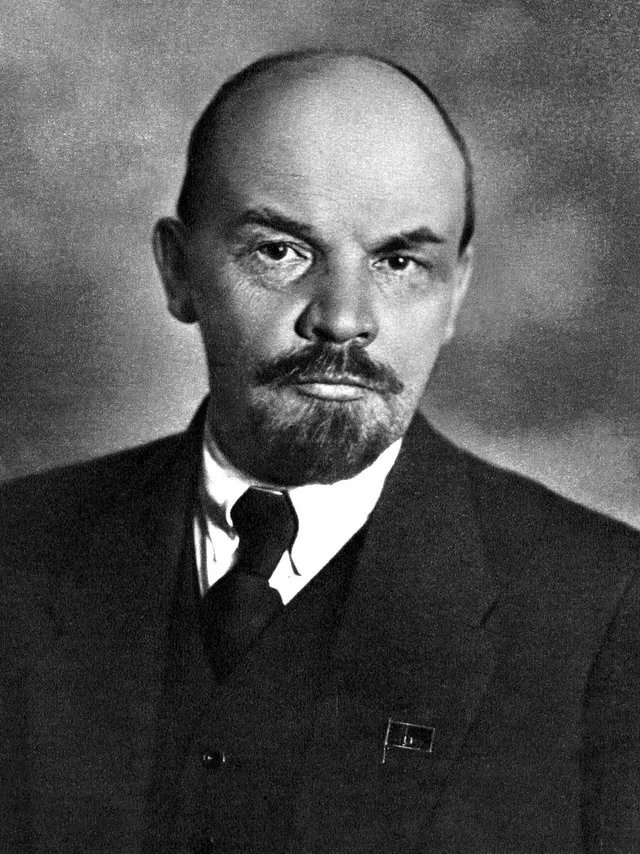
Vladimir Lenin, head of the Soviet government that decreed the change, photographed in 1920.Vladimir Lenin, head of the Soviet government that decreed the change, photographed in 1920.Image: Unknown, presumably official · Public domain
world · Europe

Russia skips thirteen days to join the Western calendar

Most of Europe had switched from the Julian calendar to the more accurate Gregorian calendar between 1582 and 1752, but Russia, guided by the Orthodox Church, kept the old one. By the twentieth century it was thirteen days behind the West, which is why the October Revolution of 1917 took place in November by Western reckoning. In January 1918 Lenin’s Council of People’s Commissars decreed that Russia would adopt the ‘West European calendar’. The day after 31 January 1918 was declared to be 14 February, and the thirteen days in between never happened in Russia. The Russian Orthodox Church still follows the Julian calendar, which is why it celebrates Christmas on 7 January.

Source: Presidential Library of Russia: the decree on adoption of the Gregorian calendar ↗
1945
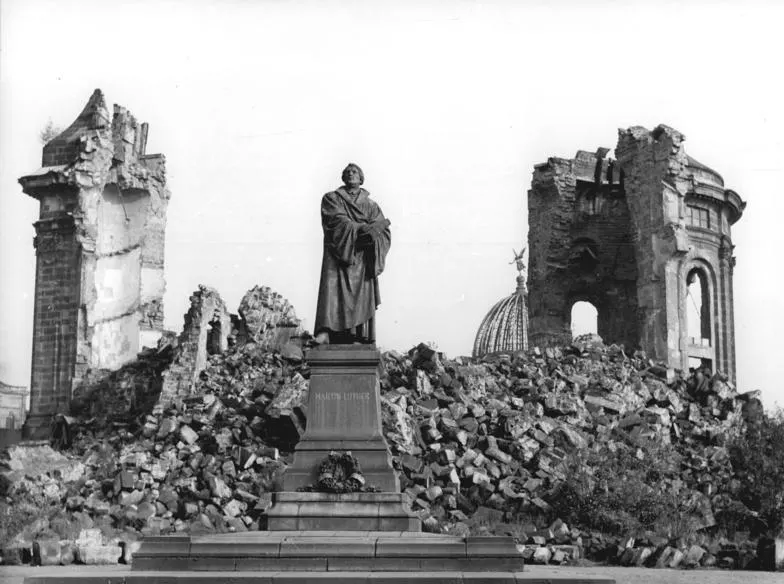
The ruin of the Frauenkirche with the restored statue of Martin Luther, Dresden, November 1958.The ruin of the Frauenkirche with the restored statue of Martin Luther, Dresden, November 1958.Image: Löwe, Giso · CC BY-SA 3.0 de
world · Europe

Allied bombers destroy the centre of Dresden

On the night of 13-14 February 1945 RAF Bomber Command attacked Dresden, the Saxon capital crowded with refugees from the advancing Red Army, in two waves three hours apart. The bombs started a firestorm that burned out the historic centre, and US bombers followed on 14 and 15 February. Tens of thousands of people were killed, although estimates of the number have varied widely. The raid became one of the most debated Allied actions of the war; the ruined Frauenkirche was left as a memorial and rebuilt only after German reunification.

Source: Encyclopaedia Britannica: bombing of Dresden ↗
1949
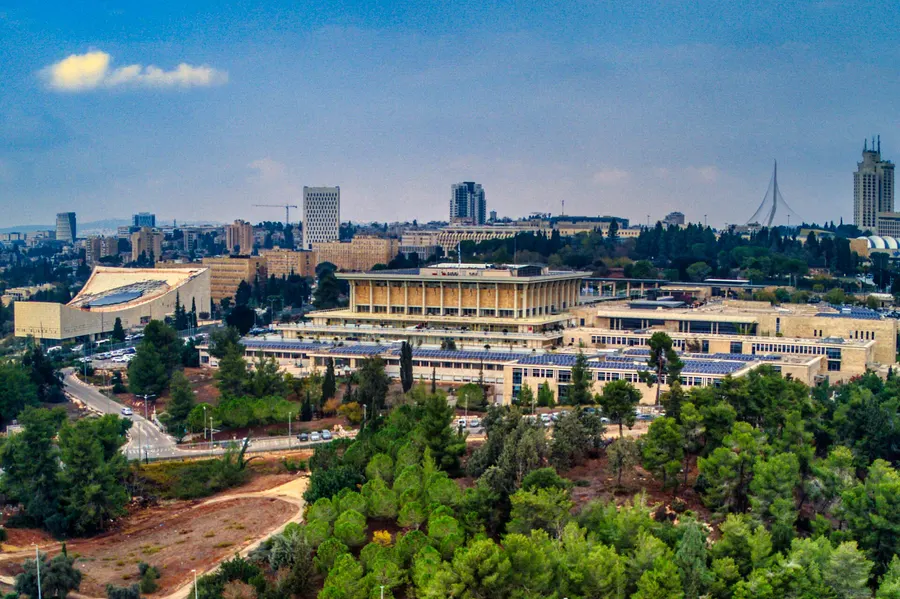
The Knesset building in Jerusalem, the parliament's home since 1966, photographed in November 2022.The Knesset building in Jerusalem, the parliament’s home since 1966, photographed in November 2022.Image: Hagai Agmon-Snir حچاي اچمون-سنير חגי אגמון-שניר · CC BY-SA 4.0

politics · Asia

Israel’s first parliament meets

The State of Israel was proclaimed in May 1948 and fought its first war against its Arab neighbours through the rest of the year. In January 1949, while armistice talks were under way, Israelis voted to elect a Constituent Assembly of 120 members. The assembly met for the first time on 14 February 1949 in the Jewish Agency’s National Institutions Building in Jerusalem. Two days later it passed the Transition Law, which renamed it the First Knesset, after the assembly of the Second Temple period, and it went on to elect Chaim Weizmann as the country’s first president.

Source: The Knesset: the Knesset’s anniversary ↗
1990
The Pale Blue Dot: Earth, less than a pixel across, in a band of scattered sunlight, photographed by Voyager 1 on 14 February 1990.The Pale Blue Dot: Earth, less than a pixel across, in a band of scattered sunlight, photographed by Voyager 1 on 14 February 1990.Image: Voyager 1 · Public domain
science · Global

Voyager 1 photographs Earth as a pale blue dot

Voyager 1 was launched in 1977 and flew past Jupiter and Saturn. By 1990 it was heading out of the solar system, and the astronomer Carl Sagan persuaded NASA to turn its cameras back towards home one last time. On 14 February 1990, about six billion kilometres from the Sun, it took 60 frames for a ‘family portrait’ of the planets. In one of them Earth appears as a tiny speck in a ray of scattered sunlight. Soon afterwards the cameras were switched off for good. Sagan called the picture the Pale Blue Dot and wrote that it showed how small and fragile our world is.

Source: NASA Science: Voyager 1’s Pale Blue Dot ↗
VI
2000 TO TODAY

Modern Day

The events of recent decades that have already become part of the historical record.

2005
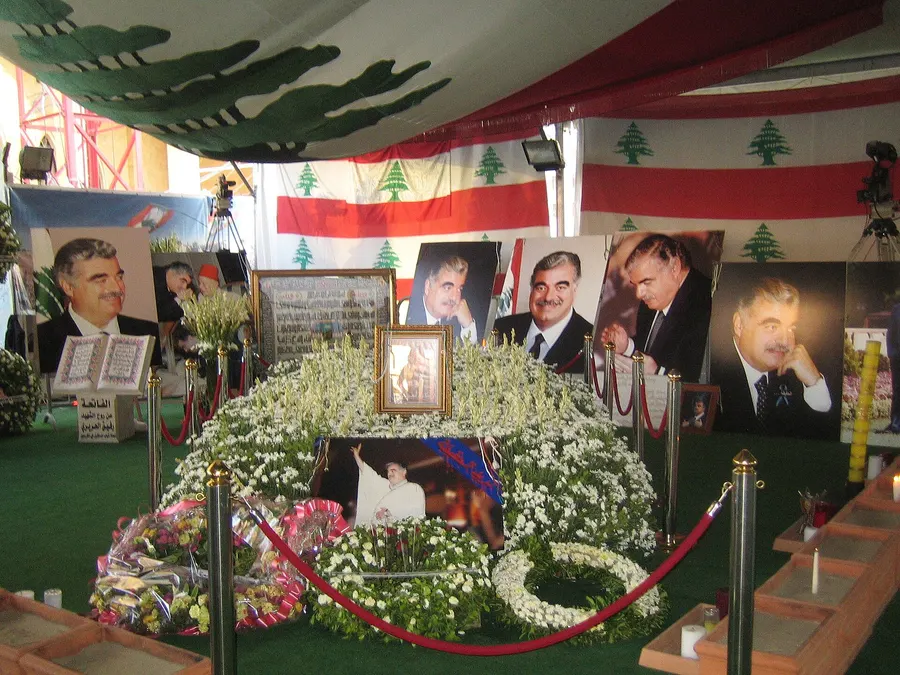
The memorial shrine to Rafik Hariri in Beirut, September 2005.The memorial shrine to Rafik Hariri in Beirut, September 2005.Image: st1ke · CC BY 2.0
politics · Asia

Former prime minister Rafik Hariri is killed in Beirut

Rafik Hariri, a billionaire businessman who as prime minister led Lebanon’s rebuilding after its civil war, was killed with 21 other people by a huge truck bomb on the Beirut seafront on 14 February 2005. Mass protests followed, and in April Syria withdrew the troops it had kept in Lebanon for 29 years. A United Nations-backed Special Tribunal for Lebanon later convicted members of Hezbollah in their absence.

Source: UN News: Hariri assassination, UN-backed tribunal delivers verdict ↗
WHY THESE MOMENTS?

Significance before volume

This page is not the longest possible list of events. It is a chronological journey through 14 February, where each entry is chosen for historical significance, human interest and reliability.

Facts are checked against authoritative museums, archives, universities and reference works. Where sources disagree, the page says so.

EXPLORED THE DEEPER STORY?

Return to the highlights of 14 February

Discover the lighter side of the date with famous birthdays, culture, firsts and lives remembered.

Explore This Day →