HISTORY & TIMELINE
21 February

A journey through
21 February in history

From the election of the first Romanov tsar in 1613 to President Nixon’s handshake in Beijing in 1972, 21 February has seen dynasties begin, coups succeed and a language movement give the world a new day. This timeline follows the date across four centuries.

JUMP THROUGH TIME
III
A CHANGING WORLD

Early Modern Era

Exploration, political change, scientific development and expanding global connections.

1613
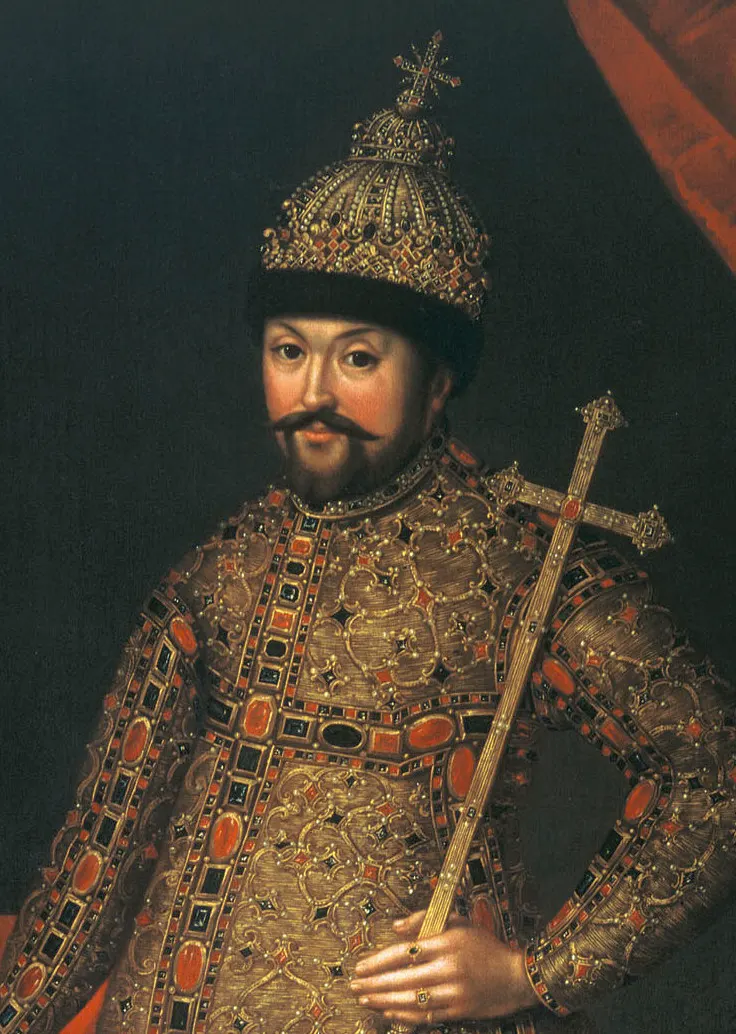
Tsar Michael I, in an 18th-century copy of a portrait painted in 1636.Tsar Michael I, in an 18th-century copy of a portrait painted in 1636.Image: Johann Heinrich Wedekind · Public domain
politics · Europe

Michael Romanov is elected tsar

On 21 February 1613 (Old Style; 3 March in the modern calendar) an assembly of the land, the Zemsky Sobor, meeting in Moscow chose the sixteen-year-old Michael Romanov as tsar. His election ended the Time of Troubles, years of famine, rival claimants and foreign invasion, and founded the Romanov dynasty, which ruled Russia until 1917.

Source: Encyclopaedia Britannica: Romanov dynasty ↗
IV
THE NINETEENTH CENTURY

The 1800s

Industry, empire, invention, reform and a century of enormous transformation.

1804
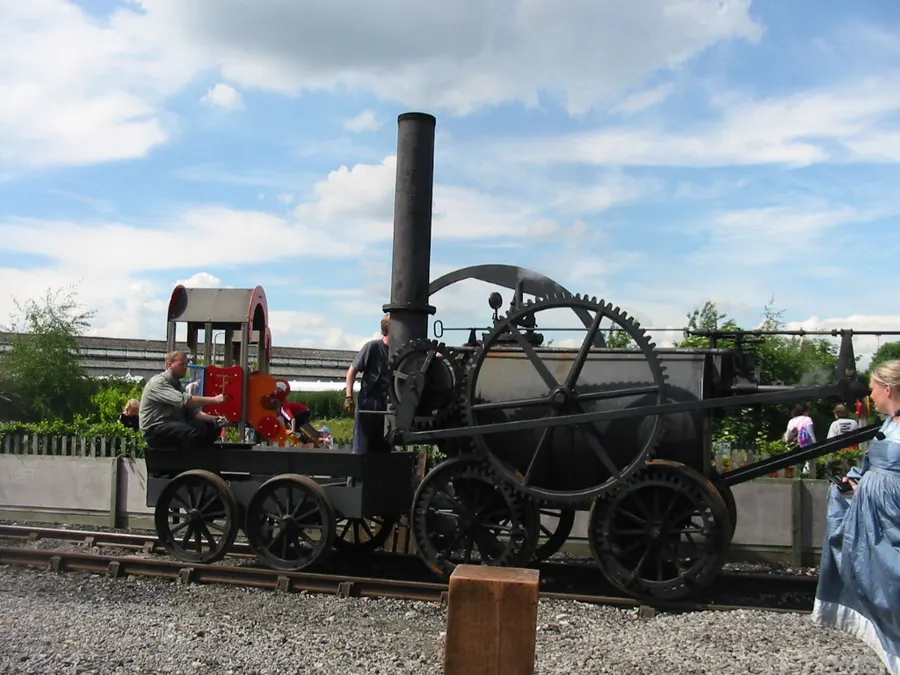
A working replica of Trevithick's Penydarren locomotive at the National Railway Museum, York, in 2004.A working replica of Trevithick’s Penydarren locomotive at the National Railway Museum, York, in 2004.Image: Thryduulf · CC BY-SA 4.0
science · Europe

Trevithick’s locomotive makes the first railway journey

On 21 February 1804 a steam locomotive built by the Cornish engineer Richard Trevithick hauled ten tons of iron and about 70 passengers nearly ten miles along a tramroad from the Penydarren ironworks in Merthyr Tydfil to the canal at Abercynon, in south Wales. It was the first recorded journey by a steam locomotive on rails. The ironmaster Samuel Homfray had bet that it could be done. The heavy engine kept breaking the brittle cast-iron rails, and it was soon put to work as a stationary engine, but the age of the railway had begun.

Source: Amgueddfa Cymru, Museum Wales: Birth of the railway locomotive ↗
1885
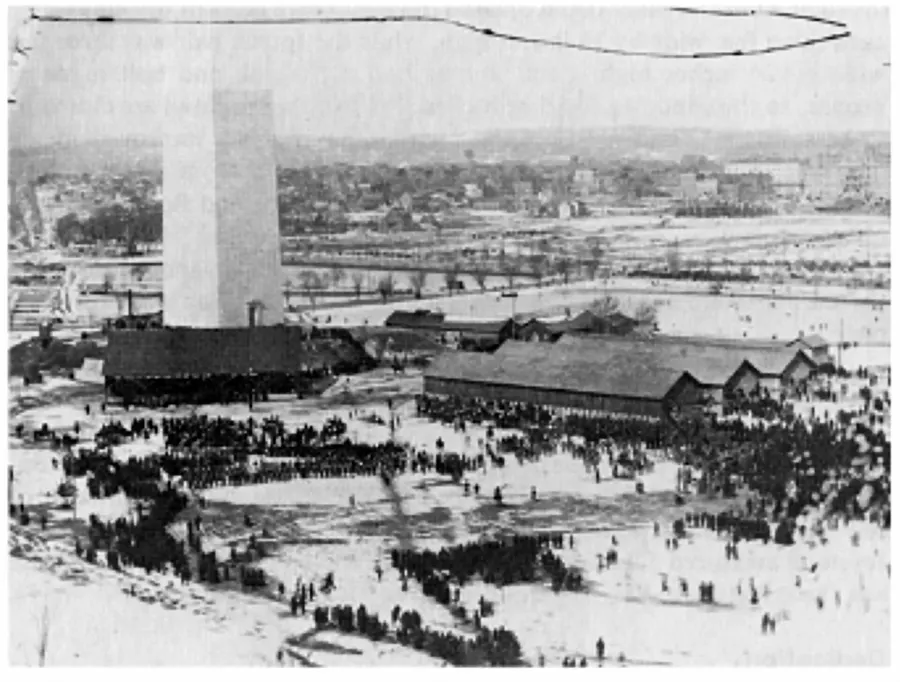
The dedication of the Washington Monument, 21 February 1885, with temporary buildings round its base.The dedication of the Washington Monument, 21 February 1885, with temporary buildings round its base.Image: Unbekannter Fotograf · Public domain
world · Americas

The Washington Monument is dedicated

President Chester Arthur dedicated the Washington Monument in Washington, DC, on 21 February 1885, the day before George Washington’s birthday. Work on the marble obelisk had begun in 1848 but stopped for more than twenty years for lack of money and because of the Civil War; the capstone was set in December 1884. At about 555 feet it was then the tallest structure in the world. It opened to the public in 1888.

Source: Library of Congress: Dedication of the Washington Monument, February 21, 1885 ↗
V
THE TWENTIETH CENTURY

The 1900s

War and peace, technological leaps, social change, politics, sport and popular culture.

1916
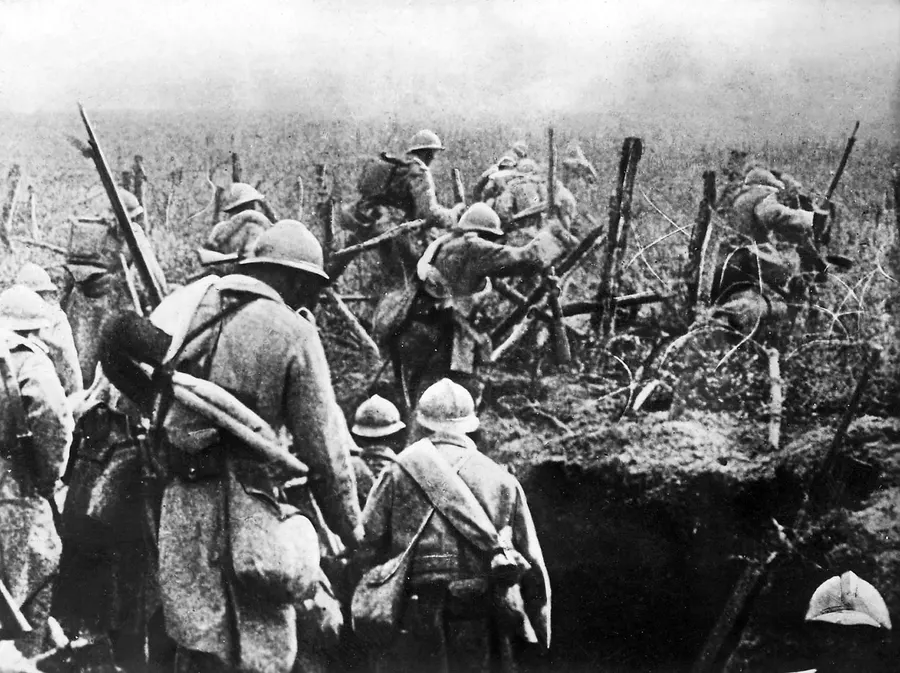
French soldiers leave their trench to attack during the Battle of Verdun, 1916.French soldiers leave their trench to attack during the Battle of Verdun, 1916.Image: Collection DocAnciens/docpix.fr · Public domain
world · Europe

The Battle of Verdun begins

At 7.15 in the morning on 21 February 1916 German guns opened fire on a 40 km front around Verdun, beginning a battle meant to wear the French army down. It lasted until December; French casualties came to about 400,000 and German ones to about 350,000, and the front ended close to where it began.

Source: Imperial War Museums: Battle of Verdun ↗
1919
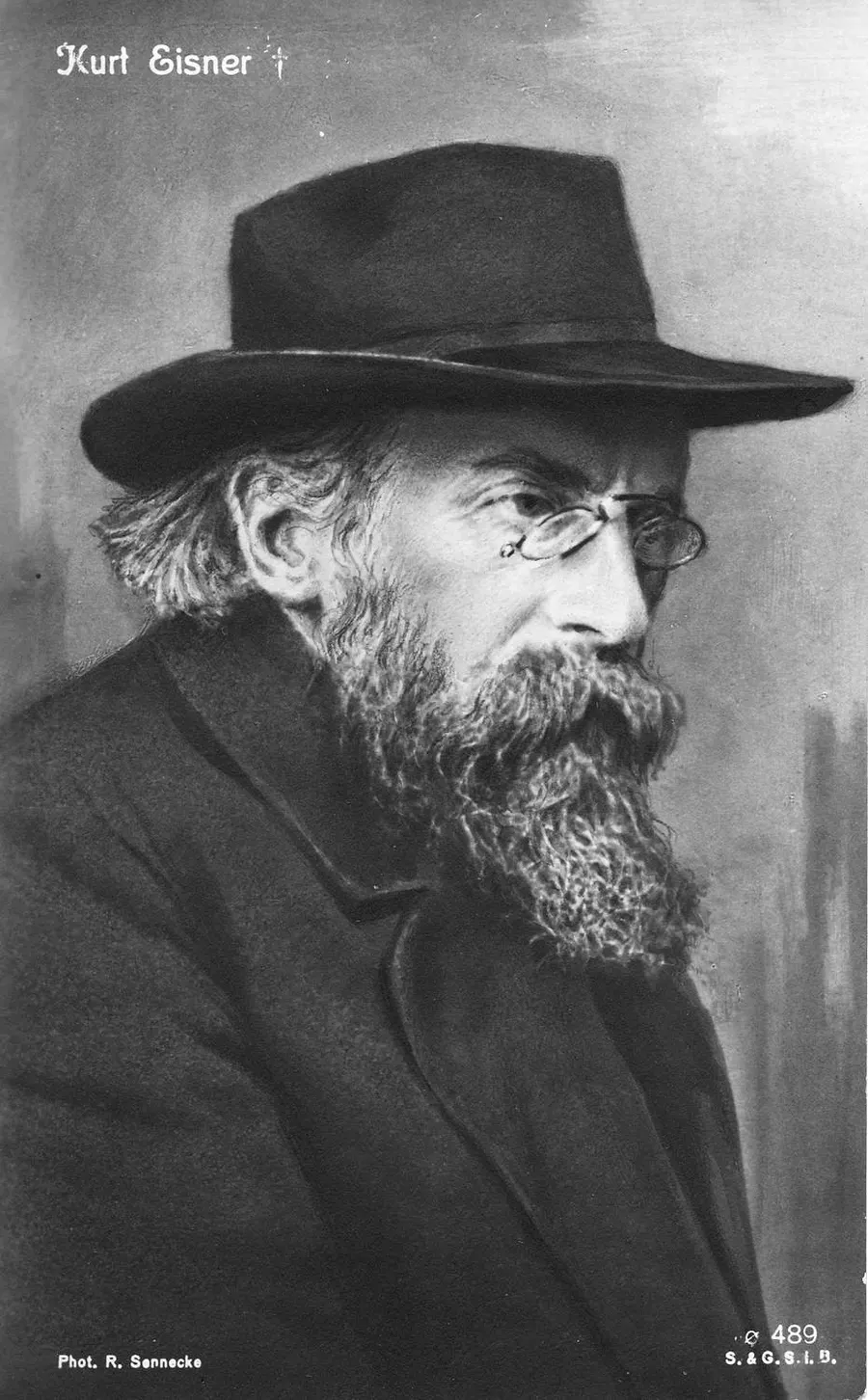
Kurt Eisner in 1919.Kurt Eisner in 1919.Image: Robert Sennecke · Public domain
politics · Europe

Kurt Eisner is shot in Munich

Kurt Eisner, the socialist journalist who had overthrown Bavaria’s monarchy in November 1918 and become its first republican prime minister, was shot dead in a Munich street on 21 February 1919 by Anton Graf von Arco auf Valley, a young nationalist officer. Eisner was on his way to parliament, having lost the election in January. His killing plunged Bavaria into turmoil that led to a short-lived soviet republic in April.

Source: Deutsches Historisches Museum, LeMO: Kurt Eisner ↗
1921
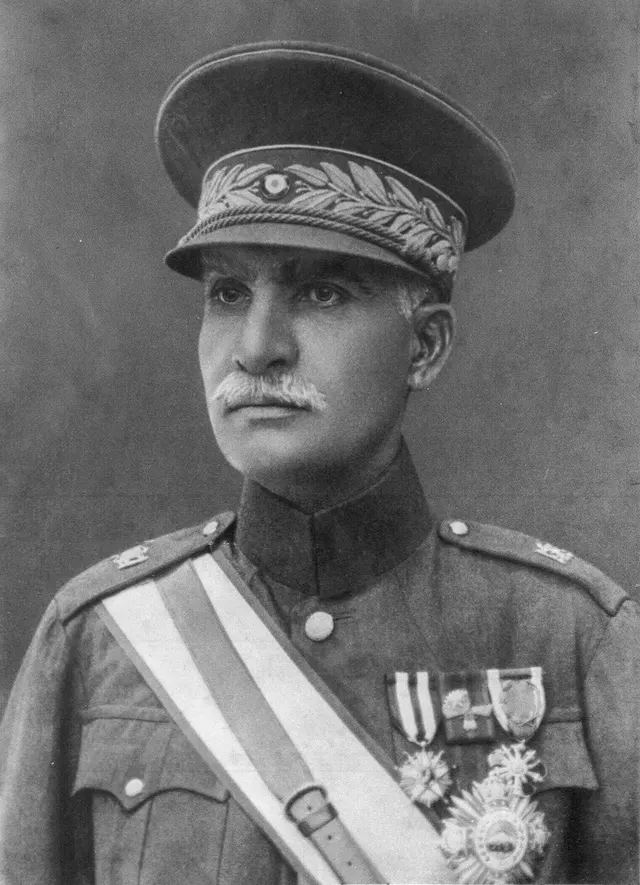
Reza Shah in uniform in the early 1930s.Reza Shah in uniform in the early 1930s.Image: Unknown authorUnknown author · Public domain
politics · Asia

Reza Khan’s Cossacks seize Tehran

Shortly after midnight on 21 February 1921, Persian Cossack troops led by Reza Khan marched into Tehran and took control of the capital with almost no resistance. The journalist Sayyid Zia al-Din Tabatabai became prime minister, and Reza Khan took charge of the army. British officers had helped prepare the coup. Within five years Reza Khan had made himself shah and founded the Pahlavi dynasty.

Source: Encyclopaedia Iranica: Coup d’état of 1299/1921 ↗
1925
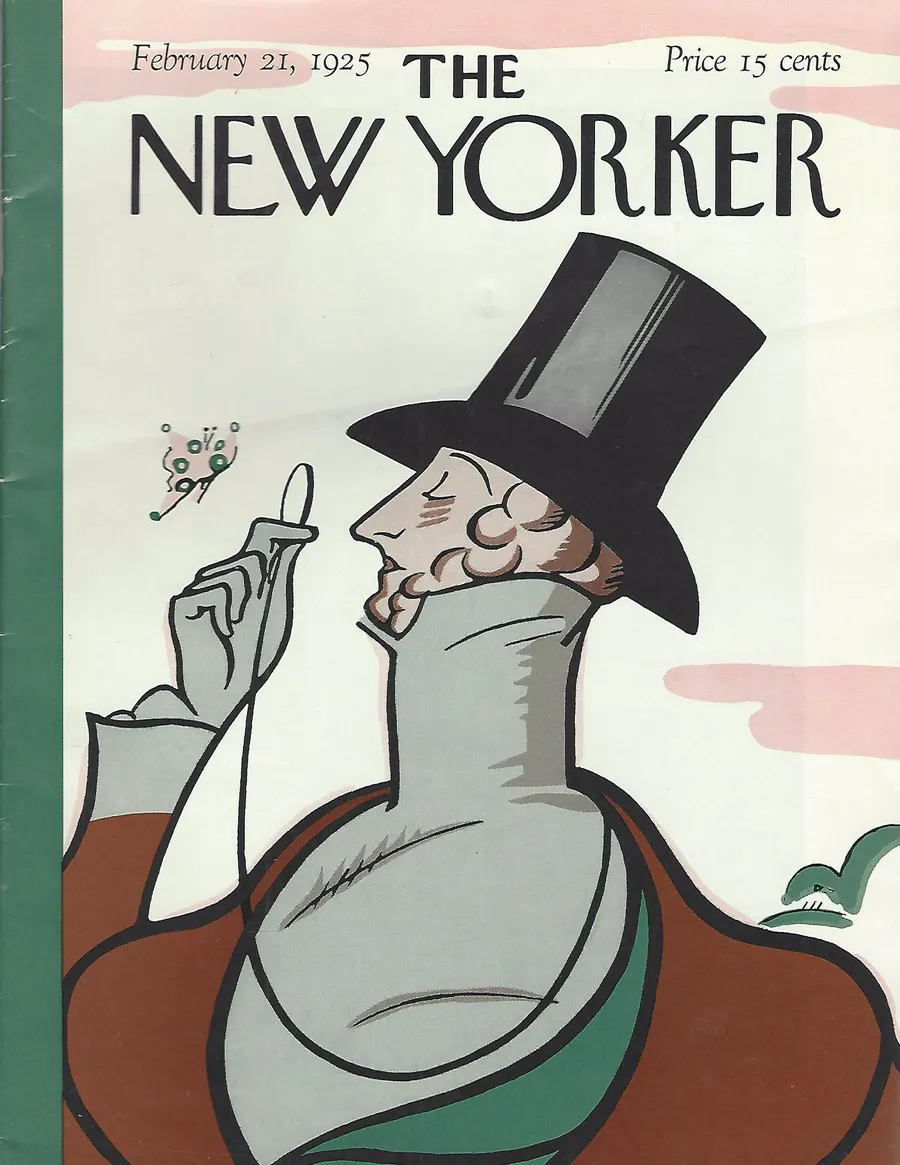
The cover of the first issue, dated 21 February 1925: Rea Irvin's dandy, later named Eustace Tilley.The cover of the first issue, dated 21 February 1925: Rea Irvin’s dandy, later named Eustace Tilley.Image: Rea Irvin · Public domain
culture · Americas

The New Yorker publishes its first issue

The first issue of The New Yorker was dated 21 February 1925. It was founded by the editor Harold Ross with his wife, the journalist Jane Grant, and its cover showed a top-hatted dandy studying a butterfly through a monocle, drawn by Rea Irvin. Early sales were poor and the magazine nearly closed, but it went on to become famous for its cartoons, fiction, criticism and long-form reporting. The dandy, later named Eustace Tilley, returns on anniversary covers.

Source: Encyclopaedia Britannica: The New Yorker ↗
1952
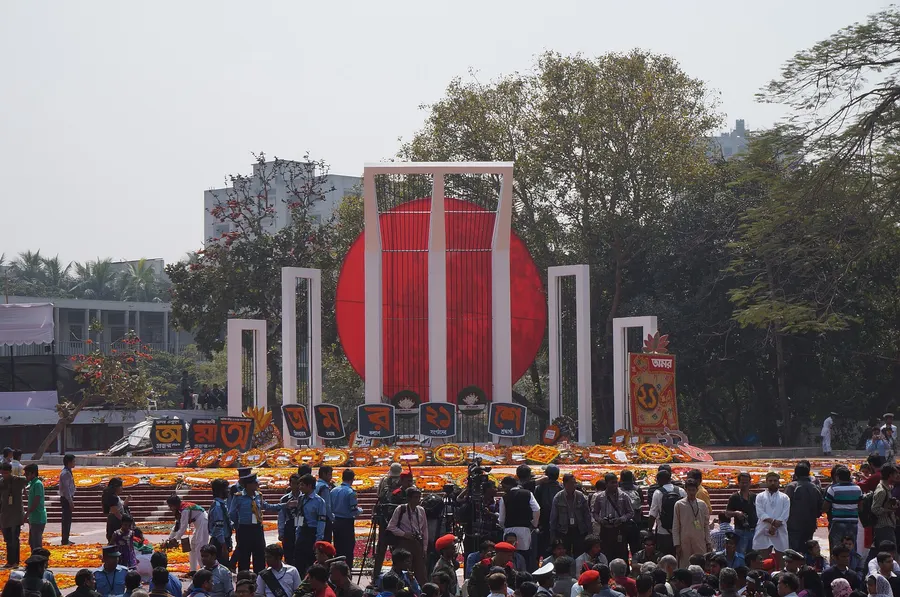
Crowds at the Shaheed Minar, the Language Martyrs' Monument in Dhaka, on 21 February 2014.Crowds at the Shaheed Minar, the Language Martyrs’ Monument in Dhaka, on 21 February 2014.Image: Subarashitours · CC BY-SA 4.0
politics · Asia

Students die for the Bengali language in Dhaka

On 21 February 1952 students at the University of Dhaka, in what was then East Pakistan, defied a ban on protests to demand that Bengali be made a state language of Pakistan alongside Urdu. Police opened fire, and several demonstrators were killed. The exact number of dead has never been settled. The Language Movement won official status for Bengali in 1956 and fed the nationalism that led to Bangladesh’s independence in 1971. The day is remembered at the Shaheed Minar monument in Dhaka, and since 2000 the world has marked it as International Mother Language Day.

Source: UNESCO: International Mother Language Day ↗
1965
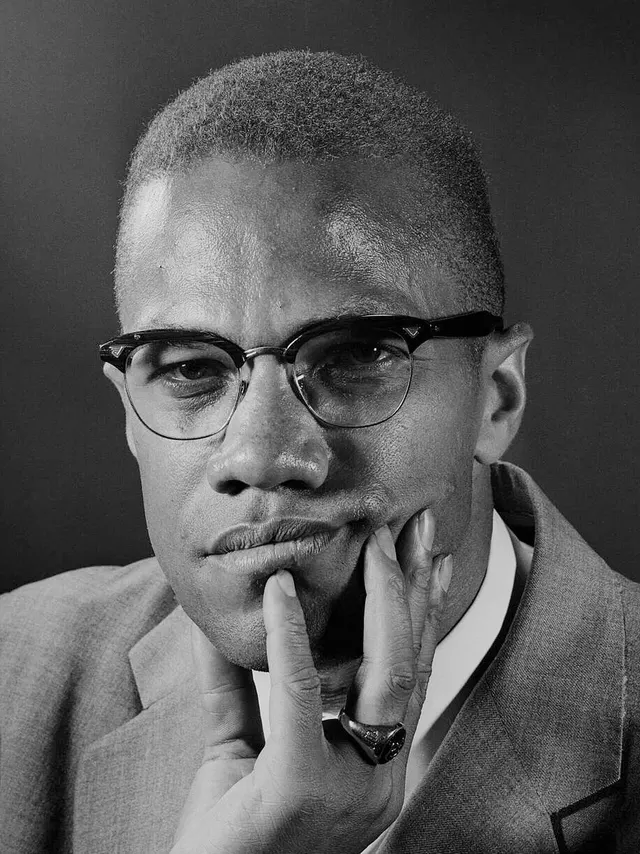
Malcolm X in March 1964.Malcolm X in March 1964.Image: Eddie Adams · Public domain
politics · Americas

Malcolm X is killed in New York

On the afternoon of 21 February 1965 Malcolm X had just begun speaking to about 400 people at the Audubon Ballroom in Upper Manhattan when several gunmen opened fire. He was pronounced dead soon afterwards. A year earlier he had broken with the Nation of Islam, from which he had been receiving threats. Three members of the Nation of Islam were convicted of his murder, but two of them always said they were innocent, and in 2021 both were exonerated. His autobiography, published later in 1965, made him one of the most influential voices of Black America.

Source: Encyclopaedia Britannica: The assassination of Malcolm X ↗
1972
politics · Asia

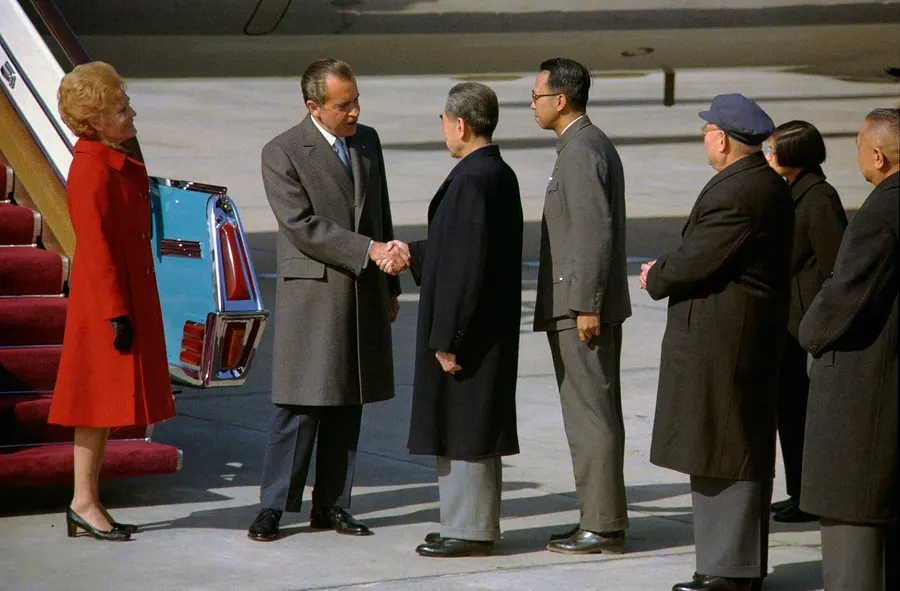
Nixon lands in Beijing

On the morning of 21 February 1972 Richard Nixon stepped off his plane in Beijing and shook hands with Premier Zhou Enlai, becoming the first American president to visit the People’s Republic of China. The two countries had had no formal relations since the communist victory in 1949. That afternoon Nixon met Mao Zedong. By the end of the week-long visit, which Nixon called ‘the week that changed the world’, the two sides had issued the Shanghai Communiqué, opening the way to full diplomatic relations in 1979.

Source: US Department of State, Office of the Historian: Rapprochement with China, 1972 ↗
WHY THESE MOMENTS?

Significance before volume

This page is not the longest possible list of events. It is a chronological journey through 21 February, where each entry is chosen for historical significance, human interest and reliability.

Facts are checked against authoritative museums, archives, universities and reference works. Where sources disagree, the page says so.

EXPLORED THE DEEPER STORY?

Return to the highlights of 21 February

Discover the lighter side of the date with famous birthdays, culture, firsts and lives remembered.

Explore This Day →