Explore 11 March

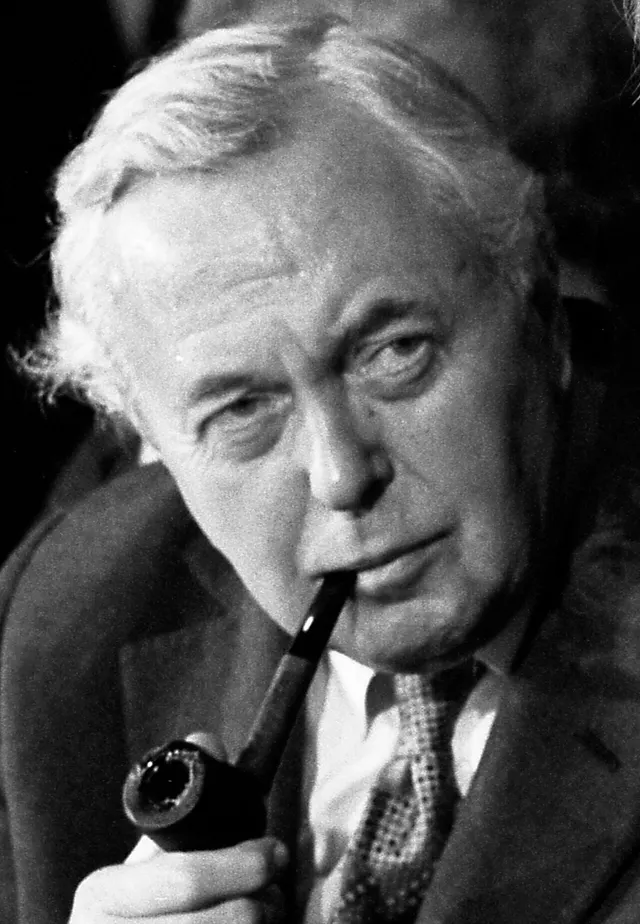
Explore 11 March: an earthquake and tsunami devastate north-eastern Japan, Lithuania breaks away from the Soviet Union, Chile returns to democracy and Gorbachev takes charge in Moscow. Meet Astor Piazzolla, Harold Wilson and Douglas Adams, born on this date.

This day through time →12 verified events across 4 eras

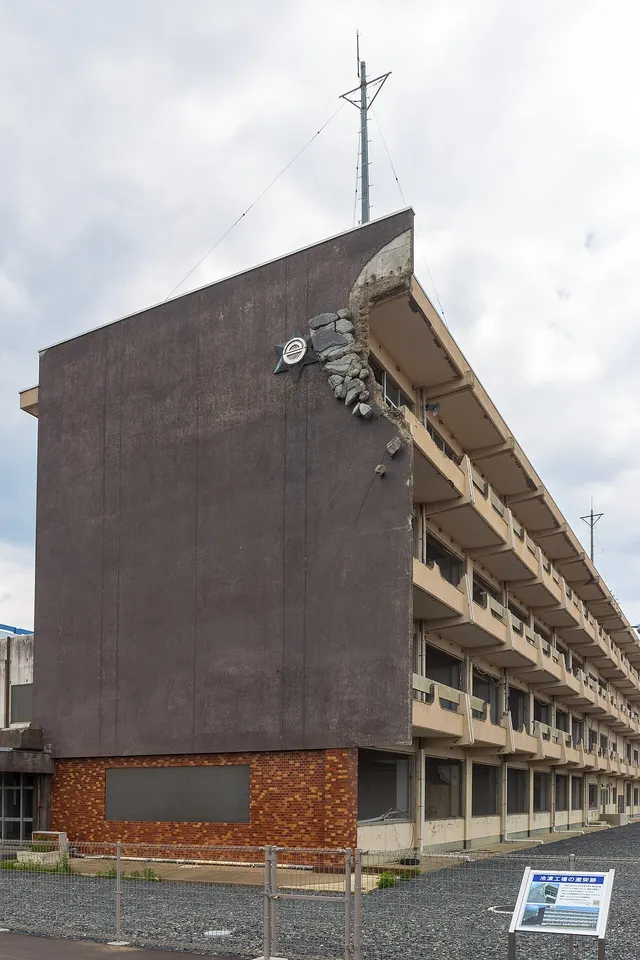
The former Kesennuma Koyo High School, struck by the tsunami and now kept as a memorial museum, photographed in 2019.
Image creditYasu · CC BY-SA 3.0Resized and cropped for display.

An earthquake and tsunami devastate north-eastern Japan

At 2.46 in the afternoon of 11 March 2011 a magnitude 9.0 earthquake struck under the sea about 130 kilometres east of Sendai. It was the strongest ever recorded in Japan, and it sent a tsunami more than 30 metres high in places surging up to 5 kilometres inland along the north-east coast.

About 18,500 people were killed or never found, and more than 120,000 buildings were destroyed. The waves also knocked out the backup power at the Fukushima Daiichi nuclear plant, causing the worst nuclear accident since Chernobyl.

Read the full storyHistory & Timeline →Source: US Geological Survey: Japan lashed by powerful earthquake, devastating tsunami ↗
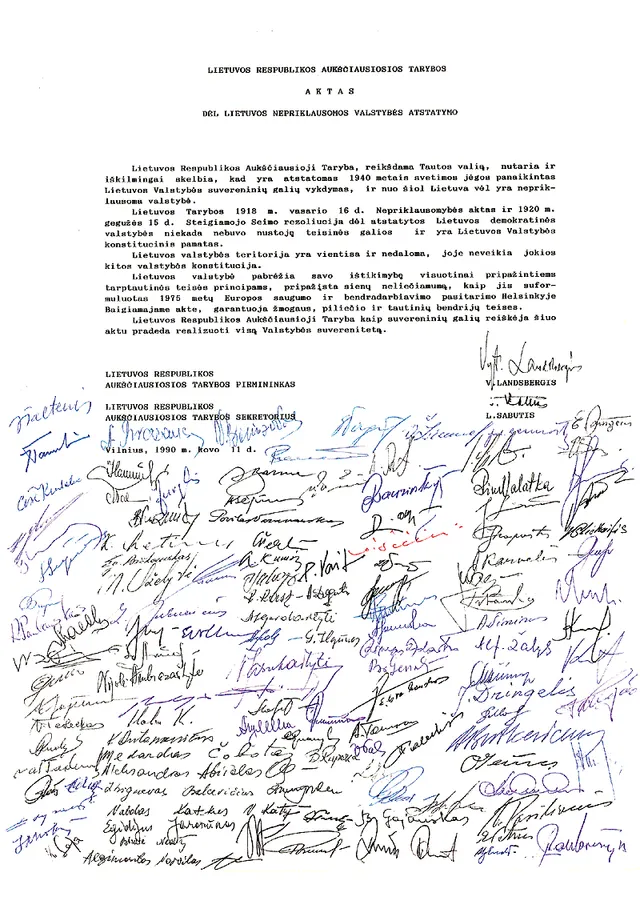
The Act of the Re-Establishment of the State of Lithuania, signed on 11 March 1990.
Image creditSupreme Council of Lithuania · Public domainResized and cropped for display.

Lithuania declares its independence restored

Late on the evening of 11 March 1990, after a session lasting nearly fifteen hours, Lithuania’s newly elected Supreme Council voted 124 to 0, with six abstentions, to restore the country’s independence. The act declared that the sovereignty abolished by foreign forces in 1940 was restored. Vytautas Landsbergis was elected to lead the council that same day.

Lithuania was the first Soviet republic to break away. Moscow answered with an economic blockade and, in January 1991, a deadly military crackdown in Vilnius, but the Soviet Union recognised its independence in September 1991. The day is a national holiday in Lithuania.

Read the full storyHistory & Timeline →Source: Seimas of the Republic of Lithuania: 11 March, Day of Restoration of Independence ↗
President Patricio Aylwin and General Augusto Pinochet at the handover of power, 1990.
Image creditBiblioteca del Congreso Nacional - Chile · CC BY-SA 3.0 clResized and cropped for display.

Chile returns to democracy

On 11 March 1990, before the National Congress in Valparaíso, General Augusto Pinochet handed the presidency to Patricio Aylwin, a Christian Democrat elected the previous December. It ended almost seventeen years of military rule that began with the coup of 1973.

Pinochet had lost a referendum on staying in power in 1988, but he remained head of the army until 1998. Aylwin set up a commission to investigate the killings and disappearances of the dictatorship. Chile’s presidents have taken office on 11 March ever since.

Read the full storyHistory & Timeline →Source: Encyclopaedia Britannica: Patricio Aylwin ↗

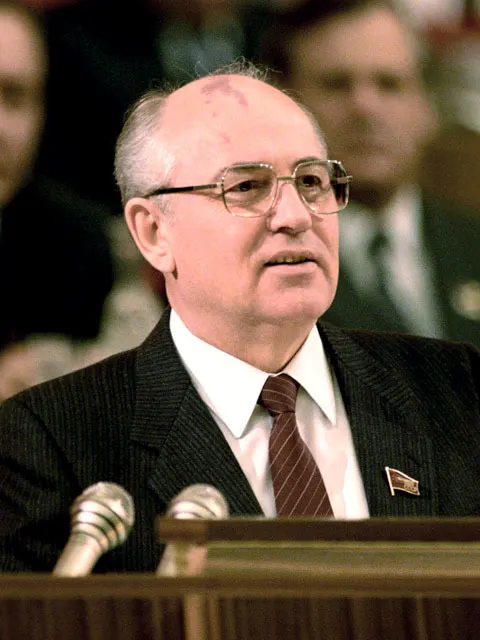
Gorbachev becomes Soviet leader

The day after Konstantin Chernenko died, the Soviet Politburo and then the Central Committee chose Mikhail Gorbachev, aged 54 and the youngest member of the Politburo, as General Secretary of the Communist Party on 11 March 1985. The veteran foreign minister Andrei Gromyko proposed him.

Gorbachev’s reforms of openness and restructuring, glasnost and perestroika, and his talks with the West helped end the Cold War. Within seven years the Soviet Union itself had dissolved.

Read the full storyHistory & Timeline →Source: Wilson Center Digital Archive: Politburo session nominating Gorbachev as General Secretary ↗
♙
PEOPLE

Born Today

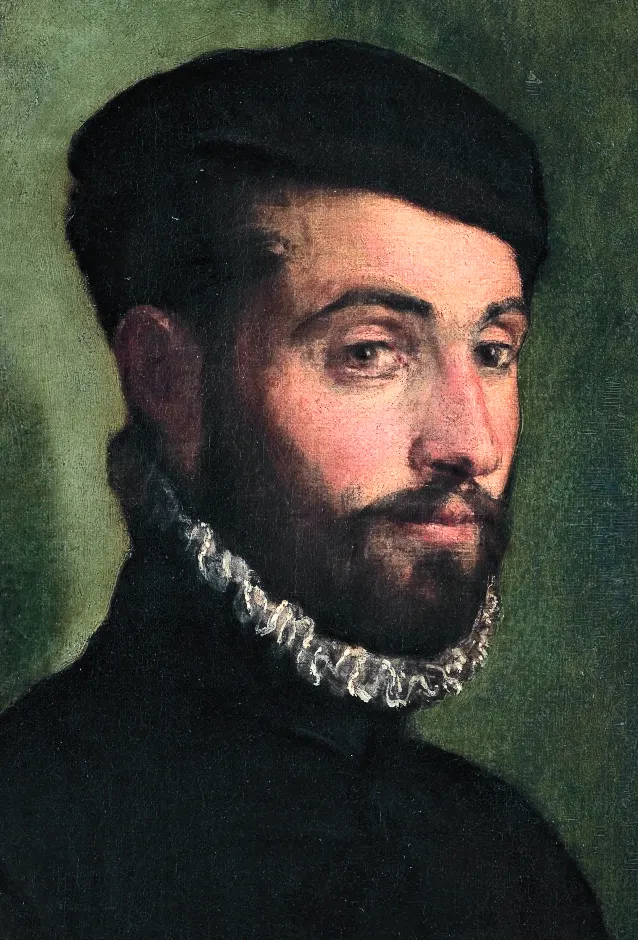
Torquato Tasso
Image creditJacopo Bassano · Public domainResized and cropped for display.

Torquato Tasso

Italian poet of Jerusalem Delivered (11 March by the calendar of his day).

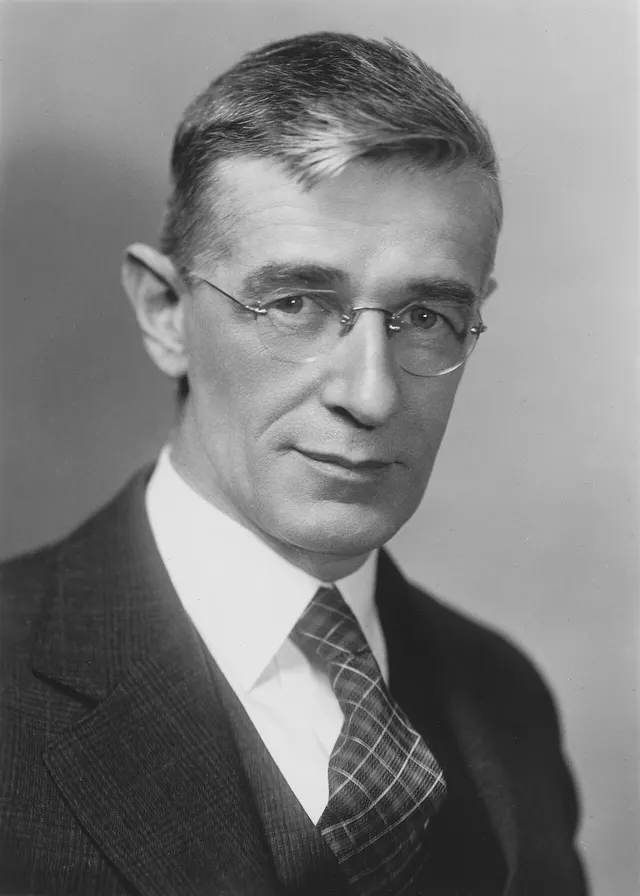
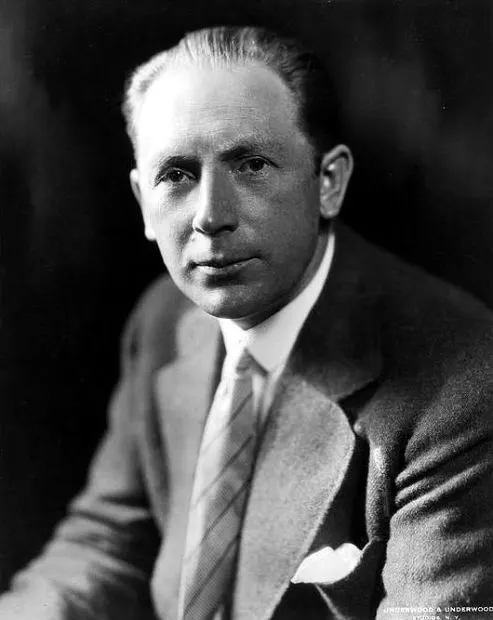
Vannevar Bush
Image creditHarris & Ewing · Public domainResized and cropped for display.

Vannevar Bush

American engineer who led US wartime science and imagined a forerunner of hypertext.

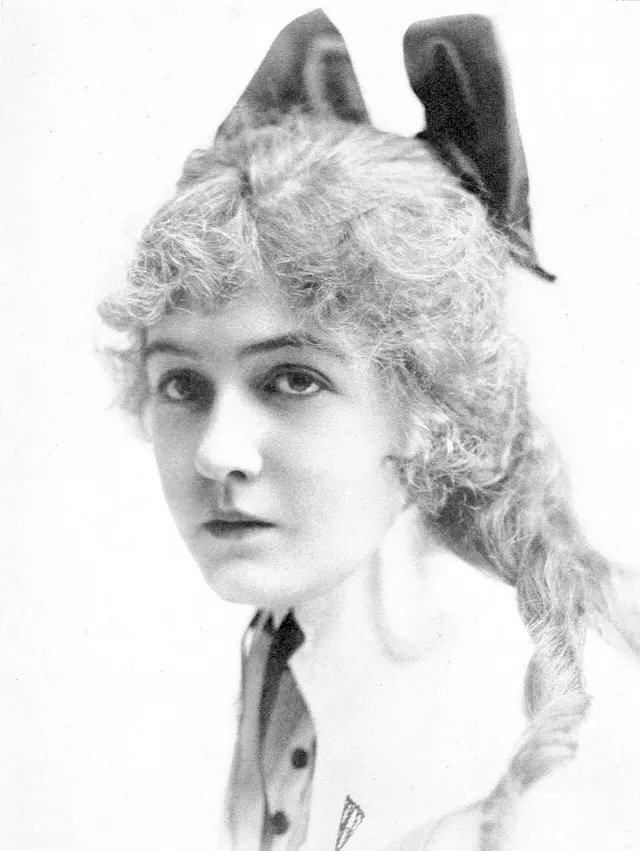
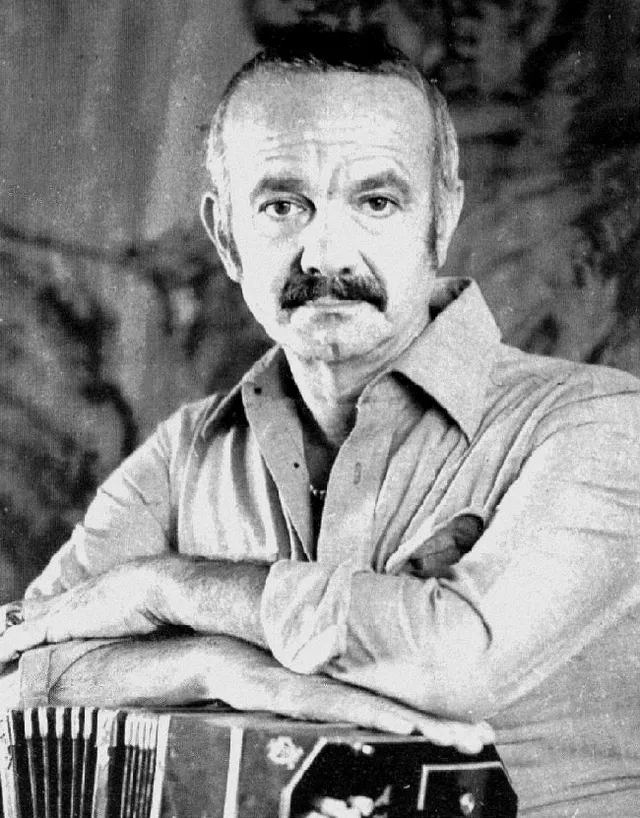
Astor Piazzolla
Image creditUnknown photographer · Public domainResized and cropped for display.

Astor Piazzolla

Argentine bandoneon player and composer who created the ‘new tango’.

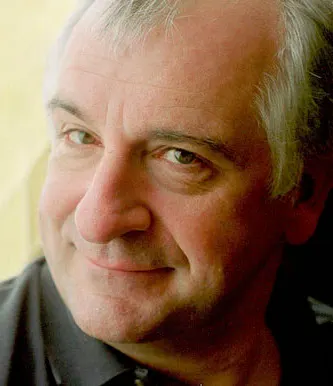
Douglas Adams
Image creditMichael Hughes · CC BY-SA 2.0Resized and cropped for display.

Douglas Adams

English writer of The Hitchhiker’s Guide to the Galaxy.

◉
IDEAS THAT CHANGED THINGS

Firsts, Science & Discoveries

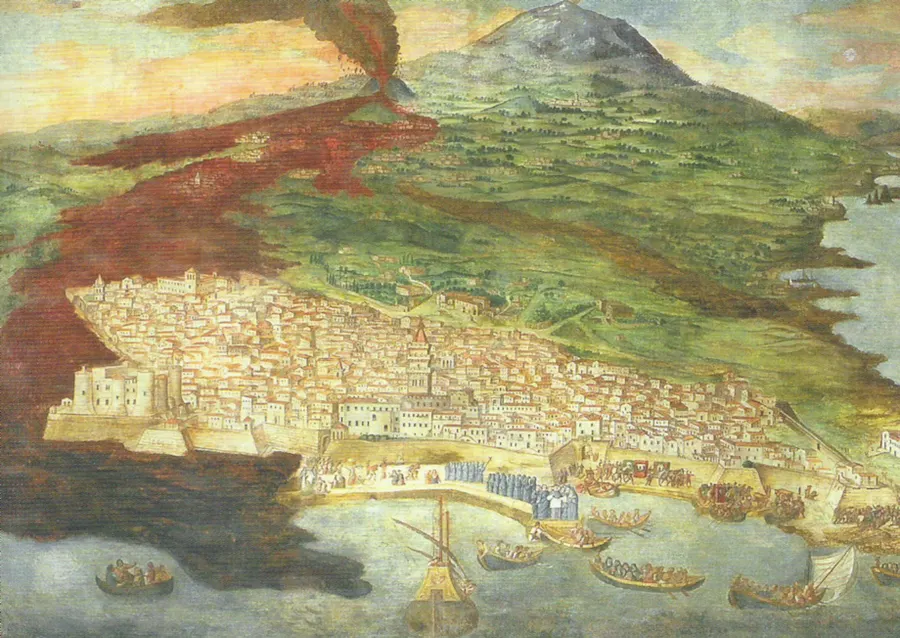
Lava reaching Catania in 1669, in a fresco by Giacinto Platania in Catania Cathedral.
Image creditGiacinto Platania · Public domainResized and cropped for display.

Etna’s most destructive eruption begins

On 11 March 1669 a fissure opened on the southern slope of Mount Etna in Sicily, above the village of Nicolosi. Over the next four months the volcano poured out more lava than in any other eruption in its recorded history, building the twin cones of the Monti Rossi.

The lava buried villages, reached the western part of the city of Catania and flowed into the sea, pushing the coastline out by about a kilometre. The eruption ended in July.

Read the full storyHistory & Timeline →Source: Encyclopaedia Britannica: Mount Etna ↗
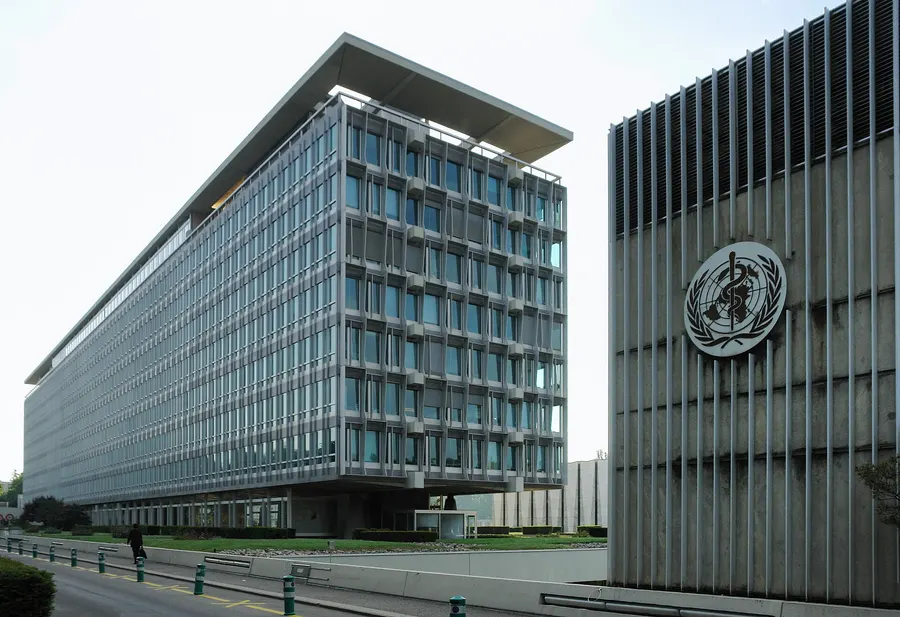
The World Health Organization's headquarters in Geneva.
The World Health Organization’s headquarters in Geneva.
Image creditYann Forget · CC BY-SA 3.0Resized and cropped for display.

The WHO calls COVID-19 a pandemic

At a press briefing on 11 March 2020 the Director-General of the World Health Organization, Tedros Adhanom Ghebreyesus, said that COVID-19 could now be characterised as a pandemic. In the previous two weeks the number of cases outside China had risen thirteen-fold, and the number of countries affected had tripled.

It was the first pandemic known to be caused by a coronavirus. Tedros warned of alarming levels of inaction, and within days much of the world was in lockdown.

Read the full storyHistory & Timeline →Source: World Health Organization: Director-General’s opening remarks at the media briefing, 11 March 2020 ↗
♫
MUSIC • FILM • BOOKS • CULTURE

Culture Stories

The poster for the first performance of Rigoletto at La Fenice, Venice, on 11 March 1851.
Image creditTeatro La Fenice · Public domainResized and cropped for display.

Verdi’s Rigoletto opens in Venice

Giuseppe Verdi’s Rigoletto, with a libretto by Francesco Maria Piave based on Victor Hugo’s play Le Roi s’amuse, was first performed at La Fenice in Venice on 11 March 1851. The censors had objected to showing a king as a heartless seducer, so the story was moved to the court of an invented Duke of Mantua.

Verdi wrote most of the music in about forty days. The first night was a great success, and the Duke’s aria ‘La donna è mobile’ soon became one of the best-known tunes in opera.

Read the full storyHistory & Timeline →Source: Encyclopaedia Britannica: Rigoletto ↗
✦
LIVES REMEMBERED

Remembered Today

Alexander Fleming
Image creditEthel Léontine Gabain · Public domainResized and cropped for display.

Alexander Fleming

Scottish bacteriologist who discovered penicillin; Nobel Prize, 1945.

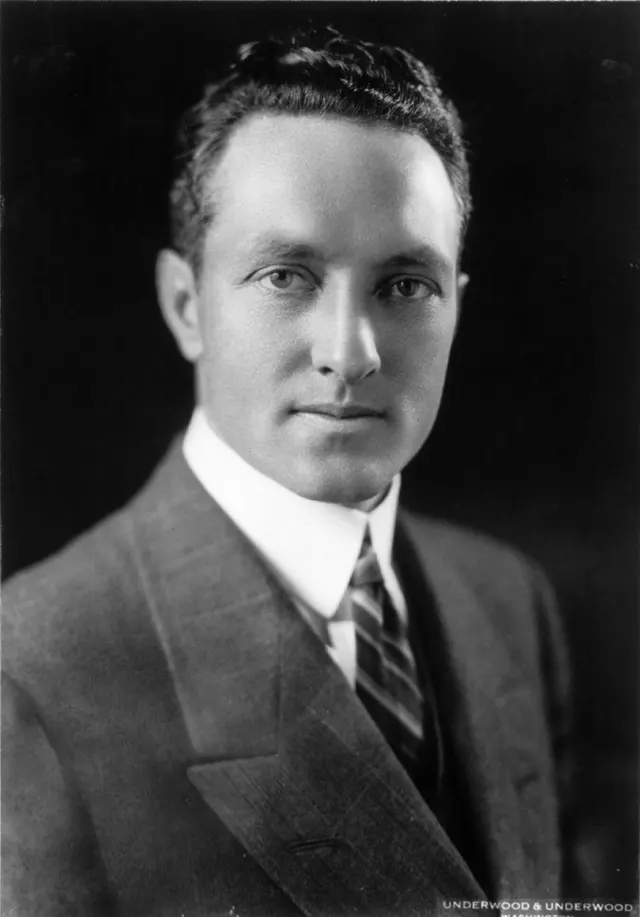
Richard E. Byrd
Image creditUnderwood & Underwood · Public domainResized and cropped for display.

Richard E. Byrd

American naval officer and polar explorer who led expeditions to Antarctica.

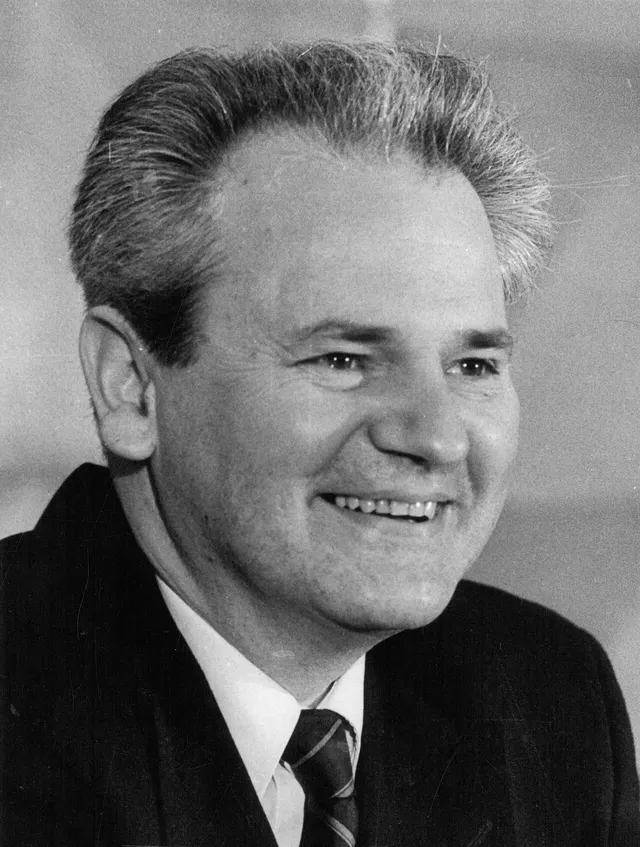
Slobodan Milošević
Image creditStevan Kragujević · CC BY-SA 3.0Resized and cropped for display.

Slobodan Milošević

Serbian and Yugoslav president; died in custody during his war crimes trial in The Hague.

HISTORY & TIMELINE

Finished the highlights?

Follow 11 March chronologically, from the Middle Ages to the modern day, with 12 verified events and the sources behind them.

This day through time →