Explore 15 March

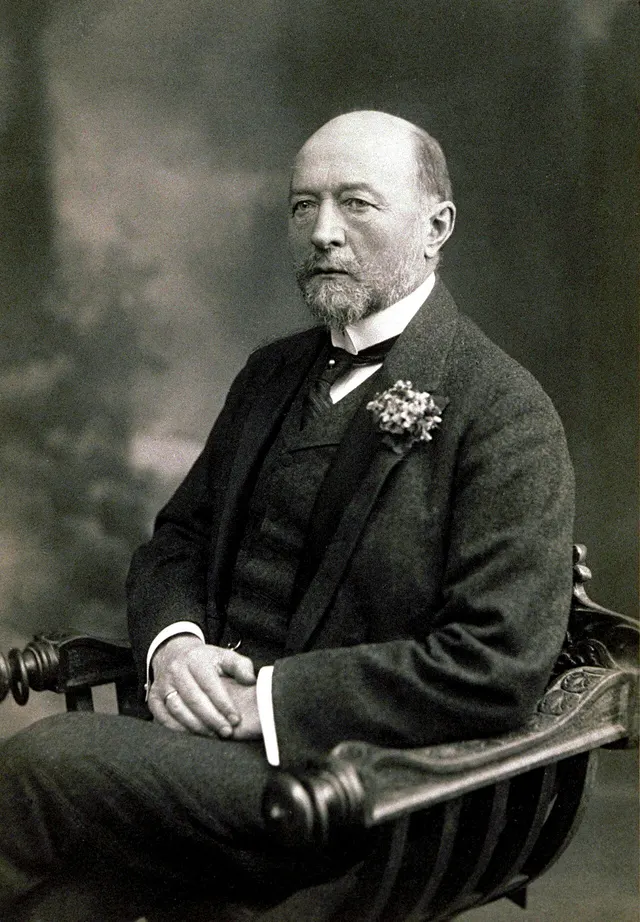
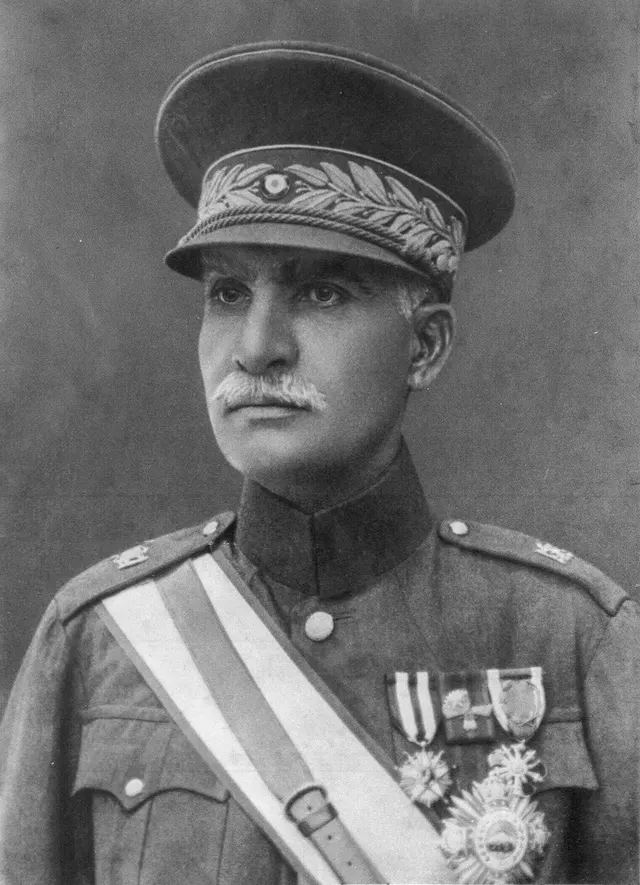
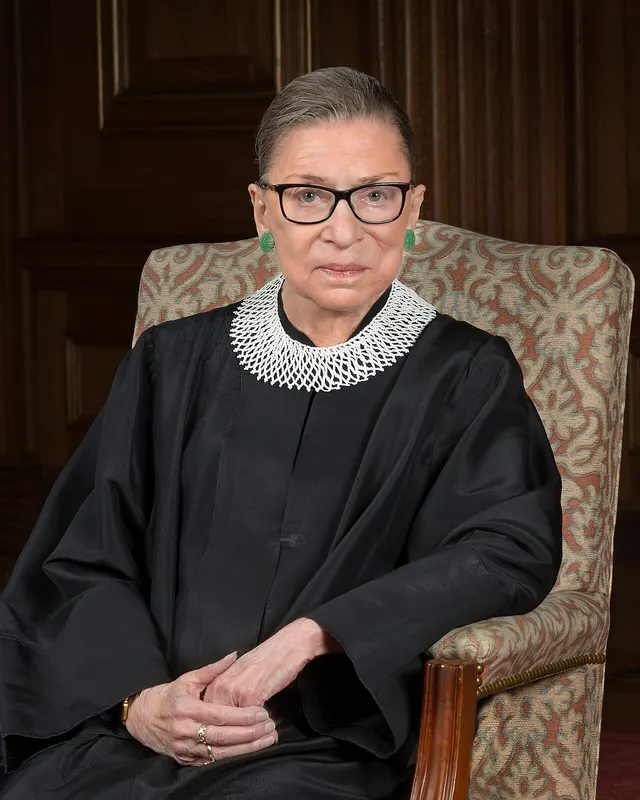
Explore 15 March: Julius Caesar is murdered on the Ides of March, the last tsar gives up his throne, Iran’s parliament votes to take over its oil and South Africa leaves the Commonwealth. Meet Andrew Jackson, Ruth Bader Ginsburg and Reza Shah, born on this date.

This day through time →15 verified events across 4 eras

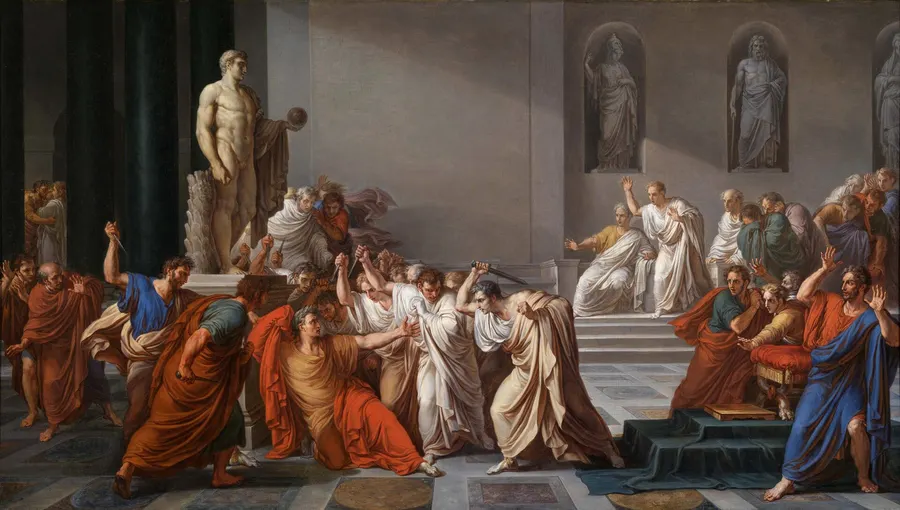
The Death of Caesar, painted by Vincenzo Camuccini in the early 1800s.
Image creditVincenzo Camuccini · Public domainResized and cropped for display.

Julius Caesar is murdered on the Ides of March

On the Ides of March, 15 March 44 BC, a group of Roman senators led by Marcus Brutus and Gaius Cassius stabbed Julius Caesar to death at a meeting of the Senate in the hall attached to Pompey’s theatre. Ancient writers counted 23 wounds.

The conspirators said they were saving the Republic from a man who had made himself dictator for life. Instead his murder set off years of civil war, which ended with Caesar’s great-nephew Octavian ruling alone as Augustus, the first Roman emperor.

Read the full storyHistory & Timeline →Source: Encyclopaedia Britannica: Ides of March ↗
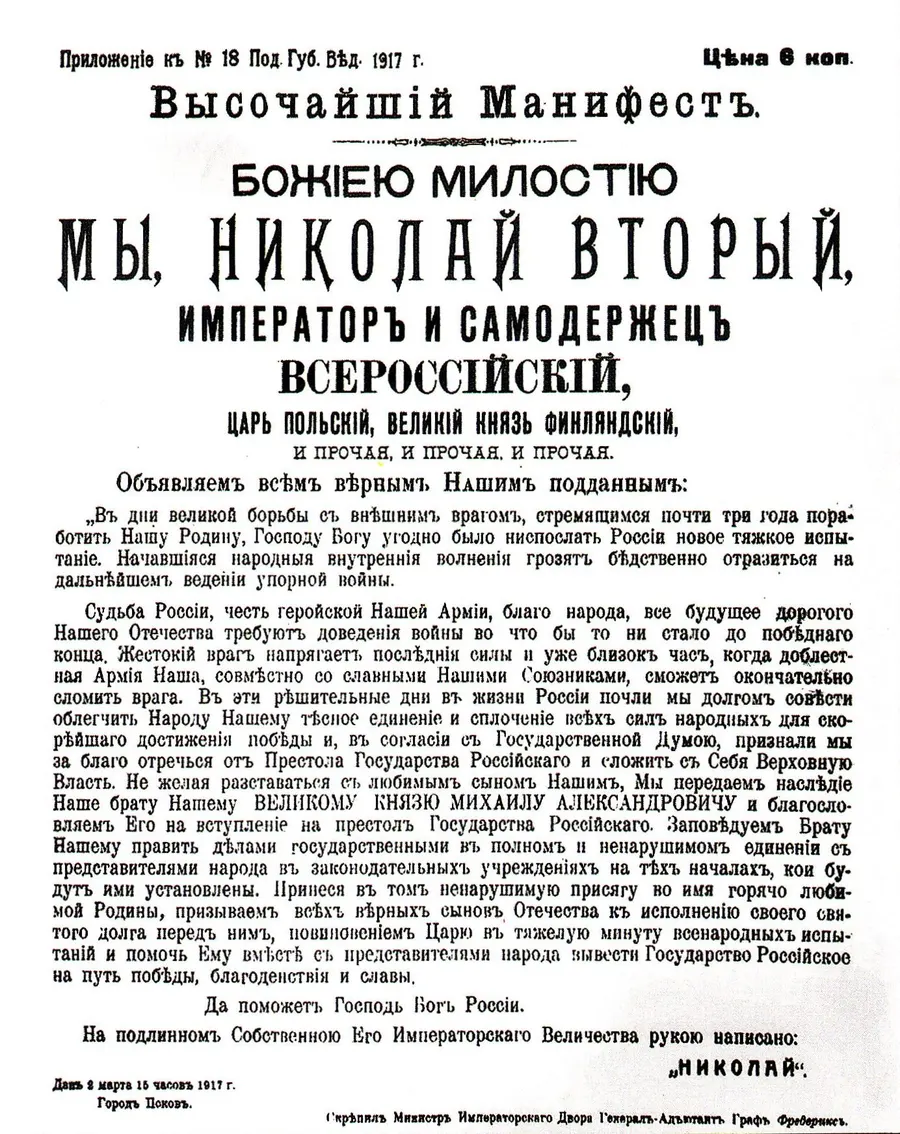
Nicholas II's abdication manifesto, printed as a supplement to a Russian provincial newspaper in 1917.
Nicholas II’s abdication manifesto, printed as a supplement to a Russian provincial newspaper in 1917.
Image creditUnknown printer · Public domainResized and cropped for display.

The last tsar gives up his throne

With Petrograd in revolt and his generals urging him to go, Tsar Nicholas II signed his abdication in his train at Pskov on 15 March 1917 (2 March in the old Russian calendar). He gave up the throne for himself and his sick son Alexei, naming his brother Michael as heir.

Michael declined the crown the next day, ending more than three centuries of Romanov rule. A Provisional Government took charge, until the Bolsheviks seized power that November.

Read the full storyHistory & Timeline →Source: Encyclopaedia Britannica: Nicholas II, abdication and death ↗
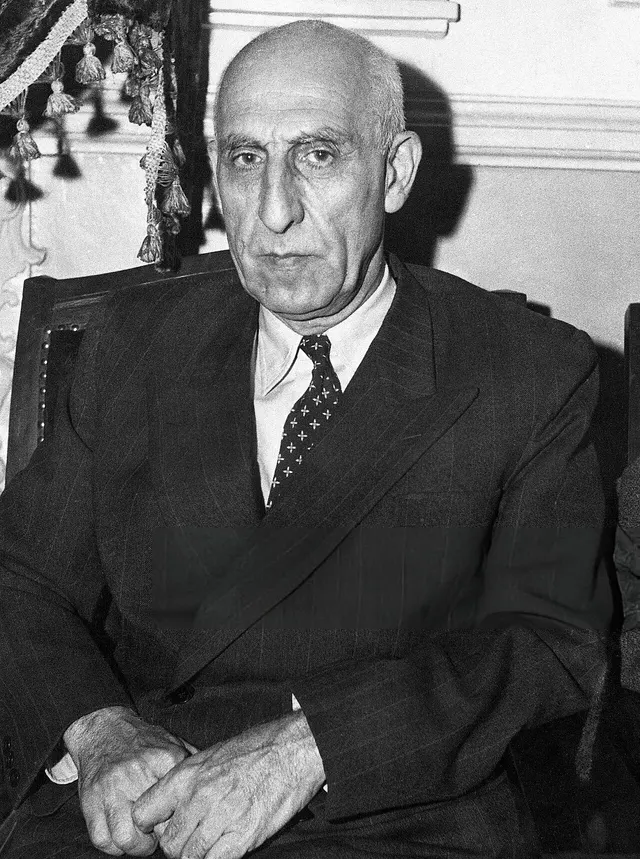
Mohammad Mosaddegh, who led the campaign to nationalise Iran's oil.
Mohammad Mosaddegh, who led the campaign to nationalise Iran’s oil.
Image creditInternational News Photos · Public domainResized and cropped for display.

Iran votes to take over its oil

On 15 March 1951 Iran’s parliament, the Majlis, voted unanimously to nationalise the country’s oil industry, which had been run for decades by the British-owned Anglo-Iranian Oil Company, later BP. The Senate approved the law days later.

The campaign’s champion, Mohammad Mosaddegh, became prime minister that spring. The long dispute with Britain that followed ended in the coup that overthrew him in 1953.

Read the full storyHistory & Timeline →Source: EBSCO Research Starters: Iran nationalizes its oil industry ↗
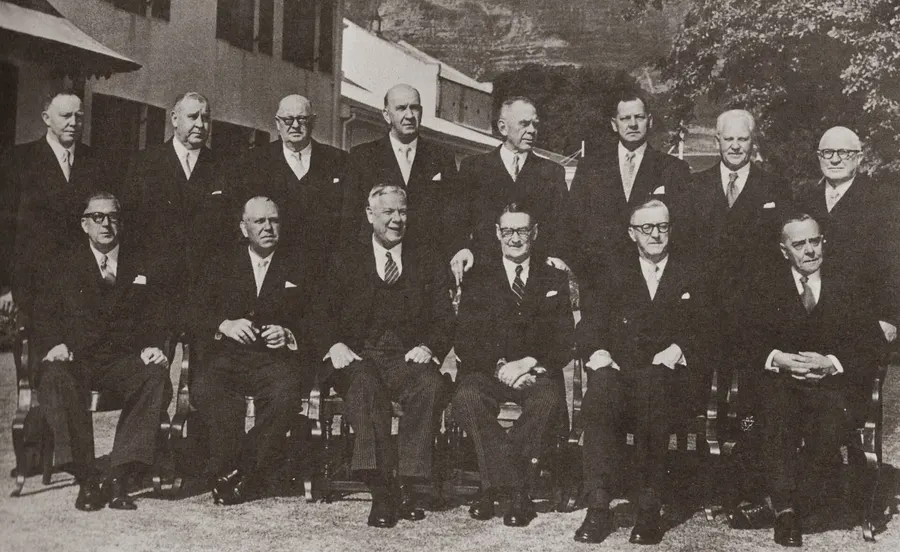
The South African cabinet in 1958; Hendrik Verwoerd sits third from left in the front row.
Image creditUnknown photographer · Public domainResized and cropped for display.

South Africa quits the Commonwealth

South Africa was about to become a republic, and at the Commonwealth prime ministers’ conference in London its leader, Hendrik Verwoerd, asked for it to remain a member. African and Asian members, joined by Canada, attacked its apartheid laws.

Facing refusal, Verwoerd withdrew the application on 15 March 1961, and South Africa left the Commonwealth when the republic was declared that May. It rejoined in 1994, after its first democratic election.

Read the full storyHistory & Timeline →Source: South African History Online: South Africa withdraws from the Commonwealth ↗
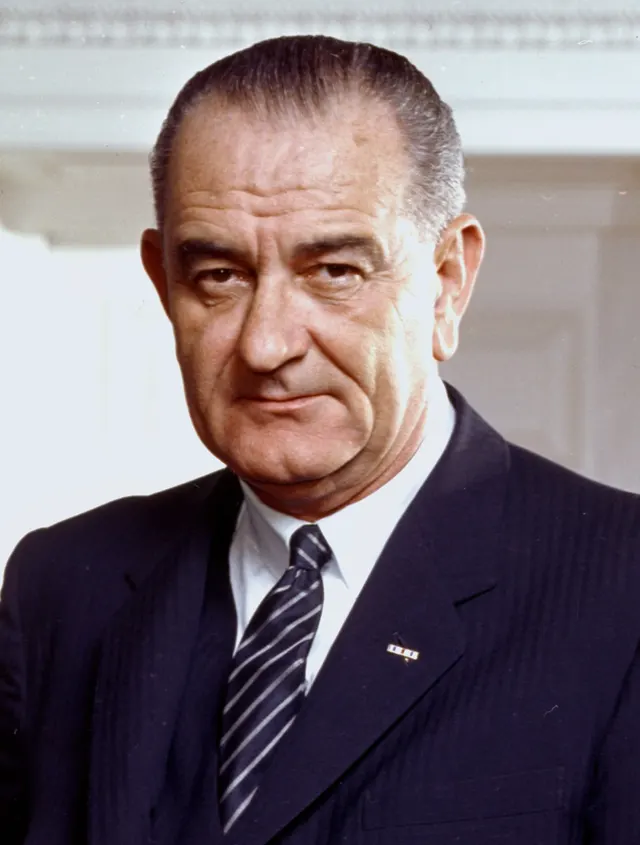
President Lyndon B. Johnson in the Oval Office, 1964.
Image creditArnold Newman · Public domainResized and cropped for display.

‘We shall overcome’

Eight days after state troopers beat peaceful marchers at Selma, Alabama, President Lyndon Johnson went before a joint session of Congress on the evening of 15 March 1965 to demand a law protecting Black Americans’ right to vote. Millions watched on television.

He closed by taking up the words of the civil rights anthem, ‘we shall overcome’, as his own. The Voting Rights Act became law that August.

Read the full storyHistory & Timeline →Source: Miller Center, University of Virginia: March 15, 1965, speech before Congress on voting rights ↗
♙
PEOPLE

Born Today

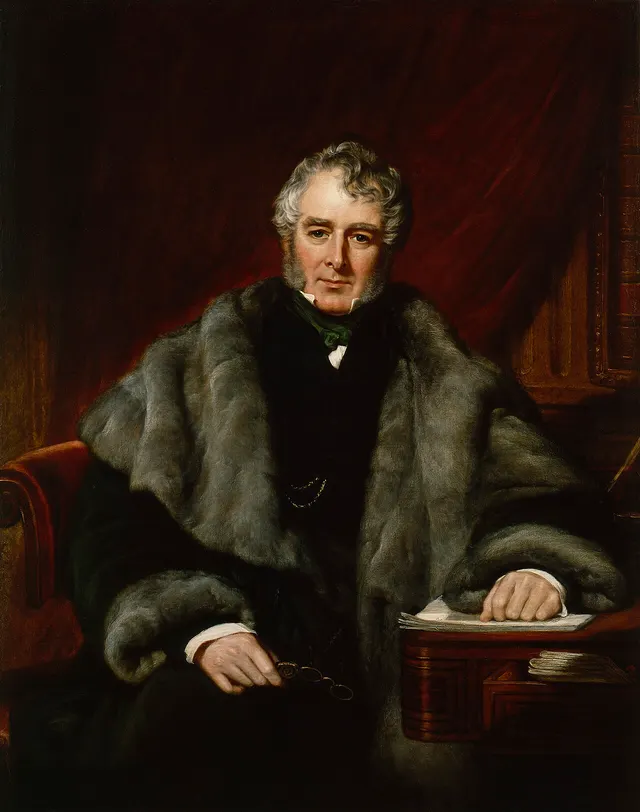
William Lamb, Lord Melbourne
Image creditJohn Partridge · Public domainResized and cropped for display.

William Lamb, Lord Melbourne

British prime minister and trusted adviser to the young Queen Victoria.

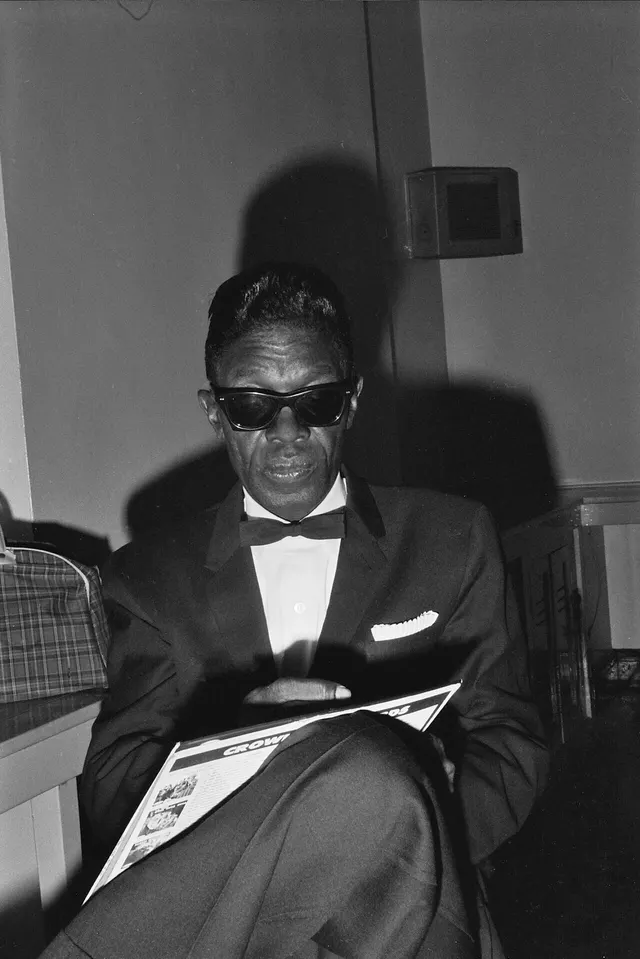
Lightnin' Hopkins
Image credit33stradale · CC BY-SA 3.0Resized and cropped for display.

Lightnin’ Hopkins

Texan blues singer and guitarist.

David Cronenberg
Image creditColleen Sturtevant · CC BY-SA 4.0Resized and cropped for display.

David Cronenberg

Canadian film director of The Fly and A History of Violence.

Alia Bhatt
Image creditGabriel Hutchinson · CC BY-SA 4.0Resized and cropped for display.

Alia Bhatt

Indian film actress of Raazi and Gangubai Kathiawadi.

◉
IDEAS THAT CHANGED THINGS

Firsts, Science & Discoveries

A Symbolics 3600 Lisp machine, a computer made by the company that registered the first .com name.
Image creditRetro-Computing Society of Rhode Island · CC BY-SA 3.0Resized and cropped for display.

The first .com name is registered

On 15 March 1985 Symbolics, a computer maker in Cambridge, Massachusetts, registered the domain name symbolics.com. It was the first .com address ever registered.

Symbolics had grown out of the artificial-intelligence laboratory at MIT and built specialised workstations. Its registration came about six years before the World Wide Web opened to the public; hundreds of millions of domain names now exist.

Read the full storyHistory & Timeline →Source: EDN: 1st .com domain name is registered, March 15, 1985 ↗
☆
SPORTING HISTORY

Sporting Moments

The Australian batsman Charles Bannerman, about 1877.
Image creditUnknown photographer (State Library of New South Wales) · Public domainResized and cropped for display.

The first Test match begins

On 15 March 1877 a combined Australian eleven met James Lillywhite’s touring English professionals at the Melbourne Cricket Ground, in the game now counted as the first Test match. Charles Bannerman faced the first ball and went on to score 165, the first Test century, before retiring hurt.

Australia won by 45 runs. A hundred years later, the Centenary Test at the same ground ended with exactly the same margin.

Read the full storyHistory & Timeline →Source: ESPNcricinfo: Australia v England, 1st Test, 1877, scorecard ↗
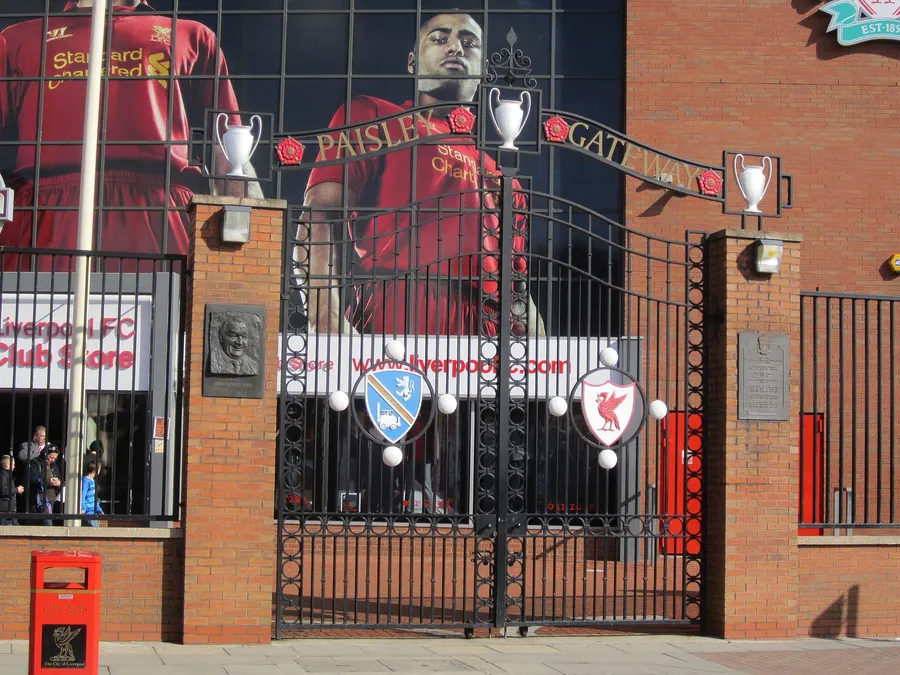
The Paisley Gateway at Anfield, Liverpool FC's home ground since 1892, in 2012.
The Paisley Gateway at Anfield, Liverpool FC’s home ground since 1892, in 2012.
Image creditRept0n1x · CC BY-SA 3.0Resized and cropped for display.

Liverpool FC is formed

Everton had played at Anfield for years, but its members fell out with the ground’s owner, John Houlding, over rent, and moved away. On 15 March 1892 Houlding and his allies broke with Everton for good and set about forming a new club to play at his empty ground.

The Football Association would not let them keep the name Everton, so the new team became Liverpool Football Club, officially registered that June. It went on to become one of the most successful clubs in England and Europe.

Read the full storyHistory & Timeline →Source: Liverpool FC: How Liverpool FC was founded in 1892 ↗
✦
LIVES REMEMBERED

Remembered Today

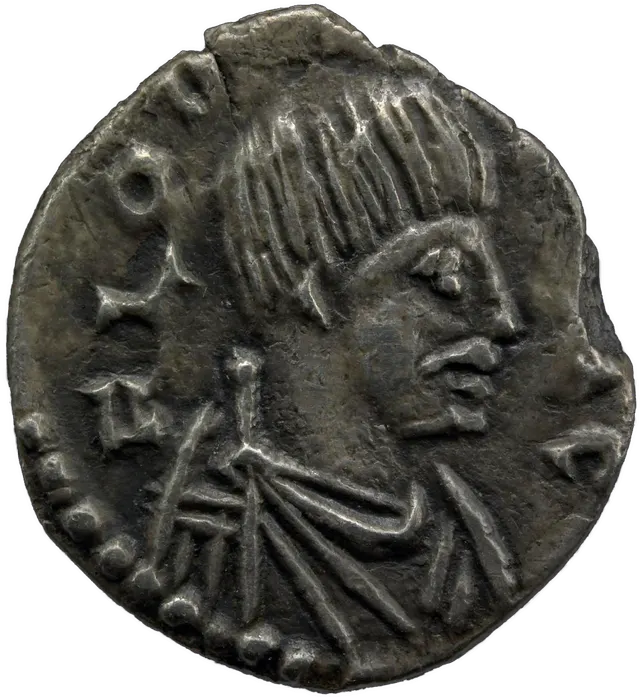
Odoacer
Image creditBritish Museum (photo) · CC BY-SA 4.0Resized and cropped for display.

Odoacer

Germanic soldier who deposed the last western Roman emperor and ruled Italy; killed by Theodoric (by the calendar of his day).

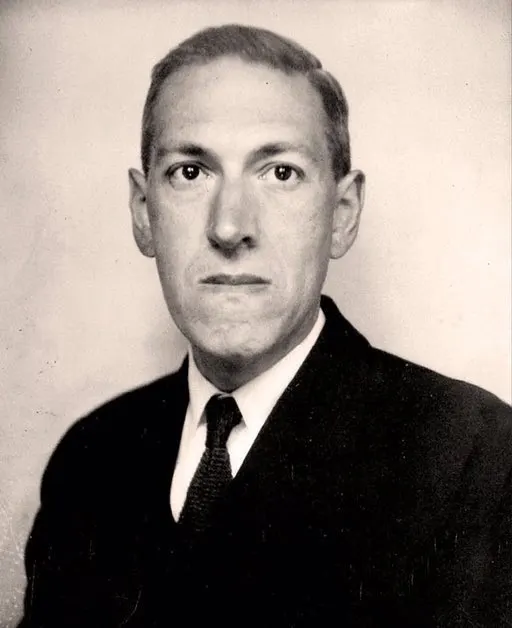
H. P. Lovecraft
Image creditLucius B. Truesdell · Public domainResized and cropped for display.

H. P. Lovecraft

American writer of weird fiction, creator of the Cthulhu stories.

Aristotle Onassis
Image creditPieter Jongerhuis · CC BY-SA 3.0 nlResized and cropped for display.

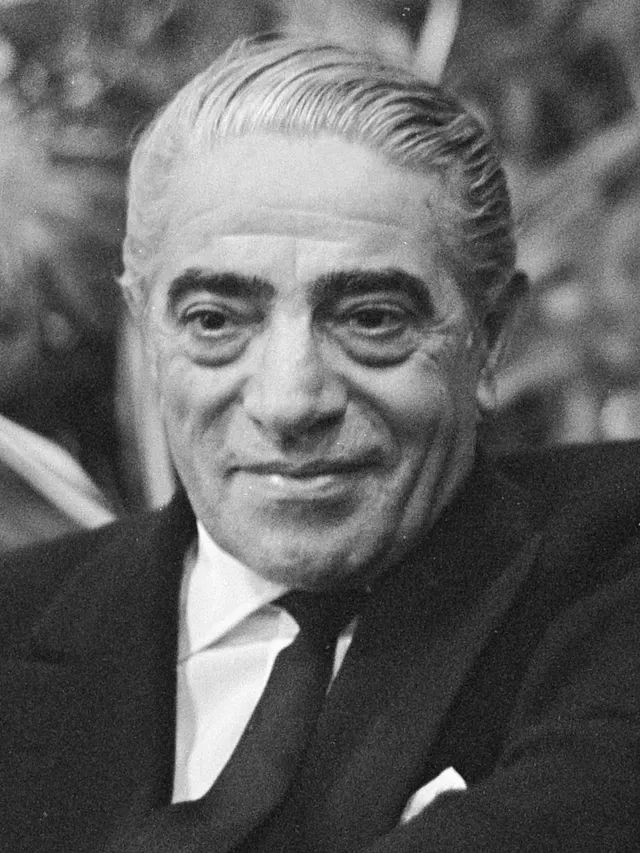
Aristotle Onassis

Greek shipping magnate who married Jacqueline Kennedy.

☉
AROUND THE WORLD

Observances & Anniversaries

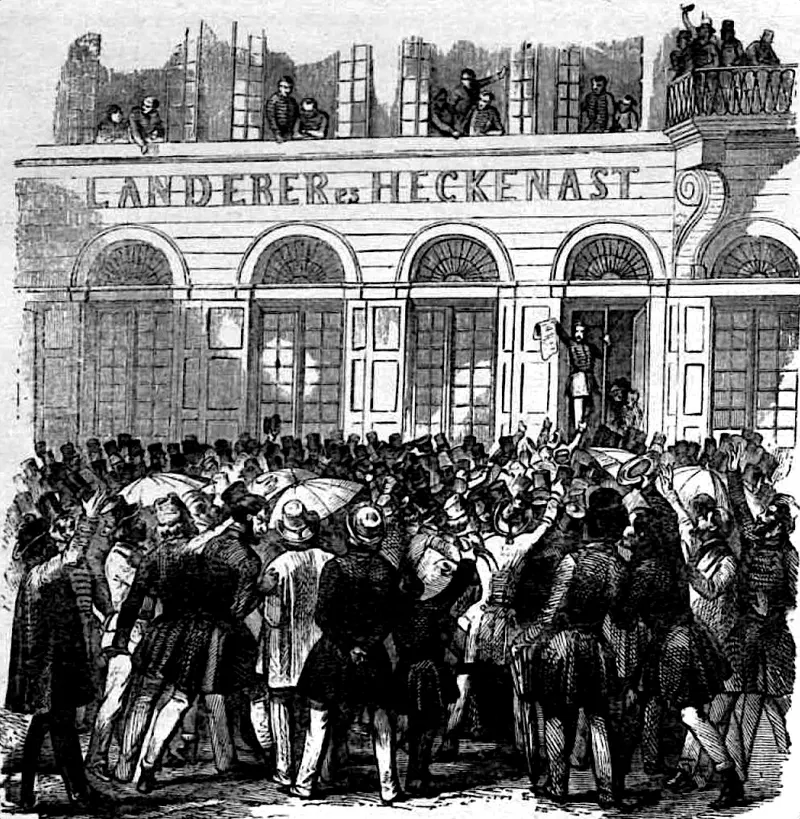
Crowds outside the Landerer and Heckenast press in Pest on 15 March 1848, from a Vasárnapi Ujság illustration of 1868.
Image creditVasárnapi Ujság · Public domainResized and cropped for display.

Hungary remembers the revolution of 1848

On 15 March 1848 young radicals led by the poet Sándor Petőfi gathered crowds in Pest, read out his National Song and a list of Twelve Points, and printed both without the censor’s approval. Their demands included a free press, an elected government and equality before the law.

The day began a revolution and a war of independence against Habsburg rule in 1848-49. Hungary marks 15 March as a national holiday.

Source: Liszt Institute (Hungarian Cultural Centre): 15 March, commemoration of the Hungarian revolution of 1848 ↗
HISTORY & TIMELINE

Finished the highlights?

Follow 15 March chronologically, from the Middle Ages to the modern day, with 15 verified events and the sources behind them.

This day through time →