HISTORY & TIMELINE
15 March

A journey through
15 March in history

From the Ides of March in 44 BC to a day of mourning in Christchurch in 2019, 15 March has ended empires and started revolutions, from Pest in 1848 to Petrograd in 1917. It also saw the first Test match and the first .com name. This timeline follows the date across two thousand years.

I
EARLIEST RECORDS

Ancient & Early History

The earliest worthwhile records and events connected with this date.

-44
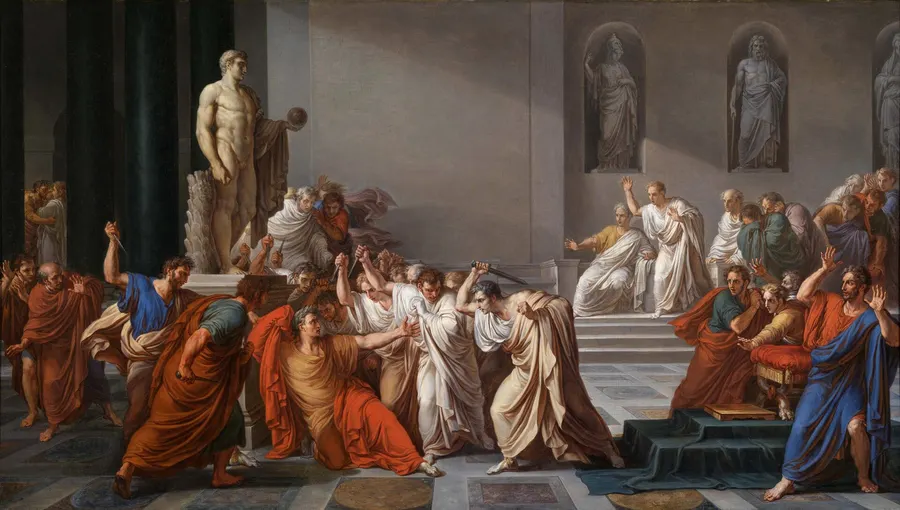
The Death of Caesar, painted by Vincenzo Camuccini in the early 1800s.The Death of Caesar, painted by Vincenzo Camuccini in the early 1800s.Image: Vincenzo Camuccini · Public domain
politics · Europe

Julius Caesar is murdered on the Ides of March

On the Ides of March, 15 March 44 BC, a group of Roman senators led by Marcus Brutus and Gaius Cassius stabbed Julius Caesar to death at a meeting of the Senate in the hall attached to Pompey’s theatre. Ancient writers counted 23 wounds. The conspirators said they were saving the Republic from a man who had made himself dictator for life. Instead his murder set off years of civil war, which ended with Caesar’s great-nephew Octavian ruling alone as Augustus, the first Roman emperor.

Source: Encyclopaedia Britannica: Ides of March ↗
IV
THE NINETEENTH CENTURY

The 1800s

Industry, empire, invention, reform and a century of enormous transformation.

1820
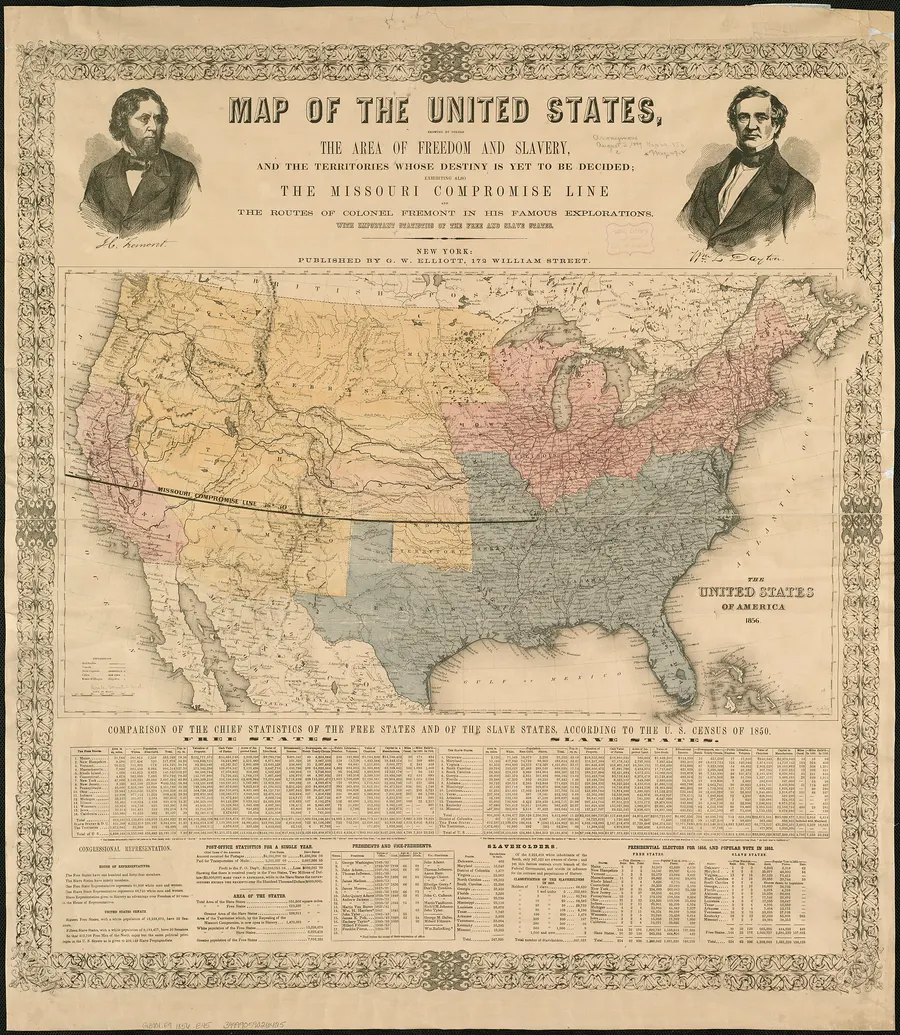
An 1856 map of the United States showing free and slave states and the Missouri Compromise line.An 1856 map of the United States showing free and slave states and the Missouri Compromise line.Image: Norman B. Leventhal Map Center at the BPL · Public domain
politics · Americas

Maine becomes a state

Maine, until then part of Massachusetts, was admitted as the 23rd state of the United States. Under the Missouri Compromise it came in as a free state, balancing the admission of Missouri as a slave state and keeping the Senate evenly split.

Source: Maine State Legislature: History of Maine ↗
1877
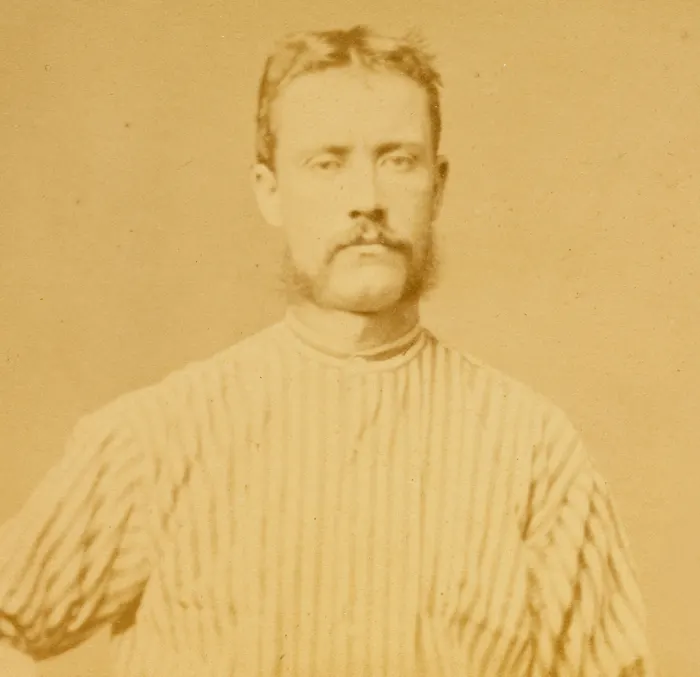
The Australian batsman Charles Bannerman, about 1877.The Australian batsman Charles Bannerman, about 1877.Image: Unknown photographer (State Library of New South Wales) · Public domain
sport · Oceania

The first Test match begins

On 15 March 1877 a combined Australian eleven met James Lillywhite’s touring English professionals at the Melbourne Cricket Ground, in the game now counted as the first Test match. Charles Bannerman faced the first ball and went on to score 165, the first Test century, before retiring hurt. Australia won by 45 runs. A hundred years later, the Centenary Test at the same ground ended with exactly the same margin.

Source: ESPNcricinfo: Australia v England, 1st Test, 1877, scorecard ↗
1892
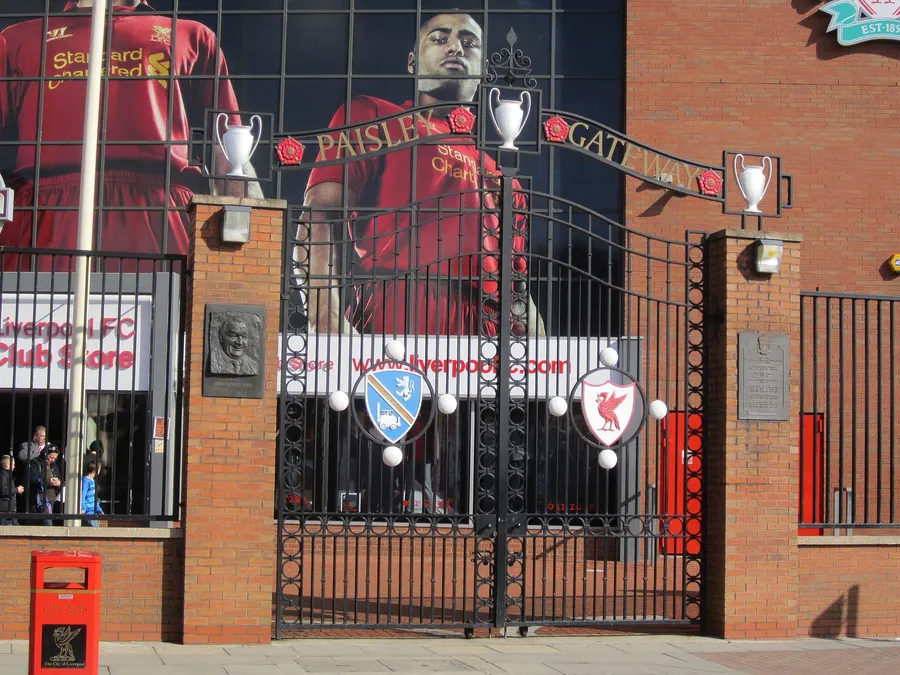
The Paisley Gateway at Anfield, Liverpool FC's home ground since 1892, in 2012.The Paisley Gateway at Anfield, Liverpool FC’s home ground since 1892, in 2012.Image: Rept0n1x · CC BY-SA 3.0
sport · Europe

Liverpool FC is formed

Everton had played at Anfield for years, but its members fell out with the ground’s owner, John Houlding, over rent, and moved away. On 15 March 1892 Houlding and his allies broke with Everton for good and set about forming a new club to play at his empty ground. The Football Association would not let them keep the name Everton, so the new team became Liverpool Football Club, officially registered that June. It went on to become one of the most successful clubs in England and Europe.

Source: Liverpool FC: How Liverpool FC was founded in 1892 ↗
V
THE TWENTIETH CENTURY

The 1900s

War and peace, technological leaps, social change, politics, sport and popular culture.

1906
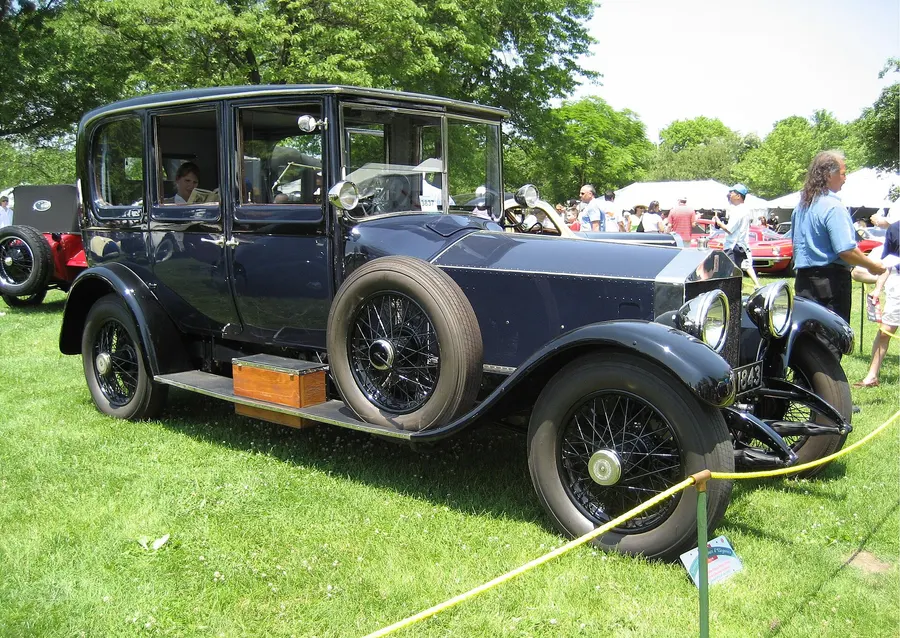
A Rolls-Royce Silver Ghost of 1920.A Rolls-Royce Silver Ghost of 1920.Image: Jagvar · Public domain
science · Europe

Rolls-Royce Limited is registered

The engineer Henry Royce and the car dealer and aviator Charles Rolls turned their partnership into a company, Rolls-Royce Limited. Its Silver Ghost soon won it a name for building ‘the best car in the world’, and the company later became one of the great makers of aircraft engines.

Source: Grace’s Guide to British Industrial History: Rolls-Royce ↗
1916
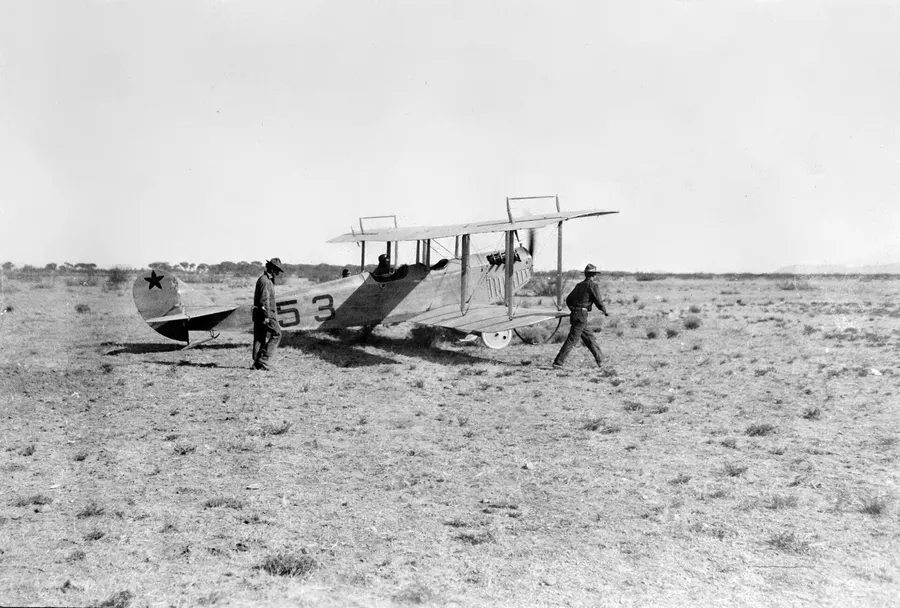
A Curtiss JN-3 of the 1st Aero Squadron at Casas Grandes, Mexico, in 1916.A Curtiss JN-3 of the 1st Aero Squadron at Casas Grandes, Mexico, in 1916.Image: Unknown photographer · Public domain
world · Americas

US troops cross into Mexico after Pancho Villa

About 6,000 US soldiers under Brigadier General John J. Pershing crossed into Mexico before dawn, in pursuit of Pancho Villa after his raid on Columbus, New Mexico. The expedition used lorries and aircraft on a large scale for the first time in the US Army, but never caught Villa, and the last troops left in February 1917.

Source: US National Archives, Prologue: The US armed forces and the Mexican Punitive Expedition ↗
1917
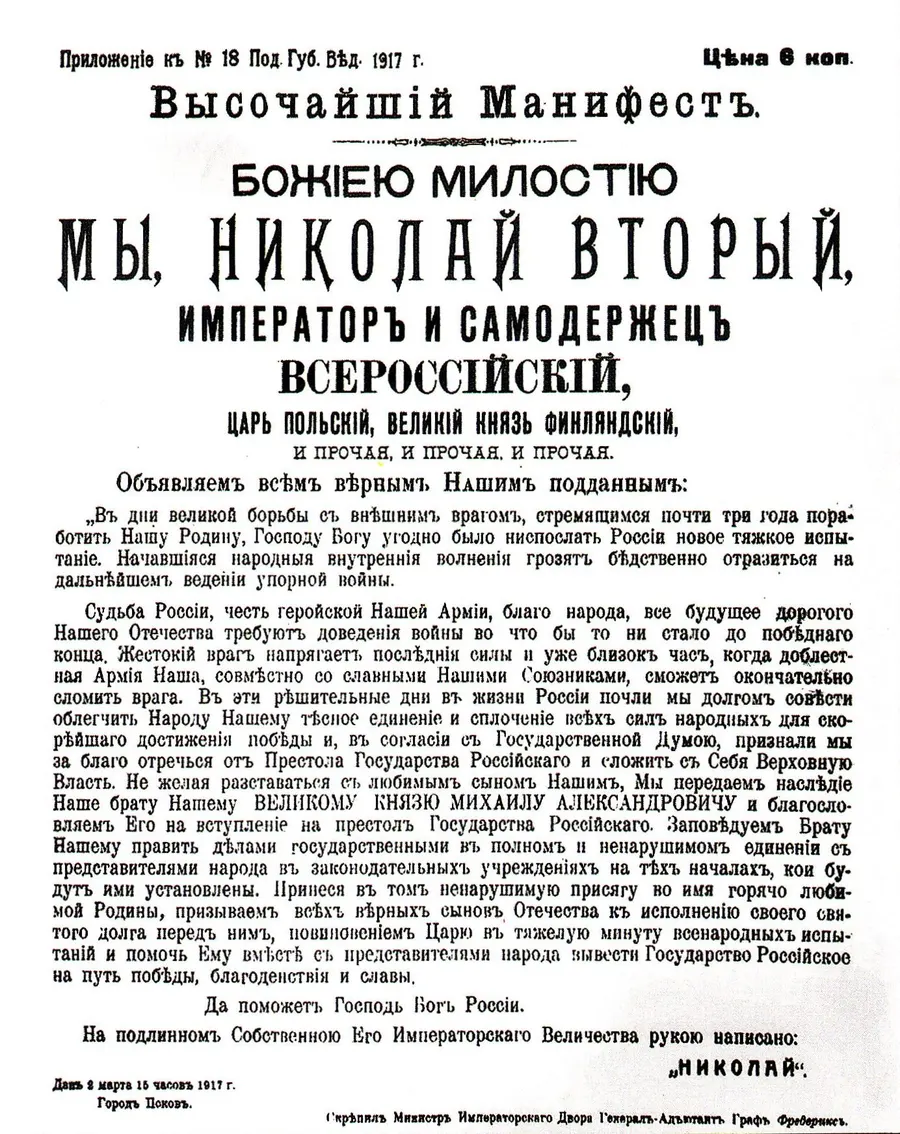
Nicholas II's abdication manifesto, printed as a supplement to a Russian provincial newspaper in 1917.Nicholas II’s abdication manifesto, printed as a supplement to a Russian provincial newspaper in 1917.Image: Unknown printer · Public domain
politics · Europe

The last tsar gives up his throne

With Petrograd in revolt and his generals urging him to go, Tsar Nicholas II signed his abdication in his train at Pskov on 15 March 1917 (2 March in the old Russian calendar). He gave up the throne for himself and his sick son Alexei, naming his brother Michael as heir. Michael declined the crown the next day, ending more than three centuries of Romanov rule. A Provisional Government took charge, until the Bolsheviks seized power that November.

Source: Encyclopaedia Britannica: Nicholas II, abdication and death ↗
1939
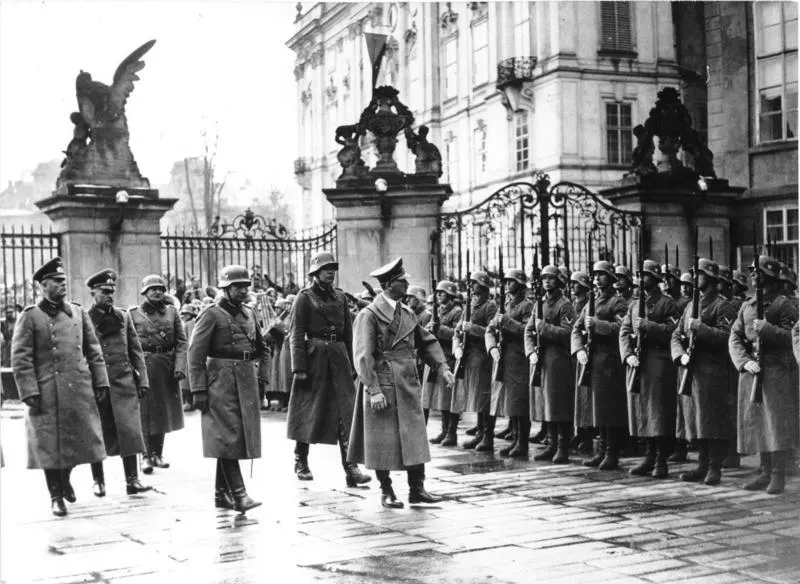
Hitler inspects a guard of honour at Prague Castle on 15 March 1939 (German Federal Archives).Hitler inspects a guard of honour at Prague Castle on 15 March 1939 (German Federal Archives).Image: Unknown photographer (German Federal Archives) · CC BY-SA 3.0 de
world · Europe

German troops occupy Prague

In the early hours, under threat of the bombing of Prague, the Czechoslovak president Emil Hácha signed his people over to German ‘protection’ in Berlin. German troops marched into Bohemia and Moravia that morning, and Hitler slept in Prague Castle that night. The breach of the Munich Agreement ended Britain and France’s policy of appeasement.

Source: Radio Prague International: March 15, 1939, the day Czechoslovakia ceased to exist ↗
1951
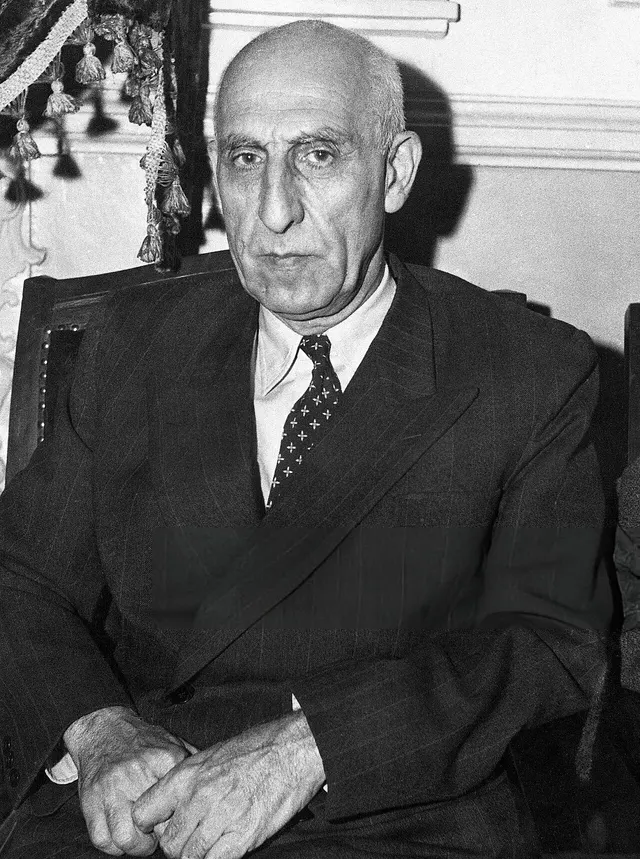
Mohammad Mosaddegh, who led the campaign to nationalise Iran's oil.Mohammad Mosaddegh, who led the campaign to nationalise Iran’s oil.Image: International News Photos · Public domain
politics · Middle East

Iran votes to take over its oil

On 15 March 1951 Iran’s parliament, the Majlis, voted unanimously to nationalise the country’s oil industry, which had been run for decades by the British-owned Anglo-Iranian Oil Company, later BP. The Senate approved the law days later. The campaign’s champion, Mohammad Mosaddegh, became prime minister that spring. The long dispute with Britain that followed ended in the coup that overthrew him in 1953.

Source: EBSCO Research Starters: Iran nationalizes its oil industry ↗
1961
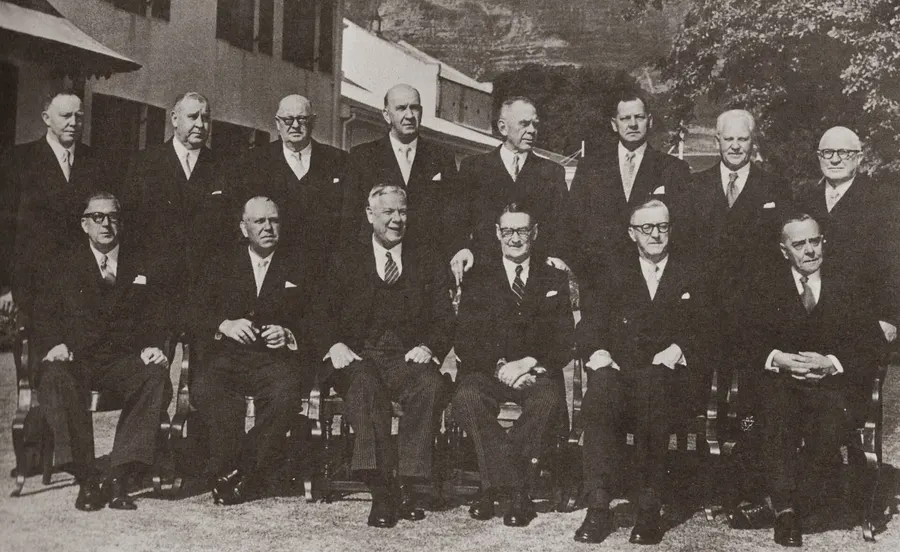
The South African cabinet in 1958; Hendrik Verwoerd sits third from left in the front row.The South African cabinet in 1958; Hendrik Verwoerd sits third from left in the front row.Image: Unknown photographer · Public domain
politics · Africa

South Africa quits the Commonwealth

South Africa was about to become a republic, and at the Commonwealth prime ministers’ conference in London its leader, Hendrik Verwoerd, asked for it to remain a member. African and Asian members, joined by Canada, attacked its apartheid laws. Facing refusal, Verwoerd withdrew the application on 15 March 1961, and South Africa left the Commonwealth when the republic was declared that May. It rejoined in 1994, after its first democratic election.

Source: South African History Online: South Africa withdraws from the Commonwealth ↗
1965
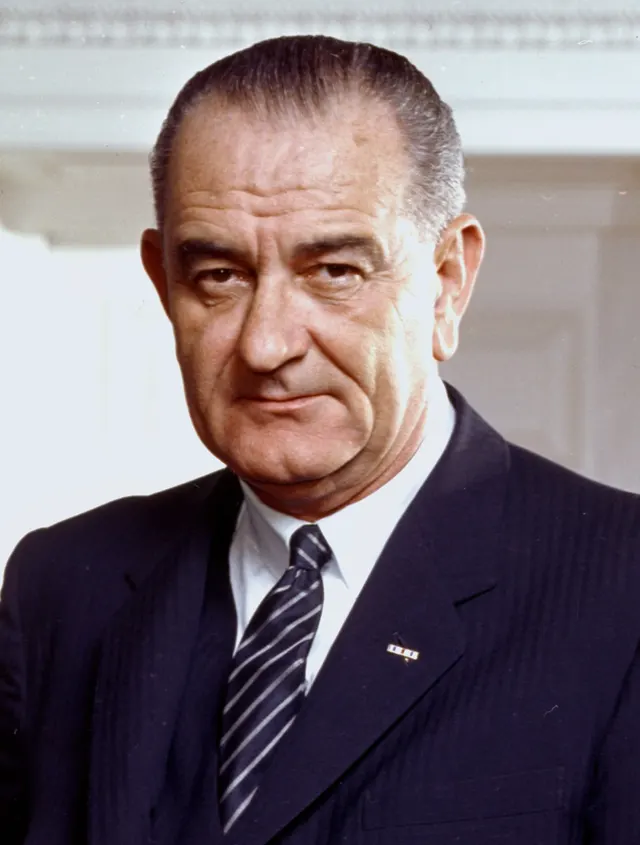
President Lyndon B. Johnson in the Oval Office, 1964.President Lyndon B. Johnson in the Oval Office, 1964.Image: Arnold Newman · Public domain

politics · Americas

‘We shall overcome’

Eight days after state troopers beat peaceful marchers at Selma, Alabama, President Lyndon Johnson went before a joint session of Congress on the evening of 15 March 1965 to demand a law protecting Black Americans’ right to vote. Millions watched on television. He closed by taking up the words of the civil rights anthem, ‘we shall overcome’, as his own. The Voting Rights Act became law that August.

Source: Miller Center, University of Virginia: March 15, 1965, speech before Congress on voting rights ↗
1985
A Symbolics 3600 Lisp machine, a computer made by the company that registered the first .com name.A Symbolics 3600 Lisp machine, a computer made by the company that registered the first .com name.Image: Retro-Computing Society of Rhode Island · CC BY-SA 3.0
science · Americas

The first .com name is registered

On 15 March 1985 Symbolics, a computer maker in Cambridge, Massachusetts, registered the domain name symbolics.com. It was the first .com address ever registered. Symbolics had grown out of the artificial-intelligence laboratory at MIT and built specialised workstations. Its registration came about six years before the World Wide Web opened to the public; hundreds of millions of domain names now exist.

Source: EDN: 1st .com domain name is registered, March 15, 1985 ↗
1990
politics · Europe

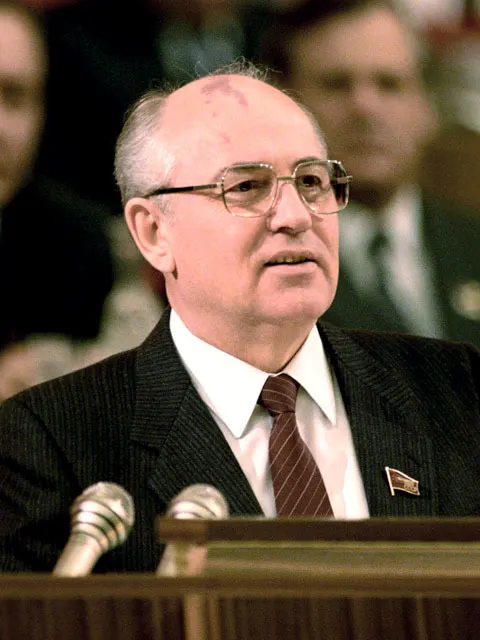
Gorbachev becomes the first Soviet president

A day after the Congress of People’s Deputies elected him, Mikhail Gorbachev was sworn in as the first and only President of the Soviet Union, a new post with wide executive powers created as the Communist Party gave up its monopoly on power. He resigned on 25 December 1991, as the Soviet Union came to an end.

Source: UPI Archives: Gorbachev sworn in as president, 15 March 1990 ↗
VI
2000 TO TODAY

Modern Day

The events of recent decades that have already become part of the historical record.

2011
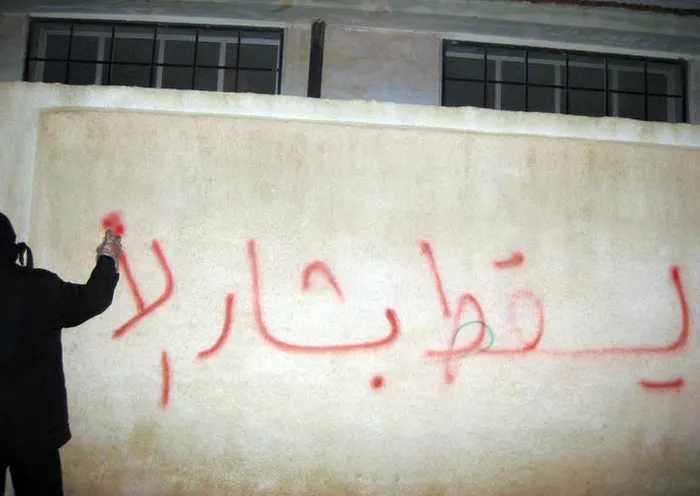
Graffiti reading 'Down with Bashar' on a wall in Syria, spring 2011.Graffiti reading ‘Down with Bashar’ on a wall in Syria, spring 2011.Image: jan Sefti · CC BY-SA 2.0
politics · Middle East

Protests begin in Syria

Inspired by uprisings elsewhere in the Arab world, small groups of protesters answered a call for a ‘day of rage’ in Damascus and Aleppo and were broken up by security forces. Syrians mark the day as the start of their uprising, which widened after deadly repression in Daraa days later and turned into a long civil war.

Source: The Century Foundation: The politics of memory, ten years of war in Syria ↗
2019
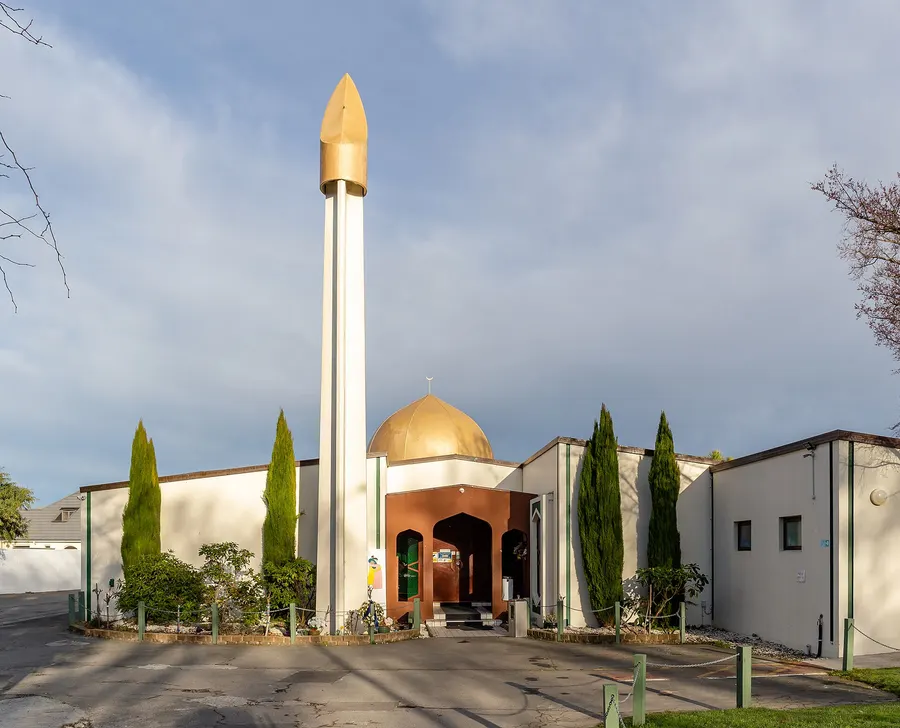
The Al Noor Mosque in Christchurch, August 2019.The Al Noor Mosque in Christchurch, August 2019.Image: Michal Klajban · CC BY-SA 4.0
world · Oceania

The Christchurch mosque attacks

During Friday prayers a gunman attacked the Al Noor Mosque and the Linwood Islamic Centre in Christchurch, New Zealand, killing 51 worshippers. He was sentenced to life without parole, the first such sentence in the country’s history, and a Royal Commission of Inquiry made 44 recommendations, all accepted by the government.

Source: Royal Commission of Inquiry into the Attack on Christchurch Mosques on 15 March 2019 ↗
RESEARCH

Sources & Further Reading

Selected authoritative references supporting the events on this page.

Encyclopaedia Britannica: Ides of March↗Encyclopaedia Britannica: Julius Caesar↗Maine State Legislature: History of Maine↗Maine Historical Society, Maine Memory Network: Maine’s road to statehood↗ESPNcricinfo: Australia v England, 1st Test, 1877, scorecard↗Sport Australia Hall of Fame: Charles Bannerman↗Liverpool FC: How Liverpool FC was founded in 1892↗Wikipedia: Liverpool F.C.↗Grace’s Guide to British Industrial History: Rolls-Royce↗Wikipedia: Rolls-Royce Limited↗US National Archives, Prologue: The US armed forces and the Mexican Punitive Expedition↗Smithsonian National Museum of American History: General Pershing’s Mexican expedition↗Encyclopaedia Britannica: Nicholas II, abdication and death↗Presidential Library of Russia: Emperor Nicholas II’s abdication↗Radio Prague International: March 15, 1939, the day Czechoslovakia ceased to exist↗FDR Presidential Library: FDR Day by Day, March 15, 1939↗EBSCO Research Starters: Iran nationalizes its oil industry↗The Evergreen State College: The nationalization of Iranian oil↗South African History Online: South Africa withdraws from the Commonwealth↗UK Parliament, Hansard: Union of South Africa (withdrawal from Commonwealth), 22 March 1961↗Miller Center, University of Virginia: March 15, 1965, speech before Congress on voting rights↗White House Historical Association: ‘We Shall Overcome’↗EDN: 1st .com domain name is registered, March 15, 1985↗Wikipedia: .com↗UPI Archives: Gorbachev sworn in as president, 15 March 1990↗Washington Post archive: Gorbachev elected president, 15 March 1990↗The Century Foundation: The politics of memory, ten years of war in Syria↗Al Arabiya: A timeline of key events in the Syrian uprising↗Royal Commission of Inquiry into the Attack on Christchurch Mosques on 15 March 2019↗New Zealand Police: Royal Commission of Inquiry into the terrorist attack on Christchurch masjidain↗
WHY THESE MOMENTS?

Significance before volume

This page is not the longest possible list of events. It is a chronological journey through 15 March, where each entry is chosen for historical significance, human interest and reliability.

Facts are checked against authoritative museums, archives, universities and reference works. Where sources disagree, the page says so.

EXPLORED THE DEEPER STORY?

Return to the highlights of 15 March

Discover the lighter side of the date with famous birthdays, culture, firsts and lives remembered.

Explore This Day →
← PREVIOUS DAY14 March
HISTORY & TIMELINE15 March
NEXT DAY →16 March