Explore 13 March

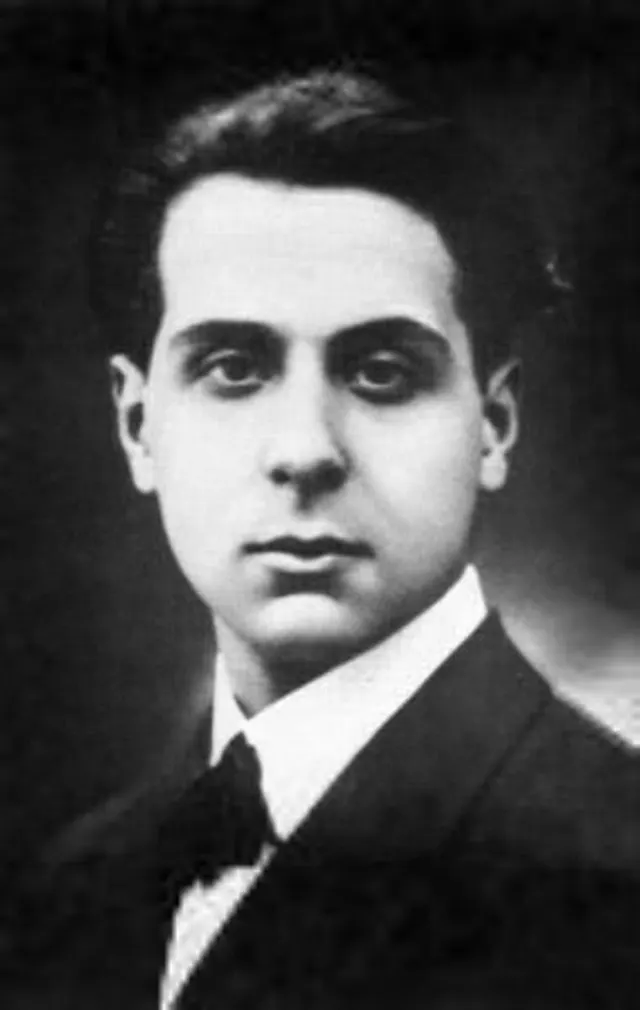
Explore 13 March: William Herschel finds a new planet, the discovery of Pluto is announced, Tsar Alexander II is assassinated and the battle of Dien Bien Phu begins. Meet Emperor Joseph II, Percival Lowell and Giorgos Seferis, born on this date.

This day through time →12 verified events across 4 eras

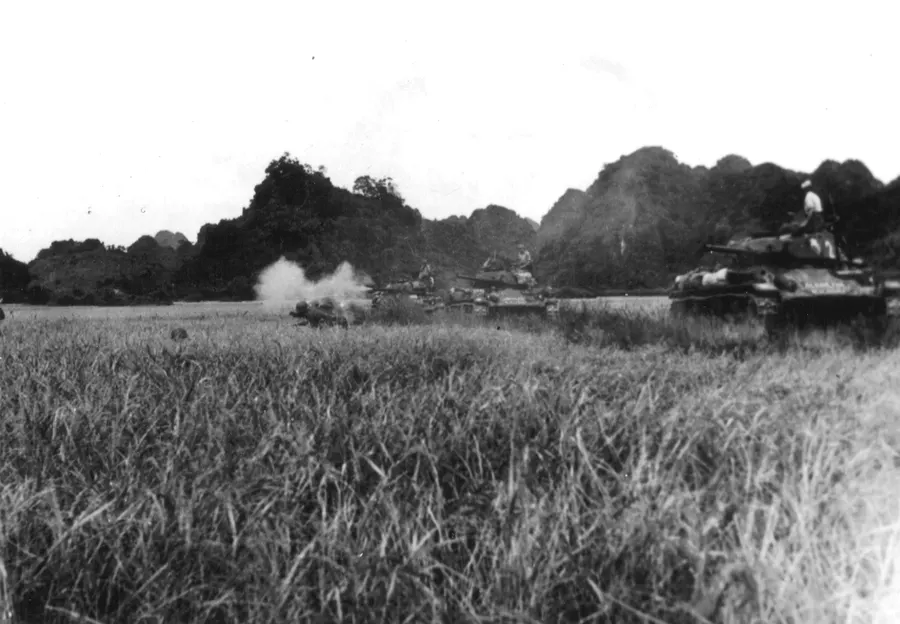
French tanks firing in support of infantry at Dien Bien Phu, 1954.
Image creditUS Army (from Donn A. Starry, Mounted Combat in Vietnam) · Public domainResized and cropped for display.

The battle of Dien Bien Phu begins

In late 1953 French forces built a fortified base in the valley of Dien Bien Phu in north-west Vietnam, hoping to lure the Viet Minh into a pitched battle. On the evening of 13 March 1954 Viet Minh artillery, hauled into the surrounding hills, opened fire on the strongpoint called Beatrice, which fell within hours. The airstrip was soon put out of action.

The siege lasted 56 days. When the garrison surrendered on 7 May, France’s rule in Indochina was effectively over, and the peace conference at Geneva divided Vietnam that July.

Read the full storyHistory & Timeline →Source: Encyclopaedia Britannica: Battle of Dien Bien Phu ↗
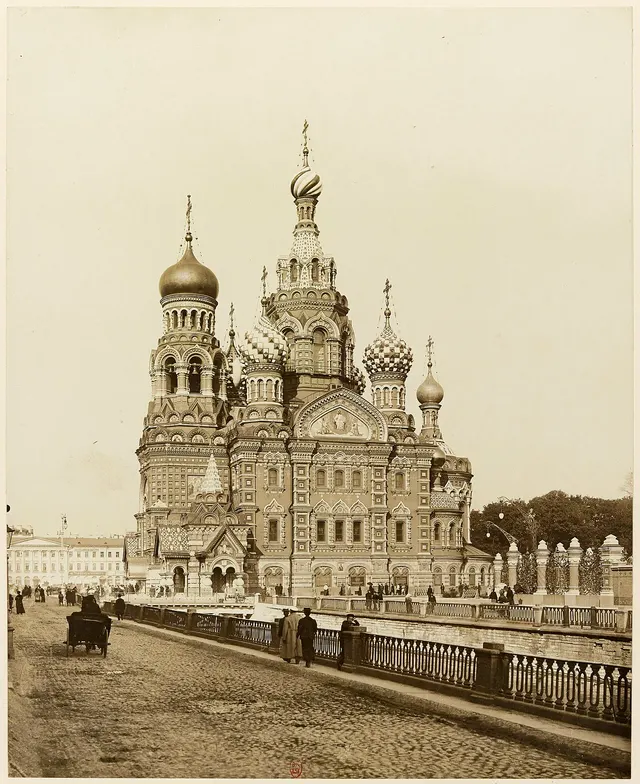
The Church of the Saviour on Spilled Blood in St Petersburg, built on the spot where Alexander II was attacked, on a postcard of about 1917.
Image creditUnknown (postcard) · Public domainResized and cropped for display.

Tsar Alexander II is assassinated

On 13 March 1881 (1 March in the old Russian calendar) members of the revolutionary group People’s Will threw bombs at the carriage of Tsar Alexander II beside a canal in St Petersburg. He was fatally wounded and died that afternoon; one of the bombers was also killed.

Alexander had freed Russia’s serfs in 1861, but the revolutionaries had tried to kill him several times before. His son, Alexander III, turned against reform, and five of the plotters were hanged that April.

Read the full storyHistory & Timeline →Source: Encyclopaedia Britannica: Alexander II ↗
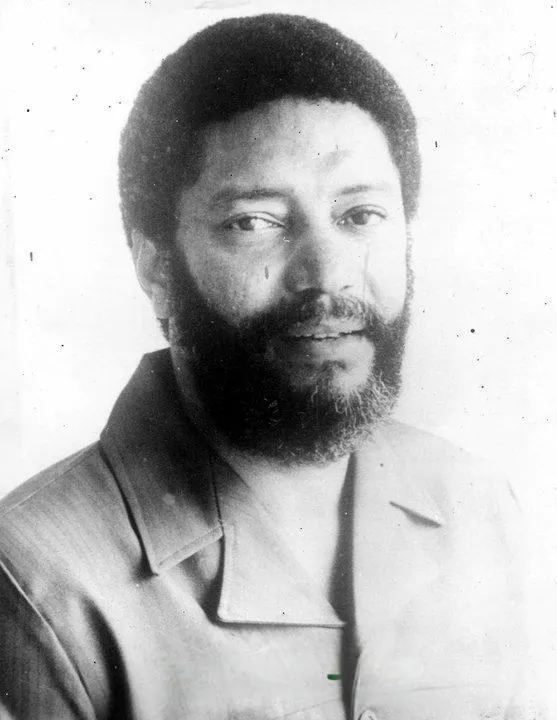
Maurice Bishop, prime minister of Grenada from 1979 to 1983.
Image creditAssociated Press · Public domainResized and cropped for display.

A revolution in Grenada

Before dawn on 13 March 1979, while Prime Minister Eric Gairy was abroad, fighters of the New Jewel Movement seized the army barracks at True Blue and the radio station on the Caribbean island of Grenada. Gairy’s forces soon surrendered, and the takeover was almost bloodless.

The movement’s leader, the lawyer Maurice Bishop, became prime minister of a People’s Revolutionary Government with close ties to Cuba. In October 1983 Bishop was killed in a split within his own party, and United States forces invaded days later.

Read the full storyHistory & Timeline →Source: Encyclopaedia Britannica: New Jewel Movement ↗
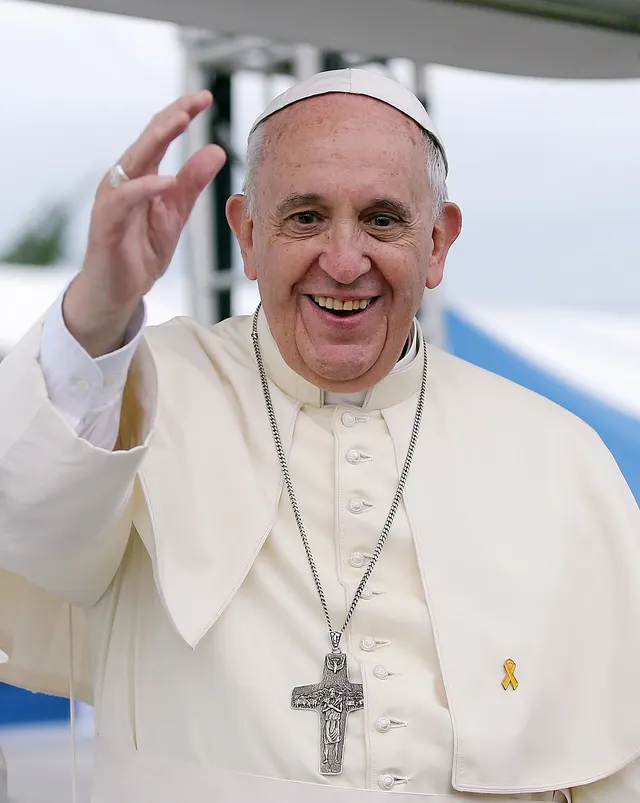
Pope Francis in South Korea, 2014.
Image creditKorea.net / Korean Culture and Information Service (Jeon Han) · CC BY-SA 2.0Resized and cropped for display.

The first pope from the Americas

On the evening of 13 March 2013, after the resignation of Benedict XVI, the cardinals in the Sistine Chapel elected Jorge Mario Bergoglio, the 76-year-old Archbishop of Buenos Aires. He took the name Francis, after St Francis of Assisi.

He was the first pope from the Americas and the first Jesuit pope. He led the Catholic Church for twelve years, until his death in April 2025.

Read the full storyHistory & Timeline →Source: Holy See: Biography of Pope Francis ↗
♙
PEOPLE

Born Today

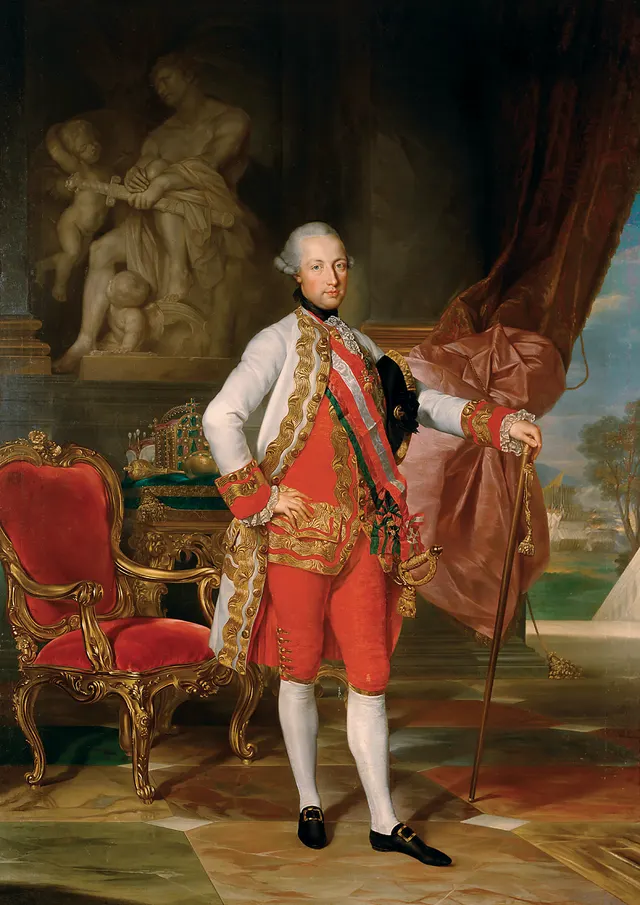
Joseph II
Image creditAnton von Maron · Public domainResized and cropped for display.

Joseph II

Habsburg emperor and reformer who abolished serfdom in his lands and granted religious tolerance.

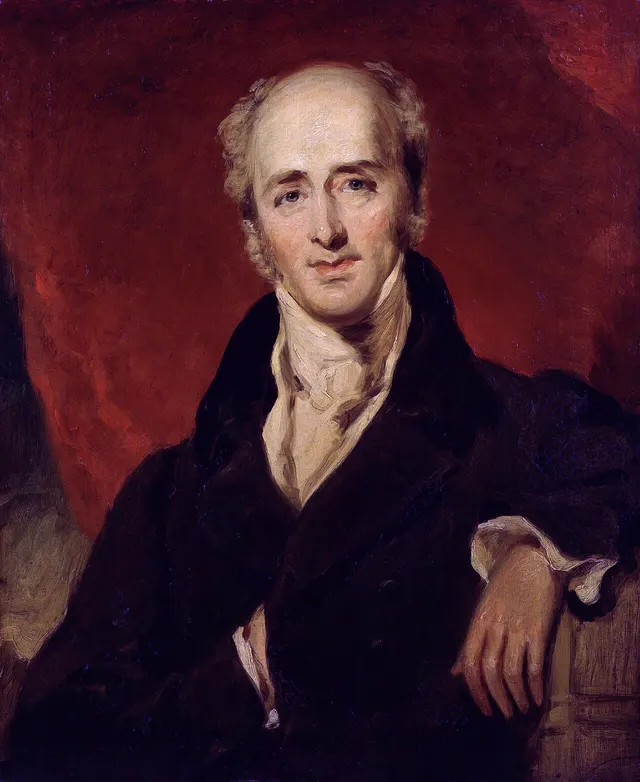
Charles Grey, 2nd Earl Grey
Image creditAfter Thomas Lawrence · Public domainResized and cropped for display.

Charles Grey, 2nd Earl Grey

British prime minister who passed the Great Reform Act of 1832; Earl Grey tea is named after him.

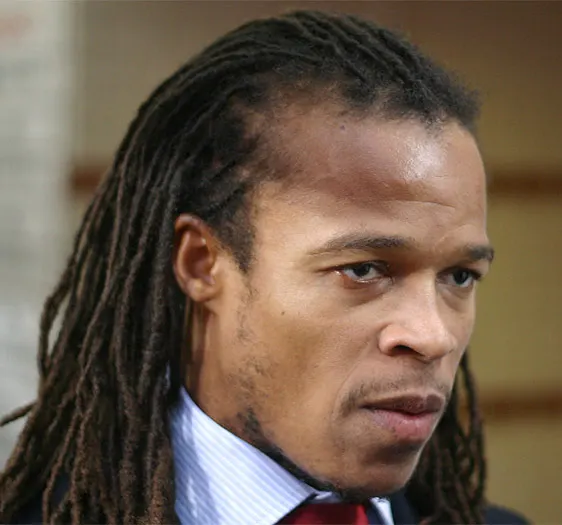
Edgar Davids
Image creditPaul Blank · CC BY 2.5Resized and cropped for display.

Edgar Davids

Dutch midfielder, born in Suriname, who starred for Ajax and Juventus.

◉
IDEAS THAT CHANGED THINGS

Firsts, Science & Discoveries

A model of the telescope with which William Herschel found Uranus, at the Herschel Museum of Astronomy in Bath.
Image creditMike Young · Public domainResized and cropped for display.

William Herschel finds a new planet

Late on 13 March 1781, in the back garden of his house in Bath, the musician and amateur astronomer William Herschel noticed an object in his home-made telescope that was not a star. He thought at first it was a comet.

It proved to be a planet, the first found since ancient times, and it doubled the known size of the solar system. Herschel named it the Georgian Star after King George III, but the name Uranus was eventually adopted.

Read the full storyHistory & Timeline →Source: Royal Museums Greenwich: The discovery of Uranus ↗
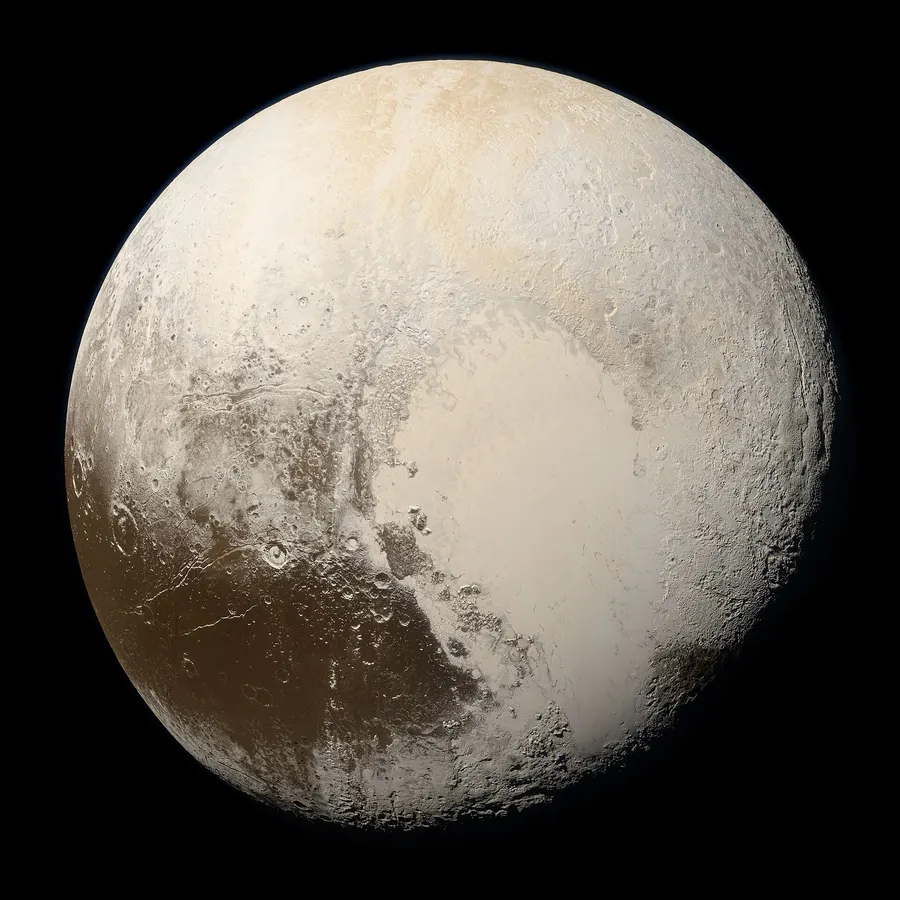
Pluto photographed by NASA's New Horizons spacecraft in July 2015.
Pluto photographed by NASA’s New Horizons spacecraft in July 2015.
Image creditNASA/Johns Hopkins APL/Southwest Research Institute/Alex Parker · Public domainResized and cropped for display.

The discovery of Pluto is announced

On 18 February 1930 Clyde Tombaugh, a young assistant at the Lowell Observatory in Flagstaff, Arizona, spotted a faint moving dot while comparing photographs of the night sky. After weeks of checking, the observatory announced the discovery of a ninth planet on 13 March 1930.

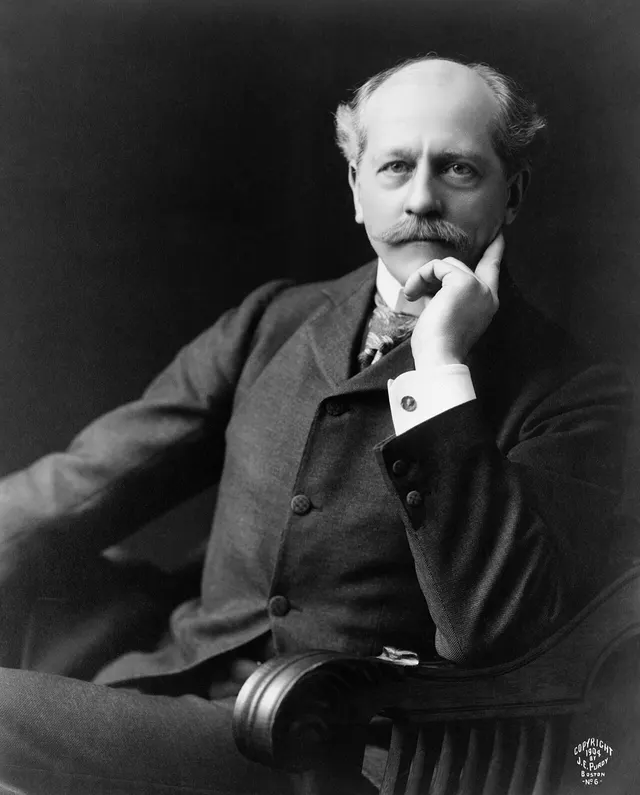
The observatory’s founder, Percival Lowell, had begun searching for a ‘Planet X’ in 1905. The name Pluto was suggested by Venetia Burney, an eleven-year-old girl in Oxford. In 2006 astronomers reclassified it as a dwarf planet.

Read the full storyHistory & Timeline →Source: Lowell Observatory: The discovery of Pluto ↗
The European Space Agency's Giotto spacecraft.
The European Space Agency’s Giotto spacecraft.
Image creditEuropean Space Agency · CC BY-SA 3.0 igoResized and cropped for display.

Giotto flies through the heart of Halley’s Comet

On the night of 13-14 March 1986 the European Space Agency’s first deep-space probe, Giotto, flew within about 600 kilometres of the nucleus of Halley’s Comet. It took the first close-up pictures of a comet’s nucleus, a dark, potato-shaped body, before being battered by dust.

Giotto survived the encounter and went on to fly past a second comet, Grigg-Skjellerup, in 1992.

Read the full storyHistory & Timeline →Source: European Space Agency: Giotto overview ↗
☆
SPORTING HISTORY

Sporting Moments

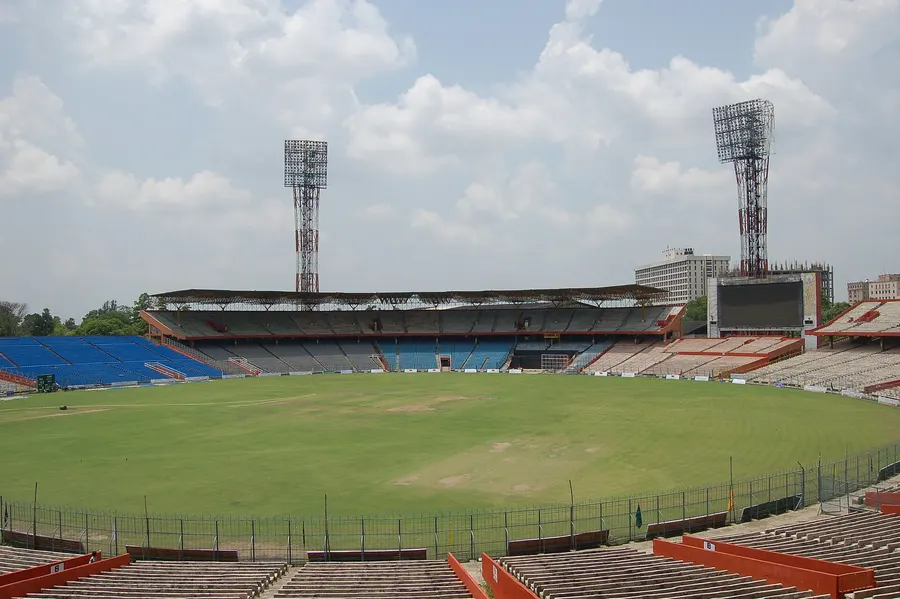
Eden Gardens in Kolkata, 2007.
Image creditChippu Abraham · CC BY-SA 2.0Resized and cropped for display.

A World Cup semi-final ends in uproar

On 13 March 1996 India met Sri Lanka in a Cricket World Cup semi-final at Eden Gardens in Calcutta (now Kolkata). Chasing 252, India collapsed from 98 for 1 to 120 for 8, and parts of the huge crowd began throwing bottles onto the field and setting fires in the stands.

The match referee, Clive Lloyd, awarded the game to Sri Lanka, the first time a one-day international had been decided that way. Four days later Sri Lanka beat Australia in the final to win their first World Cup.

Read the full storyHistory & Timeline →Source: ESPNcricinfo: India v Sri Lanka, 1st semi-final, World Cup 1996 ↗
✦
LIVES REMEMBERED

Remembered Today

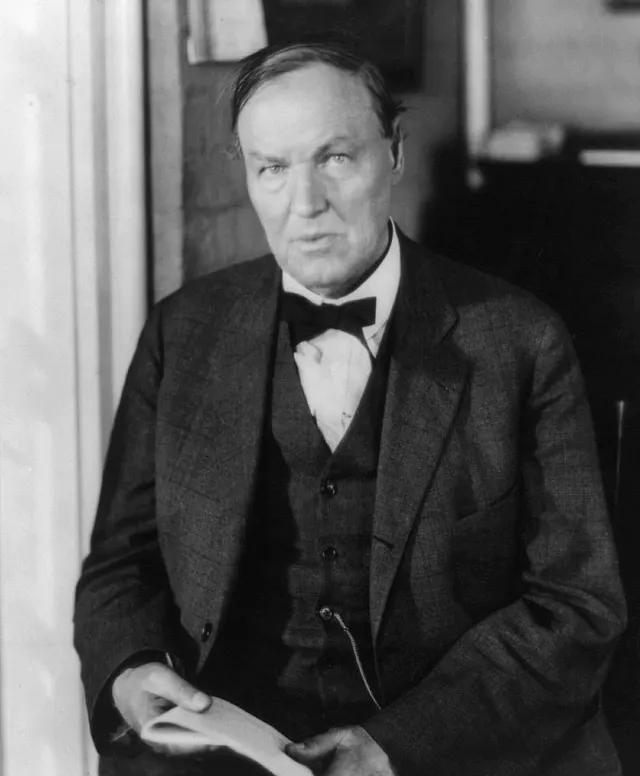
Clarence Darrow
Image creditHerzog · Public domainResized and cropped for display.

Clarence Darrow

American defence lawyer in the Scopes ‘monkey trial’ of 1925.

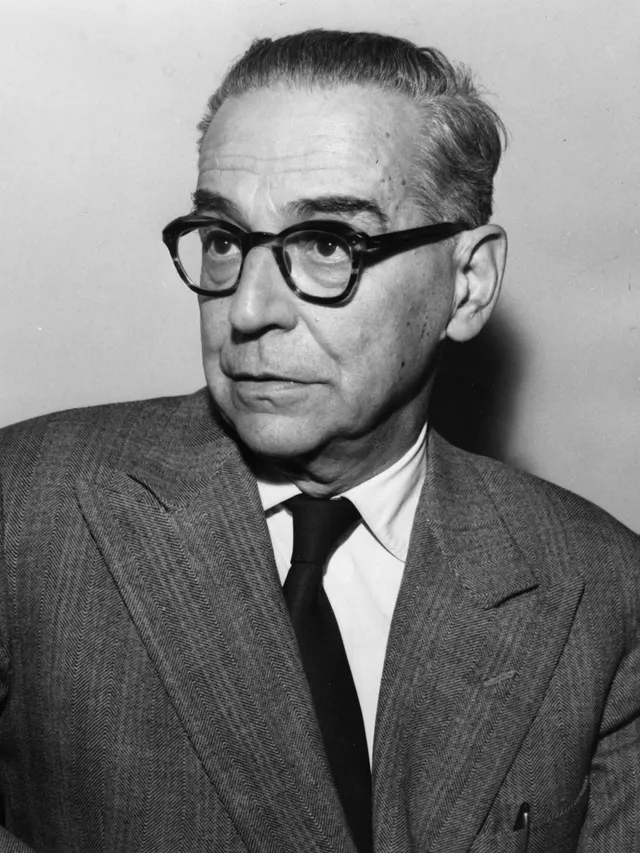
Ivo Andrić
Image creditStevan Kragujević · CC BY-SA 3.0 rsResized and cropped for display.

Ivo Andrić

Yugoslav novelist of The Bridge on the Drina; Nobel Prize in Literature, 1961.

Hans-Georg Gadamer
Image creditLeena Ruuskanen · CC BY 3.0Resized and cropped for display.

Hans-Georg Gadamer

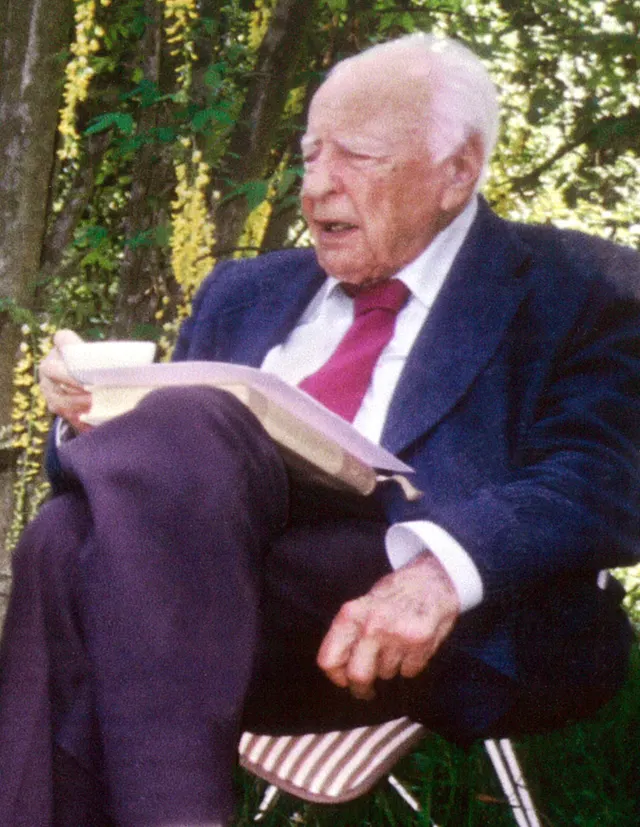
German philosopher of interpretation, author of Truth and Method.

HISTORY & TIMELINE

Finished the highlights?

Follow 13 March chronologically, from the Middle Ages to the modern day, with 12 verified events and the sources behind them.

This day through time →