Explore 20 March

Explore 20 March: the Dutch East India Company is founded, Napoleon returns to Paris for his Hundred Days, Tunisia wins its independence and the invasion of Iraq begins. Meet Henrik Ibsen, Vera Lynn and Spike Lee, born on this date.

This day through time →12 verified events across 4 eras

A replica of the VOC ship Amsterdam, lost on her maiden voyage in 1749, at the National Maritime Museum in Amsterdam.
Image creditMartinvl · CC BY-SA 4.0Resized and cropped for display.

The Dutch East India Company is founded

On 20 March 1602 the States General of the Dutch Republic granted a charter to the United East India Company, the VOC, giving it a 21-year monopoly on Dutch trade in Asia. It could also make treaties, build forts and wage war, almost like a state.

Anyone could buy shares, and more than a thousand people did. The VOC is often called the first multinational company. For two centuries it dominated the spice trade from its base at Batavia, now Jakarta, often by force, until it was dissolved in 1799.

Read the full storyHistory & Timeline →Source: Nationaal Archief (National Archives of the Netherlands): Octrooi voor de VOC (1602) ↗
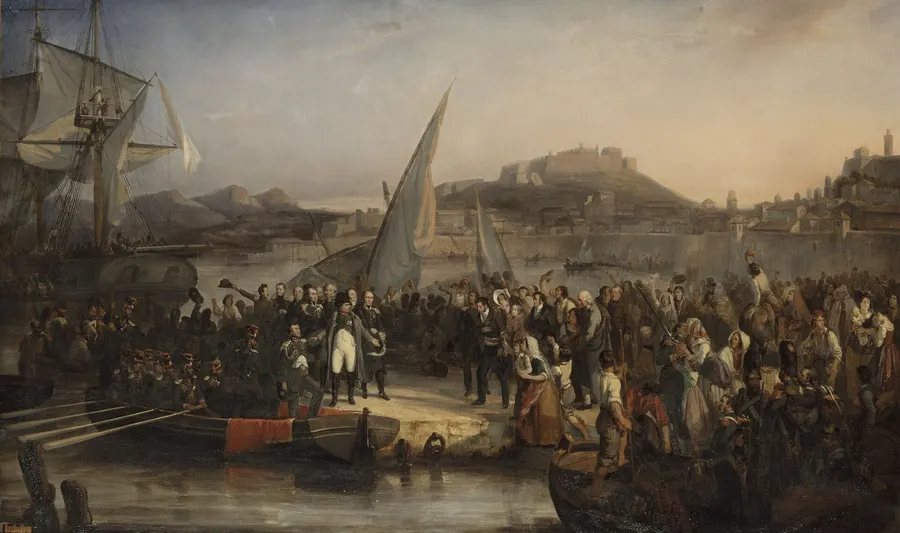
Napoleon leaving Elba, painted by Joseph Beaume in 1836.
Image creditJoseph Beaume · Public domainResized and cropped for display.

Napoleon returns to Paris

Napoleon escaped from exile on the island of Elba and landed near Cannes on 1 March 1815 with about a thousand men. The troops sent to stop him went over to his side, and King Louis XVIII fled. Late on the evening of 20 March, Napoleon reached the Tuileries Palace in Paris to cheering crowds.

It was the start of the Hundred Days. They ended at Waterloo on 18 June, and Louis XVIII was back in Paris by 8 July.

Read the full storyHistory & Timeline →Source: Encyclopaedia Britannica: Hundred Days ↗
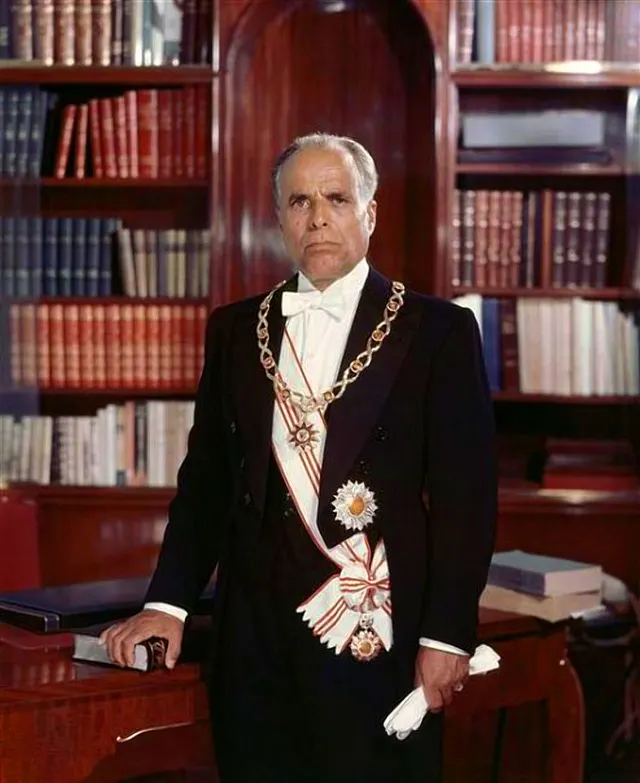
Habib Bourguiba, Tunisia's first prime minister and later its president, in 1960.
Habib Bourguiba, Tunisia’s first prime minister and later its president, in 1960.
Image creditHabib Osman · Public domainResized and cropped for display.

Tunisia wins its independence

On 20 March 1956 France and Tunisia signed a protocol in Paris recognising Tunisia’s full independence, ending a French protectorate that had lasted since 1881. It followed internal self-government agreed the year before.

The nationalist leader Habib Bourguiba became prime minister. The next year the monarchy was abolished and he became president. Tunisia celebrates 20 March as its Independence Day.

Read the full storyHistory & Timeline →Source: CVCE, University of Luxembourg: Protocol of agreement between France and Tunisia (20 March 1956) ↗
The US defence secretary Donald Rumsfeld answers questions about the air strikes on Baghdad, 21 March 2003.
Image creditHelene C. Stikkel · Public domainResized and cropped for display.

The invasion of Iraq begins

Before dawn on 20 March 2003, Baghdad time (the evening of 19 March in Washington), American cruise missiles and stealth bombers struck targets in the Iraqi capital. Within about a day, American and British ground forces, with Australian and Polish contingents, crossed into Iraq from Kuwait.

Baghdad fell on 9 April and Saddam Hussein’s government collapsed. The weapons of mass destruction given as the main reason for the war were never found, and years of insurgency and heavy civilian losses followed.

Read the full storyHistory & Timeline →Source: Imperial War Museums: The 2003 invasion of Iraq ↗
♙
PEOPLE

Born Today

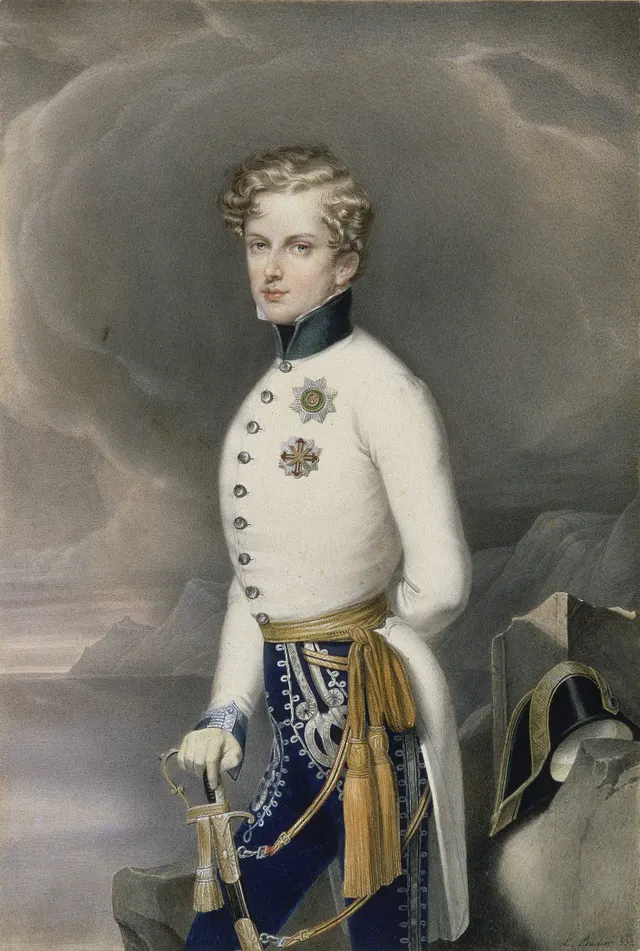
Napoleon II
Image creditLeopold Bucher · Public domainResized and cropped for display.

Napoleon II

Son of Napoleon, proclaimed emperor in 1815 but never reigned; he died aged 21.

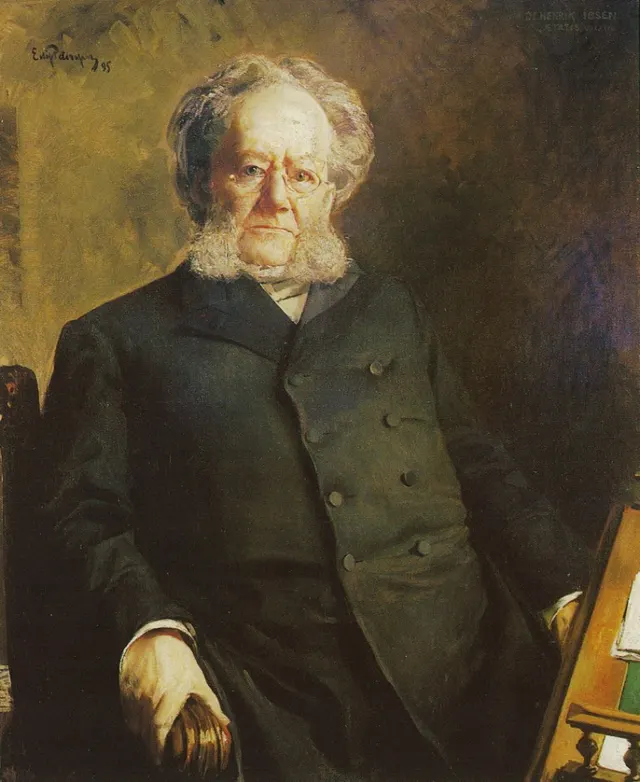
Henrik Ibsen
Image creditEilif Peterssen · Public domainResized and cropped for display.

Henrik Ibsen

Norwegian playwright of A Doll’s House and Hedda Gabler.

B. F. Skinner
Image creditSilly rabbit · CC BY 3.0Resized and cropped for display.

B. F. Skinner

American psychologist and leading figure of behaviourism.

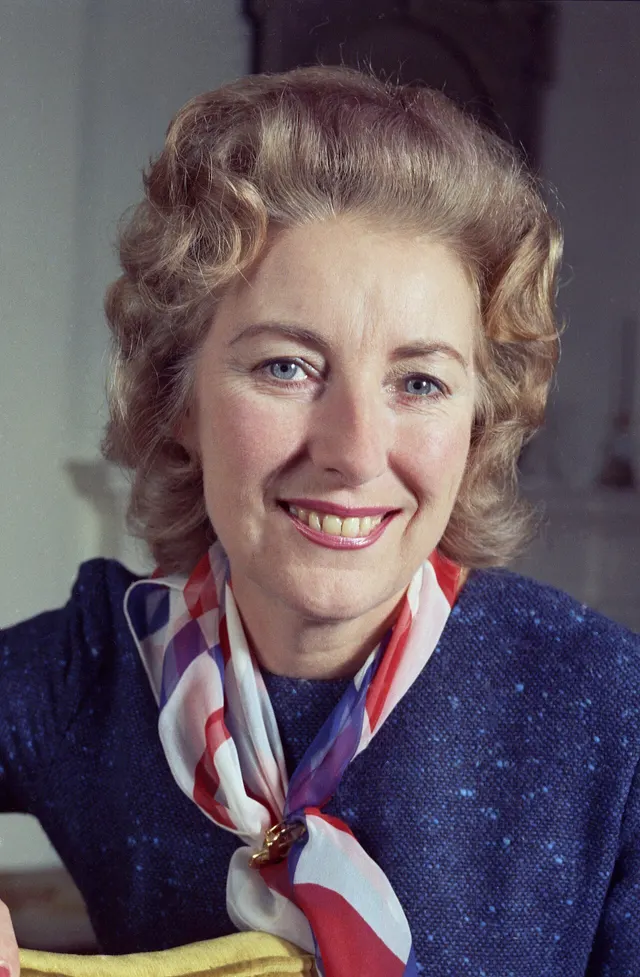
Vera Lynn
Image creditAllan warren · CC BY-SA 3.0Resized and cropped for display.

Vera Lynn

English singer of ‘We’ll Meet Again’, the ‘Forces’ Sweetheart’ of the Second World War.

Brian Mulroney
Image creditA1C LYNCH · Public domainResized and cropped for display.

Brian Mulroney

Prime minister of Canada from 1984 to 1993.

Spike Lee
Image creditMontclair Film · CC BY 4.0Resized and cropped for display.

Spike Lee

American film-maker of Do the Right Thing and Malcolm X.

Holly Hunter
Image creditGage Skidmore · CC BY-SA 3.0Resized and cropped for display.

Holly Hunter

American actress; Oscar winner for The Piano.

◉
IDEAS THAT CHANGED THINGS

Firsts, Science & Discoveries

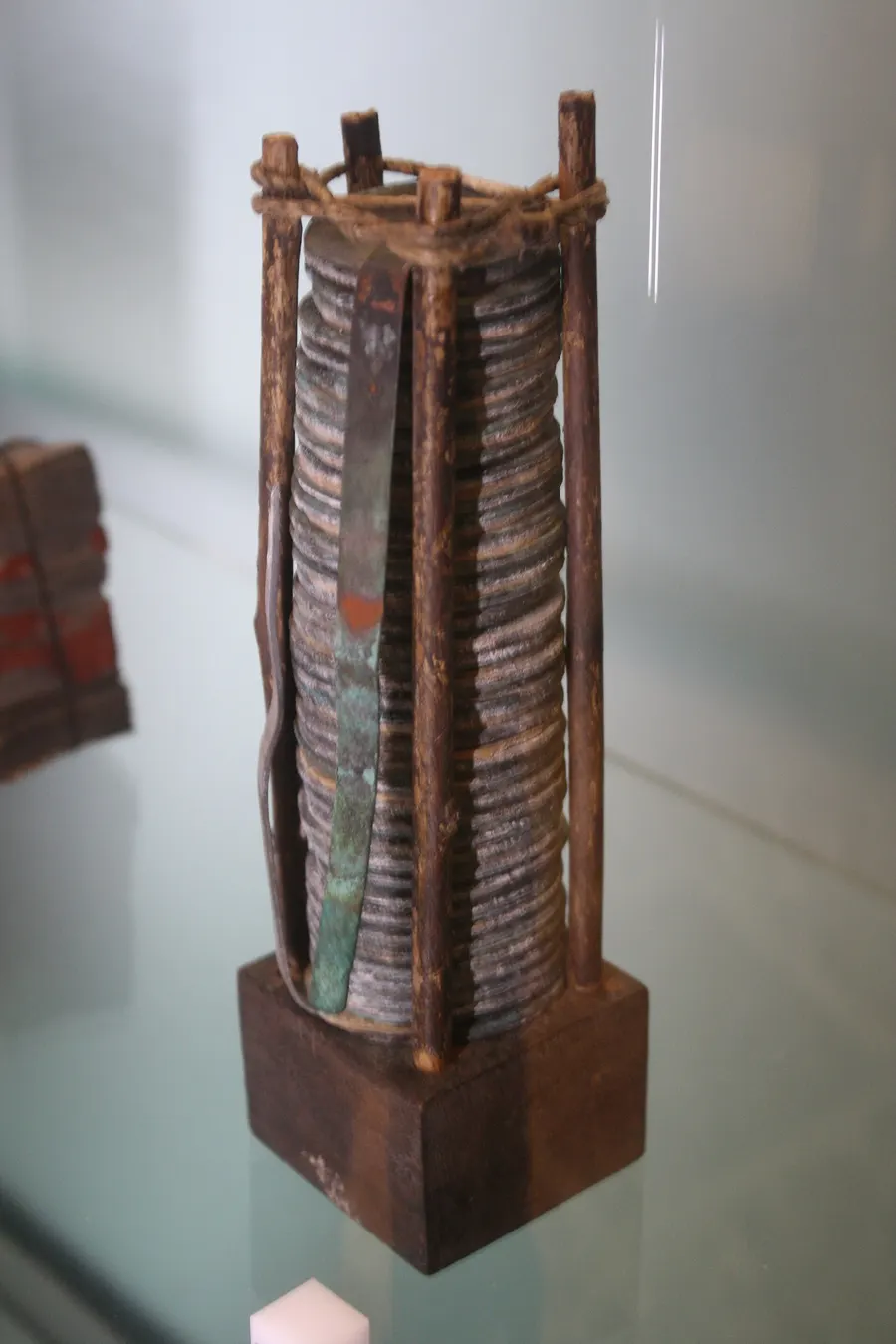
One of Volta's piles, kept at the Tempio Voltiano in Como.
One of Volta’s piles, kept at the Tempio Voltiano in Como.
Image creditDario Crespi · CC BY-SA 4.0Resized and cropped for display.

Volta describes the first battery

On 20 March 1800 Alessandro Volta, professor of physics at Pavia, dated a letter to Sir Joseph Banks of the Royal Society in London describing his ‘pile’: discs of two different metals stacked up with pieces of card soaked in salt water between them.

It was the first device to give a steady electric current rather than a single spark. Within weeks others were using it to split water, and the unit of electrical potential, the volt, is named after him.

Read the full storyHistory & Timeline →Source: Royal Society, Science in the Making: Letter from Alessandro Volta to Joseph Banks ↗
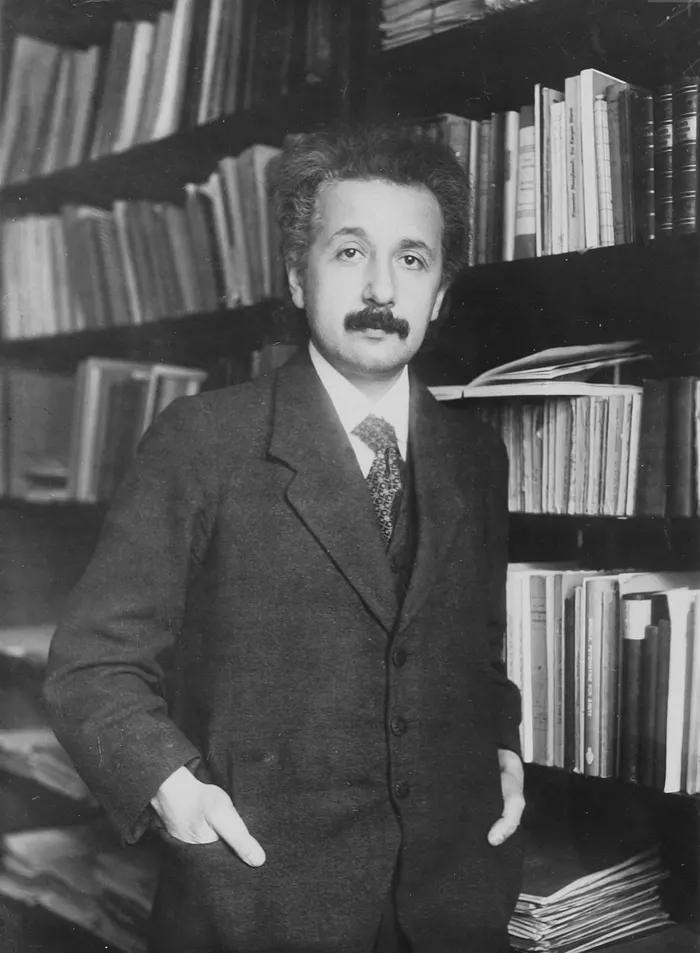
Albert Einstein in the study of his friend Paul Ehrenfest in Leiden, 1916.
Image creditPaul Ehrenfest · Public domainResized and cropped for display.

Einstein sends off his theory of gravity

On 20 March 1916 the journal Annalen der Physik received Albert Einstein’s paper ‘The Foundation of the General Theory of Relativity’. Published that May, it gave the first complete account of his new theory of gravity.

It described gravity not as a force but as the bending of space and time by mass. It explained a puzzle in Mercury’s orbit and predicted that the Sun bends starlight, which astronomers confirmed in 1919.

Read the full storyHistory & Timeline →Source: Annalen der Physik (Wiley Online Library): Die Grundlage der allgemeinen Relativitätstheorie ↗
♫
MUSIC • FILM • BOOKS • CULTURE

Culture Stories

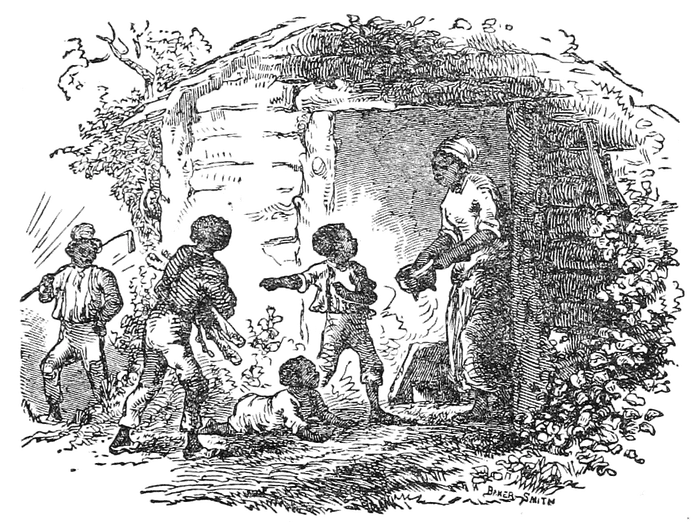
The title-page illustration from the first edition of Uncle Tom's Cabin, 1852.
The title-page illustration from the first edition of Uncle Tom’s Cabin, 1852.
Image creditFrom the first edition (John P. Jewett, 1852) · Public domainResized and cropped for display.

Uncle Tom’s Cabin is published as a book

Harriet Beecher Stowe’s novel of slavery had already appeared in weekly parts in an anti-slavery paper. On 20 March 1852 John P. Jewett of Boston published it in two volumes. About 10,000 copies sold in the first week and some 300,000 in the United States in its first year.

It became the best-selling American novel of the 19th century and turned many readers in the North against slavery in the years before the Civil War.

Read the full storyHistory & Timeline →Source: Vassar College Special Collections: Aspects of the publishing history of Uncle Tom’s Cabin ↗
✦
LIVES REMEMBERED

Remembered Today

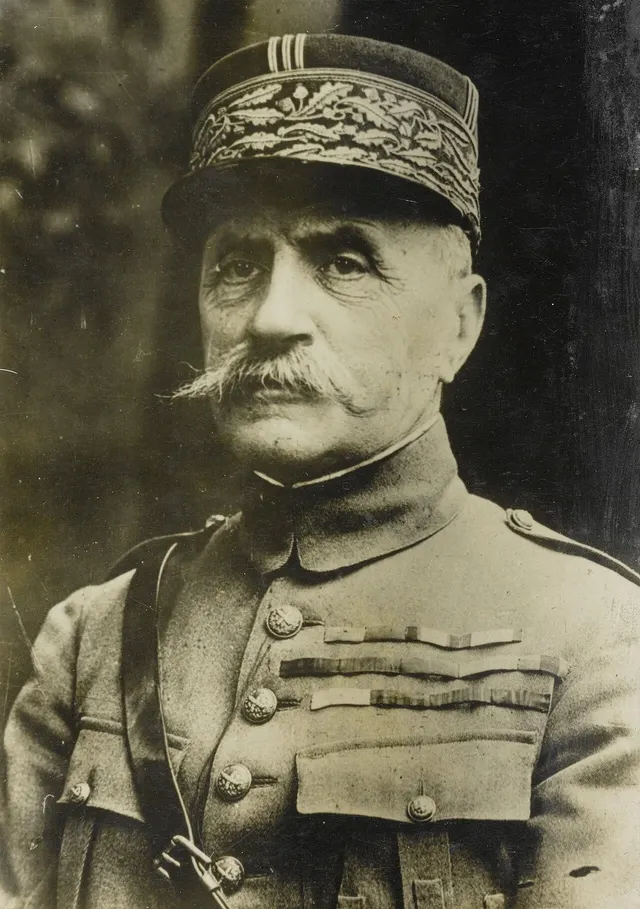
Ferdinand Foch
Image creditNationaal Archief · CC0Resized and cropped for display.

Ferdinand Foch

French marshal and supreme Allied commander in the final year of the First World War.

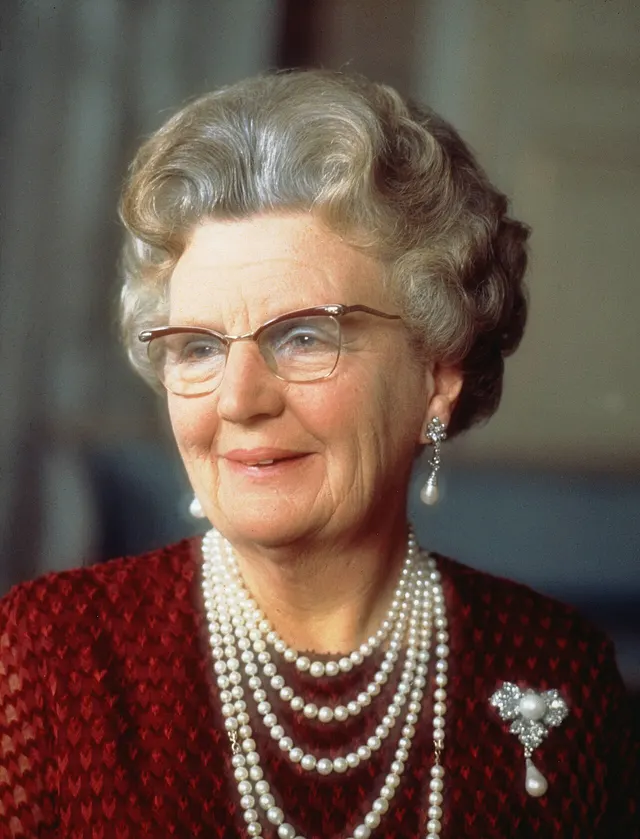
Queen Juliana
Image creditMax Koot · CC0Resized and cropped for display.

Queen Juliana

Queen of the Netherlands from 1948 to 1980.

☉
AROUND THE WORLD

Observances & Anniversaries

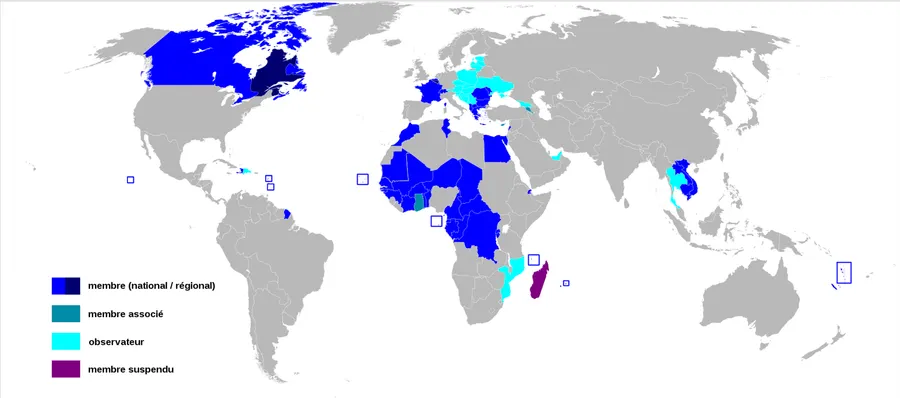
Members of the Organisation internationale de la Francophonie in 2011 (dark blue: members; lighter shades: associates and observers).
Image creditPicaballo · CC0Resized and cropped for display.

International Francophonie Day

20 March marks the signing in Niamey, Niger, in 1970 of the convention that created the forerunner of the Organisation internationale de la Francophonie, which links countries where French is spoken.

The day has been celebrated since 1988 with events around the world. UNESCO also marks 20 March as the UN’s French Language Day.

Source: UNESCO: International Francophonie Day ↗
HISTORY & TIMELINE

Finished the highlights?

Follow 20 March chronologically, from the Middle Ages to the modern day, with 12 verified events and the sources behind them.

This day through time →