Explore 25 March

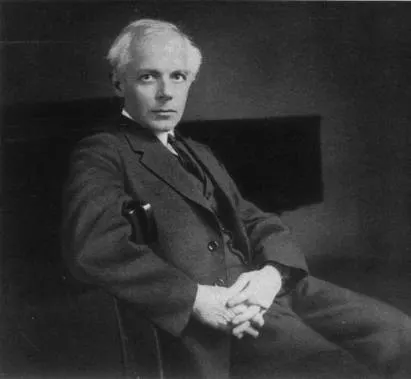
Explore 25 March: Britain outlaws its slave trade, Greece rises against Ottoman rule, six nations sign the Treaty of Rome and a fire at a New York garment factory changes the laws of work. Meet Béla Bartók, Aretha Franklin and Elton John, born on this date, and remember the victims of the slave trade.

This day through time →10 verified events across 3 eras

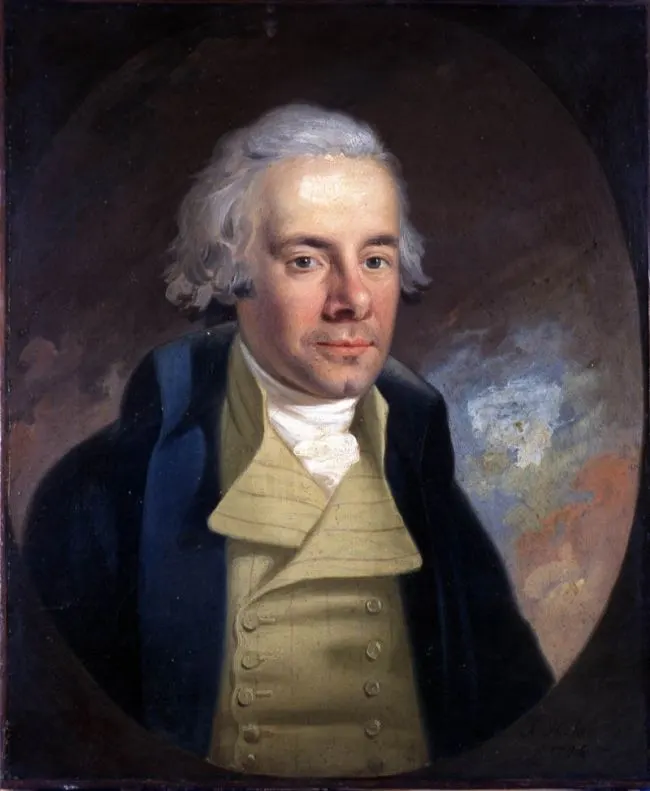
William Wilberforce, painted by Anton Hickel in 1794.
Image creditAnton Hickel · Public domainResized and cropped for display.

Britain abolishes its slave trade

On 25 March 1807 King George III gave his assent to the Act for the Abolition of the Slave Trade. From 1 May, British ships could no longer carry enslaved Africans across the Atlantic. The Commons had passed it by 283 votes to 16 after a campaign of twenty years led by William Wilberforce, Thomas Clarkson and formerly enslaved writers such as Olaudah Equiano.

The act ended the trade, not slavery itself: some 800,000 people remained enslaved in British colonies until the Slavery Abolition Act of 1833. The Royal Navy’s West Africa Squadron was later sent to intercept slave ships of other nations.

Read the full storyHistory & Timeline →Source: UK Parliament: Parliament abolishes the slave trade ↗
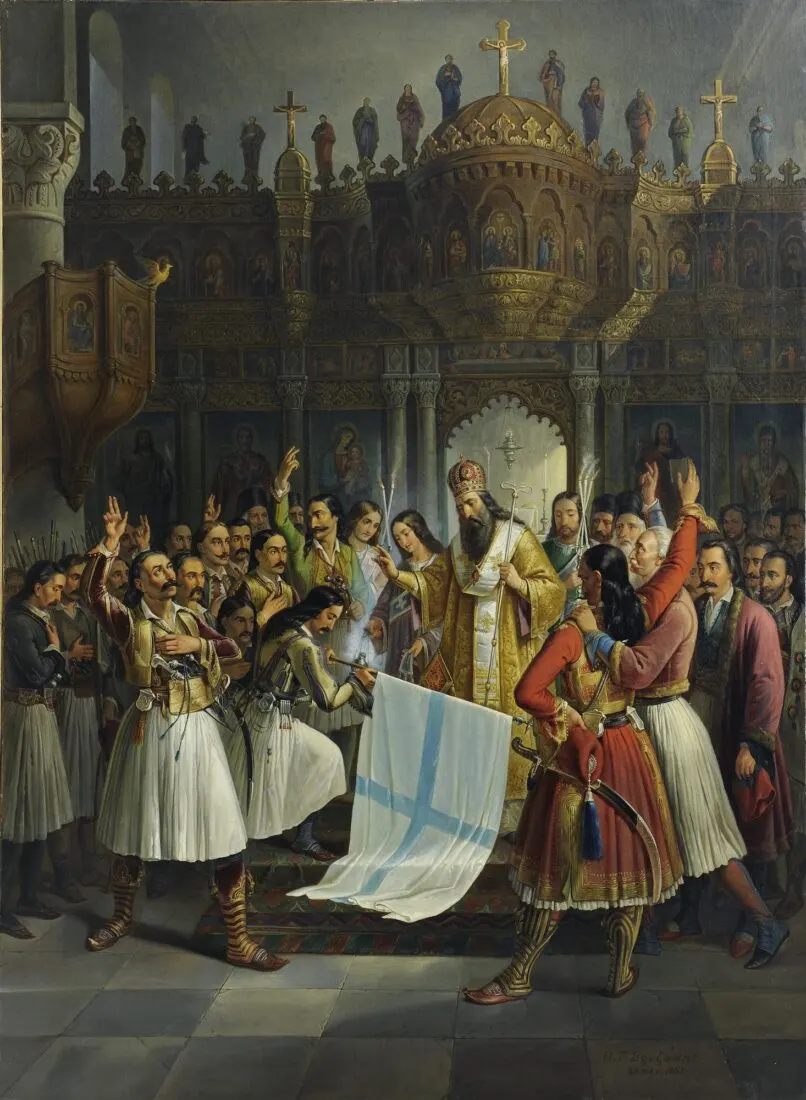
Bishop Germanos of Patras blesses the flag of the revolution, painted by Theodoros Vryzakis in 1865.
Image creditTheodoros Vryzakis · Public domainResized and cropped for display.

The Greek War of Independence

Greeks celebrate 25 March 1821 as the start of their war of independence against the Ottoman Empire. By tradition, Bishop Germanos of Patras raised the flag of revolt at the monastery of Agia Lavra on that day, the Feast of the Annunciation, the date the secret society Filiki Eteria had chosen for the rising.

In fact fighting had already broken out in the Danubian principalities in February and in parts of the Peloponnese. After years of war, and the intervention of Britain, France and Russia, Greece won its independence in 1830. 25 March is a national holiday in Greece and Cyprus.

Read the full storyHistory & Timeline →Source: Encyclopaedia Britannica: War of Greek Independence ↗
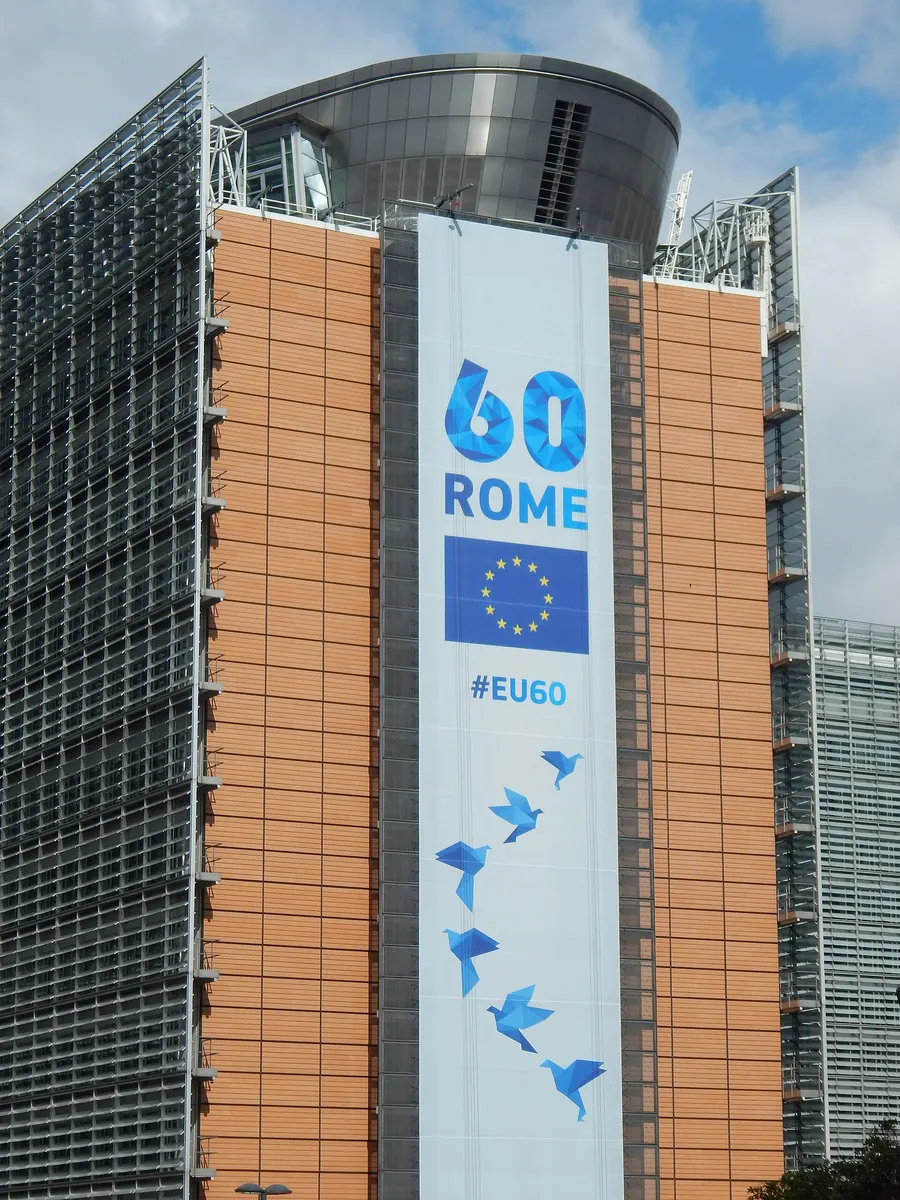
A banner marking the treaty's 60th anniversary on the Berlaymont, the European Commission's headquarters in Brussels, 2017.
A banner marking the treaty’s 60th anniversary on the Berlaymont, the European Commission’s headquarters in Brussels, 2017.
Image creditMasterdeis · CC BY-SA 4.0Resized and cropped for display.

Six nations sign the Treaty of Rome

On 25 March 1957, on the Capitoline Hill in Rome, Belgium, France, Italy, Luxembourg, the Netherlands and West Germany signed two treaties. One created the European Economic Community, the other the European Atomic Energy Community.

The EEC set out to build a common market, with goods, people, services and money moving freely between its members. It came into being on 1 January 1958 and grew, over the following decades, into today’s European Union.

Read the full storyHistory & Timeline →Source: European Parliament: Treaty of Rome ↗
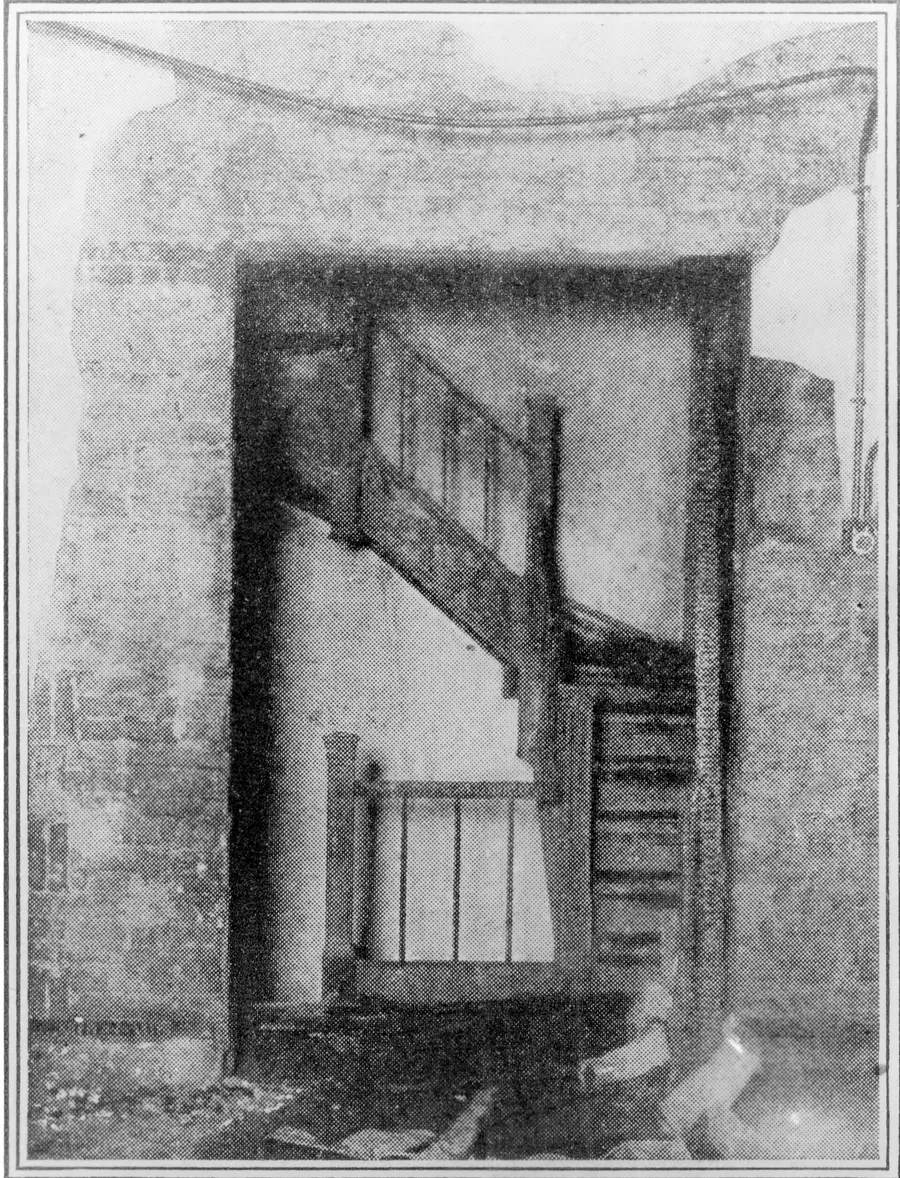
A newspaper photograph of an inside staircase of the Asch Building after the fire, 1911.
Image creditKheel Center · CC BY 2.0Resized and cropped for display.

The Triangle Shirtwaist Factory fire

Late on the afternoon of Saturday 25 March 1911, fire broke out on the eighth floor of the Asch Building in New York, where the Triangle Waist Company made women’s blouses. Doors had been locked and the only fire escape collapsed. 146 workers died, most of them young Italian and Jewish immigrant women.

Public anger led New York to pass more than 30 new laws on fire safety and working conditions, and helped build the modern labour movement. The building, now part of New York University, still stands.

Read the full storyHistory & Timeline →Source: Cornell University ILR School: The Triangle Factory Fire ↗
♙
PEOPLE

Born Today

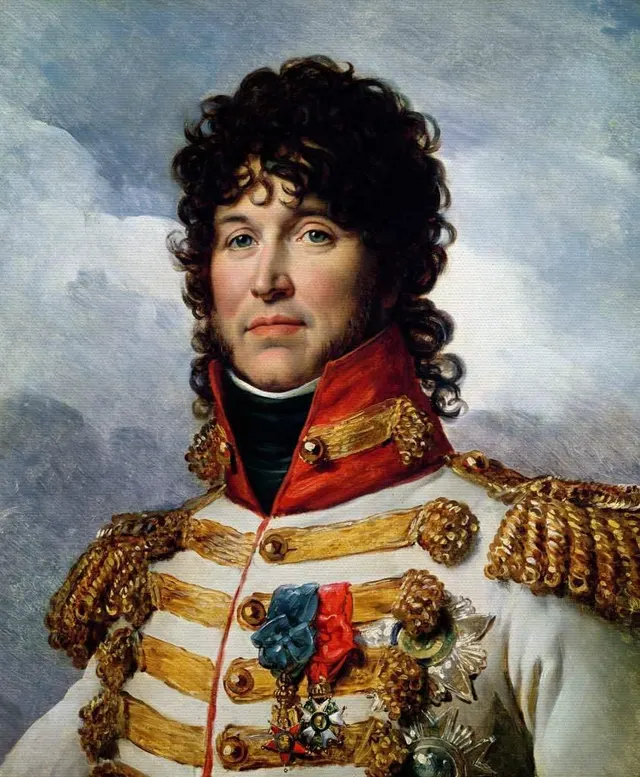
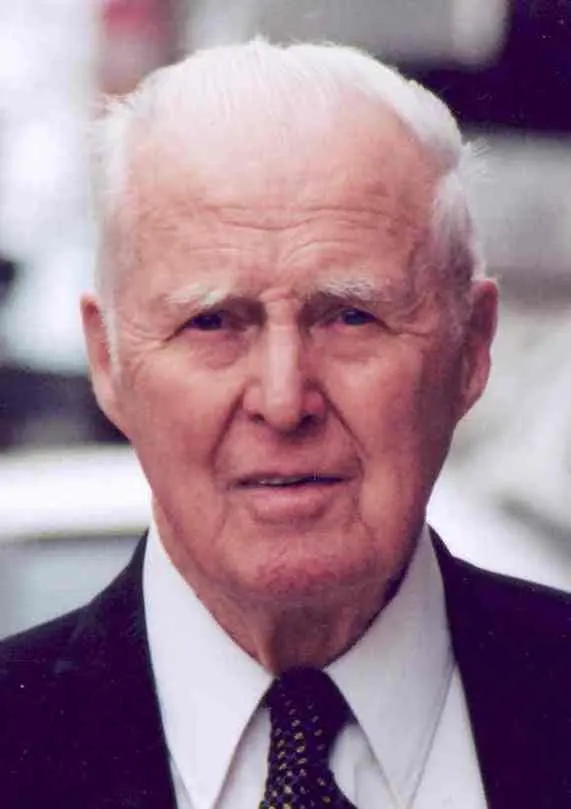
Joachim Murat
Image creditFrançois Gérard · Public domainResized and cropped for display.

Joachim Murat

French cavalry marshal under Napoleon, his brother-in-law, and King of Naples.

Norman Borlaug
Image creditBen Zinner, USAID · Public domainResized and cropped for display.

Norman Borlaug

American plant scientist of the ‘Green Revolution’, winner of the Nobel Peace Prize.

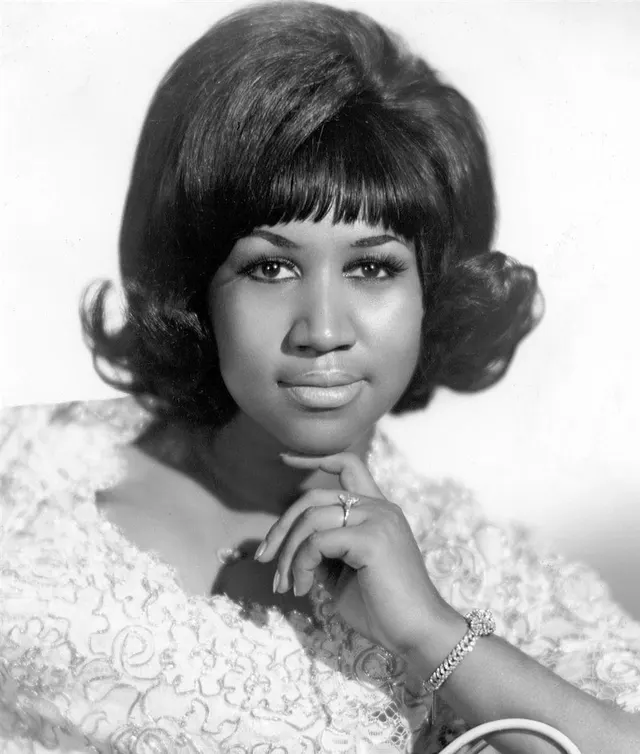
Simone Signoret
Image creditStudio Harcourt · Public domainResized and cropped for display.

Simone Signoret

French actress; Oscar winner for Room at the Top.

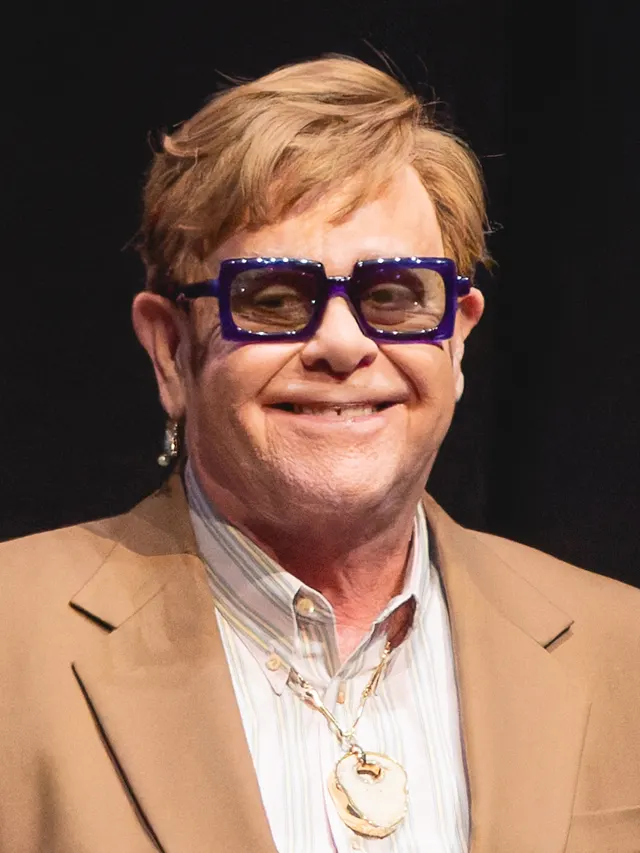
Elton John
Image creditRaph_PH · CC BY 2.0Resized and cropped for display.

Elton John

English singer, pianist and songwriter of ‘Your Song’ and ‘Rocket Man’.

◉
IDEAS THAT CHANGED THINGS

Firsts, Science & Discoveries

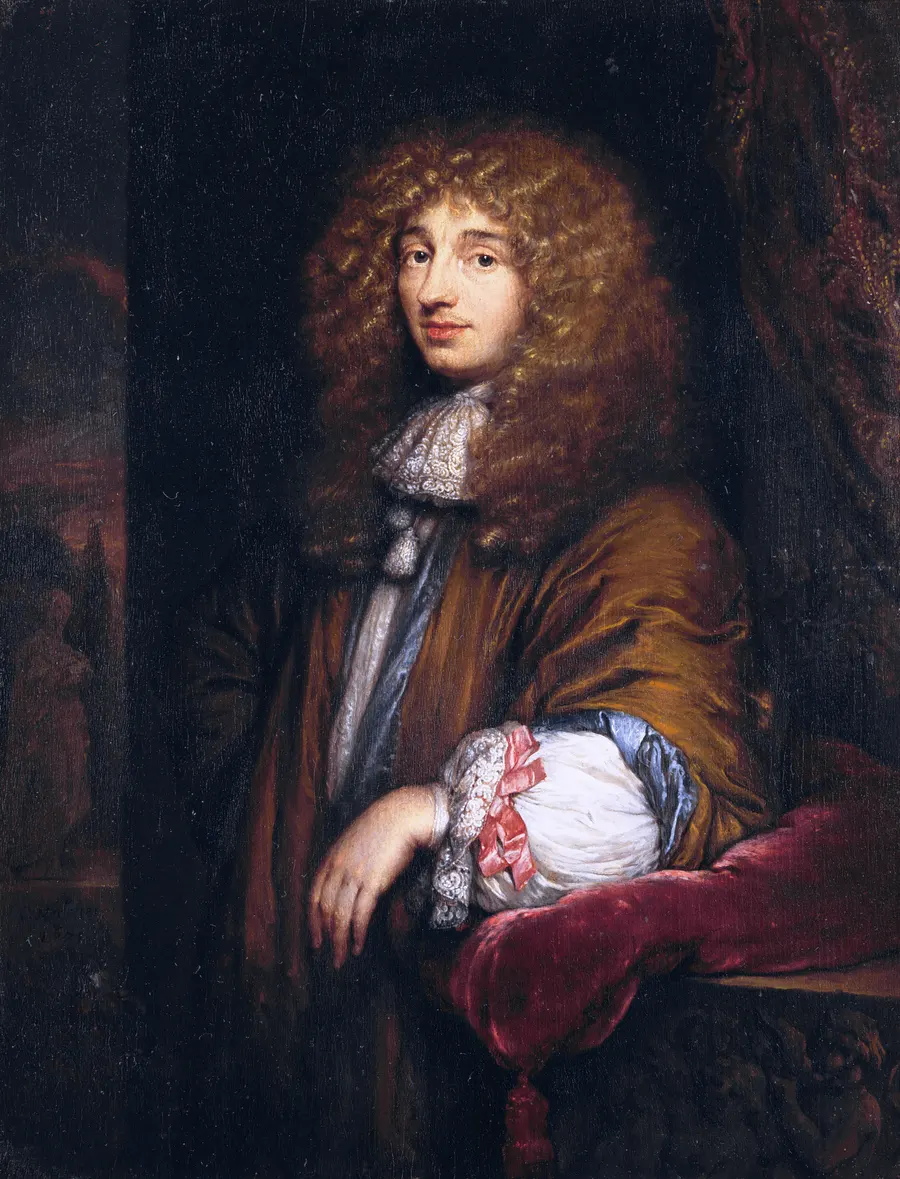
Christiaan Huygens, painted by Caspar Netscher in 1671.
Image creditCaspar Netscher · Public domainResized and cropped for display.

Christiaan Huygens discovers Titan

On 25 March 1655 the Dutch scientist Christiaan Huygens, looking through a telescope he had built with his brother Constantijn, spotted a moon circling Saturn. It was the first moon of Saturn to be found.

Now called Titan, it is Saturn’s largest moon and the only moon known to have a thick atmosphere. In 2005 a European probe named after Huygens landed on its surface.

Read the full storyHistory & Timeline →Source: NASA Astronomy Picture of the Day: Huygens discovers Luna Saturni ↗
A model of Marc Brunel's tunnelling shield at the Brunel Museum, Rotherhithe.
A model of Marc Brunel’s tunnelling shield at the Brunel Museum, Rotherhithe.
Image creditDunks58 at English Wikipedia · Public domainResized and cropped for display.

The Thames Tunnel opens

On 25 March 1843 the Thames Tunnel opened between Rotherhithe and Wapping in London, the first tunnel known to have been built successfully under a navigable river. Marc Brunel and his son Isambard Kingdom Brunel had spent 18 years on it, digging behind an iron shield that protected the miners from collapse.

About a million people walked through it in its first 15 weeks. It became a railway tunnel in 1869 and still carries London Overground trains.

Read the full storyHistory & Timeline →Source: Historic England: ‘Eighth Wonder of the World’ ↗
♫
MUSIC • FILM • BOOKS • CULTURE

Culture Stories

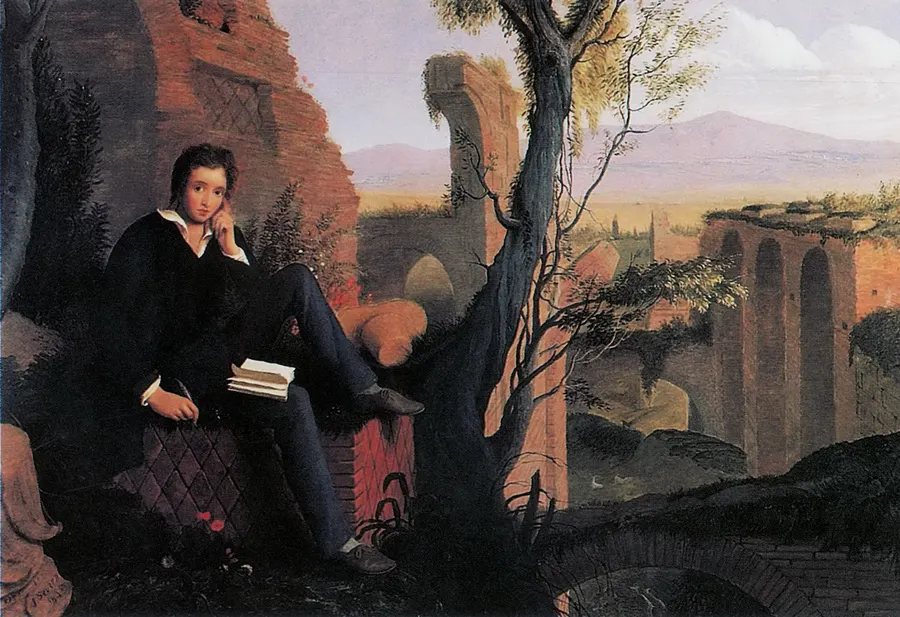
Shelley writing Prometheus Unbound, a posthumous portrait by Joseph Severn, 1845.
Image creditJoseph Severn · Public domainResized and cropped for display.

Shelley is expelled from Oxford

On 25 March 1811 University College, Oxford, expelled the 18-year-old Percy Bysshe Shelley and his friend Thomas Jefferson Hogg. They had published a pamphlet, The Necessity of Atheism, and sent it to bishops and the heads of colleges.

Called before the college, Shelley refused to answer questions about it or to disown it. He went on to become one of the great Romantic poets, and the college, which once expelled him, now houses a memorial to him.

Read the full storyHistory & Timeline →Source: Bodleian Libraries, Shelley’s Ghost: Bicentenary of Shelley’s expulsion from Oxford ↗
✦
LIVES REMEMBERED

Remembered Today

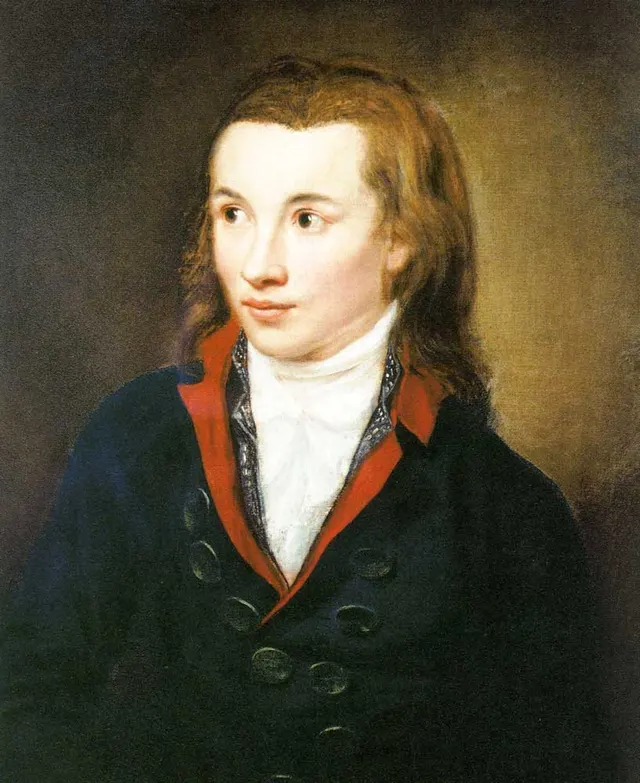
Novalis
Image creditFranz Gareis · Public domainResized and cropped for display.

Novalis

German Romantic poet of Hymns to the Night.

Frédéric Mistral
Image creditTucker Collection · Public domainResized and cropped for display.

Frédéric Mistral

Provençal poet who revived the Occitan language and won a Nobel Prize.

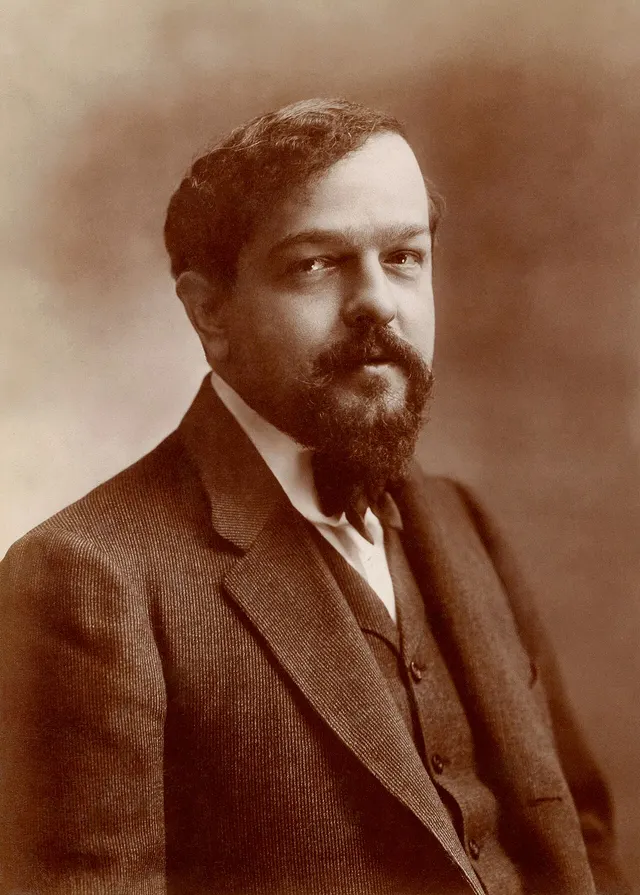
Claude Debussy
Image creditAdam Cuerden · Public domainResized and cropped for display.

Claude Debussy

French composer of Clair de lune and La mer.

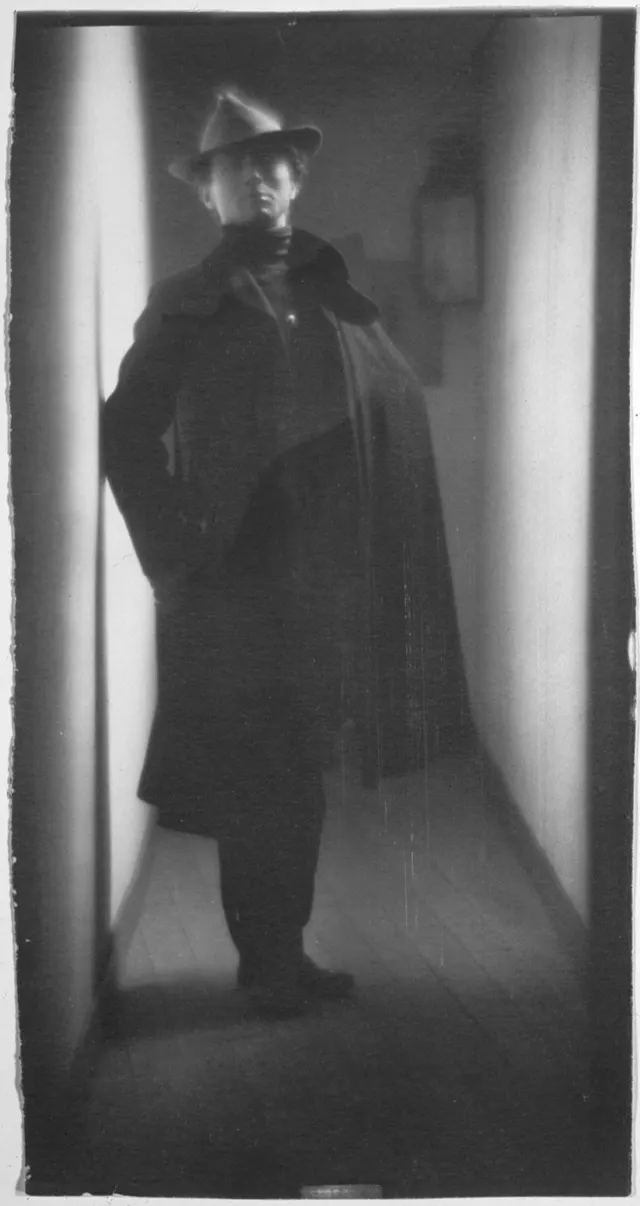
Edward Steichen
Image creditF. Holland Day · Public domainResized and cropped for display.

Edward Steichen

Luxembourg-born American photographer and curator of The Family of Man.

☉
AROUND THE WORLD

Observances & Anniversaries

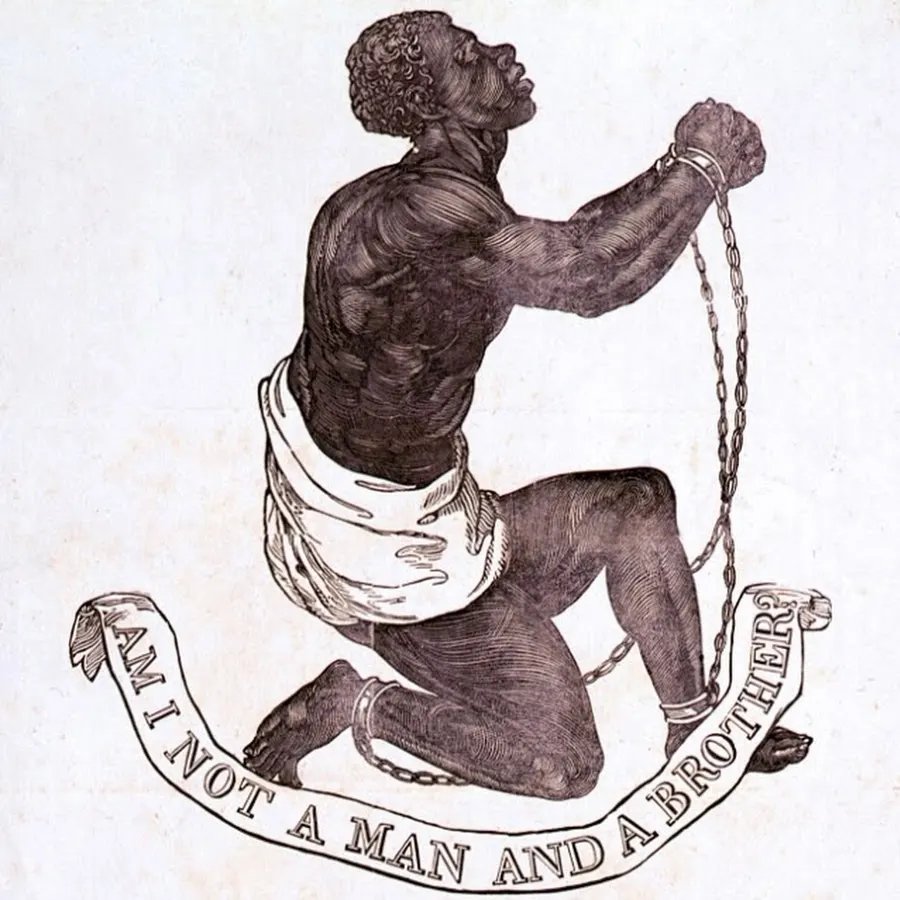
The medallion of the British anti-slavery campaign, made by Josiah Wedgwood's pottery in the 1780s-90s.
The medallion of the British anti-slavery campaign, made by Josiah Wedgwood’s pottery in the 1780s-90s.
Image creditJosiah Wedgwood and Sons (designed by William Hackwood or Henry Webber) · Public domainResized and cropped for display.

International Day of Remembrance of the Victims of Slavery and the Transatlantic Slave Trade

The United Nations General Assembly set aside 25 March in 2007 to honour the millions of Africans who were enslaved and shipped across the Atlantic over some 400 years. It has been marked every year since 2008.

The date recalls the British act of 25 March 1807 that ended the country’s slave trade. The day is also used to warn against racism today.

Source: United Nations: International Day of Remembrance of the Victims of Slavery and the Transatlantic Slave Trade ↗
HISTORY & TIMELINE

Finished the highlights?

Follow 25 March chronologically, from the Middle Ages to the modern day, with 10 verified events and the sources behind them.

This day through time →