Explore 24 March

Explore 24 March: Elizabeth I dies and a Scottish king inherits England, Robert Koch reveals the cause of tuberculosis, Archbishop Óscar Romero is shot at Mass and NATO begins bombing Yugoslavia. Meet William Morris, Harry Houdini and Dario Fo, born on this date, and mark World Tuberculosis Day.

This day through time →12 verified events across 4 eras

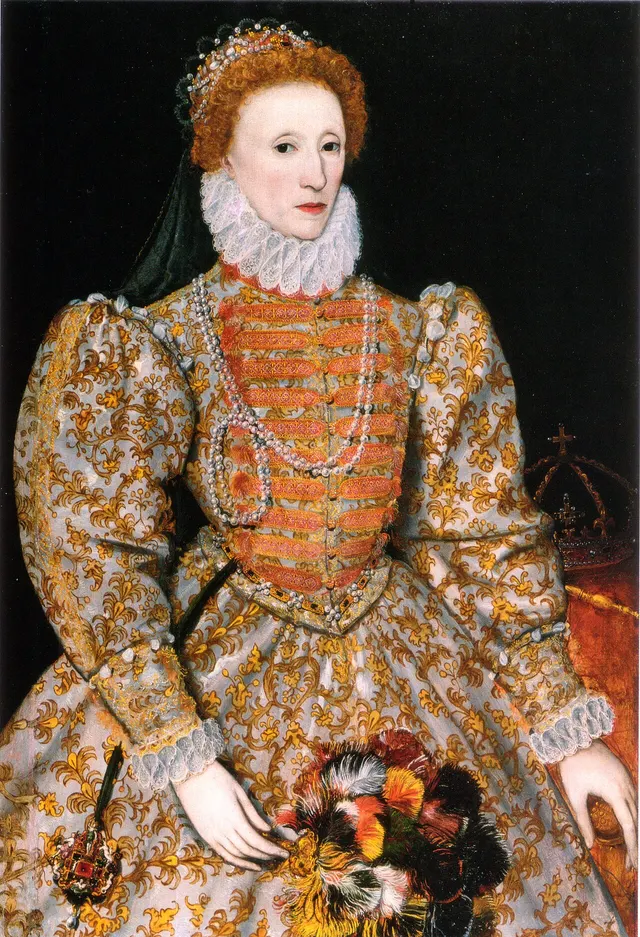
Elizabeth I, in a portrait by an unidentified painter.
Image creditUnidentified painter · Public domainResized and cropped for display.

Elizabeth I dies and James VI of Scotland takes the English throne

In the early hours of 24 March 1603 Elizabeth I died at Richmond Palace, aged 69, after 44 years on the throne. She had never married, and she was the last of the Tudors.

Within hours her council proclaimed her cousin’s son, James VI of Scotland, as James I of England. For the first time one monarch wore the crowns of both kingdoms, though they kept separate parliaments for another century. By the calendar used in England then, the year was still 1602.

Read the full storyHistory & Timeline →Source: The National Archives: Elizabeth I to James VI, 1603 ↗
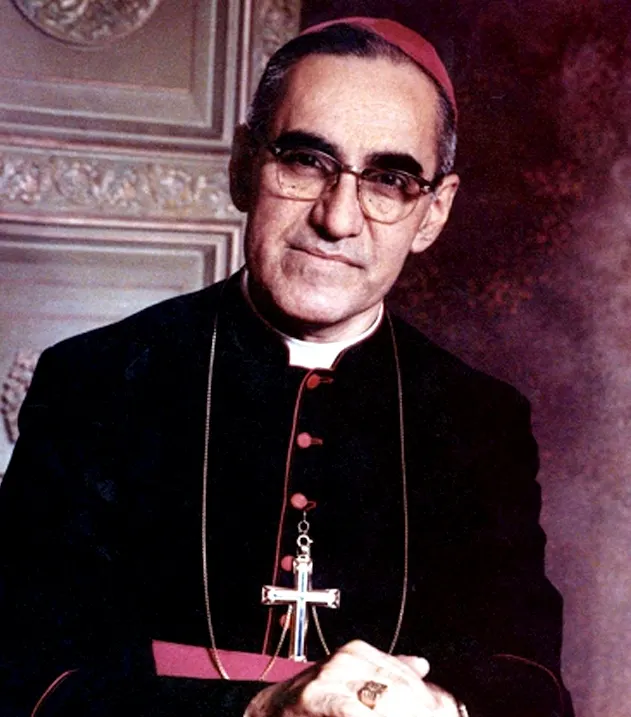
Óscar Romero, Archbishop of San Salvador.
Image creditArzobispado de San Salvador; Congregatio de Causis Sanctorum · Public domainResized and cropped for display.

Archbishop Óscar Romero is killed at Mass

On 24 March 1980 Óscar Romero, Archbishop of San Salvador, was shot dead by a single gunman as he said Mass in the chapel of a hospital in the city. He had used his sermons to speak out against killings by the army and death squads as El Salvador slid into civil war.

A UN truth commission later found that a right-wing death squad was behind the murder. Pope Francis declared Romero a saint in 2018, and the UN marks 24 March in his memory as the International Day for the Right to the Truth.

Read the full storyHistory & Timeline →Source: Encyclopaedia Britannica: St Oscar Romero ↗
General Jorge Rafael Videla is sworn in as president of Argentina, 29 March 1976.
Image creditUnknown author · Public domainResized and cropped for display.

A military coup in Argentina

On 24 March 1976 Argentina’s armed forces overthrew President Isabel Perón. A junta led by General Jorge Rafael Videla took power and launched what it called the National Reorganisation Process.

Over the next seven years the regime killed or ‘disappeared’ tens of thousands of people it saw as opponents, many of them young. Argentina now marks 24 March as the National Day of Memory for Truth and Justice.

Read the full storyHistory & Timeline →Source: Encyclopaedia Britannica: Jorge Rafael Videla ↗
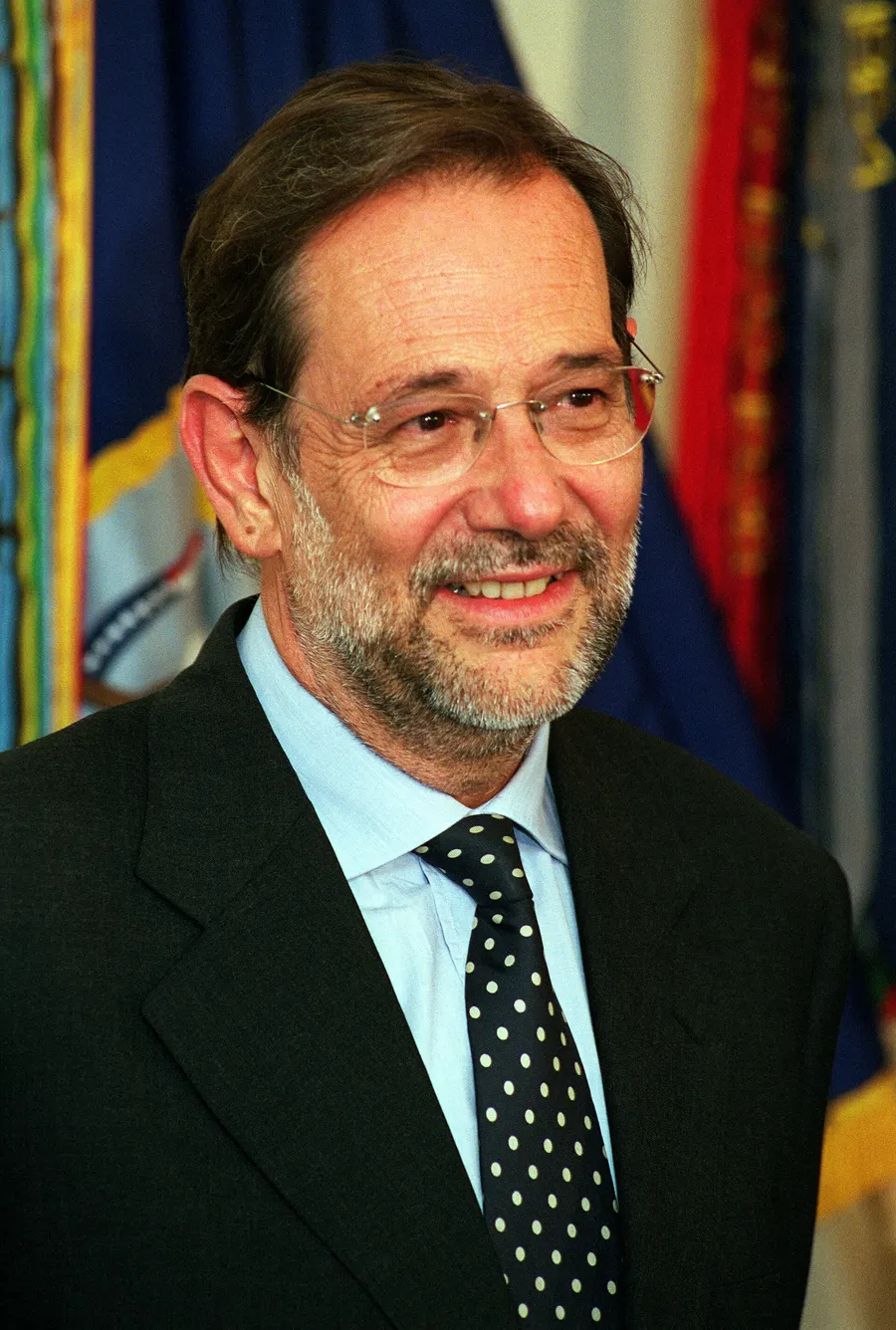
Javier Solana, NATO's Secretary General, in September 1999.
Javier Solana, NATO’s Secretary General, in September 1999.
Image creditDoD photo by R. D. Ward · Public domainResized and cropped for display.

NATO begins bombing Yugoslavia

On 24 March 1999, after talks over Kosovo collapsed, NATO launched Operation Allied Force, a campaign of air strikes against Yugoslavia intended to halt the Serbian forces’ campaign against Kosovo’s Albanian population.

The bombing lasted 78 days. In June Yugoslavia agreed to withdraw its forces from Kosovo, which was placed under UN administration with a NATO-led peacekeeping force.

Read the full storyHistory & Timeline →Source: NATO: Kosovo air campaign (March-June 1999) ↗
♙
PEOPLE

Born Today

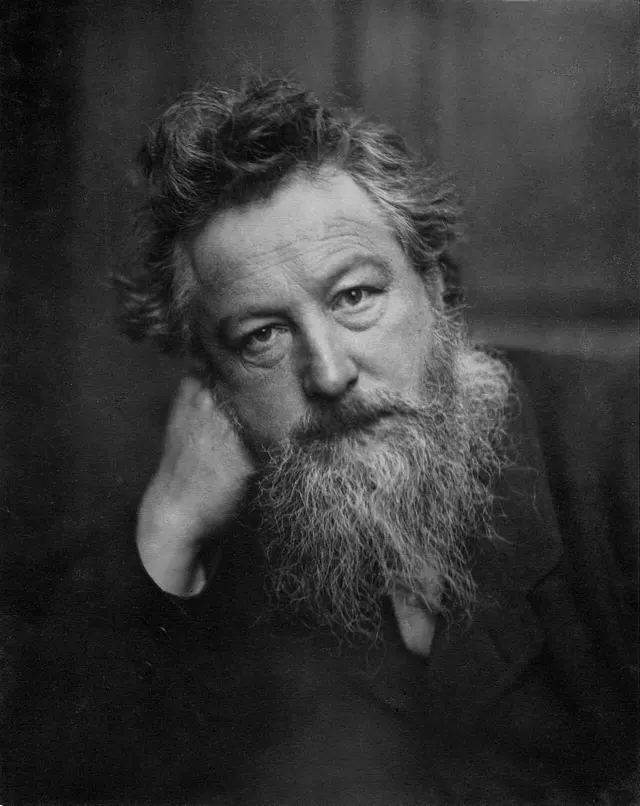
William Morris
Image creditFrederick Hollyer · Public domainResized and cropped for display.

William Morris

English designer, poet and socialist, leader of the Arts and Crafts movement.

Adolf Butenandt
Image creditWilly Pragher · CC BY 3.0 deResized and cropped for display.

Adolf Butenandt

German biochemist who won a Nobel Prize for his work on sex hormones.

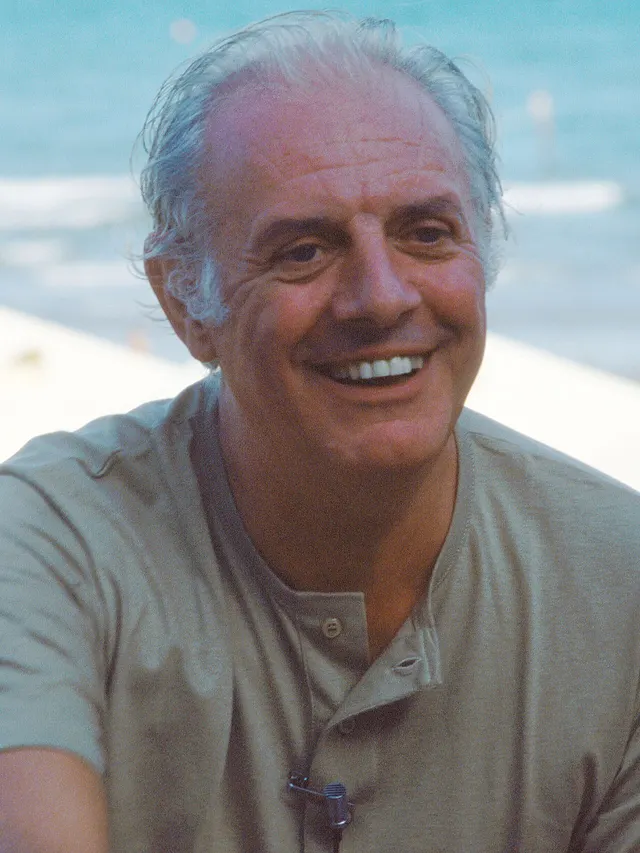
Dario Fo
Image creditGorupdebesanez · CC BY-SA 3.0Resized and cropped for display.

Dario Fo

Italian playwright and actor, winner of the 1997 Nobel Prize in Literature.

Peyton Manning
Image creditAll-Pro Reels · CC BY-SA 2.0Resized and cropped for display.

Peyton Manning

American football quarterback, twice a Super Bowl winner.

◉
IDEAS THAT CHANGED THINGS

Firsts, Science & Discoveries

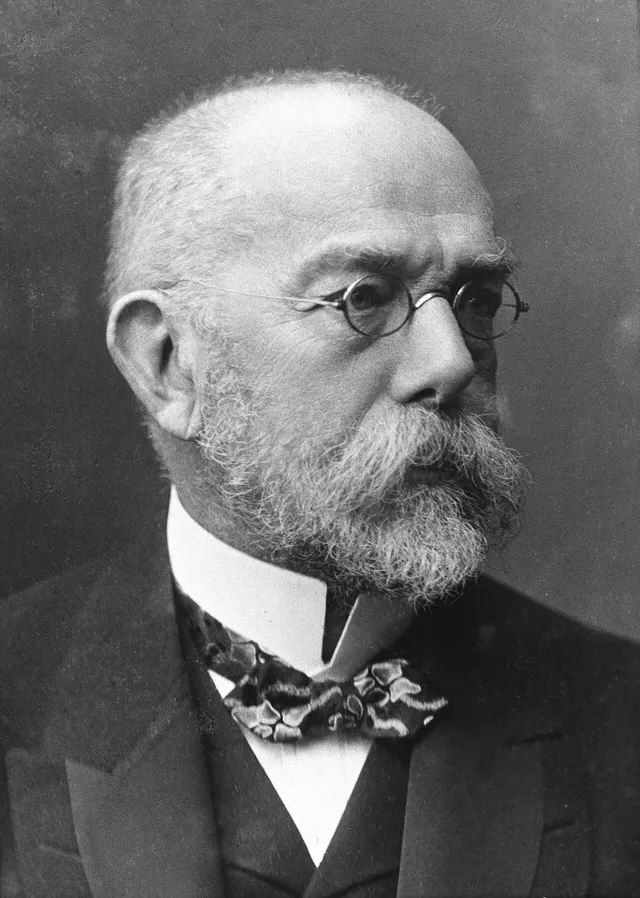
The German physician Robert Koch.
Image creditUnknown authorUnknown author · Public domainResized and cropped for display.

Robert Koch finds the cause of tuberculosis

On the evening of 24 March 1882 Robert Koch told the Physiological Society in Berlin that he had found the bacterium that causes tuberculosis. At the time the disease killed about one in seven people in Europe and the United States.

Koch’s proof that TB was infectious, not inherited, opened the way to its prevention and treatment. He received the Nobel Prize in 1905, and the anniversary of his lecture is now World Tuberculosis Day.

Read the full storyHistory & Timeline →Source: US Centers for Disease Control and Prevention: History of World TB Day ↗
The Exxon Valdez and its spreading oil slick from the air, 1989.
Image creditExxon Valdez Oil Spill Trustee Council · Public domainResized and cropped for display.

The Exxon Valdez oil spill

Just after midnight on 24 March 1989 the tanker Exxon Valdez ran onto Bligh Reef in Prince William Sound, Alaska. About 11 million US gallons of crude oil poured out of its torn hull.

The oil spread along more than 1,100 miles of coast, killing seabirds, otters, seals and fish. It was the worst oil spill in US waters until 2010, and it led to new laws requiring tankers to have double hulls.

Read the full storyHistory & Timeline →Source: NOAA Office of Response and Restoration: Exxon Valdez oil spill ↗
♫
MUSIC • FILM • BOOKS • CULTURE

Culture Stories

The memorial to Elvis Presley in Bad Nauheim, Germany, where he lived during his army service.
Image creditEva K. / Eva K. · CC BY-SA 2.5Resized and cropped for display.

Elvis Presley joins the army

At about 6.30 on the morning of 24 March 1958, at the height of his fame, Elvis Presley reported to his draft board in Memphis and was sworn into the US Army as a private, with serial number 53310761.

He served most of his two years in West Germany, living off base in the spa town of Bad Nauheim, and left the army as a sergeant in 1960.

Read the full storyHistory & Timeline →Source: US Army Center of Military History: Elvis Presley’s military career ↗
✦
LIVES REMEMBERED

Remembered Today

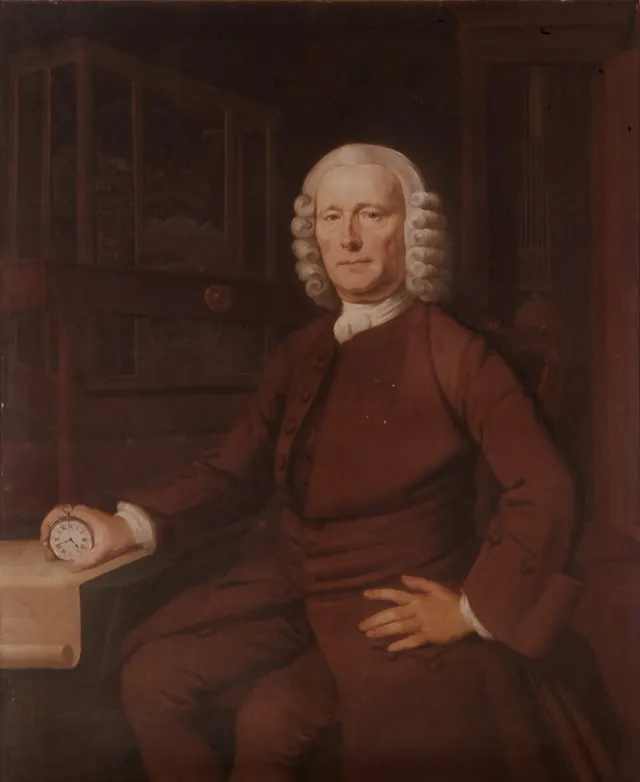
John Harrison
Image creditThomas King · Public domainResized and cropped for display.

John Harrison

English clockmaker whose marine chronometer solved the problem of longitude at sea.

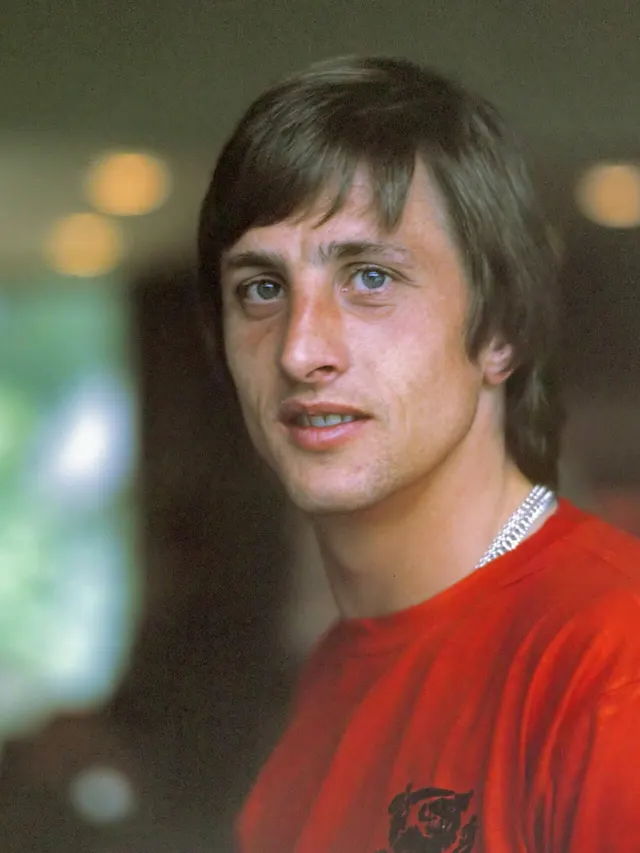
Johan Cruyff
Image creditRob Mieremet / Anefo · CC0Resized and cropped for display.

Johan Cruyff

Dutch footballer and coach, the face of ‘total football’.

☉
AROUND THE WORLD

Observances & Anniversaries

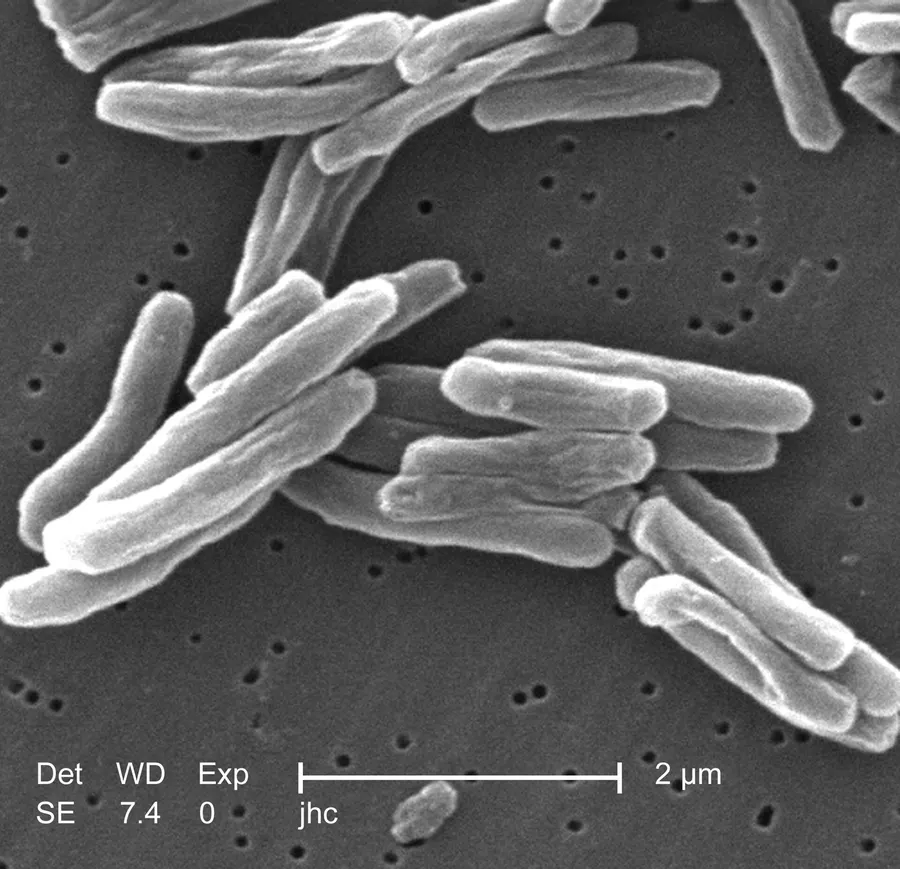
Tuberculosis bacteria under a scanning electron microscope.
Image creditJanice Carr, CDC · Public domainResized and cropped for display.

World Tuberculosis Day

World TB Day falls on the anniversary of Robert Koch’s announcement of 1882 and was first marked on its centenary in 1982. The World Health Organization uses it to rally efforts against the disease.

Tuberculosis is curable and preventable, yet it remains the world’s deadliest infectious disease, killing more than a million people every year.

Source: World Health Organization: World Tuberculosis Day ↗
HISTORY & TIMELINE

Finished the highlights?

Follow 24 March chronologically, from the Middle Ages to the modern day, with 12 verified events and the sources behind them.

This day through time →