Explore 23 March

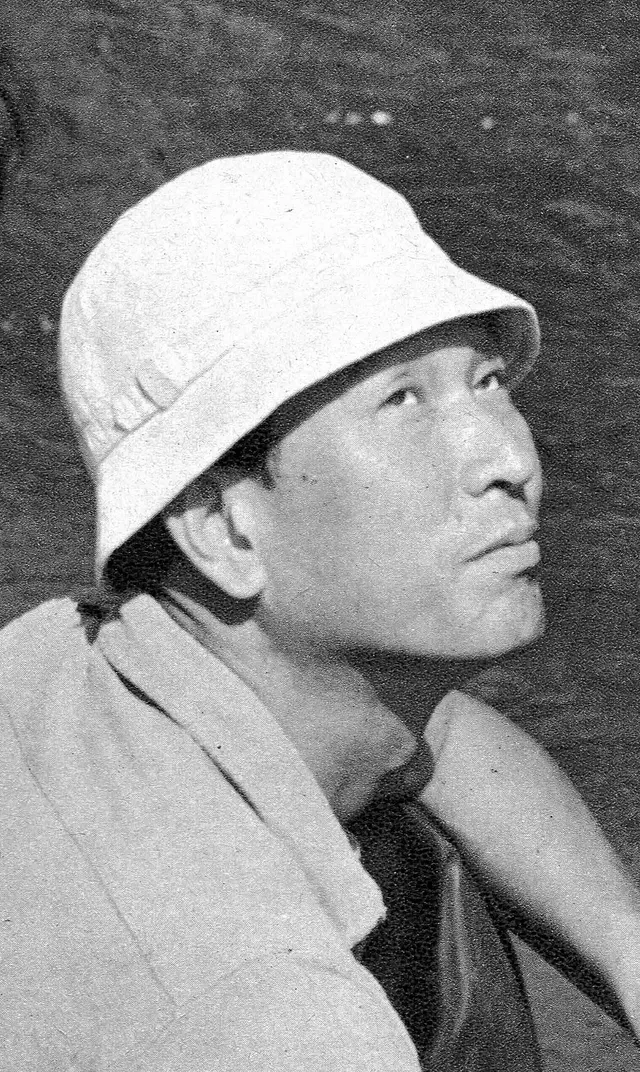
Explore 23 March: Patrick Henry demands liberty or death, the Reichstag hands Hitler dictatorial power, the Muslim League calls for a homeland in Lahore and the first passenger lift goes into service. Meet Emmy Noether, Akira Kurosawa and Mo Farah, born on this date, and mark World Meteorological Day.

This day through time →12 verified events across 4 eras

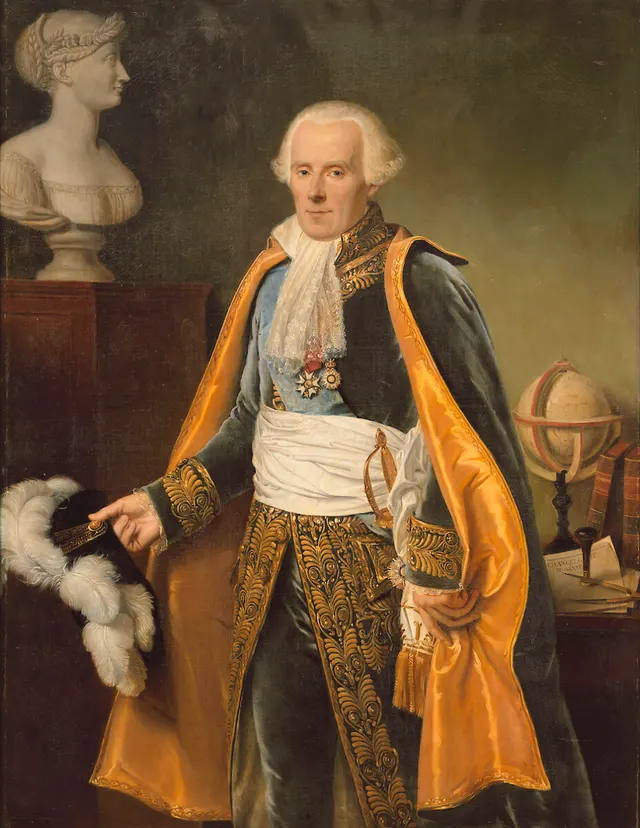
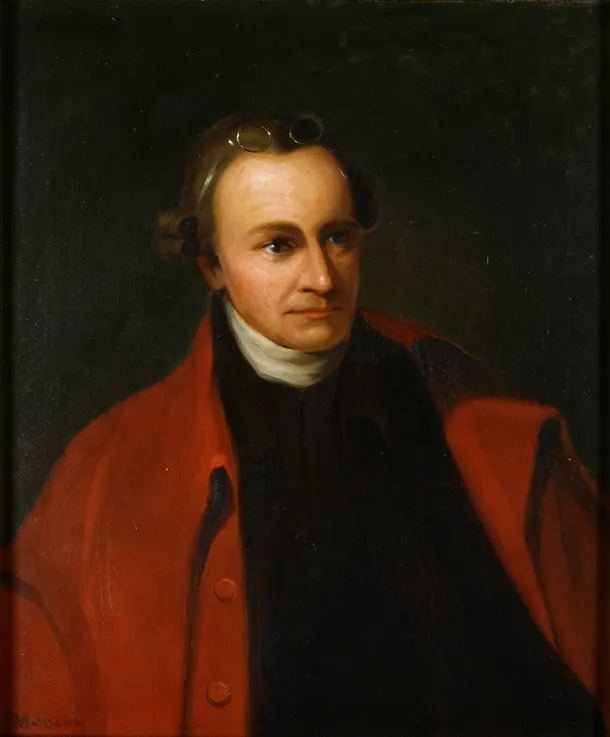
Patrick Henry, in a portrait of about 1891 after Thomas Sully.
Image creditGeorge Bagby Matthews, after Thomas Sully · Public domainResized and cropped for display.

Patrick Henry: ‘Give me liberty, or give me death!’

On 23 March 1775 the Second Virginia Convention met in St John’s Church in Richmond, away from the royal governor in Williamsburg. Patrick Henry rose to urge that Virginia raise a militia and put itself in a state of defence against Britain.

His speech is said to have ended with the words ‘give me liberty, or give me death!’ Nobody wrote it down at the time: the text we know was pieced together from listeners’ memories for a biography published in 1817. The resolutions passed, and within a month war had begun at Lexington and Concord.

Read the full storyHistory & Timeline →Source: Encyclopedia Virginia: ‘Give Me Liberty or Give Me Death!’ ↗
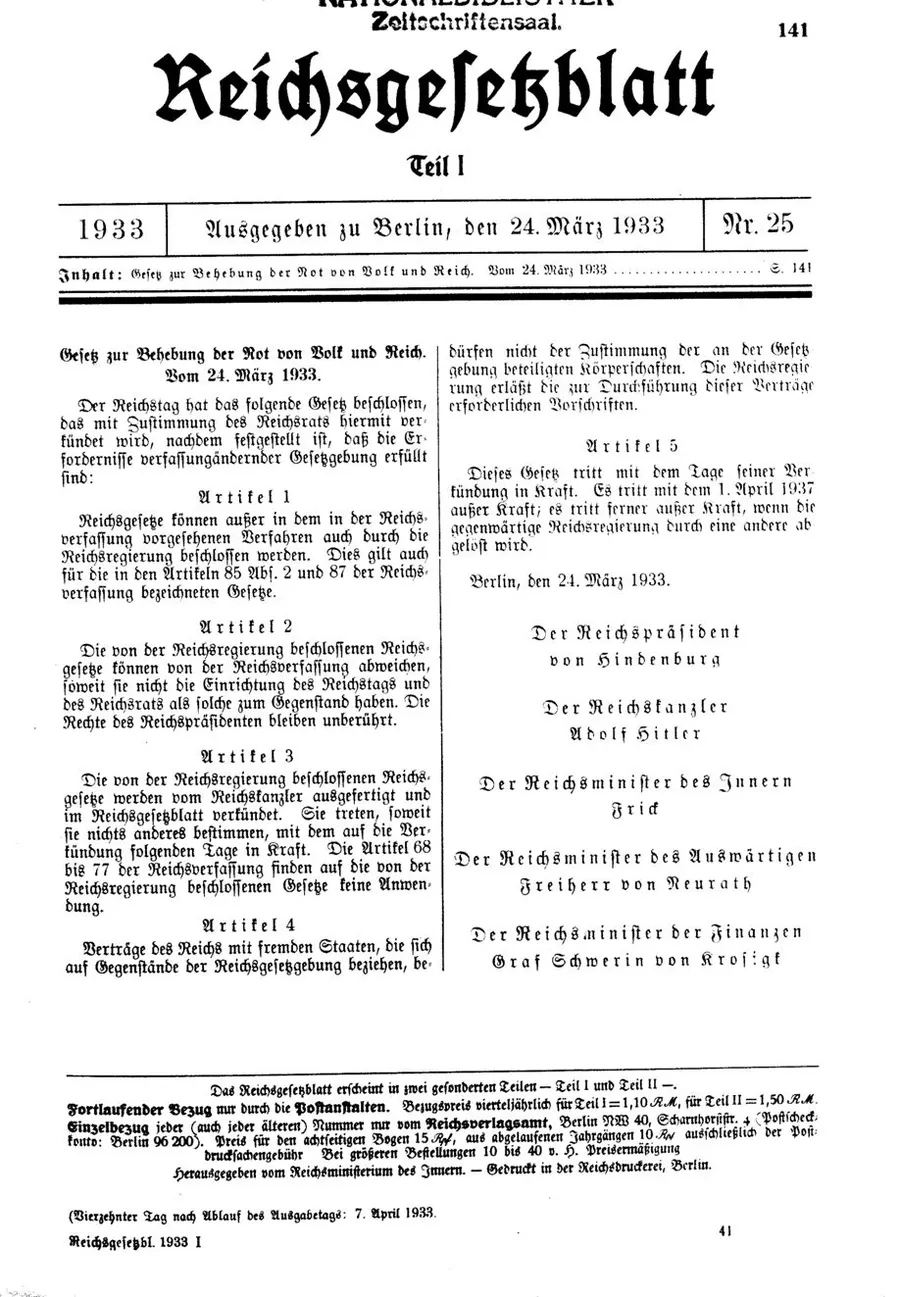
The Enabling Act as printed in the Reich Law Gazette, 24 March 1933.
Image creditReichsgesetzblatt (German government) · Public domainResized and cropped for display.

The Reichstag votes away its power

On 23 March 1933 the German parliament passed the Enabling Act, which let Adolf Hitler’s government make laws without the Reichstag’s approval, even laws that broke the constitution. The vote was 444 to 94, with only the Social Democrats voting against.

All 81 Communist deputies had already been arrested or had fled, and some Social Democrats were kept from the chamber. With the votes of the Catholic Centre Party, Hitler got the two-thirds majority he needed. The act gave his dictatorship a legal cover that lasted until 1945.

Read the full storyHistory & Timeline →Source: United States Holocaust Memorial Museum: The Enabling Act of 1933 ↗
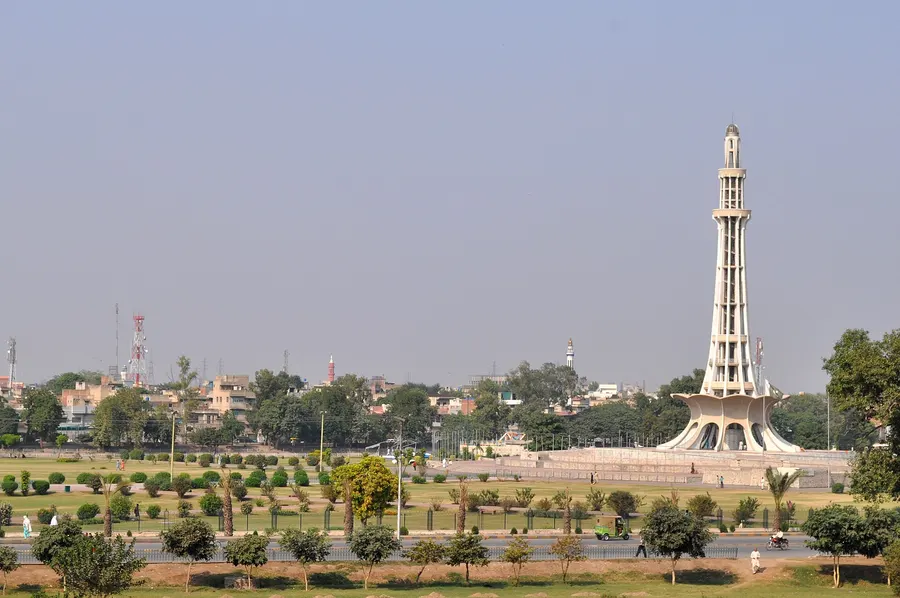
Minar-e-Pakistan in Lahore, built where the resolution was passed, 2011.
Image creditIrfan0552007 · CC BY-SA 3.0Resized and cropped for display.

The Lahore Resolution

On 23 March 1940, at a session of the All-India Muslim League in Lahore’s Minto Park, delegates adopted a resolution calling for ‘independent states’ in the Muslim-majority regions of British India. It was moved by A. K. Fazlul Huq, the premier of Bengal.

The word ‘Pakistan’ does not appear in it, but the resolution became the founding charter of the country created in 1947. Pakistan marks 23 March as Pakistan Day, and the Minar-e-Pakistan tower now stands on the spot.

Read the full storyHistory & Timeline →Source: Encyclopaedia Britannica: Lahore Resolution ↗
♙
PEOPLE

Born Today

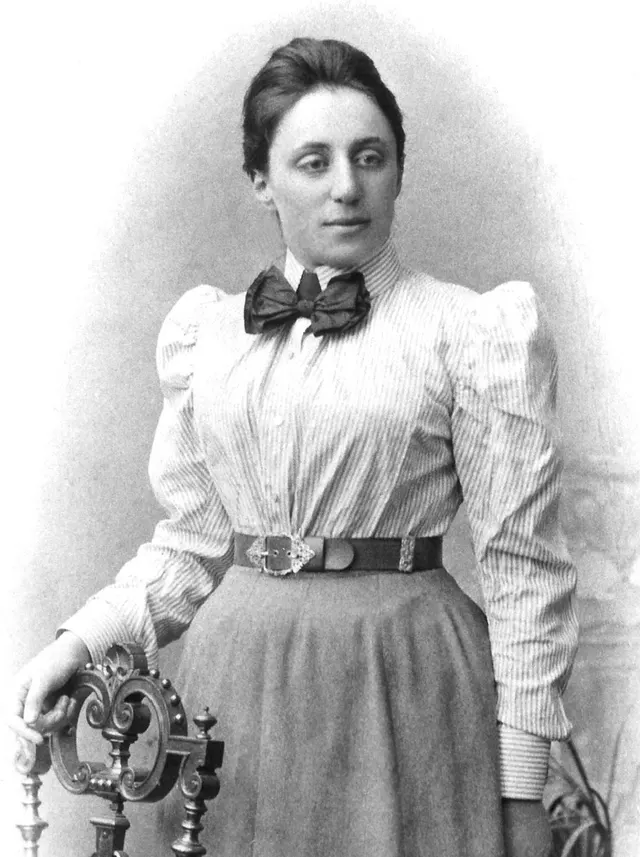
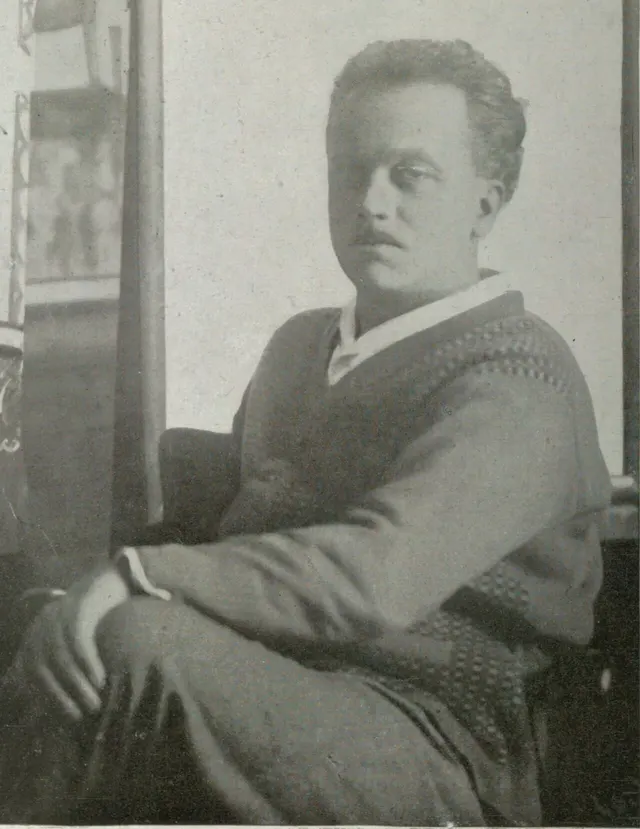
Emmy Noether
Image creditUnknown author · Public domainResized and cropped for display.

Emmy Noether

German mathematician whose theorem links symmetry to the laws of conservation in physics.

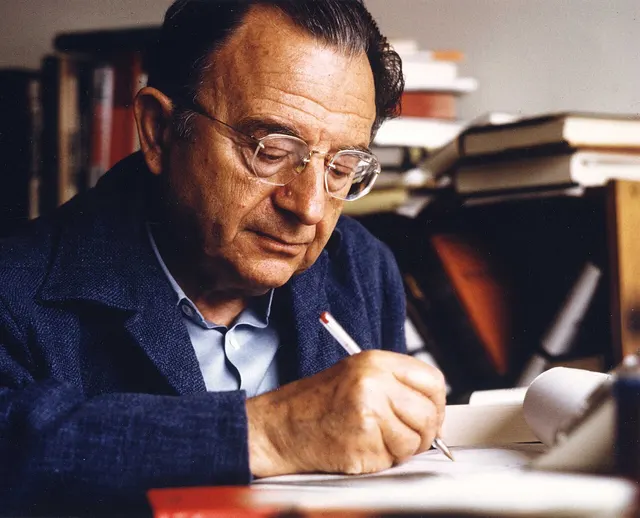
Erich Fromm
Image creditMüller-May · CC BY-SA 3.0 deResized and cropped for display.

Erich Fromm

German-born psychoanalyst and social thinker, author of The Art of Loving.

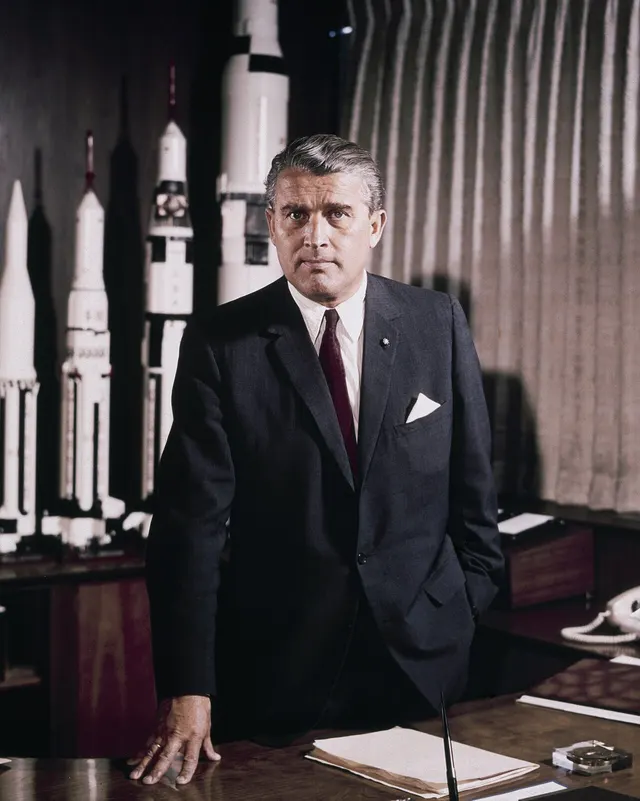
Wernher von Braun
Image creditNASA/MSFC · Public domainResized and cropped for display.

Wernher von Braun

German-born rocket engineer who built Nazi Germany’s V-2 and later NASA’s Saturn V Moon rocket.

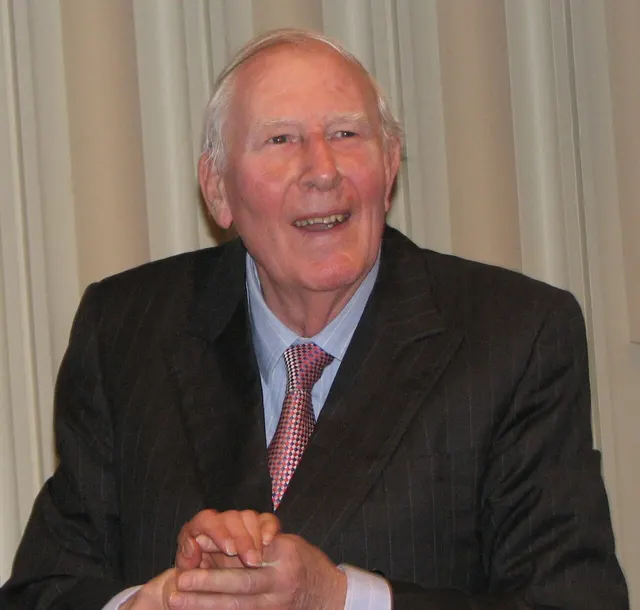
Roger Bannister
Image creditUser:Pruneau · CC BY-SA 3.0Resized and cropped for display.

Roger Bannister

English athlete and doctor, the first to run a mile in under four minutes.

Chaka Khan
Image creditOfficial artist channel · CC BY 3.0Resized and cropped for display.

Chaka Khan

American singer of ‘I’m Every Woman’, known as the Queen of Funk.

Mo Farah
Image creditKatie Chan · CC BY-SA 4.0Resized and cropped for display.

Mo Farah

Somali-born British runner, four times Olympic champion.

◉
IDEAS THAT CHANGED THINGS

Firsts, Science & Discoveries

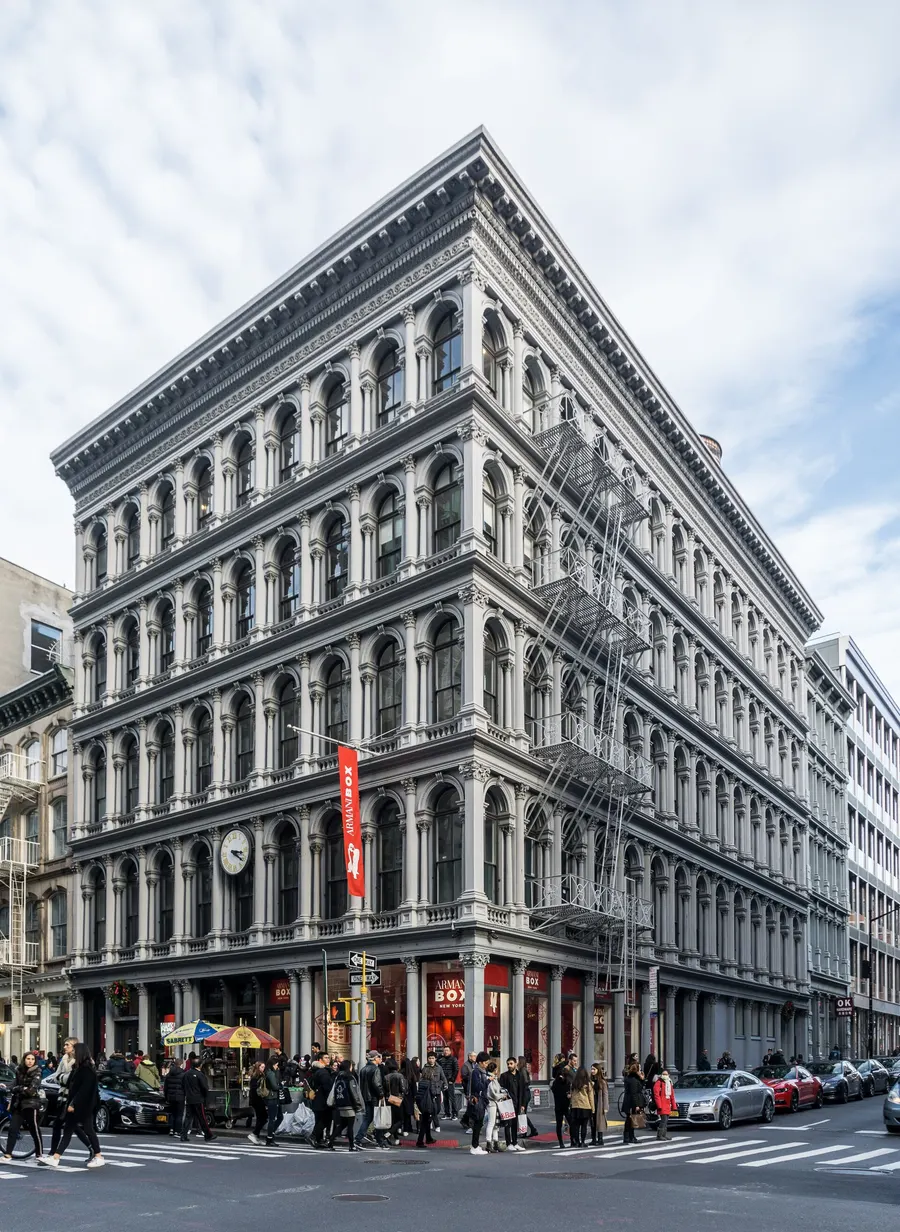
The E. V. Haughwout Building on Broadway, New York, where the first passenger lift was installed, 2017.
Image creditKenneth C. Zirkel · CC BY-SA 4.0Resized and cropped for display.

The first passenger lift

On 23 March 1857 Elisha Otis’s company put its first passenger lift into service in E. V. Haughwout’s five-storey china and glass store on Broadway in New York. Driven by a steam engine in the basement, it climbed at under a foot a second.

It carried Otis’s safety brake, which stopped the car from falling if the rope broke. Safe lifts made tall buildings practical and helped shape the skyscraper city. The cast-iron building still stands.

Read the full storyHistory & Timeline →Source: Otis Worldwide: Otis history ↗
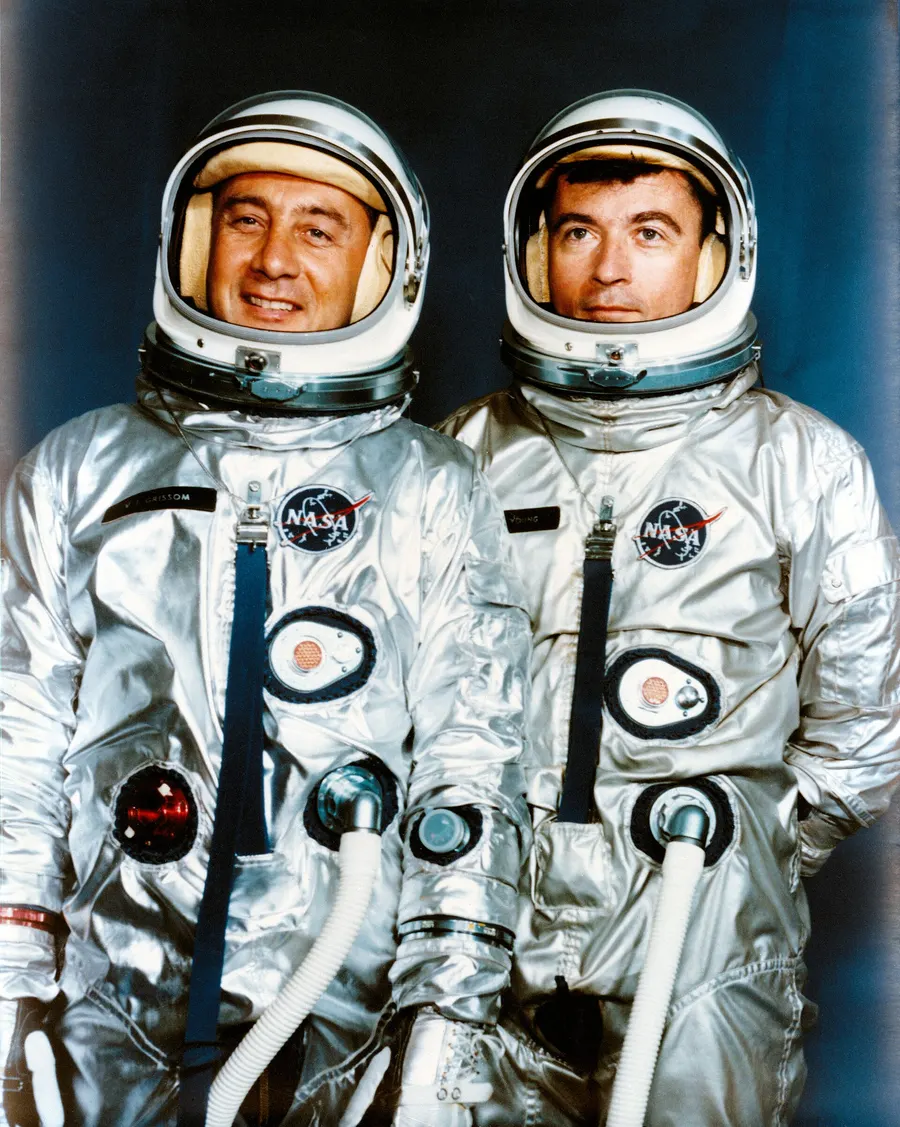
Gus Grissom (left) and John Young, the Gemini 3 crew, in April 1964.
Image creditNASA · Public domainResized and cropped for display.

Two Americans fly together in space

On 23 March 1965 Gus Grissom and John Young flew Gemini 3, the first American mission with two astronauts aboard. They circled the Earth three times in just under five hours.

They were the first crew anywhere to change their spacecraft’s orbit using its own thrusters, a skill that would be vital for meeting other craft on the way to the Moon. Grissom nicknamed the capsule ‘Molly Brown’, after the Broadway musical The Unsinkable Molly Brown, because his previous capsule had sunk.

Read the full storyHistory & Timeline →Source: NASA: 60 Years Ago, Gemini III, America’s First Two-Person Flight ↗
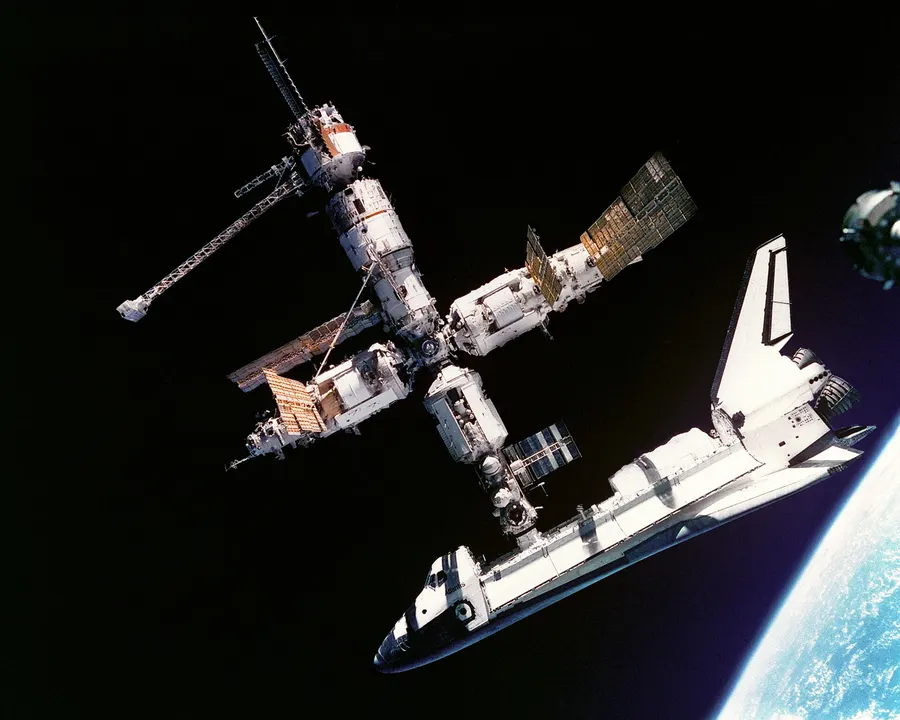
The space shuttle Atlantis docked to Mir, photographed by the Mir-19 crew in July 1995.
Image creditNASA · Public domainResized and cropped for display.

The Mir space station falls to Earth

After 15 years in orbit, the Russian space station Mir was brought down on 23 March 2001. A docked cargo ship fired its engines to slow it, and it broke up high over the South Pacific.

Pieces that survived fell into the ocean along a track about 1,500 kilometres long, far east of New Zealand. Mir had hosted astronauts from many countries and paved the way for the International Space Station.

Read the full storyHistory & Timeline →Source: NASA: 20 Years Ago, Space Station Mir Reenters Earth’s Atmosphere ↗
✦
LIVES REMEMBERED

Remembered Today

Elizabeth Taylor
Image creditStudio publicity still · Public domainResized and cropped for display.

Elizabeth Taylor

British-American film star of Cleopatra and a campaigner against AIDS.

☉
AROUND THE WORLD

Observances & Anniversaries

Cumulus clouds in fair weather.
Image creditMichael Jastremski · CC BY-SA 2.0Resized and cropped for display.

World Meteorological Day

World Meteorological Day marks the coming into force of the convention that created the World Meteorological Organization, on 23 March 1950. The WMO became a specialised agency of the United Nations the following year.

Each year the day takes a theme, from early warnings of storms to the changing climate, and celebrates the forecasters and observers who share weather data across borders.

Source: World Meteorological Organization: World Meteorological Day ↗
HISTORY & TIMELINE

Finished the highlights?

Follow 23 March chronologically, from the Middle Ages to the modern day, with 12 verified events and the sources behind them.

This day through time →