
HISTORY & TIMELINE
23 March

A journey through
23 March in history

From the murder of Tsar Paul I in 1801 to the fiery end of the Mir space station in 2001, 23 March has seen a speech that stirred a revolution, the law that gave Hitler absolute power, the birth of Pakistan’s founding idea and the last great battle of Angola’s war. This timeline follows the date across two centuries.

III
A CHANGING WORLD

Early Modern Era

Exploration, political change, scientific development and expanding global connections.

1775
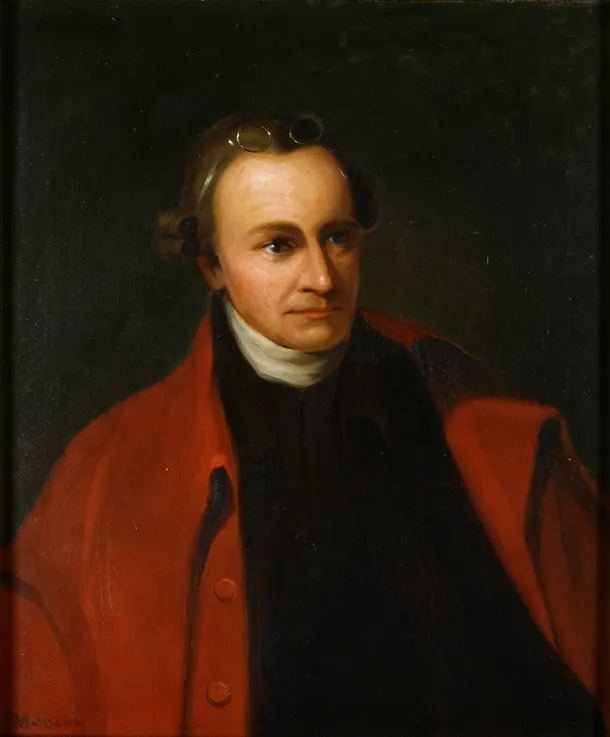
Patrick Henry, in a portrait of about 1891 after Thomas Sully.Patrick Henry, in a portrait of about 1891 after Thomas Sully.Image: George Bagby Matthews, after Thomas Sully · Public domain
politics · Americas

Patrick Henry: ‘Give me liberty, or give me death!’

On 23 March 1775 the Second Virginia Convention met in St John’s Church in Richmond, away from the royal governor in Williamsburg. Patrick Henry rose to urge that Virginia raise a militia and put itself in a state of defence against Britain. His speech is said to have ended with the words ‘give me liberty, or give me death!’ Nobody wrote it down at the time: the text we know was pieced together from listeners’ memories for a biography published in 1817. The resolutions passed, and within a month war had begun at Lexington and Concord.

Source: Encyclopedia Virginia: ‘Give Me Liberty or Give Me Death!’ ↗
IV
THE NINETEENTH CENTURY

The 1800s

Industry, empire, invention, reform and a century of enormous transformation.

1801
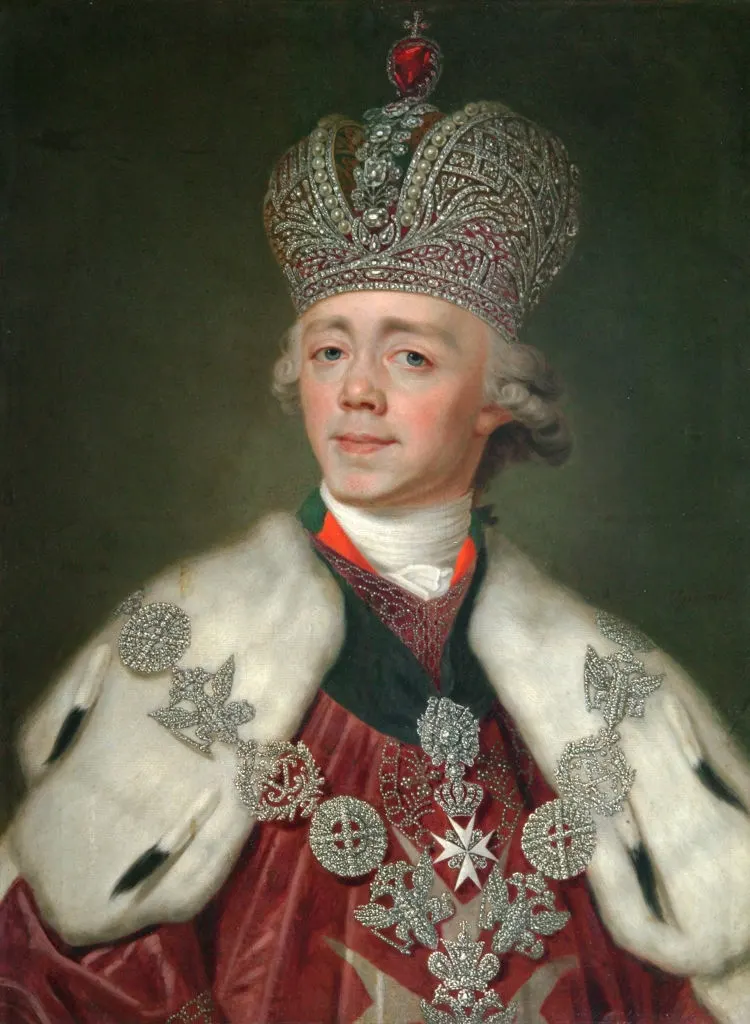
Emperor Paul I, painted by Vladimir Borovikovsky in 1800.Emperor Paul I, painted by Vladimir Borovikovsky in 1800.Image: Vladimir Borovikovsky · Public domain
politics · Europe

Tsar Paul I is murdered

Late at night in his new St Michael’s Castle in St Petersburg, Emperor Paul I of Russia was killed by a group of officers led by Count Peter von der Pahlen. His son, who knew of the plot to force him from the throne, succeeded him as Alexander I. In the Russian calendar of the day it was 11 March.

Source: Encyclopaedia Britannica: Russian Empire, Paul ↗
1857
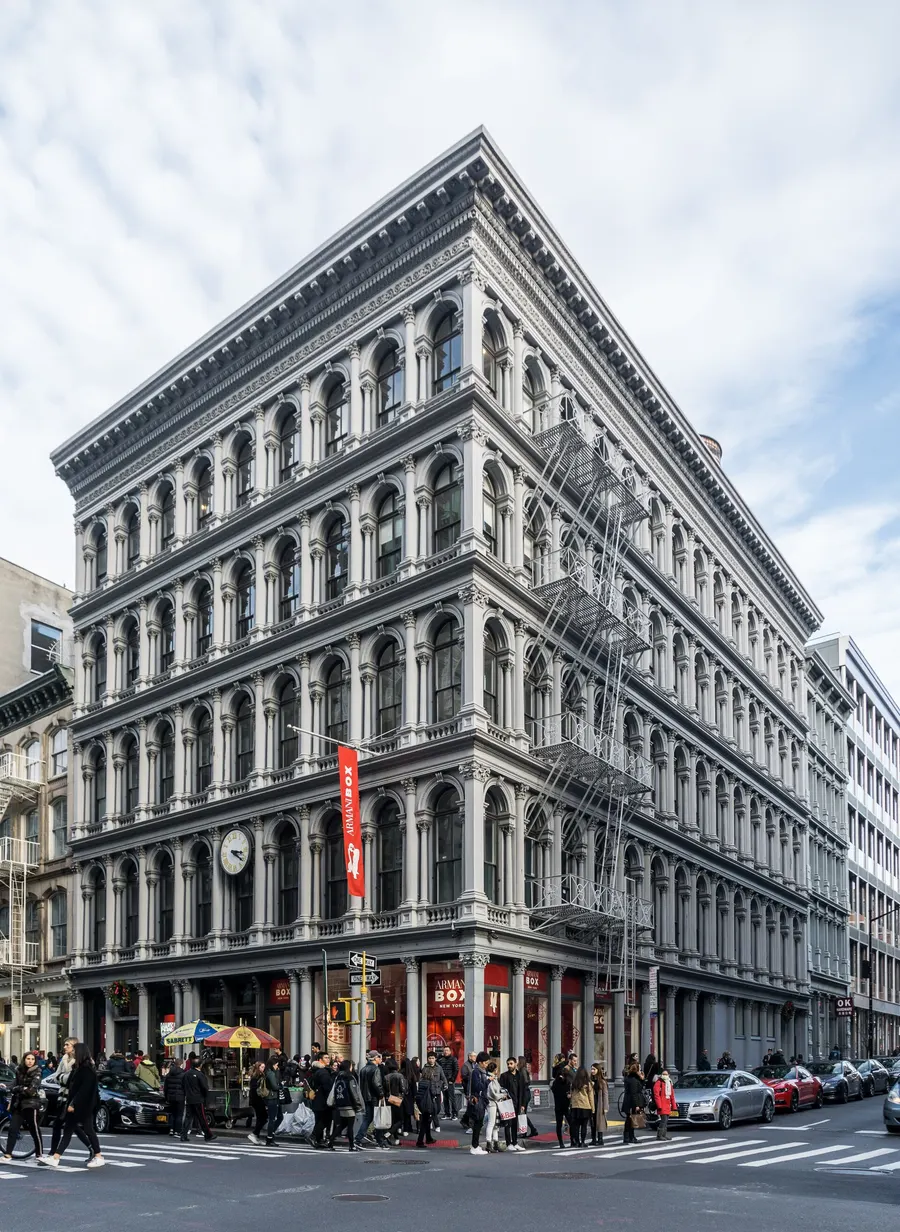
The E. V. Haughwout Building on Broadway, New York, where the first passenger lift was installed, 2017.The E. V. Haughwout Building on Broadway, New York, where the first passenger lift was installed, 2017.Image: Kenneth C. Zirkel · CC BY-SA 4.0
science · Americas

The first passenger lift

On 23 March 1857 Elisha Otis’s company put its first passenger lift into service in E. V. Haughwout’s five-storey china and glass store on Broadway in New York. Driven by a steam engine in the basement, it climbed at under a foot a second. It carried Otis’s safety brake, which stopped the car from falling if the rope broke. Safe lifts made tall buildings practical and helped shape the skyscraper city. The cast-iron building still stands.

Source: Otis Worldwide: Otis history ↗
V
THE TWENTIETH CENTURY

The 1900s

War and peace, technological leaps, social change, politics, sport and popular culture.

1919
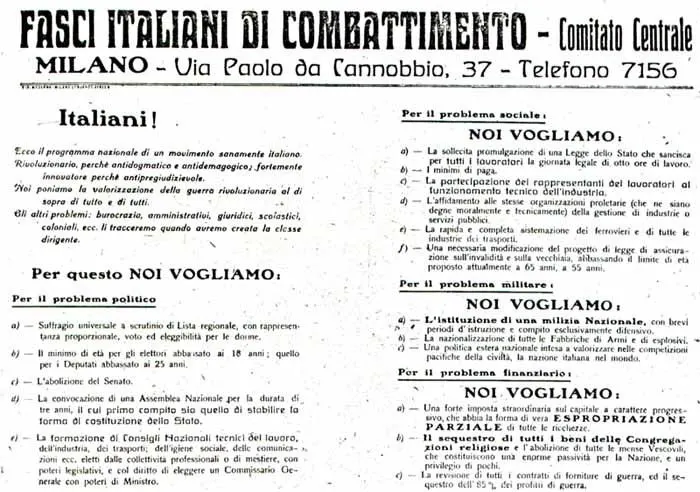
The movement's programme, published in June 1919.The movement’s programme, published in June 1919.Image: Members of Fasci Italiani di Combatimento · Public domain
politics · Europe

Mussolini founds the Fascist movement

At a meeting in a hall on Piazza San Sepolcro in Milan, Benito Mussolini and between 50 and 200 supporters founded the Fasci Italiani di Combattimento. The movement became the National Fascist Party in 1921, and Mussolini took power in Italy the following year.

Source: Encyclopaedia Britannica: Fasci di combattimento ↗
1931
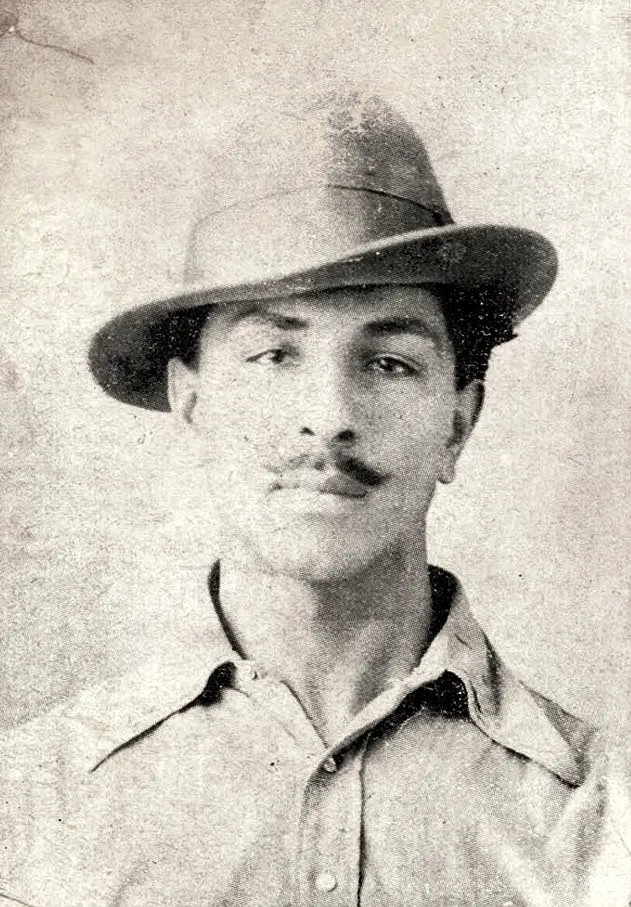
Bhagat Singh, from a poster about the Lahore conspiracy case.Bhagat Singh, from a poster about the Lahore conspiracy case.Image: Unknown author · Public domain
politics · Asia

Bhagat Singh, Sukhdev and Rajguru are hanged

The young revolutionaries Bhagat Singh, Sukhdev Thapar and Shivaram Rajguru were hanged in Lahore Central Jail for the killing of a British police officer, John Saunders. Bhagat Singh was 23. They became heroes of India’s independence movement, and India remembers them each 23 March as Shaheed Diwas, Martyrs’ Day.

Source: Encyclopaedia Britannica: Bhagat Singh ↗
1933
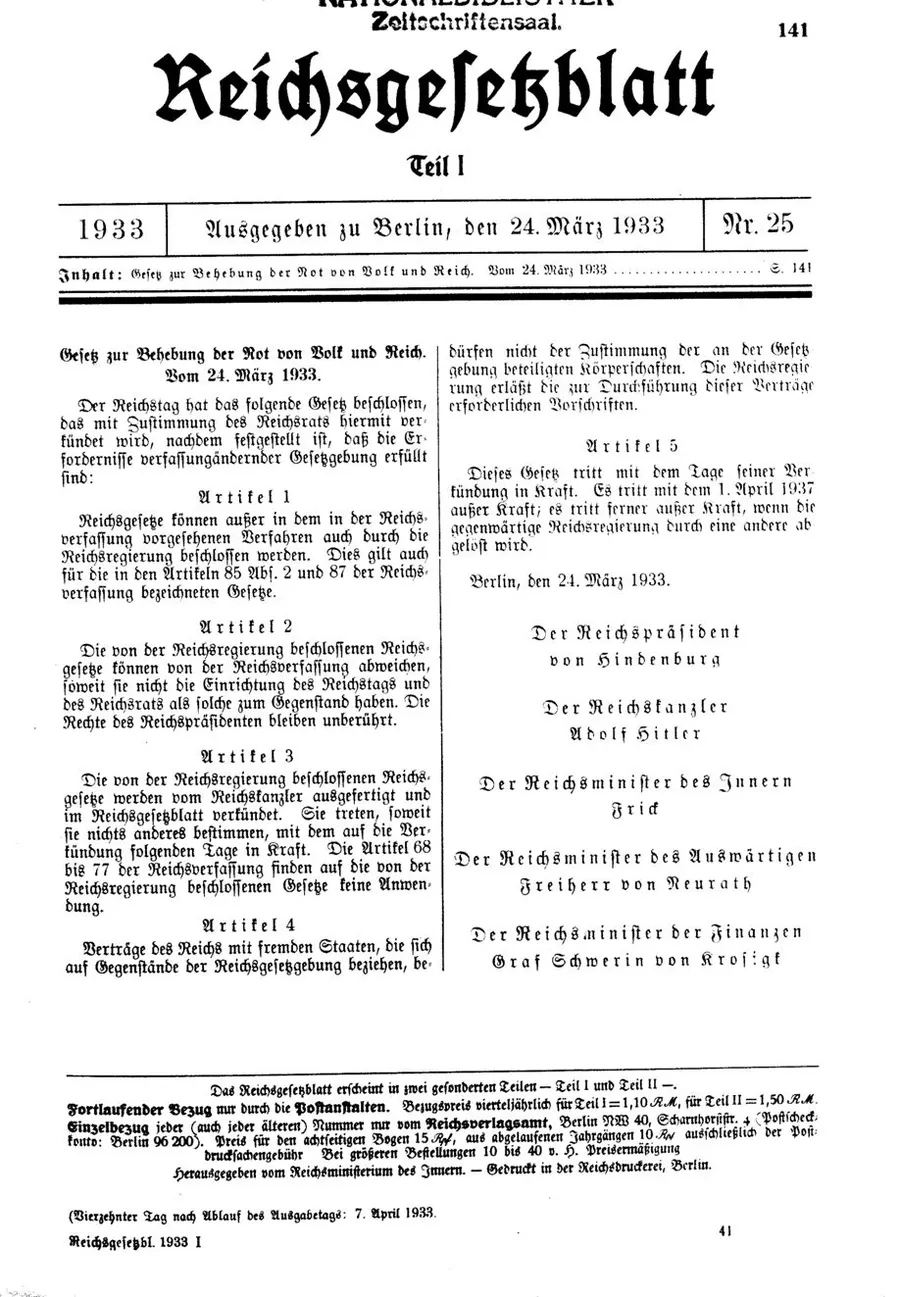
The Enabling Act as printed in the Reich Law Gazette, 24 March 1933.The Enabling Act as printed in the Reich Law Gazette, 24 March 1933.Image: Reichsgesetzblatt (German government) · Public domain
politics · Europe

The Reichstag votes away its power

On 23 March 1933 the German parliament passed the Enabling Act, which let Adolf Hitler’s government make laws without the Reichstag’s approval, even laws that broke the constitution. The vote was 444 to 94, with only the Social Democrats voting against. All 81 Communist deputies had already been arrested or had fled, and some Social Democrats were kept from the chamber. With the votes of the Catholic Centre Party, Hitler got the two-thirds majority he needed. The act gave his dictatorship a legal cover that lasted until 1945.

Source: United States Holocaust Memorial Museum: The Enabling Act of 1933 ↗
1940
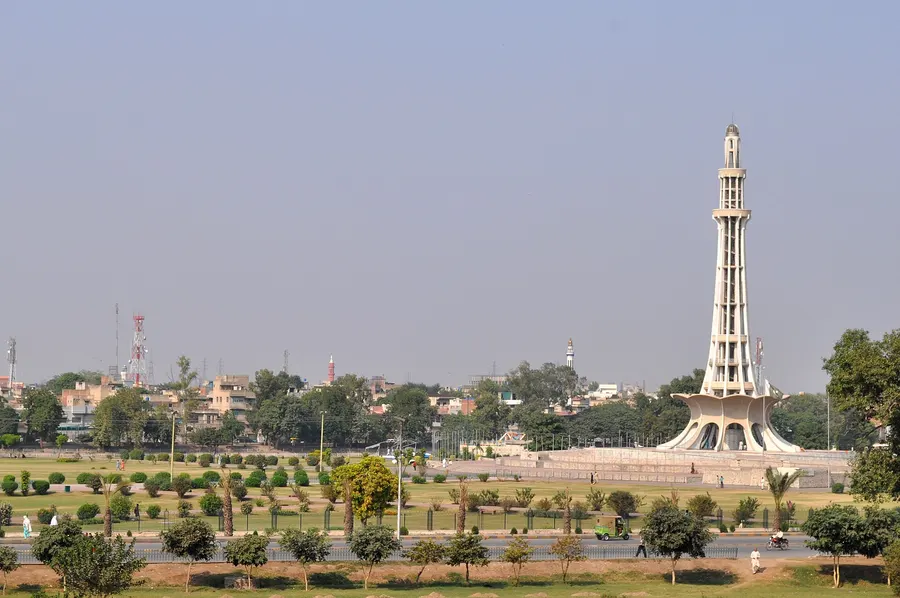
Minar-e-Pakistan in Lahore, built where the resolution was passed, 2011.Minar-e-Pakistan in Lahore, built where the resolution was passed, 2011.Image: Irfan0552007 · CC BY-SA 3.0
politics · Asia

The Lahore Resolution

On 23 March 1940, at a session of the All-India Muslim League in Lahore’s Minto Park, delegates adopted a resolution calling for ‘independent states’ in the Muslim-majority regions of British India. It was moved by A. K. Fazlul Huq, the premier of Bengal. The word ‘Pakistan’ does not appear in it, but the resolution became the founding charter of the country created in 1947. Pakistan marks 23 March as Pakistan Day, and the Minar-e-Pakistan tower now stands on the spot.

Source: Encyclopaedia Britannica: Lahore Resolution ↗
1956
Iskander Mirza as a young officer in the British Indian Army, around 1920.Iskander Mirza as a young officer in the British Indian Army, around 1920.Image: Government of India · Public domain
politics · Asia

Pakistan becomes an Islamic republic

Pakistan’s first constitution came into force, ending its status as a dominion under the British Crown and making it the world’s first Islamic republic. Iskander Mirza became its first president. The constitution lasted only until October 1958, when Mirza declared martial law.

Source: National Assembly of Pakistan: History ↗
1965
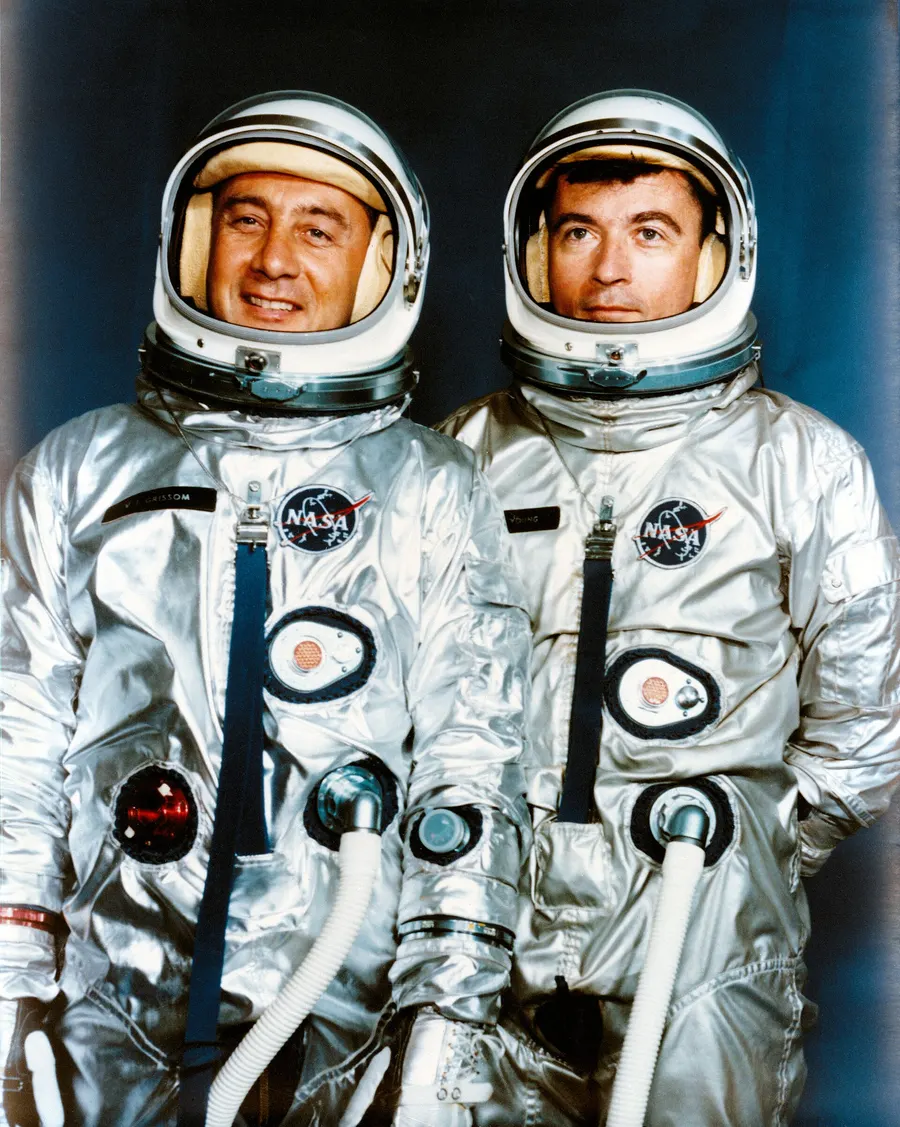
Gus Grissom (left) and John Young, the Gemini 3 crew, in April 1964.Gus Grissom (left) and John Young, the Gemini 3 crew, in April 1964.Image: NASA · Public domain
science · Americas

Two Americans fly together in space

On 23 March 1965 Gus Grissom and John Young flew Gemini 3, the first American mission with two astronauts aboard. They circled the Earth three times in just under five hours. They were the first crew anywhere to change their spacecraft’s orbit using its own thrusters, a skill that would be vital for meeting other craft on the way to the Moon. Grissom nicknamed the capsule ‘Molly Brown’, after the Broadway musical The Unsinkable Molly Brown, because his previous capsule had sunk.

Source: NASA: 60 Years Ago, Gemini III, America’s First Two-Person Flight ↗
1983
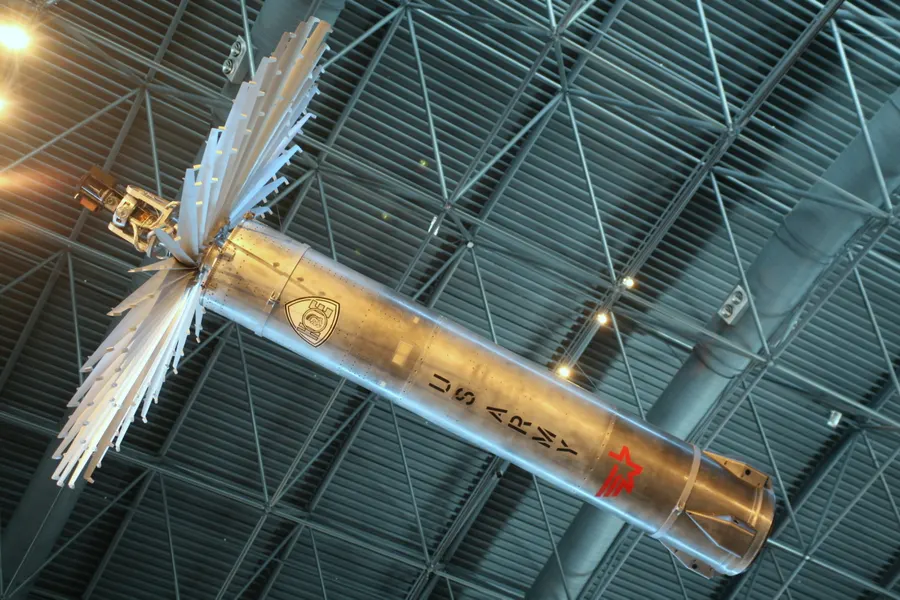
A test vehicle from the US Army's Homing Overlay Experiment, built to destroy a missile by hitting it.A test vehicle from the US Army’s Homing Overlay Experiment, built to destroy a missile by hitting it.Image: Cliff · CC BY 2.0
science · Americas

Reagan’s ‘Star Wars’ speech

In a televised address, President Ronald Reagan called on American scientists to make nuclear missiles ‘impotent and obsolete’ with a system to shoot them down. Critics nicknamed the Strategic Defense Initiative ‘Star Wars’. It was never built as planned, but it shaped arms talks with the Soviet Union for the rest of the decade.

Source: Ronald Reagan Presidential Library: Strategic Defense Initiative ‘Star Wars’ speech, 23 March 1983 ↗
1988
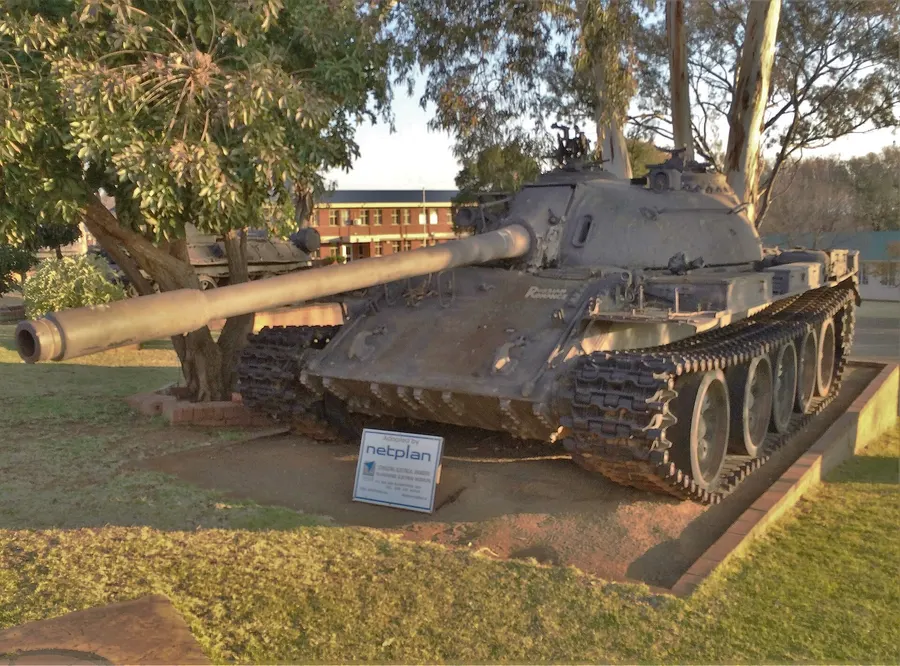
A T-55 tank, of the type used by Angola's army, at the South African Armour Museum.A T-55 tank, of the type used by Angola’s army, at the South African Armour Museum.Image: Katangais (English Wikipedia) · CC BY-SA 2.0
world · Africa

The last assault at Cuito Cuanavale

South African forces and their UNITA allies made their last major attack on Angolan government and Cuban troops at Cuito Cuanavale, in south-east Angola, and were driven back. It closed the biggest conventional battle in Africa since the Second World War, which helped lead to the talks that brought Namibia its independence in 1990. Southern Africa now marks 23 March as Liberation Day.

Source: South African History Online: Battle of Cuito Cuanavale 1988 ↗
VI
2000 TO TODAY

Modern Day

The events of recent decades that have already become part of the historical record.

2001
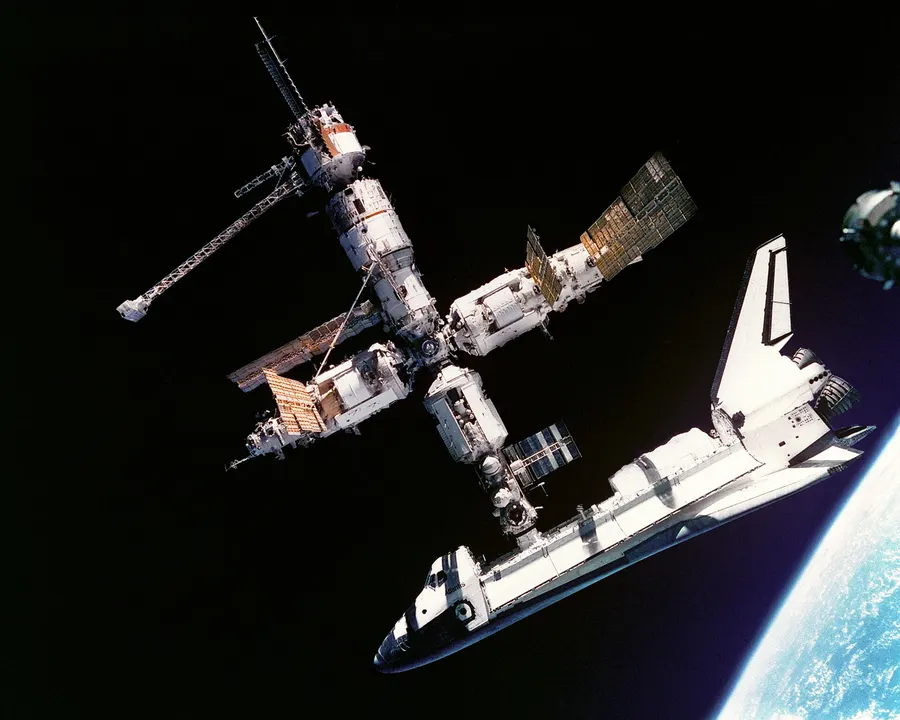
The space shuttle Atlantis docked to Mir, photographed by the Mir-19 crew in July 1995.The space shuttle Atlantis docked to Mir, photographed by the Mir-19 crew in July 1995.Image: NASA · Public domain
science · Global

The Mir space station falls to Earth

After 15 years in orbit, the Russian space station Mir was brought down on 23 March 2001. A docked cargo ship fired its engines to slow it, and it broke up high over the South Pacific. Pieces that survived fell into the ocean along a track about 1,500 kilometres long, far east of New Zealand. Mir had hosted astronauts from many countries and paved the way for the International Space Station.

Source: NASA: 20 Years Ago, Space Station Mir Reenters Earth’s Atmosphere ↗
WHY THESE MOMENTS?

Significance before volume

This page is not the longest possible list of events. It is a chronological journey through 23 March, where each entry is chosen for historical significance, human interest and reliability.

Facts are checked against authoritative museums, archives, universities and reference works. Where sources disagree, the page says so.

EXPLORED THE DEEPER STORY?

Return to the highlights of 23 March

Discover the lighter side of the date with famous birthdays, culture, firsts and lives remembered.

Explore This Day →
← PREVIOUS DAY22 March
HISTORY & TIMELINE23 March
NEXT DAY →24 March