
1312
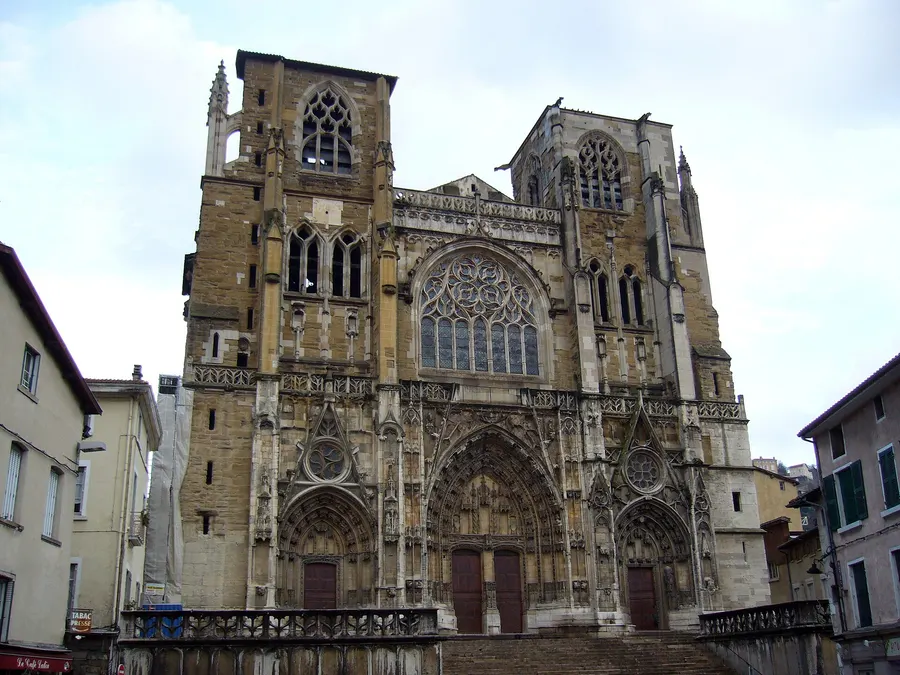 Saint-Maurice Cathedral in Vienne, France, where the church council of 1311-12 met.Image: Arnaud-Victor Monteux · CC BY-SA 3.0
culture · Europe
The pope dissolves the Knights Templar
The Knights Templar had grown rich and powerful since the Crusades. From 1307 King Philip IV of France had its members arrested and tortured into confessions. On 22 March 1312, during a church council at Vienne, Pope Clement V issued the bull Vox in excelso, which dissolved the order. The pope did not find the order guilty of heresy. He suppressed it on the grounds that its reputation was beyond repair, under heavy pressure from Philip, who had arrived at Vienne two days earlier. Most of the Templars’ property passed to the rival Knights Hospitaller.
Source: Catholic Encyclopedia (New Advent): Council of Vienne ↗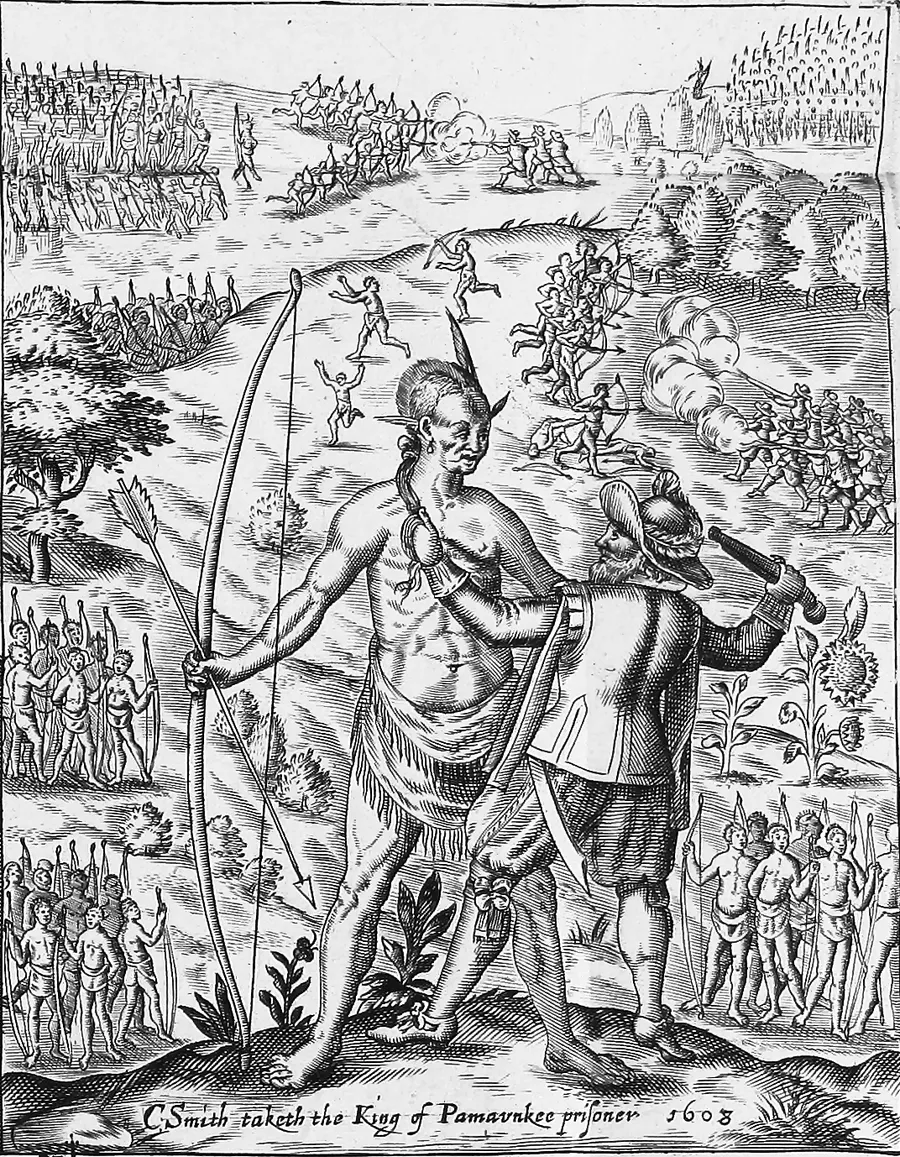 John Smith seizing Opechancanough, chief of the Pamunkey, in 1608, in a 17th-century engraving.Image:
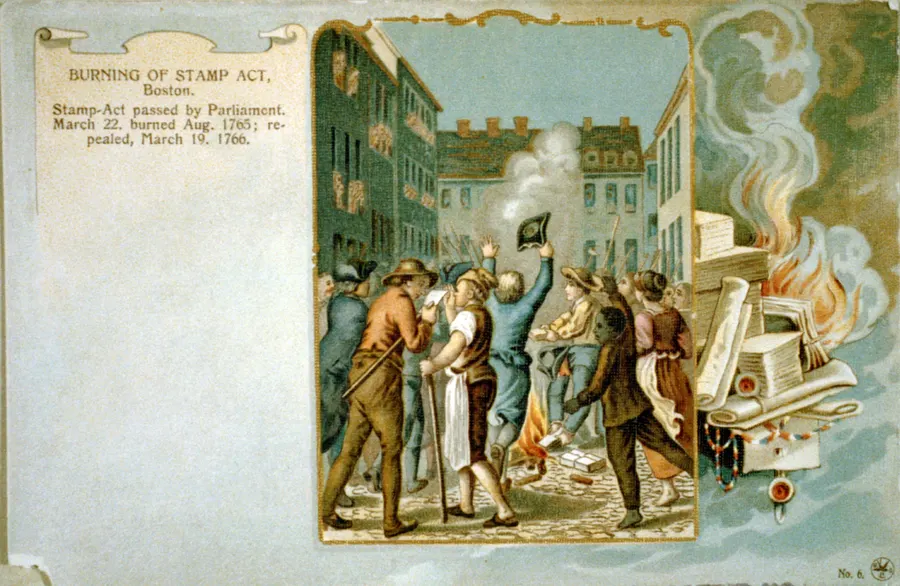 The burning of stamped paper in Boston, as pictured on a postcard of 1903.Image:
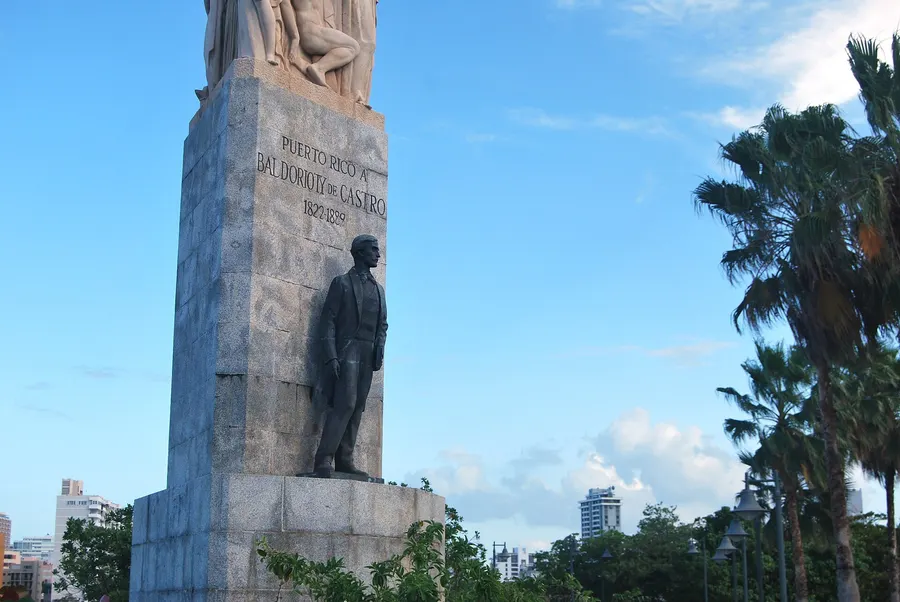 The statue of the abolitionist Román Baldorioty de Castro in San Juan, 2012.Image:
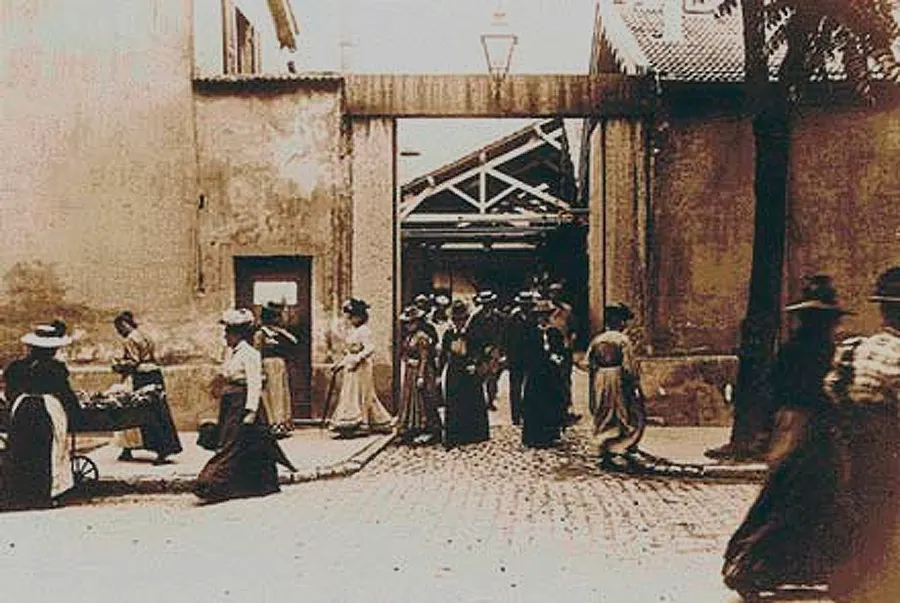 A frame from the Lumière film of workers leaving their factory in Lyon.Image:
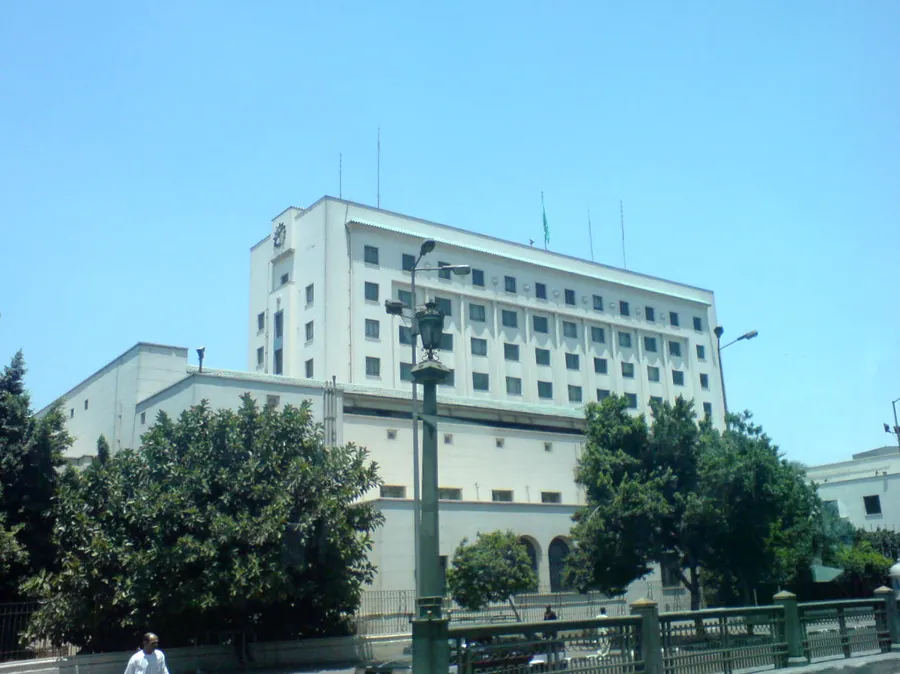 The headquarters of the Arab League in Cairo, 2008.Image:
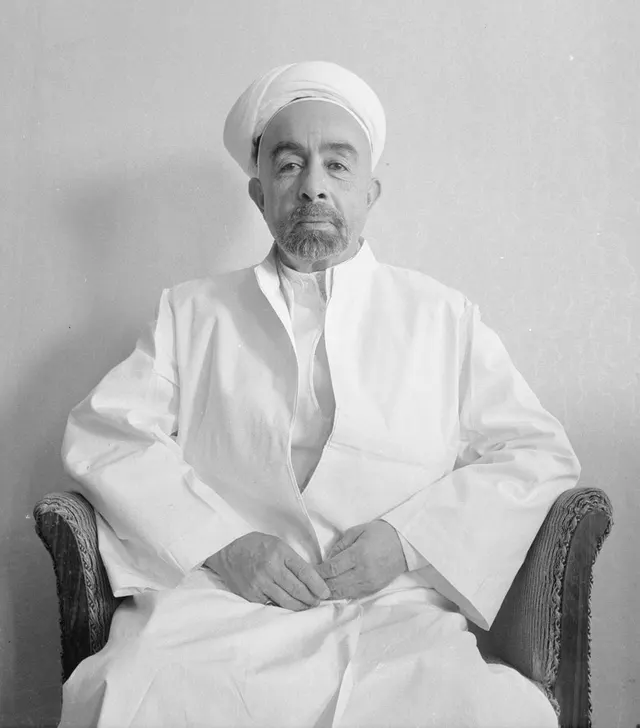 Abdullah I, Transjordan’s first king, photographed by Cecil Beaton.Image:
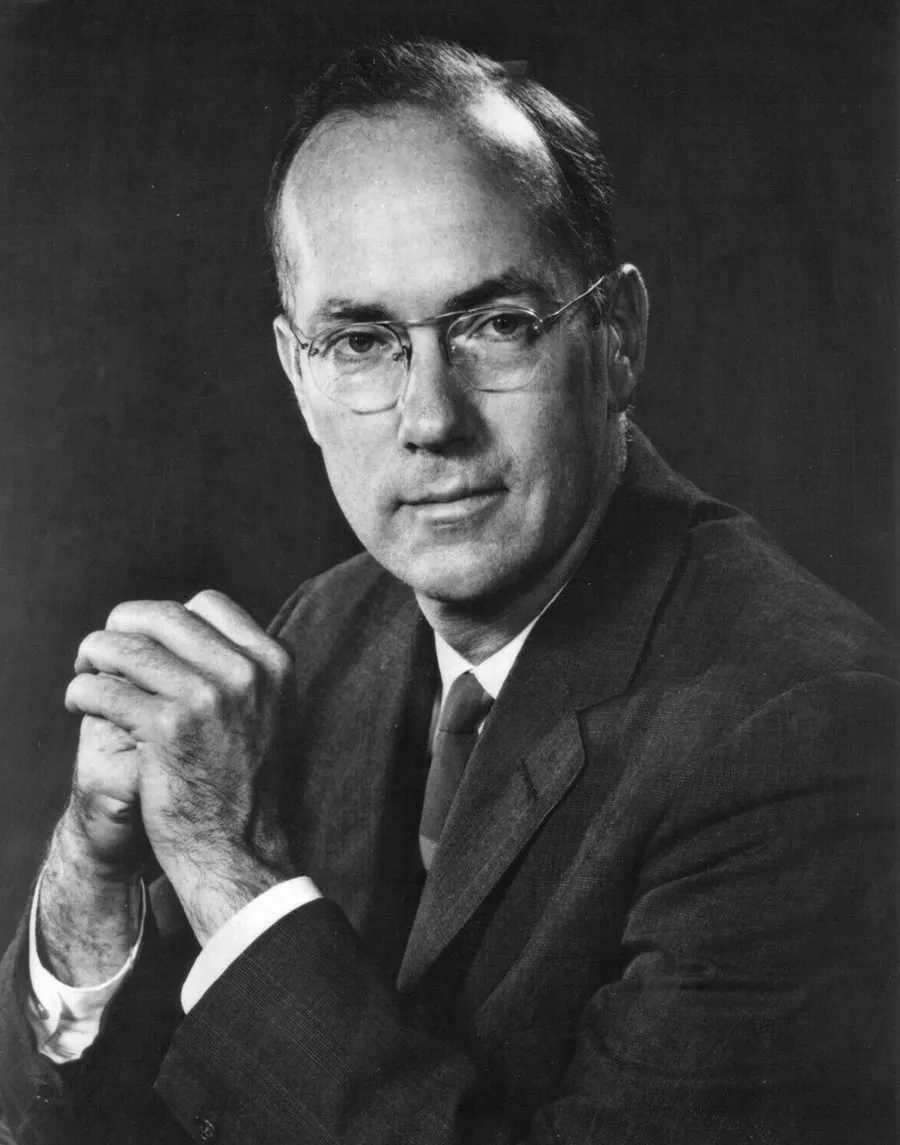 The physicist Charles Townes.Image:
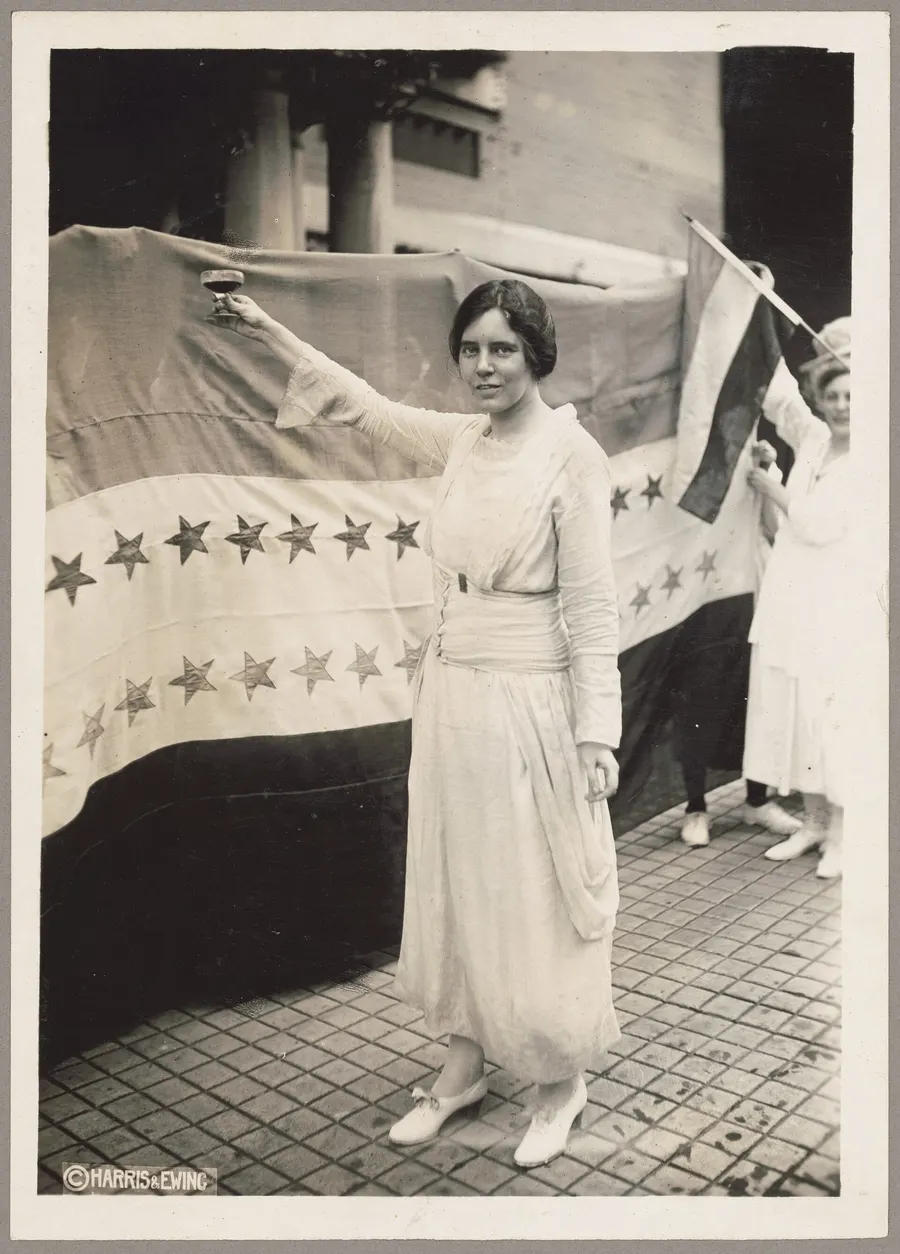 Alice Paul, who wrote the first version of the Equal Rights Amendment in 1923, photographed in 1920.Image:
 The silicon die of an early 66 MHz Intel Pentium processor.Image:
 Comet Hale-Bopp above a tree near Pazin, Croatia, 29 March 1997.Image:
 Flowers and flags at the memorial on the Place de la Bourse in Brussels, May 2016.Image: