
HISTORY & TIMELINE
24 March

A journey through
24 March in history

From the union of the crowns of England and Scotland in 1603 to Bhutan’s first democratic election in 2008, 24 March has seen a breakthrough against a great killer, the Great Escape, a military coup in Argentina and one of the worst oil spills in history. This timeline follows the date across four centuries.

III
A CHANGING WORLD

Early Modern Era

Exploration, political change, scientific development and expanding global connections.

1603
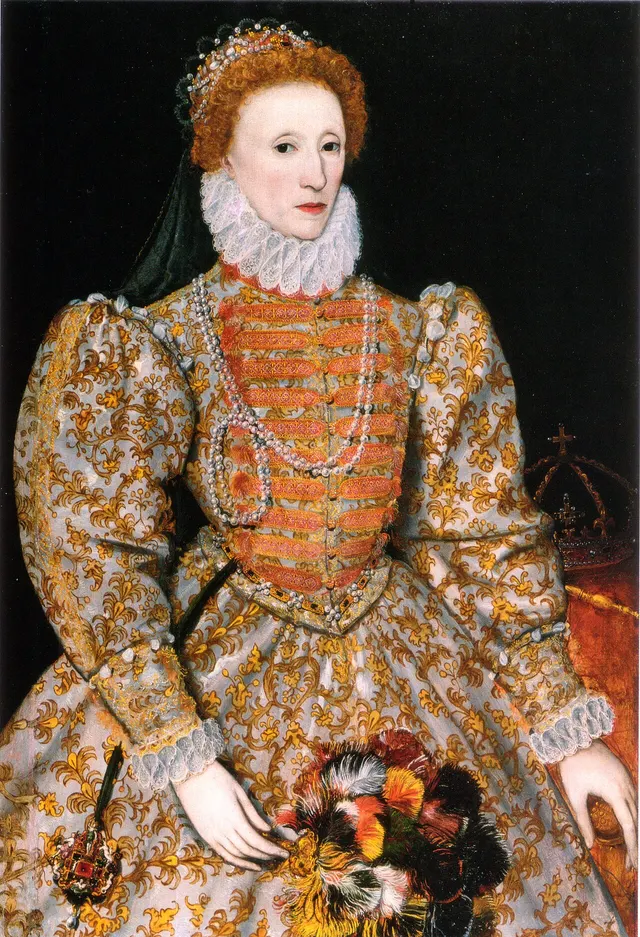
Elizabeth I, in a portrait by an unidentified painter.Elizabeth I, in a portrait by an unidentified painter.Image: Unidentified painter · Public domain
politics · Europe

Elizabeth I dies and James VI of Scotland takes the English throne

In the early hours of 24 March 1603 Elizabeth I died at Richmond Palace, aged 69, after 44 years on the throne. She had never married, and she was the last of the Tudors. Within hours her council proclaimed her cousin’s son, James VI of Scotland, as James I of England. For the first time one monarch wore the crowns of both kingdoms, though they kept separate parliaments for another century. By the calendar used in England then, the year was still 1602.

Source: The National Archives: Elizabeth I to James VI, 1603 ↗
IV
THE NINETEENTH CENTURY

The 1800s

Industry, empire, invention, reform and a century of enormous transformation.

1882
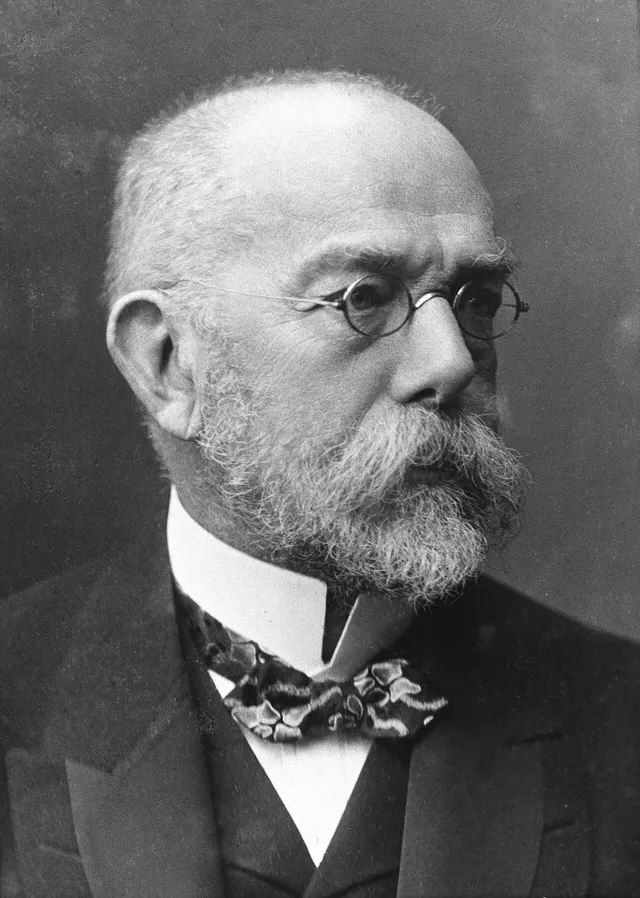
The German physician Robert Koch.The German physician Robert Koch.Image: Unknown authorUnknown author · Public domain
science · Europe

Robert Koch finds the cause of tuberculosis

On the evening of 24 March 1882 Robert Koch told the Physiological Society in Berlin that he had found the bacterium that causes tuberculosis. At the time the disease killed about one in seven people in Europe and the United States. Koch’s proof that TB was infectious, not inherited, opened the way to its prevention and treatment. He received the Nobel Prize in 1905, and the anniversary of his lecture is now World Tuberculosis Day.

Source: US Centers for Disease Control and Prevention: History of World TB Day ↗
V
THE TWENTIETH CENTURY

The 1900s

War and peace, technological leaps, social change, politics, sport and popular culture.

1934
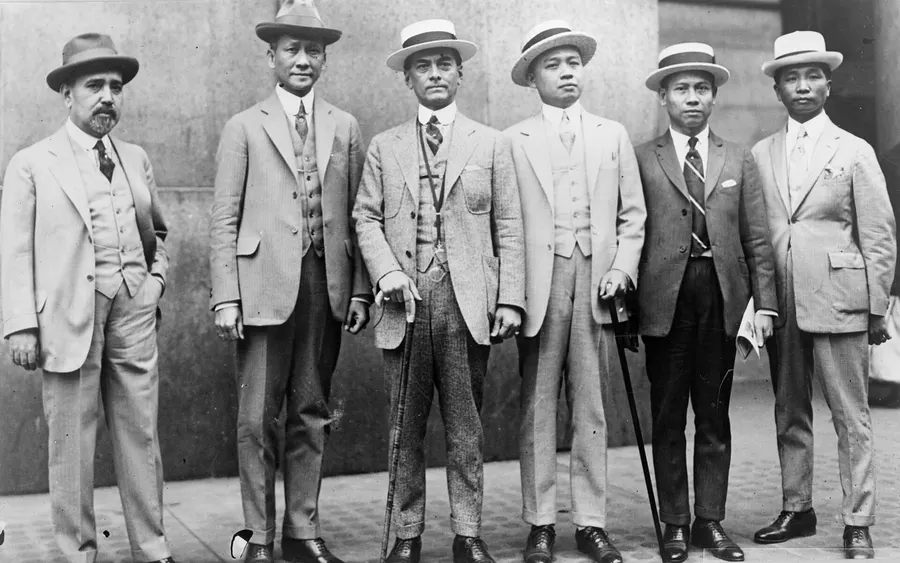
Manuel Quezon (centre) with members of a Philippine independence mission to Washington, 1924.Manuel Quezon (centre) with members of a Philippine independence mission to Washington, 1924.Image: Unspecified · Public domain
politics · Asia

The US promises the Philippines independence

President Franklin D. Roosevelt signed the Tydings-McDuffie Act, which set up a self-governing Commonwealth of the Philippines and promised full independence after ten years. The Commonwealth began in 1935 under Manuel Quezon, and after the Japanese occupation the Philippines became independent on 4 July 1946.

Source: Encyclopaedia Britannica: Tydings-McDuffie Act ↗
1944
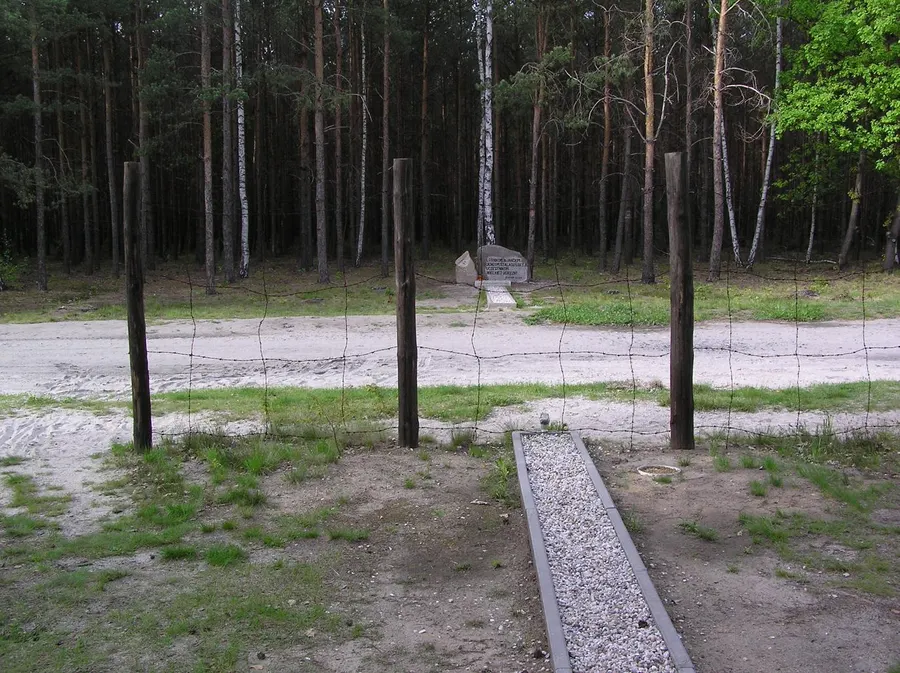
The line of the tunnel 'Harry' marked out in the woods at the site of Stalag Luft III, 2006.The line of the tunnel ‘Harry’ marked out in the woods at the site of Stalag Luft III, 2006.Image: vorwerk · CC BY-SA 3.0
world · Europe

The Great Escape

On a moonless night, Allied airmen began crawling out of the prisoner-of-war camp Stalag Luft III, at Sagan in what is now Poland, through a tunnel they had named ‘Harry’. Seventy-six got out before the escape was discovered. Only three reached safety, and 50 of those recaptured were shot on Hitler’s orders.

Source: Commonwealth War Graves Commission: History of the Great Escape ↗
1958
The memorial to Elvis Presley in Bad Nauheim, Germany, where he lived during his army service.The memorial to Elvis Presley in Bad Nauheim, Germany, where he lived during his army service.Image: Eva K. / Eva K. · CC BY-SA 2.5
culture · Americas

Elvis Presley joins the army

At about 6.30 on the morning of 24 March 1958, at the height of his fame, Elvis Presley reported to his draft board in Memphis and was sworn into the US Army as a private, with serial number 53310761. He served most of his two years in West Germany, living off base in the spa town of Bad Nauheim, and left the army as a sergeant in 1960.

Source: US Army Center of Military History: Elvis Presley’s military career ↗
1972
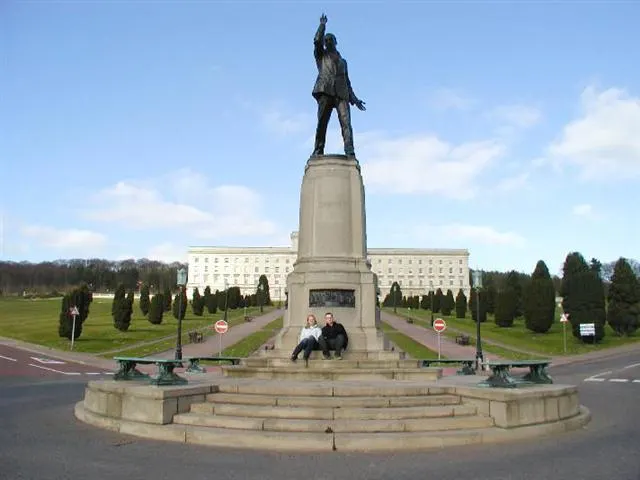
Parliament Buildings at Stormont, Belfast, 2003.Parliament Buildings at Stormont, Belfast, 2003.Image: Kenneth Allen · CC BY-SA 2.0
politics · Europe

Britain announces direct rule of Northern Ireland

Two months after Bloody Sunday, Prime Minister Edward Heath told the Commons that Northern Ireland’s parliament at Stormont would be suspended and that Westminster would take full and direct responsibility for governing the province. Direct rule lasted, with breaks, until 1999.

Source: UK Parliament: Direct rule ↗
1976
General Jorge Rafael Videla is sworn in as president of Argentina, 29 March 1976.General Jorge Rafael Videla is sworn in as president of Argentina, 29 March 1976.Image: Unknown author · Public domain
politics · Americas

A military coup in Argentina

On 24 March 1976 Argentina’s armed forces overthrew President Isabel Perón. A junta led by General Jorge Rafael Videla took power and launched what it called the National Reorganisation Process. Over the next seven years the regime killed or ‘disappeared’ tens of thousands of people it saw as opponents, many of them young. Argentina now marks 24 March as the National Day of Memory for Truth and Justice.

Source: Encyclopaedia Britannica: Jorge Rafael Videla ↗
1980
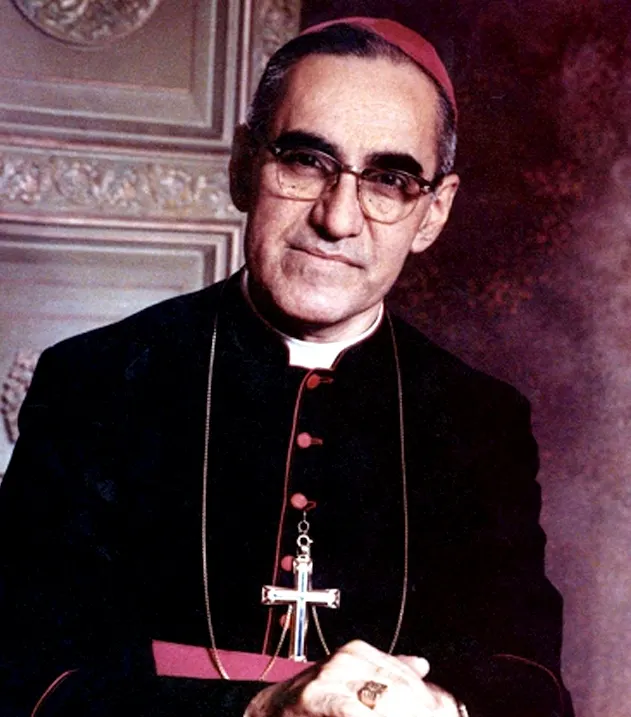
Óscar Romero, Archbishop of San Salvador.Óscar Romero, Archbishop of San Salvador.Image: Arzobispado de San Salvador; Congregatio de Causis Sanctorum · Public domain
culture · Americas

Archbishop Óscar Romero is killed at Mass

On 24 March 1980 Óscar Romero, Archbishop of San Salvador, was shot dead by a single gunman as he said Mass in the chapel of a hospital in the city. He had used his sermons to speak out against killings by the army and death squads as El Salvador slid into civil war. A UN truth commission later found that a right-wing death squad was behind the murder. Pope Francis declared Romero a saint in 2018, and the UN marks 24 March in his memory as the International Day for the Right to the Truth.

Source: Encyclopaedia Britannica: St Oscar Romero ↗
1989
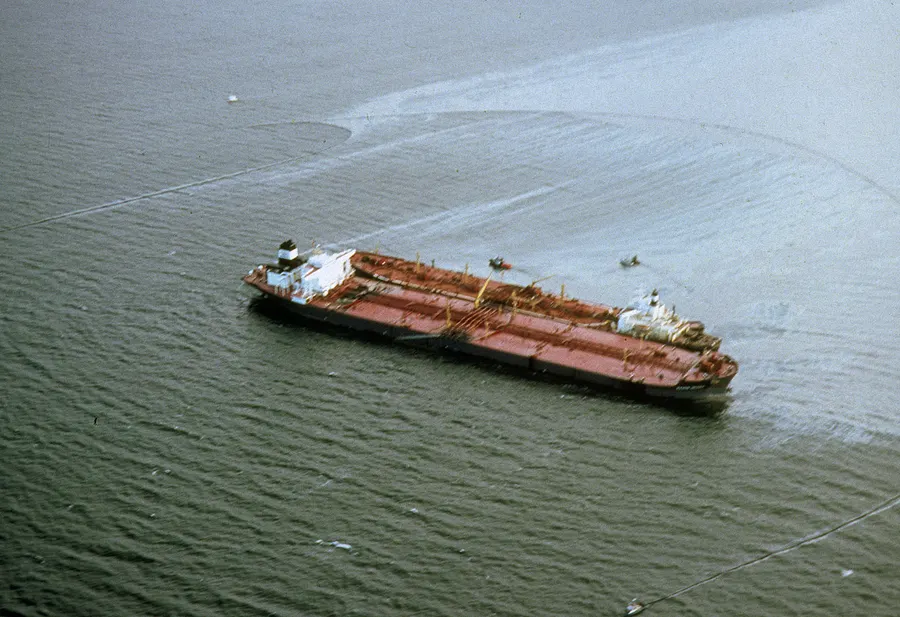
The Exxon Valdez and its spreading oil slick from the air, 1989.The Exxon Valdez and its spreading oil slick from the air, 1989.Image: Exxon Valdez Oil Spill Trustee Council · Public domain
science · Americas

The Exxon Valdez oil spill

Just after midnight on 24 March 1989 the tanker Exxon Valdez ran onto Bligh Reef in Prince William Sound, Alaska. About 11 million US gallons of crude oil poured out of its torn hull. The oil spread along more than 1,100 miles of coast, killing seabirds, otters, seals and fish. It was the worst oil spill in US waters until 2010, and it led to new laws requiring tankers to have double hulls.

Source: NOAA Office of Response and Restoration: Exxon Valdez oil spill ↗
1999
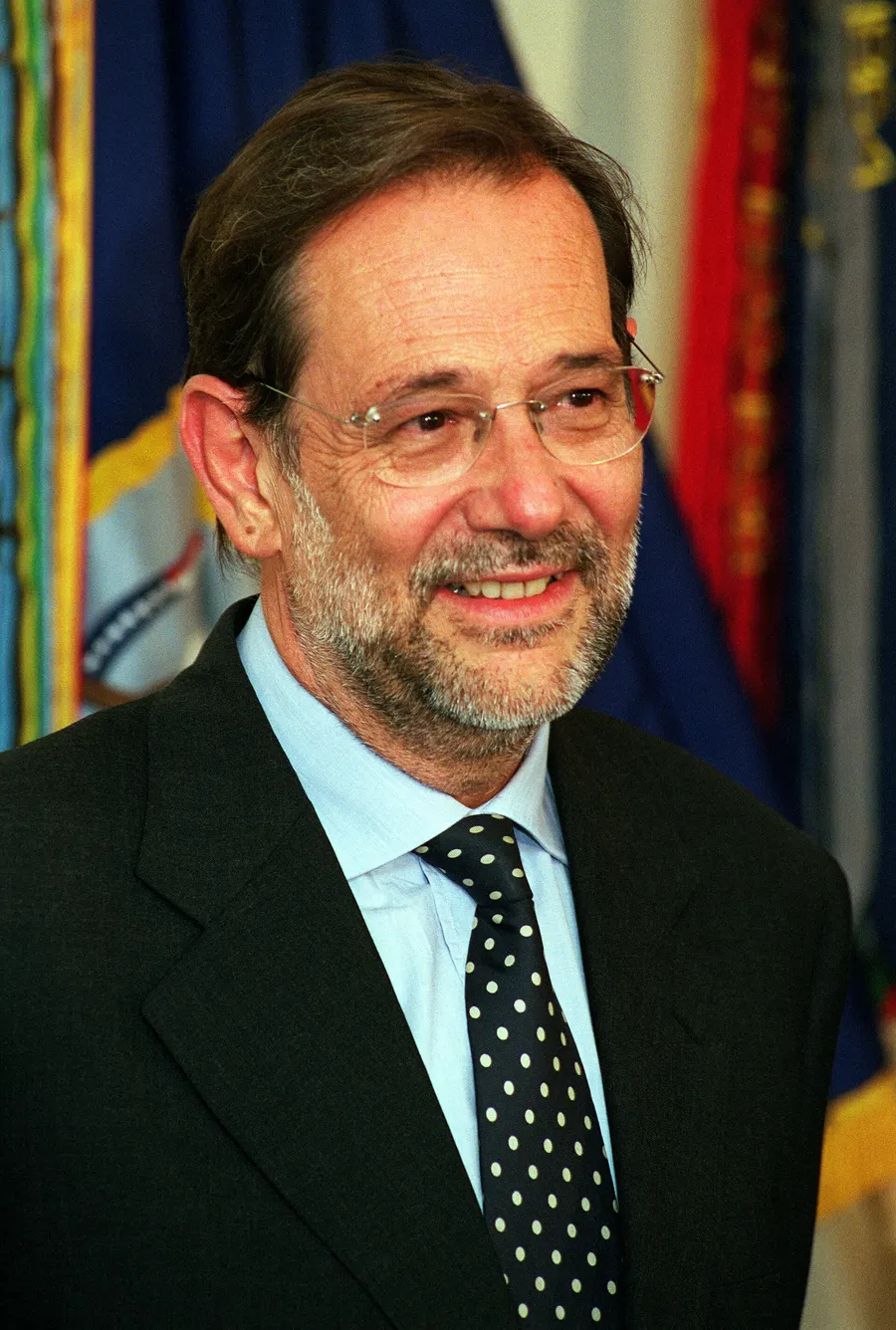
Javier Solana, NATO's Secretary General, in September 1999.Javier Solana, NATO’s Secretary General, in September 1999.Image: DoD photo by R. D. Ward · Public domain
world · Europe

NATO begins bombing Yugoslavia

On 24 March 1999, after talks over Kosovo collapsed, NATO launched Operation Allied Force, a campaign of air strikes against Yugoslavia intended to halt the Serbian forces’ campaign against Kosovo’s Albanian population. The bombing lasted 78 days. In June Yugoslavia agreed to withdraw its forces from Kosovo, which was placed under UN administration with a NATO-led peacekeeping force.

Source: NATO: Kosovo air campaign (March-June 1999) ↗
VI
2000 TO TODAY

Modern Day

The events of recent decades that have already become part of the historical record.

2008
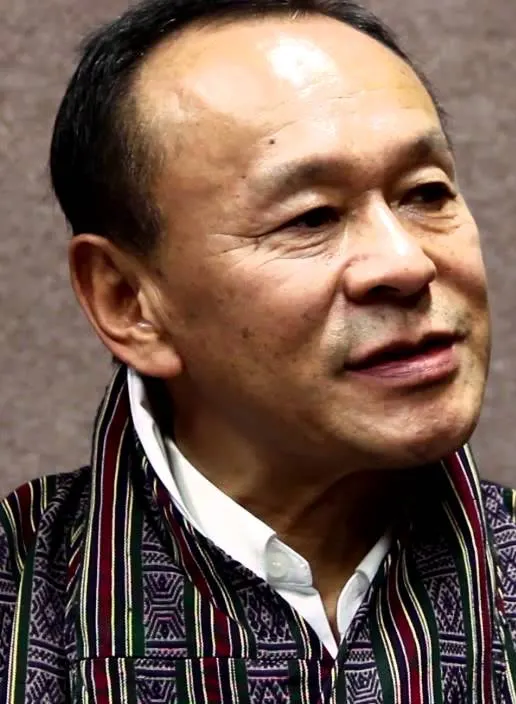
Jigme Thinley, Bhutan's first elected prime minister, in 2012.Jigme Thinley, Bhutan’s first elected prime minister, in 2012.Image: ONU Brasil · CC BY 3.0
politics · Asia

Bhutan holds its first parliamentary election

Voters in the Himalayan kingdom chose a National Assembly for the first time, completing a move from absolute monarchy to parliamentary democracy begun by the king himself. The Druk Phuensum Tshogpa party won 45 of the 47 seats, and its leader, Jigme Thinley, became prime minister.

Source: UN News: As Bhutan holds first democratic elections, UN agency pledges ongoing support ↗
2020
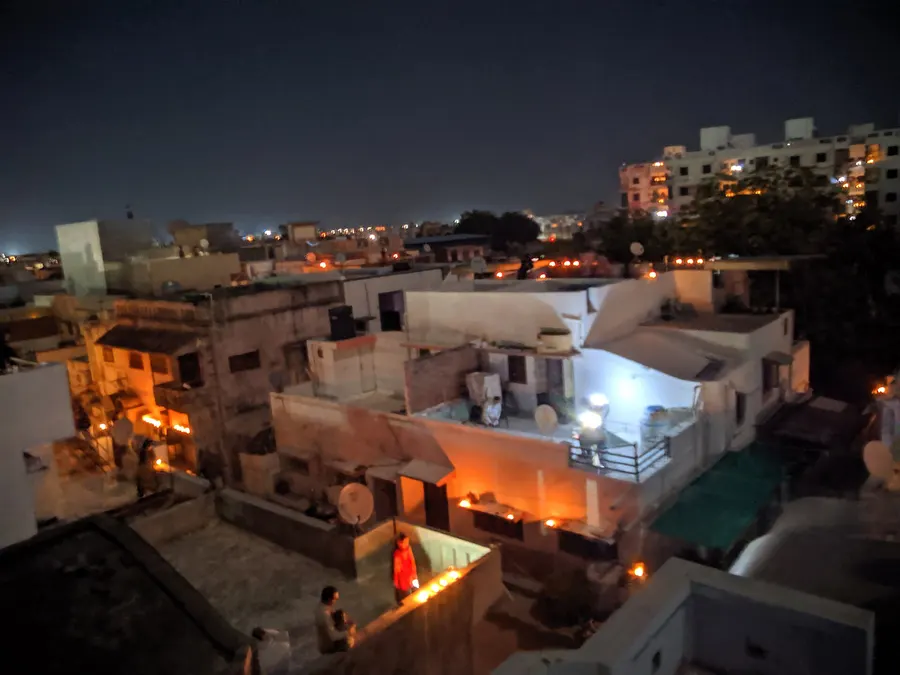
Lamps lit across a city at night during India's lockdown, 5 April 2020.Lamps lit across a city at night during India’s lockdown, 5 April 2020.Image: Nizil Shah · CC BY-SA 4.0
science · Asia

India announces a nationwide lockdown

In a televised address, Prime Minister Narendra Modi ordered a complete lockdown of India for 21 days from midnight to slow the spread of COVID-19. It confined about 1.3 billion people to their homes, one of the largest lockdowns anywhere.

Source: Prime Minister of India: PM calls for complete lockdown of entire nation for 21 days ↗
RESEARCH

Sources & Further Reading

Selected authoritative references supporting the events on this page.

The National Archives: Elizabeth I to James VI, 1603↗Historic Royal Palaces: The death and succession of Elizabeth I↗US Centers for Disease Control and Prevention: History of World TB Day↗Robert Koch Institute: Robert Koch, one of the founders of microbiology↗Encyclopaedia Britannica: Tydings-McDuffie Act↗US House of Representatives, History, Art and Archives: The Philippines, 1898-1946↗Commonwealth War Graves Commission: History of the Great Escape↗Imperial War Museums: Real life stories of prisoner of war escape attempts↗US Army Center of Military History: Elvis Presley’s military career↗Graceland: Elvis history, 1958-1961↗UK Parliament: Direct rule↗Hansard: Northern Ireland, 24 March 1972↗Encyclopaedia Britannica: Jorge Rafael Videla↗National Security Archive, George Washington University: Argentina’s military coup of 1976, what the US knew↗Encyclopaedia Britannica: St Oscar Romero↗Vatican News: Remembering St Oscar Romero, 40 years after his assassination↗NOAA Office of Response and Restoration: Exxon Valdez oil spill↗Exxon Valdez Oil Spill Trustee Council: Details about the accident↗NATO: Kosovo air campaign (March-June 1999)↗NATO press release (1999)041, 24 March 1999↗UN News: As Bhutan holds first democratic elections, UN agency pledges ongoing support↗Wikipedia: 2008 Bhutanese National Assembly election↗Prime Minister of India: PM calls for complete lockdown of entire nation for 21 days↗Press Information Bureau, Government of India: PM calls for complete lockdown of entire nation for 21 days↗
WHY THESE MOMENTS?

Significance before volume

This page is not the longest possible list of events. It is a chronological journey through 24 March, where each entry is chosen for historical significance, human interest and reliability.

Facts are checked against authoritative museums, archives, universities and reference works. Where sources disagree, the page says so.

EXPLORED THE DEEPER STORY?

Return to the highlights of 24 March

Discover the lighter side of the date with famous birthdays, culture, firsts and lives remembered.

Explore This Day →
← PREVIOUS DAY23 March
HISTORY & TIMELINE24 March
NEXT DAY →25 March