Explore 26 March

Explore 26 March: Bangladesh declares its independence, Egypt and Israel sign a peace treaty on the White House lawn, Jonas Salk announces his polio vaccine and four South American nations create Mercosur. Meet Robert Frost, Tennessee Williams and Leonard Nimoy, born on this date, and mark Purple Day for epilepsy.

This day through time →10 verified events across 3 eras

Sheikh Mujibur Rahman, the founding leader of Bangladesh.
Image creditPress Information Department · Public domainResized and cropped for display.

Bangladesh declares its independence

On the night of 25 March 1971 the Pakistani army launched a crackdown in East Pakistan, attacking students, political leaders and Bengali police and soldiers in Dhaka. In the first minutes of 26 March, just before he was arrested, the Awami League leader Sheikh Mujibur Rahman sent out a message proclaiming the independence of Bangladesh.

Nine months of war followed, in which huge numbers were killed and about ten million refugees fled to India. It ended with Pakistan’s surrender on 16 December 1971. Bangladesh celebrates 26 March as Independence Day.

Read the full storyHistory & Timeline →Source: Encyclopaedia Britannica: Bangladesh Liberation War ↗
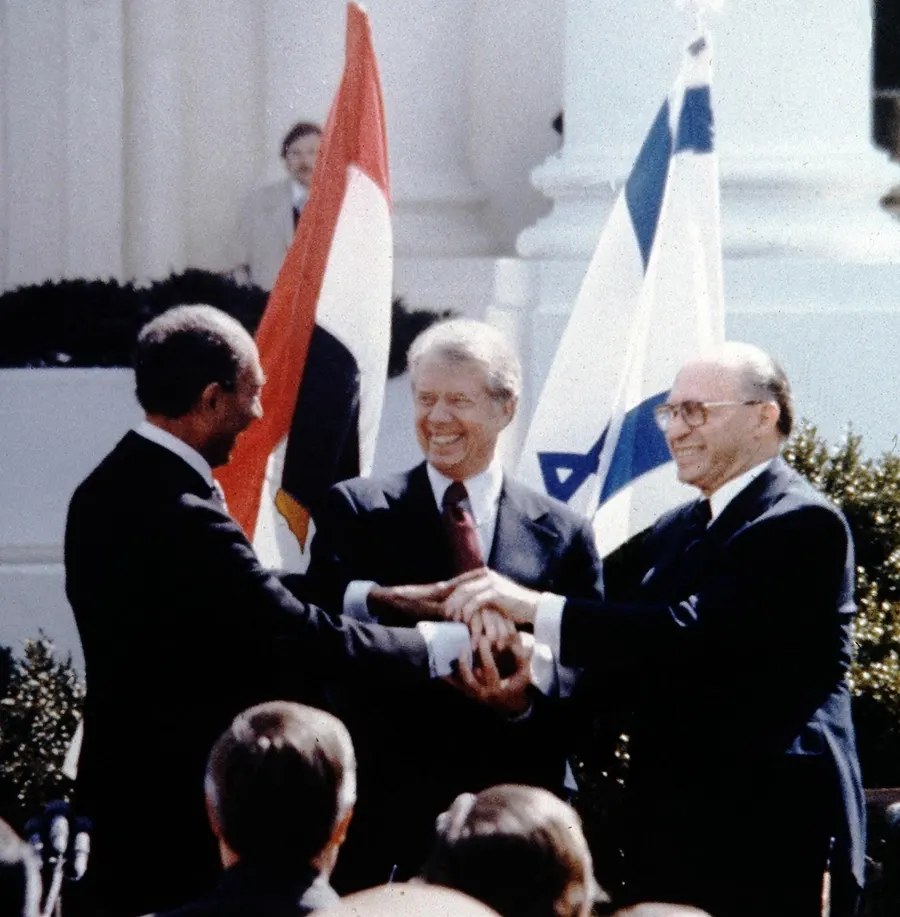
Anwar Sadat, Jimmy Carter and Menachem Begin shake hands at the signing on the White House lawn, 26 March 1979.
Image creditYaakov Saar · CC BY-SA 3.0Resized and cropped for display.

Egypt and Israel make peace

On 26 March 1979 President Anwar Sadat of Egypt and Prime Minister Menachem Begin of Israel signed a peace treaty on the lawn of the White House, with President Jimmy Carter as witness. It turned the Camp David Accords of the previous September into a binding agreement.

It ended the state of war between the two countries that had lasted since 1948, and Israel agreed to hand back the Sinai peninsula, which it had held since 1967. It was the first peace treaty between Israel and an Arab state, and it has held ever since.

Read the full storyHistory & Timeline →Source: US Department of State, Office of the Historian: Camp David Accords and the Arab-Israeli peace process ↗
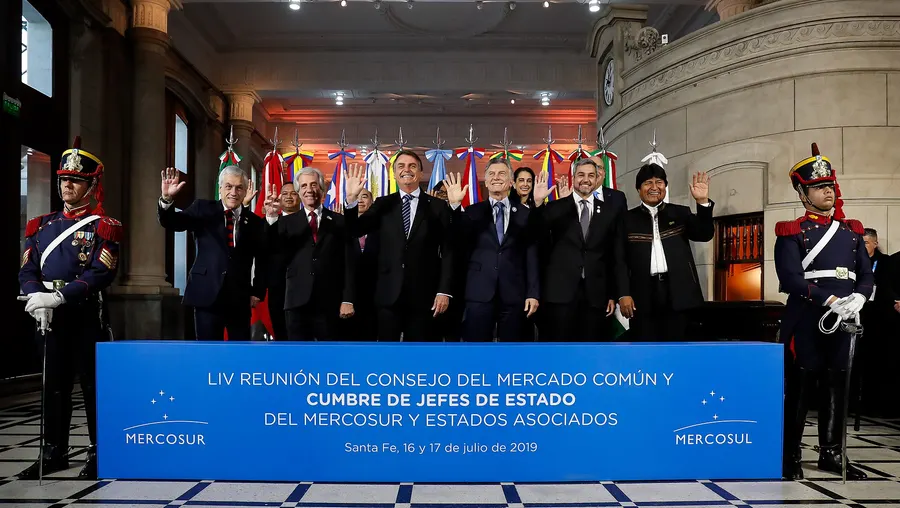
Heads of state at a Mercosur summit in Santa Fe, Argentina, July 2019.
Image creditAlan Santos/PR · CC BY 2.0Resized and cropped for display.

Four nations create Mercosur

On 26 March 1991 the presidents of Argentina, Brazil, Paraguay and Uruguay signed the Treaty of Asunción, creating the Southern Common Market, Mercosur. It aimed at the free movement of goods, services and capital between the four countries.

Tariffs between them were cut step by step, and from 1995 the bloc had a common external tariff. Mercosur has since become South America’s largest trading bloc.

Read the full storyHistory & Timeline →Source: Encyclopaedia Britannica: Treaty of Asunción ↗
♙
PEOPLE

Born Today

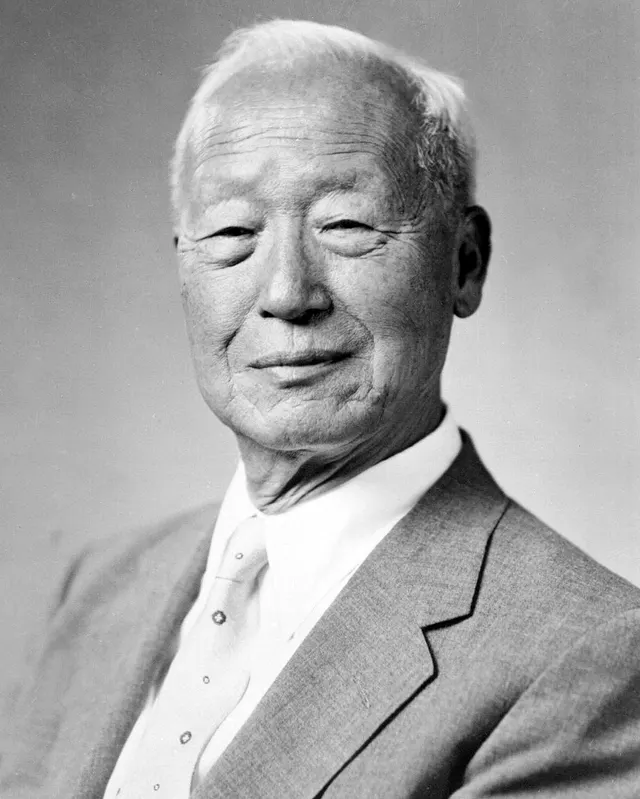
Syngman Rhee
Image creditUnknown author · Public domainResized and cropped for display.

Syngman Rhee

First president of South Korea, from 1948 to 1960.

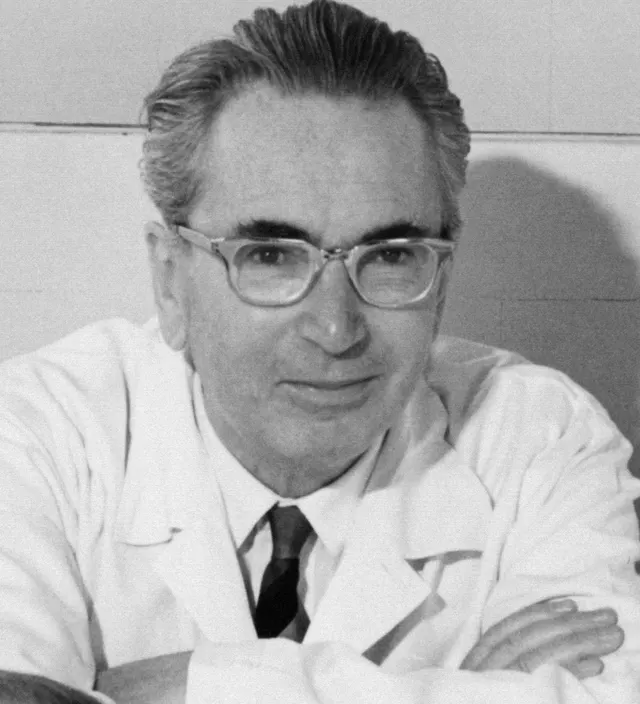
Viktor Frankl
Image creditProf. Dr. Franz Vesely · CC BY-SA 3.0 deResized and cropped for display.

Viktor Frankl

Austrian psychiatrist and Holocaust survivor, author of Man’s Search for Meaning.

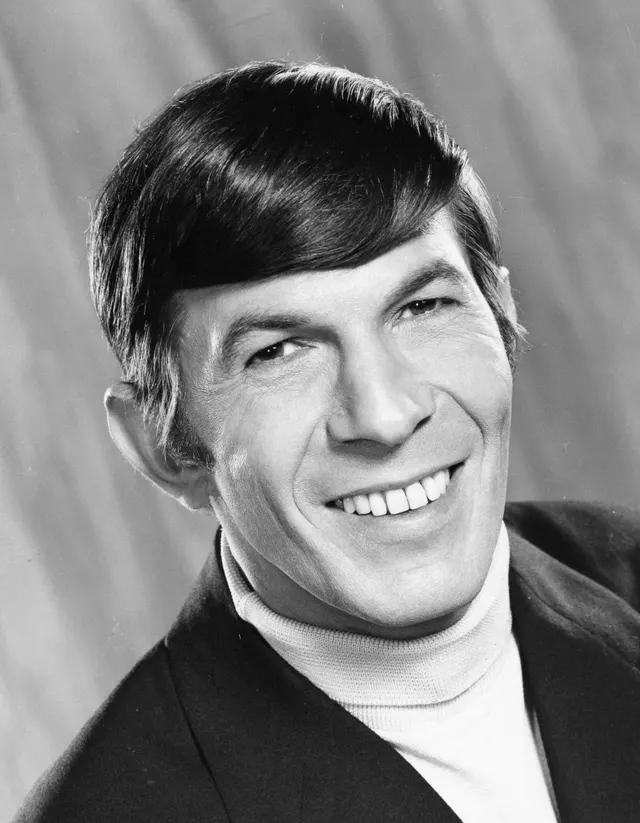
Leonard Nimoy
Image creditCBS Television · Public domainResized and cropped for display.

Leonard Nimoy

American actor, Mr Spock in Star Trek.

Keira Knightley
Image creditThe Standard · CC BY-SA 3.0Resized and cropped for display.

Keira Knightley

English actress of Pride and Prejudice and Pirates of the Caribbean.

◉
IDEAS THAT CHANGED THINGS

Firsts, Science & Discoveries

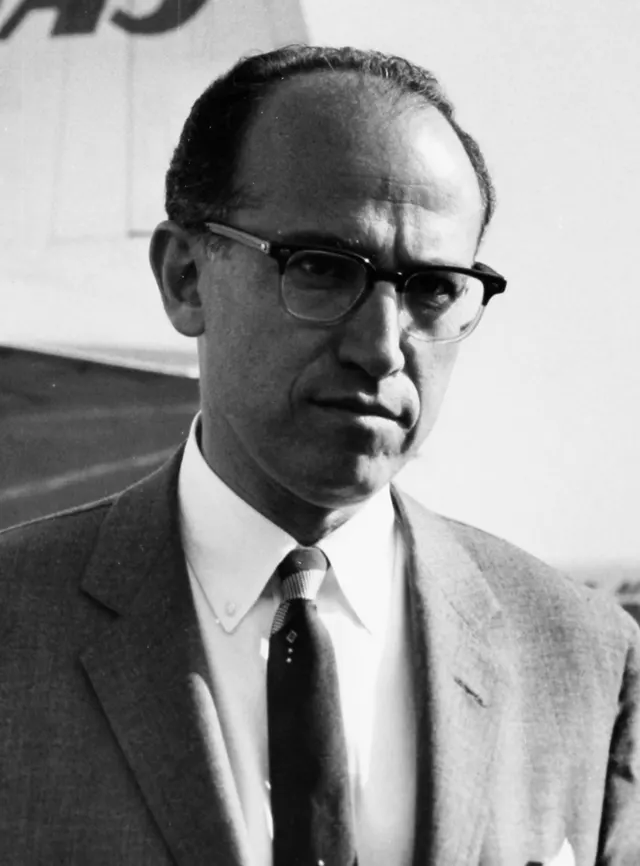
Jonas Salk.
Jonas Salk.
Image creditSAS Scandinavian Airlines · Public domainResized and cropped for display.

Jonas Salk announces his polio vaccine

On 26 March 1953 Jonas Salk of the University of Pittsburgh spoke on national radio in the United States to report that a vaccine against polio had been tested successfully on a small group of adults and children. The results were published in a medical journal two days later.

Salk warned that the job was not yet done. After a vast field trial of 1954, the vaccine was declared safe and effective in April 1955, and polio cases in the US fell sharply.

Read the full storyHistory & Timeline →Source: Salk Institute: 26 March 1953, Dr Jonas Salk announces he successfully tested a vaccine against the virus that causes polio ↗
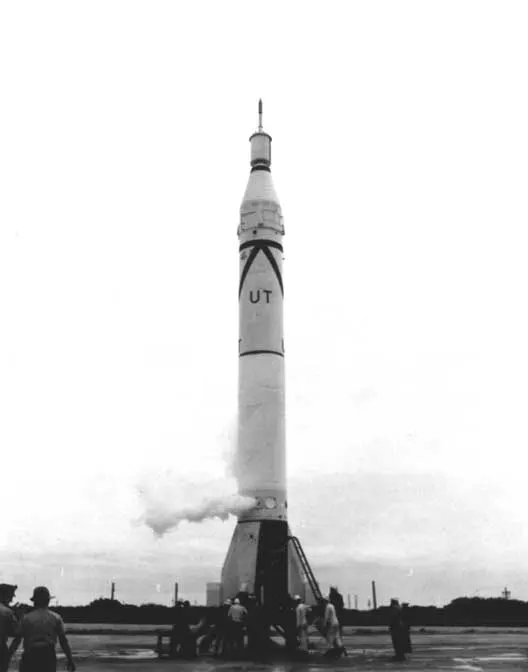
The Juno I rocket carrying Explorer 3, 1958.
Image creditU.S. Army · Public domainResized and cropped for display.

Explorer 3 maps the radiation belts

On 26 March 1958 the US Army launched Explorer 3 from Cape Canaveral, only the third American satellite. It carried a tiny tape recorder, so it could store radiation readings from its whole orbit and replay them over a ground station.

Together with Explorer 1, it confirmed the inner of the two Van Allen belts, zones of charged particles trapped by the Earth’s magnetic field. The satellite fell back to Earth that June.

Read the full storyHistory & Timeline →Source: NASA Space Science Data Coordinated Archive: Explorer 3 ↗
♫
MUSIC • FILM • BOOKS • CULTURE

Culture Stories

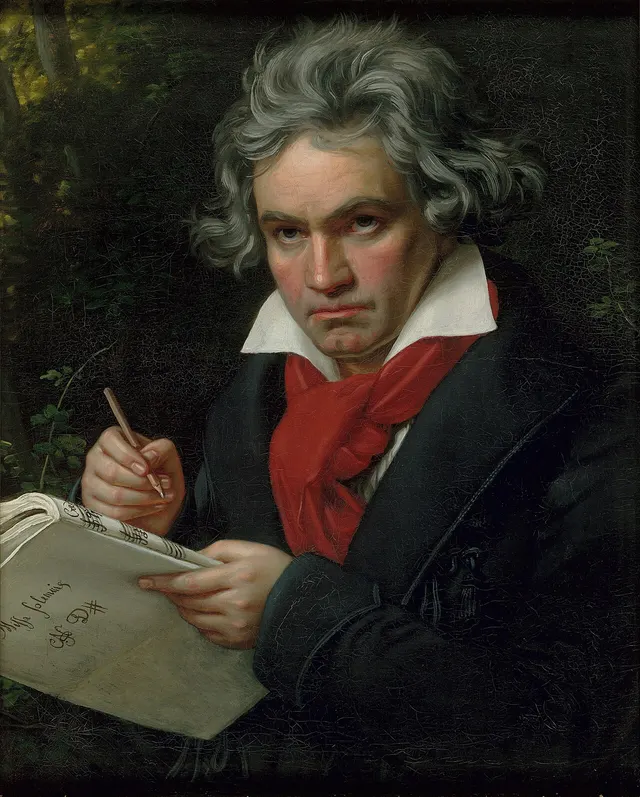
Beethoven composing the Missa solemnis, painted by Joseph Karl Stieler in 1820.
Image creditJoseph Karl Stieler · Public domainResized and cropped for display.

The death of Beethoven

Ludwig van Beethoven died in Vienna on 26 March 1827, aged 56, after months of illness. Deaf for the last years of his life, he had still written some of his greatest music, including the Ninth Symphony and his late string quartets.

His funeral three days later drew a crowd estimated in the tens of thousands, and his music, bridging the classical and Romantic ages, remains among the most performed in the world.

Read the full storyHistory & Timeline →Source: Encyclopaedia Britannica: Ludwig van Beethoven ↗
✦
LIVES REMEMBERED

Remembered Today

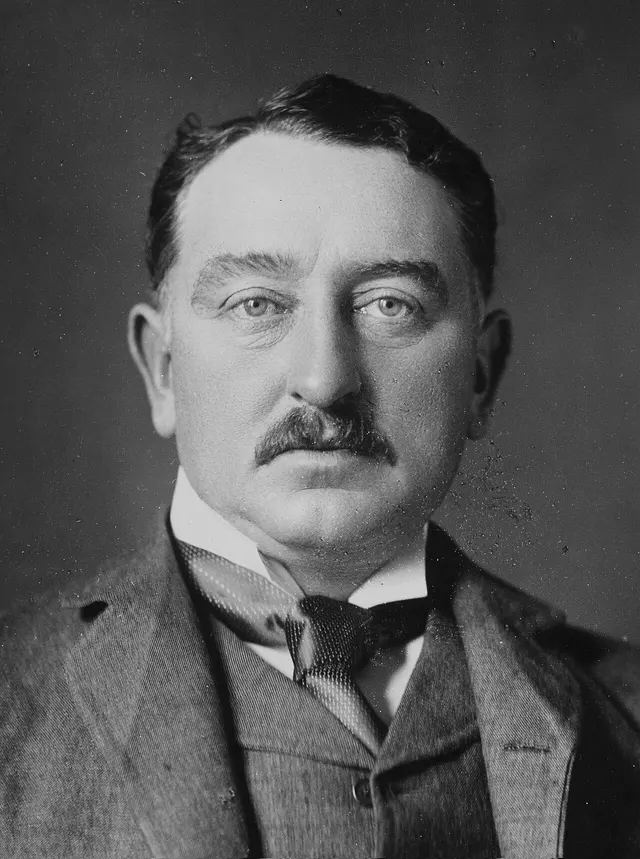
Cecil Rhodes
Image creditAlexander Bassano · Public domainResized and cropped for display.

Cecil Rhodes

British mining magnate and imperialist in southern Africa, founder of the Rhodes Scholarships.

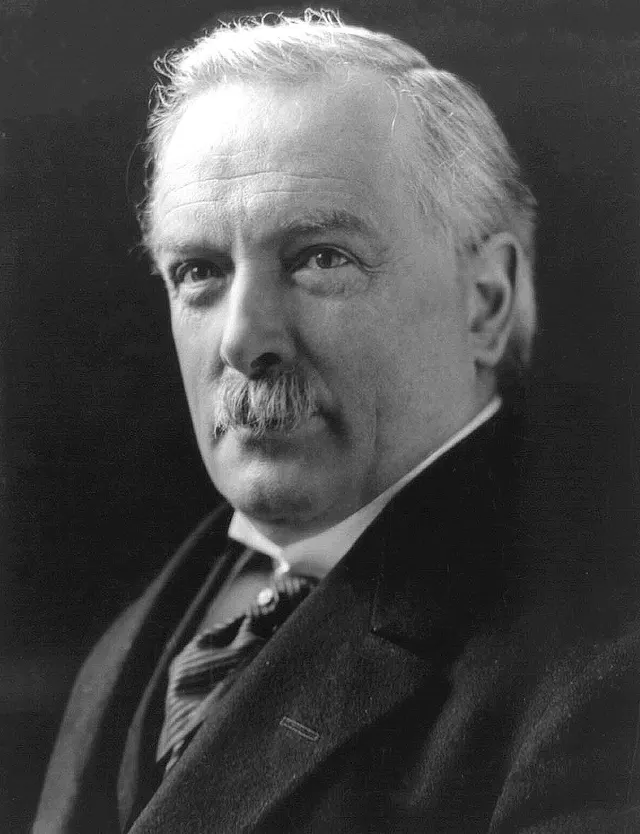
David Lloyd George
Image creditHarris & Ewing · Public domainResized and cropped for display.

David Lloyd George

Welsh statesman, British prime minister from 1916 to 1922.

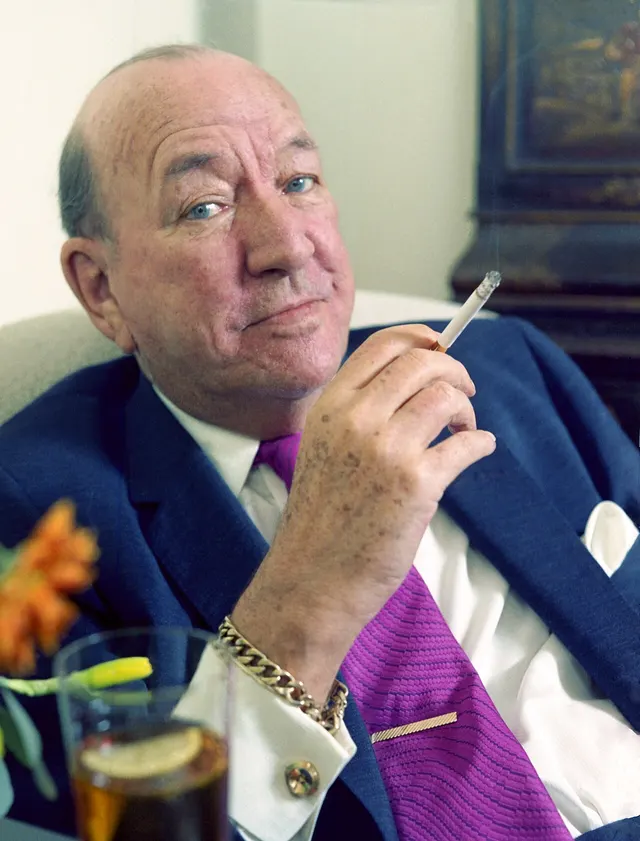
Noël Coward
Image creditAllan Warren · CC BY-SA 3.0Resized and cropped for display.

Noël Coward

English playwright, composer and actor of Private Lives.

☉
AROUND THE WORLD

Observances & Anniversaries

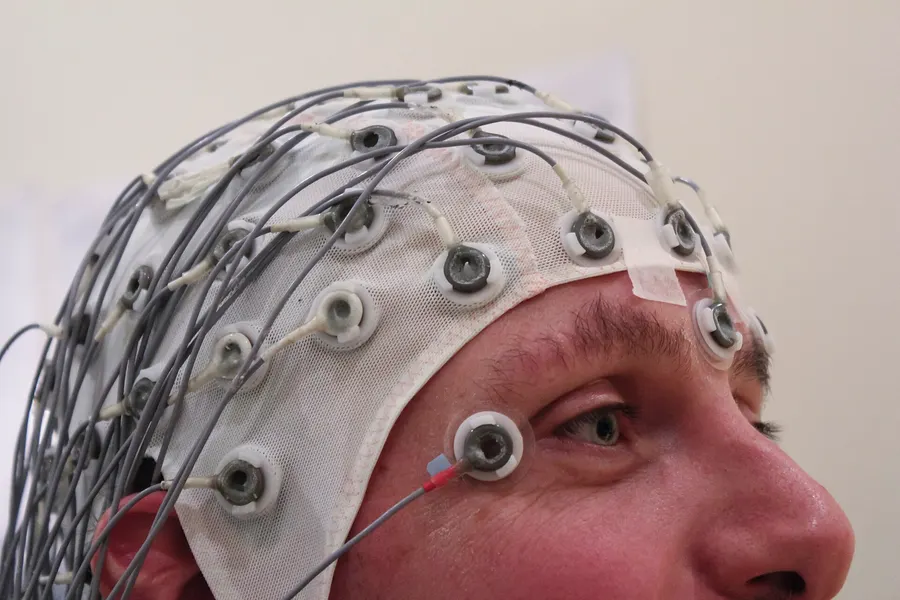
A cap holding electrodes in place to record an EEG, a test used in diagnosing epilepsy.
Image creditChris Hope · CC BY 2.0Resized and cropped for display.

Purple Day for epilepsy

Purple Day was started in 2008 by Cassidy Megan, a nine-year-old from Nova Scotia in Canada who has epilepsy, to show that nobody with the condition is alone. People wear purple on 26 March to raise awareness.

About 65 million people around the world live with epilepsy, and epilepsy charities in many countries now take part.

Source: Epilepsy Action: Purple Day, the international day for epilepsy ↗
HISTORY & TIMELINE

Finished the highlights?

Follow 26 March chronologically, from the Middle Ages to the modern day, with 10 verified events and the sources behind them.

This day through time →