Explore 2 April

Explore 2 April: Argentina invades the Falkland Islands, President Wilson asks Congress to go to war, Nelson fights the Battle of Copenhagen and Pope John Paul II dies in Rome. Meet Hans Christian Andersen, Alec Guinness and Serge Gainsbourg, born on this date, and remember Samuel Morse and Winnie Madikizela-Mandela.

This day through time →12 verified events across 4 eras

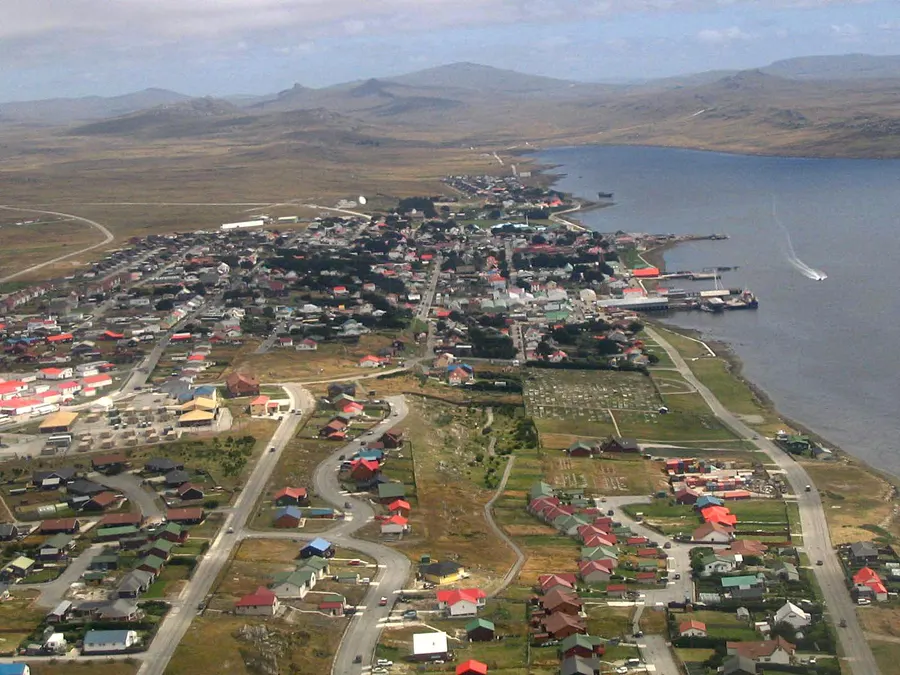
Stanley, the capital of the Falkland Islands, from the air.
Image creditHohum (Wikimedia Commons) · CC BY-SA 3.0Resized and cropped for display.

Argentina invades the Falkland Islands

Before dawn on 2 April 1982 Argentine troops landed near Stanley, the capital of the Falkland Islands, a British territory in the South Atlantic that Argentina calls the Malvinas and has long claimed. The small garrison of Royal Marines surrendered after a brief fight, and South Georgia was taken the next day.

Argentina’s military government, led by General Leopoldo Galtieri, had not expected Britain to fight back. Margaret Thatcher sent a naval task force, and after 74 days of war, in which more than 900 people died, Argentina surrendered on 14 June.

Read the full storyHistory & Timeline →Source: Imperial War Museums: The Falklands conflict ↗
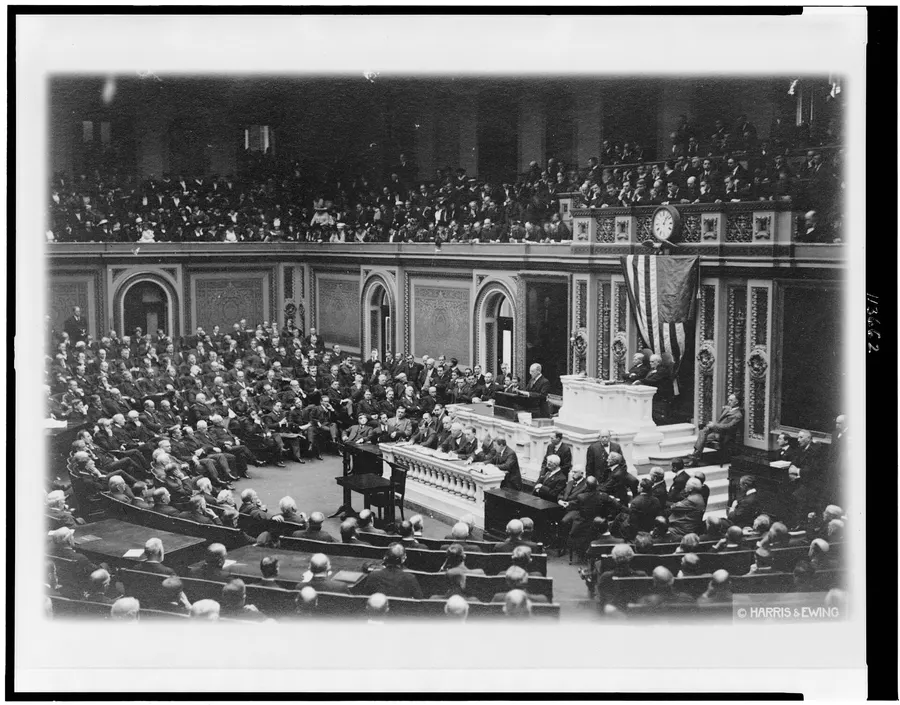
President Woodrow Wilson addressing a joint session of Congress in 1917.
Image creditMiscellaneous Items in High Demand, PPOC, Library of Congress · Public domainResized and cropped for display.

‘The world must be made safe for democracy’

On the evening of 2 April 1917 President Woodrow Wilson went before a joint session of Congress and asked it to declare war on Germany. Germany had restarted unrestricted submarine attacks on shipping, and had secretly offered Mexico an alliance against the United States in the Zimmermann telegram.

‘The world must be made safe for democracy,’ Wilson said. The Senate voted for war two days later and the House on 6 April. More than two million American soldiers reached France before the war ended in November 1918.

Read the full storyHistory & Timeline →Source: US National Archives: Address to Congress requesting a declaration of war against Germany ↗
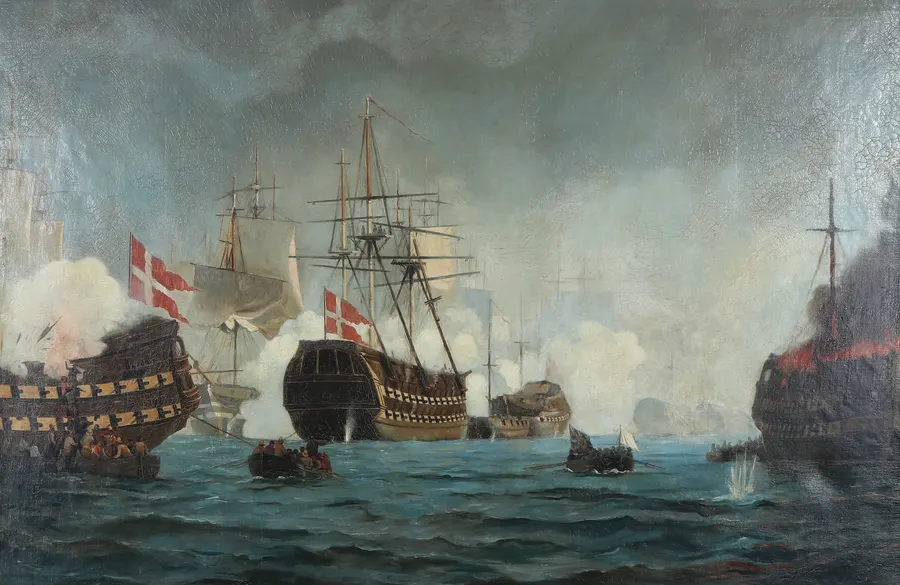
The Battle of Copenhagen, painted by the Danish artist Christian Mølsted.
Image creditChristian Mølsted · Public domainResized and cropped for display.

Nelson fights the Battle of Copenhagen

On 2 April 1801 a British fleet attacked the Danish-Norwegian ships and floating batteries defending Copenhagen, to break up a league of northern countries that was trading with Napoleon’s France. Vice-Admiral Horatio Nelson led the assault in HMS Elephant.

When his commander, Sir Hyde Parker, signalled him to break off, Nelson is said to have put his telescope to his blind eye and claimed not to see it, though the story may be a legend. The Danes fought hard, but agreed a truce, and the league soon fell apart.

Read the full storyHistory & Timeline →Source: Encyclopaedia Britannica: Battle of Copenhagen (1801) ↗
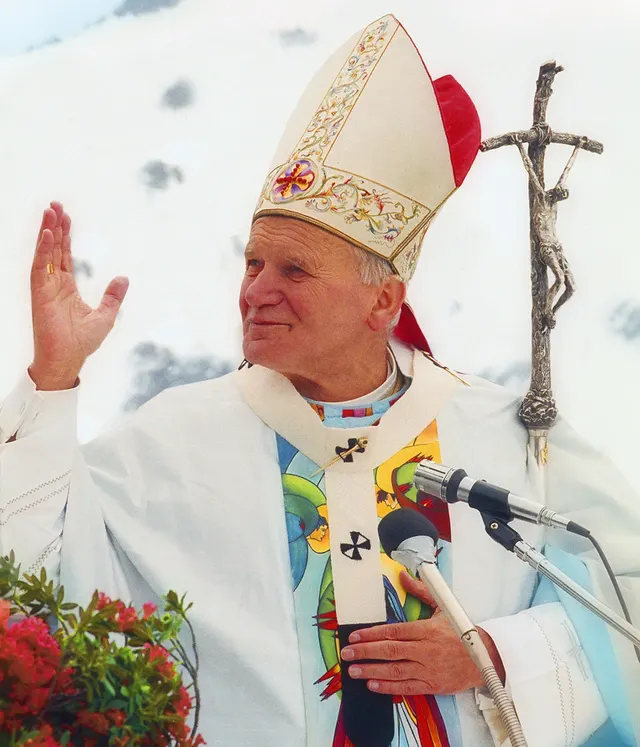
Pope John Paul II celebrating Mass on the Adamello mountain in the Italian Alps, 16 July 1988.
Image creditGregorini Demetrio · CC BY-SA 3.0Resized and cropped for display.

Pope John Paul II dies

Pope John Paul II died in his apartment in the Vatican at 9.37 pm on 2 April 2005, aged 84, as crowds prayed in St Peter’s Square below. Born Karol Wojtyła in Poland, he had been pope since 1978, the first non-Italian for more than 450 years.

He travelled to more than a hundred countries and is credited with helping to bring down communism in Eastern Europe. His funeral drew millions of pilgrims to Rome, and he was declared a saint in 2014.

Read the full storyHistory & Timeline →Source: The Holy See: Biography of John Paul II ↗
♙
PEOPLE

Born Today

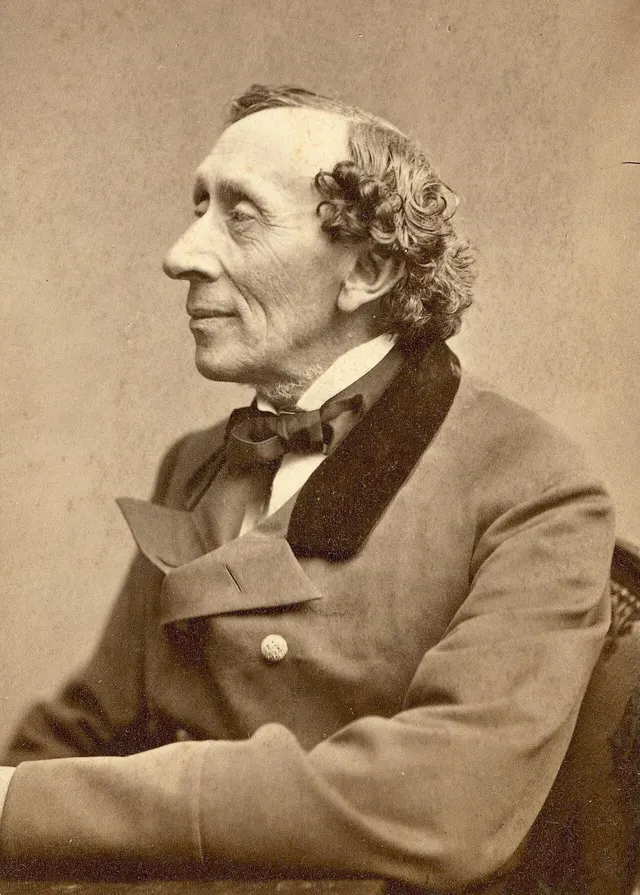
Hans Christian Andersen
Image creditThora Hallager · Public domainResized and cropped for display.

Hans Christian Andersen

Danish writer of fairy tales such as The Little Mermaid and The Ugly Duckling.

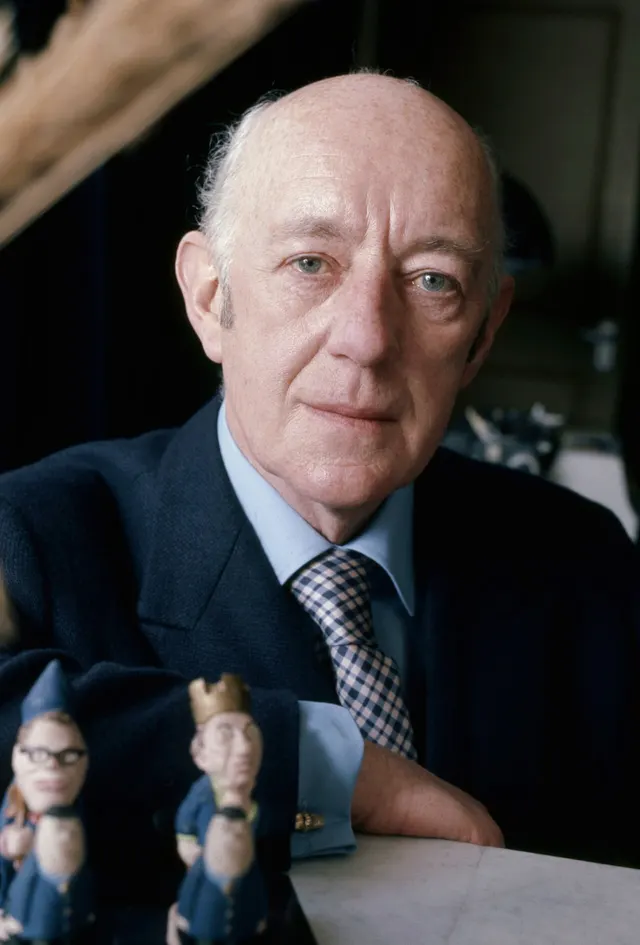
Alec Guinness
Image creditAllan warren · CC BY-SA 3.0Resized and cropped for display.

Alec Guinness

English actor of The Bridge on the River Kwai and Obi-Wan Kenobi in Star Wars.

Jack Brabham
Image creditLothar Spurzem · CC BY-SA 2.0 deResized and cropped for display.

Jack Brabham

Australian racing driver, three times Formula One world champion, once in a car of his own make.

Serge Gainsbourg
Image creditClaude TRUONG-NGOC · CC BY-SA 3.0Resized and cropped for display.

Serge Gainsbourg

French singer-songwriter, provocative star of French pop.

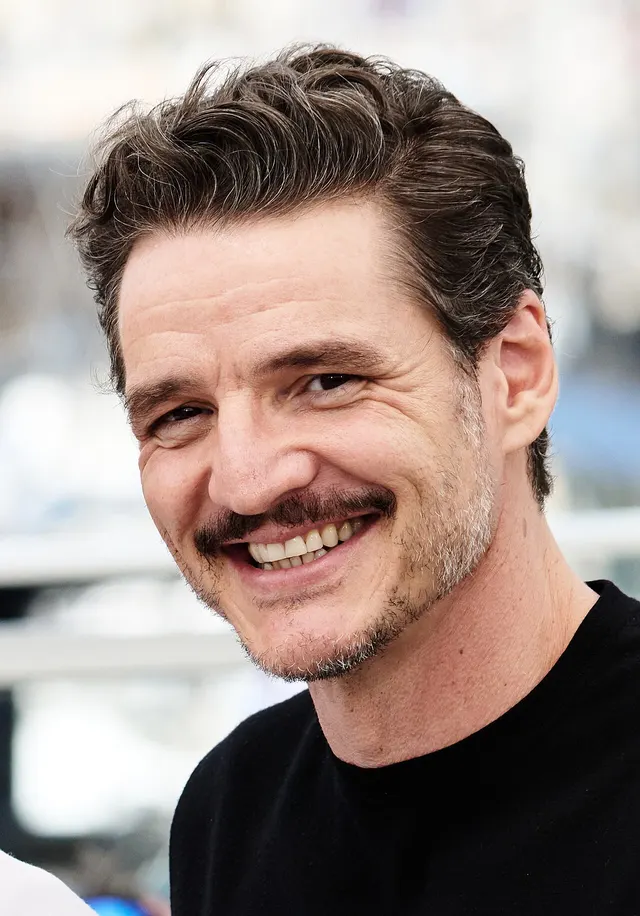
Pedro Pascal
Image creditGabriel Hutchinson · CC BY-SA 4.0Resized and cropped for display.

Pedro Pascal

Chilean-born American actor of The Mandalorian and The Last of Us.

☆
SPORTING HISTORY

Sporting Moments

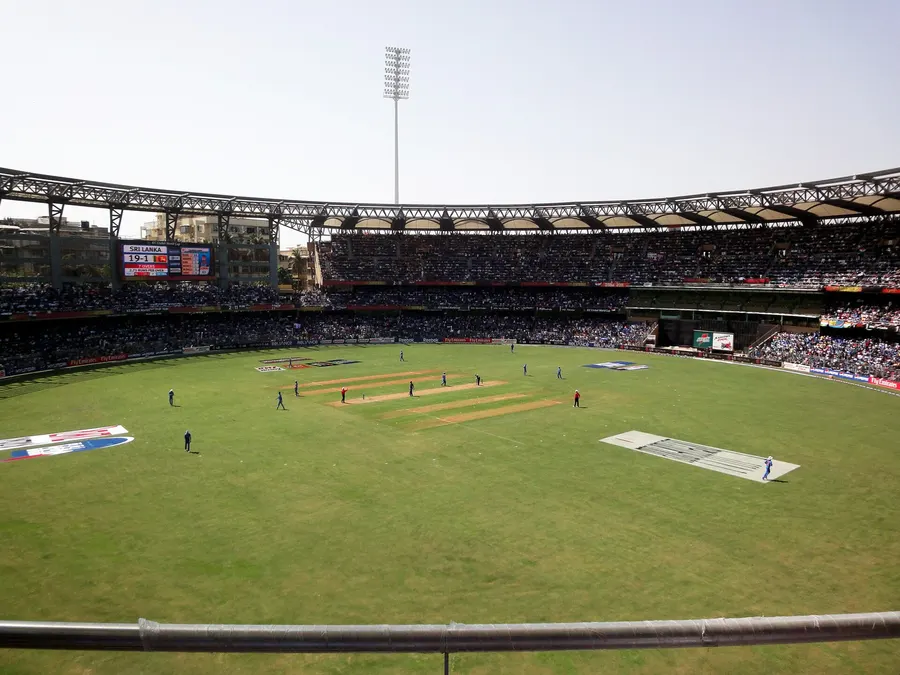
The Wankhede Stadium in Mumbai during the first innings of the final, 2 April 2011.
Image creditG patkar · CC BY-SA 3.0Resized and cropped for display.

India win the Cricket World Cup at home

At the Wankhede Stadium in Mumbai on 2 April 2011, India beat Sri Lanka by six wickets in the final of the Cricket World Cup. Chasing 275, they won with ten balls to spare, the captain MS Dhoni finishing the match with a six.

It was India’s first World Cup win since 1983 and the first time a host country had won the tournament on home soil. Sachin Tendulkar, playing in his sixth World Cup, was carried round the ground by his team-mates.

Read the full storyHistory & Timeline →Source: International Cricket Council: Men’s Cricket World Cup 2011 overview ↗
♫
MUSIC • FILM • BOOKS • CULTURE

Culture Stories

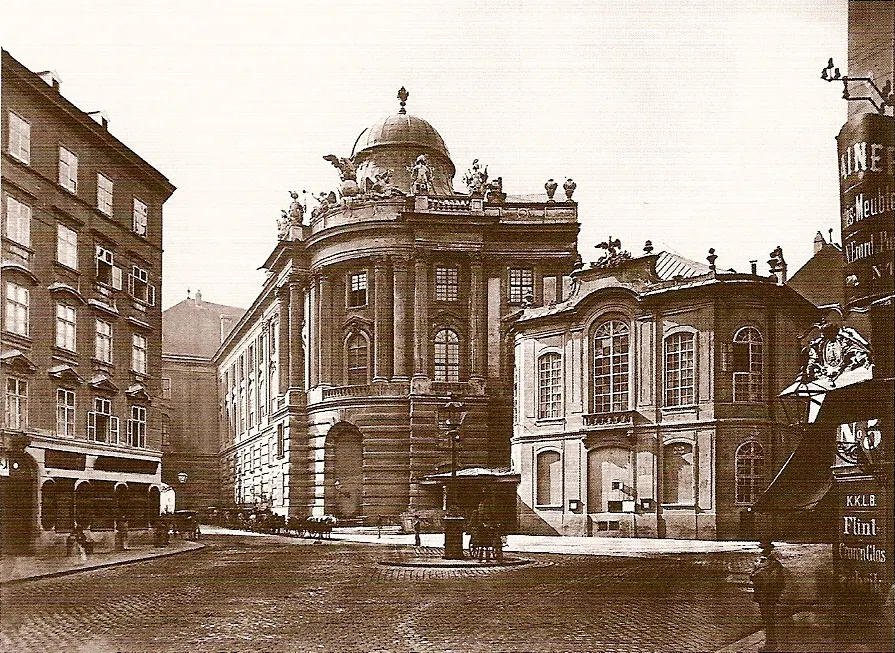
The old Burgtheater on the Michaelerplatz in Vienna, where the symphony was first played; photographed before its demolition in 1888.
Image creditMichael Frankenstein · Public domainResized and cropped for display.

Beethoven’s First Symphony is first heard

On 2 April 1800 the 29-year-old Ludwig van Beethoven held his first public benefit concert in Vienna, at the Burgtheater. Alongside a Mozart symphony and pieces by Haydn, the programme included the premiere of his own First Symphony in C major.

Its opening, which starts away from the home key, surprised listeners. The symphony shows how much Beethoven owed to Haydn and Mozart, and hints at the boldness of the eight that would follow.

Read the full storyHistory & Timeline →Source: Beethoven-Haus Bonn: Symphony no. 1 ↗
The Uptown Theater in Washington, DC, where the film had its world premiere, photographed by Carol M. Highsmith in the 2000s.
Image creditCarol M. Highsmith · Public domainResized and cropped for display.

2001: A Space Odyssey has its premiere

Stanley Kubrick’s science-fiction film, written with Arthur C. Clarke, had its world premiere on 2 April 1968 at the Uptown Theater in Washington, DC, which had the city’s only Cinerama screen.

Many critics were baffled at first, and Kubrick cut several minutes after the opening week. But its realistic spacecraft, released a year before the Moon landing, and its long silences made it one of the most influential films ever made.

Read the full storyHistory & Timeline →Source: NASA History: 50 years ago, 1968 welcomed 2001 ↗
✦
LIVES REMEMBERED

Remembered Today

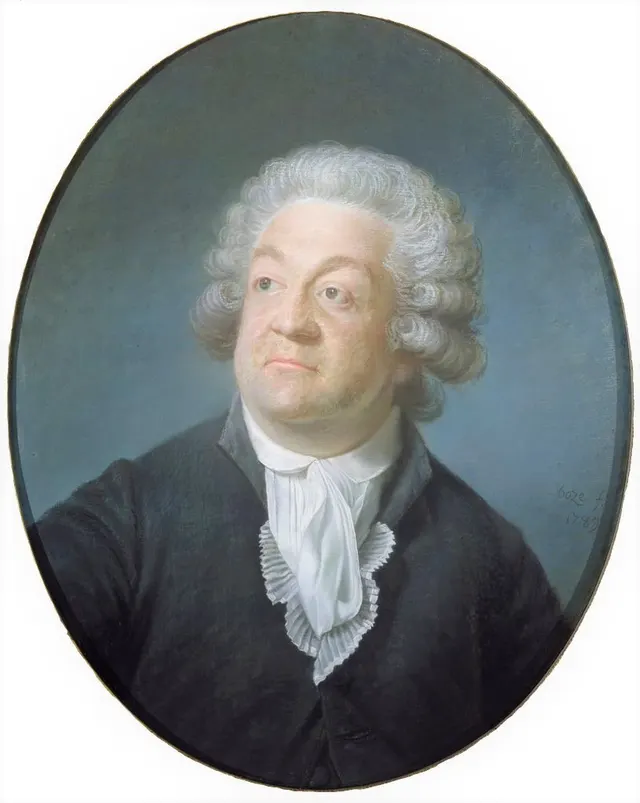
Comte de Mirabeau
Image creditJoseph Boze · Public domainResized and cropped for display.

Comte de Mirabeau

French orator and a leader of the early French Revolution.

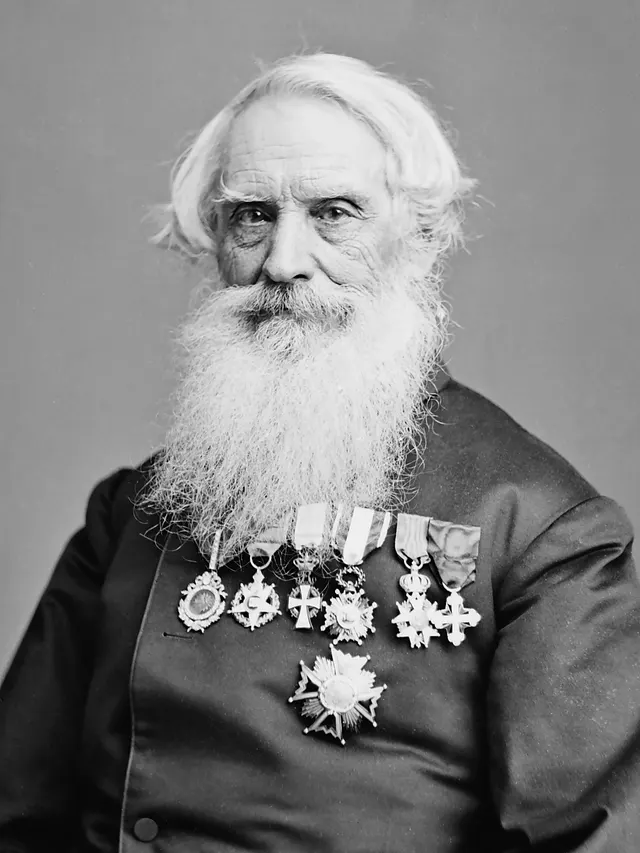
Samuel Morse
Image creditMathew Benjamin Brady · Public domainResized and cropped for display.

Samuel Morse

American painter and inventor of the single-wire telegraph and Morse code.

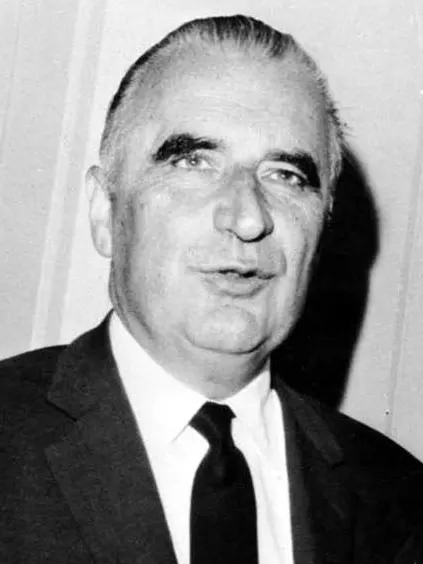
Georges Pompidou
Image creditFarabola · Public domainResized and cropped for display.

Georges Pompidou

President of France from 1969; he died in office.

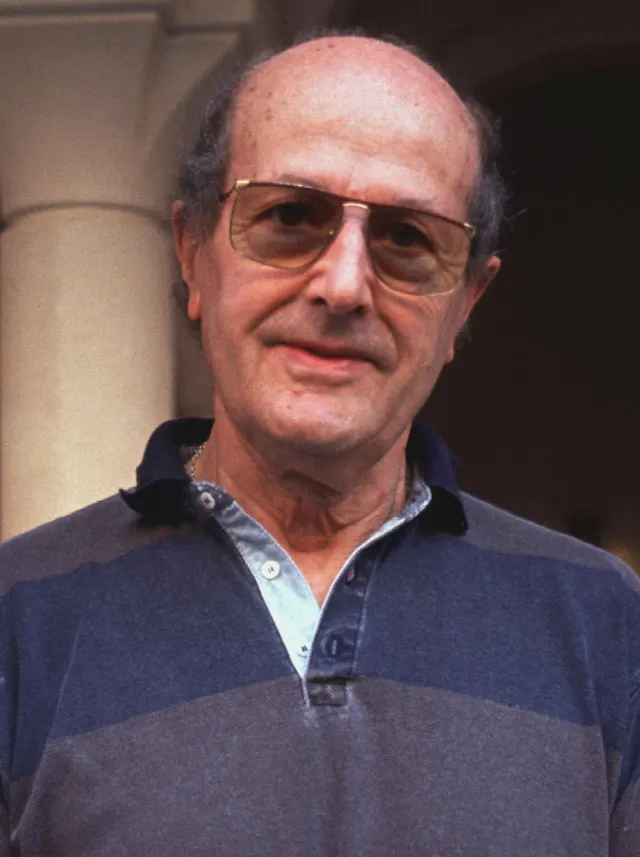
Manoel de Oliveira
Image creditGorupdebesanez · CC BY-SA 3.0Resized and cropped for display.

Manoel de Oliveira

Portuguese film director who was still making films past the age of 100.

☉
AROUND THE WORLD

Observances & Anniversaries

Children at a school for pupils with special needs, including autism, in Somalia, 2022.
Image creditYusuf Hosh · CC BY-SA 4.0Resized and cropped for display.

World Autism Awareness Day

The United Nations General Assembly voted unanimously in December 2007 to mark 2 April each year as World Autism Awareness Day, first held in 2008.

Its aim has widened from awareness to acceptance: helping autistic people to take a full part in education, work and community life.

Source: United Nations: World Autism Awareness Day, background ↗
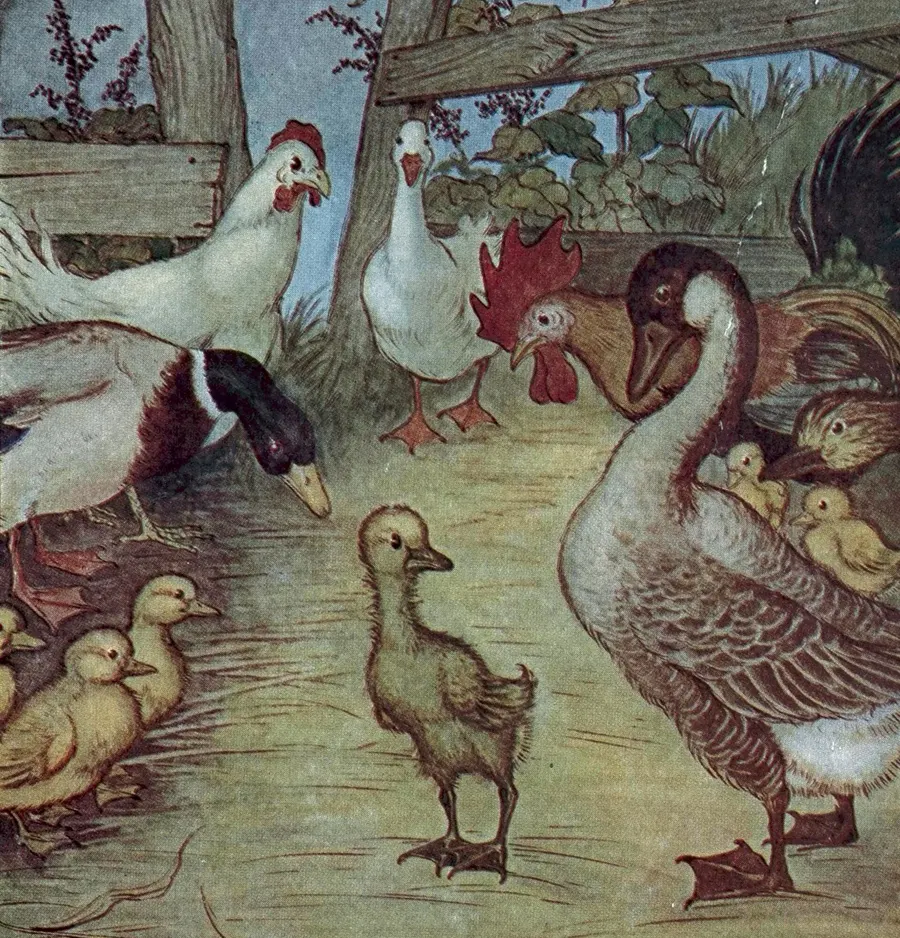
The Ugly Duckling, illustrated by Milo Winter for an American edition of Andersen's fairy tales, 1916.
The Ugly Duckling, illustrated by Milo Winter for an American edition of Andersen’s fairy tales, 1916.
Image creditMilo Winter · Public domainResized and cropped for display.

International Children’s Book Day

Since 1967 the International Board on Books for Young People has celebrated children’s books on or around 2 April, the birthday of Hans Christian Andersen.

Each year a different country hosts the day, choosing a writer to send a message to the world’s children and an illustrator to design the poster.

Source: IBBY: International Children’s Book Day ↗
HISTORY & TIMELINE

Finished the highlights?

Follow 2 April chronologically, from the Middle Ages to the modern day, with 12 verified events and the sources behind them.

This day through time →