Explore 5 April

Explore 5 April: a Dutch expedition reaches Easter Island on Easter Sunday, San Martín’s victory at Maipú secures Chile’s independence, crowds mourning Zhou Enlai clash with police in Tiananmen Square and Winston Churchill steps down as prime minister. Meet Joseph Lister, Gregory Peck and Colin Powell, born on this date, and remember Georges Danton.

This day through time →11 verified events across 4 eras

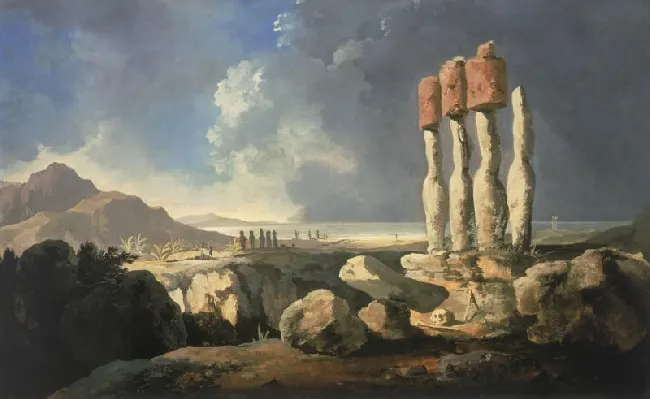
The great stone statues of Easter Island, painted by William Hodges, who visited with Captain Cook in 1774.
Image creditWilliam Hodges · Public domainResized and cropped for display.

Europeans reach Easter Island

On Easter Sunday, 5 April 1722, a Dutch expedition led by Jacob Roggeveen sighted a small island in the far south-east Pacific and named it Paasch-Eyland, Easter Island. They were the first Europeans known to reach Rapa Nui, as its Polynesian people call it.

The Dutch stayed only about a day, but described the islanders and the giant stone figures, the moai, standing on platforms along the shore. The moai, carved centuries earlier, have become one of the most famous sights in the world.

Read the full storyHistory & Timeline →Source: Encyclopaedia Britannica: Jacob Roggeveen ↗
The Embrace of Maipú: San Martín and O'Higgins meet after the victory, painted by Pedro Subercaseaux in 1908.
The Embrace of Maipú: San Martín and O’Higgins meet after the victory, painted by Pedro Subercaseaux in 1908.
Image creditPedro Subercaseaux · Public domainResized and cropped for display.

The Battle of Maipú wins Chile’s freedom

On the plains of Maipú, just south of Santiago, the Argentine and Chilean army led by José de San Martín defeated the Spanish royalist army on 5 April 1818, after about six hours of fighting.

It ended Spain’s hopes of taking back Chile, which had declared its independence that February. Bernardo O’Higgins, Chile’s leader, rode wounded to embrace San Martín on the battlefield, a moment every Chilean schoolchild knows. San Martín went on to free Peru.

Read the full storyHistory & Timeline →Source: Encyclopaedia Britannica: Battle of Maipú ↗
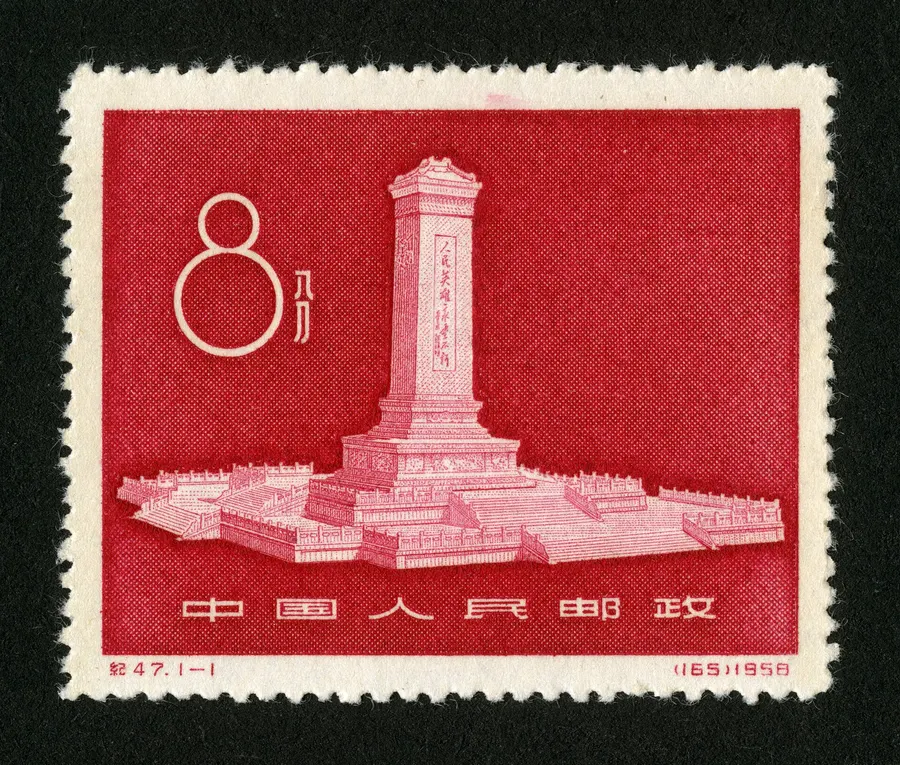
The Monument to the People's Heroes in Tiananmen Square, on a Chinese stamp of 1958. Mourners heaped wreaths around it in 1976.
The Monument to the People’s Heroes in Tiananmen Square, on a Chinese stamp of 1958. Mourners heaped wreaths around it in 1976.
Image creditLiu Shuoren and Sun Chuanzhe (China Post stamp design) · Public domainResized and cropped for display.

Mourners for Zhou Enlai clash with police in Tiananmen Square

For days during the Qingming festival for remembering the dead, people in Beijing laid wreaths and poems in Tiananmen Square for the popular premier Zhou Enlai, who had died in January. Many of the verses attacked the radical ‘Gang of Four’. When the wreaths were removed overnight, huge crowds gathered on 5 April 1976 and clashed with the authorities, and the square was cleared that night.

The leadership called it counter-revolutionary and blamed Deng Xiaoping, who was stripped of his posts. After Mao’s death that September, the verdict was reversed, and Deng went on to lead China.

Read the full storyHistory & Timeline →Source: Encyclopaedia Britannica: Tiananmen Square incident ↗
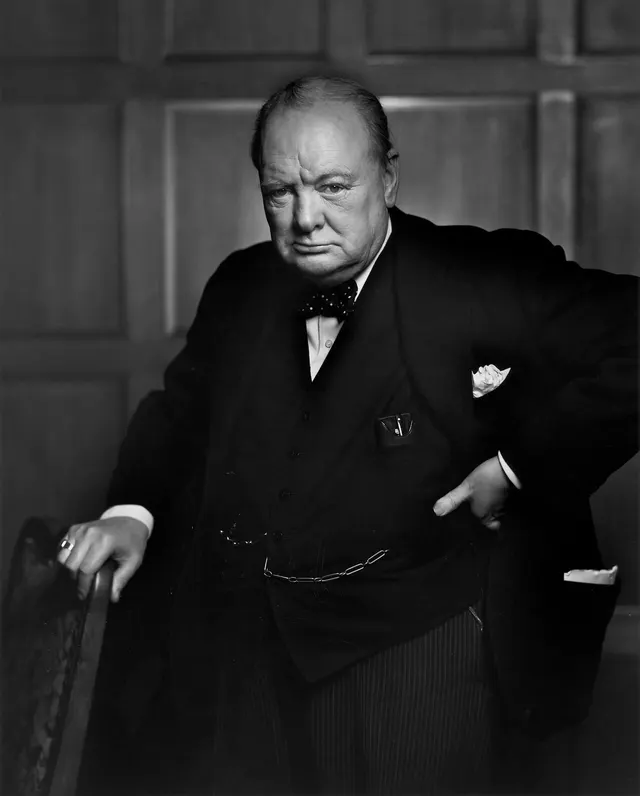
Winston Churchill photographed by Yousuf Karsh in 1941.
Image creditYousuf Karsh · Public domainResized and cropped for display.

Winston Churchill steps down

On 5 April 1955 Winston Churchill, aged 80 and in failing health after a stroke, went to Buckingham Palace and resigned as prime minister, ending his second term in office. Queen Elizabeth II had dined with him at Downing Street the night before.

His foreign secretary, Anthony Eden, succeeded him. Churchill stayed in the House of Commons until 1964 and died the following year.

Read the full storyHistory & Timeline →Source: GOV.UK: History of Sir Winston Churchill ↗
♙
PEOPLE

Born Today

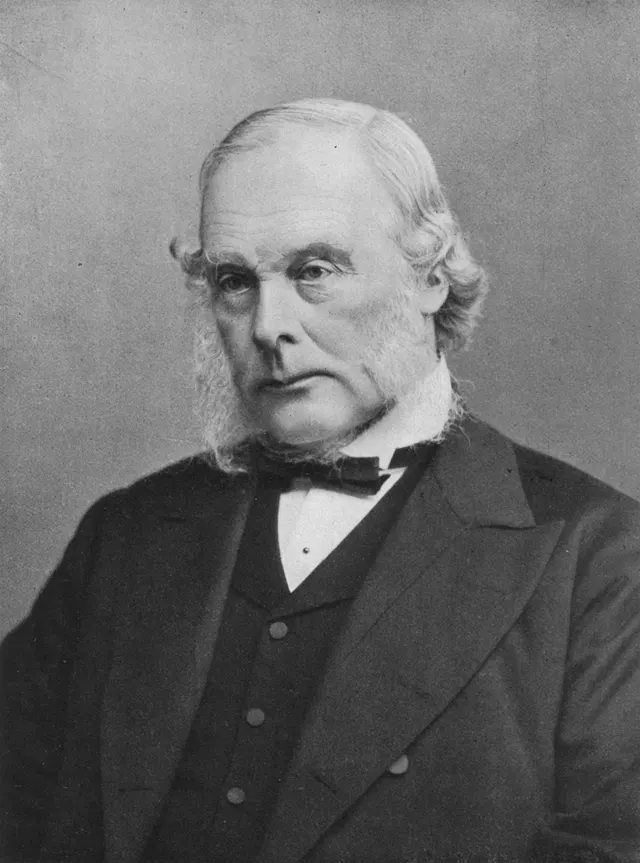
Joseph Lister
Image creditUnknown photographer · Public domainResized and cropped for display.

Joseph Lister

English surgeon who pioneered antiseptic surgery, saving countless lives.

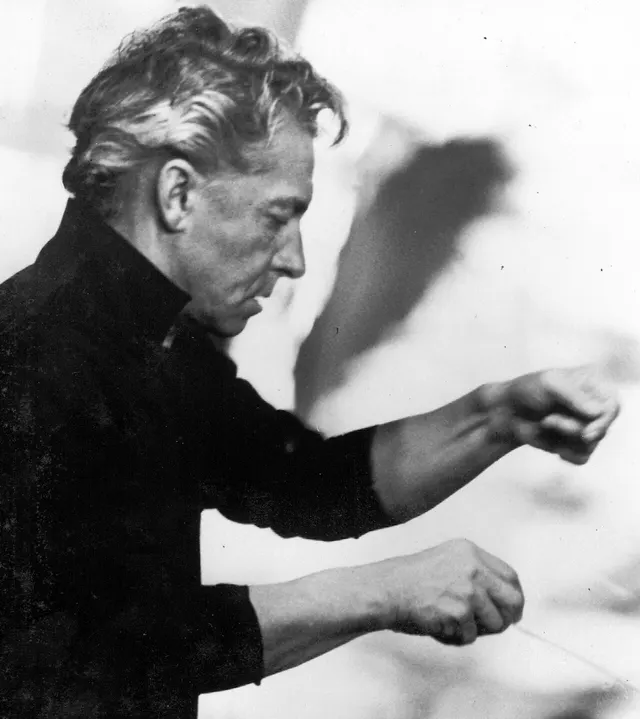
Herbert von Karajan
Image creditUnknown · Public domainResized and cropped for display.

Herbert von Karajan

Austrian conductor who led the Berlin Philharmonic for more than three decades.

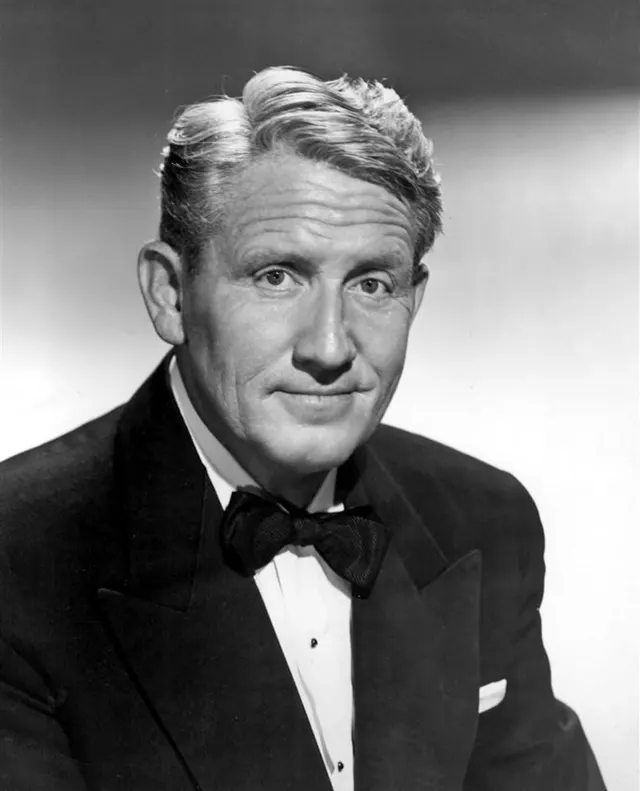
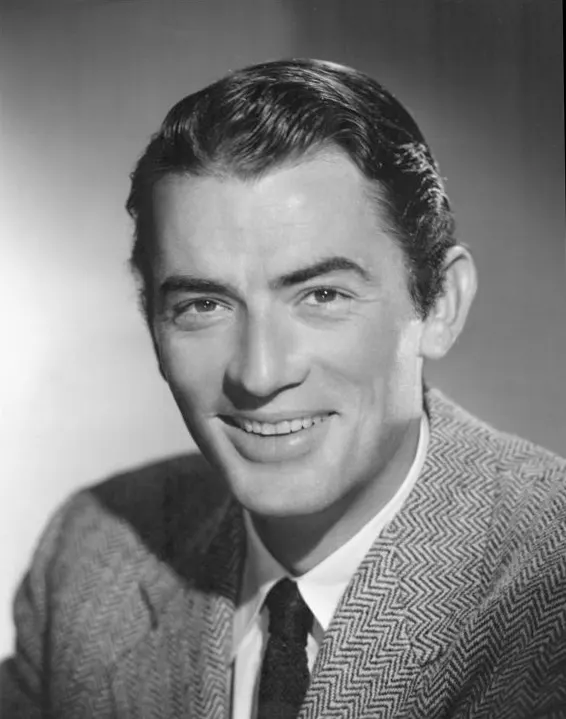
Gregory Peck
Image creditStudio · Public domainResized and cropped for display.

Gregory Peck

American actor, Atticus Finch in To Kill a Mockingbird.

Agnetha Fältskog
Image creditStockholm Pride · CC BY 3.0Resized and cropped for display.

Agnetha Fältskog

Swedish singer, one of the two lead voices of ABBA.

◉
IDEAS THAT CHANGED THINGS

Firsts, Science & Discoveries

The Compton Gamma Ray Observatory drifts away from the shuttle Atlantis after its release, 7 April 1991.
Image creditNASA/Ken Cameron · Public domainResized and cropped for display.

The Compton Gamma Ray Observatory is launched

The space shuttle Atlantis lifted off on 5 April 1991 carrying NASA’s Compton Gamma Ray Observatory, at about 17 tonnes the heaviest astronomy satellite flown until then. When its antenna jammed, two astronauts made an unplanned spacewalk to free it before it was released.

For nine years it studied the most violent events in the universe, and showed that the mysterious bursts of gamma rays come from far beyond our galaxy.

Read the full storyHistory & Timeline →Source: NASA: This week in NASA history, Compton Gamma Ray Observatory launches ↗
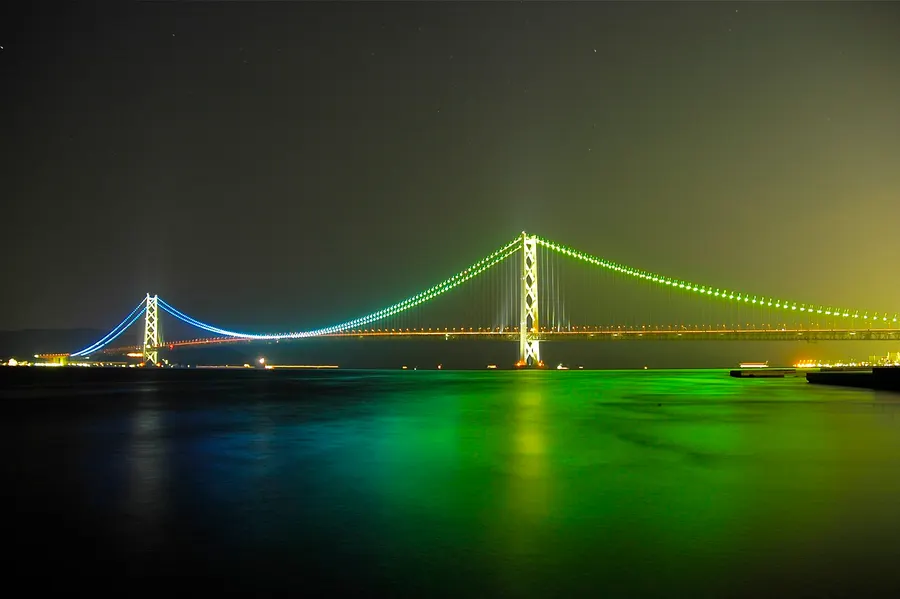
The Akashi Kaikyō Bridge lit up at night, seen from Maiko, 2006.
Image creditStingy Scoundrel from Osaka, Japan · Public domainResized and cropped for display.

The world’s longest suspension span opens

The Akashi Kaikyō Bridge, linking Kobe on Japan’s main island of Honshu with Awaji Island, opened to traffic on 5 April 1998. Its central span of 1,991 metres was the longest of any suspension bridge in the world, a record it held for more than twenty years.

Built across a busy strait prone to typhoons and earthquakes, it survived the 1995 Kobe earthquake while under construction; the quake moved its towers apart and lengthened the span by almost a metre.

Read the full storyHistory & Timeline →Source: Encyclopaedia Britannica: Akashi Kaikyo Bridge ↗
✦
LIVES REMEMBERED

Remembered Today

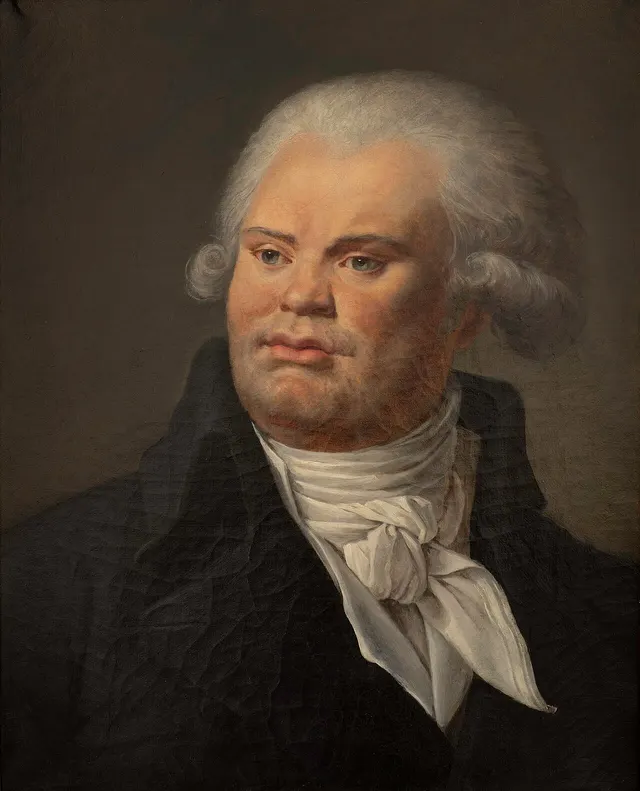
Georges Danton
Image creditanonymous · CC0Resized and cropped for display.

Georges Danton

A leader of the French Revolution, guillotined in Paris with his allies for opposing the Terror.

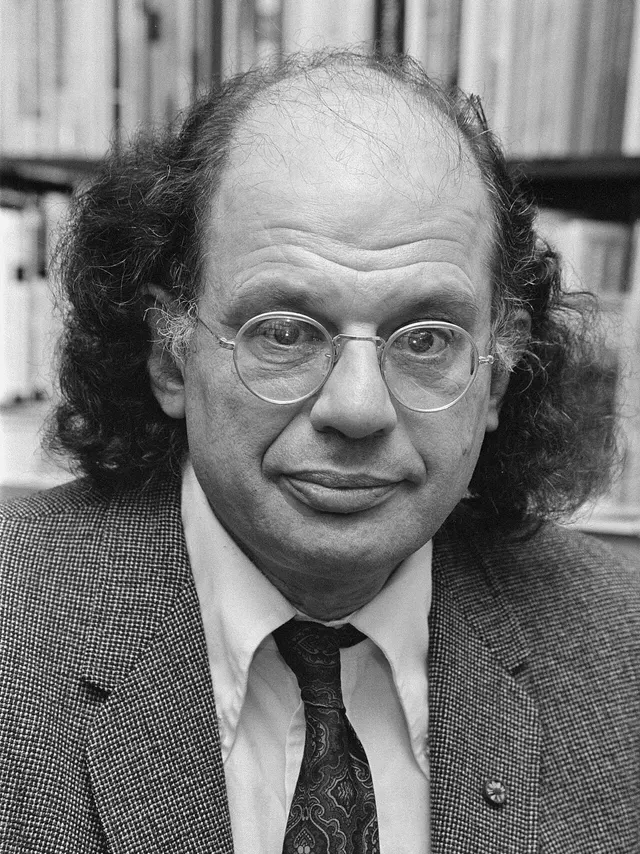
Allen Ginsberg
Image creditHans van Dijk for Anefo · CC0Resized and cropped for display.

Allen Ginsberg

American poet of ‘Howl’ and a leader of the Beat Generation.

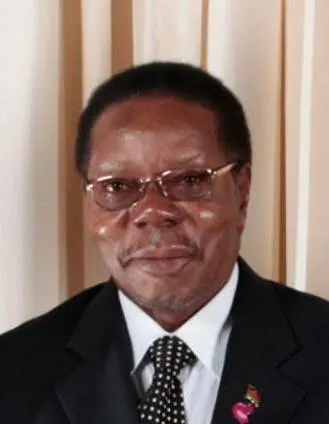
Bingu wa Mutharika
Image creditUS Gov · Public domainResized and cropped for display.

Bingu wa Mutharika

President of Malawi from 2004; he died in office.

☉
AROUND THE WORLD

Observances & Anniversaries

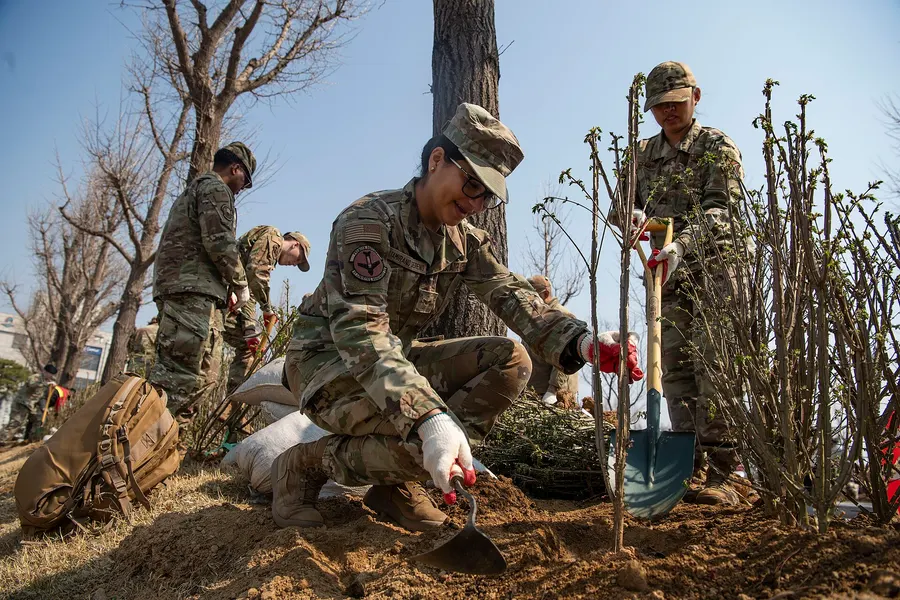
US airmen join a local Arbor Day tree planting in Pyeongtaek, South Korea, 2025.
Image creditU.S. Air Force photo by Staff Sgt. Jason Cochran · Public domainResized and cropped for display.

Arbor Day in South Korea

South Koreans plant trees on Sikmogil, Arbor Day, every 5 April. It was set up in 1946 to replant hillsides stripped of their forests under Japanese colonial rule and in the years that followed.

It was a public holiday until 2006 and is still widely marked. South Korea’s reforestation is one of the most successful in the world: forests now cover about two-thirds of the country.

Source: Korea.net: Arbor Day ↗
HISTORY & TIMELINE

Finished the highlights?

Follow 5 April chronologically, from the Middle Ages to the modern day, with 11 verified events and the sources behind them.

This day through time →