Explore 7 April

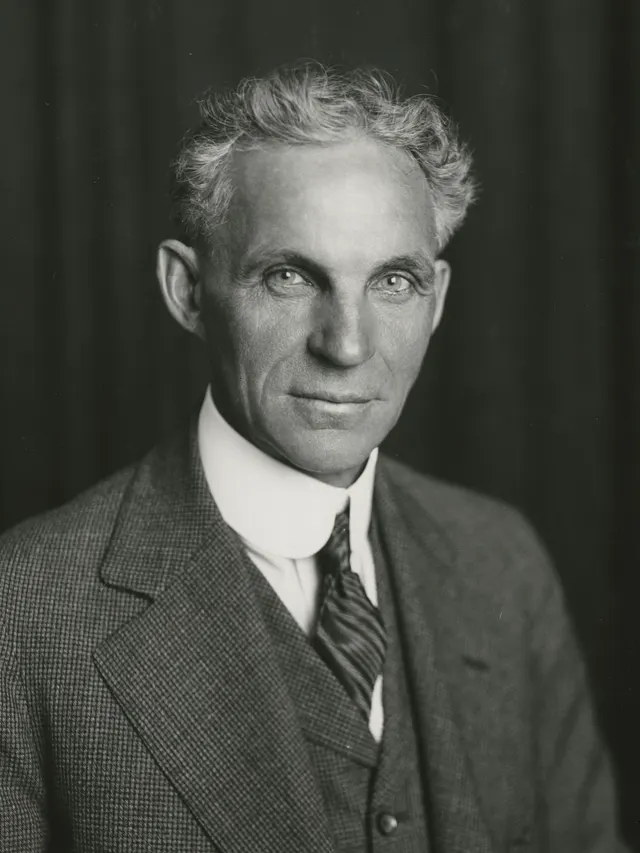
Explore 7 April: the World Health Organization comes into being, Italy invades Albania, Magellan’s ships reach Cebu and Spain gives up its protectorate in northern Morocco. Meet William Wordsworth, Billie Holiday and Jackie Chan, born on this date, and remember Henry Ford and El Greco.

This day through time →16 verified events across 3 eras

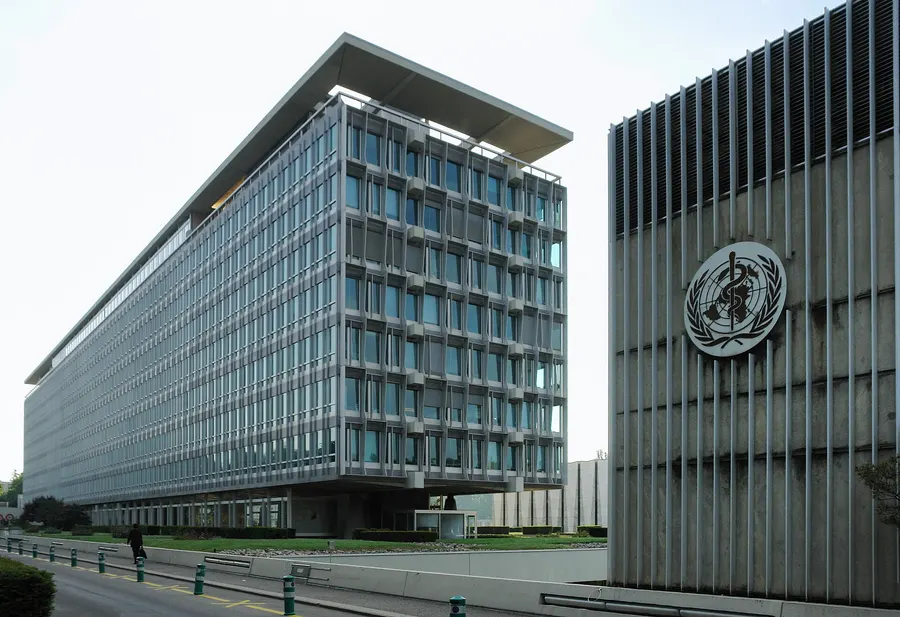
The headquarters of the World Health Organization in Geneva, 2007.
Image creditYann Forget · CC BY-SA 3.0Resized and cropped for display.

The World Health Organization comes into being

The constitution of the World Health Organization, drawn up at a conference in New York in 1946, came into force on 7 April 1948, once 26 members of the United Nations had ratified it. The first World Health Assembly met in Geneva that June.

The new agency took on the work of older international health offices and set itself a broad goal: the highest possible level of health for all peoples. Its campaigns went on to wipe out smallpox. Its birthday is kept every year as World Health Day.

Read the full storyHistory & Timeline →Source: World Health Organization: History of WHO ↗
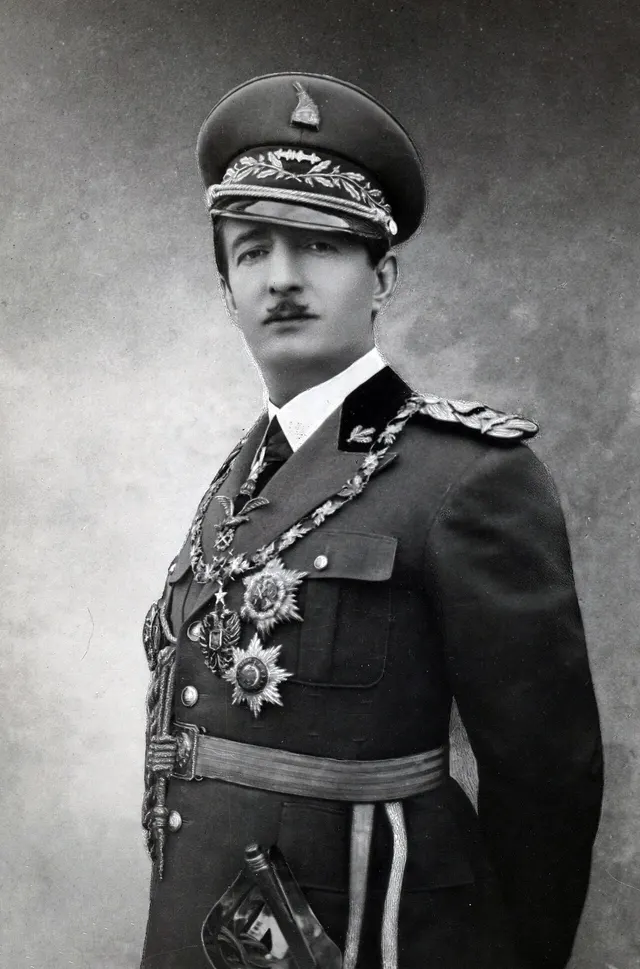
King Zog I of Albania, who fled to Greece as Italian troops landed.
Image creditThe original uploader was J.J. at English Wikipedia. (see en:Wikipedia:Upload log archive/April 2003); Tonysmith at zh.wikipedia · Public domainResized and cropped for display.

Italy invades Albania

On Good Friday, 7 April 1939, Mussolini’s troops landed at Albania’s ports. The small country’s army could not hold them, and within days King Zog and his family had fled to Greece.

Albania was joined to Italy under King Victor Emmanuel III, and Mussolini gained a foothold in the Balkans that he used the next year to attack Greece. Five months later the Second World War began.

Read the full storyHistory & Timeline →Source: Encyclopaedia Britannica: History of Albania ↗
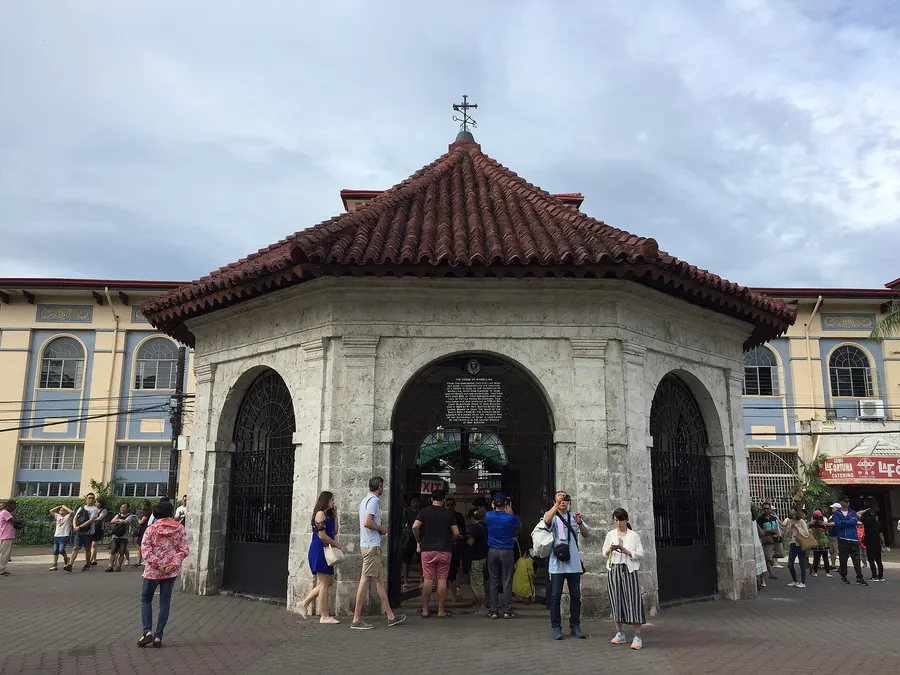
The chapel in Cebu City that houses Magellan's Cross, said to hold the cross planted by his expedition.
The chapel in Cebu City that houses Magellan’s Cross, said to hold the cross planted by his expedition.
Image creditCarlo Joseph Moskito · CC BY-SA 4.0Resized and cropped for display.

Magellan’s ships reach Cebu

On Sunday 7 April 1521, according to the expedition’s chronicler Antonio Pigafetta, Ferdinand Magellan’s ships sailed into the harbour of Cebu, in what are now the Philippines. Magellan made a blood compact with the island’s ruler, Rajah Humabon.

Within a week Humabon and hundreds of his people had been baptised, the start of Christianity in the islands. But Magellan’s alliance drew him into a local quarrel, and on 27 April he was killed fighting Lapulapu’s warriors on nearby Mactan. The date is by the Julian calendar.

Read the full storyHistory & Timeline →Source: Encyclopaedia Britannica: Cebu City ↗
Sultan Mohammed V of Morocco, photographed in 1953.
Image creditFotograaf Onbekend / Anefo · CC0Resized and cropped for display.

Spain gives up its protectorate in Morocco

On 7 April 1956, during Sultan Mohammed V’s visit to Madrid, Spain and Morocco signed a declaration ending the Spanish protectorate over northern Morocco. France had recognised Morocco’s independence five weeks earlier.

The two zones into which the country had been divided since 1912 were joined again under the sultan, who took the title of king in 1957. Spain kept some enclaves and handed back the last of its southern territories only in 1958 and 1969.

Read the full storyHistory & Timeline →Source: Encyclopaedia Britannica: Morocco, independent Morocco ↗
♙
PEOPLE

Born Today

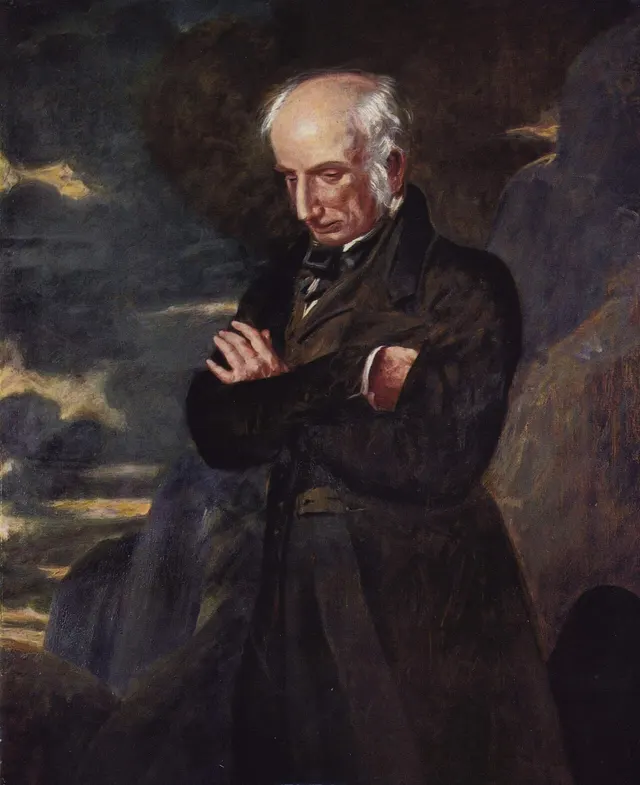
William Wordsworth
Image creditBenjamin Haydon · Public domainResized and cropped for display.

William Wordsworth

English Romantic poet of the Lake District, author of ‘Daffodils’ and The Prelude.

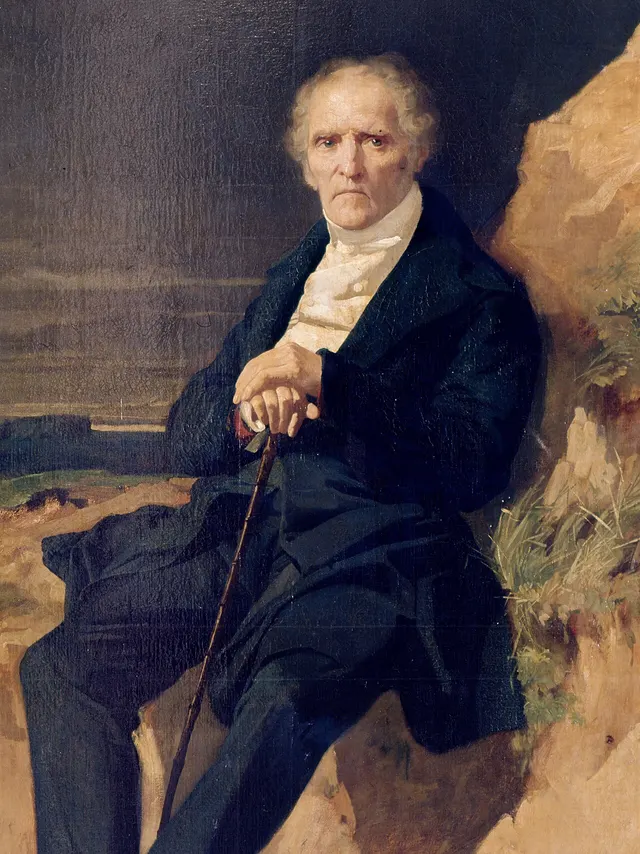
Charles Fourier
Image creditJean Gigoux · CC BY-SA 4.0Resized and cropped for display.

Charles Fourier

French thinker who planned ideal co-operative communities.

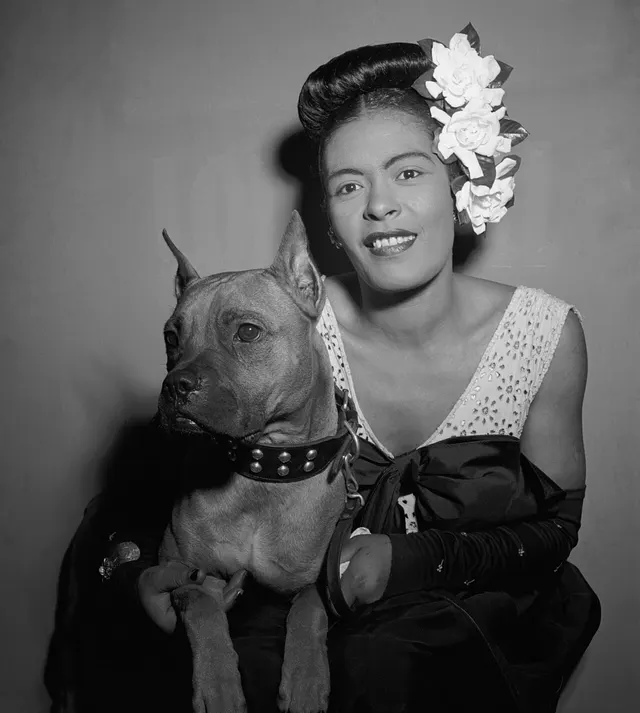
Billie Holiday
Image creditWilliam P. Gottlieb · Public domainResized and cropped for display.

Billie Holiday

American jazz singer of ‘Strange Fruit’, known as Lady Day.

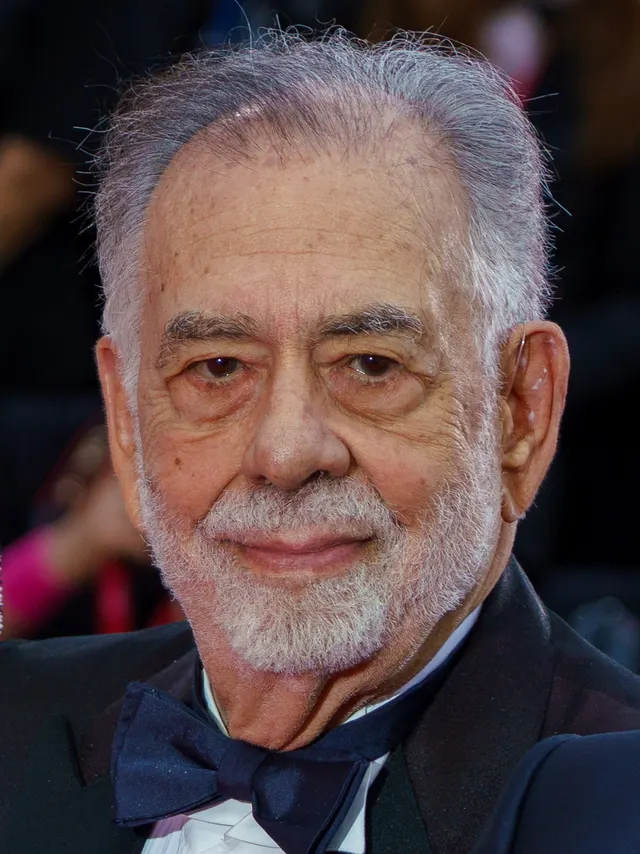
Francis Ford Coppola
Image creditColleen Sturtevant · CC BY-SA 4.0Resized and cropped for display.

Francis Ford Coppola

American film director of The Godfather and Apocalypse Now.

Jackie Chan
Image creditSegolene Liger · CC BY-SA 4.0Resized and cropped for display.

Jackie Chan

Hong Kong actor and martial artist famous for doing his own stunts.

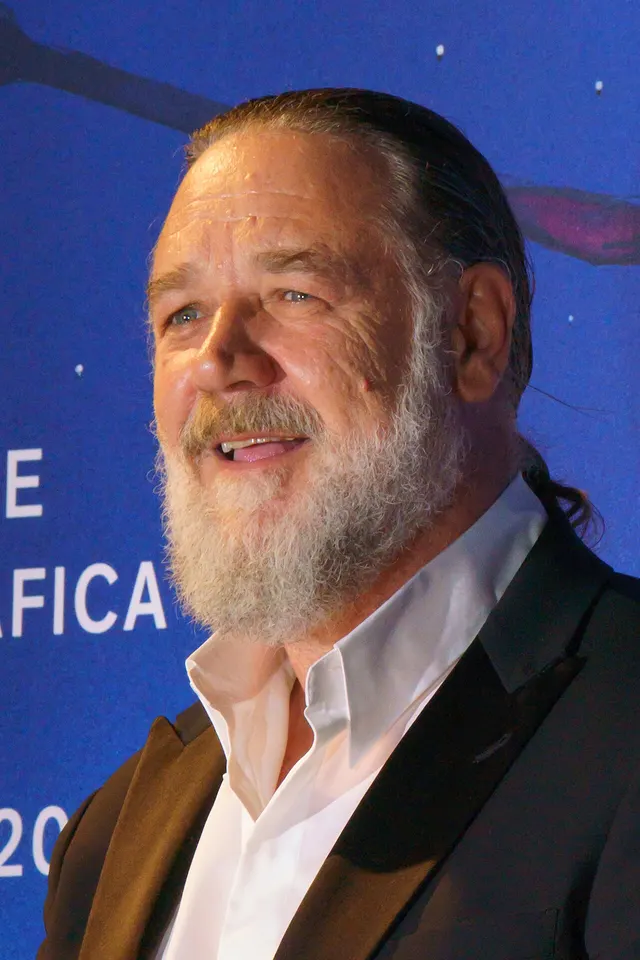
Russell Crowe
Image creditColleen Sturtevant · CC BY-SA 4.0Resized and cropped for display.

Russell Crowe

New Zealand-born actor, Oscar winner for Gladiator.

◉
IDEAS THAT CHANGED THINGS

Firsts, Science & Discoveries

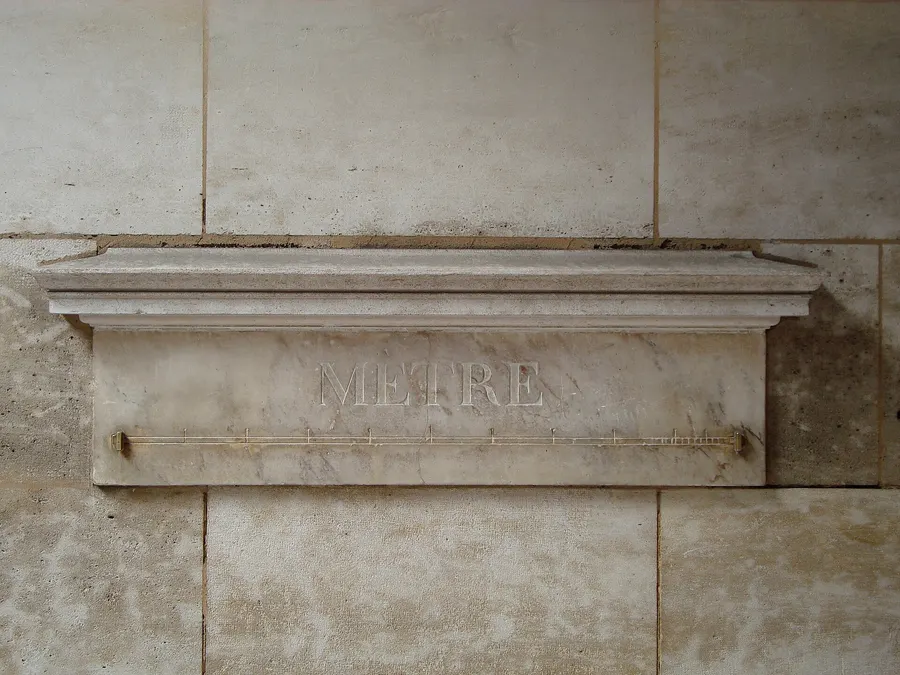
One of the marble standard metres put up in Paris in the 1790s so people could learn the new length, rue de Vaugirard.
Image creditLPLT · CC BY-SA 3.0Resized and cropped for display.

France makes the metre law

A law passed by the National Convention on 7 April 1795, 18 Germinal Year III in the revolutionary calendar, set out France’s new decimal system of measures. The metre was to be one ten-millionth of the distance from the North Pole to the equator.

The same law named the litre, the gram and the are for land. To teach Parisians the new length, standard metres were set into walls around the city; two still survive. The metric system is now used across almost the whole world.

Read the full storyHistory & Timeline →Source: Archives nationales (France): 18 Germinal An III, adoption of the metric system ↗
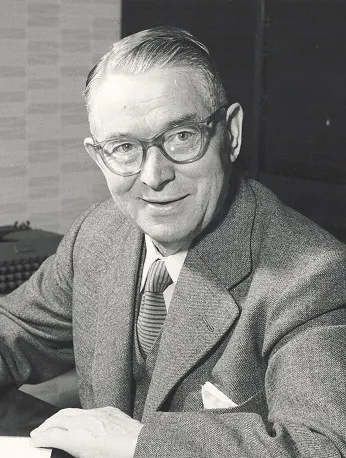
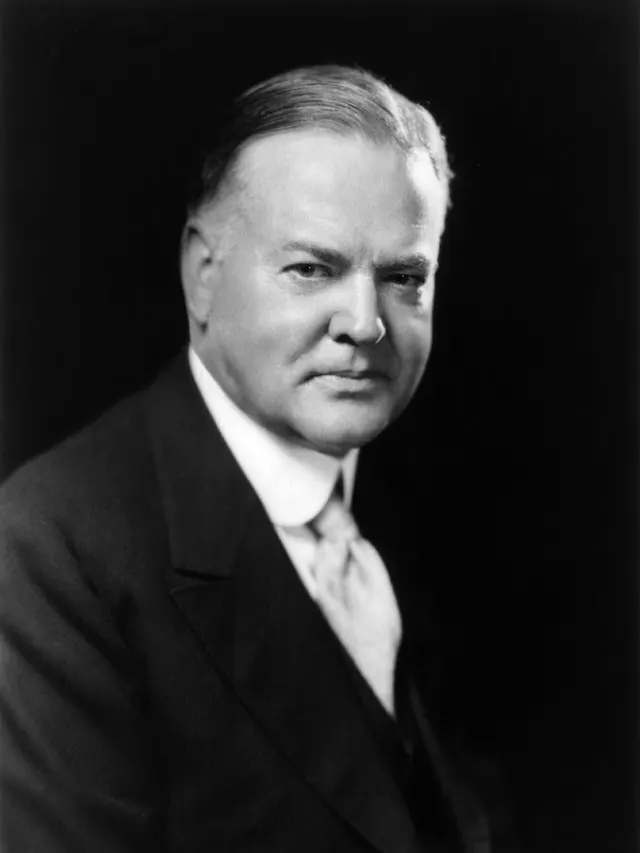
Herbert Hoover, whose face and voice were carried from Washington to New York in the 1927 demonstration.
Image creditUnderwood & Underwood · Public domainResized and cropped for display.

Television crosses 200 miles

On 7 April 1927 reporters in a Bell Telephone Laboratories auditorium in New York watched the moving face of Herbert Hoover, then Secretary of Commerce, and heard him speak from Washington, more than 200 miles away, over telephone lines.

The flickering 50-line picture, built by a team led by Herbert Ives, was the first long-distance television demonstration in the United States. A second link sent pictures by radio from New Jersey.

Read the full storyHistory & Timeline →Source: American Institute of Physics: 100 years of physics and television ↗
The console of an IBM System/360 Model 65 computer.
Image creditLiving Computers: Museum+Labs · CC BY-SA 4.0Resized and cropped for display.

IBM announces the System/360

On 7 April 1964 IBM unveiled the System/360, a family of computers of different sizes that could all run the same programs. Until then, a business that outgrew its computer usually had to rewrite its software for a new one.

The launch was a huge gamble for IBM, but more than 1,000 were ordered in the first month. The idea of a compatible family of machines shaped computing for decades.

Read the full storyHistory & Timeline →Source: IBM: The IBM System/360 ↗
♫
MUSIC • FILM • BOOKS • CULTURE

Culture Stories

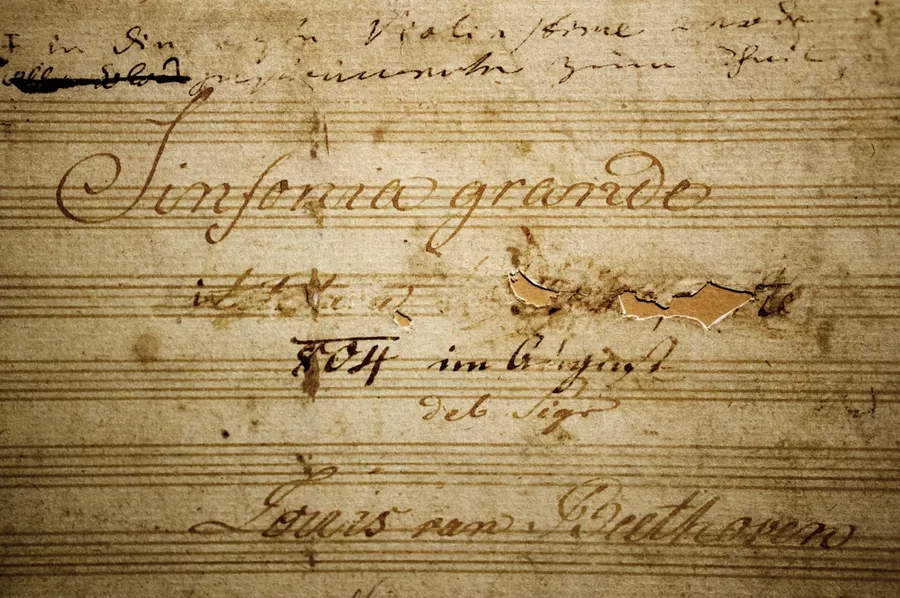
The title page of Beethoven's own copy of the Eroica symphony, with Napoleon's name scratched out.
The title page of Beethoven’s own copy of the Eroica symphony, with Napoleon’s name scratched out.
Image creditUnknown · Public domainResized and cropped for display.

Beethoven’s Eroica meets the public

Beethoven conducted the first public performance of his Third Symphony at the Theater an der Wien in Vienna on 7 April 1805, after private hearings at Prince Lobkowitz’s palace.

About 50 minutes long, it was far bigger than any symphony audiences knew. Beethoven had meant to name it after Napoleon, but when Napoleon crowned himself emperor he struck the name out, and it became the ‘Heroic’ symphony.

Read the full storyHistory & Timeline →Source: Encyclopaedia Britannica: Eroica Symphony ↗
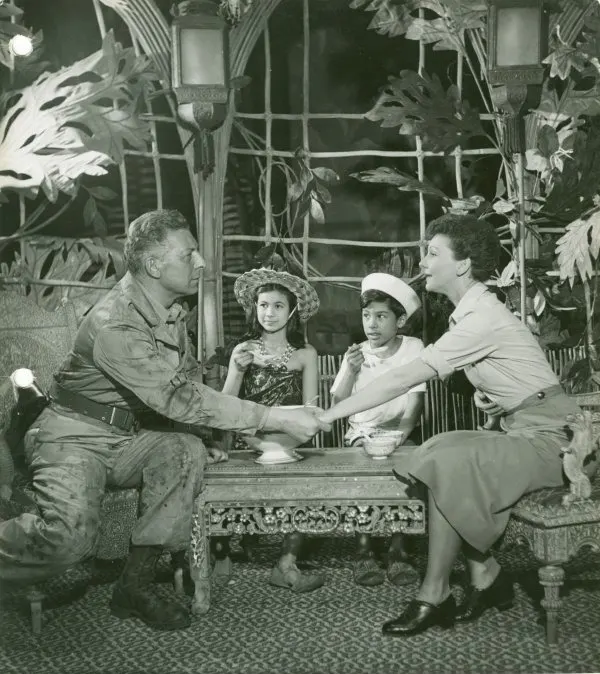
Ezio Pinza, Mary Martin and the child actors in the final scene of the original South Pacific, 1949.
Image creditUnknown photographer · Public domainResized and cropped for display.

South Pacific opens on Broadway

Rodgers and Hammerstein’s South Pacific opened at the Majestic Theatre in New York on 7 April 1949, with Mary Martin and the opera singer Ezio Pinza. Based on James Michener’s wartime stories, it tackled racial prejudice head on.

It ran for 1,925 performances and won the Pulitzer Prize for Drama, with songs such as ‘Some Enchanted Evening’ and ‘Bali Ha’i’.

Read the full storyHistory & Timeline →Source: Rodgers and Hammerstein: South Pacific, 1949 original Broadway production ↗
✦
LIVES REMEMBERED

Remembered Today

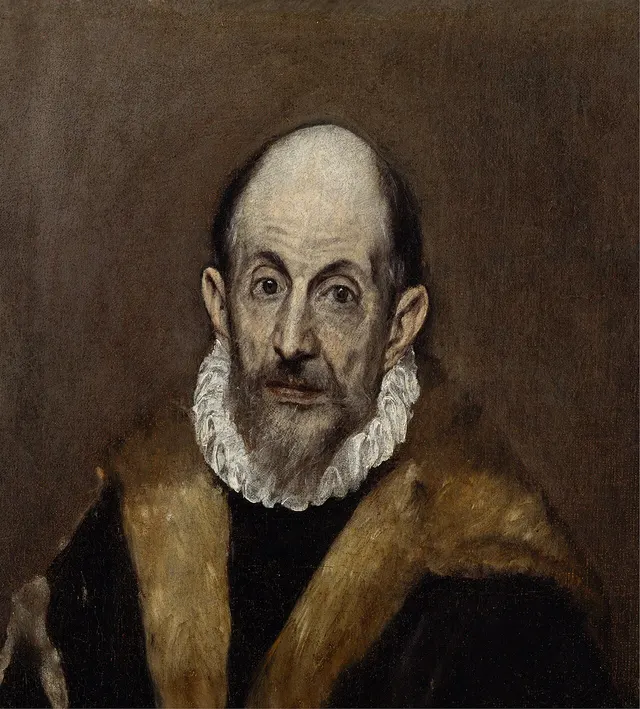
El Greco
Image creditEl Greco · Public domainResized and cropped for display.

El Greco

Cretan-born painter who worked in Toledo, known for his long, flame-like figures.

☉
AROUND THE WORLD

Observances & Anniversaries

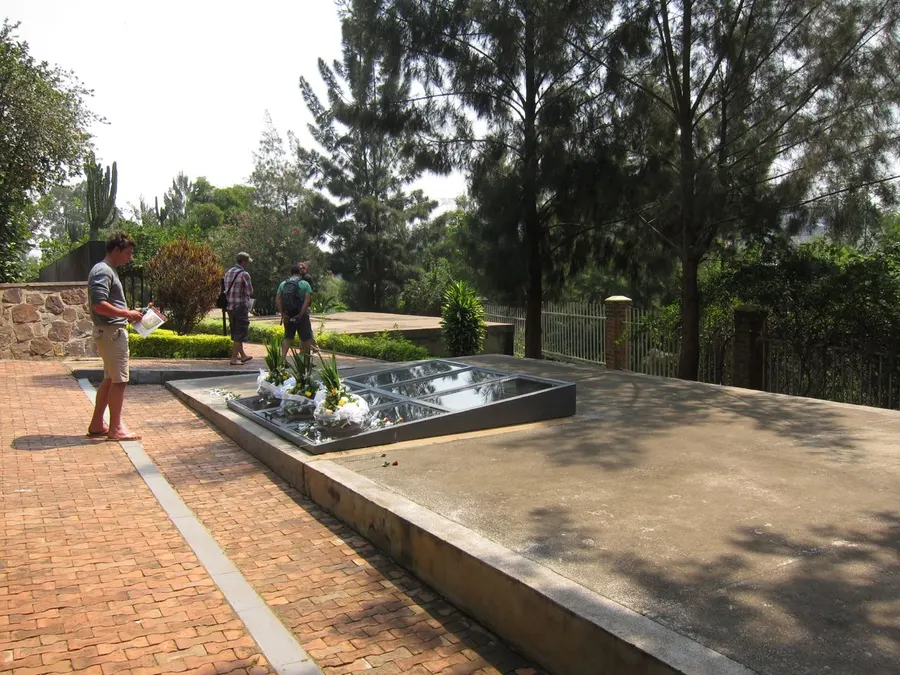
The Kigali Genocide Memorial in Rwanda, where more than 250,000 victims are buried, 2012.
Image creditMartijn.Munneke from Netherlands · CC BY 2.0Resized and cropped for display.

Day of Reflection on the 1994 Genocide against the Tutsi in Rwanda

The United Nations marks 7 April as the day on which the killing in Rwanda began in 1994. In about 100 days more than 800,000 people were murdered, most of them Tutsi, along with Hutu and others who opposed the genocide.

In Rwanda the day opens a week of national mourning, called Kwibuka, ‘to remember’.

Source: United Nations: International Day of Reflection on the 1994 Genocide against the Tutsi in Rwanda ↗
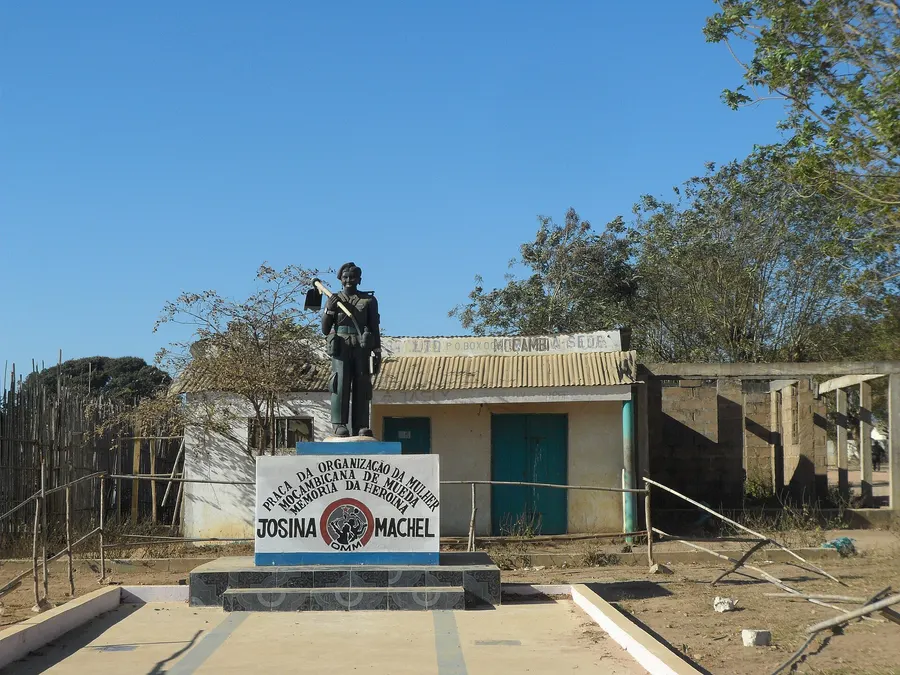
The statue of Josina Machel in Mueda, northern Mozambique.
Image creditA Verdade from Maputo, Moçambique · CC BY 2.0Resized and cropped for display.

Mozambican Women’s Day

Mozambique honours women on 7 April, the day in 1971 when the independence fighter Josina Machel died, aged 25.

A leader of the women’s wing of the liberation movement FRELIMO, she argued that women must take an equal part in the struggle and in the country that would follow it.

Source: South African History Online: Uncovering Josina Machel ↗
HISTORY & TIMELINE

Finished the highlights?

Follow 7 April chronologically, from the Middle Ages to the modern day, with 16 verified events and the sources behind them.

This day through time →