HISTORY & TIMELINE
7 April

A journey through
7 April in history

From Magellan’s arrival at Cebu in 1521 to the first of the internet’s Requests for Comments in 1969, 7 April has seen France adopt the metre, Beethoven’s Eroica reach the public, a Stockton chemist sell the first friction matches, a boy become Emperor of Brazil and the battleship Yamato go down. This timeline follows the date across more than four centuries.

JUMP THROUGH TIME
III
A CHANGING WORLD

Early Modern Era

Exploration, political change, scientific development and expanding global connections.

1521
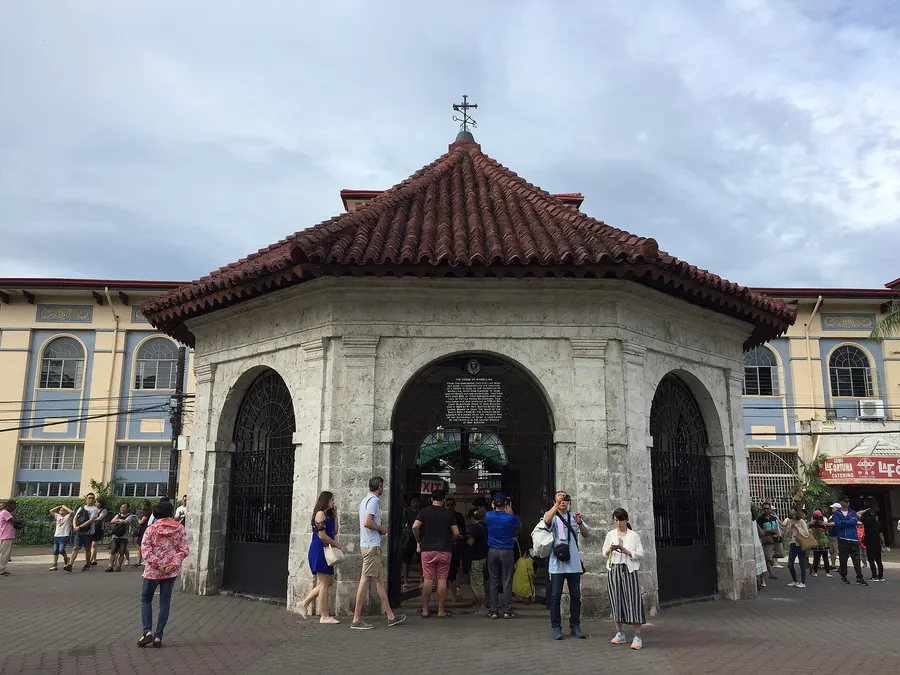
The chapel in Cebu City that houses Magellan's Cross, said to hold the cross planted by his expedition.The chapel in Cebu City that houses Magellan’s Cross, said to hold the cross planted by his expedition.Image: Carlo Joseph Moskito · CC BY-SA 4.0
world · Asia

Magellan’s ships reach Cebu

On Sunday 7 April 1521, according to the expedition’s chronicler Antonio Pigafetta, Ferdinand Magellan’s ships sailed into the harbour of Cebu, in what are now the Philippines. Magellan made a blood compact with the island’s ruler, Rajah Humabon. Within a week Humabon and hundreds of his people had been baptised, the start of Christianity in the islands. But Magellan’s alliance drew him into a local quarrel, and on 27 April he was killed fighting Lapulapu’s warriors on nearby Mactan. The date is by the Julian calendar.

Source: Encyclopaedia Britannica: Cebu City ↗
1541
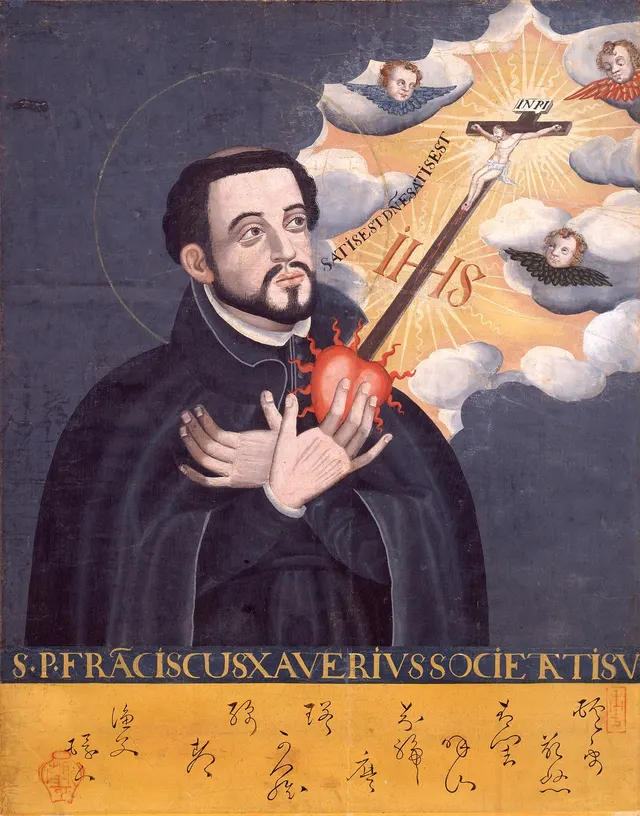
Francis Xavier, in a Japanese painting of the early 17th century.Francis Xavier, in a Japanese painting of the early 17th century.Image: Unknown · Public domain
culture · Asia

Francis Xavier sails for the East

On his 35th birthday the Jesuit missionary Francis Xavier left Lisbon on the Santiago, bound for Portuguese India. After wintering in Mozambique he reached Goa in May 1542, and went on to preach in south India, the Malay world and Japan. The date is by the Julian calendar.

Source: Encyclopedia.com: Francis Xavier ↗
1795
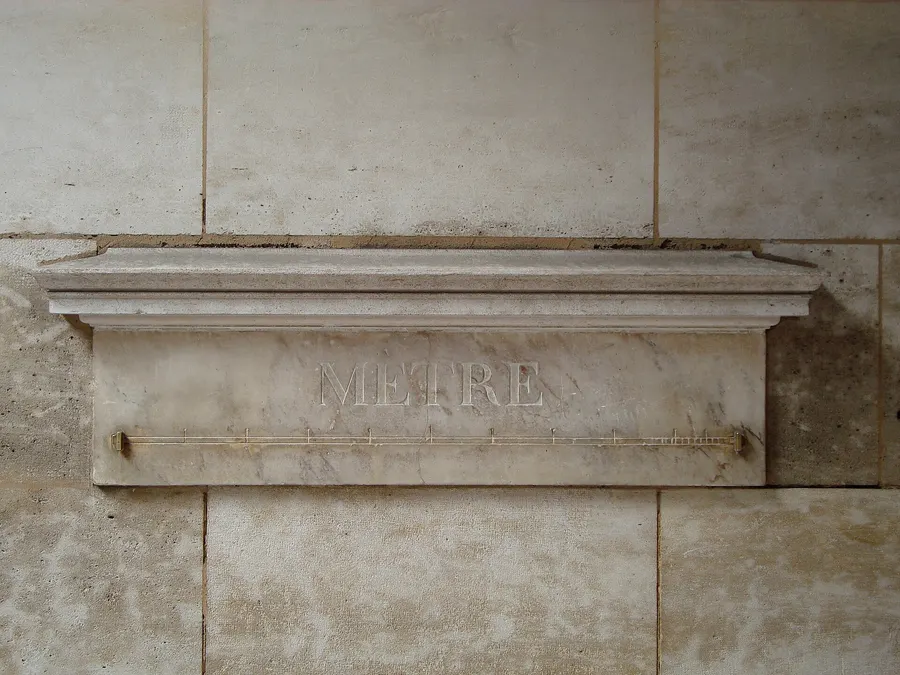
One of the marble standard metres put up in Paris in the 1790s so people could learn the new length, rue de Vaugirard.One of the marble standard metres put up in Paris in the 1790s so people could learn the new length, rue de Vaugirard.Image: LPLT · CC BY-SA 3.0
science · Europe

France makes the metre law

A law passed by the National Convention on 7 April 1795, 18 Germinal Year III in the revolutionary calendar, set out France’s new decimal system of measures. The metre was to be one ten-millionth of the distance from the North Pole to the equator. The same law named the litre, the gram and the are for land. To teach Parisians the new length, standard metres were set into walls around the city; two still survive. The metric system is now used across almost the whole world.

Source: Archives nationales (France): 18 Germinal An III, adoption of the metric system ↗
IV
THE NINETEENTH CENTURY

The 1800s

Industry, empire, invention, reform and a century of enormous transformation.

1805
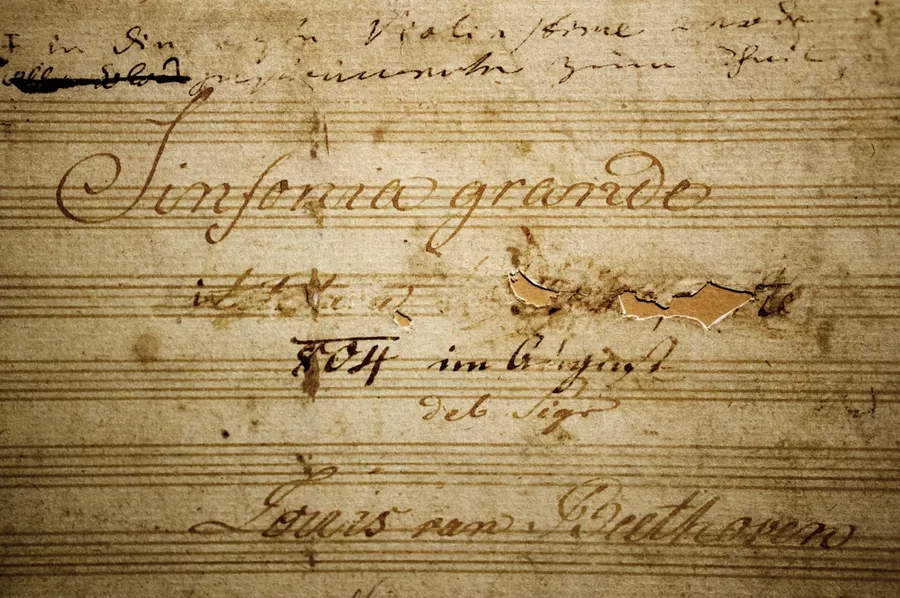
The title page of Beethoven's own copy of the Eroica symphony, with Napoleon's name scratched out.The title page of Beethoven’s own copy of the Eroica symphony, with Napoleon’s name scratched out.Image: Unknown · Public domain
culture · Europe

Beethoven’s Eroica meets the public

Beethoven conducted the first public performance of his Third Symphony at the Theater an der Wien in Vienna on 7 April 1805, after private hearings at Prince Lobkowitz’s palace. About 50 minutes long, it was far bigger than any symphony audiences knew. Beethoven had meant to name it after Napoleon, but when Napoleon crowned himself emperor he struck the name out, and it became the ‘Heroic’ symphony.

Source: Encyclopaedia Britannica: Eroica Symphony ↗
1827
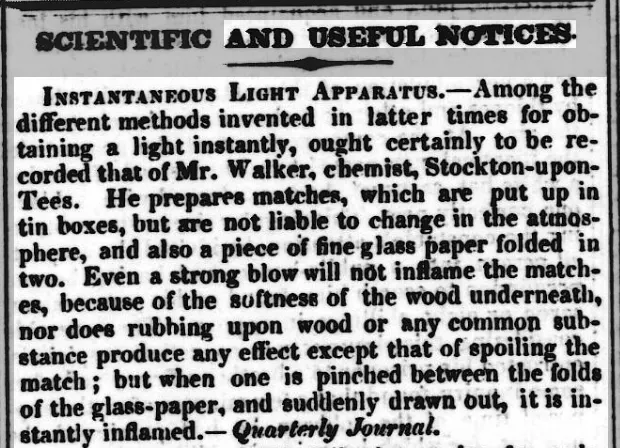
A notice of Mr Walker's 'instantaneous light apparatus', as reprinted in the Sheffield Independent in 1829.A notice of Mr Walker’s ‘instantaneous light apparatus’, as reprinted in the Sheffield Independent in 1829.Image: Sheffield Independent (1829) · Public domain
science · Europe

The first friction matches are sold

John Walker, a chemist in Stockton-on-Tees, recorded in his daybook the sale of 100 of his ‘friction lights’ to a local solicitor for a shilling, plus twopence for the tin. Drawn through folded sandpaper, the tipped splints burst into flame. Walker never patented his invention, and others were soon selling copies.

Source: Nature: The centenary of the friction match (1927) ↗
1831
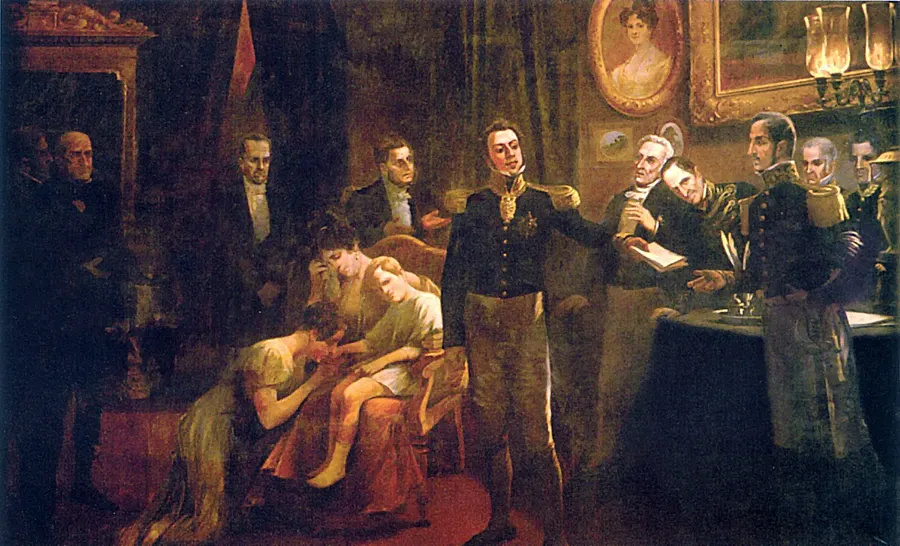
Pedro I hands over his letter of abdication, painted by Aurélio de Figueiredo.Pedro I hands over his letter of abdication, painted by Aurélio de Figueiredo.Image: Aurélio de Figueiredo · Public domain
world · Americas

Pedro I of Brazil abdicates

Facing opposition in parliament and unrest in the streets, Brazil’s first emperor, Pedro I, gave up the throne in favour of his five-year-old son and sailed for Portugal. Regents ruled until the boy was declared of age in 1840. As Pedro II he reigned for nearly 60 years.

Source: Encyclopaedia Britannica: Pedro II ↗
V
THE TWENTIETH CENTURY

The 1900s

War and peace, technological leaps, social change, politics, sport and popular culture.

1906
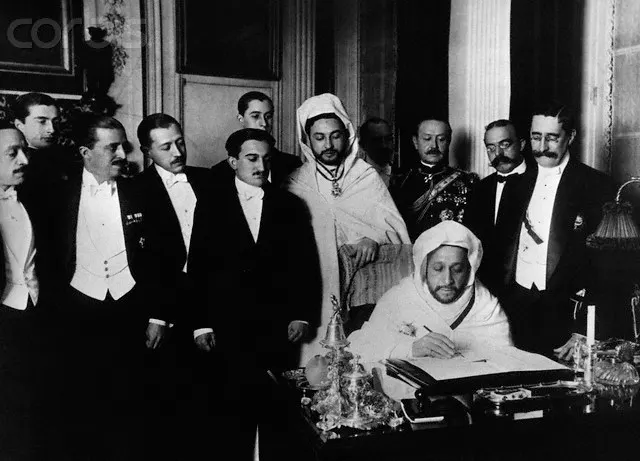
Morocco's envoy, El-Hadj el-Mokri, signs the act at Algeciras, 7 April 1906.Morocco’s envoy, El-Hadj el-Mokri, signs the act at Algeciras, 7 April 1906.Image: Unknown photographer · Public domain
politics · Africa

The Algeciras Conference ends

The European powers and the United States signed the General Act of Algeciras, settling the first Moroccan crisis between France and Germany. Morocco kept its sultan, but France and Spain were given control of its police and a say in its new state bank. Germany found itself almost alone, and Britain and France drew closer.

Source: US Department of State, Office of the Historian: General Act of the Algeciras Conference ↗
1927
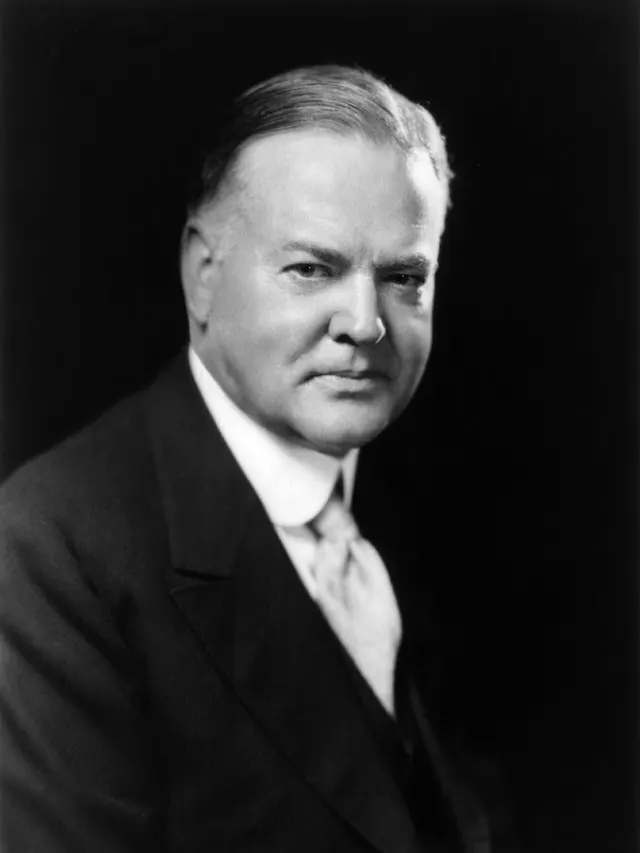
Herbert Hoover, whose face and voice were carried from Washington to New York in the 1927 demonstration.Herbert Hoover, whose face and voice were carried from Washington to New York in the 1927 demonstration.Image: Underwood & Underwood · Public domain
science · Americas

Television crosses 200 miles

On 7 April 1927 reporters in a Bell Telephone Laboratories auditorium in New York watched the moving face of Herbert Hoover, then Secretary of Commerce, and heard him speak from Washington, more than 200 miles away, over telephone lines. The flickering 50-line picture, built by a team led by Herbert Ives, was the first long-distance television demonstration in the United States. A second link sent pictures by radio from New Jersey.

Source: American Institute of Physics: 100 years of physics and television ↗
1939
world · Europe

Italy invades Albania

On Good Friday, 7 April 1939, Mussolini’s troops landed at Albania’s ports. The small country’s army could not hold them, and within days King Zog and his family had fled to Greece. Albania was joined to Italy under King Victor Emmanuel III, and Mussolini gained a foothold in the Balkans that he used the next year to attack Greece. Five months later the Second World War began.

Source: Encyclopaedia Britannica: History of Albania ↗
1945
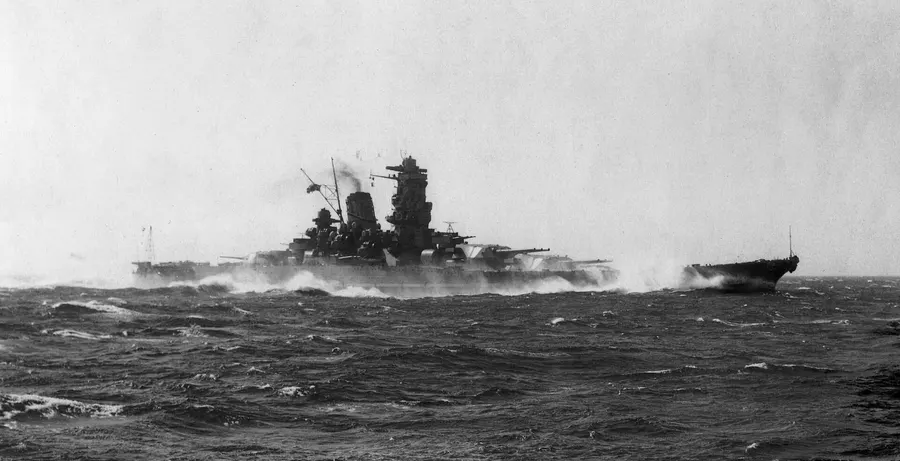
Yamato on her sea trials off the Bungo Strait, Japan, October 1941.Yamato on her sea trials off the Bungo Strait, Japan, October 1941.Image: Hasuya Hirohata · Public domain
world · Asia

The battleship Yamato is sunk

Sent on a one-way mission to attack the American fleet off Okinawa, Yamato, the largest battleship ever built, was caught by hundreds of US carrier aircraft in the East China Sea. Hit by torpedoes and bombs, she capsized and blew up, and a cruiser and four destroyers were also lost. About 4,000 Japanese sailors died that day.

Source: US Naval History and Heritage Command: H-Gram 044, Operation Ten-Go ↗
1948
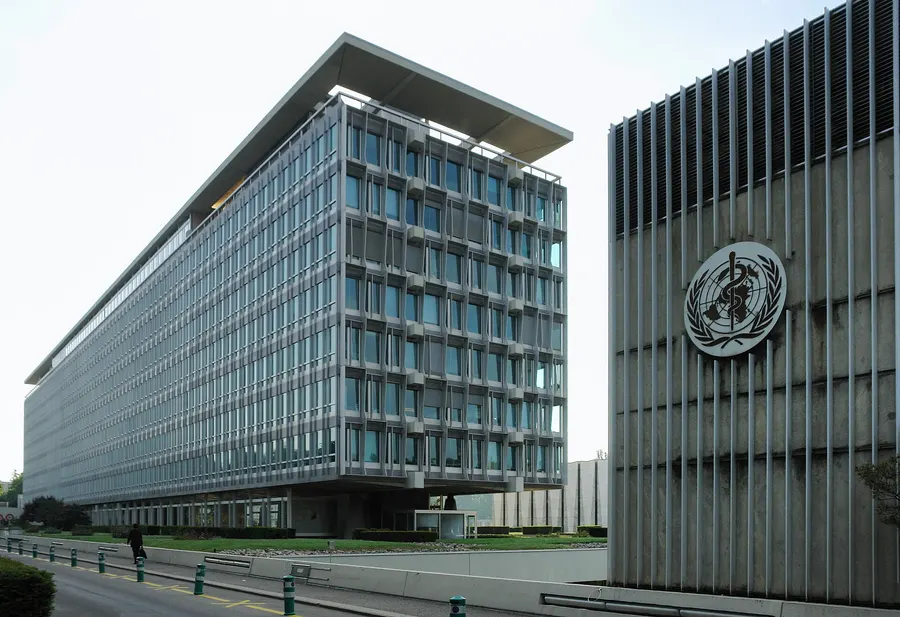
The headquarters of the World Health Organization in Geneva, 2007.The headquarters of the World Health Organization in Geneva, 2007.Image: Yann Forget · CC BY-SA 3.0
world · Global

The World Health Organization comes into being

The constitution of the World Health Organization, drawn up at a conference in New York in 1946, came into force on 7 April 1948, once 26 members of the United Nations had ratified it. The first World Health Assembly met in Geneva that June. The new agency took on the work of older international health offices and set itself a broad goal: the highest possible level of health for all peoples. Its campaigns went on to wipe out smallpox. Its birthday is kept every year as World Health Day.

Source: World Health Organization: History of WHO ↗
1949
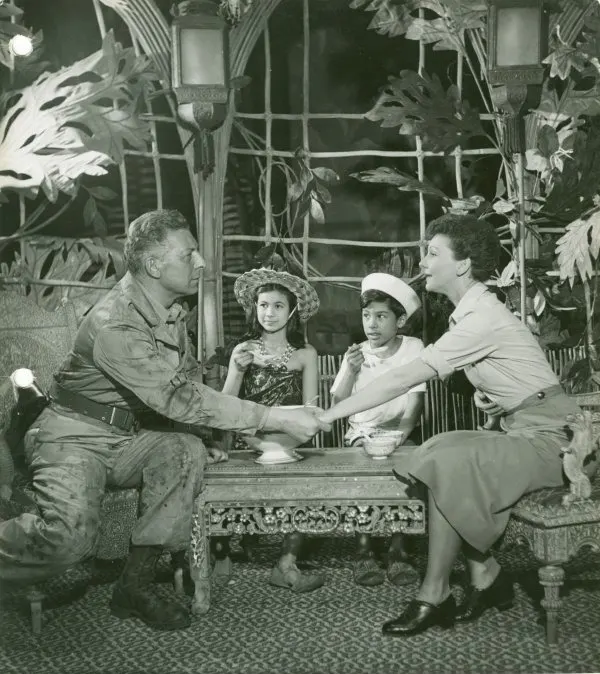
Ezio Pinza, Mary Martin and the child actors in the final scene of the original South Pacific, 1949.Ezio Pinza, Mary Martin and the child actors in the final scene of the original South Pacific, 1949.Image: Unknown photographer · Public domain
culture · Americas

South Pacific opens on Broadway

Rodgers and Hammerstein’s South Pacific opened at the Majestic Theatre in New York on 7 April 1949, with Mary Martin and the opera singer Ezio Pinza. Based on James Michener’s wartime stories, it tackled racial prejudice head on. It ran for 1,925 performances and won the Pulitzer Prize for Drama, with songs such as ‘Some Enchanted Evening’ and ‘Bali Ha’i’.

Source: Rodgers and Hammerstein: South Pacific, 1949 original Broadway production ↗
1956
Sultan Mohammed V of Morocco, photographed in 1953.Sultan Mohammed V of Morocco, photographed in 1953.Image: Fotograaf Onbekend / Anefo · CC0
world · Africa

Spain gives up its protectorate in Morocco

On 7 April 1956, during Sultan Mohammed V’s visit to Madrid, Spain and Morocco signed a declaration ending the Spanish protectorate over northern Morocco. France had recognised Morocco’s independence five weeks earlier. The two zones into which the country had been divided since 1912 were joined again under the sultan, who took the title of king in 1957. Spain kept some enclaves and handed back the last of its southern territories only in 1958 and 1969.

Source: Encyclopaedia Britannica: Morocco, independent Morocco ↗
1963
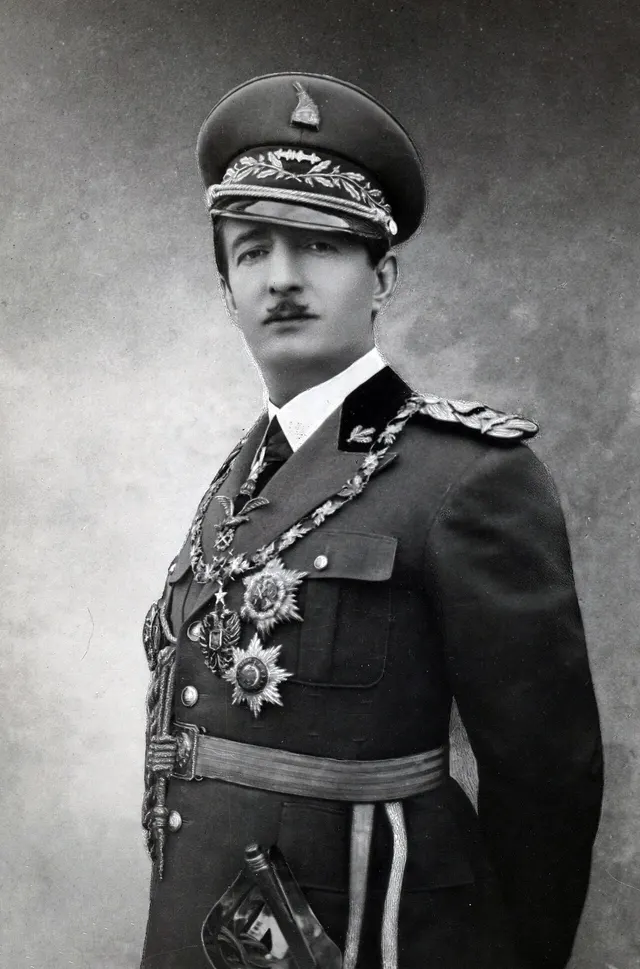
Josip Broz Tito in uniform.Josip Broz Tito in uniform.Image: Unknown photographer · Public domain
politics · Europe

Yugoslavia becomes a socialist federal republic

A new constitution renamed the country the Socialist Federal Republic of Yugoslavia and extended workers’ self-management. It limited how long leaders could serve, but made an exception for Josip Broz Tito, who stayed in power until his death in 1980. He was named president for life in 1974.

Source: Encyclopaedia Britannica: Josip Broz Tito ↗
1964
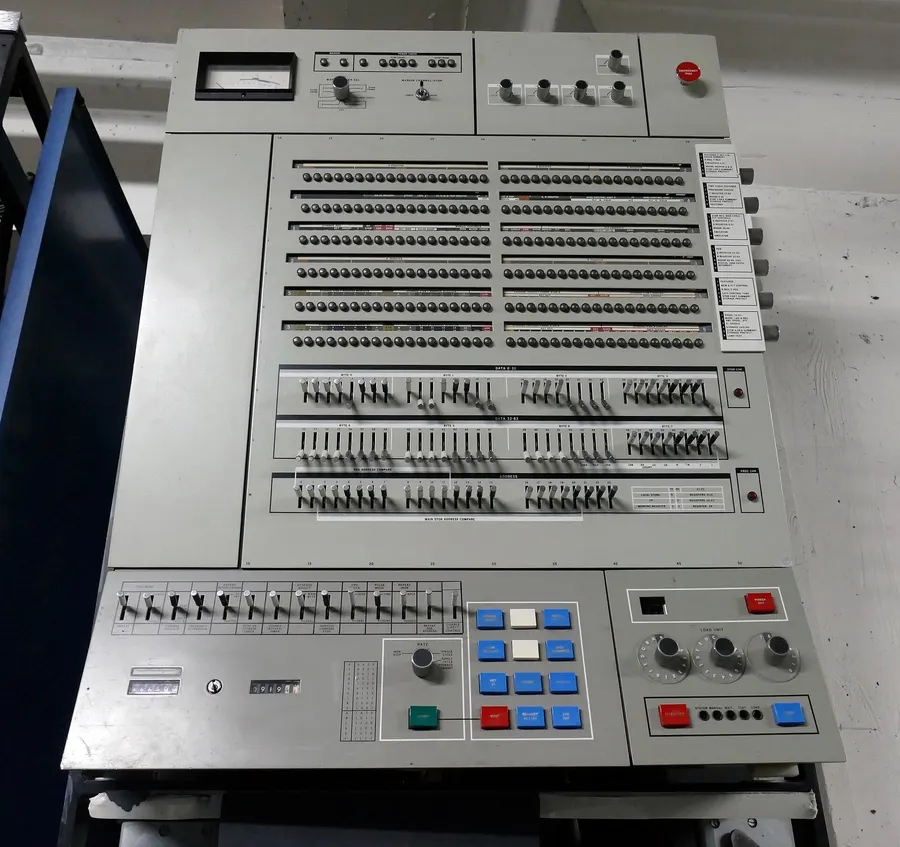
The console of an IBM System/360 Model 65 computer.The console of an IBM System/360 Model 65 computer.Image: Living Computers: Museum+Labs · CC BY-SA 4.0
science · Americas

IBM announces the System/360

On 7 April 1964 IBM unveiled the System/360, a family of computers of different sizes that could all run the same programs. Until then, a business that outgrew its computer usually had to rewrite its software for a new one. The launch was a huge gamble for IBM, but more than 1,000 were ordered in the first month. The idea of a compatible family of machines shaped computing for decades.

Source: IBM: The IBM System/360 ↗
1969
Steve Crocker, author of the first Request for Comments.Steve Crocker, author of the first Request for Comments.Image: Joi Ito · CC BY 2.0
science · Global

The first Request for Comments

Steve Crocker, a graduate student at UCLA, dated the first ‘Request for Comments’, a short note on software for the computers that would join the new ARPANET. The modest title stuck: the RFC series became the way the internet’s rules are written and agreed, and now runs to more than 9,000 documents.

Source: RFC Editor: RFC 1, Host Software ↗
RESEARCH

Sources & Further Reading

Selected authoritative references supporting the events on this page.

Encyclopaedia Britannica: Cebu City↗Antonio Pigafetta’s account, in Blair and Robertson, The Philippine Islands (Project Gutenberg)↗Encyclopedia.com: Francis Xavier↗Wikipedia: Francis Xavier↗Archives nationales (France): 18 Germinal An III, adoption of the metric system↗Wikipedia (French): Loi du 18 germinal an III↗Encyclopaedia Britannica: Eroica Symphony↗Los Angeles Philharmonic: Symphony No. 3, Eroica (programme note)↗Nature: The centenary of the friction match (1927)↗Wikipedia: John Walker (inventor)↗Encyclopaedia Britannica: Pedro II↗Encyclopaedia Britannica: Pedro I↗US Department of State, Office of the Historian: General Act of the Algeciras Conference↗Encyclopaedia Britannica: Algeciras Conference↗American Institute of Physics: 100 years of physics and television↗Wikipedia: Herbert E. Ives↗Encyclopaedia Britannica: History of Albania↗Imperial War Museums: Italian troops in Albania, 1939↗US Naval History and Heritage Command: H-Gram 044, Operation Ten-Go↗Wikipedia: Operation Ten-Go↗World Health Organization: History of WHO↗World Health Organization: Constitution↗Rodgers and Hammerstein: South Pacific, 1949 original Broadway production↗The Pulitzer Prizes: Richard Rodgers, Oscar Hammerstein II and Joshua Logan↗Encyclopaedia Britannica: Morocco, independent Morocco↗US Department of State, Office of the Historian: Morocco↗Encyclopaedia Britannica: Josip Broz Tito↗Wikipedia: 1963 Yugoslav Constitution↗IBM: The IBM System/360↗Computer History Museum: IBM System/360↗RFC Editor: RFC 1, Host Software↗Internet Society: Celebrating 50 years of the RFCs↗
WHY THESE MOMENTS?

Significance before volume

This page is not the longest possible list of events. It is a chronological journey through 7 April, where each entry is chosen for historical significance, human interest and reliability.

Facts are checked against authoritative museums, archives, universities and reference works. Where sources disagree, the page says so.

EXPLORED THE DEEPER STORY?

Return to the highlights of 7 April

Discover the lighter side of the date with famous birthdays, culture, firsts and lives remembered.

Explore This Day →
← PREVIOUS DAY6 April
HISTORY & TIMELINE7 April
NEXT DAY →8 April