HISTORY & TIMELINE
8 April

A journey through
8 April in history

From the first regular steamship crossing of the Atlantic in 1838 to the funeral of Pope John Paul II in 2005, 8 April has seen superconductivity discovered in a Leiden laboratory, Jomo Kenyatta convicted at Kapenguria, an American president seize the steel mills and Hank Aaron break baseball’s most famous record. This timeline follows the date across nearly two centuries.

JUMP THROUGH TIME
IV
THE NINETEENTH CENTURY

The 1800s

Industry, empire, invention, reform and a century of enormous transformation.

1838
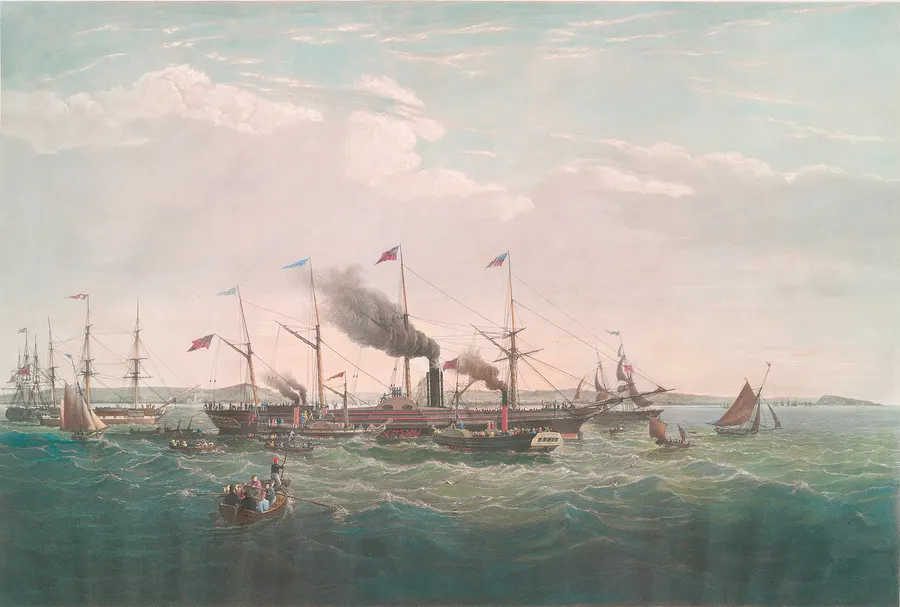
The Great Western leaves Bristol on her maiden voyage, painted by Joseph Walter.The Great Western leaves Bristol on her maiden voyage, painted by Joseph Walter.Image: Joseph Walter · Public domain
science · Europe

Brunel’s Great Western steams for New York

Isambard Kingdom Brunel’s paddle steamer Great Western left Bristol on 8 April 1838 on her first voyage to New York. She arrived 15 days later, about half the time a sailing ship usually took. Built of wood and powered by steam, she proved that a ship could carry enough coal to cross the Atlantic, and became the first steamship to run a regular transatlantic service.

Source: Encyclopaedia Britannica: Great Western (ship) ↗
V
THE TWENTIETH CENTURY

The 1900s

War and peace, technological leaps, social change, politics, sport and popular culture.

1904
A Punch cartoon of about 1904 by Bernard Partridge: John Bull walks off arm in arm with France, while a German officer pretends not to care.A Punch cartoon of about 1904 by Bernard Partridge: John Bull walks off arm in arm with France, while a German officer pretends not to care.Image: John Bernard Partridge · Public domain
politics · Europe

Britain and France sign the Entente Cordiale

On 8 April 1904 the British foreign secretary, Lord Lansdowne, and the French ambassador, Paul Cambon, signed a set of agreements in London settling long-running colonial quarrels. France stopped opposing British rule in Egypt, and Britain accepted France’s claims in Morocco. It was not an alliance, and neither side promised to fight for the other. But after centuries of rivalry the ‘cordial understanding’ brought the two countries together, and ten years later they went to war side by side.

Source: Encyclopaedia Britannica: Entente Cordiale ↗
1911
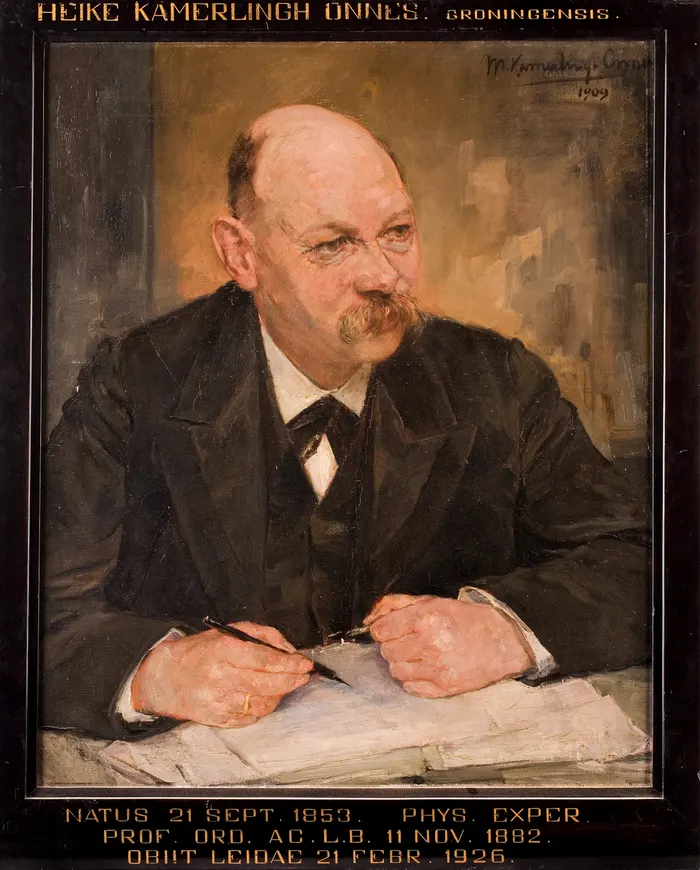
Heike Kamerlingh Onnes, professor of physics at Leiden.Heike Kamerlingh Onnes, professor of physics at Leiden.Image: Menso Kamerlingh Onnes (Leiden University Library) · CC BY 4.0
science · Europe

Superconductivity is discovered

In his laboratory at Leiden University, Heike Kamerlingh Onnes and his team cooled mercury with liquid helium to about 3 degrees above absolute zero. His notebook for 8 April 1911 records that its electrical resistance had dropped to practically nothing. They had found superconductivity, in which some materials carry current with no loss at all when cold enough. Onnes won the Nobel Prize in 1913; today superconducting magnets run MRI scanners and particle accelerators.

Source: Engineering and Technology History Wiki (IEEE): Milestone, discovery of superconductivity, 1911 ↗
1929
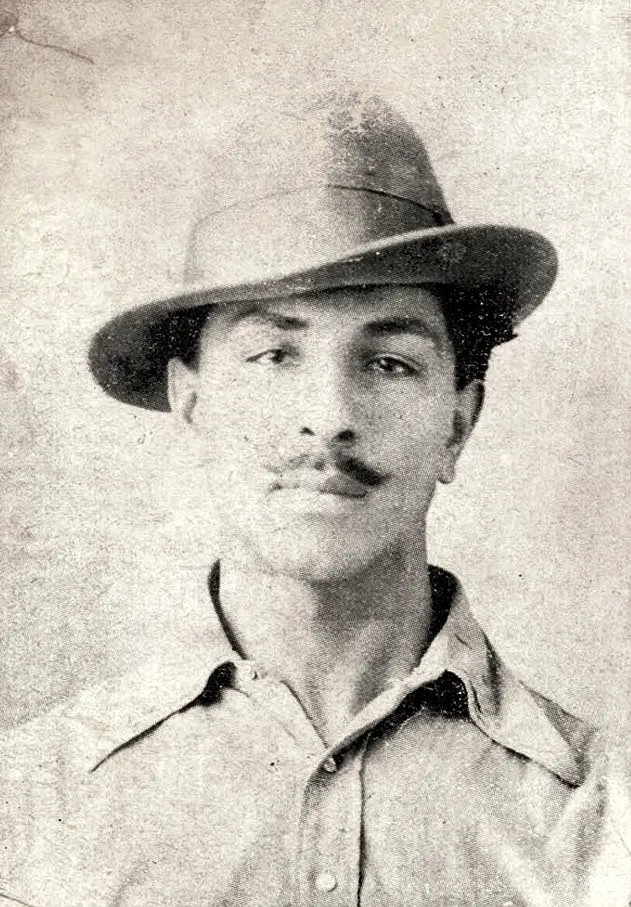
Bhagat Singh, from a 1930 poster about the Lahore conspiracy case.Bhagat Singh, from a 1930 poster about the Lahore conspiracy case.Image: Unknown author · Public domain
politics · Asia

Bhagat Singh’s bombs in the Delhi Assembly

On 8 April 1929 the young revolutionaries Bhagat Singh and Batukeshwar Dutt threw two small bombs into the Central Legislative Assembly in Delhi, protesting against two repressive bills. The bombs were meant to make a noise, not to kill, and no one died. The pair shouted slogans, scattered leaflets and waited to be arrested. Bhagat Singh was later hanged, aged 23, for the killing of a British police officer, and became one of the best-remembered heroes of India’s independence struggle.

Source: Encyclopaedia Britannica: Bhagat Singh ↗
1946
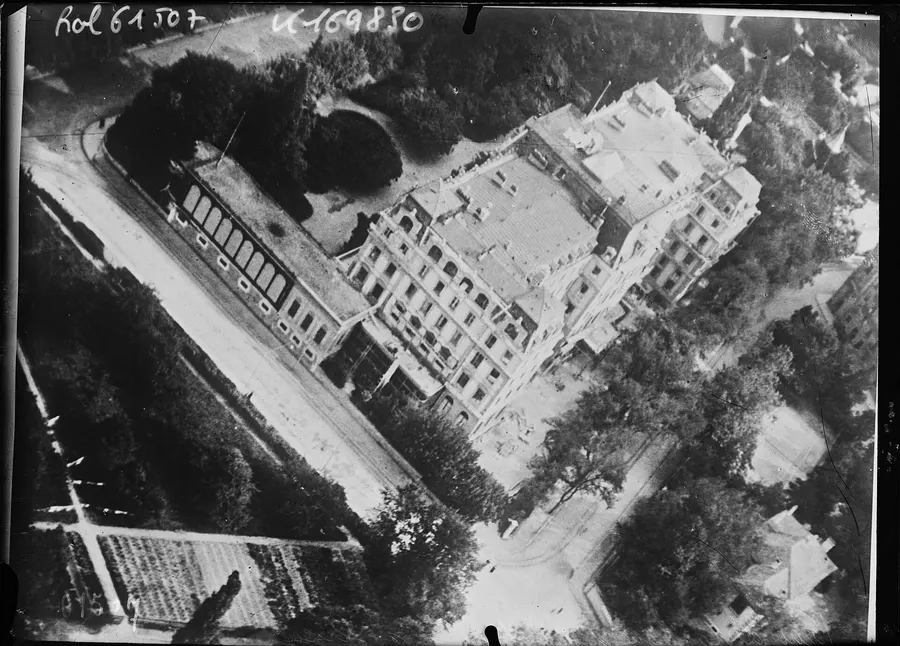
The League of Nations' Palais des Nations in Geneva, seen from the air in the League's years.The League of Nations’ Palais des Nations in Geneva, seen from the air in the League’s years.Image: Agence Rol · Public domain
politics · Global

The League of Nations meets for the last time

On 8 April 1946 delegates from the League of Nations’ 35 remaining member states gathered in Geneva for its final Assembly. Set up after the First World War to keep the peace, the League had failed to stop the Second. Over ten days the Assembly handed its work, buildings and library to the new United Nations. The League formally ceased to exist the next day, apart from winding up its affairs, and its Geneva palace became the UN’s European home.

Source: United Nations Geneva: From the League of Nations to the United Nations ↗
1952
politics · Americas

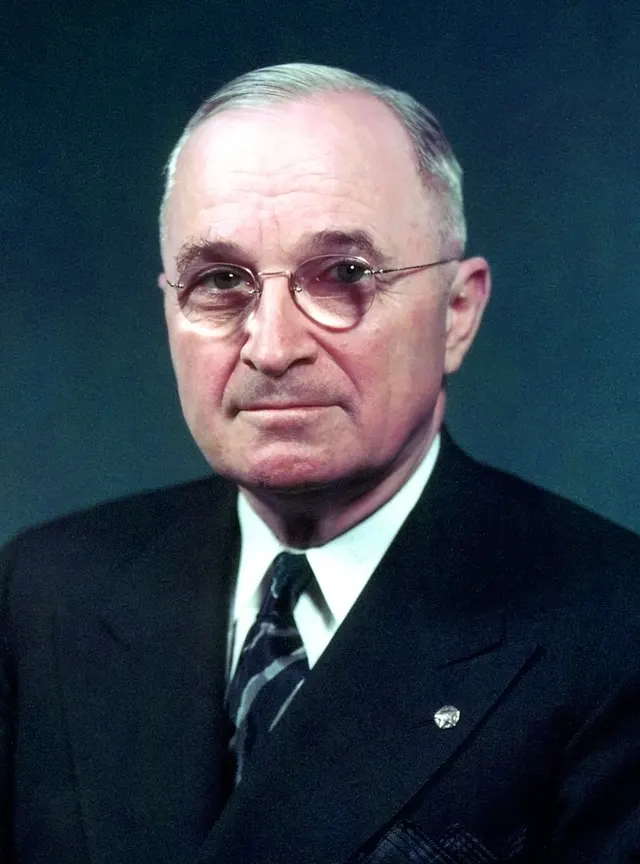
Truman seizes the steel mills

With a nationwide steel strike due to start at midnight and the Korean War under way, President Harry Truman ordered his Commerce Secretary to take over most of America’s steel mills. The owners went to court, and in June the Supreme Court ruled 6 to 3 that the president had no such power, a landmark limit on the office.

Source: Harry S. Truman Library: Executive Order 10340 ↗
1953
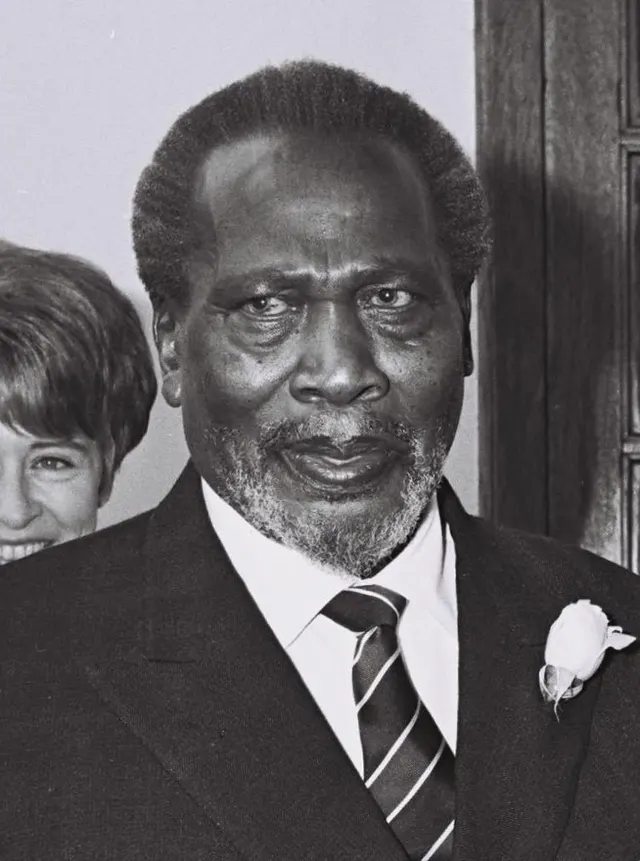
Jomo Kenyatta as president of Kenya, 1966.Jomo Kenyatta as president of Kenya, 1966.Image: Pridan Moshe · Public domain
politics · Africa

Jomo Kenyatta is convicted at Kapenguria

After a trial in a remote schoolhouse in north-west Kenya, Jomo Kenyatta and five other nationalist leaders were found guilty of running the Mau Mau rebellion, which Kenyatta always denied, and each sentenced to seven years’ hard labour. Released in 1961, he led Kenya to independence and became its first president.

Source: Oxford University Press blog: Kenya’s Jomo Kenyatta sentenced to hard labour ↗
1959
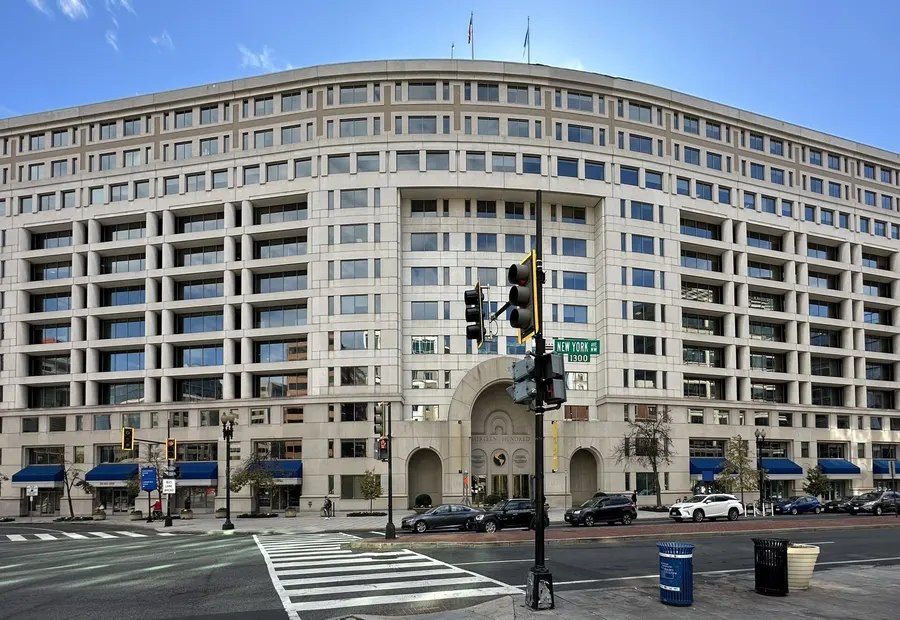
The Inter-American Development Bank's headquarters in Washington, built in 1984.The Inter-American Development Bank’s headquarters in Washington, built in 1984.Image: APK · CC BY 4.0
world · Americas

The Inter-American Development Bank is created

Meeting in Washington, the countries of the Americas adopted the agreement setting up the Inter-American Development Bank, the first regional development bank of its kind, pressed for by Brazil’s president Juscelino Kubitschek. It opened for business in 1960 and now lends billions each year for projects across Latin America and the Caribbean.

Source: Organization of American States: Agreement establishing the Inter-American Development Bank ↗
1960
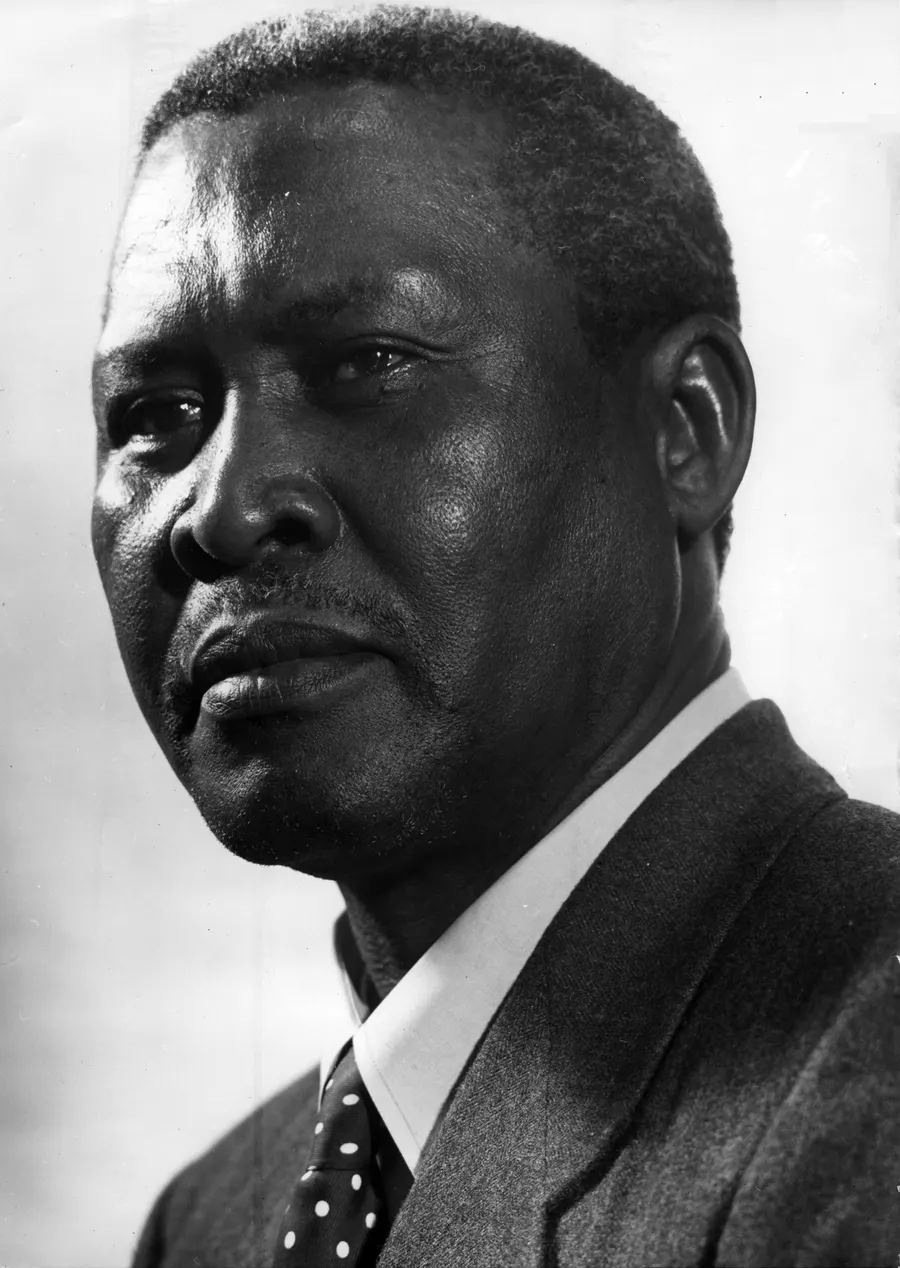
Albert Luthuli, president-general of the African National Congress from 1952 until his death in 1967.Albert Luthuli, president-general of the African National Congress from 1952 until his death in 1967.Image: Eli Weisberg · Public domain
world · Africa

South Africa bans the ANC and the PAC

Two weeks after police killed 69 protesters at Sharpeville, the apartheid government outlawed the African National Congress and the Pan Africanist Congress on 8 April 1960, using a law rushed through parliament. Driven underground, the movements turned to armed struggle: the ANC’s armed wing began a sabotage campaign in December 1961. The bans were lifted only in February 1990, days before Nelson Mandela walked free.

Source: South African History Online: The strangulation of activity ↗
1974
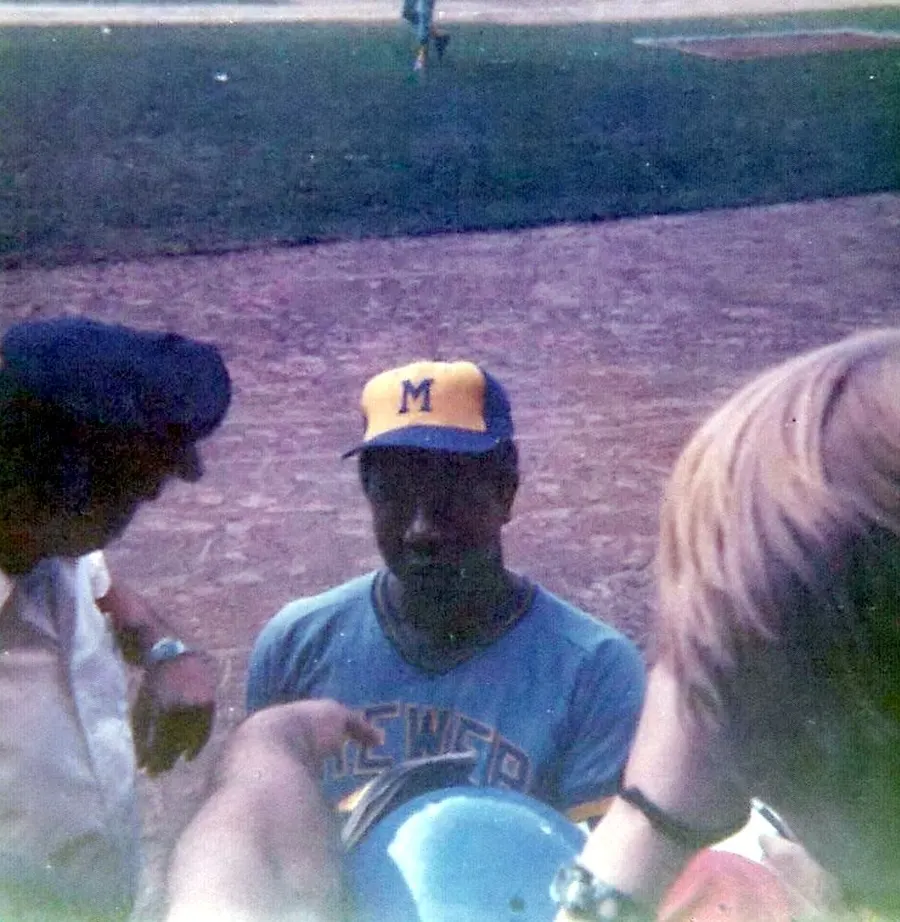
Hank Aaron signing autographs at Tiger Stadium, Detroit, in 1975.Hank Aaron signing autographs at Tiger Stadium, Detroit, in 1975.Image: Xnatedawgx · CC BY-SA 3.0
sport · Americas

Hank Aaron hits home run 715

In the fourth inning at Atlanta on 8 April 1974, Hank Aaron of the Braves hit a pitch from the Dodgers’ Al Downing over the left-field fence for his 715th home run, breaking Babe Ruth’s record, which had stood since 1935. Aaron, a Black player from Alabama, had received hate mail and threats as he closed in on Ruth. He retired with 755 home runs, a record that lasted until 2007.

Source: National Baseball Hall of Fame: Henry Aaron hits home run number 715 ↗
1990
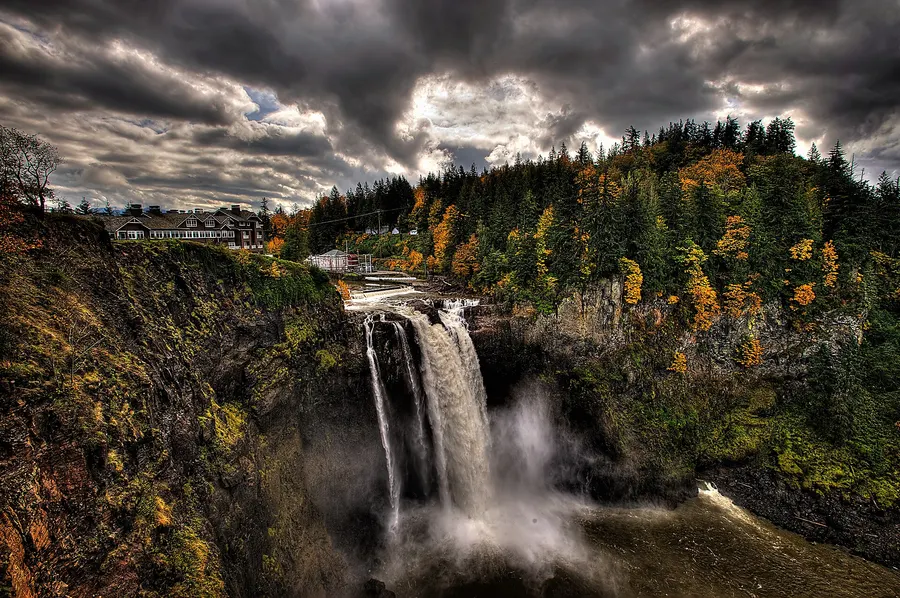
Snoqualmie Falls in Washington State, seen in the opening titles of Twin Peaks.Snoqualmie Falls in Washington State, seen in the opening titles of Twin Peaks.Image: hairyegg · CC BY-SA 2.0
culture · Americas

Twin Peaks arrives on television

The two-hour pilot of Twin Peaks, created by David Lynch and Mark Frost, was shown on the American network ABC on 8 April 1990. More than 34 million people watched FBI agent Dale Cooper arrive to investigate the murder of the schoolgirl Laura Palmer. Its dreamlike mix of soap opera, crime and the uncanny made it a sensation and changed ideas of what television drama could be.

Source: Encyclopaedia Britannica: Twin Peaks ↗
VI
2000 TO TODAY

Modern Day

The events of recent decades that have already become part of the historical record.

2005
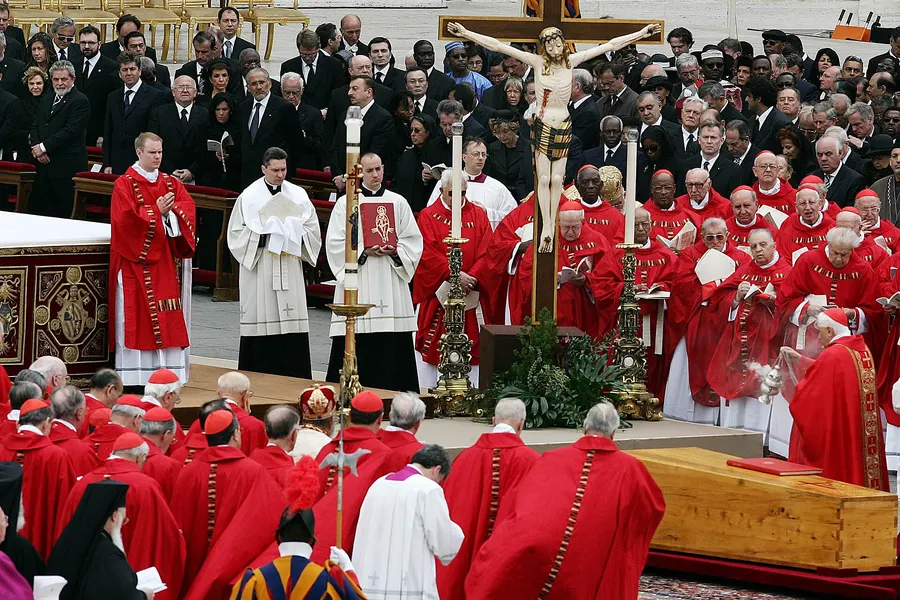
Cardinals around the coffin of John Paul II in St Peter's Square, 8 April 2005.Cardinals around the coffin of John Paul II in St Peter’s Square, 8 April 2005.Image: Ricardo Stuckert/PR · CC BY 3.0 br
culture · Europe

The funeral of Pope John Paul II

Kings, presidents and religious leaders joined a vast crowd in St Peter’s Square for the funeral of John Paul II, the Polish pope who had died six days earlier after more than 26 years in office. Cardinal Joseph Ratzinger, soon to succeed him as Benedict XVI, preached, and the plain cypress coffin was buried beneath St Peter’s Basilica.

Source: The Holy See: Homily of Cardinal Joseph Ratzinger, funeral Mass of Pope John Paul II ↗
RESEARCH

Sources & Further Reading

Selected authoritative references supporting the events on this page.

Encyclopaedia Britannica: Great Western (ship)↗Royal Museums Greenwich: Logbook of the Great Western, 1838↗Encyclopaedia Britannica: Entente Cordiale↗UK Foreign, Commonwealth and Development Office, Treaty Series: Declaration between the United Kingdom and France, 1904↗Engineering and Technology History Wiki (IEEE): Milestone, discovery of superconductivity, 1911↗Physics Today (American Institute of Physics): The discovery of superconductivity↗Encyclopaedia Britannica: Bhagat Singh↗Government of India, Azadi Ka Amrit Mahotsav: Unsung heroes, Batukeshwar Dutt↗United Nations Geneva: From the League of Nations to the United Nations↗United Nations Library and Archives Geneva: The League of Nations Secretariat and the Second World War↗Harry S. Truman Library: Executive Order 10340↗Oyez: Youngstown Sheet and Tube Co. v. Sawyer↗Oxford University Press blog: Kenya’s Jomo Kenyatta sentenced to hard labour↗Wikipedia: Kapenguria Six↗Organization of American States: Agreement establishing the Inter-American Development Bank↗Inter-American Development Bank: History of the IDB↗South African History Online: The strangulation of activity↗Nelson Mandela Foundation, O’Malley Archives: Unlawful Organizations Act↗National Baseball Hall of Fame: Henry Aaron hits home run number 715↗Society for American Baseball Research: April 8, 1974, Hank Aaron hammers historic 715th home run↗Encyclopaedia Britannica: Twin Peaks↗The Paley Center for Media: Peaks TV↗The Holy See: Homily of Cardinal Joseph Ratzinger, funeral Mass of Pope John Paul II↗Encyclopaedia Britannica: Saint John Paul II, final years↗
WHY THESE MOMENTS?

Significance before volume

This page is not the longest possible list of events. It is a chronological journey through 8 April, where each entry is chosen for historical significance, human interest and reliability.

Facts are checked against authoritative museums, archives, universities and reference works. Where sources disagree, the page says so.

EXPLORED THE DEEPER STORY?

Return to the highlights of 8 April

Discover the lighter side of the date with famous birthdays, culture, firsts and lives remembered.

Explore This Day →
← PREVIOUS DAY7 April
HISTORY & TIMELINE8 April
NEXT DAY →9 April