
HISTORY & TIMELINE
9 April

A journey through
9 April in history

From the Mongol victory at Legnica in 1241 to the toppling of Saddam Hussein’s statue in Baghdad in 2003, 9 April has seen Henry V crowned, La Salle claim Louisiana for France, a Parisian inventor trace the oldest known recording of a human voice, Marian Anderson sing to 75,000 people and Bataan fall. This timeline follows the date across more than seven centuries.

II
THE MIDDLE AGES

Medieval History

Kingdoms, conflict, faith, power and the changing medieval world.

1241
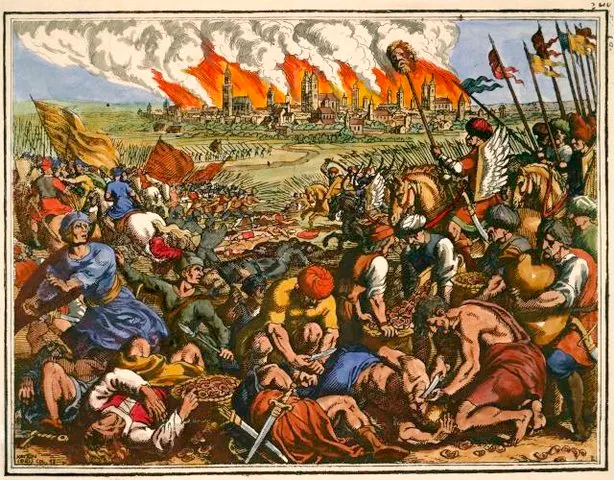
The Battle of Legnica, in a copper engraving by Matthäus Merian, 1630.The Battle of Legnica, in a copper engraving by Matthäus Merian, 1630.Image: Matthäus Merian · Public domain
world · Europe

The Mongols win at Legnica

A Mongol army raiding Poland crushed the forces of Duke Henry II the Pious of Silesia, which included German knights and members of the military orders, near Legnica. Henry was killed. The raid was meant to stop help reaching Hungary, where the main Mongol army won a great victory two days later. The date is by the Julian calendar.

Source: Encyclopaedia Britannica: Battle of Legnica ↗
1413
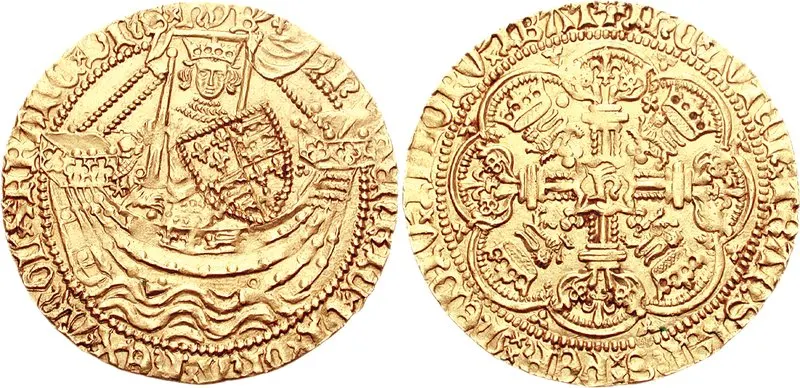
A gold noble coin of Henry V's reign, showing the king in a ship.A gold noble coin of Henry V’s reign, showing the king in a ship.Image: CNG · CC BY-SA 3.0
world · Europe

Henry V is crowned

Henry V was crowned King of England in Westminster Abbey, three weeks after the death of his father, Henry IV. Snow fell on the day, which some took as a bad omen. Two years later he won his famous victory at Agincourt. The date is by the Julian calendar.

Source: Westminster Abbey: Henry V and Catherine de Valois ↗
III
A CHANGING WORLD

Early Modern Era

Exploration, political change, scientific development and expanding global connections.

1682
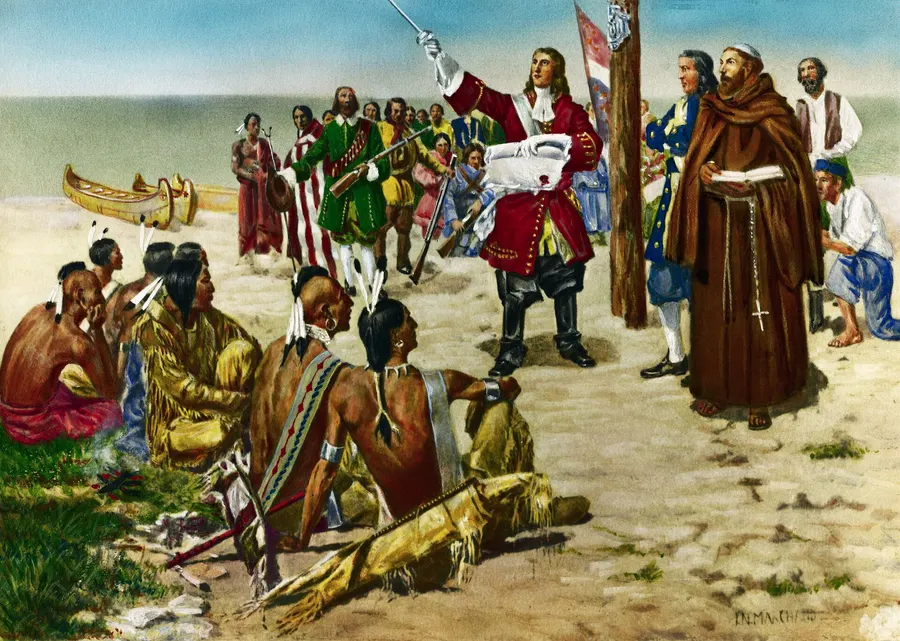
La Salle taking possession of Louisiana, as imagined by John Norval Marchand.La Salle taking possession of Louisiana, as imagined by John Norval Marchand.Image: John Norval Marchand · Public domain
world · Americas

La Salle claims Louisiana for France

Having paddled down the Mississippi with a party of about 40 French and Native American companions, René-Robert Cavelier, Sieur de La Salle, reached the river’s mouth on the Gulf of Mexico. There he set up a cross and a post and claimed the whole vast river basin for King Louis XIV, naming it Louisiana.

Source: 64 Parishes (Louisiana Endowment for the Humanities): La Salle expeditions ↗
IV
THE NINETEENTH CENTURY

The 1800s

Industry, empire, invention, reform and a century of enormous transformation.

1860
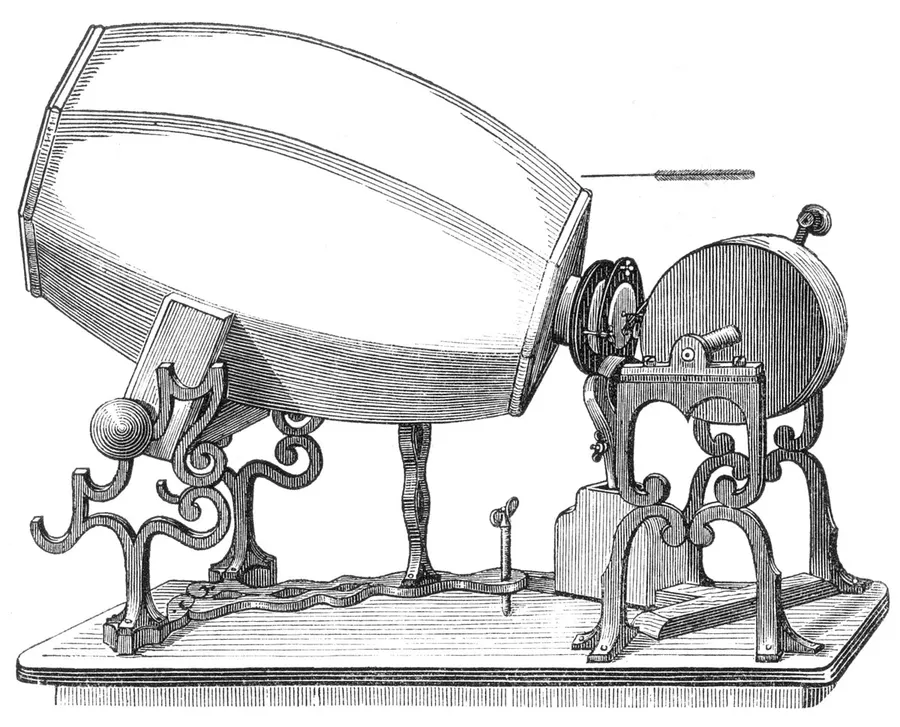
Scott de Martinville's phonautograph, in his own drawing of the 1859 model.Scott de Martinville’s phonautograph, in his own drawing of the 1859 model.Image: Édouard-Léon Scott de Martinville (1817–1879) · Public domain
science · Europe

The oldest known recording of a human voice

On 9 April 1860 the Parisian inventor Édouard-Léon Scott de Martinville recorded someone singing ‘Au clair de la lune’ with his phonautograph, which traced sound waves as a wavy line on soot-blackened paper. His machine could record but never play back. Almost 150 years later, in 2008, researchers scanned his paper and turned the line back into sound: the oldest recognisable recording of a human voice, made 17 years before Edison’s phonograph.

Source: First Sounds: The phonautograms of Édouard-Léon Scott de Martinville ↗
1865
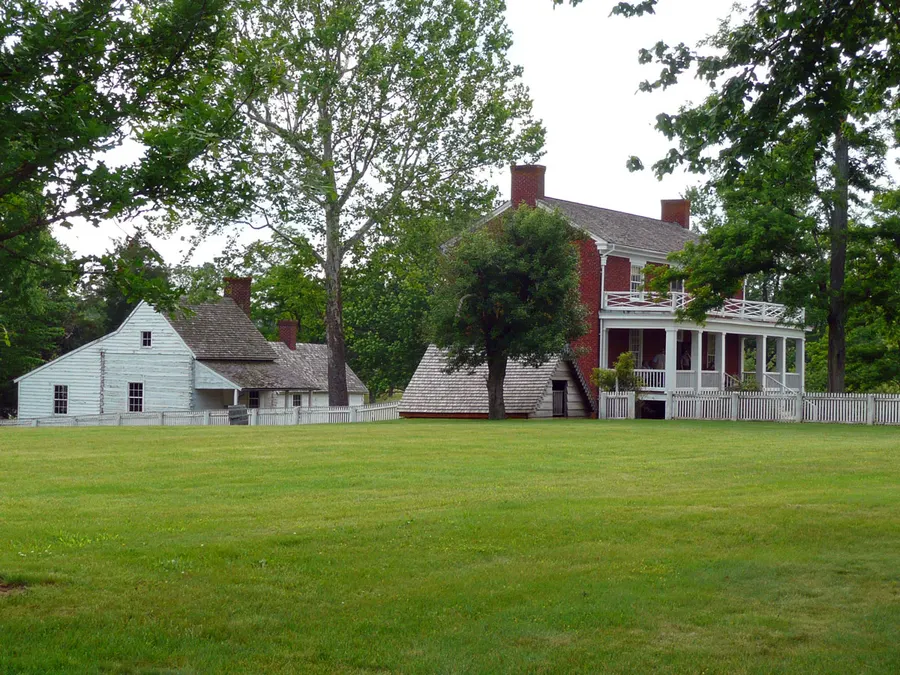
The McLean House at Appomattox Court House, Virginia, where Lee surrendered, as rebuilt by the National Park Service.The McLean House at Appomattox Court House, Virginia, where Lee surrendered, as rebuilt by the National Park Service.Image: Hal Jespersen at en.wikipedia · Public domain
world · Americas

Lee surrenders at Appomattox

Hemmed in by Union forces, General Robert E. Lee surrendered the Confederate Army of Northern Virginia to General Ulysses S. Grant in the parlour of Wilmer McLean’s house at Appomattox Court House, Virginia, on 9 April 1865. Grant’s terms were generous: Lee’s men could go home, officers kept their side arms, and Grant sent rations to the hungry Confederates. Other Southern armies soon gave up, and the Civil War, which had cost more than 600,000 lives, was effectively over.

Source: US National Park Service, Appomattox Court House: The surrender ↗
1867
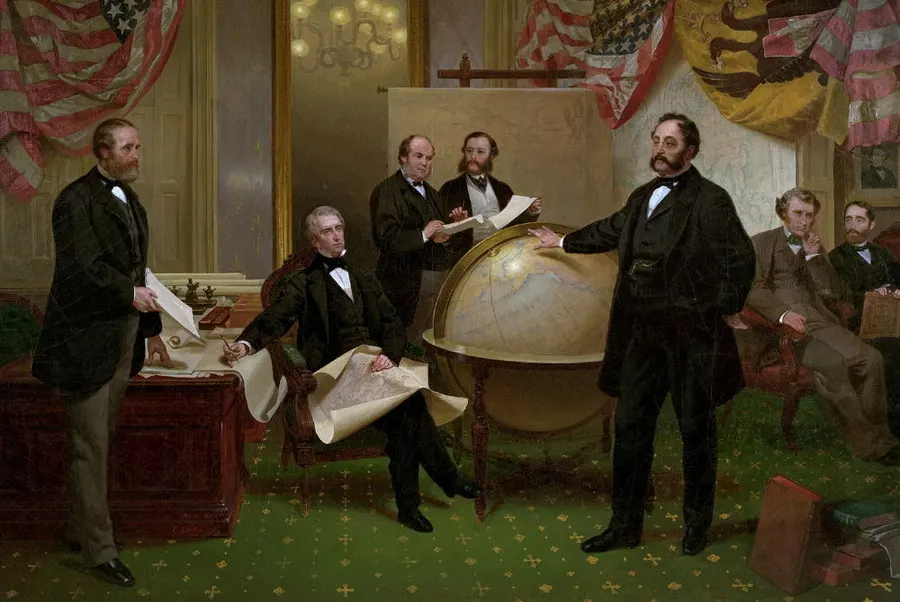
The signing of the Alaska treaty in March 1867, as painted by Emanuel Leutze.The signing of the Alaska treaty in March 1867, as painted by Emanuel Leutze.Image: Emanuel Leutze · Public domain
politics · Americas

The Senate approves the Alaska purchase

By 37 votes to 2 the US Senate approved the treaty buying Alaska from Russia for 7.2 million dollars, about two cents an acre, for a territory twice the size of Texas. Critics mocked it as ‘Seward’s Folly’, after the Secretary of State who arranged it; gold and oil later proved them wrong.

Source: US Department of State, Office of the Historian: Purchase of Alaska, 1867 ↗
V
THE TWENTIETH CENTURY

The 1900s

War and peace, technological leaps, social change, politics, sport and popular culture.

1938
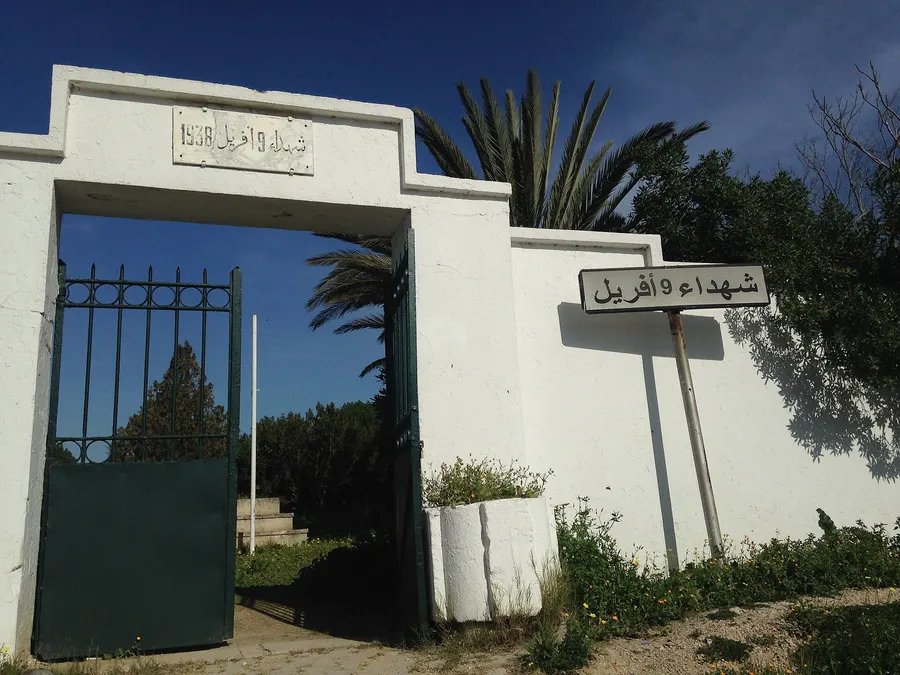
The memorial to the martyrs of 9 April 1938 in Tunis, 2017.The memorial to the martyrs of 9 April 1938 in Tunis, 2017.Image: Yamen · CC BY-SA 4.0
world · Africa

Protesters are killed in Tunis

Thousands of people marched in Tunis to demand a Tunisian parliament from the French protectorate. French forces opened fire and more than 20 people were killed. The Neo-Destour party was banned and its leader Habib Bourguiba arrested. Tunisia keeps 9 April as Martyrs’ Day; it won independence in 1956.

Source: Encyclopaedia Britannica: Tunisia, the protectorate 1881 to 1956 ↗
1939
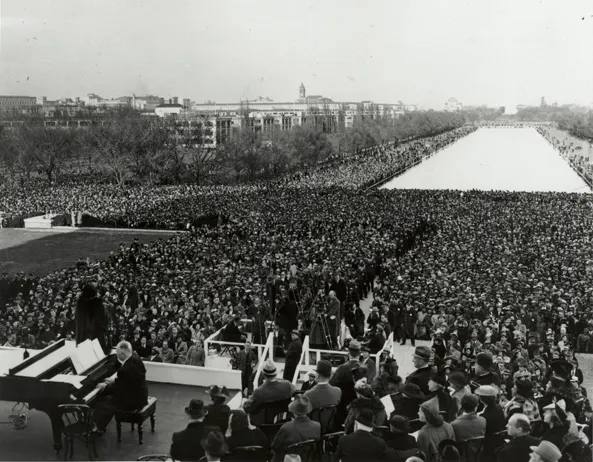
Marian Anderson sings at the Lincoln Memorial on 9 April 1939, with her accompanist Kosti Vehanen at the piano.Marian Anderson sings at the Lincoln Memorial on 9 April 1939, with her accompanist Kosti Vehanen at the piano.Image: U.S. Information Agency · Public domain
culture · Americas

Marian Anderson sings at the Lincoln Memorial

Barred from Washington’s Constitution Hall because she was Black, the contralto Marian Anderson sang instead on the steps of the Lincoln Memorial on Easter Sunday, 9 April 1939, in a concert arranged with the help of Eleanor Roosevelt. About 75,000 people stood in the open air to hear her, and millions more listened on the radio. She opened with ‘America’, and the concert became a landmark of the civil rights movement.

Source: US National Archives: Marian Anderson and the Easter Sunday concert, April 9, 1939 ↗
1940
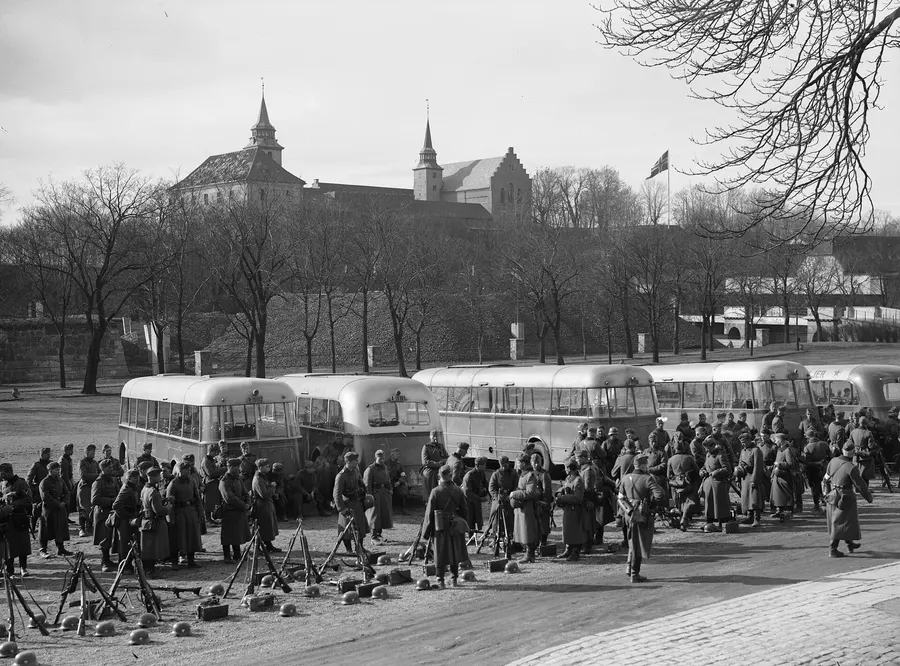
German troops at Akershus fortress in Oslo on 9 April 1940, the first day of the invasion.German troops at Akershus fortress in Oslo on 9 April 1940, the first day of the invasion.Image: Henriksen & Steen / National Library of Norway · CC BY-SA 4.0
world · Europe

Germany invades Denmark and Norway

Before dawn on 9 April 1940 German forces struck neutral Denmark and Norway by land, sea and air. Denmark, overrun within hours, gave in the same day. In Norway German troops seized Oslo and the main ports from the south to Narvik. Germany wanted naval bases facing the Atlantic and a safe route for Swedish iron ore. Norway fought on with British and French help for two months, while its king and government escaped to London.

Source: United States Holocaust Memorial Museum: German invasion of Denmark and Norway, 1940 ↗
1942
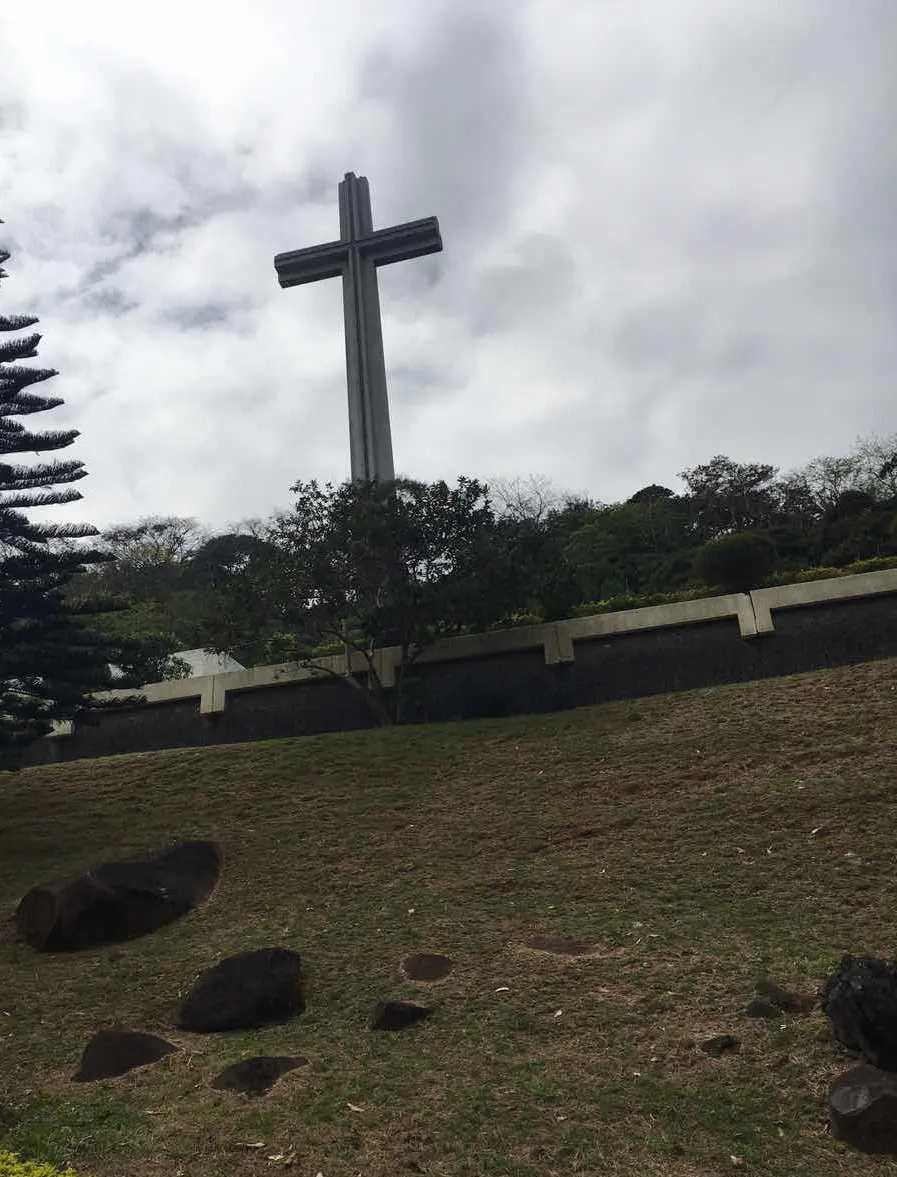
The memorial cross of the Mount Samat National Shrine in Bataan, 2017.The memorial cross of the Mount Samat National Shrine in Bataan, 2017.Image: LMP 2001 · CC BY-SA 4.0
world · Asia

Bataan falls

After more than three months of siege, the starving and sick Filipino and American defenders of the Bataan peninsula surrendered to the Japanese. About 75,000 prisoners were then forced to march more than 65 miles to prison camps in the Bataan Death March, on which thousands died.

Source: Official Gazette of the Republic of the Philippines: The fall of Bataan ↗
1945
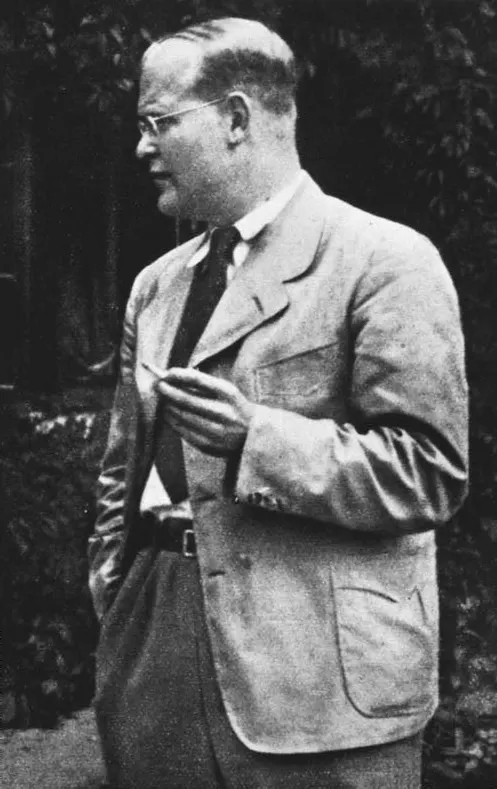
Dietrich Bonhoeffer, from the German Federal Archives.Dietrich Bonhoeffer, from the German Federal Archives.Image: Unknown authorUnknown author · CC BY-SA 3.0 de
world · Europe

Dietrich Bonhoeffer is executed

The German pastor and theologian Dietrich Bonhoeffer, who had worked with the plotters against Hitler, was hanged by the SS at Flossenbürg concentration camp, a month before the war in Europe ended. Hitler had ordered the remaining conspirators killed. His writings from prison made him one of the most read Christian thinkers of the century.

Source: Flossenbürg Concentration Camp Memorial: Dietrich Bonhoeffer ↗
1948
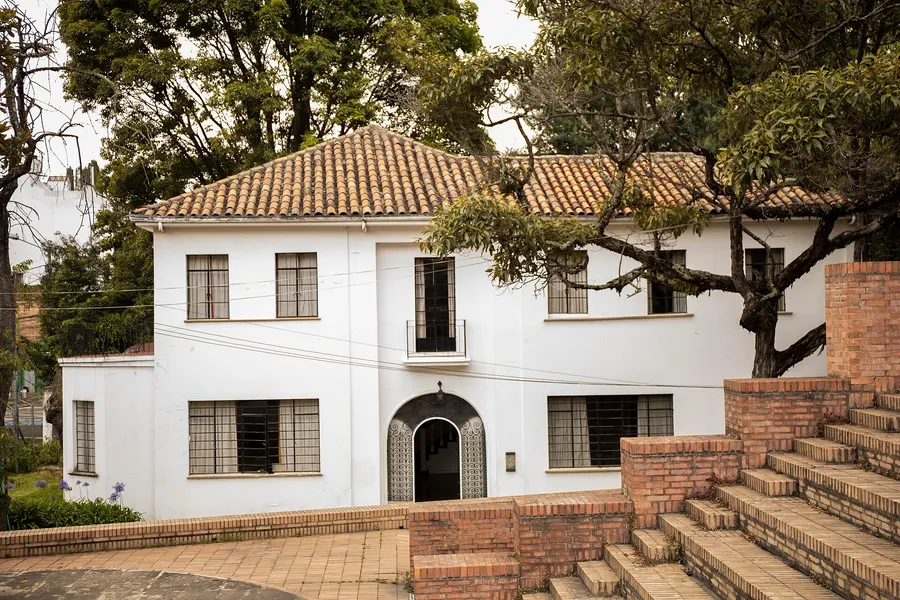
The house in Bogotá where Jorge Eliécer Gaitán lived, now a museum, 2022.The house in Bogotá where Jorge Eliécer Gaitán lived, now a museum, 2022.Image: C.hernandezprada · CC BY-SA 4.0
politics · Americas

Gaitán’s murder and the Bogotazo

Jorge Eliécer Gaitán, the Liberal leader many Colombians expected to be their next president, was shot in a Bogotá street around midday on 9 April 1948. An angry crowd killed the gunman on the spot. Riots swept the capital, leaving much of the centre burned, while delegates to an inter-American conference sheltered in the city. The Bogotazo deepened the years of political bloodshed known as La Violencia.

Source: Encyclopaedia Britannica: Jorge Eliécer Gaitán ↗
1959
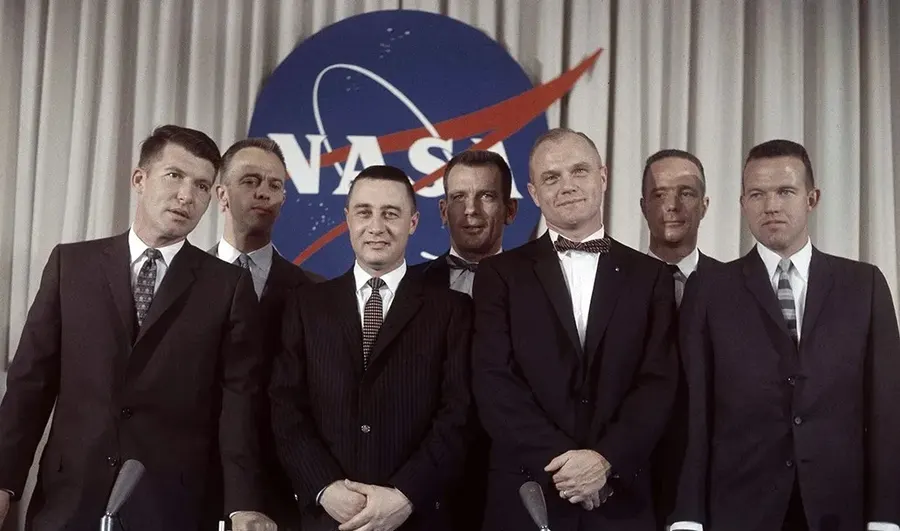
The Mercury Seven at their first public appearance, 9 April 1959.The Mercury Seven at their first public appearance, 9 April 1959.Image: NASA · Public domain
science · Americas

NASA introduces the Mercury Seven

At a press conference in Washington on 9 April 1959, NASA presented the seven military test pilots chosen to be America’s first astronauts: Scott Carpenter, Gordon Cooper, John Glenn, Gus Grissom, Wally Schirra, Alan Shepard and Deke Slayton. They became instant national heroes. Shepard became the first American in space in 1961, and Glenn the first to orbit the Earth in 1962.

Source: NASA: 60 years ago, NASA introduces the Mercury 7 astronauts ↗
1991
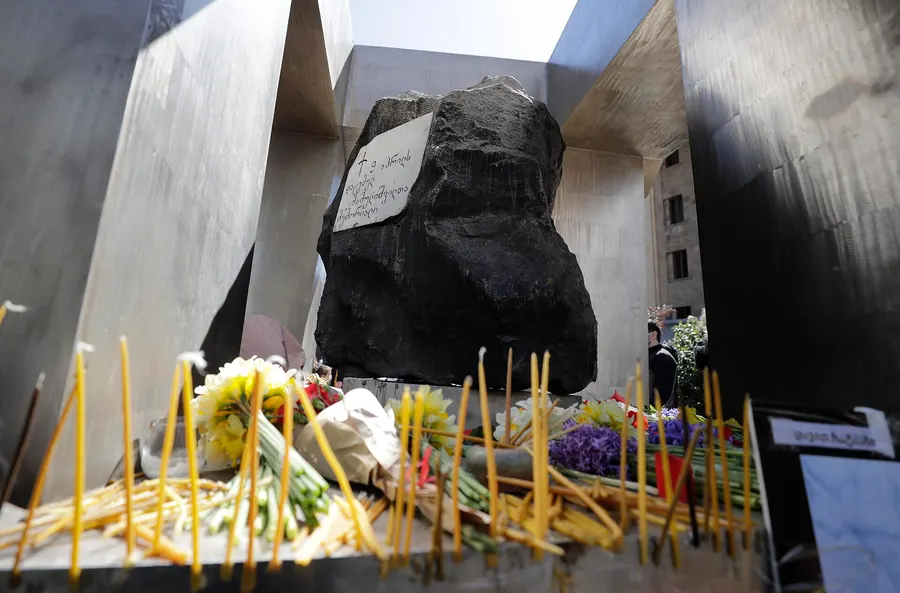
The 9 April Memorial in Tbilisi, dedicated to the protesters killed by Soviet troops in 1989.The 9 April Memorial in Tbilisi, dedicated to the protesters killed by Soviet troops in 1989.Image: Giorgi Abdaladze · CC BY-SA 4.0
world · Asia

Georgia declares its independence

On 9 April 1991 Georgia’s Supreme Council adopted an act restoring the country’s independence from the Soviet Union, after a referendum on 31 March had backed it overwhelmingly. The date was chosen deliberately: two years earlier, on 9 April 1989, Soviet troops had broken up a peaceful rally in Tbilisi, killing protesters. The act looked back to Georgia’s first independence in 1918. The Soviet Union itself broke up at the end of 1991.

Source: National Archives of Georgia: Restoration of the independence of Georgia ↗
VI
2000 TO TODAY

Modern Day

The events of recent decades that have already become part of the historical record.

2003
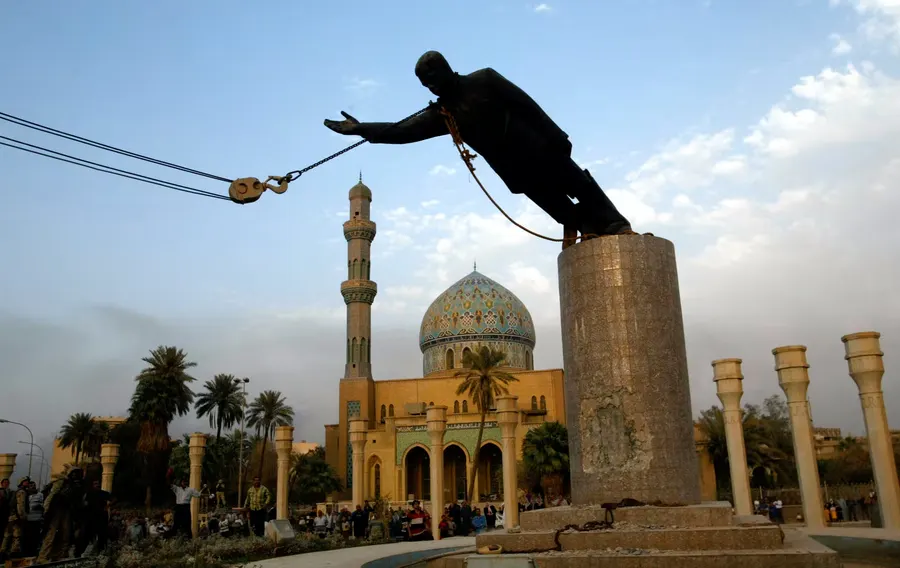
The statue of Saddam Hussein is pulled down in Firdos Square, Baghdad, 9 April 2003.The statue of Saddam Hussein is pulled down in Firdos Square, Baghdad, 9 April 2003.Image: Unknown U.S. military or Department of Defense employee · Public domain
world · Middle East

Saddam Hussein’s statue falls in Baghdad

Three weeks after the US-led invasion of Iraq began, American troops reached central Baghdad and Saddam Hussein’s rule collapsed. In Firdos Square, Iraqis attacked a large statue of the dictator, and US marines pulled it down with an armoured vehicle. Saddam went into hiding and was captured in December.

Source: Encyclopaedia Britannica: Iraq War ↗
RESEARCH

Sources & Further Reading

Selected authoritative references supporting the events on this page.

Encyclopaedia Britannica: Battle of Legnica↗World History Encyclopedia: The Mongol invasion of Europe↗Westminster Abbey: Henry V and Catherine de Valois↗Westminster Abbey: Coronation stories↗64 Parishes (Louisiana Endowment for the Humanities): La Salle expeditions↗Library of Congress: La Salle taking possession of Louisiana, April 9, 1682↗First Sounds: The phonautograms of Édouard-Léon Scott de Martinville↗Wikipedia: Phonautograph↗US National Park Service, Appomattox Court House: The surrender↗American Battlefield Trust: Appomattox Court House↗US Department of State, Office of the Historian: Purchase of Alaska, 1867↗United States Senate: Charles Sumner and the purchase of Alaska↗Encyclopaedia Britannica: Tunisia, the protectorate 1881 to 1956↗Inkyfada: Beyond the dates, April 9, 1938↗US National Archives: Marian Anderson and the Easter Sunday concert, April 9, 1939↗Smithsonian Music: Marian Anderson and the concert at the Lincoln Memorial↗United States Holocaust Memorial Museum: German invasion of Denmark and Norway, 1940↗Imperial War Museums: How neutral Norway fell to the German Blitzkrieg in 1940↗Official Gazette of the Republic of the Philippines: The fall of Bataan↗The National WWII Museum: Battle of Bataan and the Death March↗Flossenbürg Concentration Camp Memorial: Dietrich Bonhoeffer↗United States Holocaust Memorial Museum: Dietrich Bonhoeffer↗Encyclopaedia Britannica: Jorge Eliécer Gaitán↗CIA Center for the Study of Intelligence: The Bogotazo (declassified article)↗NASA: 60 years ago, NASA introduces the Mercury 7 astronauts↗Smithsonian National Air and Space Museum: Mercury Seven astronauts at NASA press conference in 1959↗National Archives of Georgia: Restoration of the independence of Georgia↗Legislative Herald of Georgia: Act of Restoration of State Independence of Georgia↗Encyclopaedia Britannica: Iraq War↗Wikipedia: Destruction of the Saddam Hussein statue in Firdos Square↗
WHY THESE MOMENTS?

Significance before volume

This page is not the longest possible list of events. It is a chronological journey through 9 April, where each entry is chosen for historical significance, human interest and reliability.

Facts are checked against authoritative museums, archives, universities and reference works. Where sources disagree, the page says so.

EXPLORED THE DEEPER STORY?

Return to the highlights of 9 April

Discover the lighter side of the date with famous birthdays, culture, firsts and lives remembered.

Explore This Day →
← PREVIOUS DAY8 April
HISTORY & TIMELINE9 April
NEXT DAY →10 April