
HISTORY & TIMELINE
10 April

A journey through
10 April in history

From King James’s charter for Virginia in 1606 to the first picture of a black hole in 2019, 10 April has seen the world’s first copyright law come into force, a safety pin patented, an Austrian archduke accept the crown of Mexico, Japanese women vote for the first time and Paul McCartney leave the Beatles. This timeline follows the date across four centuries.

III
A CHANGING WORLD

Early Modern Era

Exploration, political change, scientific development and expanding global connections.

1606
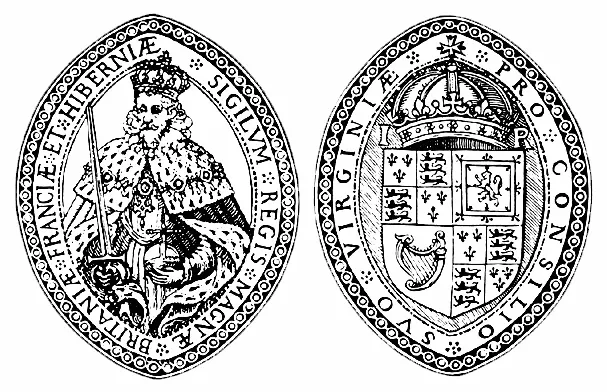
The seal of the Virginia Company of London.The seal of the Virginia Company of London.Image: Virginia Company of London · Public domain
world · Americas

King James charters the Virginia Company

James I granted a charter to two groups of merchants, from London and Plymouth, allowing them to plant colonies on the coast of North America. The London group sent out the ships that founded Jamestown in 1607, the first lasting English settlement in America, on land that belonged to the Powhatan people. The date is by the Julian calendar.

Source: The Avalon Project, Yale Law School: The First Charter of Virginia, 1606 ↗
1710
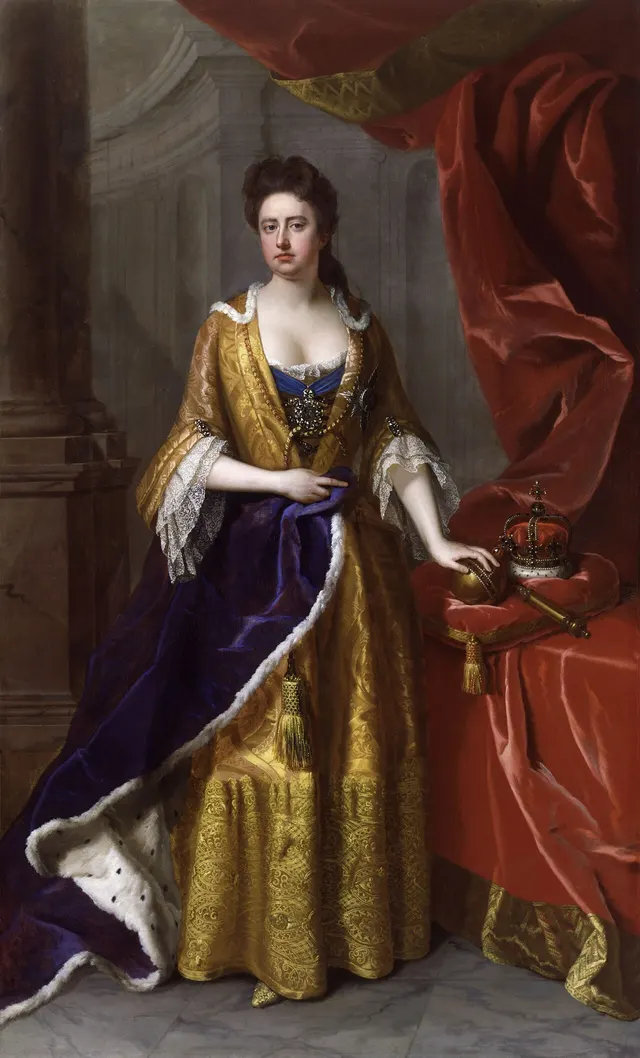
Queen Anne, painted by Michael Dahl.Queen Anne, painted by Michael Dahl.Image: Michael Dahl · Public domain
world · Europe

The first copyright law takes effect

The Statute of Anne, ‘an Act for the Encouragement of Learning’, came into force in Great Britain. For the first time the law gave authors, not printers, the right to control the copying of their books, for 14 years with a possible 14 more. It became the model for copyright laws around the world. The date is by the Julian calendar.

Source: US Copyright Office: Copyright timeline, 18th century ↗
IV
THE NINETEENTH CENTURY

The 1800s

Industry, empire, invention, reform and a century of enormous transformation.

1815
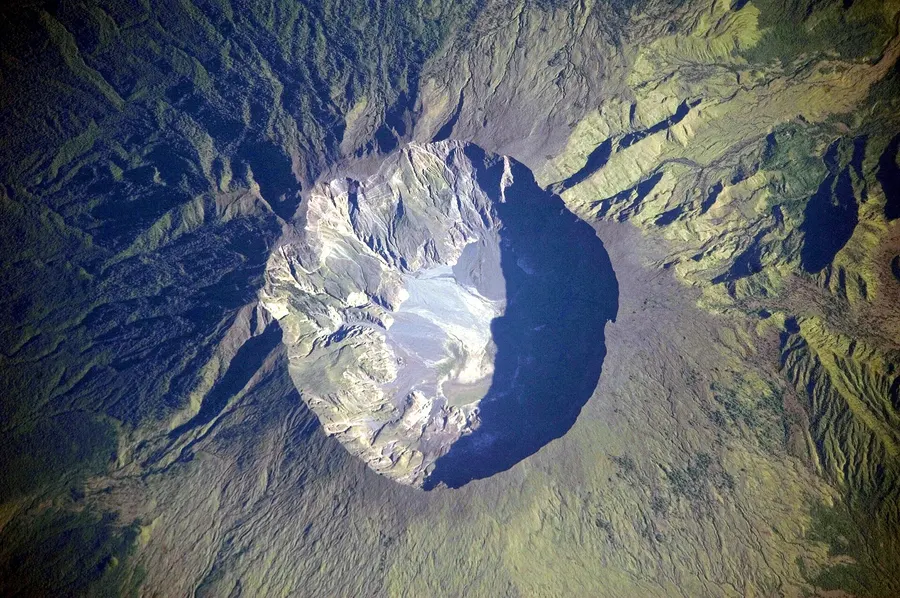
The 6-kilometre-wide crater of Mount Tambora on Sumbawa, Indonesia, photographed from the International Space Station in 2009.The 6-kilometre-wide crater of Mount Tambora on Sumbawa, Indonesia, photographed from the International Space Station in 2009.Image: NASA, Expedition 20 crew · Public domain
world · Asia

Mount Tambora explodes

Mount Tambora, on the Indonesian island of Sumbawa, had begun to erupt on 5 April 1815. On the evening of 10 April it blew itself apart in the largest eruption in recorded history, throwing ash more than 40 kilometres into the sky and leaving a crater 6 kilometres wide. At least 10,000 islanders were killed outright, and many more died of hunger and disease afterwards. The ash in the upper atmosphere cooled the whole planet: 1816 became the ‘Year Without a Summer’, with crops failing across Europe and North America.

Source: Smithsonian Institution, Global Volcanism Program: Tambora ↗
1849
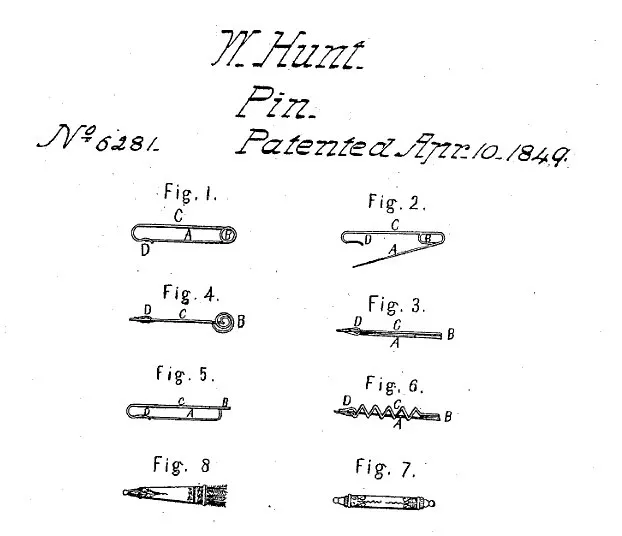
The drawing from Walter Hunt's safety pin patent, No. 6,281, dated 10 April 1849.The drawing from Walter Hunt’s safety pin patent, No. 6,281, dated 10 April 1849.Image: U.S. Patent Office - inventor Walter Hunt · Public domain
science · Americas

The safety pin is patented

The New York mechanic Walter Hunt received US patent number 6,281 on 10 April 1849 for a pin made from one piece of wire, with a coiled spring at one end and a clasp that covered the point at the other. The story goes that he twisted it into shape in a few hours to pay off a small debt, then sold the rights for 400 dollars. The design has hardly changed since.

Source: National Inventors Hall of Fame: Walter Hunt ↗
1864
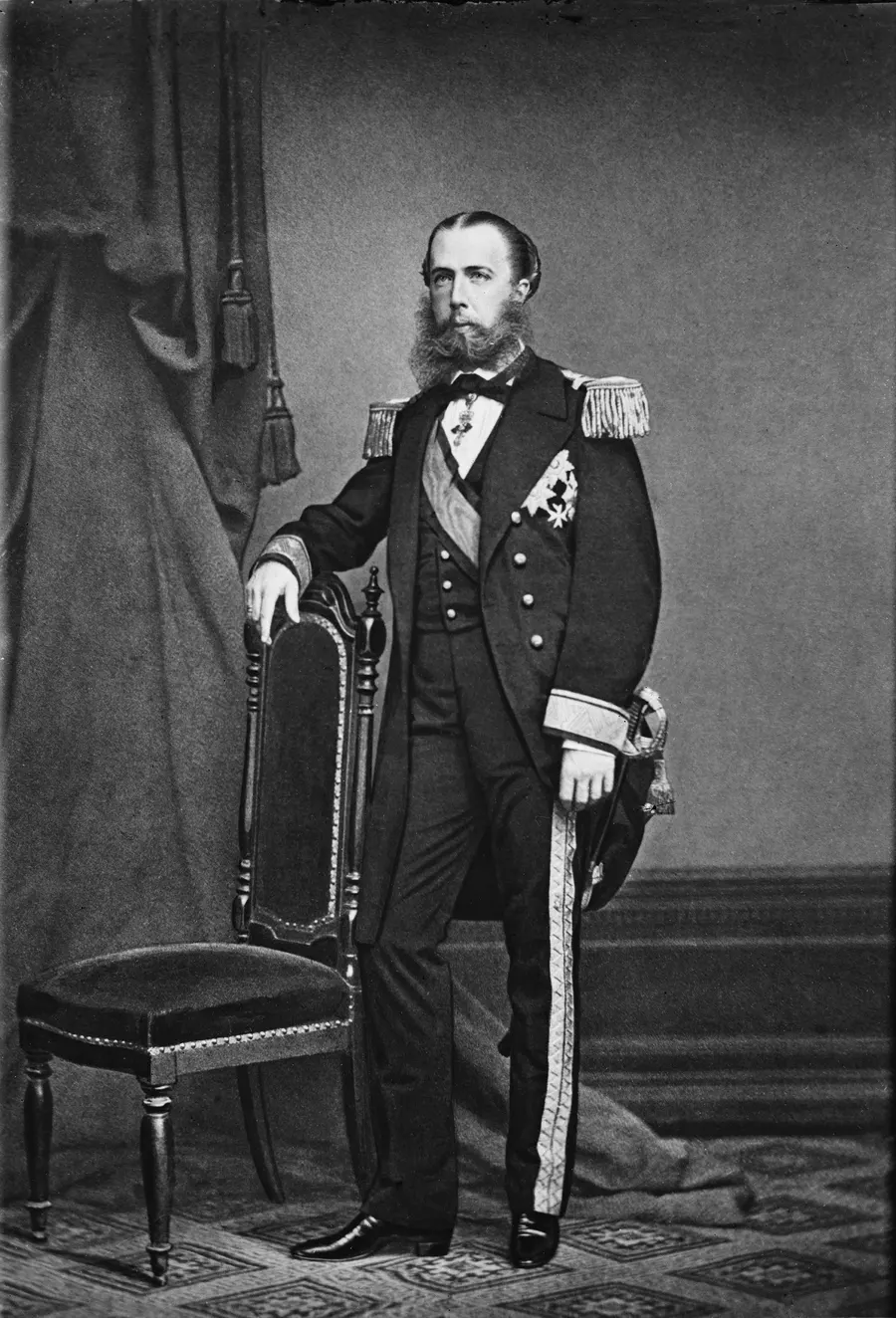
Maximilian as Emperor of Mexico, photographed in Mexico City.Maximilian as Emperor of Mexico, photographed in Mexico City.Image: Andrew Burgess · Public domain
world · Americas

Maximilian accepts the crown of Mexico

At his castle of Miramare near Trieste, the Austrian archduke Maximilian formally accepted the throne of Mexico, offered by Mexican conservatives and backed by Napoleon III’s French army. He reached Mexico that summer, but never won over the republicans led by Benito Juárez. When the French left, his empire collapsed, and he was executed in 1867.

Source: Miramare Castle Museum: Maximilian of Habsburg ↗
V
THE TWENTIETH CENTURY

The 1900s

War and peace, technological leaps, social change, politics, sport and popular culture.

1912
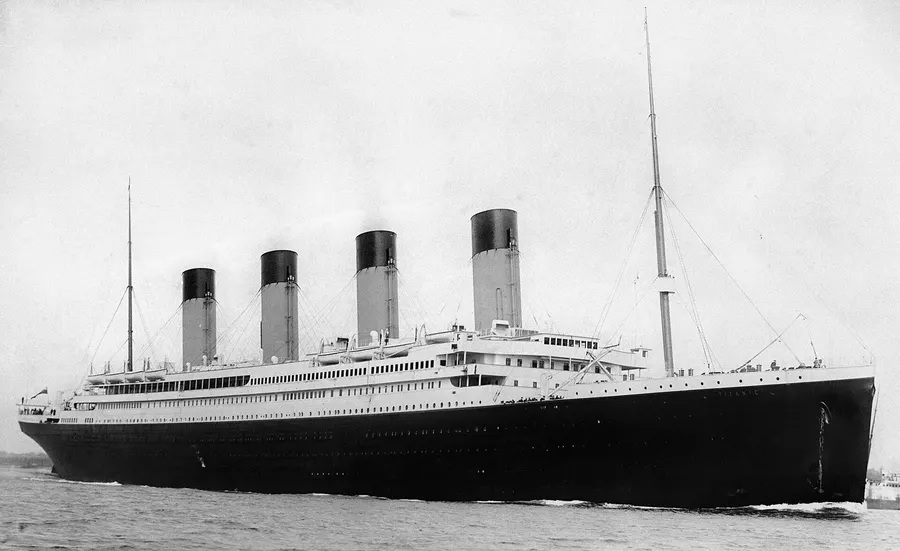
RMS Titanic leaves Southampton on her maiden voyage, 10 April 1912.RMS Titanic leaves Southampton on her maiden voyage, 10 April 1912.Image: Francis Godolphin Osbourne Stuart · Public domain
world · Europe

The Titanic sets sail

Around midday on 10 April 1912 the White Star liner Titanic, the largest ship afloat, left Southampton on her first voyage, bound for New York. As she pulled away her wash almost drew a smaller liner, the New York, into a collision. She called at Cherbourg in France that evening and at Queenstown in Ireland the next day before heading out across the Atlantic with more than 2,200 people aboard. Four days later, on the night of 14 April, she struck an iceberg.

Source: Royal Museums Greenwich: RMS Titanic facts ↗
1919
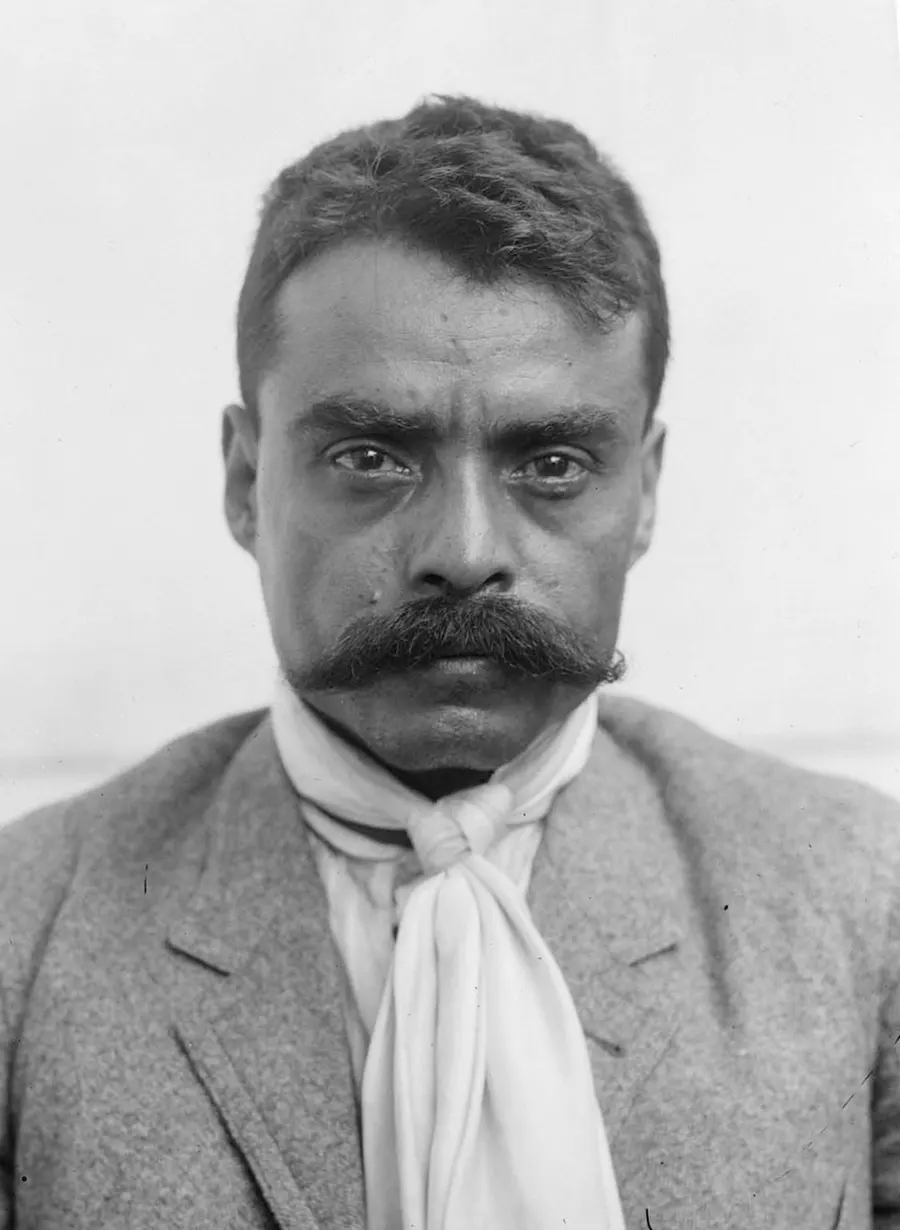
Emiliano Zapata, photographed by Agustín Casasola.Emiliano Zapata, photographed by Agustín Casasola.Image: Agustín Casasola · Public domain
politics · Americas

Emiliano Zapata is ambushed

Emiliano Zapata, the revolutionary leader who fought for land for Mexico’s peasants under the cry of ‘land and liberty’, was lured to the Chinameca hacienda in Morelos on 10 April 1919 by a colonel who pretended to be changing sides. As he rode in, hidden soldiers opened fire and killed him. The ambush was ordered by the government of President Venustiano Carranza. Zapata’s death made him a legend, and his ideas shaped the land reforms of the decades that followed.

Source: Government of Mexico, Secretaría de la Defensa Nacional: 10 de abril de 1919, fallece Emiliano Zapata ↗
1925
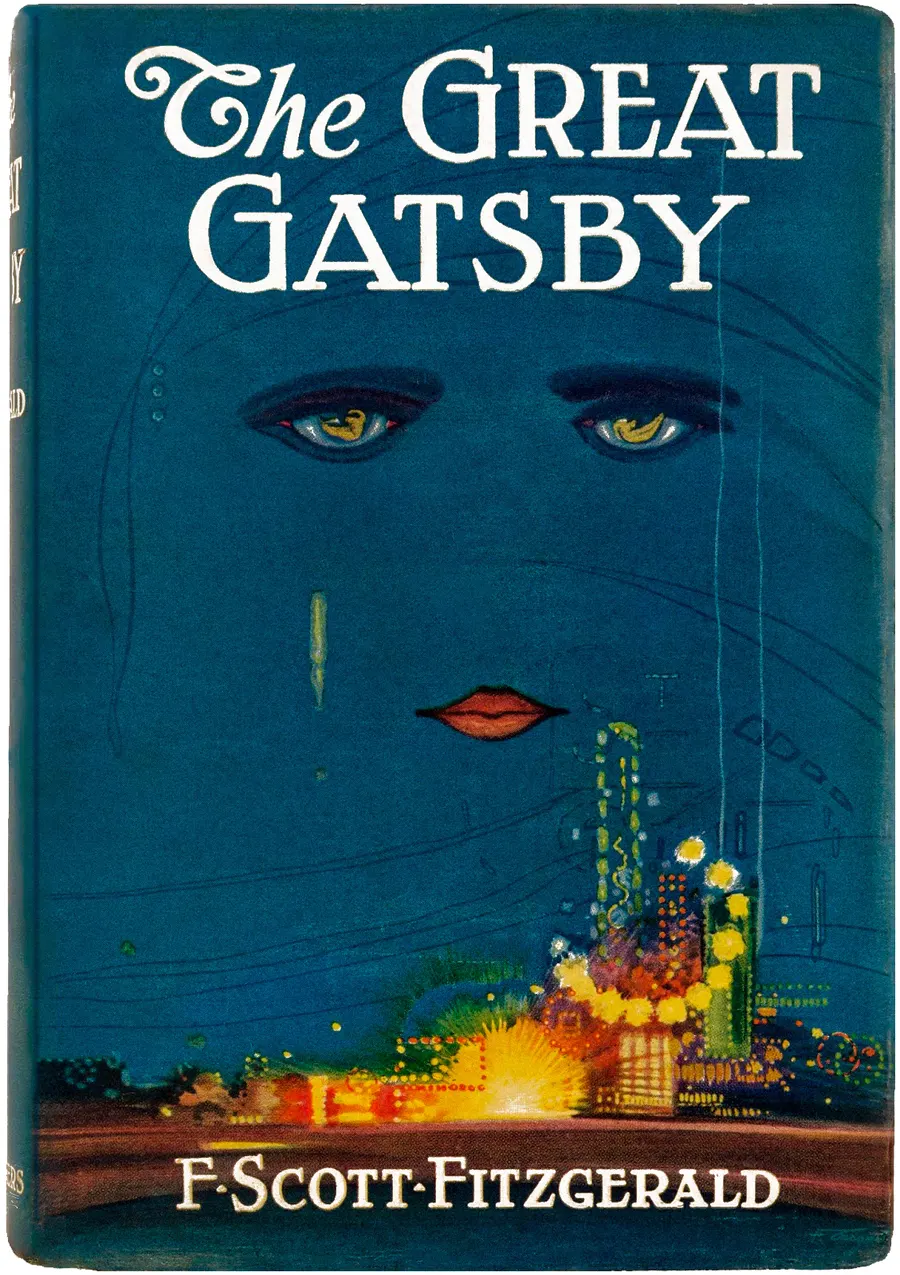
The cover of the first edition of The Great Gatsby, painted by Francis Cugat.The cover of the first edition of The Great Gatsby, painted by Francis Cugat.Image: Francis Cugat (restoration by Flask) · Public domain
culture · Americas

The Great Gatsby is published

Charles Scribner’s Sons published F. Scott Fitzgerald’s third novel, The Great Gatsby, on 10 April 1925. Set among the rich of Long Island in the Jazz Age, it follows the mysterious Jay Gatsby and his longing for Daisy Buchanan. It sold disappointingly at first, and Fitzgerald died believing himself a failure. Rediscovered after the Second World War, it is now counted among the greatest American novels.

Source: Library of Congress blog: The not-so-great Gatsby ↗
1946
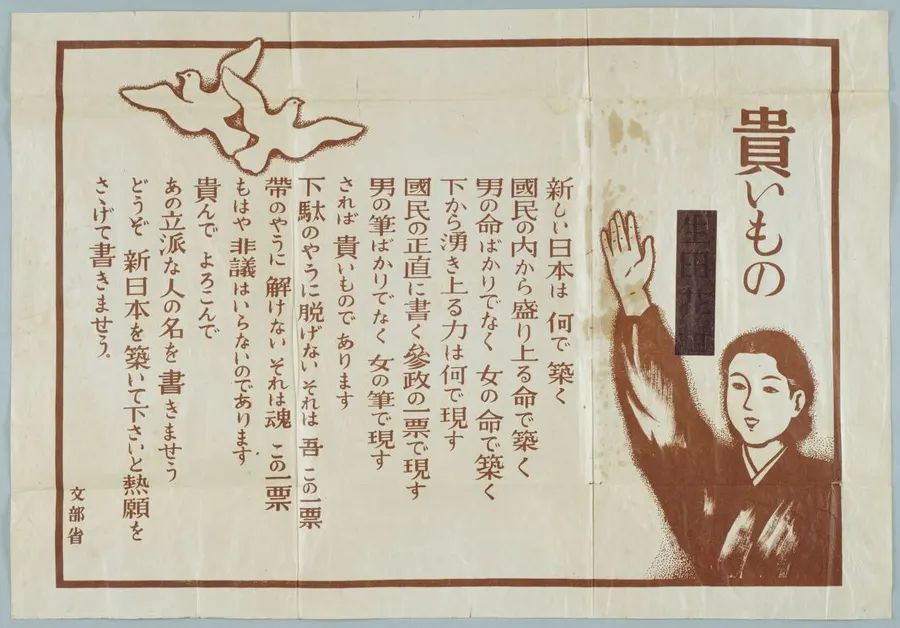
A 1946 poster from Japan's Ministry of Education urging women to use their new vote.A 1946 poster from Japan’s Ministry of Education urging women to use their new vote.Image: Monbushō, with quote by Hanayo Ikuta · Public domain
world · Asia

Japanese women vote for the first time

In Japan’s first general election after the Second World War, women voted and stood for parliament for the first time, under reforms passed the previous December that gave the vote to everyone aged 20 and over. Thirty-nine women were elected to the 466-seat House of Representatives, a number not matched again until 2005.

Source: National Diet Library: Modern Japan in archives, the first general election under the new election law ↗
1959
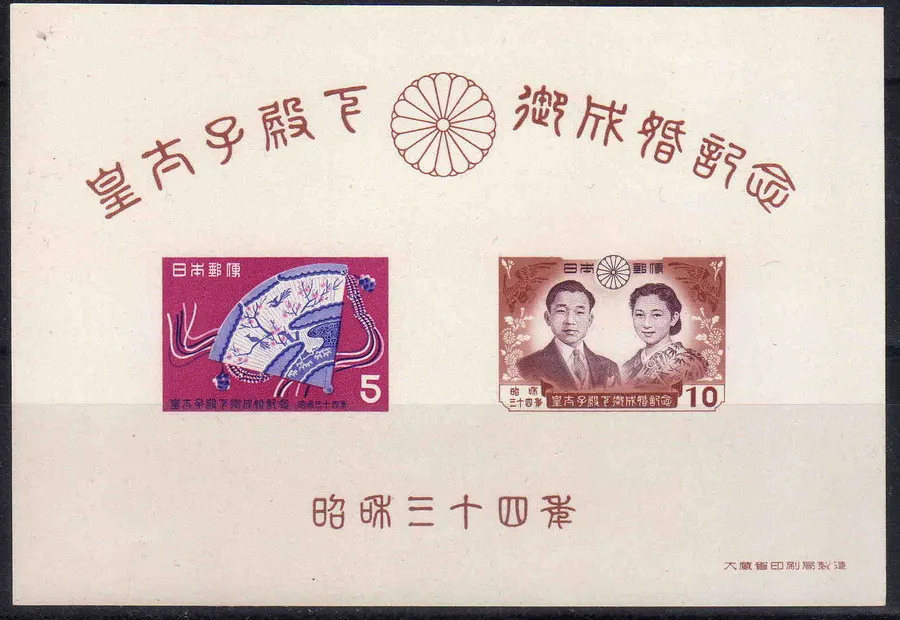
A souvenir sheet of stamps issued by Japan for the royal wedding, 1959.A souvenir sheet of stamps issued by Japan for the royal wedding, 1959.Image: Japan Post · Public domain
world · Asia

Crown Prince Akihito marries Michiko

Japan’s Crown Prince Akihito married Michiko Shōda, the daughter of a flour-milling businessman whom he had met on a tennis court. She was the first commoner to marry an heir to the throne, and millions watched the procession on television. Akihito became emperor in 1989.

Source: Imperial Household Agency: History of the Imperial Family ↗
1968
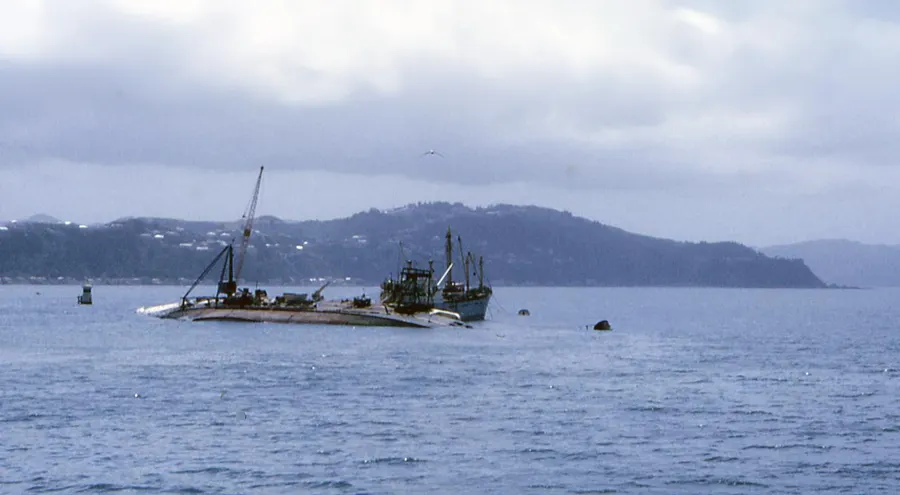
The wreck of the Wahine in Wellington Harbour during salvage work.The wreck of the Wahine in Wellington Harbour during salvage work.Image: Phillip Capper from Wellington, New Zealand · CC BY 2.0
world · Oceania

The Wahine founders in Wellington Harbour

In one of the worst storms in New Zealand’s recorded history, the inter-island ferry Wahine was driven onto Barrett Reef at the mouth of Wellington Harbour and later capsized. Rescuers fought huge seas to save those on board, but 53 people died as a result of the sinking.

Source: NZHistory (New Zealand Ministry for Culture and Heritage): Wahine disaster ↗
1970
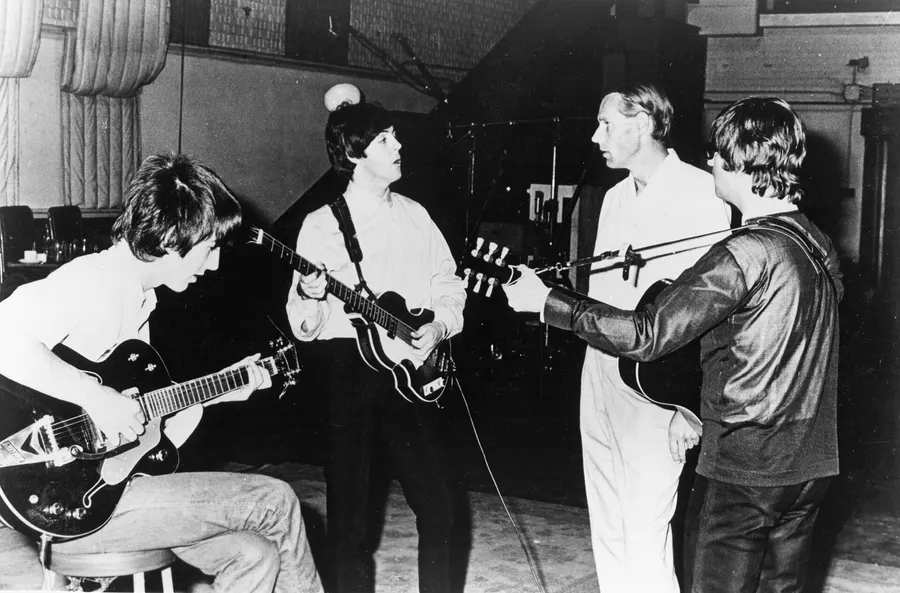
The Beatles with their producer George Martin in the studio, 1966.The Beatles with their producer George Martin in the studio, 1966.Image: Capitol Records · Public domain
culture · Europe

Paul McCartney leaves the Beatles

The news broke around the world on 10 April 1970: Paul McCartney was no longer working with the Beatles. It came in a printed question-and-answer sheet sent out with copies of his first solo album, in which he spoke of personal, business and musical differences. The band had in fact been drifting apart for months. Their last album, Let It Be, came out that May, and the partnership was formally ended in the courts later.

Source: Encyclopaedia Britannica: When did the Beatles break up? ↗
1971
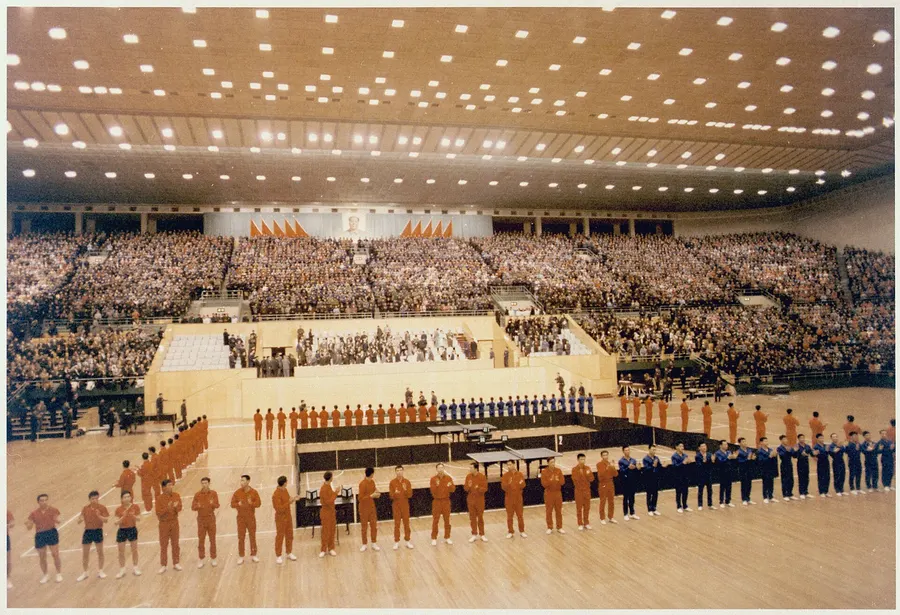
President Nixon at a sports exhibition in Beijing during his visit of February 1972, which ping-pong diplomacy helped to bring about.President Nixon at a sports exhibition in Beijing during his visit of February 1972, which ping-pong diplomacy helped to bring about.Image: Unknown photographer (US National Archives) · Public domain
sport · Asia

Ping-pong diplomacy

Invited at the world championships in Japan, the United States table tennis team crossed into China on 10 April 1971, the first American group officially welcomed there in more than 20 years. They played exhibition matches and were received by Premier Zhou Enlai. The friendly games opened a door between two countries that had been bitter enemies since 1949. Within a year President Richard Nixon made his own historic visit to Beijing.

Source: US Department of State, Office of the Historian: Rapprochement with China, 1972 ↗
1972
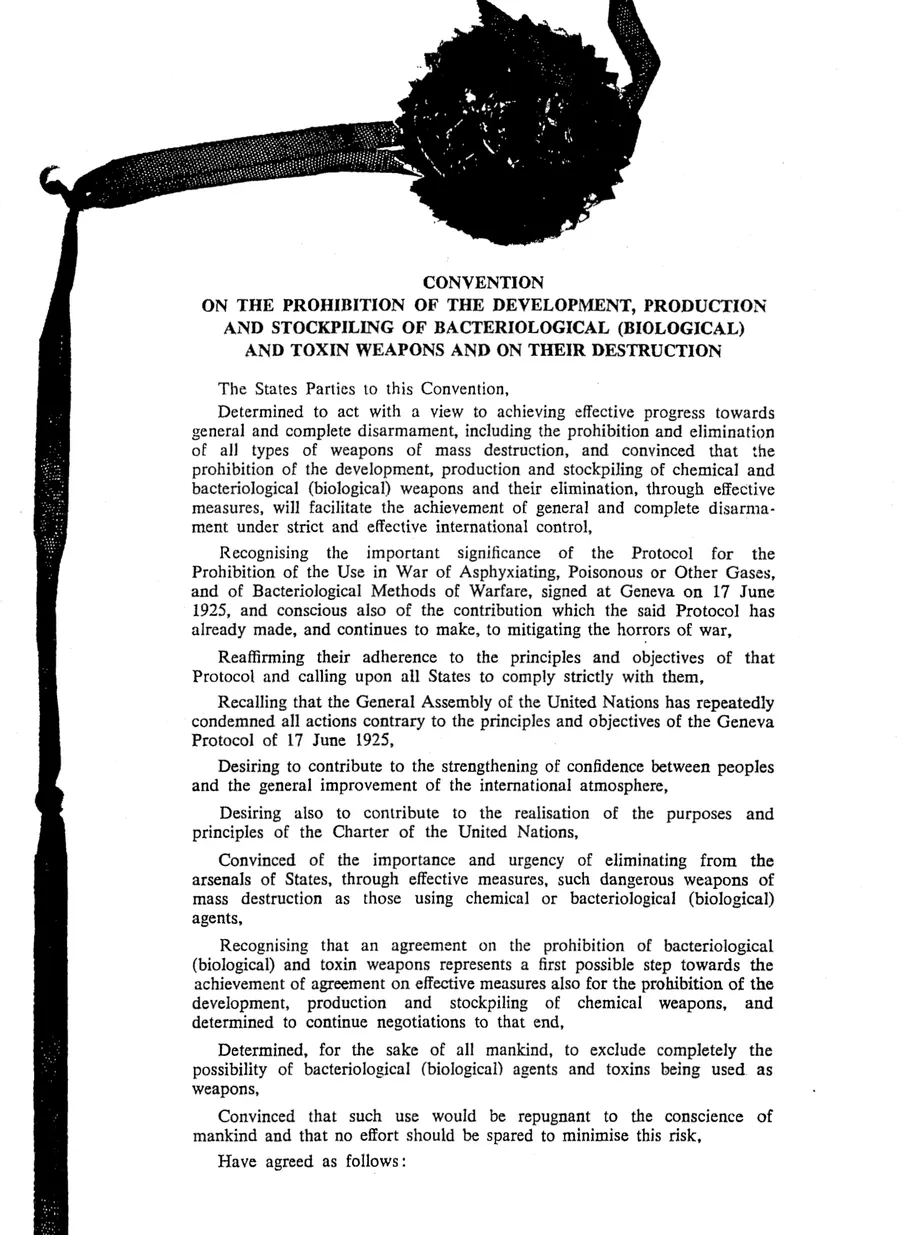
The opening page of the Biological Weapons Convention, 1972.The opening page of the Biological Weapons Convention, 1972.Image: United Nations · Public domain
world · Global

The Biological Weapons Convention is opened for signature

In London, Moscow and Washington, governments began signing a treaty banning the development, production and stockpiling of germ weapons. It was the first treaty to outlaw a whole class of weapons of mass destruction, going beyond the 1925 ban on their use. It came into force in 1975.

Source: United Nations Office for Disarmament Affairs: Biological Weapons Convention ↗
1998
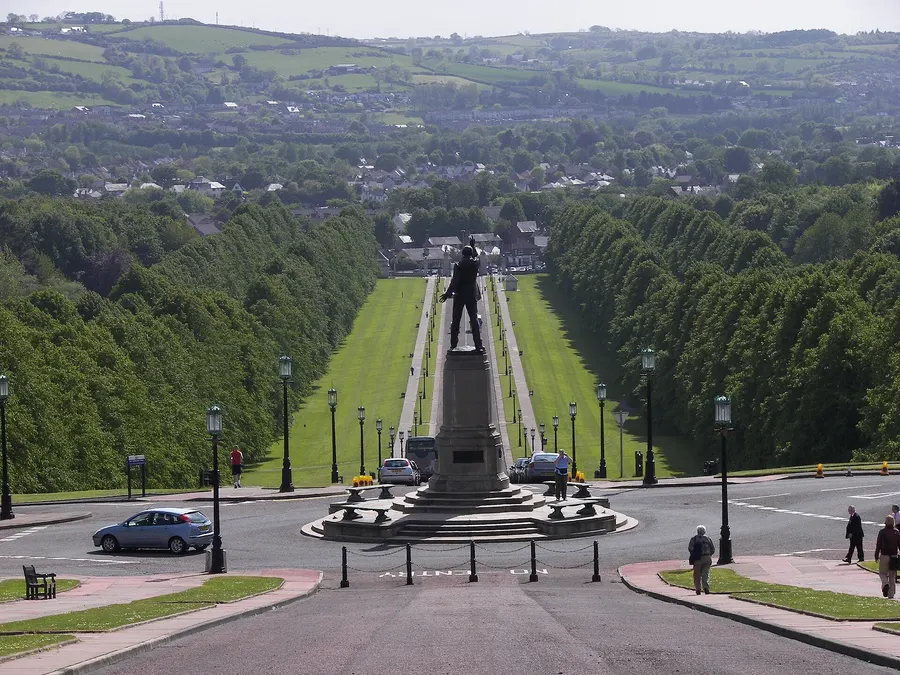
Parliament Buildings at Stormont, Belfast, home of the Northern Ireland Assembly set up by the agreement.Parliament Buildings at Stormont, Belfast, home of the Northern Ireland Assembly set up by the agreement.Image: Wknight94 · CC BY-SA 3.0
world · Europe

The Good Friday Agreement

After nearly two years of talks chaired by the former US senator George Mitchell, the British and Irish governments and most of Northern Ireland’s political parties reached agreement in Belfast on Good Friday, 10 April 1998. The deal set up a power-sharing assembly and government, new links between North and South, and a promise that Northern Ireland’s future would be decided by its people’s consent. Approved by voters on both sides of the border, it largely brought three decades of the Troubles to an end.

Source: GOV.UK: The Belfast Agreement ↗
VI
2000 TO TODAY

Modern Day

The events of recent decades that have already become part of the historical record.

2010
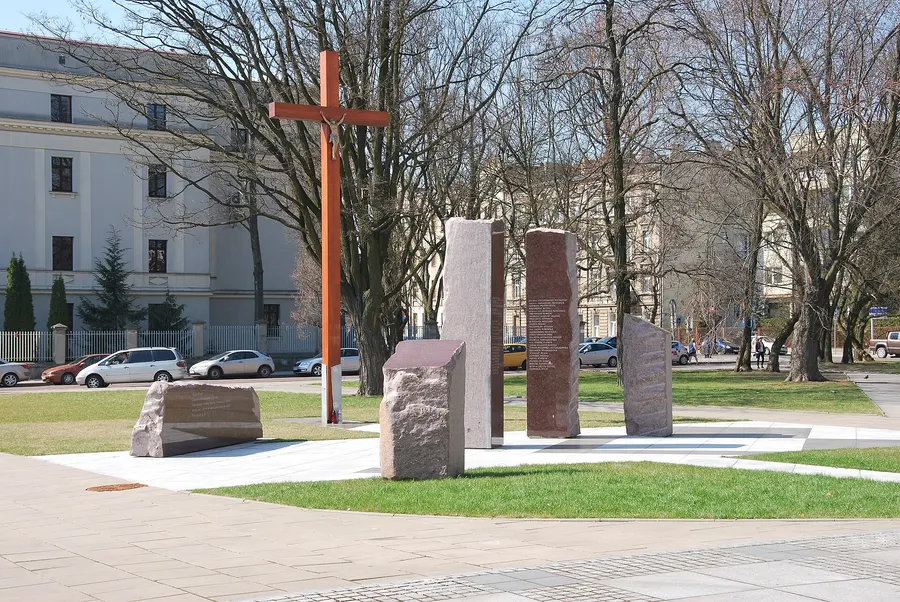
A memorial to the victims of the Smolensk crash beside the cathedral in Łódź, Poland.A memorial to the victims of the Smolensk crash beside the cathedral in Łódź, Poland.Image: Zorro2212 · CC BY-SA 4.0
world · Europe

The Smolensk air crash

A Polish Air Force plane carrying President Lech Kaczyński, his wife Maria and many of Poland’s senior political and military leaders crashed while trying to land in fog near Smolensk in Russia. All 96 people on board died. They had been travelling to mark the 70th anniversary of the Katyn massacre.

Source: Ministry of Foreign Affairs of Poland: The tenth anniversary of the Smolensk plane crash ↗
2019
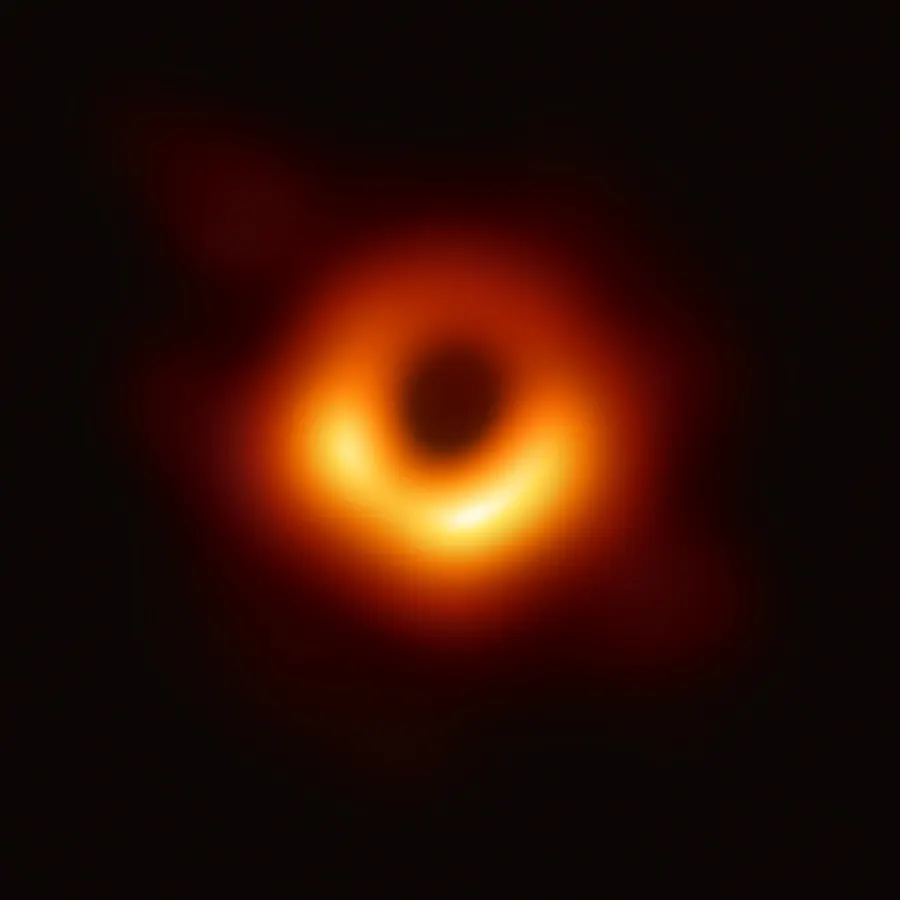
The first image of a black hole, at the heart of the galaxy M87, released by the Event Horizon Telescope on 10 April 2019.The first image of a black hole, at the heart of the galaxy M87, released by the Event Horizon Telescope on 10 April 2019.Image: Event Horizon Telescope · CC BY 4.0
science · Global

The first picture of a black hole

At six press conferences held at the same moment around the world on 10 April 2019, astronomers of the Event Horizon Telescope unveiled a glowing orange ring around a dark shadow: the black hole at the centre of the galaxy M87, 55 million light-years away. The picture was made by linking radio telescopes across the globe into one Earth-sized instrument. The black hole weighs about 6.5 billion times as much as the Sun.

Source: Event Horizon Telescope: Astronomers capture first image of a black hole (press release, 10 April 2019) ↗
RESEARCH

Sources & Further Reading

Selected authoritative references supporting the events on this page.

The Avalon Project, Yale Law School: The First Charter of Virginia, 1606↗Encyclopedia Virginia: First Charter of Virginia (1606)↗US Copyright Office: Copyright timeline, 18th century↗Encyclopaedia Britannica: Statute of Anne↗Smithsonian Institution, Global Volcanism Program: Tambora↗NASA Earth Observatory: Mount Tambora volcano, Sumbawa Island, Indonesia↗National Inventors Hall of Fame: Walter Hunt↗Lemelson-MIT: Walter Hunt↗Miramare Castle Museum: Maximilian of Habsburg↗Library of Congress: Maximilian, Emperor of Mexico (portrait record)↗Royal Museums Greenwich: RMS Titanic facts↗Encyclopaedia Britannica: Titanic, maiden voyage↗Government of Mexico, Secretaría de la Defensa Nacional: 10 de abril de 1919, fallece Emiliano Zapata↗Wikipedia: Emiliano Zapata↗Library of Congress blog: The not-so-great Gatsby↗New York Public Library: The Great Gatsby celebrates its 100th anniversary↗National Diet Library: Modern Japan in archives, the first general election under the new election law↗Nippon.com: Women in the Japanese Diet↗Imperial Household Agency: History of the Imperial Family↗Encyclopaedia Britannica: Shōda Michiko↗NZHistory (New Zealand Ministry for Culture and Heritage): Wahine disaster↗Te Ara, the Encyclopedia of New Zealand: Wahine sinking↗Encyclopaedia Britannica: When did the Beatles break up?↗Wikipedia: Break-up of the Beatles↗US Department of State, Office of the Historian: Rapprochement with China, 1972↗US National Archives: Ping-pong diplomacy (press release, 2008)↗United Nations Office for Disarmament Affairs: Biological Weapons Convention↗International Committee of the Red Cross: Biological Weapons Convention, 1972↗GOV.UK: The Belfast Agreement↗CAIN Archive, Ulster University: The Agreement↗Ministry of Foreign Affairs of Poland: The tenth anniversary of the Smolensk plane crash↗Wikipedia: 2010 Polish Air Force Tu-154 crash↗Event Horizon Telescope: Astronomers capture first image of a black hole (press release, 10 April 2019)↗NASA Jet Propulsion Laboratory: The giant galaxy around the giant black hole↗
WHY THESE MOMENTS?

Significance before volume

This page is not the longest possible list of events. It is a chronological journey through 10 April, where each entry is chosen for historical significance, human interest and reliability.

Facts are checked against authoritative museums, archives, universities and reference works. Where sources disagree, the page says so.

EXPLORED THE DEEPER STORY?

Return to the highlights of 10 April

Discover the lighter side of the date with famous birthdays, culture, firsts and lives remembered.

Explore This Day →
← PREVIOUS DAY9 April
HISTORY & TIMELINE10 April
NEXT DAY →11 April