HISTORY & TIMELINE
6 April

A journey through
6 April in history

From the death of Richard the Lionheart in 1199 to ABBA’s Eurovision victory with ‘Waterloo’ in 1974, 6 April has seen the Ottoman siege of Constantinople begin, the Dutch land at the Cape of Good Hope, Napoleon give up his throne, the first modern Olympic Games open in Athens and the first commercial communications satellite set off. This timeline follows the date across nearly eight centuries.

JUMP THROUGH TIME
II
THE MIDDLE AGES

Medieval History

Kingdoms, conflict, faith, power and the changing medieval world.

1199
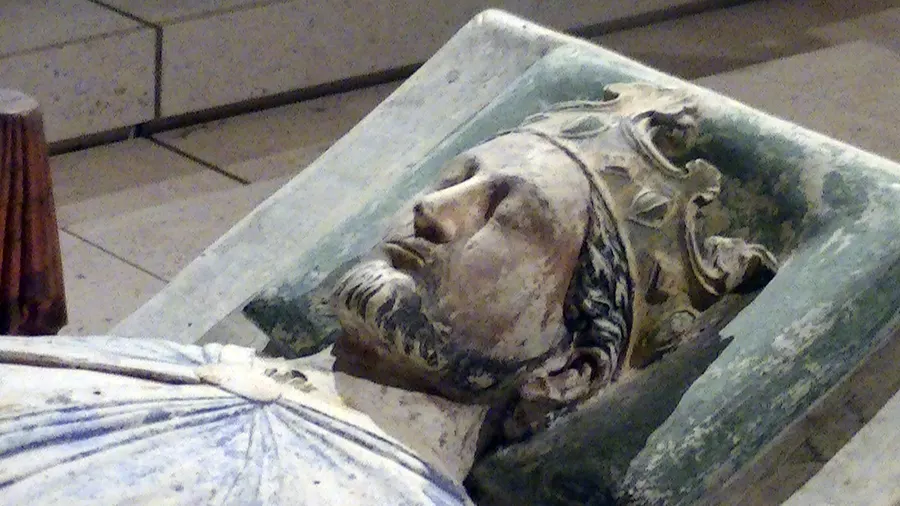
The tomb effigy of Richard I in the church of Fontevraud Abbey, France.The tomb effigy of Richard I in the church of Fontevraud Abbey, France.Image: Adam Bishop · CC BY-SA 3.0
world · Europe

Richard the Lionheart dies

King Richard I of England died at Châlus in France, eleven days after a crossbow bolt struck his shoulder while he was besieging the small castle of Châlus-Chabrol. The wound turned gangrenous. The crusader king had spent only a few months of his ten-year reign in England. He was buried at Fontevraud Abbey. The date is by the Julian calendar.

Source: The Royal Family: Richard I ↗
1320
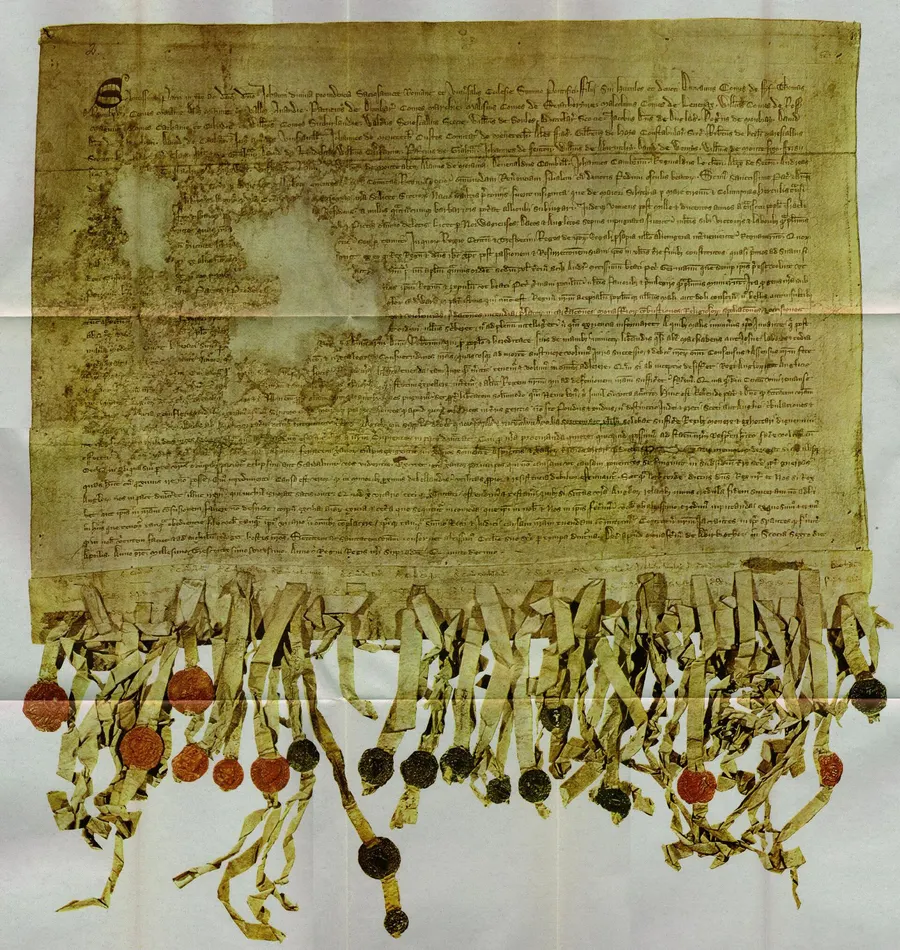
The Tyninghame copy of the Declaration of Arbroath, with the seals of the Scottish nobles.The Tyninghame copy of the Declaration of Arbroath, with the seals of the Scottish nobles.Image: Scotland barons · Public domain
politics · Europe

The Declaration of Arbroath

A letter dated 6 April 1320 at Arbroath Abbey, sealed by dozens of Scottish nobles, was sent to Pope John XXII asking him to recognise Scotland’s independence and Robert the Bruce as its king, at a time when the Pope had excommunicated Robert. Probably written by the abbot of Arbroath, Bernard, it declares that as long as a hundred Scots remain alive they will never submit to English rule, fighting not for glory or riches but for freedom. The surviving copy is kept by National Records of Scotland.

Source: National Records of Scotland: The Declaration of Arbroath ↗
1453
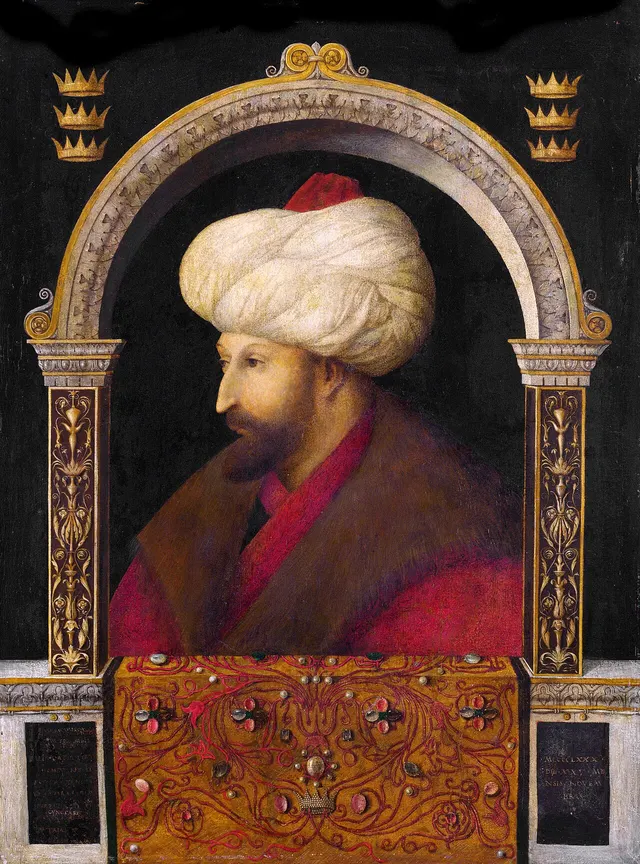
Sultan Mehmed II, painted by Gentile Bellini in 1480.Sultan Mehmed II, painted by Gentile Bellini in 1480.Image: Gentile Bellini · Public domain
world · Middle East

The Ottoman siege of Constantinople begins

Sultan Mehmed II’s army, vastly outnumbering the defenders, began its siege of Constantinople, capital of what was left of the Byzantine Empire. Giant cannon battered the ancient land walls for weeks. The city fell on 29 May, the last emperor, Constantine XI, died fighting, and Constantinople became the Ottoman capital. The date is by the Julian calendar.

Source: Encyclopaedia Britannica: Siege of Constantinople (1453) ↗
III
A CHANGING WORLD

Early Modern Era

Exploration, political change, scientific development and expanding global connections.

1652
Jan van Riebeeck arrives in Table Bay, April 1652, painted by Charles Davidson Bell before 1851.Jan van Riebeeck arrives in Table Bay, April 1652, painted by Charles Davidson Bell before 1851.Image: Charles Davidson Bell · Public domain
world · Africa

The Dutch land at the Cape

Jan van Riebeeck arrived in Table Bay with three ships of the Dutch East India Company, sent to build a fort and grow fresh food for ships sailing between Europe and Asia. The supply station became Cape Town, and the start of European settlement in southern Africa, at the expense of the Khoikhoi people who already lived there.

Source: South African History Online: Jan van Riebeeck ↗
IV
THE NINETEENTH CENTURY

The 1800s

Industry, empire, invention, reform and a century of enormous transformation.

1814
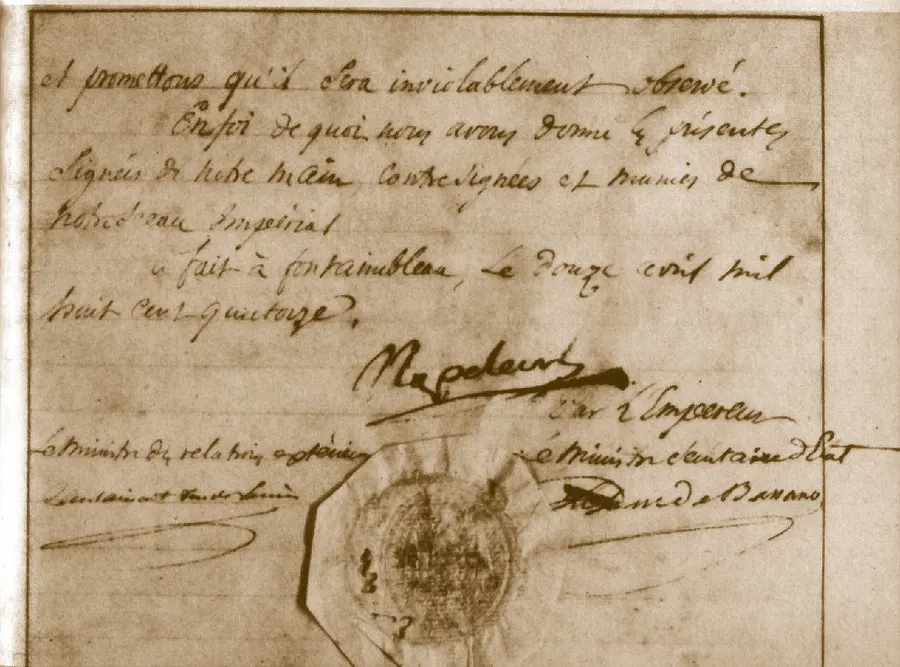
Napoleon's signed act of abdication, 1814.Napoleon’s signed act of abdication, 1814.Image: Napoleon Bonaparte (document); scan tinted by Herrick · Public domain
politics · Europe

Napoleon abdicates

At the palace of Fontainebleau, with Paris in allied hands and his own marshals refusing to fight on, Napoleon signed an unconditional abdication as Emperor of the French. Two days earlier he had offered to step down in favour of his young son, but the allies refused. He was exiled to the island of Elba, from which he escaped the next year.

Source: Fondation Napoléon: Did the marshals betray Napoleon at Fontainebleau in 1814? ↗
1830
culture · Americas

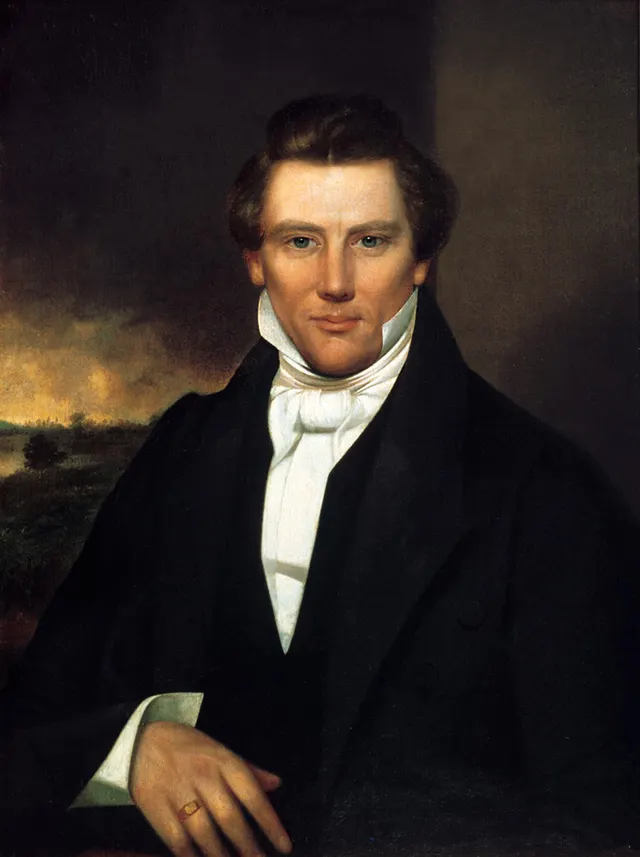
Joseph Smith founds the Church of Christ

At a meeting in western New York State, traditionally at Peter Whitmer’s farmhouse in Fayette, Joseph Smith, Oliver Cowdery and a few dozen believers formally organised the Church of Christ, weeks after publishing the Book of Mormon. The Church of Jesus Christ of Latter-day Saints and other churches of the Latter Day Saint movement trace their origins to that day.

Source: The Church of Jesus Christ of Latter-day Saints: Founding meeting of the Church of Christ ↗
1896
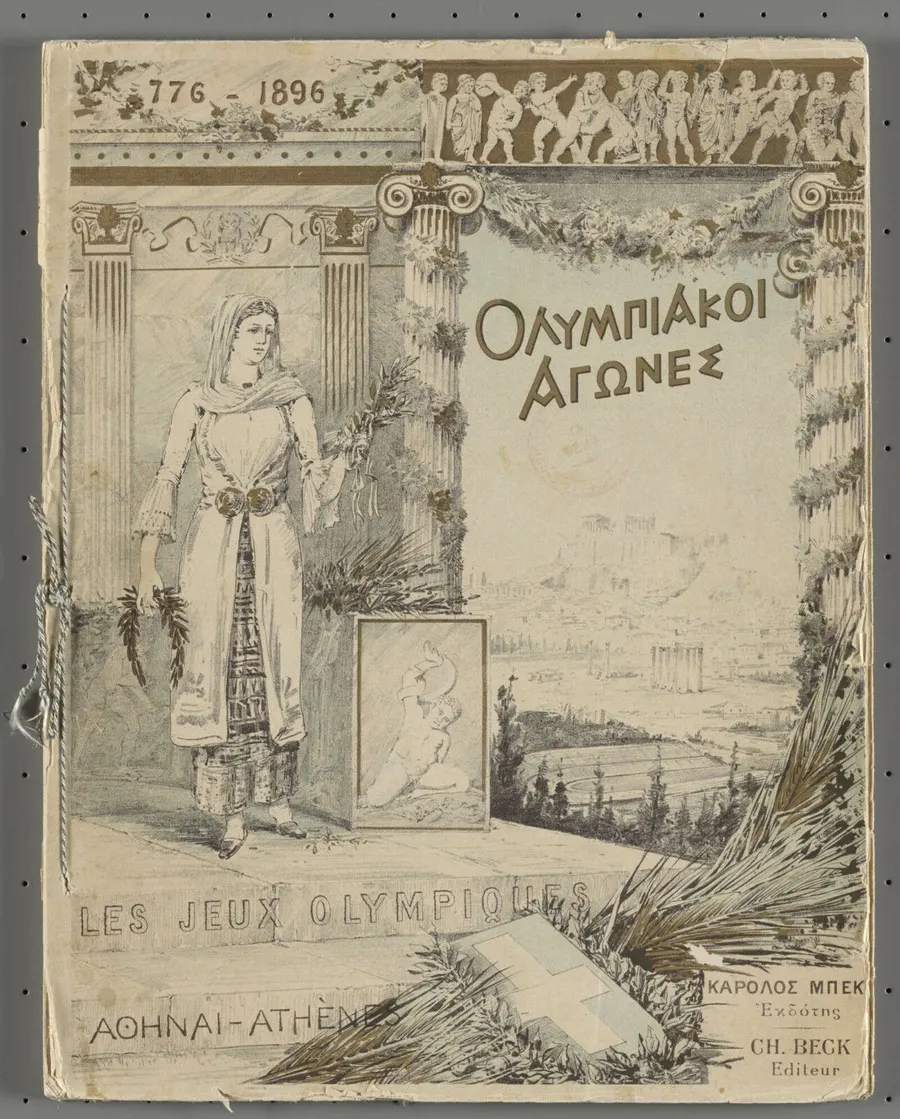
The cover of the official album of the 1896 Olympic Games, designed by Émile Gilliéron.The cover of the official album of the 1896 Olympic Games, designed by Émile Gilliéron.Image: Émile Gilliéron · Public domain
sport · Europe

The first modern Olympic Games open in Athens

On Easter Monday, 6 April 1896, King George I of Greece opened the first modern Olympic Games in the rebuilt marble Panathenaic Stadium in Athens, before a huge crowd. About 240 athletes, all men, from 14 countries took part. That afternoon the American James Connolly won the triple jump, becoming the first Olympic champion for more than 1,500 years. The Games had been revived by the French educator Pierre de Coubertin.

Source: Olympics.com (International Olympic Committee): 6 April 1896, the first Olympic Games of the modern era open ↗
V
THE TWENTIETH CENTURY

The 1900s

War and peace, technological leaps, social change, politics, sport and popular culture.

1909
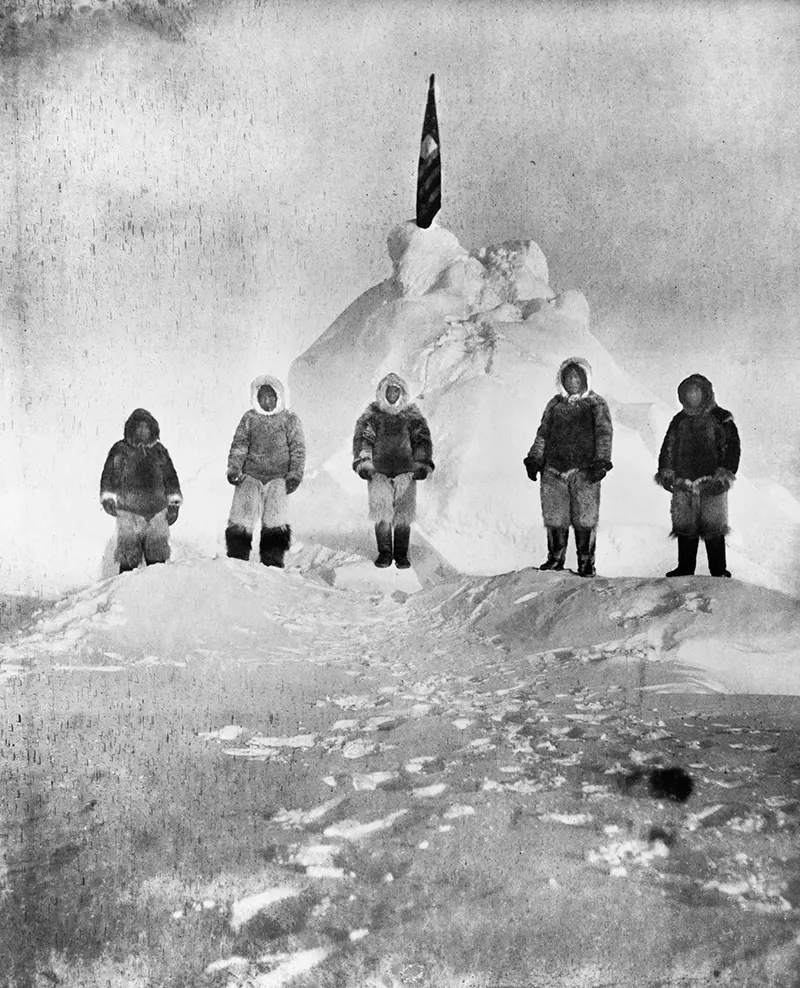
Matthew Henson (centre) and the four Inuit guides of Peary's expedition, photographed by Peary.Matthew Henson (centre) and the four Inuit guides of Peary’s expedition, photographed by Peary.Image: Robert Peary · Public domain
world · Global

Peary claims the North Pole

The American explorer Robert Peary said he reached the North Pole on this day with Matthew Henson and four Inuit men, Ootah, Seeglo, Egingwah and Ooqueah. The claim has always been disputed: none of the party could check his navigation, and later studies suggested he may have fallen short. Henson’s part was long overlooked because he was Black.

Source: Encyclopaedia Britannica: Robert Edwin Peary ↗
1917
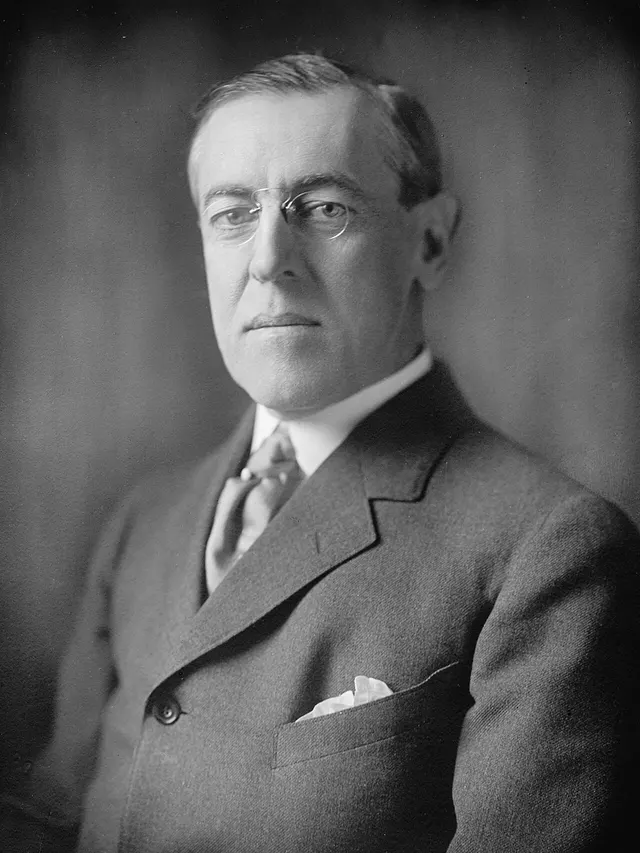
President Woodrow Wilson, photographed by Harris and Ewing.President Woodrow Wilson, photographed by Harris and Ewing.Image: Harris & Ewing, photographer · Public domain
world · Americas

The United States declares war on Germany

At about 3 am on 6 April 1917, after a long debate, the House of Representatives voted 373 to 50 to declare war on Germany, following the Senate’s vote two days earlier. President Woodrow Wilson signed the declaration that afternoon. America’s entry, prompted by German submarine attacks on shipping, brought fresh troops and money to Britain and France. By the armistice in November 1918 about two million American soldiers had reached Europe, and more than 116,000 had died.

Source: US House of Representatives, History, Art and Archives: The House declaration of war against Germany ↗
1930
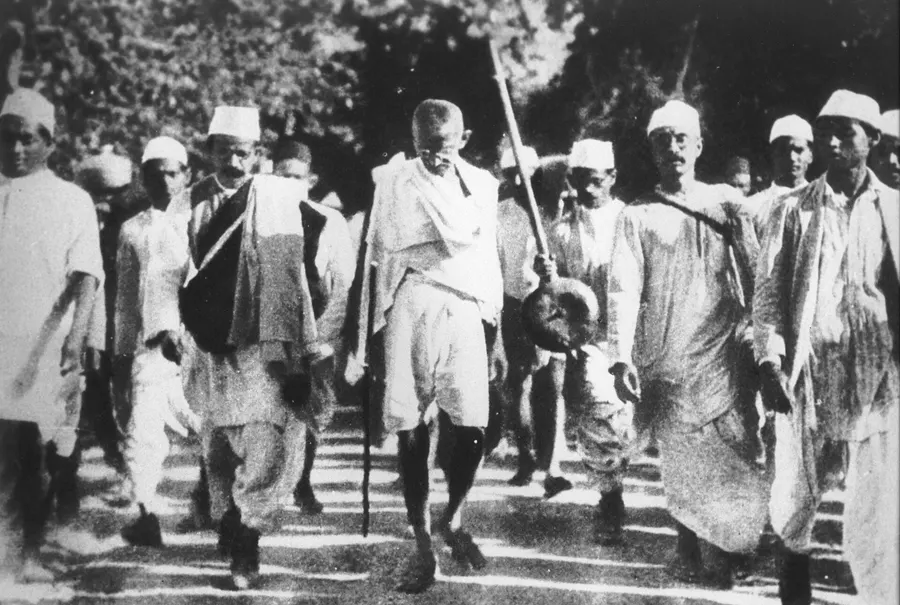
Gandhi and his companions during the Salt March, March 1930.Gandhi and his companions during the Salt March, March 1930.Image: Unknown photographer · Public domain
world · Asia

Gandhi breaks the salt law at Dandi

Early on 6 April 1930, after a 24-day, 240-mile march from his ashram near Ahmedabad, Mohandas Gandhi walked down to the shore at Dandi on India’s west coast and picked up a lump of natural salt. It was a crime: the British government held a monopoly on salt and taxed it. The simple act set off a wave of civil disobedience across India, as thousands made and sold salt illegally. More than 60,000 people were jailed, Gandhi among them, and the protest drew the eyes of the world to the campaign for Indian independence.

Source: Britannica School: Salt March ↗
1965
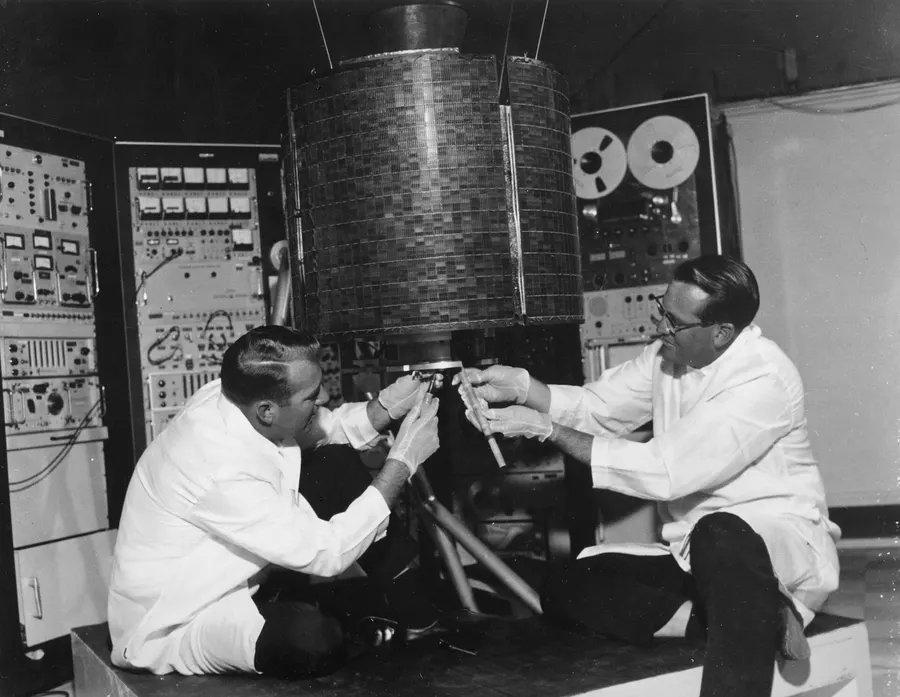
Engineers check the Early Bird satellite before its launch in 1965.Engineers check the Early Bird satellite before its launch in 1965.Image: NASA · Public domain
science · Global

Early Bird, the first commercial communications satellite

NASA launched Early Bird, or Intelsat I, from Cape Kennedy on 6 April 1965. Built by Hughes Aircraft for the new Communications Satellite Corporation, it was the first commercial satellite placed in geostationary orbit, hanging over the Atlantic in step with the Earth’s turn. From June 1965 it carried telephone calls and live television between North America and Europe, doubling the transatlantic phone lines, and began the age of instant worldwide communication.

Source: NASA Space Science Data Coordinated Archive: Intelsat 1 ↗
1973
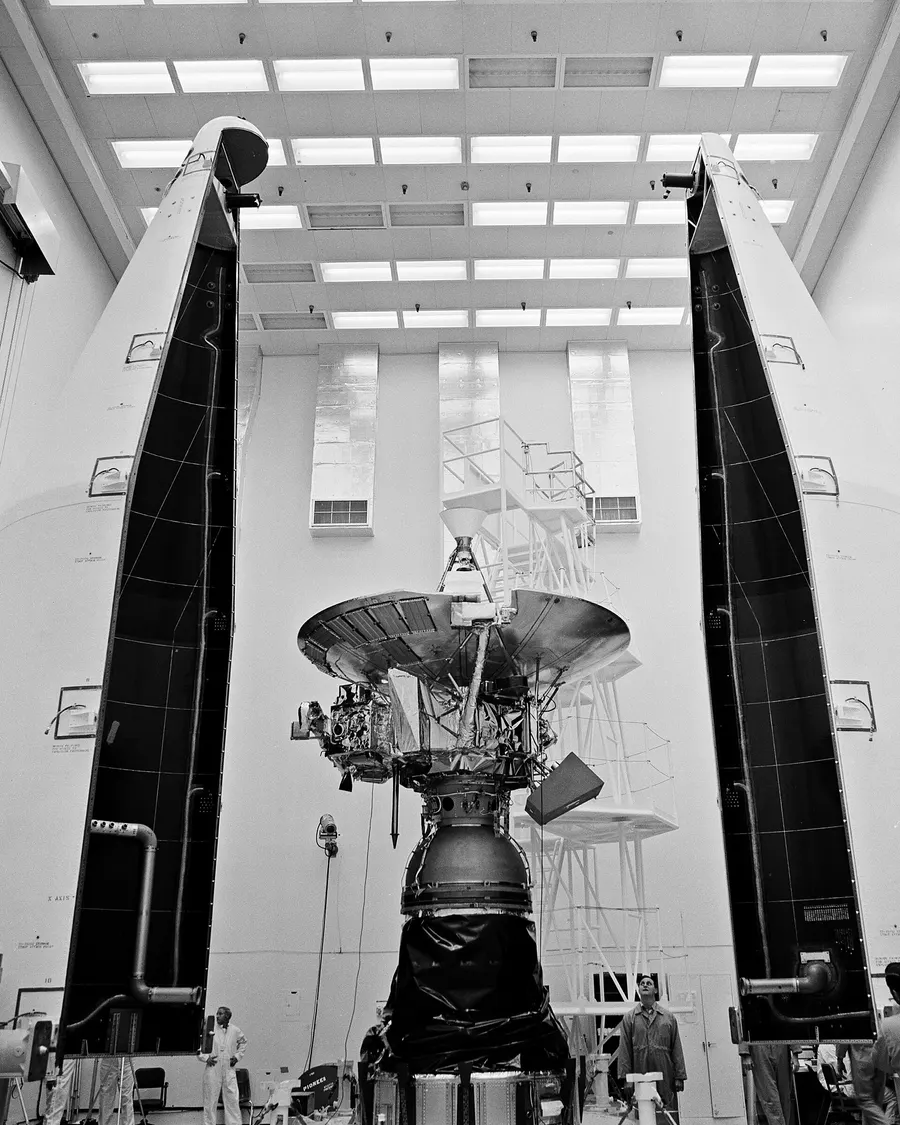
The Pioneer 11 spacecraft at Cape Kennedy before launch, March 1973.The Pioneer 11 spacecraft at Cape Kennedy before launch, March 1973.Image: NASA Kennedy Space Center · Public domain
science · Global

Pioneer 11 sets off for Jupiter and Saturn

NASA’s Pioneer 11 lifted off from Cape Canaveral on an Atlas-Centaur rocket in the early hours of 6 April 1973 by Greenwich time, still the evening of 5 April in Florida. It flew past Jupiter in 1974, then used Jupiter’s gravity to swing on to Saturn, becoming the first spacecraft to visit Saturn in 1979. Contact was lost in 1995, and it is now heading out of the solar system, carrying a plaque with a message for anyone who finds it.

Source: NASA History: 45 years ago, Pioneer 11 launched to study Jupiter and Saturn ↗
1974
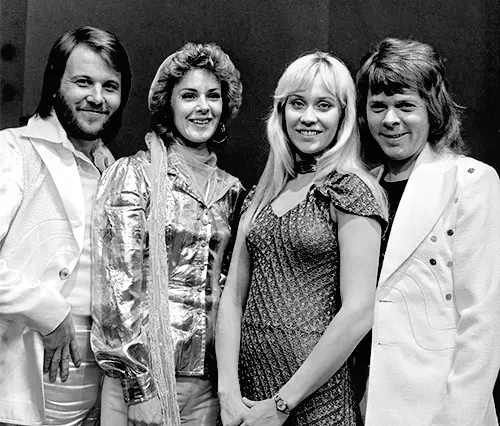
ABBA on the Dutch television show TopPop, April 1974.ABBA on the Dutch television show TopPop, April 1974.Image: AVRO · CC BY-SA 3.0 nl
culture · Europe

ABBA win Eurovision with ‘Waterloo’

At the Dome in Brighton on 6 April 1974, the Swedish group ABBA won the Eurovision Song Contest with ‘Waterloo’, sung in English and performed in glittering stage costumes. It was Sweden’s first victory in the contest. The song became a hit across Europe and beyond, and launched Agnetha, Björn, Benny and Anni-Frid on a career that made them one of the best-selling acts in the history of pop.

Source: Eurovision Song Contest: Waterloo at 50, ABBA’s charge to Eurovision victory ↗
1994
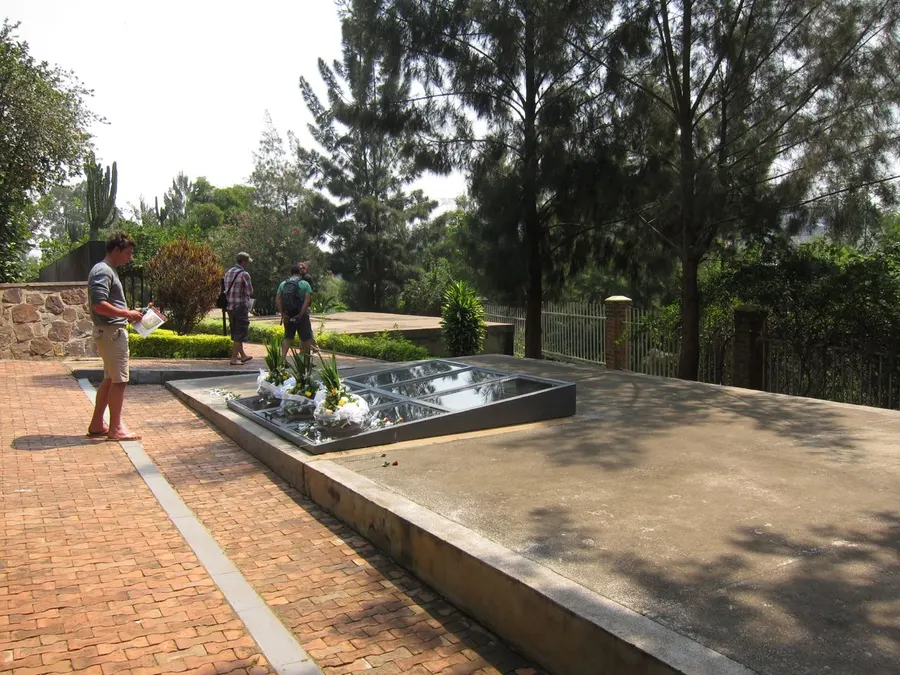
The Kigali Genocide Memorial in Rwanda, where more than 250,000 victims are buried, 2012.The Kigali Genocide Memorial in Rwanda, where more than 250,000 victims are buried, 2012.Image: Martijn.Munneke from Netherlands · CC BY 2.0
world · Africa

The genocide in Rwanda begins

On the evening of 6 April 1994 the plane carrying Rwanda’s president, Juvénal Habyarimana, and Burundi’s president, Cyprien Ntaryamira, was shot down as it came in to land at Kigali. Everyone on board was killed. Who fired the missiles has never been settled. Within hours, Hutu extremists began a planned campaign of killing. In about 100 days some 800,000 people were murdered, most of them Tutsi, along with Hutu who opposed the killers, while the world largely stood by. Rwanda remembers the victims every year from 7 April.

Source: United States Holocaust Memorial Museum: Rwandan genocide begins ↗
RESEARCH

Sources & Further Reading

Selected authoritative references supporting the events on this page.

The Royal Family: Richard I↗Encyclopaedia Britannica: Richard I, king of England↗National Records of Scotland: The Declaration of Arbroath↗Wikipedia: Declaration of Arbroath↗Encyclopaedia Britannica: Siege of Constantinople (1453)↗World History Encyclopedia: 1453, the fall of Constantinople↗South African History Online: Jan van Riebeeck↗Encyclopaedia Britannica: Jan van Riebeeck↗Fondation Napoléon: Did the marshals betray Napoleon at Fontainebleau in 1814?↗Wikipedia: Napoleon’s first abdication↗The Church of Jesus Christ of Latter-day Saints: Founding meeting of the Church of Christ↗Wikipedia: Church of Christ (Latter Day Saints)↗Olympics.com (International Olympic Committee): 6 April 1896, the first Olympic Games of the modern era open↗Wikipedia: 1896 Summer Olympics↗Encyclopaedia Britannica: Robert Edwin Peary↗Wikipedia: Robert Peary↗US House of Representatives, History, Art and Archives: The House declaration of war against Germany↗US National Archives: Press release on the declaration of war, 1917↗Britannica School: Salt March↗Wikipedia: Salt March↗NASA Space Science Data Coordinated Archive: Intelsat 1↗Smithsonian National Air and Space Museum: Model, communications satellite, Intelsat I↗NASA History: 45 years ago, Pioneer 11 launched to study Jupiter and Saturn↗NASA Science: Pioneer 11↗Eurovision Song Contest: Waterloo at 50, ABBA’s charge to Eurovision victory↗Wikipedia: Eurovision Song Contest 1974↗United States Holocaust Memorial Museum: Rwandan genocide begins↗United Nations Outreach Programme on the 1994 Genocide against the Tutsi in Rwanda: Historical background↗
WHY THESE MOMENTS?

Significance before volume

This page is not the longest possible list of events. It is a chronological journey through 6 April, where each entry is chosen for historical significance, human interest and reliability.

Facts are checked against authoritative museums, archives, universities and reference works. Where sources disagree, the page says so.

EXPLORED THE DEEPER STORY?

Return to the highlights of 6 April

Discover the lighter side of the date with famous birthdays, culture, firsts and lives remembered.

Explore This Day →
← PREVIOUS DAY5 April
HISTORY & TIMELINE6 April
NEXT DAY →7 April