Explore 6 April

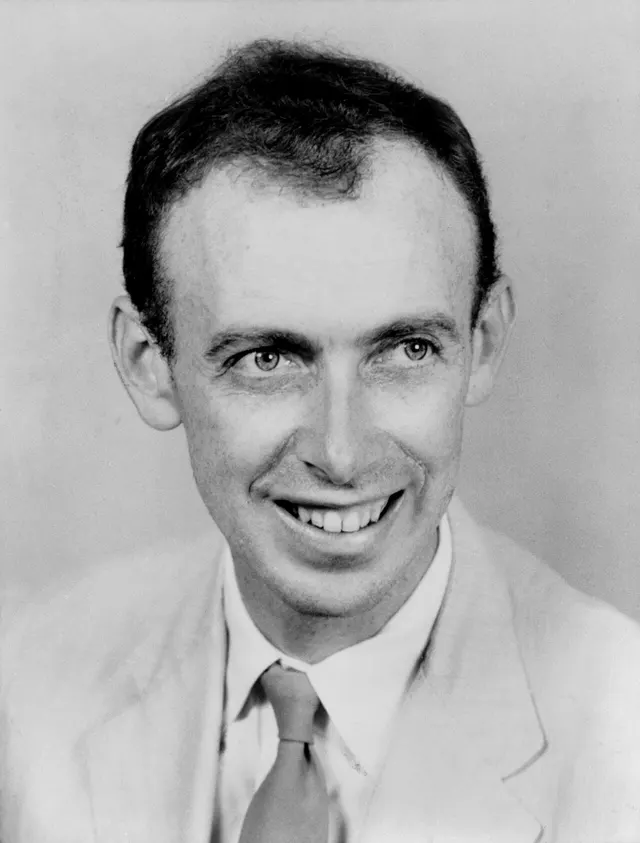
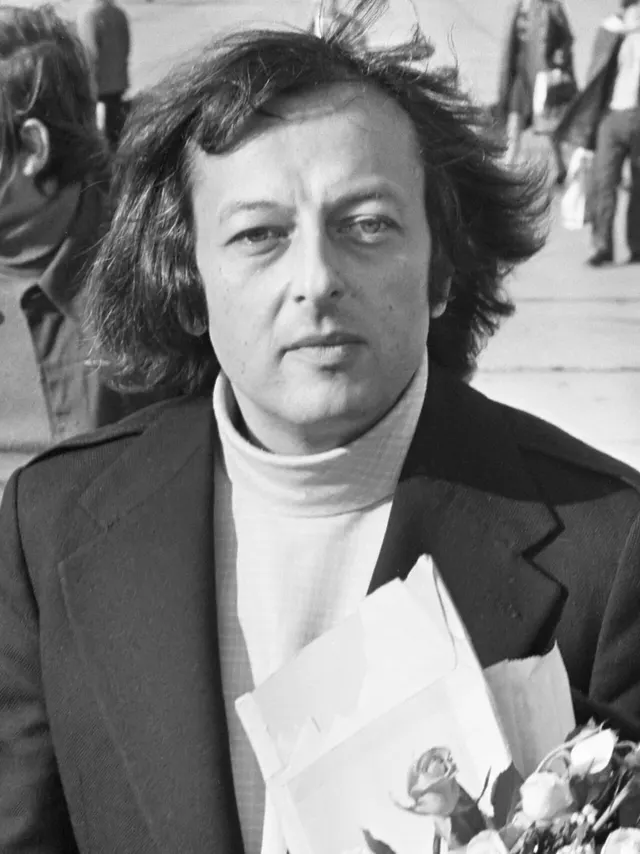
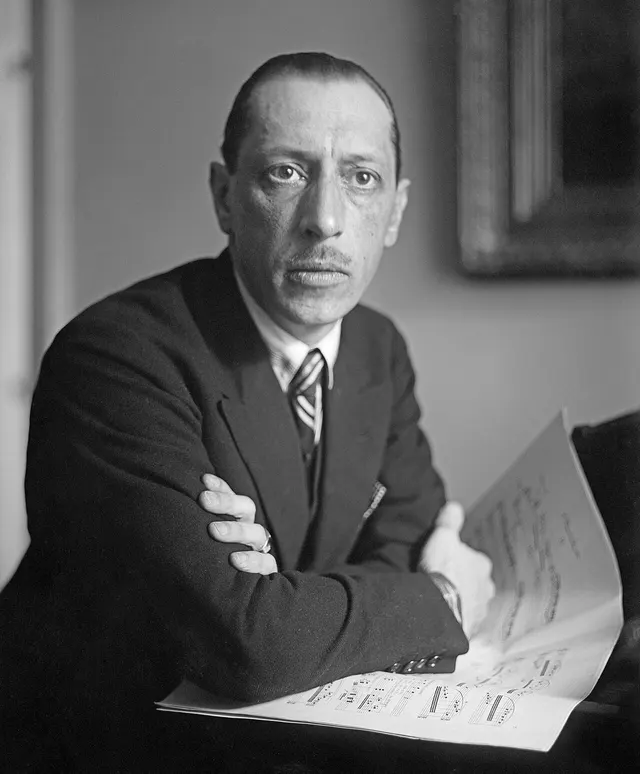
Explore 6 April: Gandhi picks up salt on the beach at Dandi in defiance of British law, the United States declares war on Germany, Scotland’s barons send the Declaration of Arbroath to the Pope and the genocide in Rwanda begins. Meet James Watson, André Previn and Merle Haggard, born on this date, and remember Igor Stravinsky.

This day through time →14 verified events across 4 eras

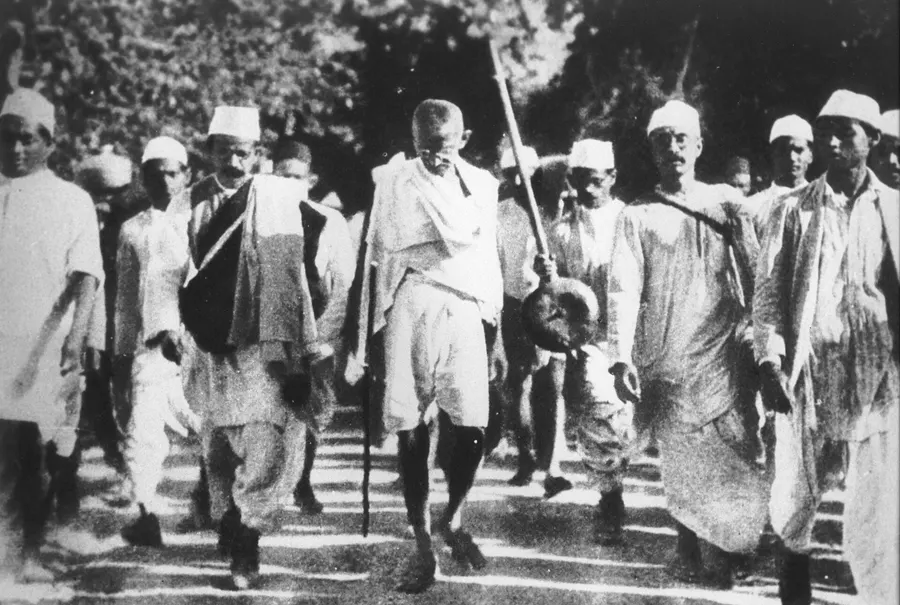
Gandhi and his companions during the Salt March, March 1930.
Image creditUnknown photographer · Public domainResized and cropped for display.

Gandhi breaks the salt law at Dandi

Early on 6 April 1930, after a 24-day, 240-mile march from his ashram near Ahmedabad, Mohandas Gandhi walked down to the shore at Dandi on India’s west coast and picked up a lump of natural salt. It was a crime: the British government held a monopoly on salt and taxed it.

The simple act set off a wave of civil disobedience across India, as thousands made and sold salt illegally. More than 60,000 people were jailed, Gandhi among them, and the protest drew the eyes of the world to the campaign for Indian independence.

Read the full storyHistory & Timeline →Source: Britannica School: Salt March ↗
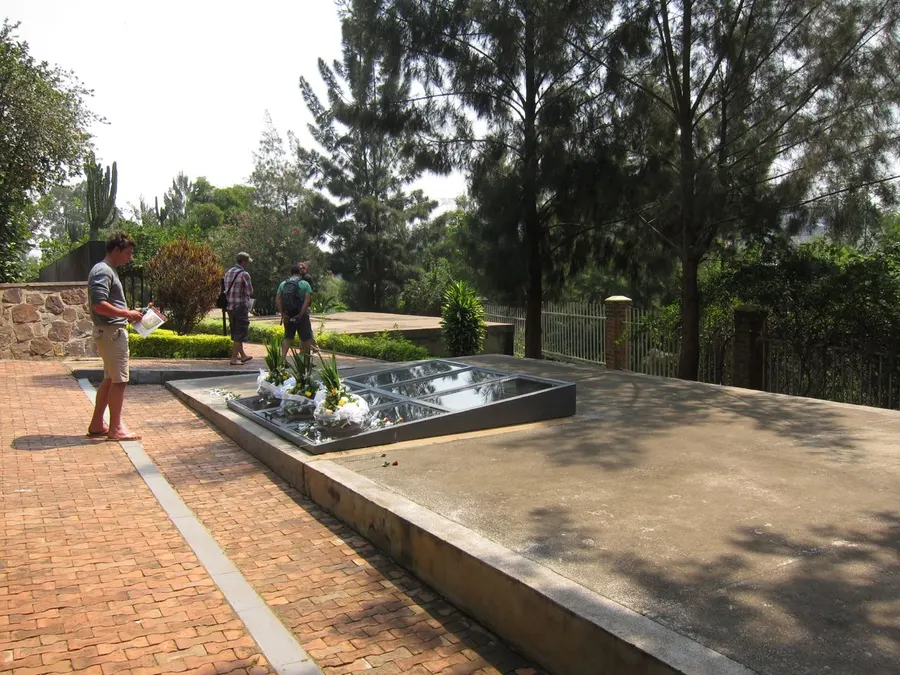
The Kigali Genocide Memorial in Rwanda, where more than 250,000 victims are buried, 2012.
Image creditMartijn.Munneke from Netherlands · CC BY 2.0Resized and cropped for display.

The genocide in Rwanda begins

On the evening of 6 April 1994 the plane carrying Rwanda’s president, Juvénal Habyarimana, and Burundi’s president, Cyprien Ntaryamira, was shot down as it came in to land at Kigali. Everyone on board was killed. Who fired the missiles has never been settled.

Within hours, Hutu extremists began a planned campaign of killing. In about 100 days some 800,000 people were murdered, most of them Tutsi, along with Hutu who opposed the killers, while the world largely stood by. Rwanda remembers the victims every year from 7 April.

Read the full storyHistory & Timeline →Source: United States Holocaust Memorial Museum: Rwandan genocide begins ↗
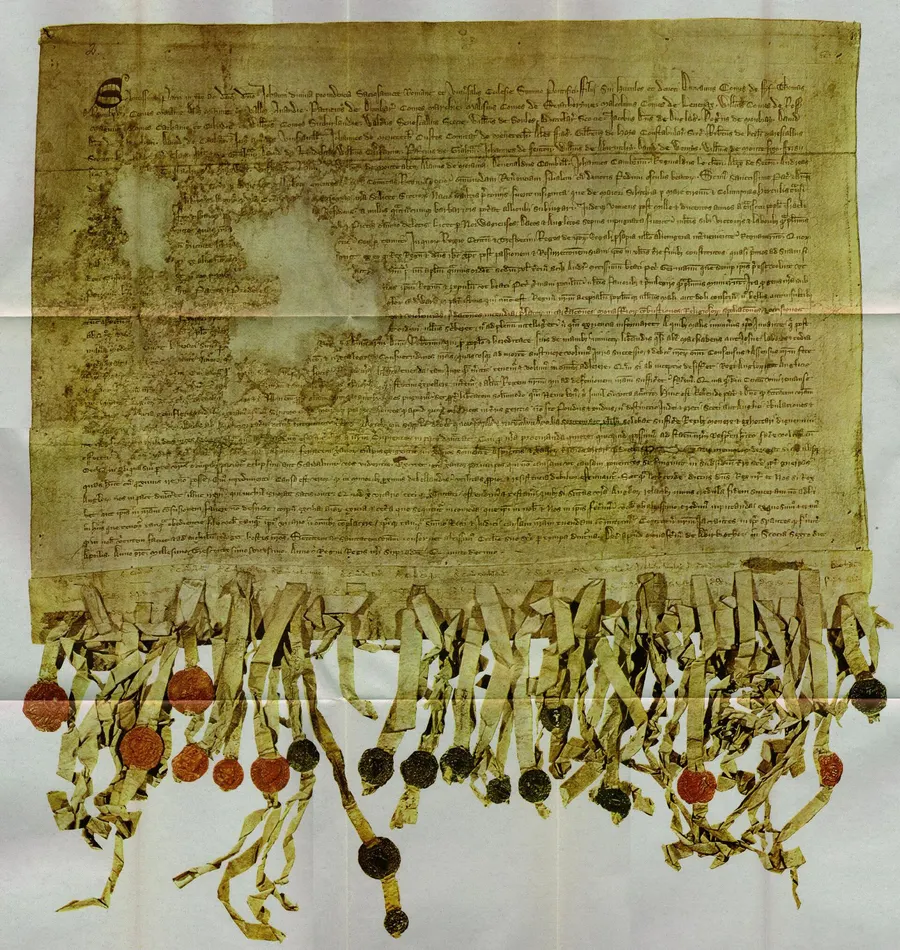
The Tyninghame copy of the Declaration of Arbroath, with the seals of the Scottish nobles.
Image creditScotland barons · Public domainResized and cropped for display.

The Declaration of Arbroath

A letter dated 6 April 1320 at Arbroath Abbey, sealed by dozens of Scottish nobles, was sent to Pope John XXII asking him to recognise Scotland’s independence and Robert the Bruce as its king, at a time when the Pope had excommunicated Robert.

Probably written by the abbot of Arbroath, Bernard, it declares that as long as a hundred Scots remain alive they will never submit to English rule, fighting not for glory or riches but for freedom. The surviving copy is kept by National Records of Scotland.

Read the full storyHistory & Timeline →Source: National Records of Scotland: The Declaration of Arbroath ↗
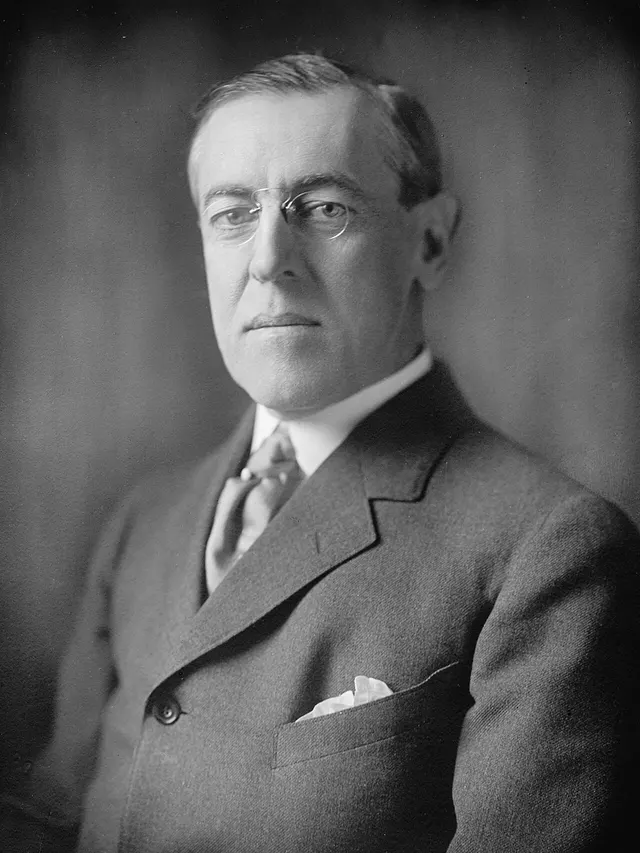
President Woodrow Wilson, photographed by Harris and Ewing.
Image creditHarris & Ewing, photographer · Public domainResized and cropped for display.

The United States declares war on Germany

At about 3 am on 6 April 1917, after a long debate, the House of Representatives voted 373 to 50 to declare war on Germany, following the Senate’s vote two days earlier. President Woodrow Wilson signed the declaration that afternoon.

America’s entry, prompted by German submarine attacks on shipping, brought fresh troops and money to Britain and France. By the armistice in November 1918 about two million American soldiers had reached Europe, and more than 116,000 had died.

Read the full storyHistory & Timeline →Source: US House of Representatives, History, Art and Archives: The House declaration of war against Germany ↗
♙
PEOPLE

Born Today

Merle Haggard
Image creditCountry Music Association · Public domainResized and cropped for display.

Merle Haggard

American country singer of ‘Okie from Muskogee’; he died on his 79th birthday.

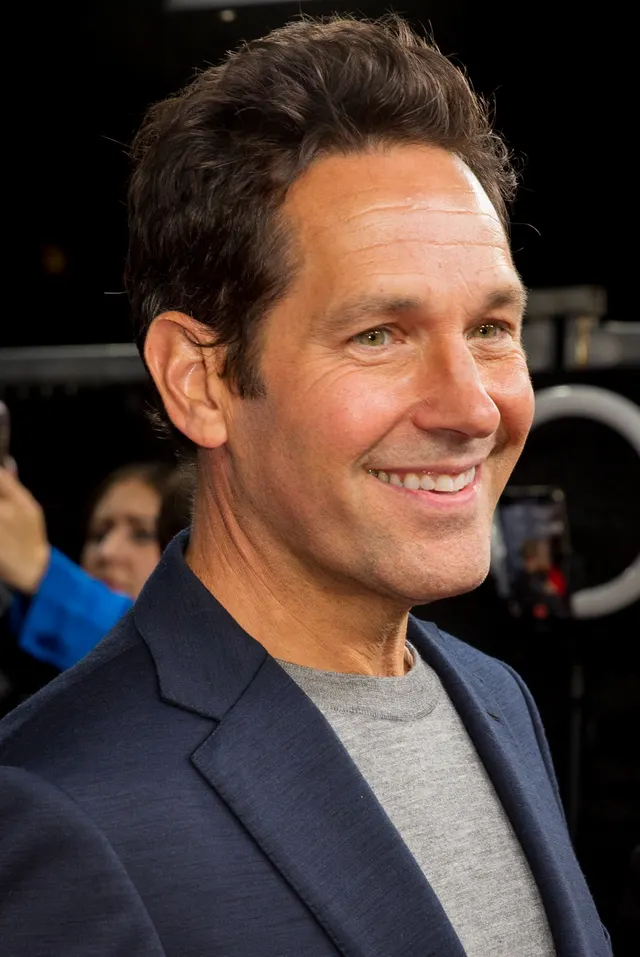
Paul Rudd
Image creditAdam Chitayat · CC BY 4.0Resized and cropped for display.

Paul Rudd

American actor of Clueless and Marvel’s Ant-Man.

Oscar Piastri
Image creditLiauzh · CC BY 4.0Resized and cropped for display.

Oscar Piastri

Australian Formula One driver.

◉
IDEAS THAT CHANGED THINGS

Firsts, Science & Discoveries

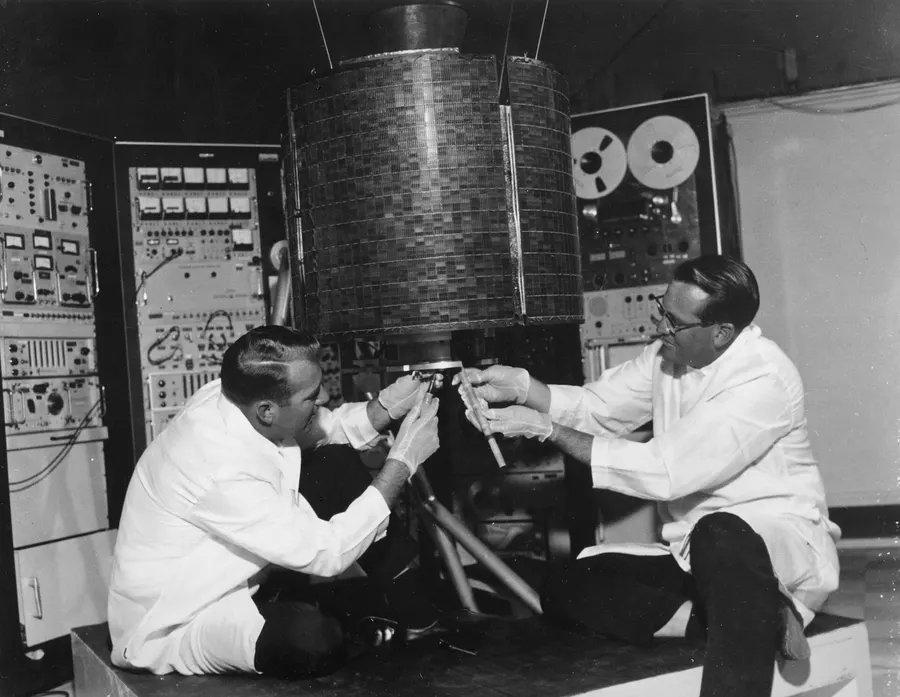
Engineers check the Early Bird satellite before its launch in 1965.
Image creditNASA · Public domainResized and cropped for display.

Early Bird, the first commercial communications satellite

NASA launched Early Bird, or Intelsat I, from Cape Kennedy on 6 April 1965. Built by Hughes Aircraft for the new Communications Satellite Corporation, it was the first commercial satellite placed in geostationary orbit, hanging over the Atlantic in step with the Earth’s turn.

From June 1965 it carried telephone calls and live television between North America and Europe, doubling the transatlantic phone lines, and began the age of instant worldwide communication.

Read the full storyHistory & Timeline →Source: NASA Space Science Data Coordinated Archive: Intelsat 1 ↗
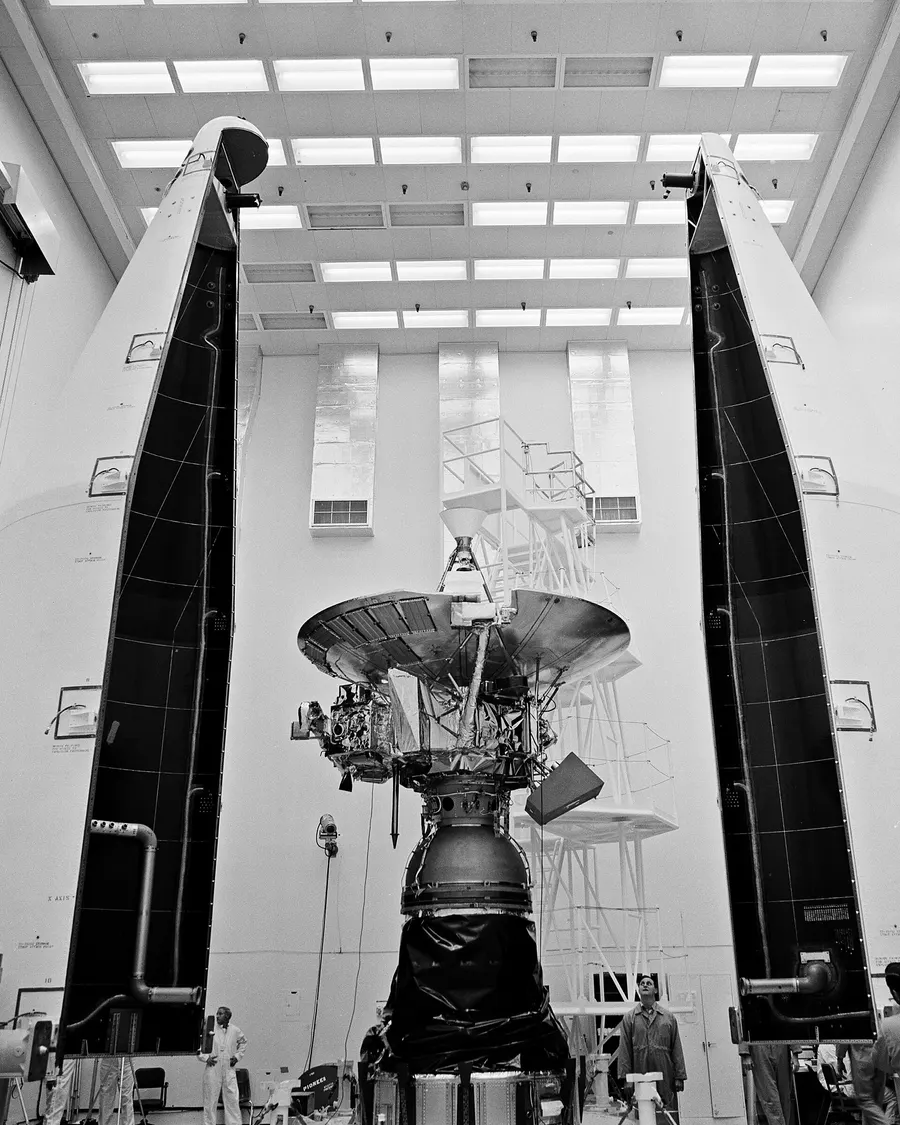
The Pioneer 11 spacecraft at Cape Kennedy before launch, March 1973.
Image creditNASA Kennedy Space Center · Public domainResized and cropped for display.

Pioneer 11 sets off for Jupiter and Saturn

NASA’s Pioneer 11 lifted off from Cape Canaveral on an Atlas-Centaur rocket in the early hours of 6 April 1973 by Greenwich time, still the evening of 5 April in Florida.

It flew past Jupiter in 1974, then used Jupiter’s gravity to swing on to Saturn, becoming the first spacecraft to visit Saturn in 1979. Contact was lost in 1995, and it is now heading out of the solar system, carrying a plaque with a message for anyone who finds it.

Read the full storyHistory & Timeline →Source: NASA History: 45 years ago, Pioneer 11 launched to study Jupiter and Saturn ↗
☆
SPORTING HISTORY

Sporting Moments

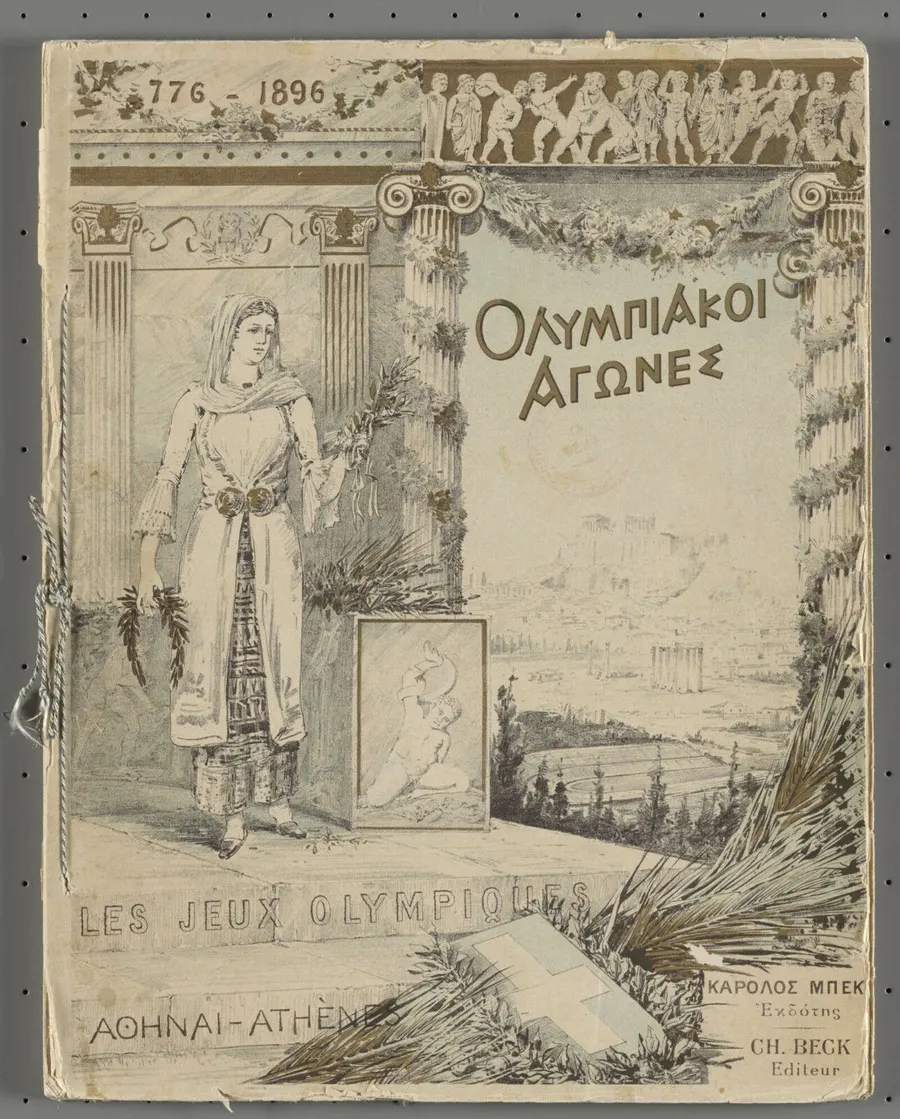
The cover of the official album of the 1896 Olympic Games, designed by Émile Gilliéron.
Image creditÉmile Gilliéron · Public domainResized and cropped for display.

The first modern Olympic Games open in Athens

On Easter Monday, 6 April 1896, King George I of Greece opened the first modern Olympic Games in the rebuilt marble Panathenaic Stadium in Athens, before a huge crowd. About 240 athletes, all men, from 14 countries took part.

That afternoon the American James Connolly won the triple jump, becoming the first Olympic champion for more than 1,500 years. The Games had been revived by the French educator Pierre de Coubertin.

Read the full storyHistory & Timeline →Source: Olympics.com (International Olympic Committee): 6 April 1896, the first Olympic Games of the modern era open ↗
♫
MUSIC • FILM • BOOKS • CULTURE

Culture Stories

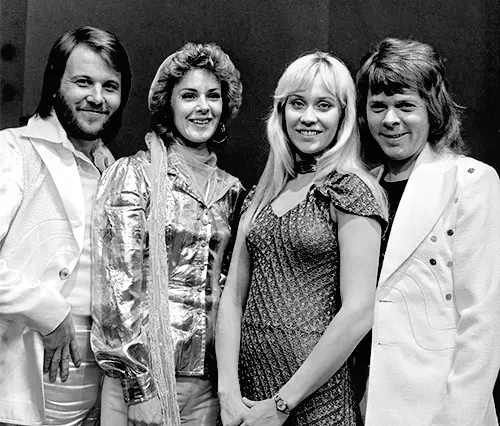
ABBA on the Dutch television show TopPop, April 1974.
Image creditAVRO · CC BY-SA 3.0 nlResized and cropped for display.

ABBA win Eurovision with ‘Waterloo’

At the Dome in Brighton on 6 April 1974, the Swedish group ABBA won the Eurovision Song Contest with ‘Waterloo’, sung in English and performed in glittering stage costumes. It was Sweden’s first victory in the contest.

The song became a hit across Europe and beyond, and launched Agnetha, Björn, Benny and Anni-Frid on a career that made them one of the best-selling acts in the history of pop.

Read the full storyHistory & Timeline →Source: Eurovision Song Contest: Waterloo at 50, ABBA’s charge to Eurovision victory ↗
✦
LIVES REMEMBERED

Remembered Today

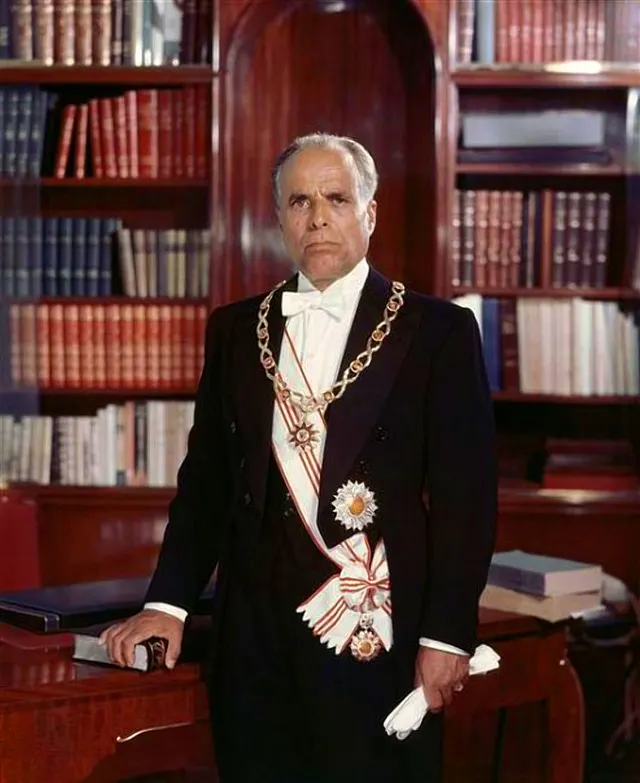
Habib Bourguiba
Image creditHabib Osman · Public domainResized and cropped for display.

Habib Bourguiba

Leader of Tunisia’s independence movement and its first president, from 1957 to 1987.

Mickey Rooney
Image creditStudio publicity still · Public domainResized and cropped for display.

Mickey Rooney

American actor whose career ran from silent films to the 21st century.

☉
AROUND THE WORLD

Observances & Anniversaries

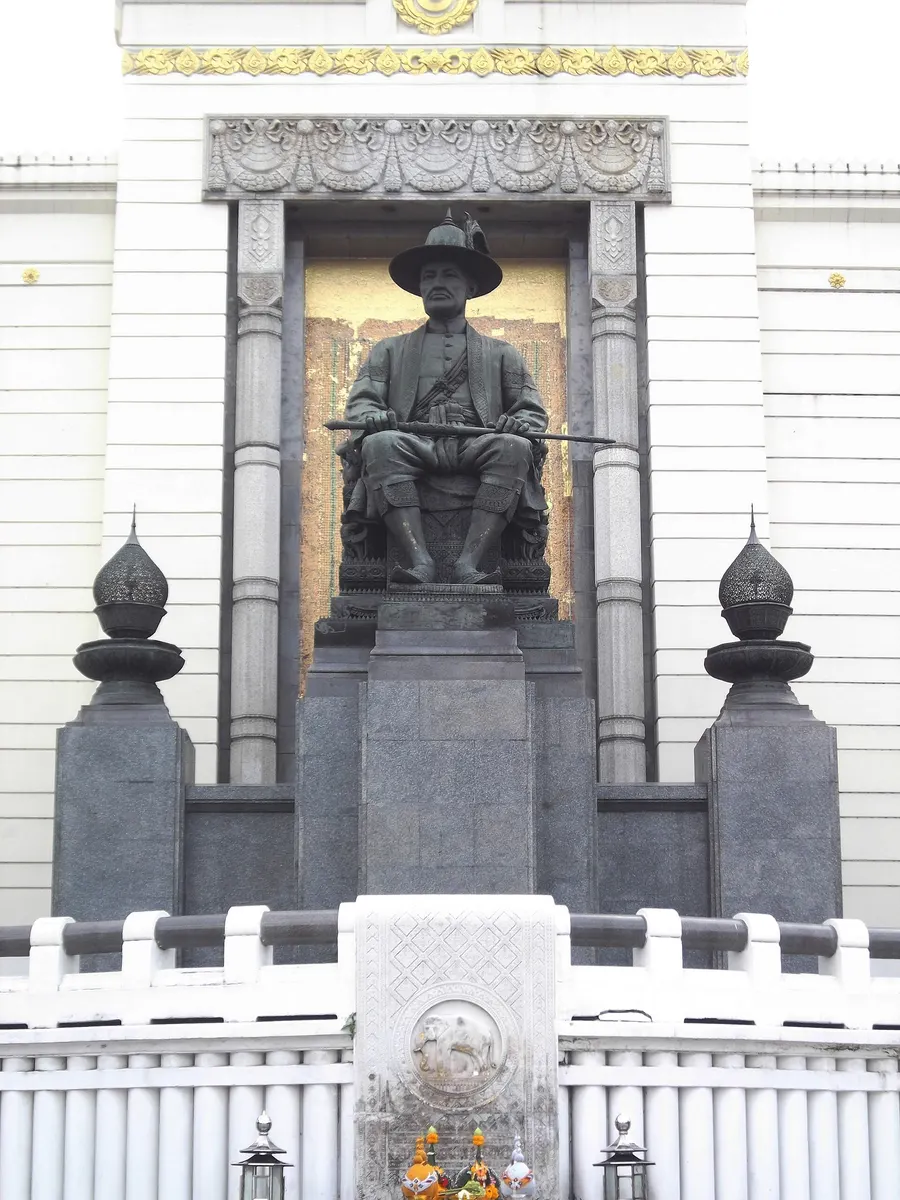
The monument to King Rama I at the foot of the Memorial Bridge in Bangkok, 2014.
Image creditกสิณธร ราชโอรส · CC BY-SA 4.0Resized and cropped for display.

Chakri Memorial Day in Thailand

Thailand remembers the founding of its royal house on 6 April, the day in 1782 when King Rama I came to the throne and founded the Chakri dynasty, which still reigns.

Rama I made Bangkok the capital. On Chakri Day the king pays homage to his ancestors, and people lay flowers at statues of Rama I.

Source: Royal Thai Embassy, Ottawa: Chakri Memorial Day ↗
HISTORY & TIMELINE

Finished the highlights?

Follow 6 April chronologically, from the Middle Ages to the modern day, with 14 verified events and the sources behind them.

This day through time →