Explore 12 April

Explore 12 April: Yuri Gagarin becomes the first person in space, Confederate guns open fire on Fort Sumter, crusaders storm Constantinople and Britain annexes the Transvaal. Meet Herbie Hancock, Saoirse Ronan and Henry Clay, born on this date, and remember Josephine Baker and Joe Louis.

This day through time →15 verified events across 4 eras

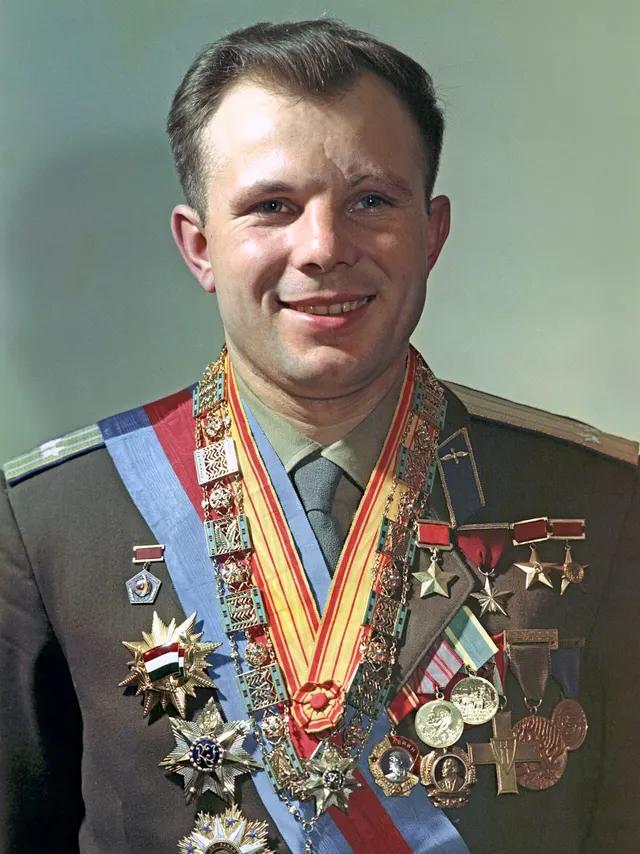
Yuri Gagarin wearing his awards.
Image creditAleksandr Mokletsov (Sovinformburo) · CC BY 4.0Resized and cropped for display.

Yuri Gagarin, the first person in space

On the morning of 12 April 1961 the Soviet air force pilot Yuri Gagarin, aged 27, was launched from Baikonur in the Vostok 1 capsule, calling out ‘Poyekhali!’, ‘Let’s go!’. He circled the Earth once in 108 minutes before parachuting down in a field near the Volga.

His flight made him a worldwide hero and gave the Soviet Union a stunning lead in the space race. The United Nations now marks 12 April as the International Day of Human Space Flight.

Read the full storyHistory & Timeline →Source: United Nations: International Day of Human Space Flight ↗
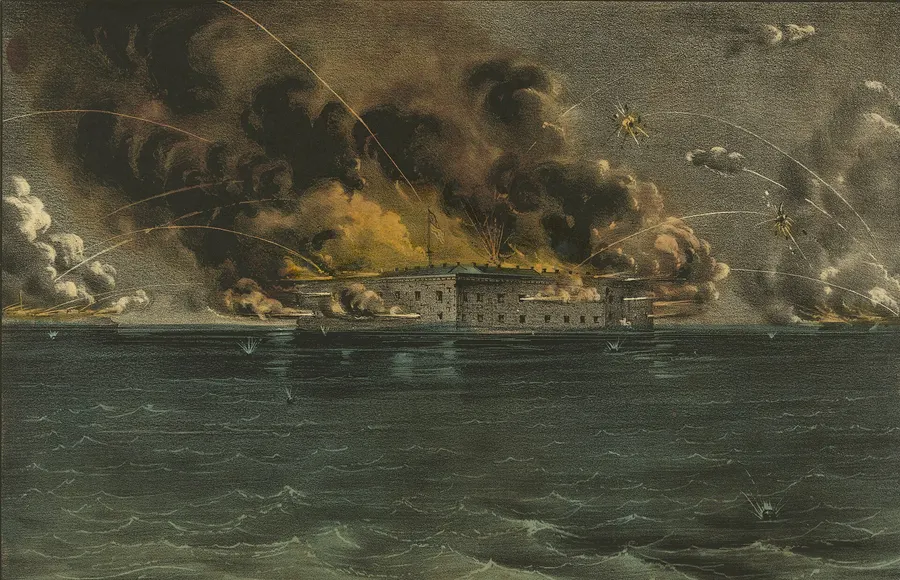
The bombardment of Fort Sumter in Charleston Harbour, in a Currier and Ives lithograph of about 1861.
Image creditPublished by Currier and Ives · Public domainResized and cropped for display.

The American Civil War begins at Fort Sumter

At 4.30 in the morning of 12 April 1861 a Confederate mortar fired a signal shell over Fort Sumter, a Union fort in the harbour at Charleston, South Carolina. Batteries around the harbour then opened fire.

After some 34 hours of bombardment the fort’s commander, Major Robert Anderson, surrendered. The attack began four years of civil war that killed more than 620,000 people and ended slavery in the United States.

Read the full storyHistory & Timeline →Source: US National Park Service: The Battle of Fort Sumter, April 1861 ↗
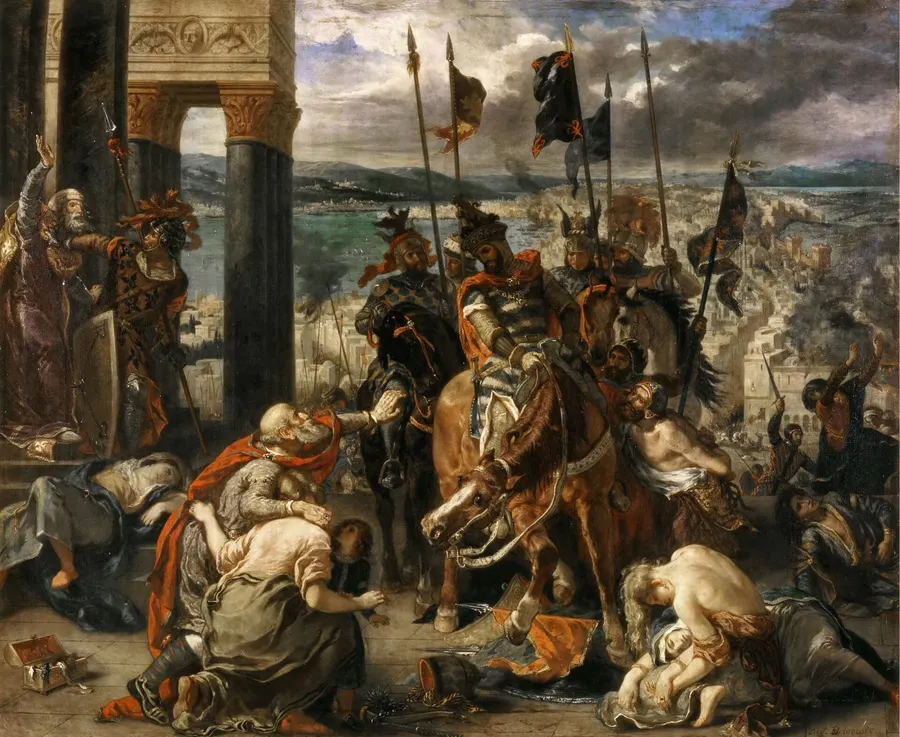
The Entry of the Crusaders into Constantinople, painted by Eugène Delacroix in 1840.
Image creditEugène Delacroix · Public domainResized and cropped for display.

Crusaders storm Constantinople

The Fourth Crusade had set out to attack Egypt, but debts to Venice and a quarrel over the Byzantine throne led it instead to the walls of Constantinople, the greatest Christian city of the day. On 12 April 1204 the crusaders forced their way in from the harbour.

Over the next three days they looted the city, carrying off treasures that still fill churches and museums in the West, and set up a Latin empire. The sack deepened the split between Catholic and Orthodox Christians. The date is by the Julian calendar.

Read the full storyHistory & Timeline →Source: World History Encyclopedia: 1204, the sack of Constantinople ↗
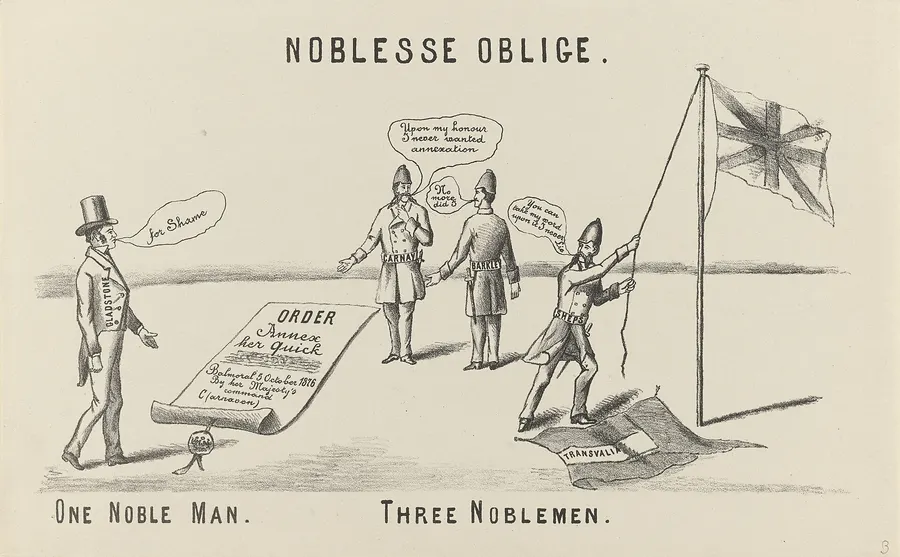
A satirical print of 1877 showing Theophilus Shepstone raising the British flag over the Transvaal (Rijksmuseum).
Image creditRijksmuseum · CC0Resized and cropped for display.

Britain annexes the Transvaal

On 12 April 1877 the British official Sir Theophilus Shepstone, who had ridden into Pretoria with a small escort, proclaimed the Boer republic of the Transvaal a British colony. Not a shot was fired.

Britain hoped to join southern Africa into one federation, but many Boers never accepted the takeover. Petitions failed, and at the end of 1880 they rose in revolt, winning back their independence in the First Anglo-Boer War.

Read the full storyHistory & Timeline →Source: South African History Online: First Anglo-Boer War ↗
♙
PEOPLE

Born Today

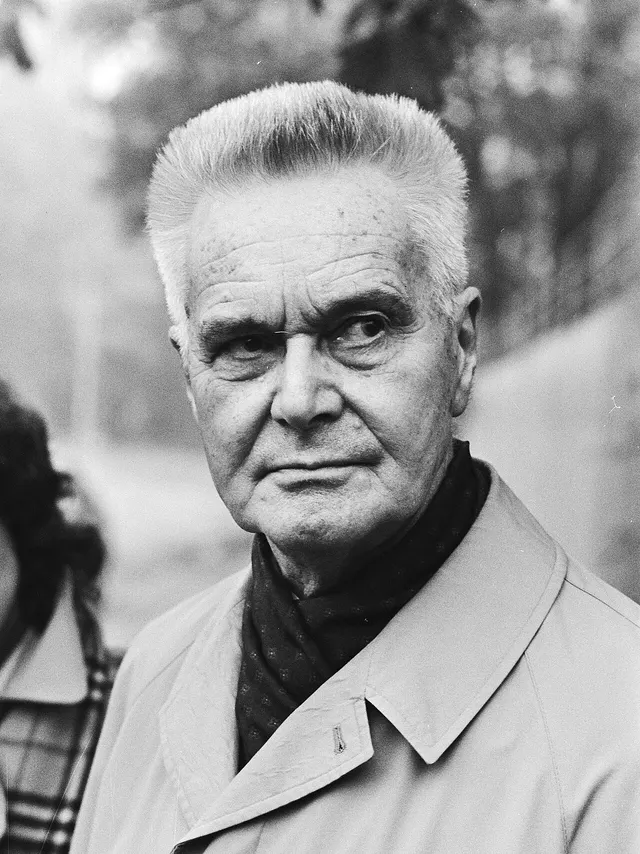
Jan Tinbergen
Image creditAnefo / Croes, R.C. · CC0Resized and cropped for display.

Jan Tinbergen

Dutch economist who shared the first Nobel Prize in Economics, in 1969.

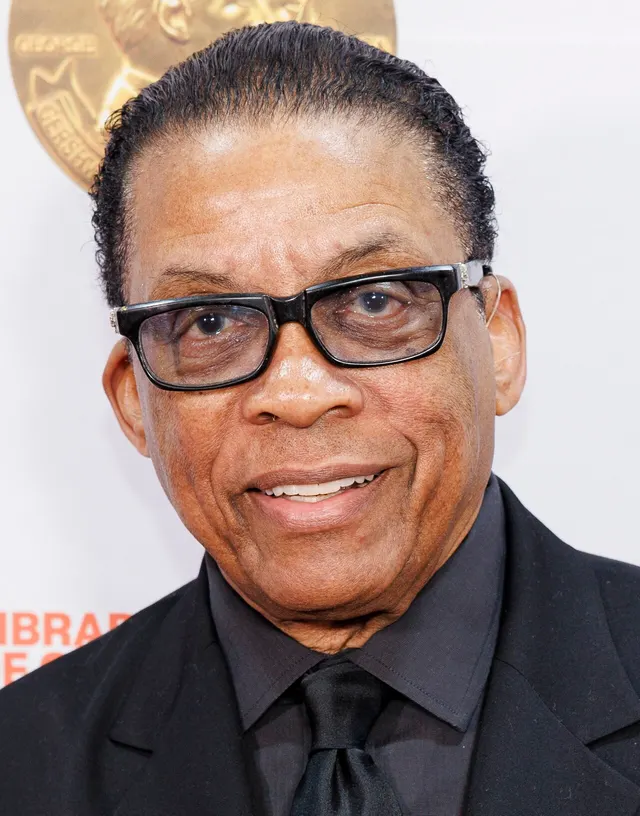
Herbie Hancock
Image creditLibrary of Congress Life · CC0Resized and cropped for display.

Herbie Hancock

American jazz pianist and composer of ‘Watermelon Man’ and ‘Rockit’.

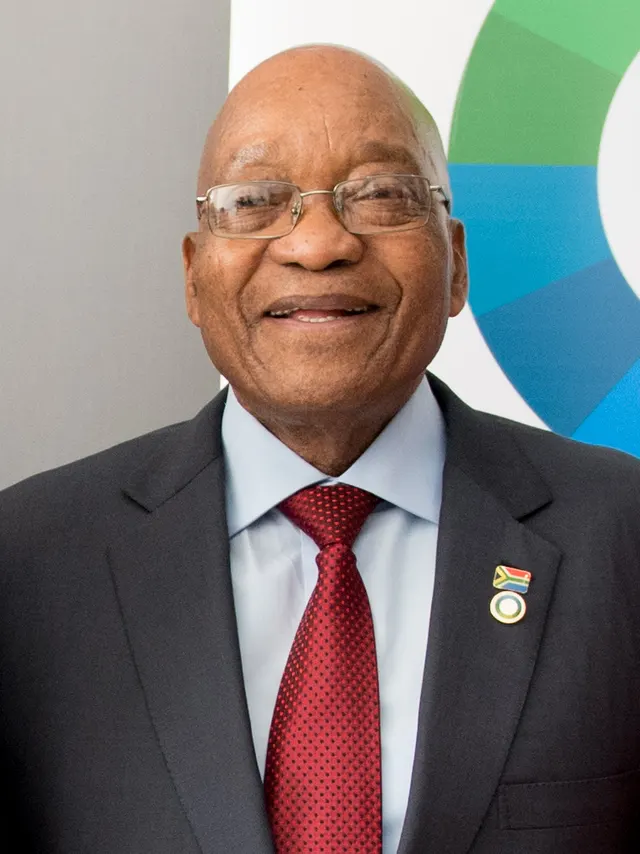
Jacob Zuma
Image creditEtienne Ansotte · CC BY 4.0Resized and cropped for display.

Jacob Zuma

President of South Africa from 2009 to 2018.

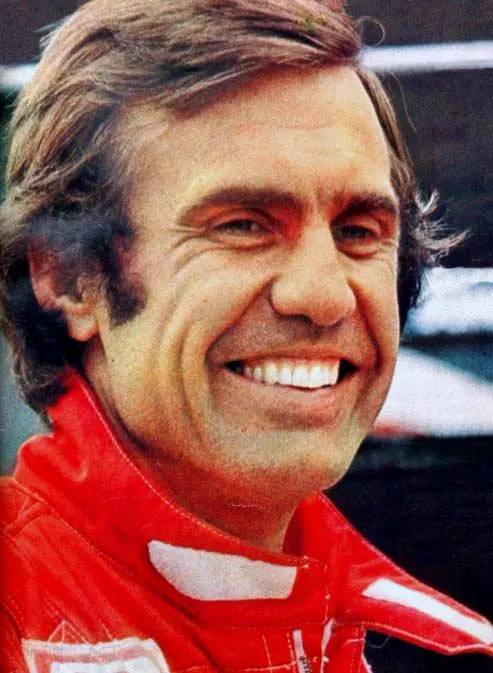
Carlos Reutemann
Image creditUnknown photographer · Public domainResized and cropped for display.

Carlos Reutemann

Argentine Formula One driver and later governor of Santa Fe province.

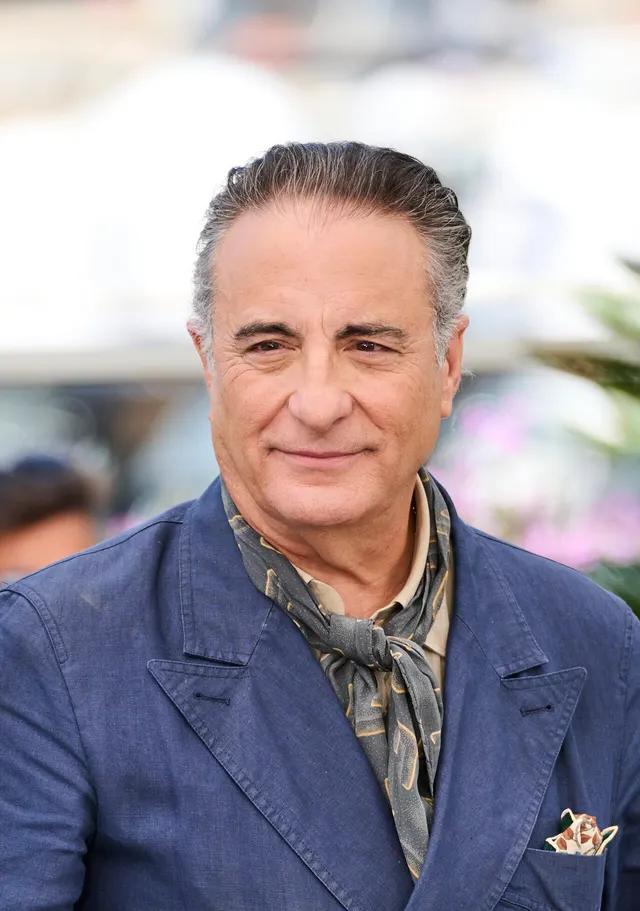
Andy García
Image creditGabriel Hutchinson · CC BY-SA 4.0Resized and cropped for display.

Andy García

Cuban-born American actor of The Untouchables and The Godfather Part III.

Saoirse Ronan
Image creditMartin Kraft · CC BY-SA 4.0Resized and cropped for display.

Saoirse Ronan

Irish actress of Atonement, Brooklyn and Lady Bird.

◉
IDEAS THAT CHANGED THINGS

Firsts, Science & Discoveries

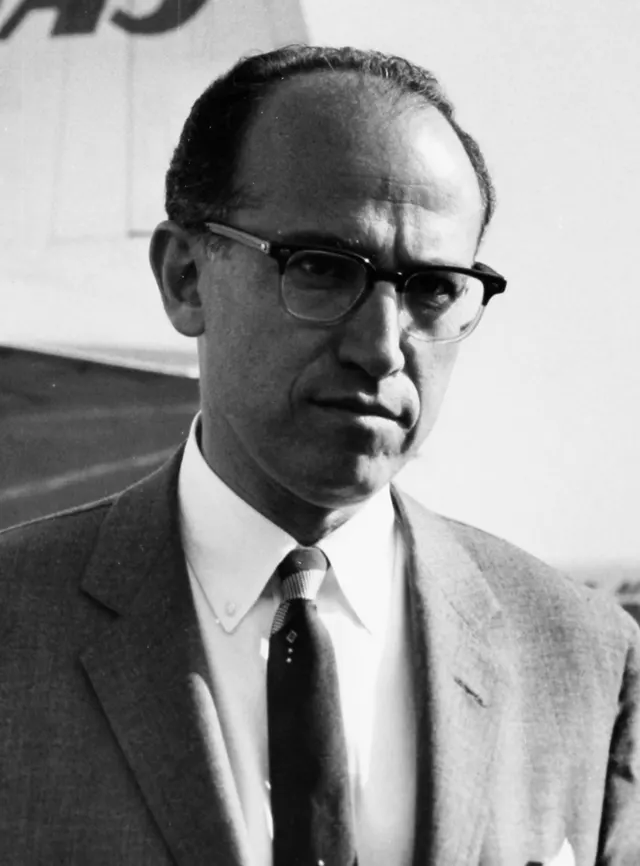
Jonas Salk, who developed the first effective polio vaccine.
Image creditSAS Scandinavian Airlines · Public domainResized and cropped for display.

The polio vaccine is declared safe

In a packed hall at the University of Michigan on 12 April 1955, Dr Thomas Francis Jr announced the results of a trial involving more than 1.8 million children: Jonas Salk’s vaccine against polio was ‘safe, effective, and potent’.

Church bells rang across America. Polio had paralysed tens of thousands of children a year, and within a few years of mass vaccination the number of cases in the United States fell dramatically.

Read the full storyHistory & Timeline →Source: University of Michigan School of Public Health: The 1954 polio vaccine trials ↗
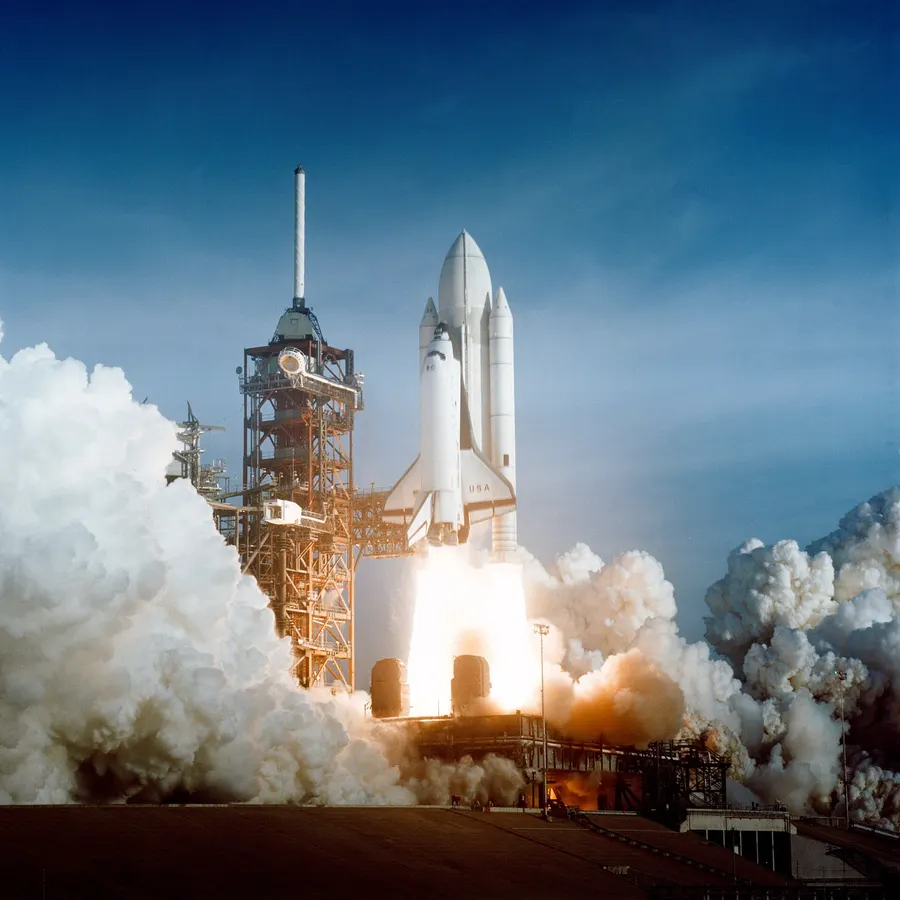
Space Shuttle Columbia lifts off from Kennedy Space Center on the first shuttle mission, 12 April 1981.
Image creditNASA · Public domainResized and cropped for display.

The first Space Shuttle flies

Exactly 20 years after Gagarin’s flight, NASA’s Space Shuttle Columbia lifted off from Florida at 7 am on 12 April 1981, with John Young and Robert Crippen aboard. It was the first time astronauts had flown a new spacecraft on its very first launch.

After 37 orbits Columbia glided back to land on a runway in California, like an aeroplane. The shuttles flew 135 missions over 30 years, launching satellites and building the International Space Station.

Read the full storyHistory & Timeline →Source: NASA: STS-1 ↗
♫
MUSIC • FILM • BOOKS • CULTURE

Culture Stories

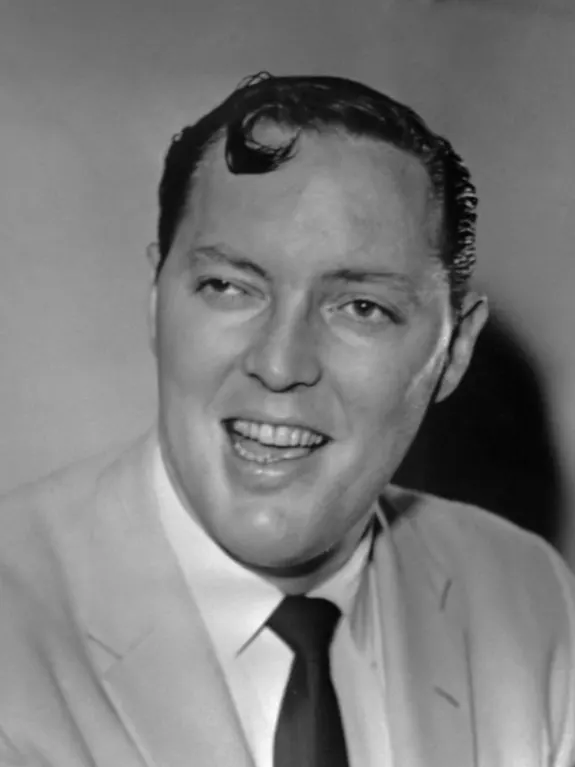
Bill Haley, photographed in 1974.
Image creditAnefo · CC0Resized and cropped for display.

‘Rock Around the Clock’ is recorded

At a Decca studio in a former Masonic hall in New York on 12 April 1954, Bill Haley and His Comets recorded ‘Rock Around the Clock’ in the last 40 minutes of the session, as the B-side of another song.

It sold modestly at first. But when it played over the opening of the film Blackboard Jungle in 1955, it shot to number one, and became the record that carried rock and roll around the world.

Read the full storyHistory & Timeline →Source: Library of Congress, National Recording Registry: Rock Around the Clock (essay) ↗
The entrance to Disneyland Paris at Marne-la-Vallée.
Image creditSneeuwvlakte · CC BY-SA 4.0Resized and cropped for display.

Euro Disney opens near Paris

The Euro Disney Resort opened at Marne-la-Vallée, about 32 kilometres east of Paris, on 12 April 1992. It was Disney’s second park outside the United States, after Tokyo.

Early years were difficult, with fewer visitors and more debt than planned, and some French critics called it a ‘cultural Chernobyl’. Renamed Disneyland Paris, it became one of Europe’s most visited attractions.

Read the full storyHistory & Timeline →Source: Disneyland Paris News: History ↗
✦
LIVES REMEMBERED

Remembered Today

Josephine Baker
Image creditStudio Harcourt · Public domainResized and cropped for display.

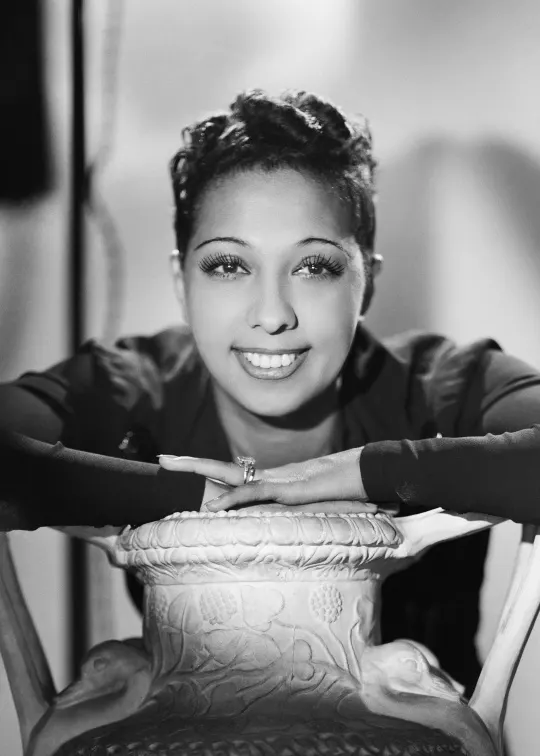
Josephine Baker

American-born French entertainer, Resistance agent and civil rights campaigner.

Joe Louis
Image creditCarl Van Vechten · Public domainResized and cropped for display.

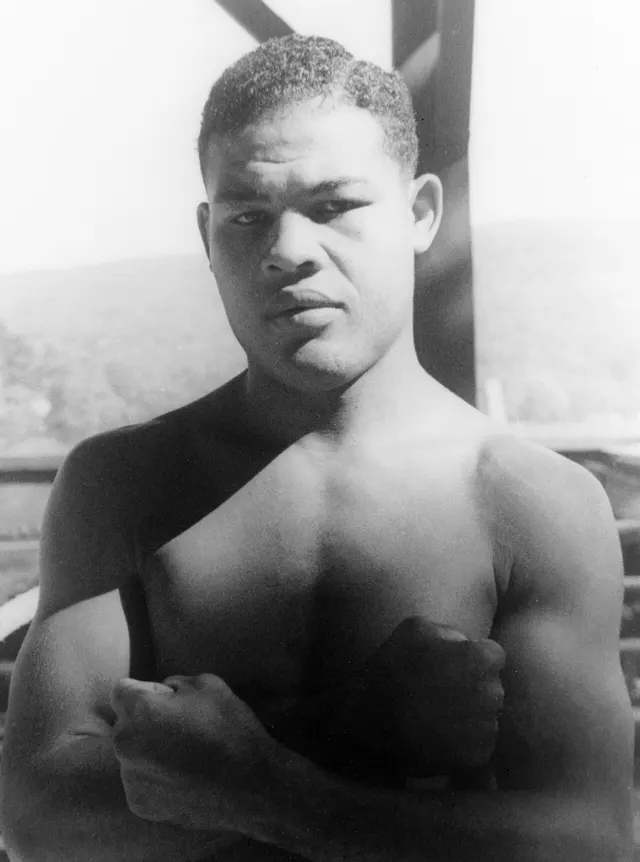
Joe Louis

American boxer, world heavyweight champion for nearly 12 years.

Alan Paton
Image creditCrown Studios · Public domainResized and cropped for display.

Alan Paton

South African novelist of Cry, the Beloved Country and opponent of apartheid.

HISTORY & TIMELINE

Finished the highlights?

Follow 12 April chronologically, from the Middle Ages to the modern day, with 15 verified events and the sources behind them.

This day through time →