Explore 18 April

Explore 18 April: an earthquake and fire destroy much of San Francisco, Asian and African leaders meet at Bandung, Zimbabwe becomes independent and Martin Luther refuses to recant before the emperor at Worms. Meet David Ricardo, Leopold Stokowski and Hayley Mills, born on this date, and remember the composer Ottorino Respighi.

This day through time →14 verified events across 4 eras

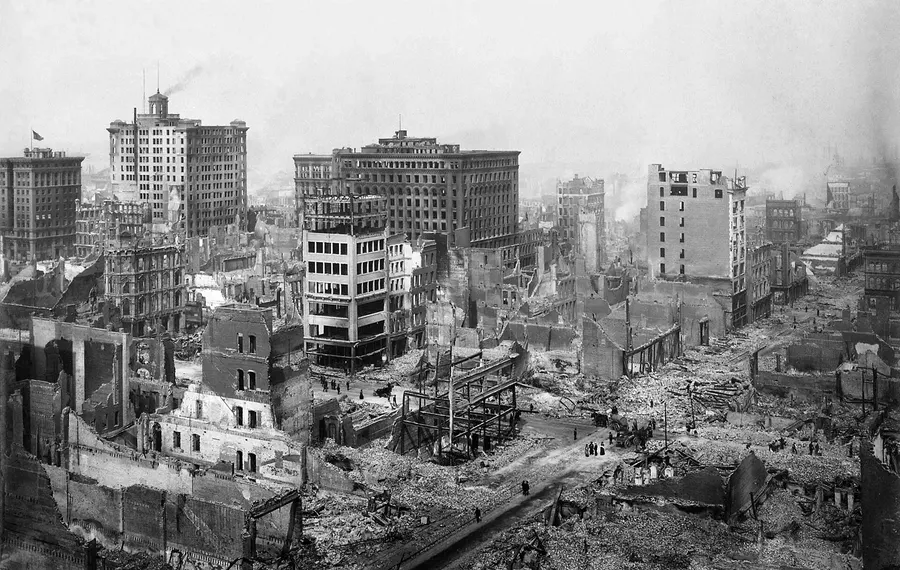
Ruins around Post Street and Grant Avenue after the 1906 earthquake and fire, looking north-east.
Image creditChadwick, H. D · Public domainResized and cropped for display.

The great San Francisco earthquake

Just after five in the morning on 18 April 1906, the San Andreas fault slipped along almost 300 miles of northern California. The shaking lasted under a minute, but broken gas mains and toppled chimneys started fires that burned across San Francisco for days.

At least 3,000 people died and more than half the city’s population lost their homes. Studying the torn ground afterwards, geologists developed the idea of elastic rebound, which still underpins how scientists explain earthquakes.

Read the full storyHistory & Timeline →Source: USGS: The Great 1906 San Francisco Earthquake ↗
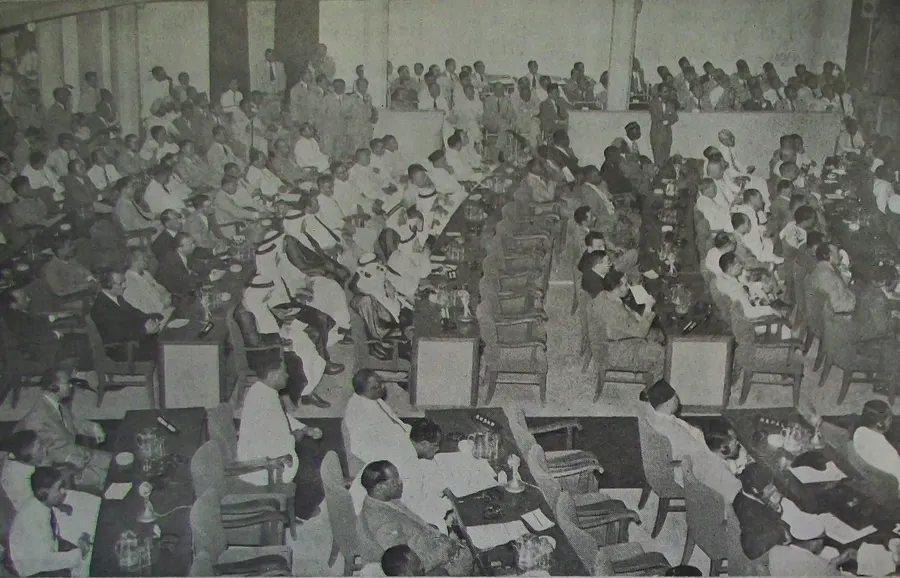
Delegates at a plenary session of the Bandung Conference, April 1955.
Image creditForeign Ministry of the Republic of Indonesia · Public domainResized and cropped for display.

Asia and Africa meet at Bandung

On 18 April 1955, delegates from 29 Asian and African countries gathered in the Indonesian hill city of Bandung, opened by President Sukarno. Between them they spoke for more than half of the world’s people, many of whom had only recently thrown off colonial rule.

Over a week, leaders such as Nehru, Zhou Enlai and Nasser discussed decolonisation, development and how to stay out of the Cold War’s two camps. Their final declaration helped lay the ground for the Non-Aligned Movement.

Read the full storyHistory & Timeline →Source: US Office of the Historian: Bandung Conference (Asian-African Conference), 1955 ↗
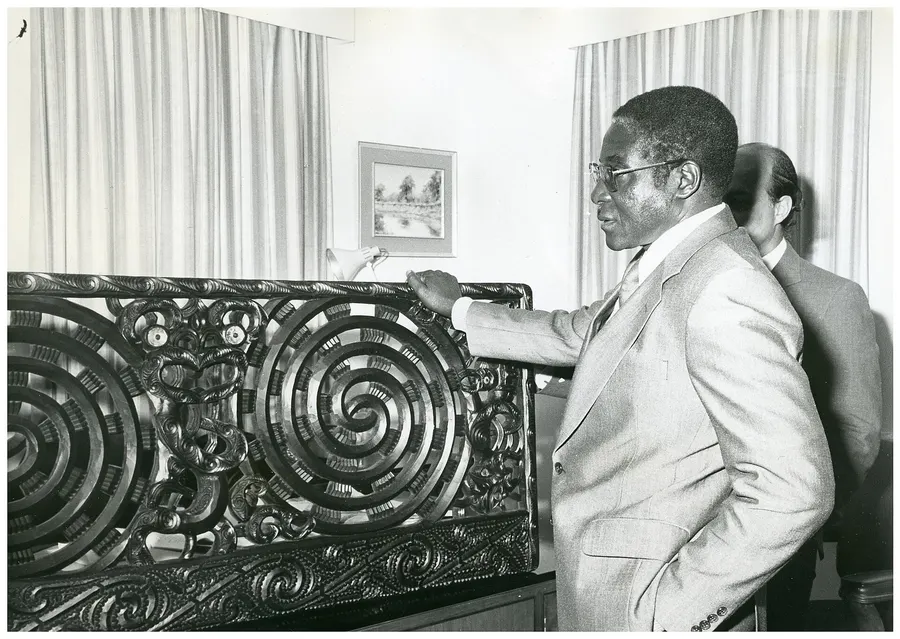
Robert Mugabe, Zimbabwe's first prime minister, in 1980 (Archives New Zealand).
Robert Mugabe, Zimbabwe’s first prime minister, in 1980 (Archives New Zealand).
Image creditArchives New Zealand from New Zealand · CC BY-SA 2.0Resized and cropped for display.

Zimbabwe becomes independent

At midnight on 18 April 1980, the British flag was lowered at Rufaro Stadium in Salisbury and the flag of Zimbabwe raised in its place. After decades of white-minority rule and a long liberation war, the former Southern Rhodesia became a sovereign state.

Robert Mugabe, whose party had won the elections weeks earlier, became prime minister, with Canaan Banana as president. Bob Marley played at the celebrations, and 18 April remains the country’s national holiday.

Read the full storyHistory & Timeline →Source: South African History Online: Zimbabwean Independence Day ↗
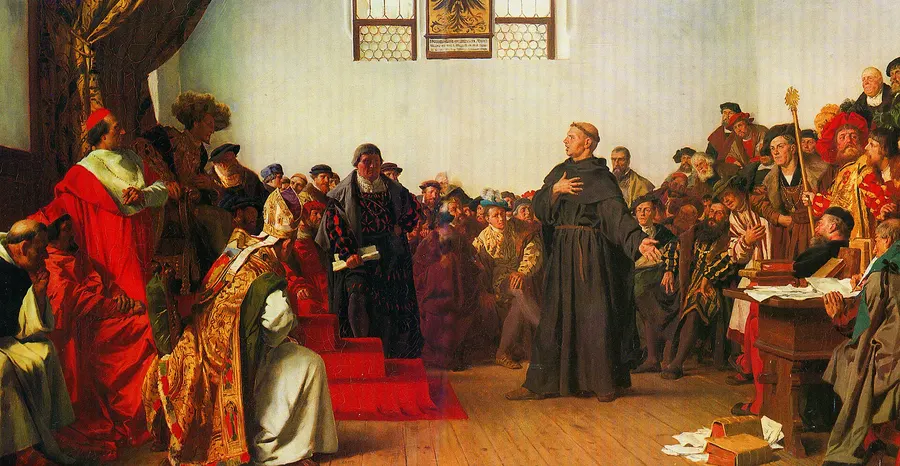
Luther before the Diet of Worms, in Anton von Werner's 19th-century painting.
Luther before the Diet of Worms, in Anton von Werner’s 19th-century painting.
Image creditAnton von Werner · Public domainResized and cropped for display.

Luther refuses to recant at Worms

Summoned before Emperor Charles V at the Diet of Worms, Martin Luther had asked for a day to think when told to disown his books. On 18 April 1521 he gave his answer: unless shown wrong by Scripture or plain reason, he would take nothing back, because his conscience was bound to the Word of God.

The famous line ‘Here I stand, I can do no other’ was probably added to the story later. A month on, the emperor declared Luther an outlaw, but his stand made the split in Western Christianity all but certain.

Read the full storyHistory & Timeline →Source: Britannica: Martin Luther - Diet of Worms ↗
♙
PEOPLE

Born Today

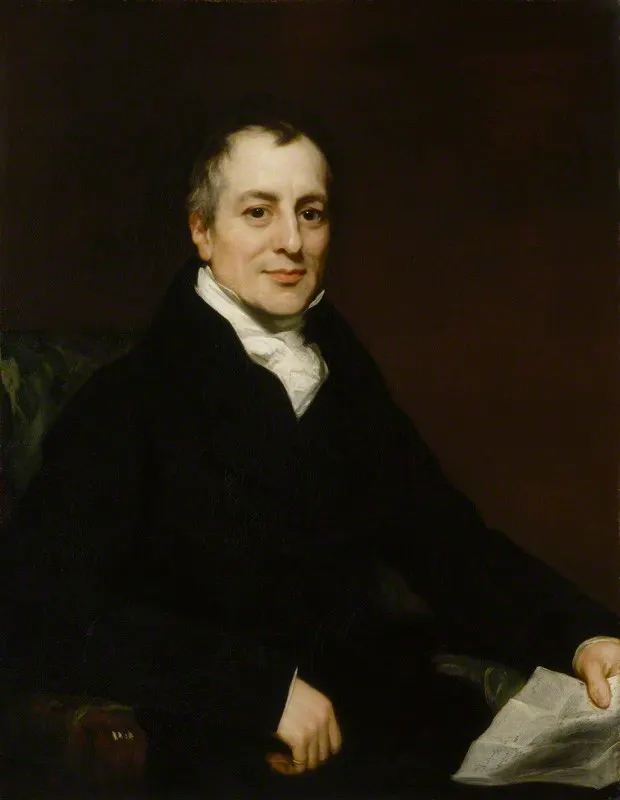
David Ricardo
Image creditThomas Phillips · Public domainResized and cropped for display.

David Ricardo

British economist whose theory of comparative advantage still shapes thinking on trade.

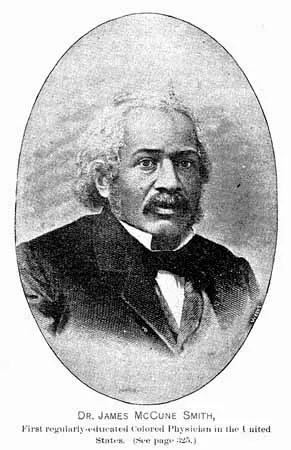
James McCune Smith
Image creditUnknown · Public domainResized and cropped for display.

James McCune Smith

First African American to earn a medical degree, and a leading abolitionist writer.

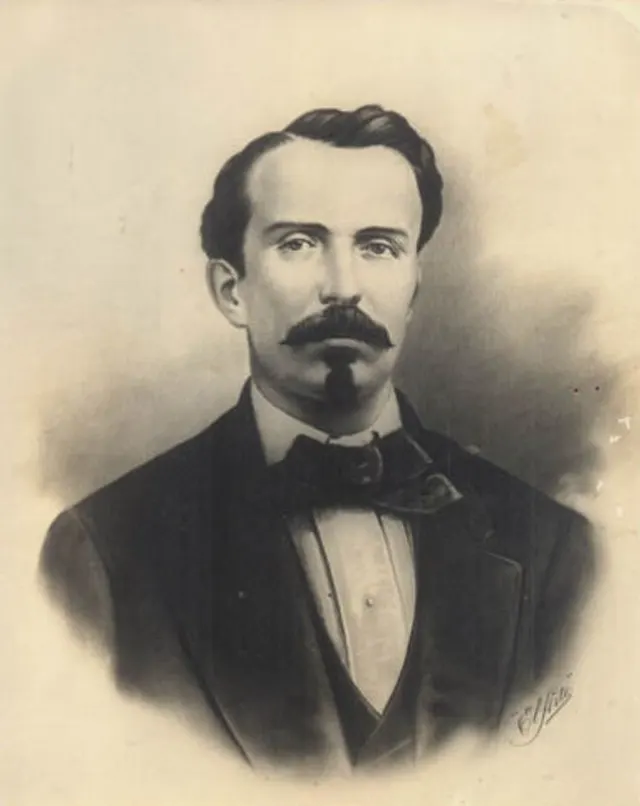
Carlos Manuel de Céspedes
Image creditElfisie · Public domainResized and cropped for display.

Carlos Manuel de Céspedes

Cuban planter who freed his slaves and launched Cuba’s first war of independence.

Franz von Suppé
Image creditGabriel Decker (1821-1855) · Public domainResized and cropped for display.

Franz von Suppé

Austrian composer of lively operettas and the much-borrowed ‘Light Cavalry’ overture.

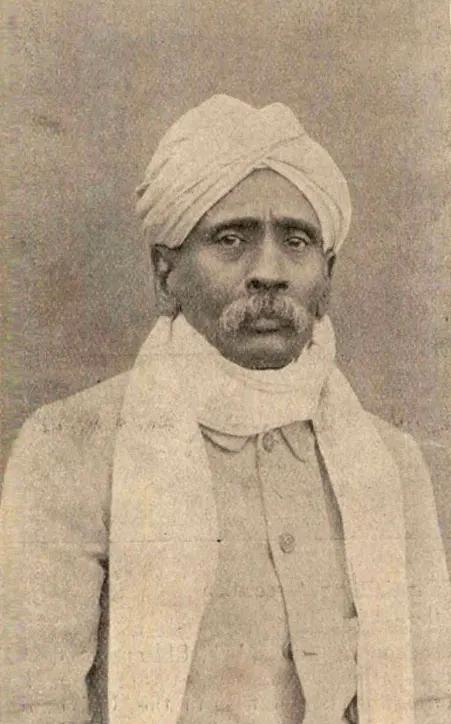
Dhondo Keshav Karve
Image creditUnknown · Public domainResized and cropped for display.

Dhondo Keshav Karve

Indian reformer who championed widows’ remarriage and founded India’s first women’s university.

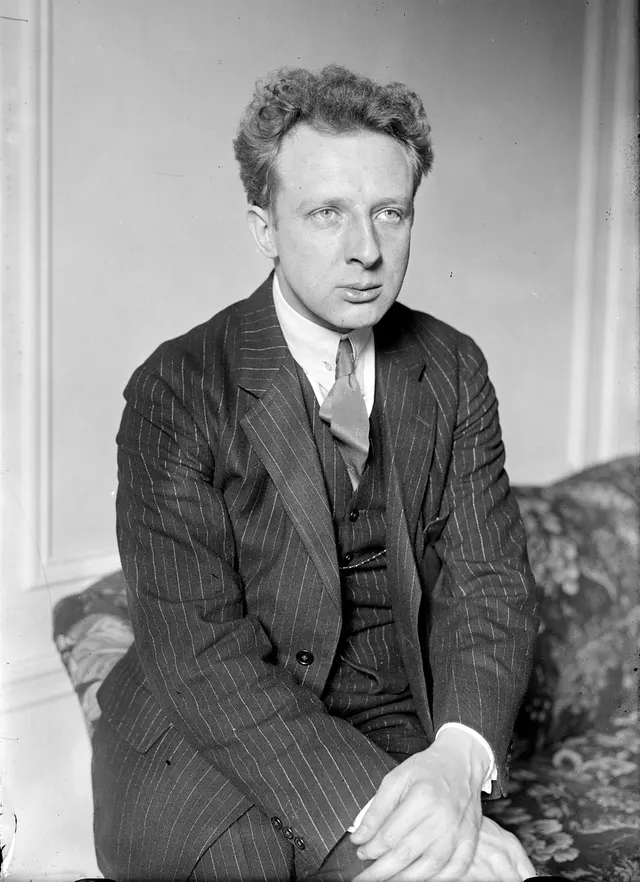
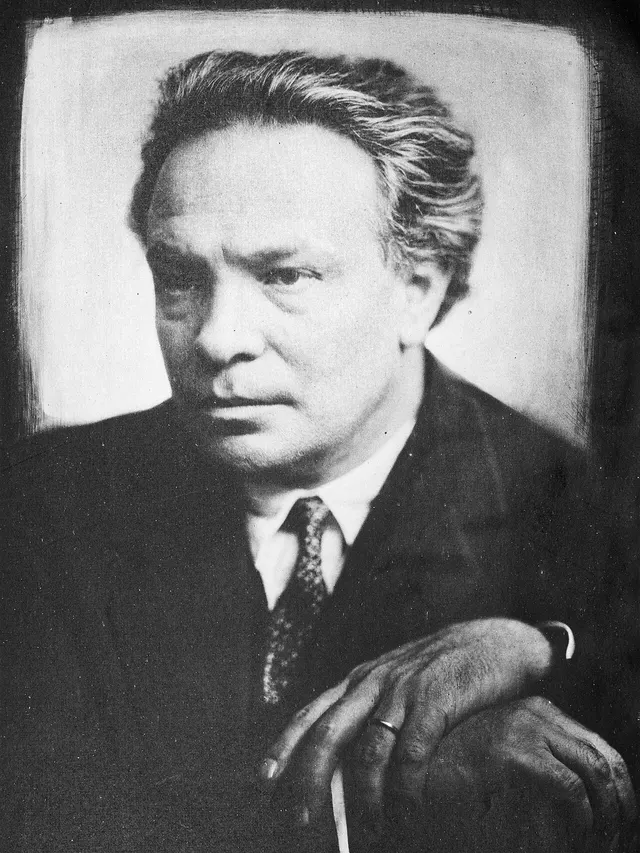
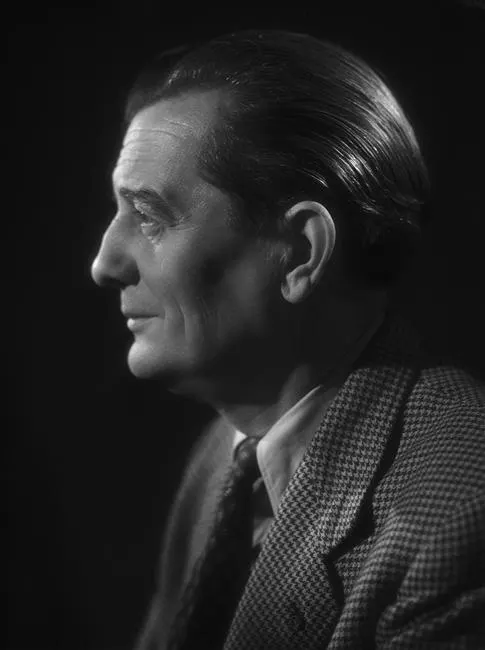
Leopold Stokowski
Image creditUnknown · Public domainResized and cropped for display.

Leopold Stokowski

Flamboyant conductor who shaped the Philadelphia sound and led the music of Disney’s Fantasia.

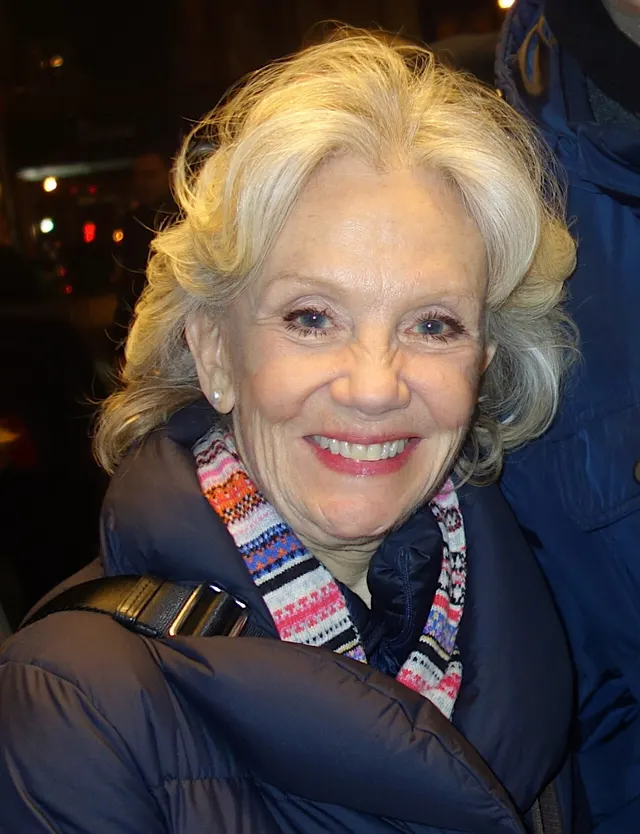
Hayley Mills
Image creditGreg2600 · CC BY-SA 2.0Resized and cropped for display.

Hayley Mills

English actress who became a child star in Pollyanna and The Parent Trap.

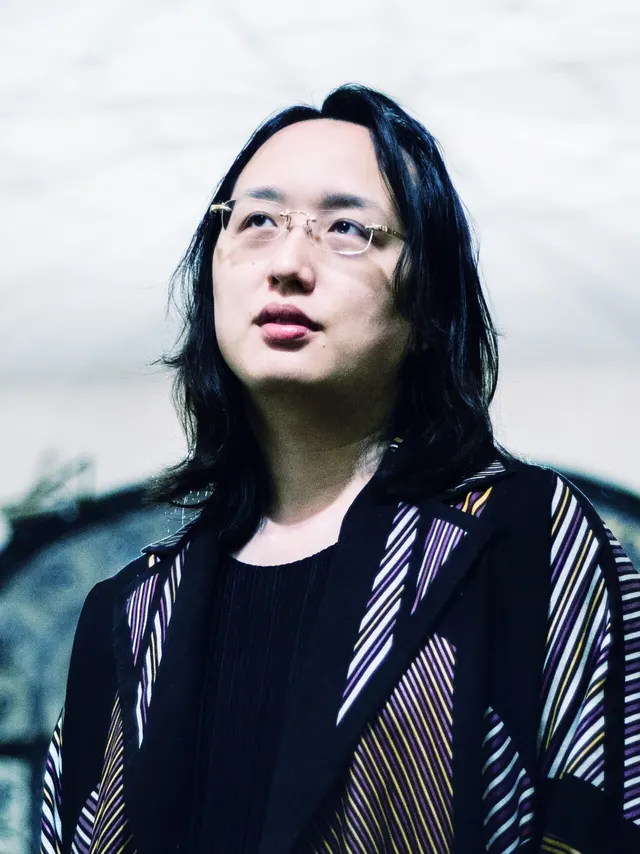
Audrey Tang
Image creditCamille McOuat · CC BY 2.0Resized and cropped for display.

Audrey Tang

Taiwanese programmer who became the country’s first digital minister.

◉
IDEAS THAT CHANGED THINGS

Firsts, Science & Discoveries

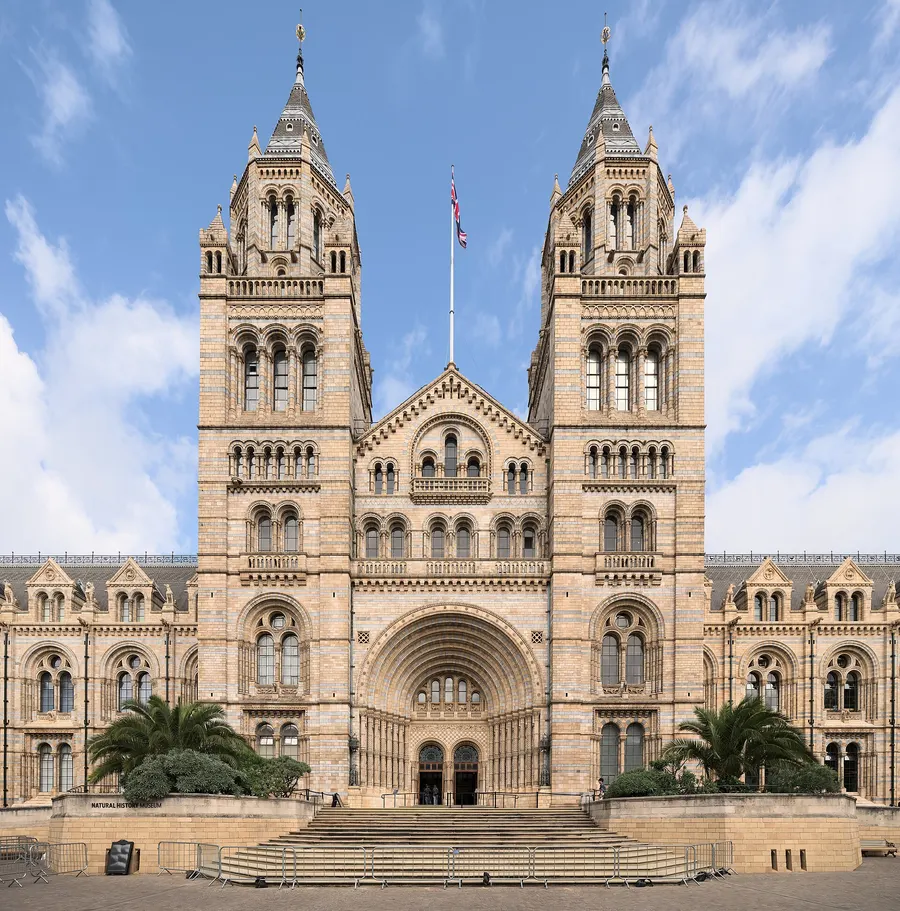
Alfred Waterhouse's terracotta front of the Natural History Museum on Cromwell Road, London.
Alfred Waterhouse’s terracotta front of the Natural History Museum on Cromwell Road, London.
Image creditDaniel Lu (User:dllu) · CC BY-SA 4.0Resized and cropped for display.

London’s ‘cathedral to nature’ opens

The Natural History Museum in South Kensington opened its doors on 18 April 1881. Its specimens, which began with Sir Hans Sloane’s collection in the 1750s, had long outgrown the British Museum in Bloomsbury.

Richard Owen, the first superintendent, wanted a free museum open to everyone, and Alfred Waterhouse gave it a building covered in terracotta animals and plants. It is now one of the world’s great centres of natural science research.

Read the full storyHistory & Timeline →Source: Natural History Museum: History and architecture ↗
☆
SPORTING HISTORY

Sporting Moments

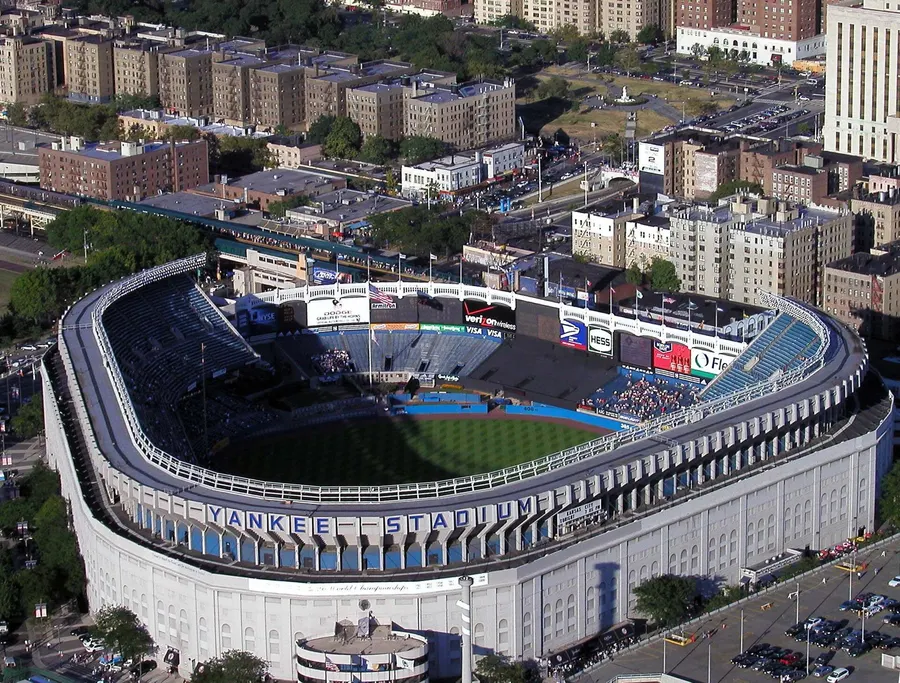
The original Yankee Stadium in the Bronx, seen from a helicopter.
Image creditSeverin St. Martin · CC BY 2.0Resized and cropped for display.

Yankee Stadium opens with a Ruth home run

The New York Yankees played their first game in their own stadium in the Bronx on 18 April 1923, beating the Boston Red Sox 4-1 in front of a record crowd. Babe Ruth, the reason so many fans came, hit a three-run home run into the right-field stands.

A sportswriter soon called it ‘the House That Ruth Built’. The ballpark hosted World Series, boxing title fights and papal masses before closing in 2008.

Read the full storyHistory & Timeline →Source: SABR Games Project: April 18, 1923, Babe Ruth homers in Yankee Stadium’s grand opening ↗
♫
MUSIC • FILM • BOOKS • CULTURE

Culture Stories

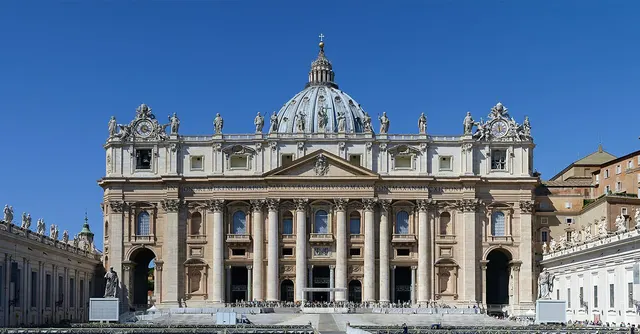
The facade and dome of St Peter's Basilica in Rome.
The facade and dome of St Peter’s Basilica in Rome.
Image creditAlvesgaspar · CC BY-SA 4.0Resized and cropped for display.

The first stone of the new St Peter’s

On 18 April 1506, Pope Julius II climbed down a ladder into a deep foundation pit in Rome and laid the first stone of a new St Peter’s Basilica. It was to replace the ageing church built under Constantine more than a thousand years earlier.

Donato Bramante drew the first plan, a vast Greek cross under a dome. Michelangelo, Maderno and others reshaped it over the next 120 years, and the finished basilica was consecrated in 1626.

Read the full storyHistory & Timeline →Source: Basilica di San Pietro: The Basilica ↗
✦
LIVES REMEMBERED

Remembered Today

Erasmus Darwin
Image creditJoseph Wright of Derby · Public domainResized and cropped for display.

Erasmus Darwin

English doctor, inventor and poet who sketched early ideas of evolution; grandfather of Charles.

Justus von Liebig
Image creditUnknown · Public domainResized and cropped for display.

Justus von Liebig

German chemist who founded agricultural chemistry and showed how plants use nutrients.

Marcel Pagnol
Image creditStudio Harcourt · Public domainResized and cropped for display.

Marcel Pagnol

French writer and film-maker who celebrated Provence in Jean de Florette and Manon des Sources.

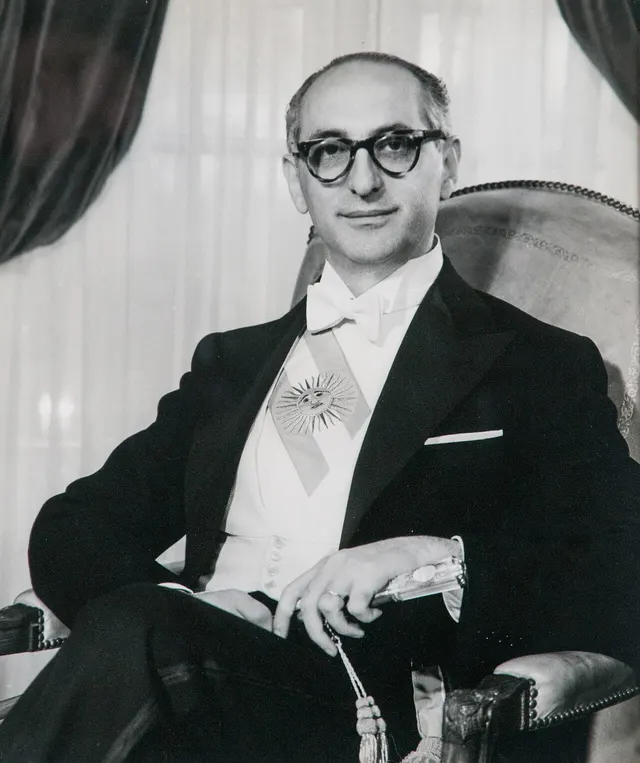
Arturo Frondizi
Image creditUnknown · Public domainResized and cropped for display.

Arturo Frondizi

Argentine president who pushed rapid industrial growth before being ousted by the army.

☉
AROUND THE WORLD

Observances & Anniversaries

The old medina of Hammamet in Tunisia, where ICOMOS proposed the day in 1982.
Image creditMarc Ryckaert (MJJR) · CC BY 3.0Resized and cropped for display.

International Day for Monuments and Sites

Also known as World Heritage Day, 18 April celebrates the world’s historic buildings and places. The idea came from a meeting of the heritage body ICOMOS in Hammamet, Tunisia, on 18 April 1982, and UNESCO adopted it the following year.

Each year ICOMOS picks a theme, and museums, sites and volunteers around the world hold tours, talks and open days.

Source: ICOMOS: 18 April, International Day for Monuments and Sites ↗
HISTORY & TIMELINE

Finished the highlights?

Follow 18 April chronologically, from the Middle Ages to the modern day, with 14 verified events and the sources behind them.

This day through time →