Explore 13 April

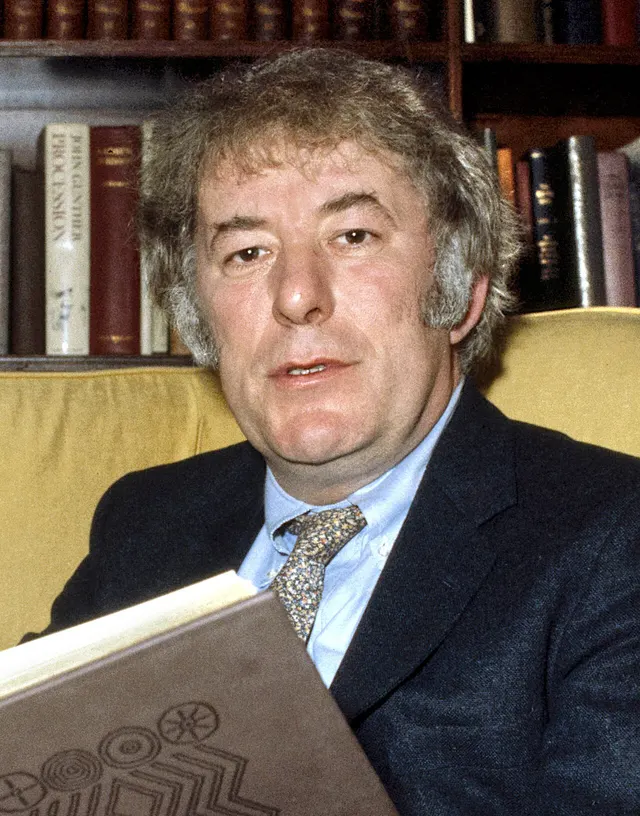
Explore 13 April: British troops fire on a crowd at Jallianwala Bagh in Amritsar, the shooting of a busload of passengers begins Lebanon’s civil war, Emperor Tewodros II dies as Magdala falls and Catholics win the right to sit in Parliament. Meet Thomas Jefferson, Seamus Heaney and Garry Kasparov, born on this date, and remember Jean de La Fontaine.

This day through time →14 verified events across 4 eras

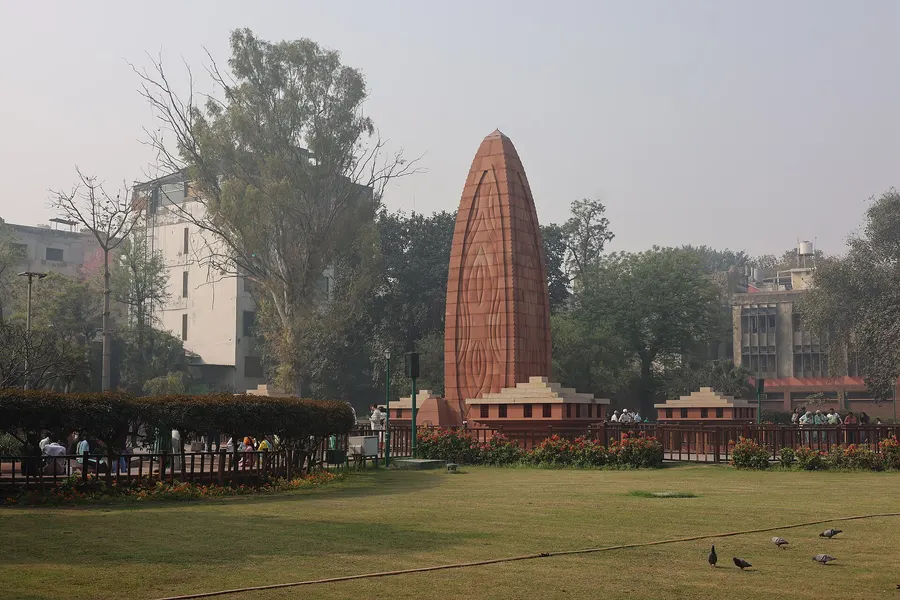
The Jallianwala Bagh memorial in Amritsar, India.
Image creditGannu03 · CC BY-SA 4.0Resized and cropped for display.

The massacre at Jallianwala Bagh

On 13 April 1919, the festival day of Baisakhi, thousands of people gathered in the Jallianwala Bagh, a walled garden in Amritsar, in defiance of a ban on meetings. General Reginald Dyer marched in troops, blocked the exit and ordered them to fire into the crowd without warning.

The shooting went on for about ten minutes. The official count was 379 dead and about 1,200 wounded; Indian estimates were much higher. The massacre turned many moderate Indians against British rule and gave new strength to Gandhi’s campaign for independence.

Read the full storyHistory & Timeline →Source: Encyclopaedia Britannica: Jallianwala Bagh massacre ↗
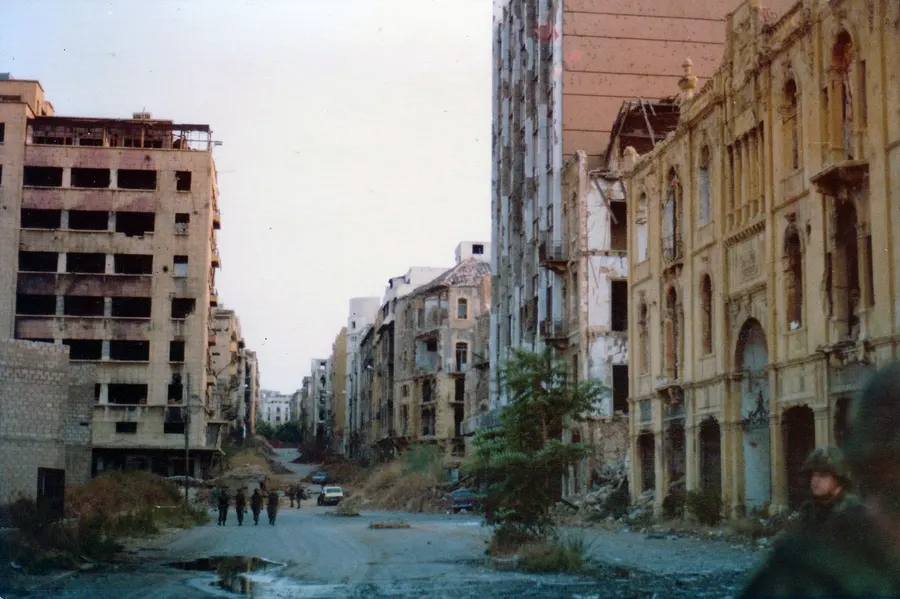
The Green Line that divided Beirut during the civil war, photographed in 1982.
Image creditJames Case from Philadelphia, Mississippi, U.S.A. · CC BY 2.0Resized and cropped for display.

Lebanon’s civil war begins

On 13 April 1975, after gunmen fired on members of the Christian Phalange party outside a church in the Beirut suburb of Ain el-Remmaneh, Phalangist militiamen ambushed a bus carrying Palestinians through the area, killing most of those aboard.

Fighting spread across the country between Christian militias, Palestinian groups and their Lebanese allies, and later drew in Syria and Israel. The war lasted 15 years and cost well over 100,000 lives. Lebanese still mark 13 April as the day it began.

Read the full storyHistory & Timeline →Source: Encyclopaedia Britannica: Lebanese Civil War (summary) ↗
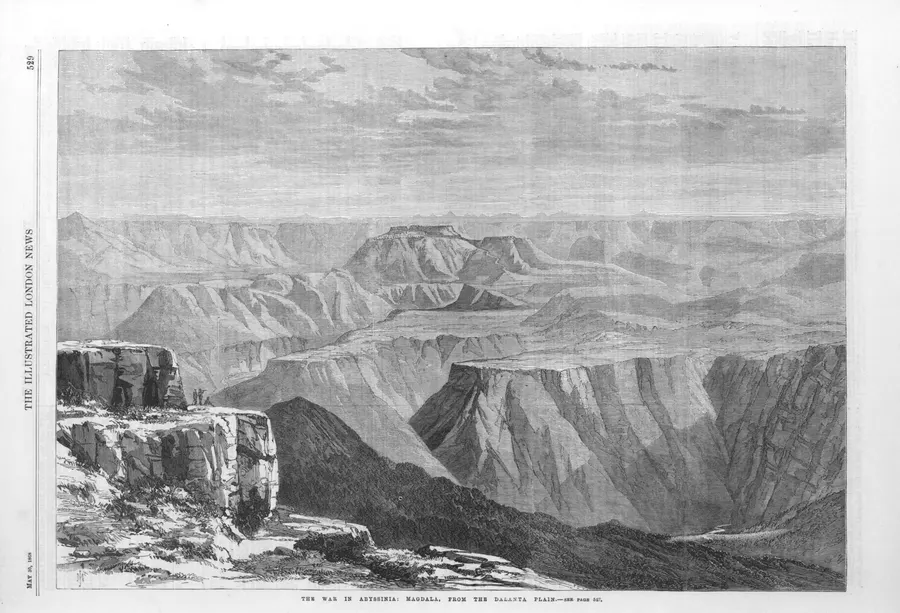
Magdala, Tewodros's mountain fortress, seen from the Dalanta plain, in the Illustrated London News, May 1868.
Magdala, Tewodros’s mountain fortress, seen from the Dalanta plain, in the Illustrated London News, May 1868.
Image creditThe Illustrated London News · CC BY-SA 4.0Resized and cropped for display.

Magdala falls and Emperor Tewodros dies

Tewodros II of Ethiopia had imprisoned British envoys, and Britain sent an army of some 13,000 soldiers under General Robert Napier to free them. On 13 April 1868 it stormed his mountain fortress of Magdala. Rather than be captured, the emperor shot himself.

The British burned the fortress and carried off hundreds of manuscripts, crosses and crowns to Britain. Ethiopia has long asked for them back, and some have been returned.

Read the full storyHistory & Timeline →Source: National Army Museum: Abyssinia campaign ↗
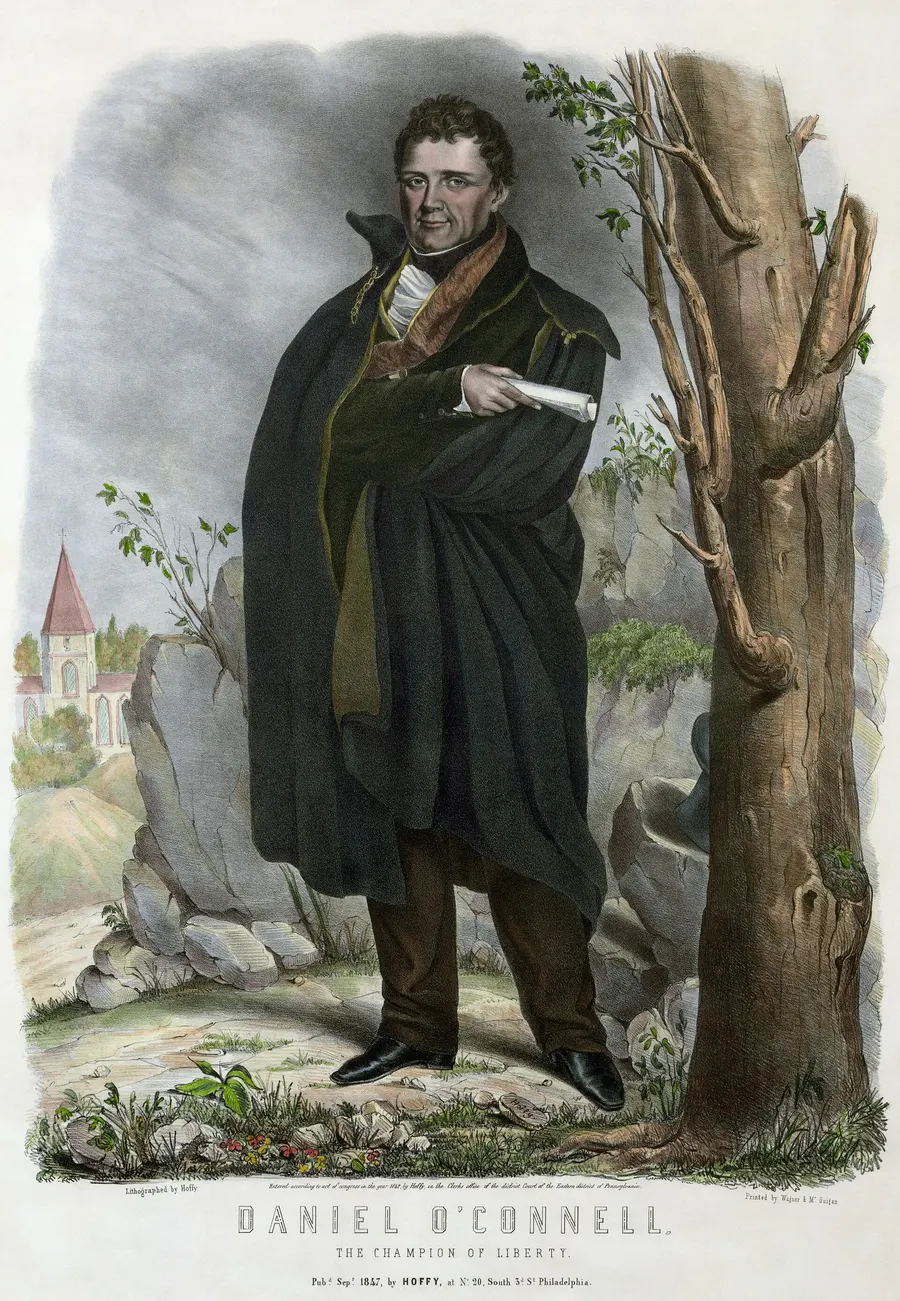
Daniel O'Connell, 'the Liberator', whose campaign won Catholic emancipation, in a mid-19th-century print.
Daniel O’Connell, ‘the Liberator’, whose campaign won Catholic emancipation, in a mid-19th-century print.
Image creditAlfred M. Hoffy (1790-1860) · Public domainResized and cropped for display.

Catholic emancipation becomes law

The Roman Catholic Relief Act received royal assent on 13 April 1829. For the first time since the Reformation, Catholics in Britain and Ireland could sit in Parliament and hold most high offices of state.

The prime minister, the Duke of Wellington, pushed it through against fierce opposition after the Irish lawyer Daniel O’Connell, a Catholic, won an election in County Clare that he was barred from taking up. Wellington feared unrest in Ireland if the law stayed as it was.

Read the full storyHistory & Timeline →Source: UK Parliament, early day motion: 190th anniversary of the Catholic Emancipation Act ↗
♙
PEOPLE

Born Today

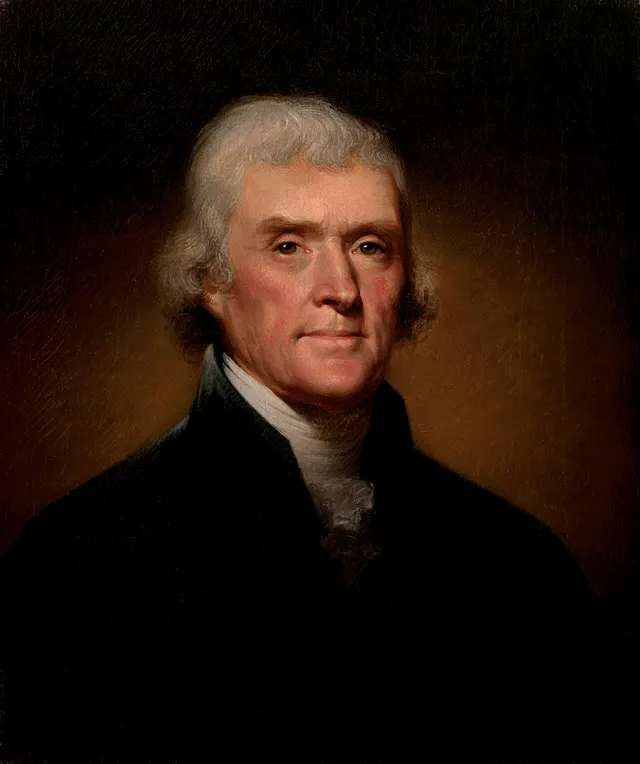
Thomas Jefferson
Image creditRembrandt Peale · Public domainResized and cropped for display.

Thomas Jefferson

Author of the Declaration of Independence and third president of the United States.

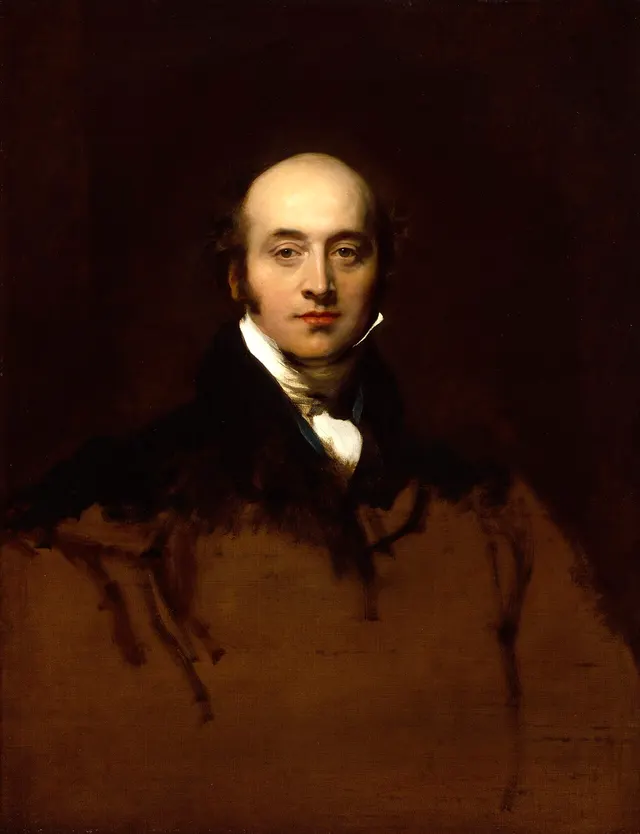
Thomas Lawrence
Image creditThomas Lawrence · Public domainResized and cropped for display.

Thomas Lawrence

English portrait painter of Regency high society.

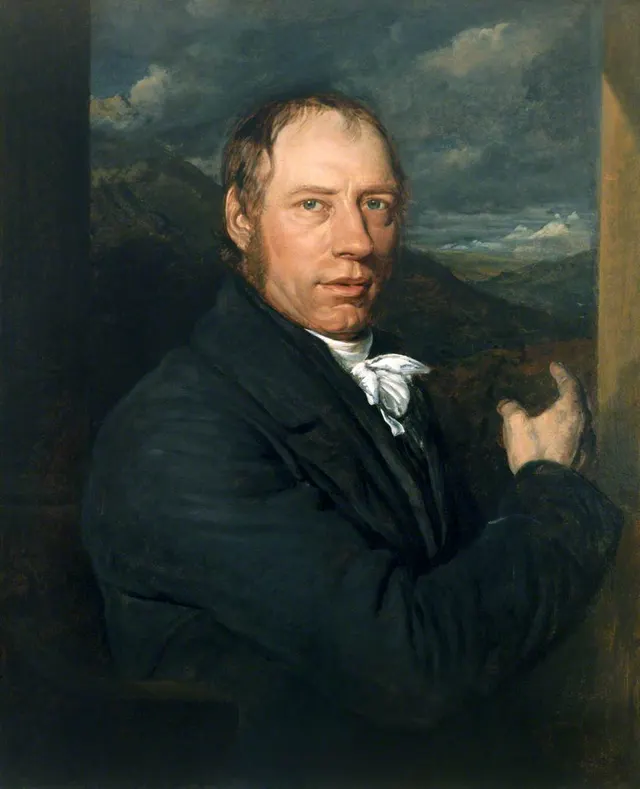
Richard Trevithick
Image creditJohn Linnell · Public domainResized and cropped for display.

Richard Trevithick

Cornish engineer who built the first working railway steam locomotive.

James Ensor
Image creditJames Ensor · CC0Resized and cropped for display.

James Ensor

Belgian painter of masks and crowds, a forerunner of Expressionism.

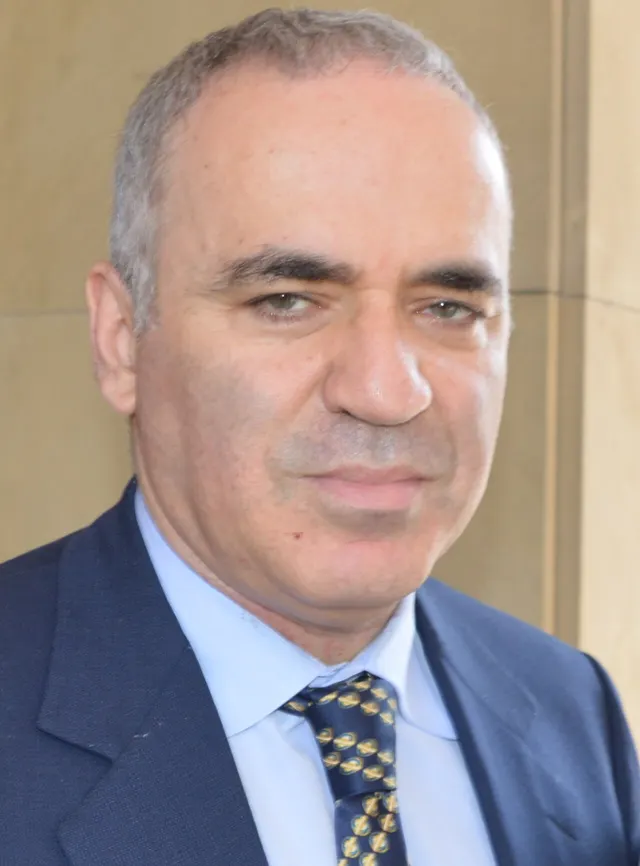
Garry Kasparov
Image creditFryta 73 from Strzegom · CC BY-SA 2.0Resized and cropped for display.

Garry Kasparov

Chess world champion from 1985 to 2000, who played the computer Deep Blue.

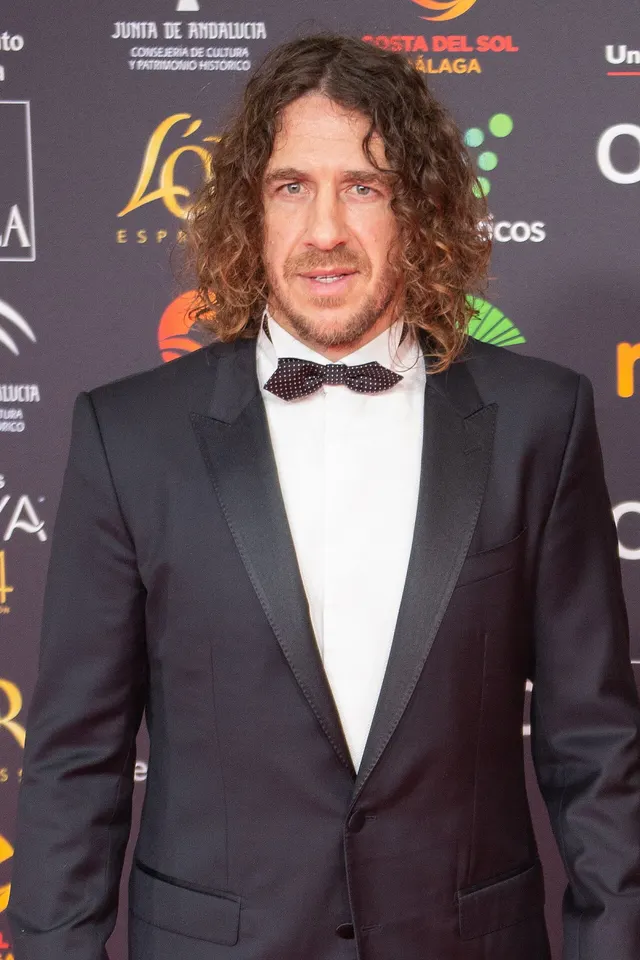
Carles Puyol
Image creditPedro J Pacheco · CC BY-SA 4.0Resized and cropped for display.

Carles Puyol

Barcelona captain and defender in Spain’s World Cup-winning team of 2010.

◉
IDEAS THAT CHANGED THINGS

Firsts, Science & Discoveries

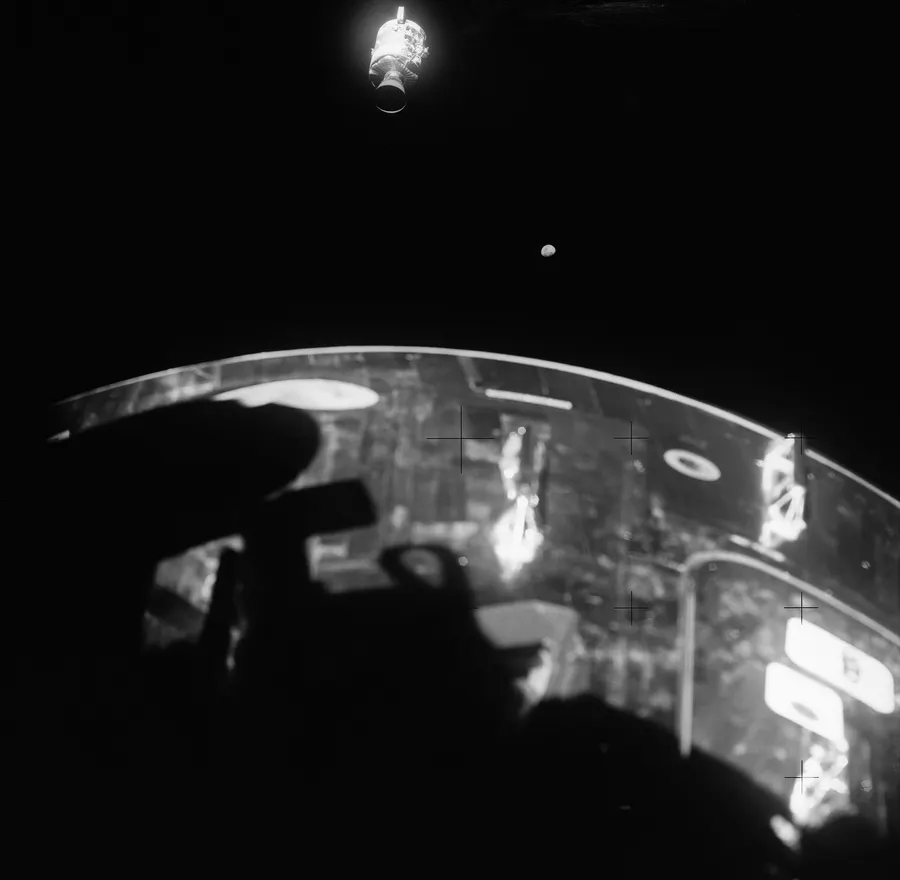
The damaged Apollo 13 service module, photographed by the crew after they cast it off on 17 April 1970.
Image creditNASA Johnson Space Center · Public domainResized and cropped for display.

‘Houston, we’ve had a problem’

Apollo 13 had set off for the Moon on 11 April 1970. Nearly 56 hours into the flight, at 9.08 pm Houston time on 13 April, an oxygen tank exploded in the service module, crippling the spacecraft’s power and air supply. ‘Houston, we’ve had a problem,’ radioed the crew.

The Moon landing was abandoned. Jim Lovell, Jack Swigert and Fred Haise crowded into the lunar module as a lifeboat, swung around the Moon and, with engineers on the ground improvising fixes, splashed down safely in the Pacific on 17 April.

Read the full storyHistory & Timeline →Source: NASA: ‘Houston, we’ve had a problem’ ↗
The Transit 1B navigation satellite (National Museum of the US Navy).
Image creditNational Museum of the U.S. Navy · Public domainResized and cropped for display.

The first navigation satellite reaches orbit

The US Navy’s Transit 1B was launched from Cape Canaveral on 13 April 1960, the first navigation satellite to reach orbit. Ships could work out where they were by measuring the tiny shift in pitch of its radio signal as it passed overhead.

The Transit system, built for missile submarines, later guided merchant ships too, and led the way to today’s satellite navigation.

Read the full storyHistory & Timeline →Source: NASA Space Science Data Coordinated Archive: Transit 1B ↗
☆
SPORTING HISTORY

Sporting Moments

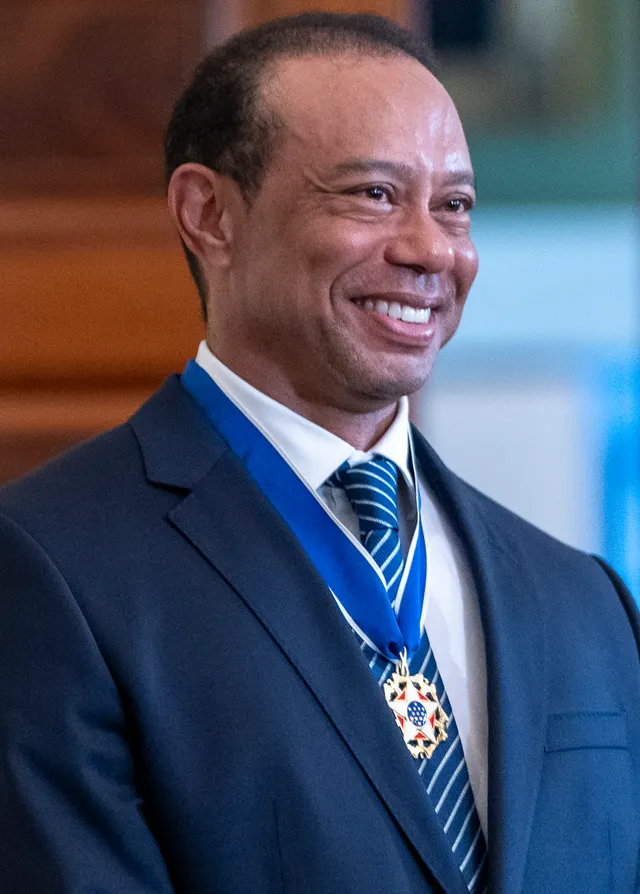
Tiger Woods at the White House in 2025.
Image creditThe White House · Public domainResized and cropped for display.

Tiger Woods wins the Masters

Aged 21, Tiger Woods won the Masters at Augusta on 13 April 1997 by 12 strokes, a record, with a record low score of 18 under par. It was his first major title as a professional.

He was the youngest Masters champion and the first of African or Asian descent to win it, at a club that had admitted its first Black member only in 1990.

Read the full storyHistory & Timeline →Source: PGA Tour: Tiger Woods set the doubters straight at the 1997 Masters ↗
♫
MUSIC • FILM • BOOKS • CULTURE

Culture Stories

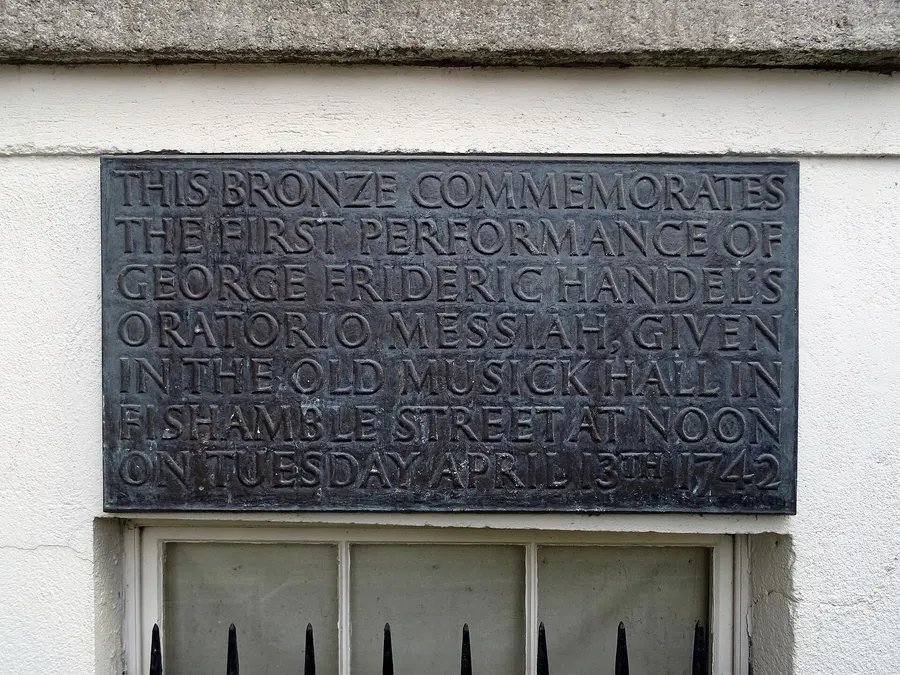
The bronze plaque in Fishamble Street, Dublin, marking the first performance of Messiah.
Image creditSpudgun67 · CC BY-SA 4.0Resized and cropped for display.

The first performance of Handel’s Messiah

George Frideric Handel’s oratorio Messiah was first performed at the new Music Hall in Fishamble Street, Dublin, on 13 April 1742, in aid of prisoners and hospitals. To squeeze in more people, ladies were asked not to wear hooped skirts and gentlemen to leave their swords at home.

Its words, taken from the Bible, were chosen by Charles Jennens. Messiah, with its ‘Hallelujah’ chorus, has been sung ever since. The date is by the Julian calendar then used in Ireland.

Read the full storyHistory & Timeline →Source: RTÉ Archives: Messiah Day in Dublin ↗
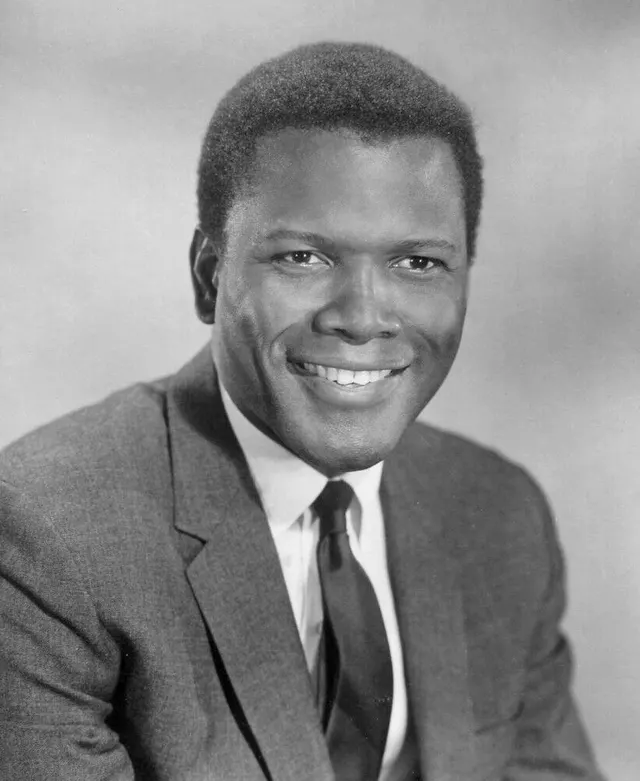
Sidney Poitier in 1968.
Image creditUnknown photographer · Public domainResized and cropped for display.

Sidney Poitier wins the Oscar for Best Actor

At the Academy Awards in Santa Monica on 13 April 1964, Sidney Poitier won Best Actor for Lilies of the Field, in which he played a drifter who helps a group of German nuns build a chapel in the Arizona desert.

He was the first Black man to win the award, and the moment carried great weight in the year of the Civil Rights Act.

Read the full storyHistory & Timeline →Source: Academy of Motion Picture Arts and Sciences: The 36th Academy Awards, 1964 ↗
✦
LIVES REMEMBERED

Remembered Today

Jean de La Fontaine
Image creditHyacinthe Rigaud · Public domainResized and cropped for display.

Jean de La Fontaine

French poet whose Fables are still learned by schoolchildren.

Emil Nolde
Image creditMinya Diez-Dührkoop · Public domainResized and cropped for display.

Emil Nolde

German Expressionist painter of seas, flowers and blazing colour.

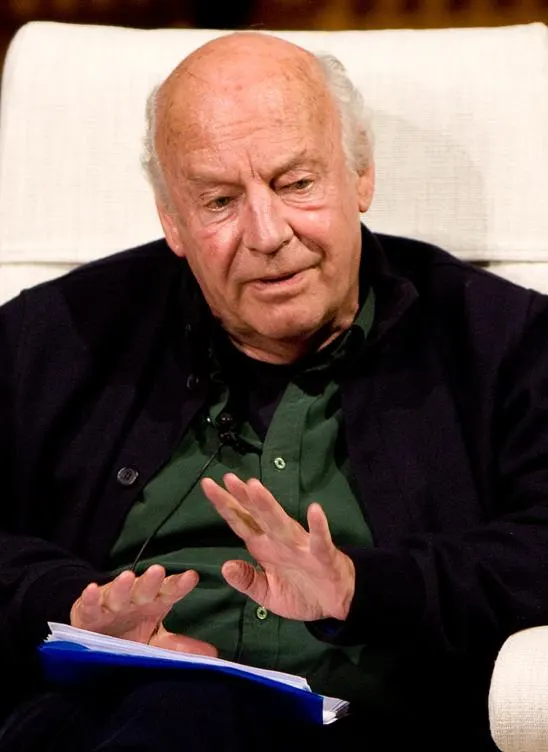
Eduardo Galeano
Image creditDonostia Kultura · CC BY-SA 2.0Resized and cropped for display.

Eduardo Galeano

Uruguayan writer of Open Veins of Latin America.

☉
AROUND THE WORLD

Observances & Anniversaries

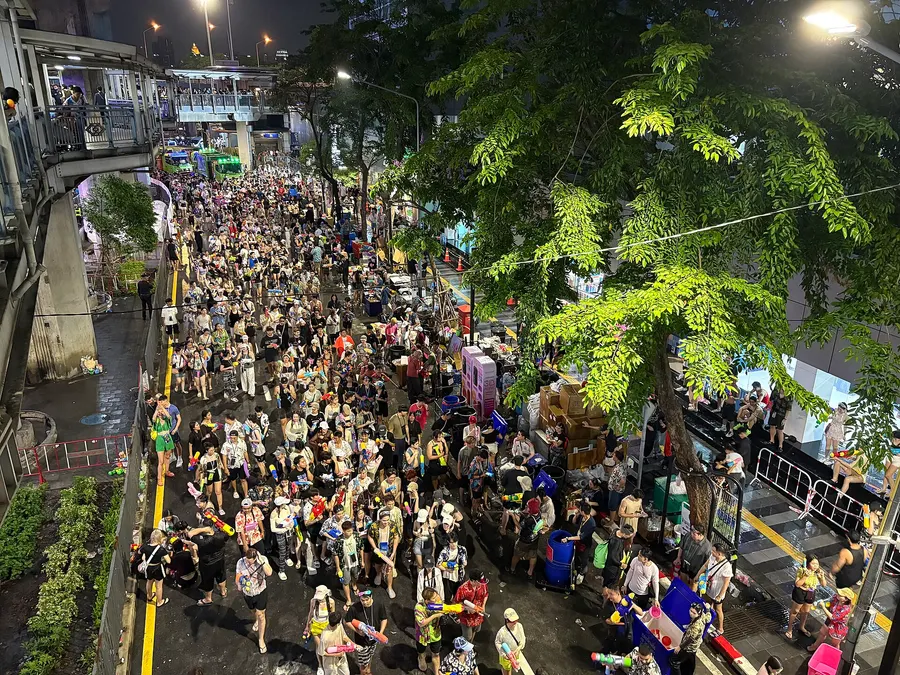
Songkran water fights on Silom Road, Bangkok, 14 April 2025.
Image creditChainwit. · CC BY 4.0Resized and cropped for display.

Songkran, the Thai New Year

Thailand’s traditional new year, Songkran, is celebrated from 13 to 15 April, as the sun passes into the sign of Aries. People clean their homes, visit temples and pour scented water over Buddha images and the hands of their elders as a sign of respect.

In the streets it has become a huge, good-natured water fight. UNESCO added Songkran to its list of the world’s intangible cultural heritage in 2023; neighbouring Laos, Cambodia and Myanmar keep new-year festivals at the same time.

Source: UNESCO Intangible Cultural Heritage: Songkran in Thailand, traditional Thai New Year festival ↗
HISTORY & TIMELINE

Finished the highlights?

Follow 13 April chronologically, from the Middle Ages to the modern day, with 14 verified events and the sources behind them.

This day through time →