HISTORY & TIMELINE
13 April

A journey through
13 April in history

From an emperor crowned in Rome in 1111 to Tiger Woods’s first Masters in 1997, 13 April has seen the Edict of Nantes, the first performance of Handel’s Messiah, an explosion aboard Apollo 13, the first navigation satellite, the Jefferson Memorial dedicated and Sidney Poitier’s historic Oscar. This timeline follows the date across nearly nine centuries.

JUMP THROUGH TIME
II
THE MIDDLE AGES

Medieval History

Kingdoms, conflict, faith, power and the changing medieval world.

1111
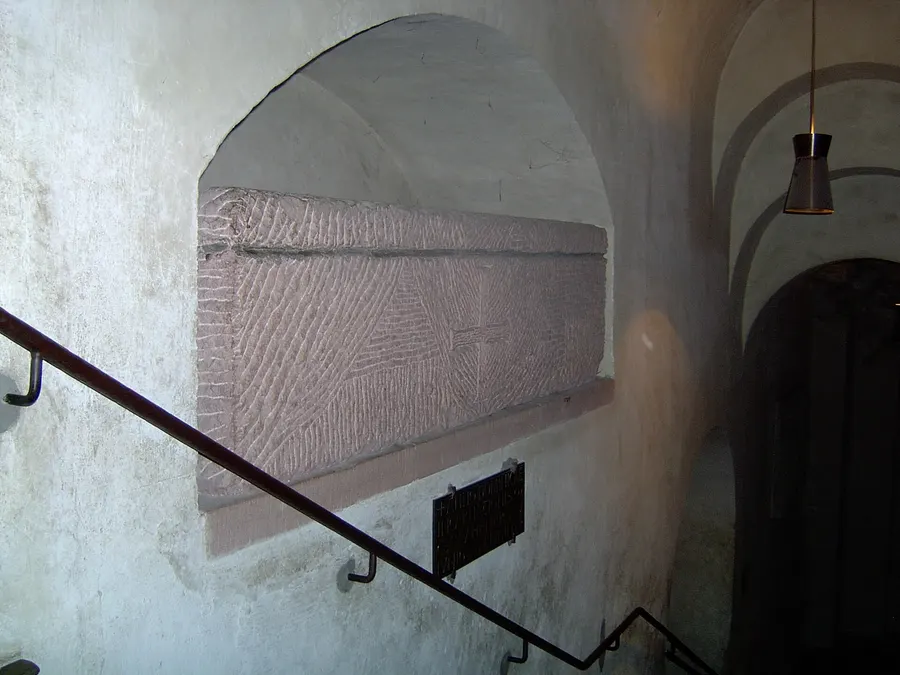
The tomb of Emperor Henry V in the crypt of Speyer Cathedral, Germany.The tomb of Emperor Henry V in the crypt of Speyer Cathedral, Germany.Image: Michail Jungierek · CC BY-SA 3.0
culture · Europe

Henry V is crowned emperor in Rome

King Henry V of Germany had seized Pope Paschal II and his cardinals in a quarrel over who should appoint bishops. After two months as a prisoner, the pope gave way and crowned Henry Holy Roman Emperor in St Peter’s. A church council soon cancelled the concessions, and the dispute went on until 1122. The date is by the Julian calendar.

Source: Catholic Encyclopedia (New Advent): Henry V ↗
III
A CHANGING WORLD

Early Modern Era

Exploration, political change, scientific development and expanding global connections.

1598
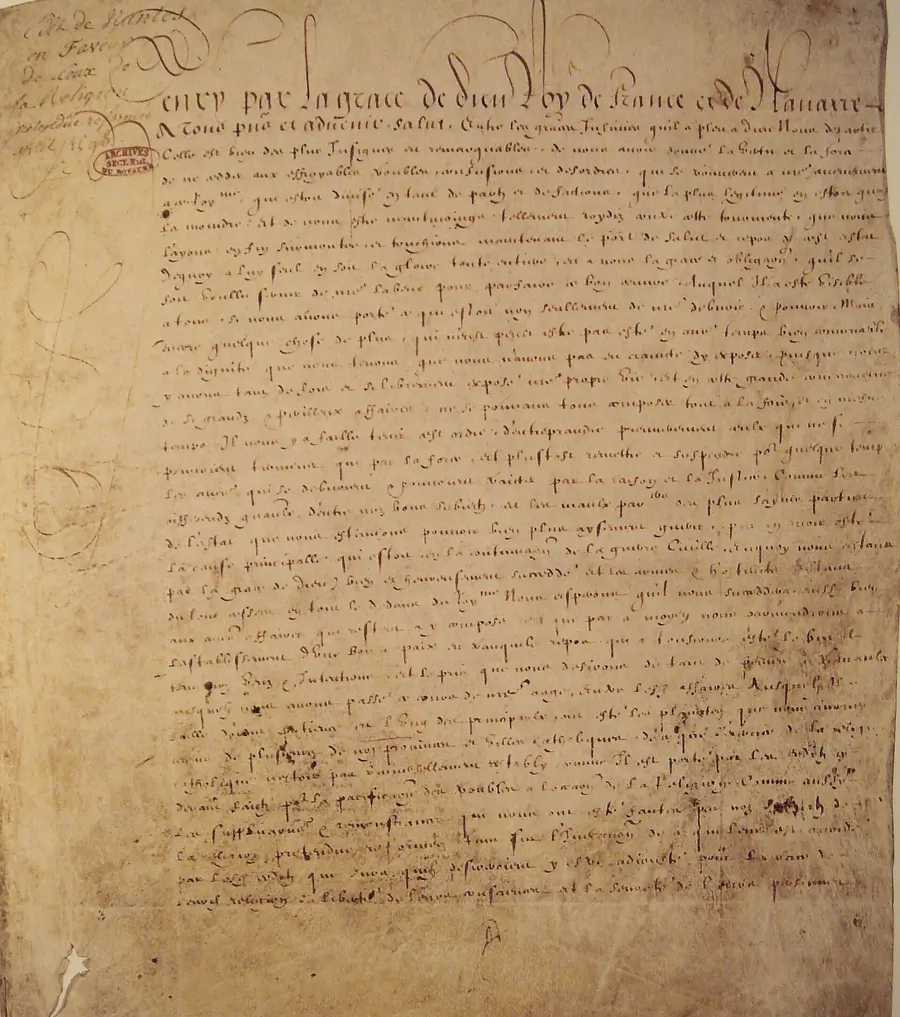
The first page of the Edict of Nantes, April 1598.The first page of the Edict of Nantes, April 1598.Image: Henri IV · Public domain
culture · Europe

The Edict of Nantes

At Nantes, King Henry IV of France signed an edict granting French Protestants, the Huguenots, freedom of conscience, the right to worship in many places and about 150 places of refuge. It ended more than 30 years of religious wars. The edict is dated only ‘April 1598’: 13 April is the traditional day, though some historians prefer the 30th. Louis XIV revoked it in 1685.

Source: Encyclopaedia Britannica: Edict of Nantes ↗
1742
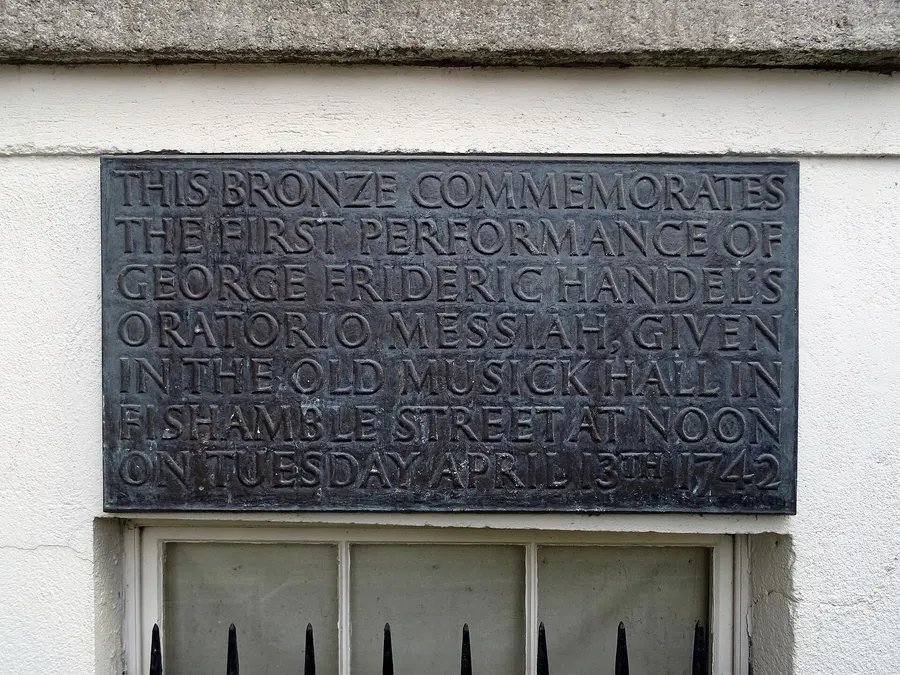
The bronze plaque in Fishamble Street, Dublin, marking the first performance of Messiah.The bronze plaque in Fishamble Street, Dublin, marking the first performance of Messiah.Image: Spudgun67 · CC BY-SA 4.0
culture · Europe

The first performance of Handel’s Messiah

George Frideric Handel’s oratorio Messiah was first performed at the new Music Hall in Fishamble Street, Dublin, on 13 April 1742, in aid of prisoners and hospitals. To squeeze in more people, ladies were asked not to wear hooped skirts and gentlemen to leave their swords at home. Its words, taken from the Bible, were chosen by Charles Jennens. Messiah, with its ‘Hallelujah’ chorus, has been sung ever since. The date is by the Julian calendar then used in Ireland.

Source: RTÉ Archives: Messiah Day in Dublin ↗
IV
THE NINETEENTH CENTURY

The 1800s

Industry, empire, invention, reform and a century of enormous transformation.

1829
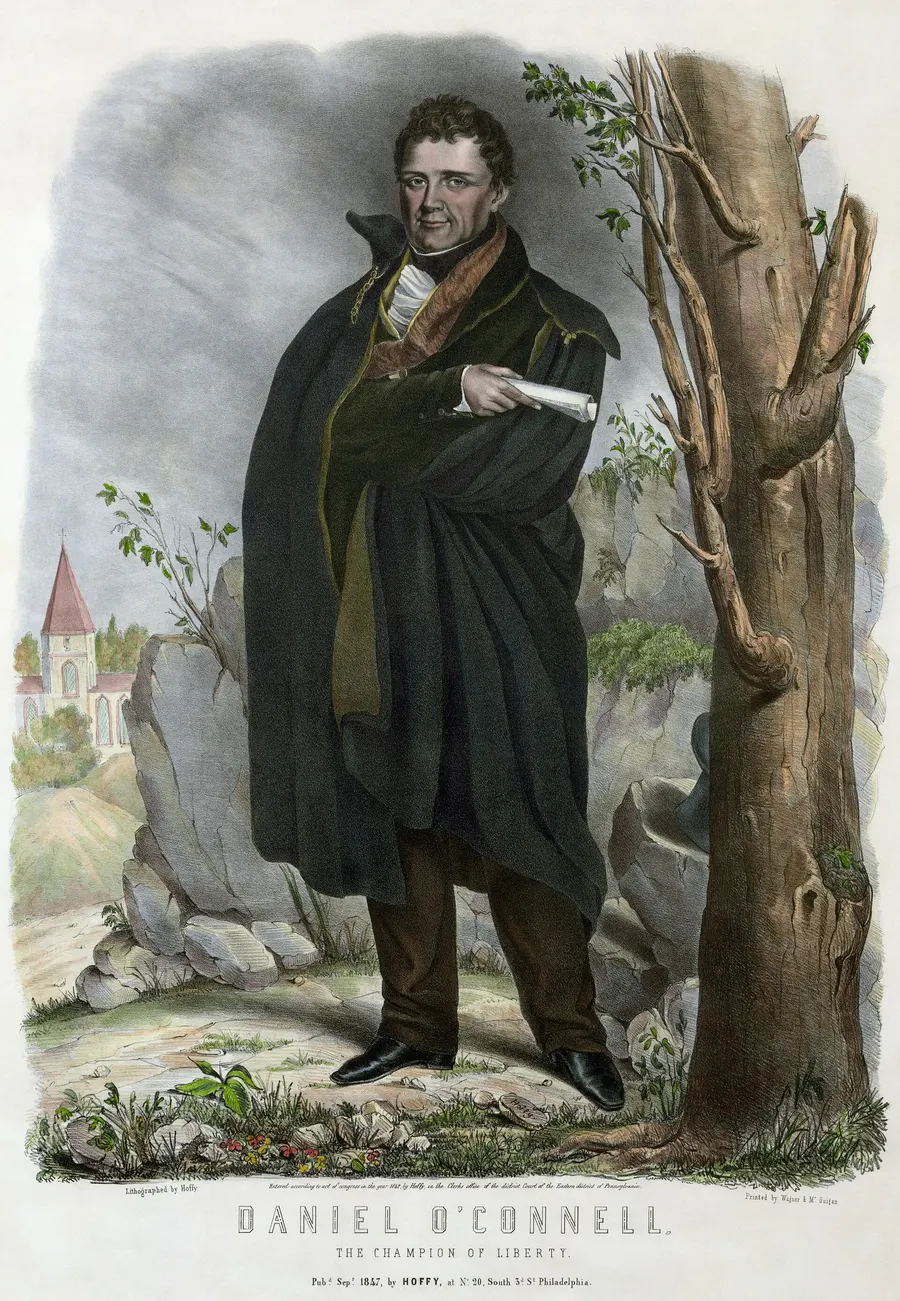
Daniel O'Connell, 'the Liberator', whose campaign won Catholic emancipation, in a mid-19th-century print.Daniel O’Connell, ‘the Liberator’, whose campaign won Catholic emancipation, in a mid-19th-century print.Image: Alfred M. Hoffy (1790-1860) · Public domain
world · Europe

Catholic emancipation becomes law

The Roman Catholic Relief Act received royal assent on 13 April 1829. For the first time since the Reformation, Catholics in Britain and Ireland could sit in Parliament and hold most high offices of state. The prime minister, the Duke of Wellington, pushed it through against fierce opposition after the Irish lawyer Daniel O’Connell, a Catholic, won an election in County Clare that he was barred from taking up. Wellington feared unrest in Ireland if the law stayed as it was.

Source: UK Parliament, early day motion: 190th anniversary of the Catholic Emancipation Act ↗
1868
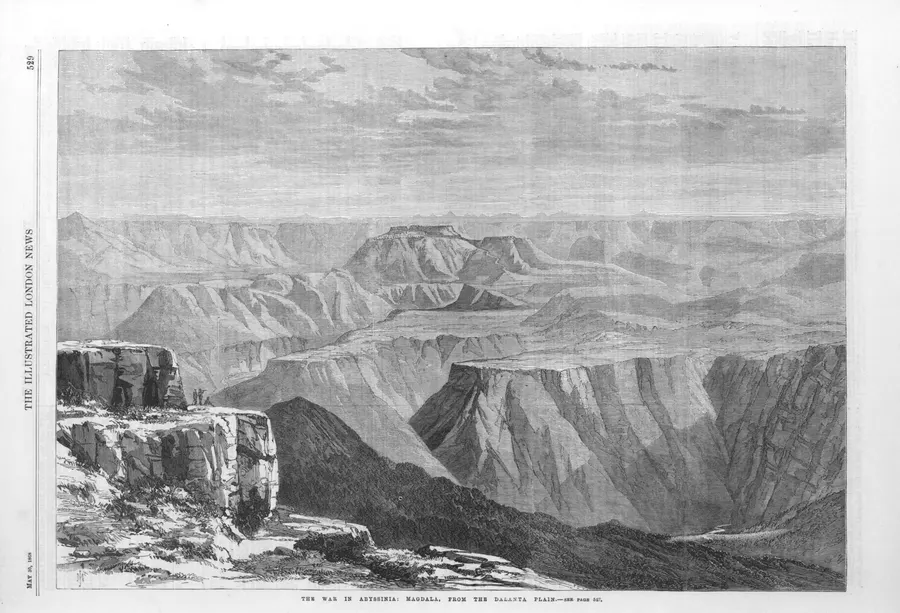
Magdala, Tewodros's mountain fortress, seen from the Dalanta plain, in the Illustrated London News, May 1868.Magdala, Tewodros’s mountain fortress, seen from the Dalanta plain, in the Illustrated London News, May 1868.Image: The Illustrated London News · CC BY-SA 4.0
world · Africa

Magdala falls and Emperor Tewodros dies

Tewodros II of Ethiopia had imprisoned British envoys, and Britain sent an army of some 13,000 soldiers under General Robert Napier to free them. On 13 April 1868 it stormed his mountain fortress of Magdala. Rather than be captured, the emperor shot himself. The British burned the fortress and carried off hundreds of manuscripts, crosses and crowns to Britain. Ethiopia has long asked for them back, and some have been returned.

Source: National Army Museum: Abyssinia campaign ↗
V
THE TWENTIETH CENTURY

The 1900s

War and peace, technological leaps, social change, politics, sport and popular culture.

1919
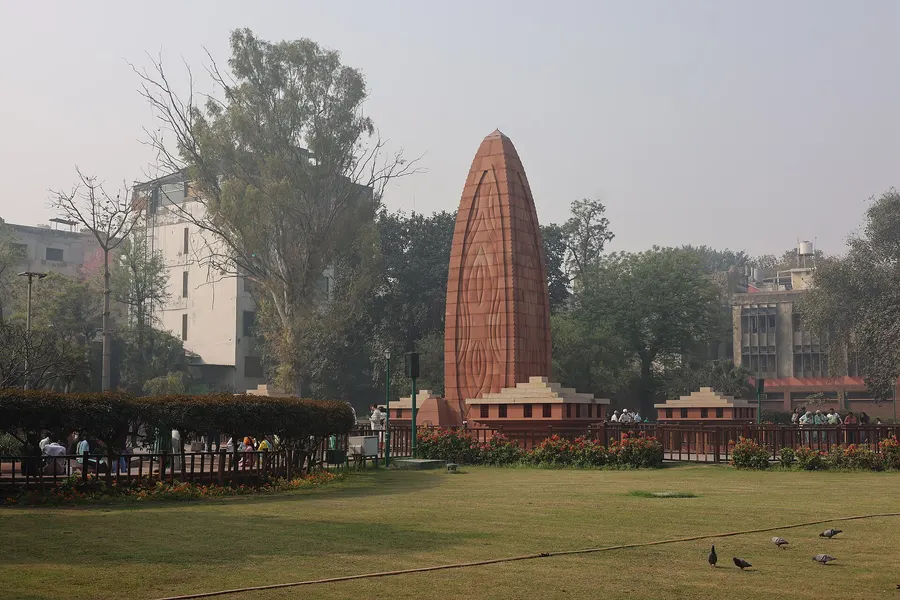
The Jallianwala Bagh memorial in Amritsar, India.The Jallianwala Bagh memorial in Amritsar, India.Image: Gannu03 · CC BY-SA 4.0
world · Asia

The massacre at Jallianwala Bagh

On 13 April 1919, the festival day of Baisakhi, thousands of people gathered in the Jallianwala Bagh, a walled garden in Amritsar, in defiance of a ban on meetings. General Reginald Dyer marched in troops, blocked the exit and ordered them to fire into the crowd without warning. The shooting went on for about ten minutes. The official count was 379 dead and about 1,200 wounded; Indian estimates were much higher. The massacre turned many moderate Indians against British rule and gave new strength to Gandhi’s campaign for independence.

Source: Encyclopaedia Britannica: Jallianwala Bagh massacre ↗
1941
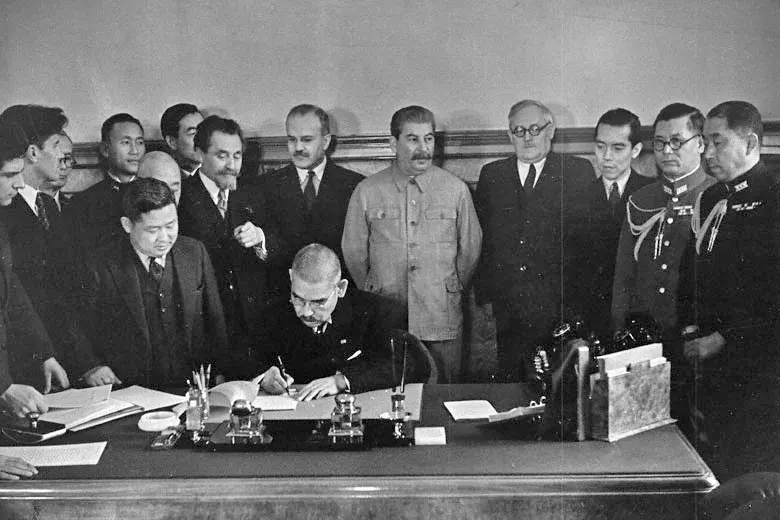
Yōsuke Matsuoka signs the pact in Moscow, watched by Joseph Stalin and Vyacheslav Molotov, April 1941.Yōsuke Matsuoka signs the pact in Moscow, watched by Joseph Stalin and Vyacheslav Molotov, April 1941.Image: Николай Сидорович Власик (1896-1967) · Public domain
world · Asia

The Soviet-Japanese Neutrality Pact

In Moscow, Japan’s foreign minister Yōsuke Matsuoka and the Soviet foreign minister Vyacheslav Molotov signed a five-year pact promising that each country would stay neutral if the other went to war. It freed Japan to strike south in the Pacific, and the Soviet Union to face Germany, which invaded ten weeks later. Moscow declared war on Japan in August 1945.

Source: The Avalon Project, Yale Law School: Soviet-Japanese Neutrality Pact ↗
1943
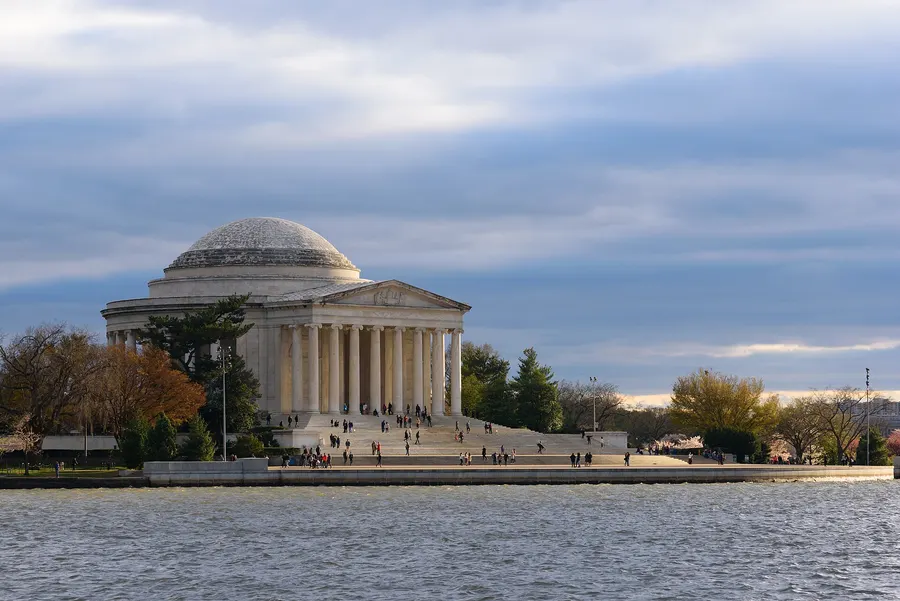
The Jefferson Memorial across the Tidal Basin, Washington, 2017.The Jefferson Memorial across the Tidal Basin, Washington, 2017.Image: King of Hearts · CC BY-SA 4.0
culture · Americas

The Jefferson Memorial is dedicated

On the 200th anniversary of Thomas Jefferson’s birth, President Franklin Roosevelt dedicated the domed memorial beside the Tidal Basin in Washington. Because metal was needed for the war, a painted plaster statue of Jefferson stood inside until the 19-foot bronze was installed in 1947.

Source: US National Park Service: The dedication of the Jefferson Memorial ↗
1960
The Transit 1B navigation satellite (National Museum of the US Navy).The Transit 1B navigation satellite (National Museum of the US Navy).Image: National Museum of the U.S. Navy · Public domain
science · Americas

The first navigation satellite reaches orbit

The US Navy’s Transit 1B was launched from Cape Canaveral on 13 April 1960, the first navigation satellite to reach orbit. Ships could work out where they were by measuring the tiny shift in pitch of its radio signal as it passed overhead. The Transit system, built for missile submarines, later guided merchant ships too, and led the way to today’s satellite navigation.

Source: NASA Space Science Data Coordinated Archive: Transit 1B ↗
1964
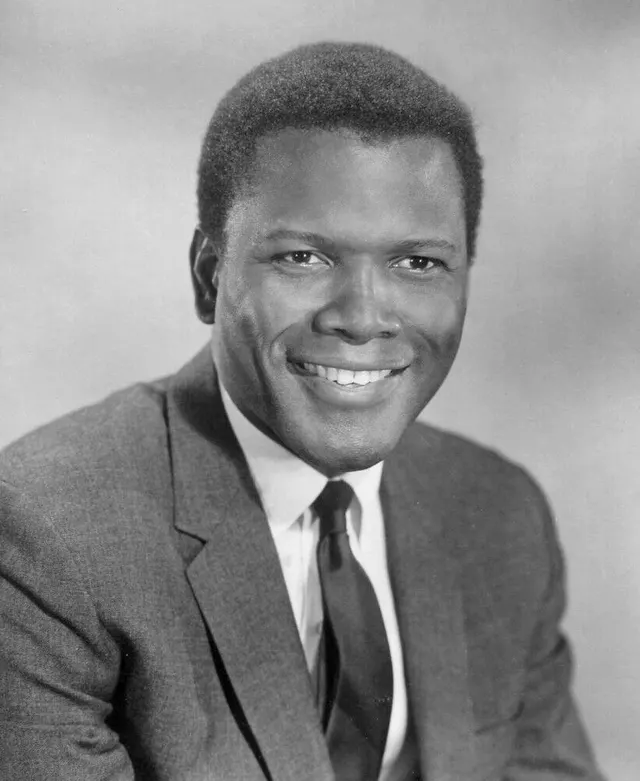
Sidney Poitier in 1968.Sidney Poitier in 1968.Image: Unknown photographer · Public domain
culture · Americas

Sidney Poitier wins the Oscar for Best Actor

At the Academy Awards in Santa Monica on 13 April 1964, Sidney Poitier won Best Actor for Lilies of the Field, in which he played a drifter who helps a group of German nuns build a chapel in the Arizona desert. He was the first Black man to win the award, and the moment carried great weight in the year of the Civil Rights Act.

Source: Academy of Motion Picture Arts and Sciences: The 36th Academy Awards, 1964 ↗
1970
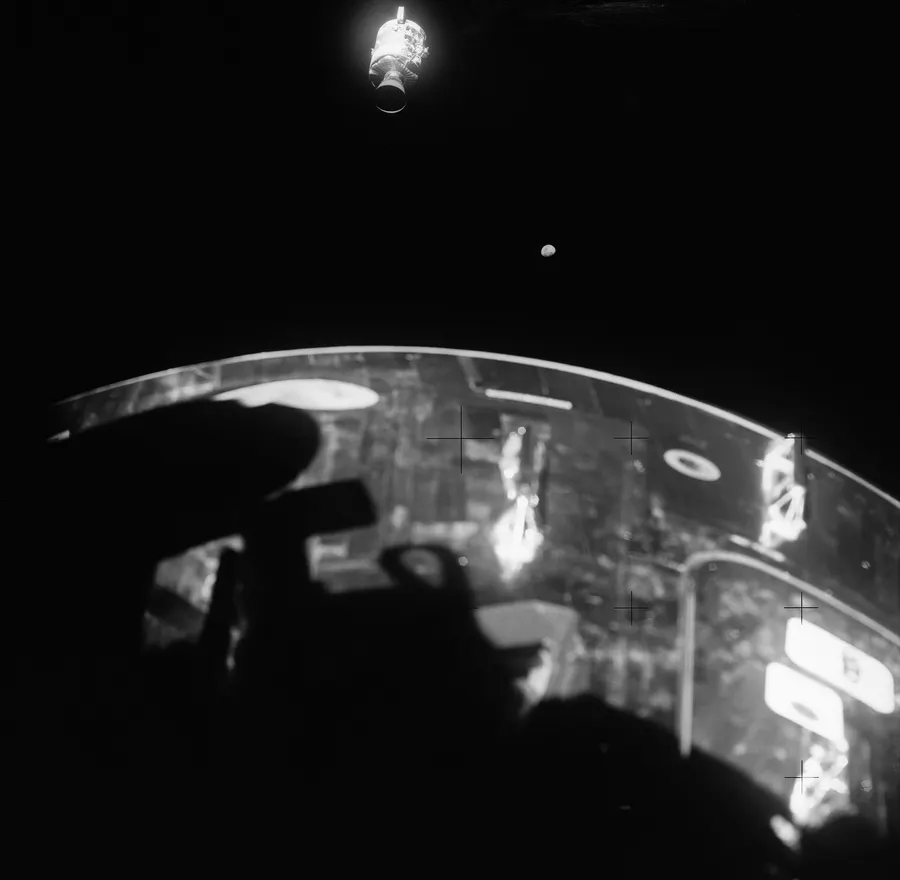
The damaged Apollo 13 service module, photographed by the crew after they cast it off on 17 April 1970.The damaged Apollo 13 service module, photographed by the crew after they cast it off on 17 April 1970.Image: NASA Johnson Space Center · Public domain
science · Americas

‘Houston, we’ve had a problem’

Apollo 13 had set off for the Moon on 11 April 1970. Nearly 56 hours into the flight, at 9.08 pm Houston time on 13 April, an oxygen tank exploded in the service module, crippling the spacecraft’s power and air supply. ‘Houston, we’ve had a problem,’ radioed the crew. The Moon landing was abandoned. Jim Lovell, Jack Swigert and Fred Haise crowded into the lunar module as a lifeboat, swung around the Moon and, with engineers on the ground improvising fixes, splashed down safely in the Pacific on 17 April.

Source: NASA: ‘Houston, we’ve had a problem’ ↗
1975
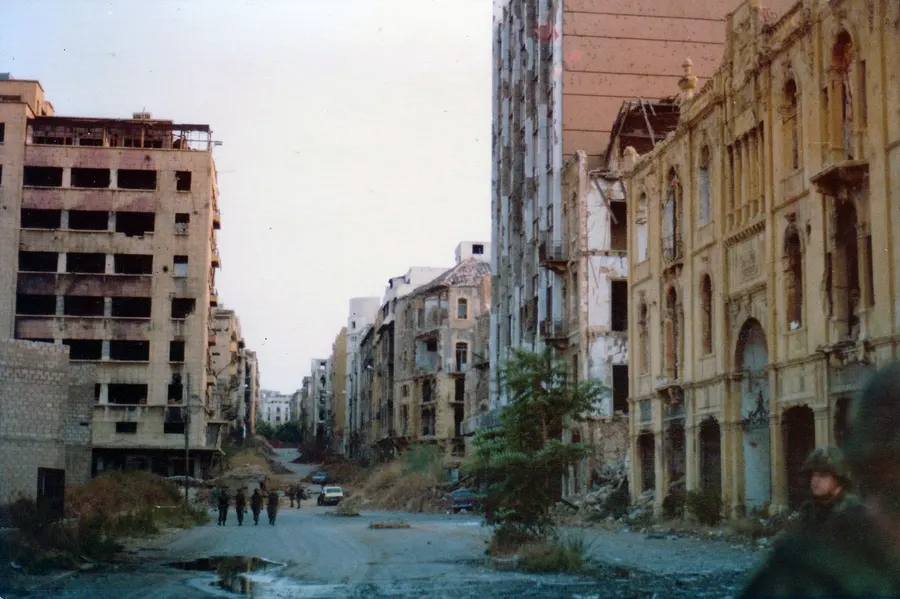
The Green Line that divided Beirut during the civil war, photographed in 1982.The Green Line that divided Beirut during the civil war, photographed in 1982.Image: James Case from Philadelphia, Mississippi, U.S.A. · CC BY 2.0
world · Middle East

Lebanon’s civil war begins

On 13 April 1975, after gunmen fired on members of the Christian Phalange party outside a church in the Beirut suburb of Ain el-Remmaneh, Phalangist militiamen ambushed a bus carrying Palestinians through the area, killing most of those aboard. Fighting spread across the country between Christian militias, Palestinian groups and their Lebanese allies, and later drew in Syria and Israel. The war lasted 15 years and cost well over 100,000 lives. Lebanese still mark 13 April as the day it began.

Source: Encyclopaedia Britannica: Lebanese Civil War (summary) ↗
1987
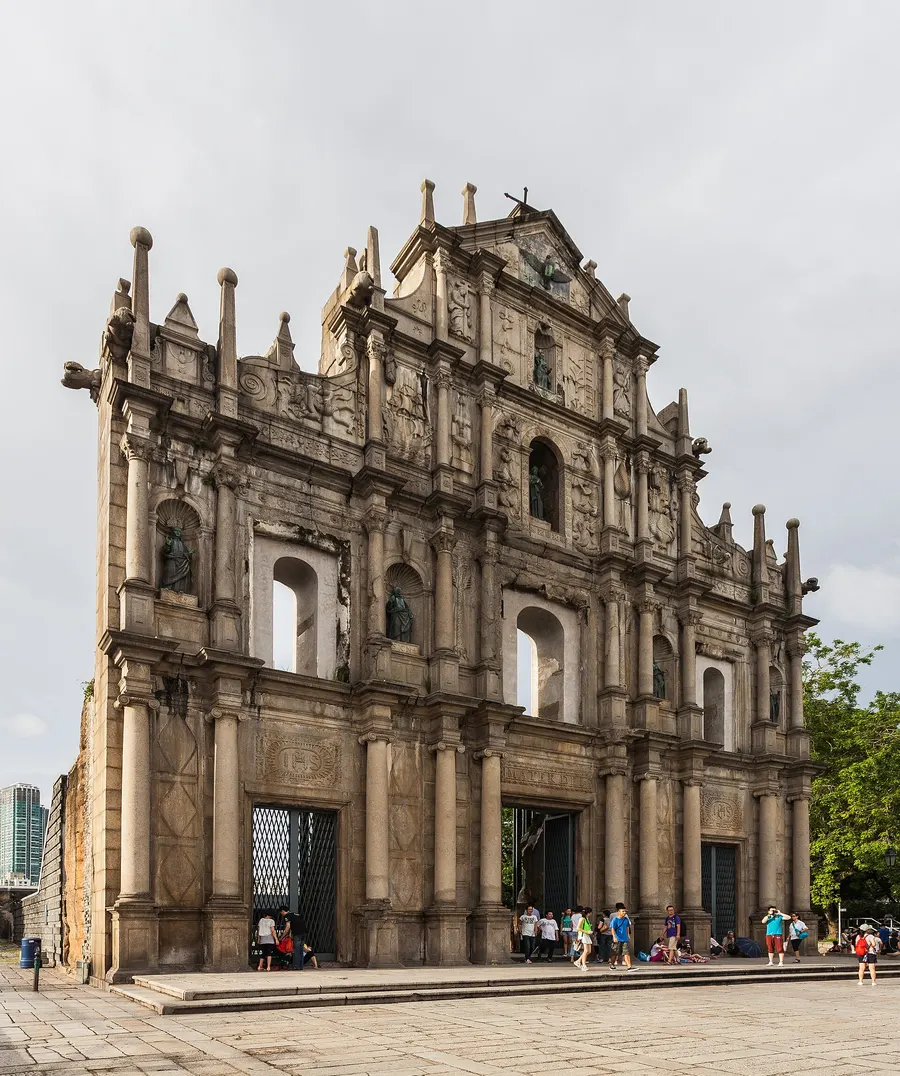
The ruins of St Paul's, Macau, the façade of a 17th-century Jesuit church.The ruins of St Paul’s, Macau, the façade of a 17th-century Jesuit church.Image: Diego Delso · CC BY-SA 3.0
politics · Asia

Portugal agrees to return Macau to China

In the Great Hall of the People in Beijing, the prime ministers of Portugal and China signed a joint declaration on the future of Macau, a Portuguese trading post for more than 400 years. The territory was handed back on 20 December 1999, under the principle of ‘one country, two systems’.

Source: United Nations Treaty Collection: Joint Declaration on the Question of Macau ↗
1997
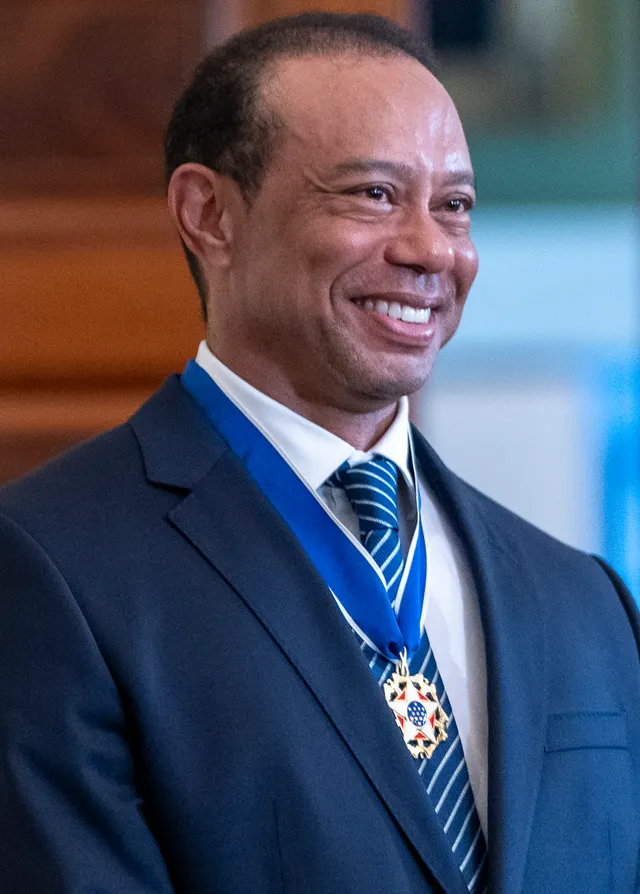
Tiger Woods at the White House in 2025.Tiger Woods at the White House in 2025.Image: The White House · Public domain
sport · Americas

Tiger Woods wins the Masters

Aged 21, Tiger Woods won the Masters at Augusta on 13 April 1997 by 12 strokes, a record, with a record low score of 18 under par. It was his first major title as a professional. He was the youngest Masters champion and the first of African or Asian descent to win it, at a club that had admitted its first Black member only in 1990.

Source: PGA Tour: Tiger Woods set the doubters straight at the 1997 Masters ↗
RESEARCH

Sources & Further Reading

Selected authoritative references supporting the events on this page.

Catholic Encyclopedia (New Advent): Henry V↗Encyclopaedia Britannica: Germany, Henry V↗Encyclopaedia Britannica: Edict of Nantes↗Musée protestant: The Edict of Nantes, 1598↗RTÉ Archives: Messiah Day in Dublin↗Encyclopaedia Britannica: Messiah, oratorio by Handel↗UK Parliament, early day motion: 190th anniversary of the Catholic Emancipation Act↗legislation.gov.uk: Roman Catholic Relief Act 1829↗National Army Museum: Abyssinia campaign↗Victoria and Albert Museum blog: Maqdala 1868↗Encyclopaedia Britannica: Jallianwala Bagh massacre↗Indian Culture Portal (Government of India): Jallianwala Bagh massacre↗The Avalon Project, Yale Law School: Soviet-Japanese Neutrality Pact↗Encyclopaedia Britannica: Empire of Japan, the rise of the Axis↗US National Park Service: The dedication of the Jefferson Memorial↗Wikipedia: Jefferson Memorial↗NASA Space Science Data Coordinated Archive: Transit 1B↗Johns Hopkins Applied Physics Laboratory Technical Digest: The Transit navigation system↗Academy of Motion Picture Arts and Sciences: The 36th Academy Awards, 1964↗Smithsonian Institution: Sidney Poitier wins Oscar, 1964↗NASA: ‘Houston, we’ve had a problem’↗NASA Space Science Data Coordinated Archive: The Apollo 13 accident↗Encyclopaedia Britannica: Lebanese Civil War (summary)↗Carnegie Endowment for International Peace: Three days in April↗United Nations Treaty Collection: Joint Declaration on the Question of Macau↗Wikipedia: Joint Declaration on the Question of Macau↗PGA Tour: Tiger Woods set the doubters straight at the 1997 Masters↗Encyclopaedia Britannica: Tiger Woods (summary)↗
WHY THESE MOMENTS?

Significance before volume

This page is not the longest possible list of events. It is a chronological journey through 13 April, where each entry is chosen for historical significance, human interest and reliability.

Facts are checked against authoritative museums, archives, universities and reference works. Where sources disagree, the page says so.

EXPLORED THE DEEPER STORY?

Return to the highlights of 13 April

Discover the lighter side of the date with famous birthdays, culture, firsts and lives remembered.

Explore This Day →
← PREVIOUS DAY12 April
HISTORY & TIMELINE13 April
NEXT DAY →14 April